Opportunity scoring with explanation
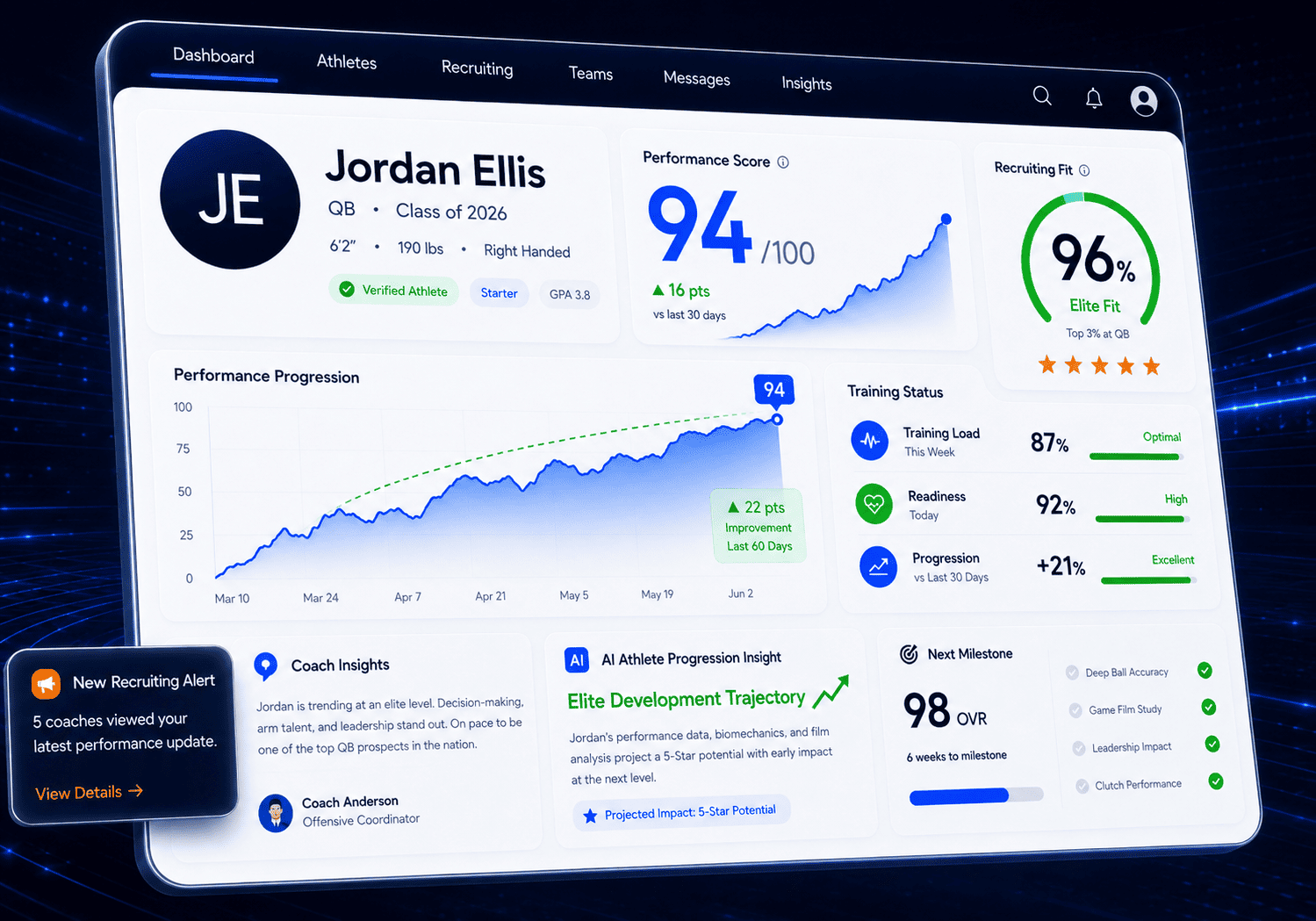
Virginia B2B teams need rankings they can defend in a pipeline review. We ship scoring models that state which signals moved a deal up or down. Managers see idle days, email density, and quote age as first-class inputs. Models stay simple enough for a sales ops lead to tweak without a research team. We prefer gradient methods or rules plus embeddings when catalogs are large, because auditors refuse black boxes on defense deals. Output is a live field and a short reason string on every opportunity card.

Quote draft agents under policy
Manual quote writing burns working hours of senior staff. Agents assemble line items from rate cards and past wins, then flag exceptions for people. Newport News freight and service firms already tried free-form bots and got wrong math. We lock math to tables and force human confirm before CRM stage advances. Workflow orchestration sequences the approvals so nothing unreachable slips past legal. Clients keep margin control while still cutting draft time from hours to minutes on routine lanes.

Status polling and customer updates
Customers hate chasing ETAs. Tracking agents pull carrier or yard signals and post tidy notes to the account timeline. Supported staff stop typing the same reply ten times a day. We select queue workers and schedulers because spiky traffic around sailings should not block sales screens. Error budgets surface when a source feed stalls so ops knows before customers do. Result is cleaner CSAT and salespeople who trust CRM only because it stays current.

Migration kits off spreadsheet CRM
Many Peninsula businesses still run revenue from shared sheets. We package import maps, validation scripts, and dual-run periods so nothing drops mid-quarter. Staff keep old paths until parity hits ready flags. Chosen tooling leans on open ETL jobs with typed schemas so future team hires can edit them. Cleanup rules attack duplicates before agents see them, because dirty data plus automation multiplies waste. You exit with a single system and a full written conversion log.

Ops dashboards for agent health
Leaders need cost and quality kill-switches, not vanity usage charts. We deliver boards that show success rate, human override share, and spend per completed task. Alerts fire when drift appears against a baseline month. Stack choices lean on metrics stores ops teams already open, reducing new training. Finance can challenge a low-value agent with data instead of opinion. That trust is how automation survives the second budget cycle in defense heavy markets.