bg image
bg image

Serving Leesburg & Virginia

Cut wasted AI spend before the next Loudoun budget cycle in 2026

Leesburg leaders fund pilots that stall after the demo. Federal contractors and B2B operators need clear use cases, clean handoffs, and systems teams actually run. We map value first, then build only what survives audit and production load. Ops leaders get a ranked backlog, cost model, and ownership plan. Growth teams get faster decisions without new headcount every quarter. Get AI Consulting cost estimate in 24 hours. Bring budget range, timeline, current stack, and dataset scope so we can reply with a real plan.

Discuss Project

Overview

Why Leesburg operators still stall AI in 2026

Leesburg sits inside Loudoun County’s contractor and data corridor. Firms near Ashburn, Sterling, Reston, and Herndon face the same bind. Buyers want AI features in proposals. Procurement still demands audit trails. Teams run modern clouds next to legacy claims, ERP, and case systems. That mix is where generic roadmaps break. Local pressure makes half-built pilots expensive fast.

Trusted AI Consulting Partner for Leesburg Businesses. We work with US-based clients, including companies operating in Virginia. Our work spans credit risk models, insurance eligibility agents, ecommerce support bots, payment agents, CRM insight pipelines, and multi-platform personalization like MediaSphere. Those builds shape how we run AI consulting here. Strategy only matters when it ends in systems people can operate on Monday morning.

Outcomes stay concrete for Loudoun buyers. You leave with a short list of use cases scored by revenue risk, data readiness, and compliance load. You get architecture options with cost ceilings, not open-ended lab time. You also get a staffing model that fits federal contractor margins. We do not sell infinite discovery. We sell clarity that protects program budgets in 2026 planning cycles.

Technical approach stays practical. We inspect data contracts, access patterns, latency budgets, and review gates before any model work. We prefer retrieval and workflow automation where rules are stable. We use trained models where judgment truly varies. Strong ai consulting services mark that boundary early. It keeps token spend down and reduces technical debt when policy changes hit mid-contract.

Nearby teams in Purcellville and across northern Virginia use the same playbook. 10+ AI consulting projects delivered in the US market inform every Leesburg engagement. Federal contractors, regional healthcare groups, fintech platforms, and logistics operators all face similar integration risk. Start with proof that pays for itself. Expand only after operators trust the system under real load.

Talk to an Expert
Scored Use Cases

Scored Use Cases

Ranked by revenue risk, data readiness, and compliance load

Cost-Ceiling Architecture

Cost-Ceiling Architecture

Options with spend caps—not open-ended lab time

Retrieval-First Pragmatism

Retrieval-First Boundary

Rules & retrieval where stable; models only where judgment varies

Contractor-Fit Staffing

Contractor-Fit Staffing

Model sized for federal margins and Monday-morning ops

plavno logo

Build your first
Smart AI project today!

Just tell the Plavno AI Agent about your project - it will ask questions, gather requirements, and propose a tailored solution

Architecture that ships

Reference stacks Leesburg teams can own in production

Clients in Leesburg need AI programs that survive proposal wind-downs and security reviews. We design reference architectures they can run with internal staff after handoff. The goal is durable ownership, not permanent vendor lock-in. Every choice ties to a delivered system, not a slide pattern. That discipline keeps cost predictable when usage spikes after launch.

Core pattern is a control plane plus task services. The control plane holds policies, prompts, tool permissions, evaluation suites, and rollout flags. Task services hold retrieval, scoring, agent steps, and human review queues. We used this shape on insurance eligibility verification agents and payment agents for fintech platforms. Clear boundaries let security teams audit tools without freezing product delivery. It also lets product owners turn features off without redeploying everything.

Retrieval sits behind versioned document stores and access filters. Chat assistants for ecommerce and CRM insight systems taught us to isolate FAQ corpora from PII-heavy customer streams. Credit scoring work reinforced feature stores with explicit lineage and approval gates. We pick vector search when semantic recall beats brittle keywords. We keep SQL and rules engines when regulators expect deterministic paths. Mixing both reduces hallucinated answers under compliance stress.

Security/compliance is designed in the first week. Roles map to least privilege for tools and data slices. Secrets never live in prompts. We log prompts, tool calls, and decision rationales with retention rules that match client policy. Federal contractor environments near Dulles often require SOC2-aligned controls and customer-managed keys. We document data residency, model vendor boundaries, and redaction steps so legal review moves faster.

DevOps focuses on progressive delivery. Staging mirrors production data shapes with synthetic or scrubbed records. Eval harnesses run on every model or prompt change before traffic moves. Canary routes send a slice of Leesburg production traffic to new versions while operators watch error budgets. Cost dashboards track tokens, retrieval latency, and human fallback rate by use case. That loop stops silent spend drift after the first quarter of go-live.

Decision frame

Why Leesburg buyers pick depth over decks

Generic shops sell workshops. We ship systems operators can measure, audit, and improve after the first release.

Generic Agencies
Our Platform (Deep Engineering Expertise)
Use cases ranked by data readiness and ROI
checkmark
Production agents with human review queues
checkmark
Slide-only strategy with no build path
checkmark
Evaluation suites before traffic moves
checkmark
Token and latency cost controls post-launch
checkmark
One-size prompt pack reused across industries
checkmark
Handoff docs for internal engineering ownership
checkmark

AI Consulting Solutions for Leesburg Industries

Loudoun use cases that fund their own expansion

These patterns map to federal contracting, healthcare admin, fintech ops, media, logistics, and local B2B growth firms around Leesburg.

Proposal Agents

Proposal Agents

Evidence trails

Federal contractor proposal and evidence agents

Loudoun contractors burn senior hours assembling past performance and compliance text. Manual reuse introduces version errors under bid pressure. We design retrieval agents over controlled document libraries with citation trails. Reviewers see source snippets before anything reaches a proposal package. Programs cut assembly time by roughly 35% on first controlled pilots when corpora are clean. Architecture uses permissioned indexes, structured templates, and human approval gates before export.

Eligibility Checks

Eligibility Checks

Regional payers

Insurance eligibility checks for regional payers

Northern Virginia clinics lose days to coverage questions that repeat each shift. Staff chase portals while patients wait and no-shows climb. Our insurance eligibility verification AI agent pattern policies into workflow steps with rule checks and exception queues. Call centers focus on edge cases instead of every routine lookup. Clients report faster intake cycles and fewer abandoned appointments after rollout. Technical path combines rules automation, structured retrieval, and auditable decision logs.

Payment Co-pilots

Payment Co-pilots

B2B ops

Fintech payment co-pilots for B2B platforms

Payment ops teams near the Dulles corridor face high ticket volume on failed transfers and reconciliation gaps. Manual triage misses SLA windows and inflates support cost. We implement agentic payment helpers that classify issues, draft actions, and escalate only when risk thresholds trip. Supervisors keep override rights on high-value moves. Early programs dispatch routine tickets faster while keeping finance controls intact. Stack centers on workflow tools, secure bank APIs, and strict action permissions.

Credit Decisioning

Credit Decisioning

Lending risk

Credit risk decisioning for lenders

Regional lenders and specialty finance shops need scoring that updates without black-box surprises. Spreadsheet models drift and stall exams. AI credit scoring software work shows how to separate feature pipelines, model versions, and decision policies. Underwriters receive reason codes they can defend. Portfolios improve consistency while shrinking manual exception piles. Implementation uses monitored model endpoints, batch+ line scoring, and change control for every coefficient drop.

Media Personalization

Media Personalization

Content rank

Content personalization for media groups

Media brands serving multi-platform audiences struggle when recommendations feel random. Poor discovery wastes content investments and ad inventory. MediaSphere-style personalization layers rank titles from cross-platform behavior signals. Editors keep knobs for brand constraints and campaign pushes. Engagement lifts when cold-start rules and freshness windows stay explicit. Approach blends recommendation models, feature stores, and editorial policy services.

CRM Insights

CRM Insights

Sales loops

CRM insight loops for Leesburg B2B sellers

Sales teams drown in notes while leadership waits for clean pipeline truth. Feedback lands late and coaching stays generic. AI-driven CRM systems pull call and ticket signals into automated insight streams. Managers see churn risk and next-best actions without hunting screenshots. Less churn in top accounts often pays for the program within a quarter on mid-market books. Build uses CRM connectors, feedback analytics, and scheduled insight digests with role-based views.

Case Study

We help customers cut
down on development

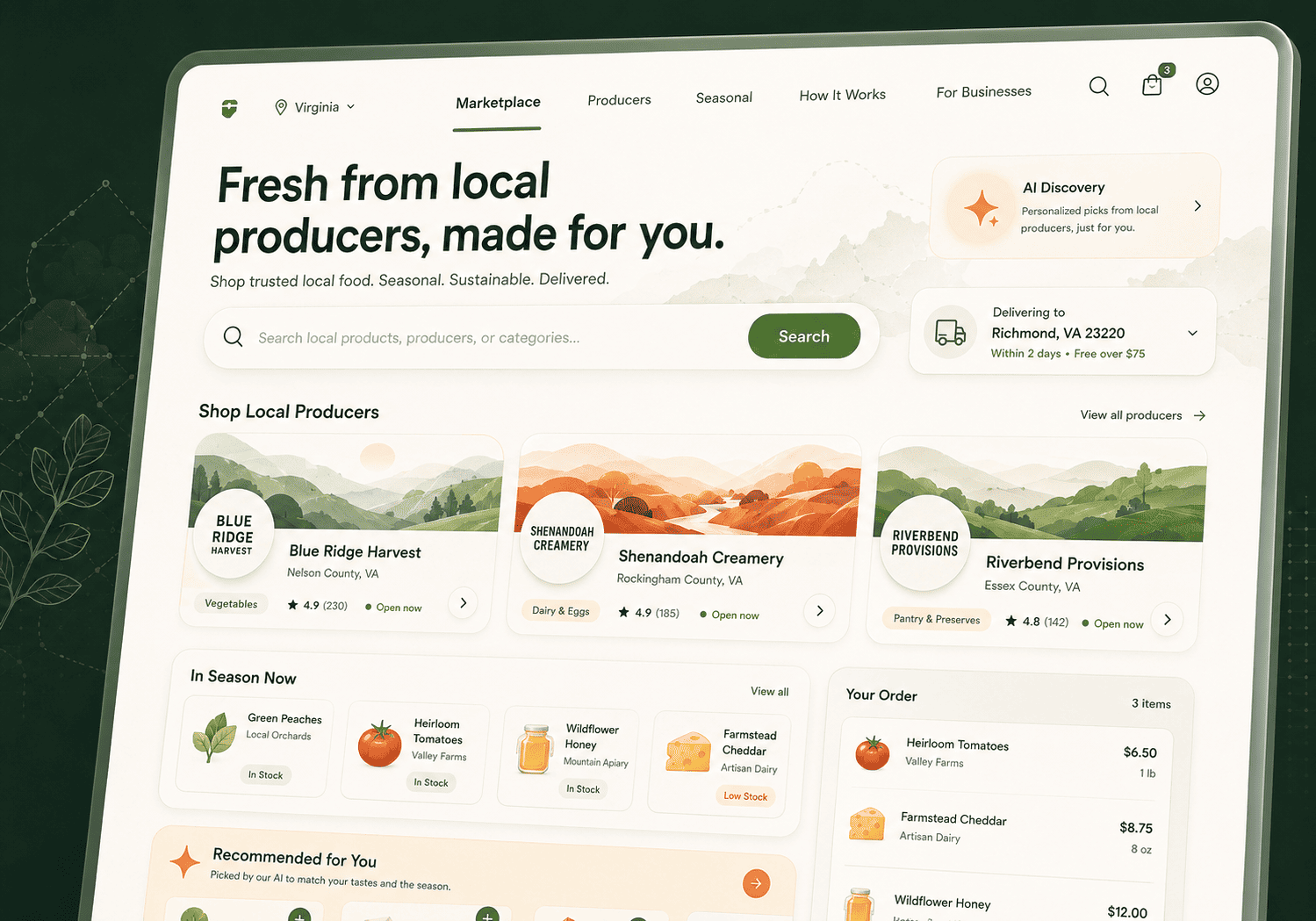
Digital Marketplace for Virginia Farmers, Local Producers & Direct-to-Consumer Food Sales

Plavno developed a custom multi-vendor marketplace for Virginia-based farmers, food producers, and regional sellers to unify product listings, vendor operations, customer ordering, and local fulfillment workflows.

Read More
3x

increase in product discovery relevance

Digital Marketplace for Virginia Farmers, Local Producers & Direct-to-Consumer Food Sales

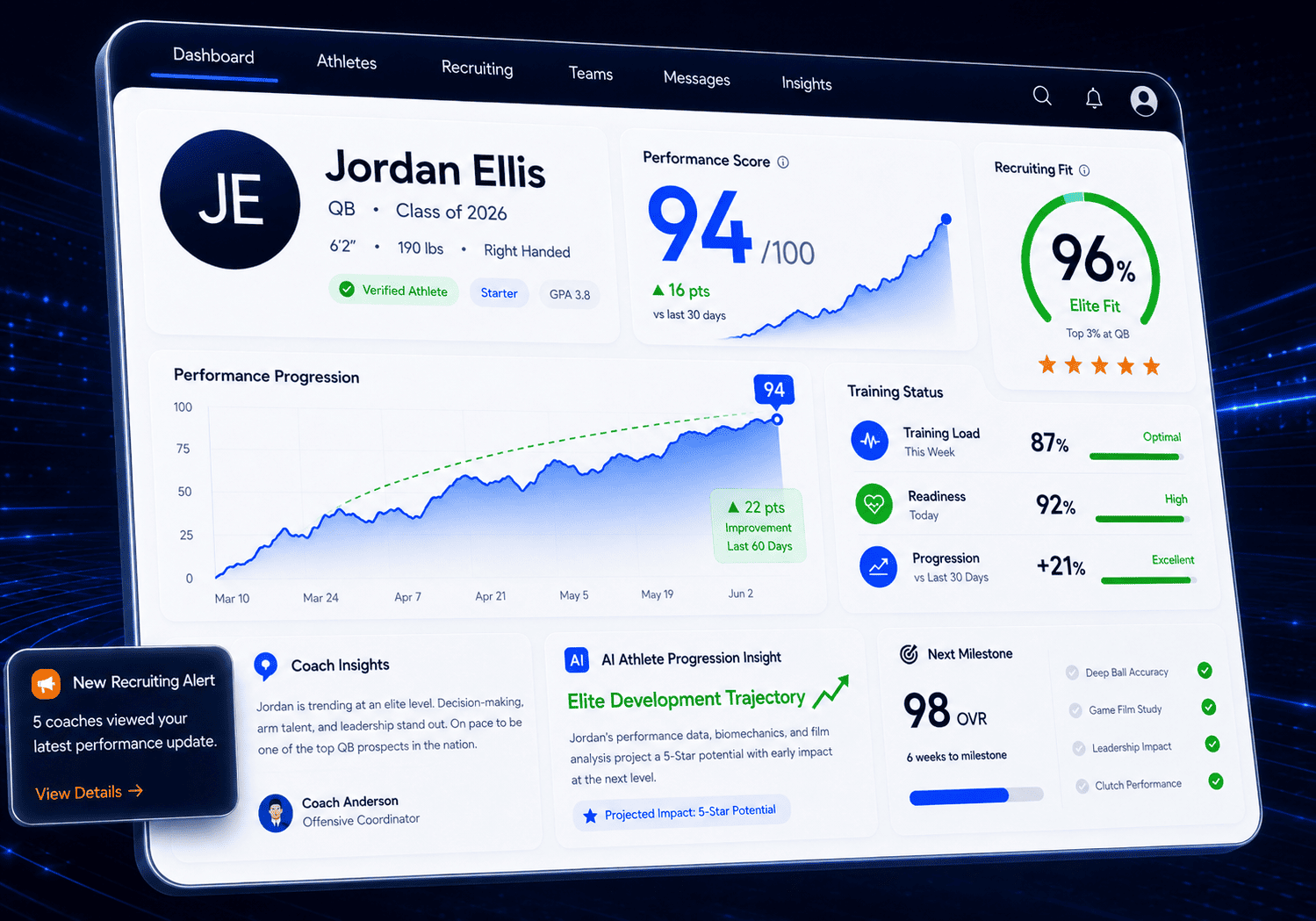
AI-Powered Sports Performance & Recruiting Platform for Virginia Clubs, Academies & Youth Programs

Plavno developed a custom sports technology platform for Virginia-based clubs and academies to combine athlete performance tracking, coach communication, recruiting workflows, and mobile engagement in one ecosystem.

Read More
3x

faster recruiting pipeline

AI-Powered Sports Performance & Recruiting Platform for Virginia Clubs, Academies & Youth Programs

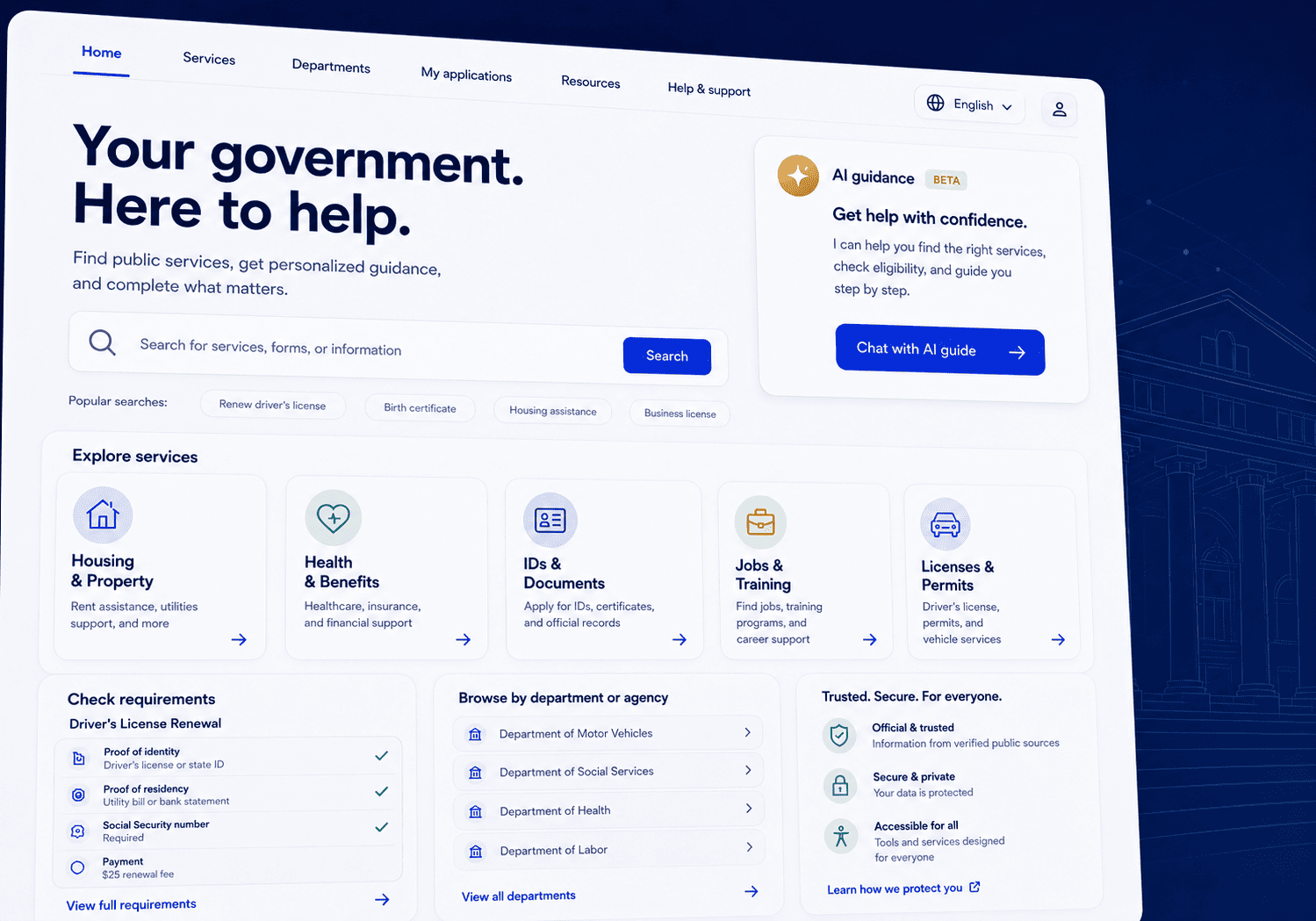
AI-Powered Citizen Services Website Platform for Virginia State Agencies

Plavno developed a modern eGovernment website platform for Virginia state agencies that centralizes citizen services, public information, department content, and an AI-powered guidance agent in one scalable system.

Read More
70%

reduction in routine citizen inquiries to agency staff

AI-Powered Citizen Services Website Platform for Virginia State Agencies

Testimonials

We are trusted by our customers

“They really understand what we need. They’re very professional.”

The 3D configurator has received positive feedback from customers. Moreover, it has generated 30% more business and increased leads significantly, giving the client confidence for the future. Overall, Plavno has led the project seamlessly. Customers can expect a responsible, well-organized partner.

Sergio Artimenia

Commercial Director, RNDpoint

Sergio Artimenia

“We appreciated the impactful contributions of Plavno.”

Plavno's efforts in addressing challenges and implementing effective solutions have played a crucial role in the success of T-Rize. The outcomes achieved have exceeded expectations, revolutionizing the investment sector and ensuring universal access to financial opportunities

Thien Duy Tran

Product Manager, T-Rize Group

Thien Duy Tran

“We are very satisfied with their excellent work”

Through the partnership with Plavno, we built a system used by more than 40 million connected channels. Throughout the engagement, the team was communicative and quick in responding to our concerns. Overall, we were highly satisfied with the results of collaboration.

Michael Bychenok

CEO, MediaCube

Michael Bychenok

“They have a clear understanding of what the end user needs.”

Plavno's codes and designs are user-friendly, and they complete all deliverables within the deadline. They are easy to work with and easily adapt to existing workflows, and the client values their professionalism and expertise. Overall, the team has delivered everything that was promised.

Helen Lonskaya

Head of Growth, Codabrasoft LLC

Helen Lonskaya

“The app was delivered on time without any serious issues.”

The MVP app developed by Plavno is excellent and has all the functionality required. Plavno has delivered on time and ensured a successful execution via regular updates and fast problem-solving. The client is so satisfied with Plavno's work that they'll work with them on developing the full app.

Mitya Smusin

Founder, 24hour.dev

Mitya Smusin

Delivery toolkit

Five consulting outputs Leesburg sponsors actually use

AI opportunity backlog scored for ROI

AI opportunity backlog scored for ROI

Sponsors in Leesburg often start with twenty ideas and no ranking method. Budget meetings stall because every group claims priority. We score each idea on revenue impact, data fitness, risk, and time-to-proof. Workshops produce a visible queue leadership can defend. Partners keep the model and update scores each quarter. Tools stay light: shared sheets, risk rubrics, and simple Monte Carlo ranges when uncertainty is high.

Data readiness and integration map

Data readiness and integration map

Broken IDs and silent nulls kill more AI programs than model choice. Local firms sync SaaS CRMs, on-prem ERPs, and federal reporting extracts. We chart sources, owners, freshness, and access paths before any prototype. Gaps become tickets instead of launch surprises. Teams leave with a sequenced fix list and estimated effort. We favor catalog tools and contract tests so future systems inherit clean interfaces.

Agent and workflow blueprints

Agent and workflow blueprints

Many copilots fail because tools and permissions stay fuzzy. Operators fear wrong actions on money or PHI flows. We define agent goals, allowed tools, stop conditions, and human review points. Patterns draw from payment agents, eligibility agents, and voice order assistants. Blueprints include failure modes and rollback steps. Engineers implement faster because decisions are already explicit.

Evaluation and quality gates

Evaluation and quality gates

Without offline tests, today performance is a guess. Leesburg compliance teams need proof before production traffic. We build gold sets, rubric scores, and regression packs alongside the first prototype. Changes fail closed when quality dips. Business owners read plain scorecards, not raw logs. Frameworks often combine pytest-style runners, prompt unit tests, and sample human reviews.

Operating model and cost control kit

Operating model and cost control kit

Post-launch spend drifts when nobody owns tokens or fallbacks. Night shifts invent workarounds and quality erodes. We define on-call roles, rewrite cadences, budget alerts, and monthly review rituals. Dashboards track latency, error rate, and human takeover share. Finance sees burn next to delivered value. This kit converts a pilot into a managed product line without surprise invoices.

Architecture & Engineering Overview

How Leesburg programs stay fundable after launch

Fiscal-Year ROI Path

Fiscal-Year ROI Path

Retrieval-first & hybrid rules+ML keep answers cheap and auditable

Human-in-Loop Gates

Human-in-Loop Gates

Low-risk auto-complete; high-dollar and PHI wait for named approvers

Proof-Before-Scale

Proof-Before-Scale

Baseline handle time & exceptions; fund next case only after weeks hold

Cost & Vendor Visibility

Cost & Vendor Levers

Token budgets, swappable APIs, and clean data-rights cut mid-contract risk

For Business: Technical ROI & Risk Mitigation

Business sponsors care about spend that returns inside the fiscal year. Technical choices either protect that path or empty it. We treat every architecture decision as a cash and risk lever, not a fashion choice. Retrieval-first assistants beat unbounded chat for support because answers stay grounded and cheap. Rules plus ML hybrids beat pure black-box scoring when auditors need reason codes. Those pathways showed clear value in insurance eligibility agents and credit scoring builds.

Risk drops when humans stay in the loop on irreversible actions. Payment agents and CRM automation only auto-complete low-risk steps. High dollar or PHI moves wait for named approvers. Incident scope shrinks even if a model mistakes intent. Board reports improve because you can point to controls instead of hopes.

Time-to-value matters in Loudoun contractor cycles. Short proofs target one workflow with baseline metrics already recorded. We measure handle time, exception rate, and surplus overtime before any model ships. After release we compare the same metrics under similar load windows. Funds move to the next use case only when the first one holds for several weeks.

Vendor concentration risk stays visible. We document where model APIs can be swapped and where proprietary data pipelines must stay in-house. Media personalization and localization work taught us to isolate training data rights early. Legal finish lines move up when licensing is clean. That discipline reduces cancellation risk mid-contract.

Operating cost remains a first-class metric. Token budgets, cache hit rates, and batch windows appear in the same packet as model accuracy. Leaders see trade-offs before traffic grows. When volume doubles after a successful pilot, the plan already covers scale caps. Surprises become planning inputs instead of emergencies.

Discover

1. Discover

Lock scope and non-goals so pet features never dilute v1

Instrument

2. Instrument

Logging and gold data land before clever prompts ship

Prove & Harden

3. Prove & Harden

Feature flags, kill switches, security findings, failover

Hand Off

4. Hand Off

Runbooks, ownership maps, monthly quality calendar

For CTOs: Architecture & Technical Lifecycle

CTOs need a repeatable lifecycle from first workshop to multi-team ownership. We run a gated path: discover, instrument, prove, harden, hand off. Discovery locks scope and non-goals so pet features do not dilute the first release. Instrumentation adds logging and gold data before clever prompts. Proof ships behind feature flags with kill switches. Hardening addresses security findings and failover. Handoff transfers runbooks and ownership maps to internal leads.

Decision points stay explicit. Build versus buy on models is revisited when latency, data sensitivity, or unit economics change. On-device or private weights win only when network policy forbids external calls. Otherwise managed APIs cut maintenance until volume justifies other costs. Trade-offs are written down with numeric thresholds so the next quarter does not restart debate.

Governance avoids theater. Change boards review eval deltas and risk class, not every prompt typo. Critical flows need dual control. Experimental sandboxes stay isolated from customer PII. This balance let multi-platform personalization and real-time translation pipelines iterate without freezing release trains.

Technical debt is tracked as backlog items with owners. Temporary prompt glue is labeled temporary with a kill date. Shared libraries for redaction, auth, and tracing prevent each squad reinventing controls. Leesburg teams with remote contractor blended staff benefit from that structure during turnover spikes.

Lifecycle ends with a calendar, not a speech. Monthly quality reviews, quarterly roadmap resets, and annual disaster drills land on real dates. Metrics for drift and cost enter the same ops forums as uptime. AI then behaves like any other production estate under the CTO.

Orchestration Layer

Orchestration & Typed Tools

Python services, async workers, idempotent keys, dead-letter queues—schema checks stop bad SKUs before execution

Separated Stores

Feature & Document Stores

Isolated from transaction DBs; versioned corpora roll back bad dumps without redeploys; backpressure on media bursts

Edge-Case Fixtures

Edge-Case Fixtures First

Empty histories, bilingual input, cut-off audio, portal timeouts—tests encode barge-in and degrade paths

Local Prod Parity

Local Prod Parity

Dockerized queues, fake model endpoints, vault sidecars—no .env secrets; laptop evals before CI

For Engineers: Implementation Details & Stack

Engineers inherit choices they must debug at 2 a.m. We pick boring components first and justify every exotic piece with a measured failure mode. APIs sit behind async workers when tools may hang. Idempotent job keys protect payment and verification steps from double posts. Dead-letter queues catch poison messages without stalling the whole agent loop.

Python services handle orchestration and model calls for speed of iteration. Typed schemas validate tool inputs before execution. When ecommerce chat retrieval or food delivery voice flows call external catalogs, schema checks stop malformed SKUs early. Go or similar runtimes enter only when sustained concurrency needs it. Clarity beats micro-optimization until profiles say otherwise.

Feature and document stores stay separate from transaction databases. Recommendation and CRM insight pipelines pull features without locking core orders tables. Versioned corpora let editors roll back a bad content dump without redeploys. Translation and dubbing cases reinforce streaming pipelines with backpressure so media bursts cannot melt workers overnight.

Edge cases dominate production quality. Empty customer histories, bilingual inputs, cut-off audio, and partial form posts all have fixtures. Voice assistants for delivery orders handle barge-in and confirmation loops. Eligibility agents degrade to clarify questions when payer portals time out. Tests encode those paths so fixes stay permanent.

Local development mirrors prod shapes with dockerized queues and fake model endpoints. Engineers run evals on laptops before CI. Secrets come from vault side cars, never .env files in repos. This stack detail shortens onboarding for new hires and contractors across Reston and Sterling offices.

Decision Observability

Decision Observability

Latency, tool errors, refusals, takeover share, tokens—traces stitch prompt version to action IDs

Canary & Rollback

Canary & Flag Rollback

Blue-green model packages as signed artifacts; rollback is a flag flip for gov change windows

Class-Mapped Controls

Class-Mapped Controls

HIPAA, SOC2, least privilege, CMK, allow lists—requirements mapped before coding starts

AI Incident Playbooks

AI Incident Playbooks

Disable tools, freeze prompts, safe templates; post-incident misses feed the next eval set

Infrastructure, Observability & Security

Infrastructure choices must satisfy US client security reviews without delaying deploys. We monitor decisions, not just server health, because AI fails in the payload more often than at the host. Metrics cover latency percentiles, tool error rates, refusal rates, human takeover share, and token spend by route. Traces stitch prompt version, retrieval hits, and final action IDs. When quality dips, responders see the cause without reading raw dumps first.

Deployment patterns favor blue-green or canary for model and prompt packages. Configuration ships as signed artifacts. Rollback is a flag flip, not a weekend rebuild. Leesburg clients with change windows tied to government schedules need that speed. Staging mirrors identity providers and network zones to catch auth faults early.

Compliance coverage depends on data class. Healthcare-linked workflows prepare HIPAA controls: encryption, BAAs where required, and access audits. Fintech paths emphasize SOC2 evidence, least privilege, and separation of duties on money movement. Federal contractor environments often add logging retention and IP allow lists. We map requirements to controls before coding starts so gaps do not appear mid-pen-test.

Incident response includes AI-specific playbooks. Teams know how to disable a tool, freeze a prompt version, and switch to safe templates. Comms templates explain impact without oversharing internal IP. Post-incident reviews feed eval sets so the same miss fails tests next time. That loop hardens the system faster than blame meetings.

Cost and drift dual-own with finance and engineering. Alerts fire before monthly caps. Drift monitors compare live embedding distributions and label rates against baselines. When rabble data shifts after a product launch, the team refreshes gold sets on schedule. Observability then protects both trust and margin.

Data paths first

Integration fabric before models touch Leesburg traffic

The second build concern is not another model baker. It is the data and system fabric that feeds every later experiment. Leesburg firms often run Salesforce next to custom .NET cores, SharePoint caches, and contractor portals. AI that ignores those seams produces pretty demos and angry ops. We start with contracts, identities, and fail-soft behavior on every external call.

Identity and tenancy design comes first. Multi-tenant B2B platforms need hard walls between clients even inside shared vector indexes. Payment agent work and CRM automation taught us to tag every document and feature with owner and sensitivity labels. Queries inject those filters server-side. Client A never retrieves Client B content through a cleverly worded prompt. Auditors check that path early and often.

Change data capture and event buses reduce brittle nightly dumps. When ecommerce catalog bots or food delivery voice assistants need fresh stock and menu states, lag creates wrong answers. Streaming updates with compact events keep retrieval stores honest. Where legacy systems only export batches, we wrap them with validators and late-arriving data windows. Quality gates reject corrupt payloads before they poison indexes.

We design dual-write and reconciliation carefully when moving offline quizzes into AI assisted flows. Credit scoring and eligibility systems still need final records in systems of record. Agents propose; authoritative APIs commit after validation. Idempotency keys and outbox patterns stop double posts during retries. Support teams trust the bot more when finance systems stay exact.

Cost control lives in the integration layer too. Caching frequent retrievals, compressing long contexts, and batching offline insights cut token bills without hurting accuracy. MediaSphere-style personalization benefits from precomputed candidate sets so online rankers stay light. Localization pipelines stage heavy speech work off peak. Leesburg teams see infrastructure charts next to model spend so both stay owned. This fabric is what makes later agents boring and reliable.

Maturity path

Move Leesburg teams from manual work to guided autonomy

Not a generic kickoff-to-launch checklist. This sequence raises operating maturity so automation sticks after the consulting team leaves.

Clipboard
Team
01

Step 1: Baseline the manual path (2 weeks)

We shadow real operators on the target workflow. Clocks, screenshots, and error counts replace opinions. Leesburg sponsors receive a current state map with cycle time and failure points. Data gaps and policy constraints enter a shared register. This phase yields the baseline metrics used for every later ROI claim. No models start until the baseline is signed.

02

Step 2: Assist with draft automation (2–4 weeks)

Systems draft responses, scores, or actions while humans still click submit. Teams feel risk drop because they stay in control. Eval sets grow from corrected drafts. Prompt and rule tweaks ship daily. Delivers a supervised prototype on scrubbed or limited production traffic. Confidence rises before autonomy expands.

Search in doc
Rocket
03

Step 3: Narrow autonomous lanes (3–5 weeks)

Only low-risk slices go hands-free with strict thresholds. Payment retries under fixed amounts or FAQ answers with high retrieval scores are typical first lanes. Everything else stays assisted. Monitors watch override rates and residual errors. Clients get clear promotion criteria before more lanes open. Rollback paths stay tested each week.

04

Step 4: Expand with shared services (4–6 weeks)

Successful lanes share redaction, auth, logging, and eval machinery. New use cases reuse those rails instead of forking stacks. Federal contractor groups benefit when security signs a common module once. Cost dashboards cover the portfolio, not one bot. Deliverable is an internal playbook plus backlog for the next two quarters.

Eugene Katovich

Eugene Katovich

Sales Manager

Need a custom software solution? We’re ready to help!

Plavno has a team of skilled developers ready to tackle the project. Ask me!

Get a Free Quote

Practical answers

Leesburg AI consulting questions for 2026 buyers

Straight answers on cost, timing, data, quality, security, and operations for Virginia teams planning serious AI work.

What drives the cost of AI consulting services for Leesburg companies?

Cost is driven by scope depth, data readiness, compliance load, and how many systems must connect. Strategy-only engagements stay smaller because they produce ranked use cases, architecture options, and a delivery plan without production hardening. Implementation phases cost more when agents touch payment rails, PHI, or multi-tenant data walls. Loudoun federal contractors often add security review time that pure commercial startups skip. Those review cycles are real calendar and budget items, not padding.

Local market rates reflect scarce senior talent near Ashburn and Reston who understand both ML systems and audit culture. You pay for people who can write controls and code, not facilitators alone. Clean source systems lower cost because less effort goes into identity repair and schema rescue. Messy CRM exports, shared inboxes, and shadowed spreadsheets lengthen discovery. Expect us to price discovery, proof, and scale as separate packages so you can stop between gates.

Model spend is usually smaller than integration and evaluation work in early stages. Token bills grow later when traffic rises, which is why we include cost controls in the operating model. If you need multi-language media pipelines or heavy speech processing, infra is a larger line. Chat-style FAQ retrieval over a curated knowledge base stays leaner. Share budget range, timeline, tech stack, and dataset scope early so estimates match real constraints.

A practical Leesburg program often starts with a fixed discovery fee, then a time-boxed pilot with a hard ceiling. Expansion depends on measured gain against the manual baseline. We avoid open-ended retainers that hide idle hours. Transparent burn reports keep finance and engineering aligned each month. That approach fits contractor margins and private B2B cash discipline alike.

How long does it take to go from AI consulting kickoff to a working system?

Timelines split into decision work and delivery work. A focused readiness and roadmap effort for one domain often finishes in three to five weeks when stakeholders attend workshops and grant data access quickly. That package answers what to build, what to skip, and what it should cost. Continuous delays in access extend calendars more than model training does. Leesburg teams with security gatekeepers should plan for identity provisioning up front.

An MVP that assists humans usually lands in six to ten weeks after discovery when the data path is already decent. Assisted drafts, retrieval answers, or scoring suggestions fit that window. Full autonomous lanes with dual control, monitoring, and compliance evidence take longer, often twelve to twenty weeks depending on integration count. Insurance verification style agents and payment agents sit toward the longer end because actions matter. Simple FAQ bots over clean docs sit shorter.

Parallel tracks help when legal review runs slow. Engineers can build eval harnesses and sandbox connectors while counsel finishes policy checks. We stage demos on synthetic data so product owners still see progress. Production credentials arrive as a controlled gate, not day one. This keeps momentum without noncompliant shortcuts.

After first release, expect a stabilization window of two to four weeks with heightened monitoring. Teams tune thresholds and expand traffic gradually. Additional use cases reuse shared services and move faster. Portfolio maturity then becomes a quarterly cadence rather than serial giant projects. Plan staffing so internal owners can learn during the first stabilization, not after the consultants leave.

What data do you need before AI consulting can start in Virginia?

Startups and mid-market firms across Virginia, including Leesburg, Ashburn, and the broader Dulles corridor, succeed when they bring sample reality, not perfect lakes. We need representative records, documents, tickets, or call snippets that match production messiness. Clean lab sets hide the broken IDs and bilingual notes that break agents later. Volume can be modest at first if coverage is honest. Labels or named outcomes help when the use case is scoring or routing.

Access patterns matter as much as files. List which systems own truth for customers, products, policies, and payments. Note refresh rates and who approves export. If data cannot leave a VPC, say so early so architecture stays private. Startup ecosystems in northern Virginia often combine SaaS apps with light warehouse layers. That mix is fine when API tokens and rate limits are known.

Security packaging should travel with the data. Share retention rules, redaction needs, and whether PHI, PCI, or export-controlled content appears. We can work on scrubbed extracts while full agreements finish. Delayed guidance here causes rework on prompts and stores. Clear rules accelerate everything else.

Finally, provide the business baseline. Cycle times, error rates, overtime hours, and local SLA penalties turn the project from novelty to ROI. Without baselines, success becomes a vibe. With them, pilots either pay or stop. Bring budget, timeline, stack notes, and this data snapshot to the first call so we can map effort with precision.

How do you measure quality and decide if an AI system is good enough to expand?

Quality is multi-metric, never a single accuracy percent on a marketing slide. Offline evals score correctness, citation fidelity, refusal quality, and policy adherence against gold sets. Online metrics track latency, human override rate, residual error, and business KPIs tied to the workflow. A support agent might aim to lower handle time while holding CSAT. A scoring system might aim to match senior underwriter decisions on agreed corridors. Both need thresholds written before launch.

We set promotion gates step by step. Assisted mode promotes when drafts earn high accept rates and low critical edits. Narrow autonomy promotes when overrides stay under agreed rates for a soak period. Portfolio expansion waits until monitoring and on-call rituals are real, not promised. Leesburg federal contractor clients often add audit sampling requirements. Those samples join the evidence pack rather than become a surprise.

Drift checks keep quality honest after go-live. Input distributions, retrieval hit patterns, and outcome balances are compared to baselines. When product catalogs or regulations shift, eval packs refresh. Models and prompts never move on vibes alone. Change control requires before/after scorecards.

Business owners receive plain language dashboards. Engineers receive traces and failing cases. That dual view avoids blame fights during reviews. Expansion funding then rests on measured lift, not storytelling. If lift is weak, we re-scope or stop. Stopping is a valid quality decision that protects 2026 roadmaps.

How do you handle security and compliance for AI consulting with federal contractors?

Security starts in scoping, not after a flashy prototype. We classify data, map identities, and define tool permissions before models see traffic. Least privilege applies to retrieval corpora and to actions agents may take. Secrets stay in vaults. Prompts never hold long-lived credentials. Logging captures decision trails with retention matched to client policy and contract clauses common in northern Virginia contractor work.

Compliance mappings depend on the workload. Healthcare-adjacent flows prepare HIPAA-minded controls and BAAs where needed. Fintech and payments emphasize SOC2-aligned evidence, segregation of duties, and strong change management. Federal contractor environments may add continuous monitoring expectations, allow lists, and stricter vendor reviews. We document model provider boundaries and data residency so counsel can finish reviews faster.

Architecture patterns reinforce controls. Multi-tenant walls prevent cross-client leakage. Human approval gates cover irreversible money or access changes. Redaction layers strip sensitive fields before they hit external model APIs when policy requires. Private networking and customer-managed keys appear when risk profiles demand them. These are design defaults, not add-on posters.

Operational practice completes the story. Incident playbooks include disabling tools and freezing prompt versions. Access reviews and key rotation land on calendars. Pen tests and tabletop exercises include AI-specific scenarios like prompt injection leading to tool misuse. Evidence packs gather configs, logs, and eval results for auditors without heroic scrambles. That is how security stays livable while delivery continues.

Contact Us

This is what will happen, after you submit form

Need a custom consultation? Ask me!

Plavno has a team of experts ready to start your project. Ask us!

Vitaly Kovalev

Vitaly Kovalev

Sales Manager

Schedule a call

Get in touch

Fill in your details below or find us using these contacts. Let us know how we can help.

No more than 3 files may be attached up to 3MB each.
Formats: doc, docx, pdf, ppt, pptx, xls, xlsx, txt.
Send request