bg image
bg image

Serving Harrisonburg & Virginia

Cut stockouts and checkout delays for Harrisonburg merchants in 2026

Harrisonburg retailers still lose sales when stock counts lag the floor and registers stall at peak hours. Manual replenishment wastes staff time that should serve customers in downtown shops and campus corridors. AI Retail Automation gives owners clearer inventory signals, faster lanes, and fewer after-hours corrections. It fits multi-location groups from Bridgewater to Staunton who need control without a big IT bench. Independent stores and regional chains both use the same outcome focus: protect margin and free people for higher-value work. Get AI Retail Automation cost estimate in 24 hours. Share budget band, timeline, current stack, and store count so we scope work you can fund.

Discuss Project

Overview

Why Harrisonburg retail margins slip before noon

Harrisonburg sits on retail traffic from James Madison University, Route 33 corridors, and weekend visitors into the Shenandoah Valley. Store teams still reconcile POS exports by hand, re-count shelves after deliveries, and fix price errors after lines have already moved. That lag shows up as empty pegs near campus, overstock of slow movers, and managers who live inside spreadsheets instead of coaching floor staff. Owners in Bridgewater, Dayton, and Staunton face the same pattern when seasonal demand swings faster than weekly planning cycles. AI retail automation places software agents on those choke points so counts, alerts, and replenishment drafts arrive while the store is still open.

Trusted AI Retail Automation Partner for Harrisonburg Businesses means we start from operations, not slide decks. We work with US-based clients, including companies operating in Virginia. Retail groups ask for inventory visibility first, then smarter checkout queues, then demand signals that respect local calendars like move-in week and leaf-season tourism. Our AI development work embeds models inside the tools staff already open each morning. The result is fewer surprise write-offs and tighter labor plans without forcing a full software rewrite on day one.

Nearby districts around Court Square, Port Republic Road retail strips, and the Valley Mall area each run different peak shapes. A bookstore near campus spikes differently than a farm-supply store toward Broadway. Generic cloud kits ignore those curves and push one-size rules that fail on the floor. We map product velocity by location, anomaly rates at receiving, and register dwell times before we pick model targets. That grounding keeps automation tied to cash impact instead of vanity dashboards. It also surfaces data gaps early so clean-up work is priced into the plan.

Technical approach stays deliberate: event feeds from POS and warehouse systems land in controlled storage, extraction and ranking models score exceptions, and staff see action lists with reasons they can audit. We reuse patterns proven on high-stakes document work, including real-time summarization agents and extraction pipelines built for regulated records. Retail docs, invoices, and inventory notes benefit from the same disciplined NLP path. Security stays first-class with role limits, US hosting options, and change logs managers can explain to auditors. Ten-plus automation programs delivered across the US market give Harrisonburg teams a repeatable path rather than an experiment.

Talk to an Expert
Live inventory truth

Live inventory truth

POS + receiving + planogram join before lunch, not after spreadsheets

Store-hours agents

Store-hours agents

Counts, alerts, replenishment drafts while doors stay open

Valley demand curves

Valley demand curves

JMU move-in, leaf season, Route 33 peaks in local features

Auditable action lists

Auditable action lists

Ranked exceptions with reasons, US hosting, role limits

plavno logo

Build your first
Smart AI project today!

Just tell the Plavno AI Agent about your project - it will ask questions, gather requirements, and propose a tailored solution

Core retail automation stack

Store-facing agents on verified inventory truth

Harrisonburg operators receive a production system that joins POS events, receiving scans, and planogram rules into one operational picture. We build service layers that normalize item master data, resolve vendor SKUs that disagree, and flag shrink patterns before the weekend rush. Models sit behind clear APIs so managers never depend on a single notebook freezes on a laptop. Automated retail systems here mean workflows that propose picks, transfers, and markdown candidates, then wait for a human confirm on high-cost moves. Low-risk tasks can auto-run with guardrails and reverse actions ready.

Architecture favors event-driven intake over nightly bulk dumps that always arrive late. Streaming or frequent batch connectors pull sales and inventory deltas, then feature stores keep nutrient data ready for forecasting and anomaly scores. We choose Python services for model orchestration because retail feature logic changes often and needs fast tests. Containerized workers scale only during promotion windows so you avoid idle cloud spend across quiet midweek hours. Message queues buffer register spikes near gateway traffic so the stack does not drop events when lines surge.

Computer vision versions, when justified, run on edge units for shelf gaps and facing quality in large formats. Smaller Harrisonburg shops often skip cameras first and still win on tabular demand models plus receipt-level NLP for returns reasons. Those text pipelines borrow the extraction discipline we applied on EHR-focused NLP projects: structured fields out of messy notes, confidence scores, and human review lanes for edge cases. Retail invoices, packing slips, and warranty claims travel the same route. Keeping humans in the loop on ambiguous SKUs Protects brand trust on day one.

Security/compliance covers PCI-adjacent data handling, least-privilege service accounts, encryption in transit and at rest, and audit trails on every automated price or stock change. We isolate tenant data for multi-brand groups and document retention so Virginia counsel is not surprised. PII from loyalty programs never trains public models. Access reviews and key rotation sit on a calendar, not a hope. DevOps practices include blue-green deploys for storefront-critical APIs, feature flags per site, and synthetic checkout probes that fire before opening time in the Eastern zone.

Clients leave with runbooks, ownership maps, and cost dashboards that show token, vision, and infra spend per store cluster. Training modules teach associates to trust scores without treating them as magic. Integration kits cover common POS families used across the Shenandoah Valley plus CSV fallbacks for hard legacy boxes. We do not sell a black box; we ship code you can inspect, with SLAs on latency for inventory queries and alerting on drift when seasonal patterns shift. That posture keeps 2026 rollouts maintainable after launch week ends.

Delivery anchors

Five capabilities Harrisonburg stores fund first

Live inventory exception desks

Live inventory exception desks

Stock mismatches still surprise teams after vendor drops near Mount Clinton Pike. Managers need ranked exceptions, not raw spreadsheets, before lunch. We ship scoring services that compare sales velocity to on-hand and open POs. PostgreSQL stores state because retail queries need reliable joins under load. Rules plus models explain why an item escalated so staff can act without guesswork. Alerts route by department so hardlines and grocery do not drown each other.

Checkout queue and dwell assist

Checkout queue and dwell assist

Peak hours on Main Street and campus edges create long lines that send shoppers elsewhere. Staffing alone cannot fix lanes when basket composition shifts by the hour. Queue models estimate wait from transaction rates and open terminals, then push next-best actions. We use lightweight time-series libraries because they retrain quickly on local patterns. Integrations write notes back into workforce tools managers already open. The outcome is fewer abandoned baskets without overnight overstaffing.

Demand signals for Valley seasons

Demand signals for Valley seasons

Leaf season, football weekends, and university move-in weeks reshape what Harrisonburg shelves must hold. Static min/max rules lag those swings and freeze cash in wrong SKUs. Forecast services blend local calendars with sales history and weather signals where useful. We pick gradient boosting when tabular features dominate because it handles sparse retail history well. Planners receive transfer suggestions between Bridgewater and city stores with plain reasons. Working capital improves when overstock moves before markdown panic.

Receiving and document extraction

Receiving and document extraction

Paper packing lists and scanned invoices still arrive with typos that poison item masters. Night crews lose hours fixing quantities after trucks leave. Extraction pipelines pull line items, lots, and costs into structured tables with confidence scores. We reuse NLP methods proven on medical summarization and extraction work: careful field schemas, review queues, and rejection paths. Human confirmation stays mandatory on high-value discrepancies. Cleaner receiving cuts claims cycle time with suppliers.

Shrink and returns pattern watch

Shrink and returns pattern watch

Unexplained losses and serial return abuse erode thin retail margins across independent shops. Investigations start too late when evidence is only a monthly binder. Pattern agents cluster unusual void rates, high-return SKUs, and odd tender mixes by shift. Graph-style relation checks help spot collusion hints without invasive staff tracking theater. Open-source analytics stacks keep fees predictable for small Virginia chains. Managers get investigation packs that legal can read without a data science translator.

Automation maturity path

From manual floor work to guided autonomy in 2026

Harrisonburg teams climb a staged path so automation earns trust before it spends without a human check. Each stage has exits if data quality is not ready.

Clipboard
Team
01

Stage 1: Baseline truth (2–3 weeks)

We inventory POS, WMS, and spreadsheet shadows that actually run the floor. Goal is a single reconciled item and location map managers accept. Deliverables include a data quality scorecard, gap list, and quick-win shortlist ranked by cash impact. Technical work covers connectors, schema mapping, and sample anomaly reports. Clients receive a written readiness brief before any model train. Timeline stays tight so decision makers see value before quarter end.

02

Stage 2: Assisted alerts (3–5 weeks)

Models score exceptions while humans keep final say on every high-cost action. Goals center on reduced hunt time for ghost inventory and late receiving errors. Deliverables are alert consoles, reason codes, and feedback buttons that improve the next training set. We wire monitoring on precision so noisy alerts get cut fast. Staff training sessions happen on live store cases from Harrisonburg sites. Timeline includes a two-week pilot on a subset of categories.

Search in doc
Rocket
03

Stage 3: Guided actions (4–6 weeks)

The system proposes transfers, cycle counts, and markdown drafts with policy checks. Business goal is fewer meetings about the same stock problems each Monday. Deliverables include workflow APIs into the tools associates already use and audit trails. Tech work adds feature stores, A/B gates per store cluster, and rollback paths. Cost dashboards show cloud and model spend against labor hours saved. Timeline ends with sign-off criteria agreed with operations leads.

04

Stage 4: Bounded autonomy (3–4 weeks)

Low-risk tasks auto-execute inside rules finance approves, such as low-value cycle count scheduling. Goals protect margin while expanding coverage across Staunton and Winchester footprint stores if you expand. Deliverables are policy packs, kill switches, and weekly drift reviews. Technical work hardens multi-store tenancy and on-call runbooks. Post-launch ops cover model refresh calendars and incident drills. Timeline includes a controlled go-live window outside your greenest weeks.

Case Study

We help customers cut
down on development

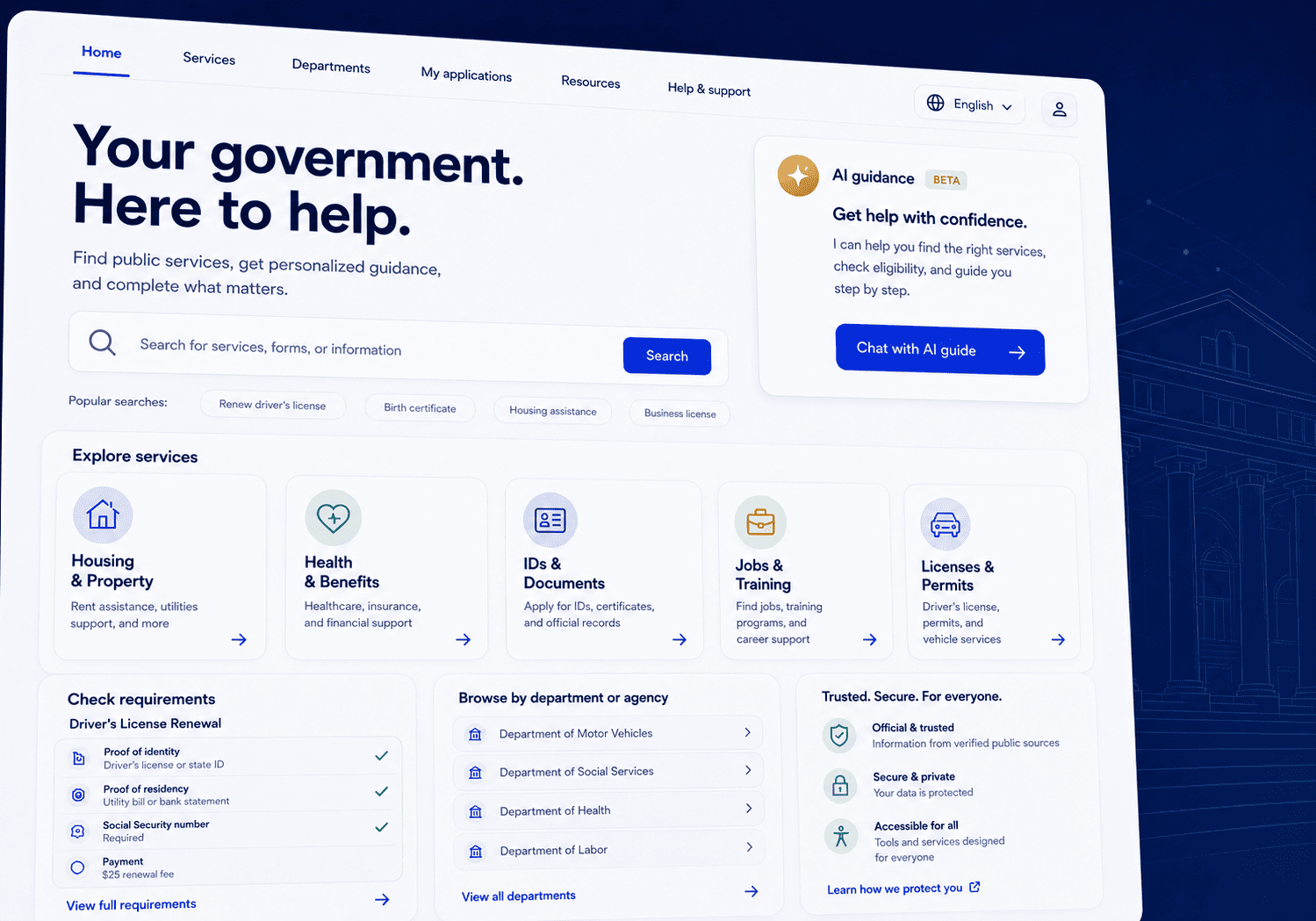
AI-Powered Citizen Services Website Platform for Virginia State Agencies

Plavno developed a modern eGovernment website platform for Virginia state agencies that centralizes citizen services, public information, department content, and an AI-powered guidance agent in one scalable system.

Read More
70%

reduction in routine citizen inquiries to agency staff

AI-Powered Citizen Services Website Platform for Virginia State Agencies

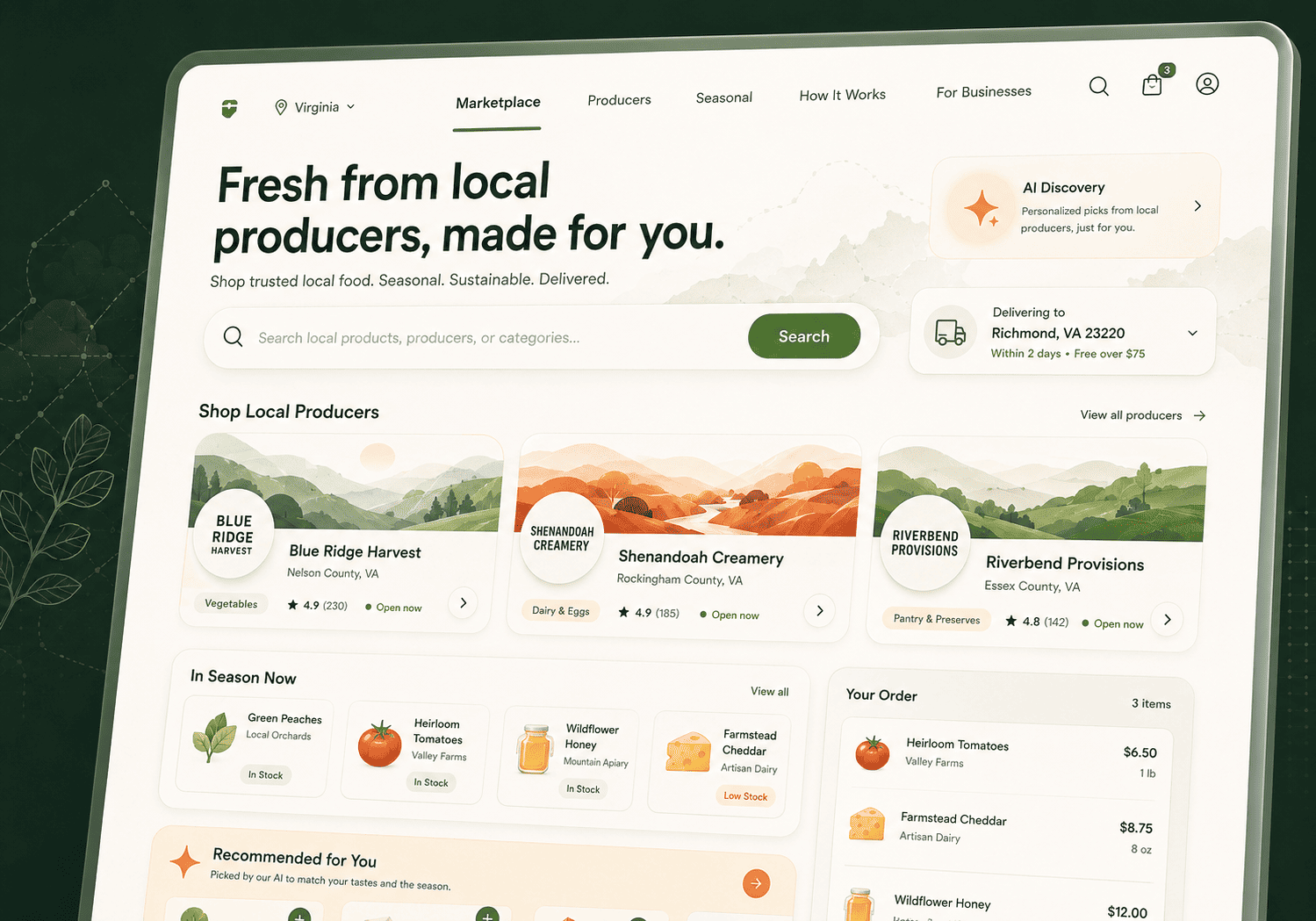
Digital Marketplace for Virginia Farmers, Local Producers & Direct-to-Consumer Food Sales

Plavno developed a custom multi-vendor marketplace for Virginia-based farmers, food producers, and regional sellers to unify product listings, vendor operations, customer ordering, and local fulfillment workflows.

Read More
3x

increase in product discovery relevance

Digital Marketplace for Virginia Farmers, Local Producers & Direct-to-Consumer Food Sales

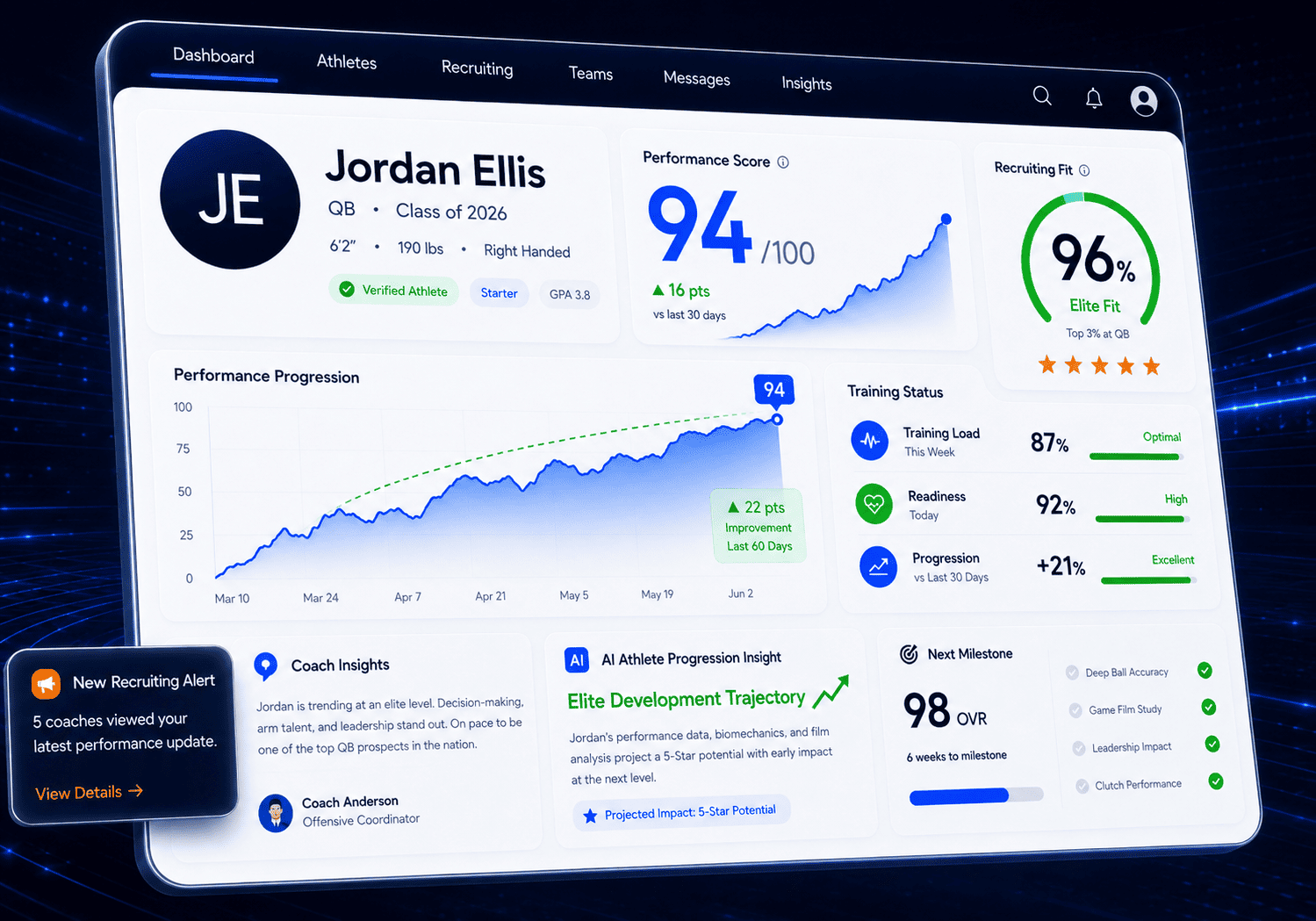
AI-Powered Sports Performance & Recruiting Platform for Virginia Clubs, Academies & Youth Programs

Plavno developed a custom sports technology platform for Virginia-based clubs and academies to combine athlete performance tracking, coach communication, recruiting workflows, and mobile engagement in one ecosystem.

Read More
3x

faster recruiting pipeline

AI-Powered Sports Performance & Recruiting Platform for Virginia Clubs, Academies & Youth Programs

Evaluation lens

Why Valley retailers pick depth over decks

Generic shops ship demos. We ship store systems with audit trails, US ops posture, and code you can keep.

Generic Agencies
Our Platform (Deep Engineering Expertise)
Inventory agents tied to real POS events
checkmark
Human confirmation on high-cost stock moves
checkmark
Extraction pipelines for messy receiving docs
checkmark
Slide-only retail AI concepts
checkmark
US hosting options with access reviews
checkmark
Per-store feature flags and rollback
checkmark
One shared demo tenant for every client
checkmark

Testimonials

We are trusted by our customers

“They really understand what we need. They’re very professional.”

The 3D configurator has received positive feedback from customers. Moreover, it has generated 30% more business and increased leads significantly, giving the client confidence for the future. Overall, Plavno has led the project seamlessly. Customers can expect a responsible, well-organized partner.

Sergio Artimenia

Commercial Director, RNDpoint

Sergio Artimenia

“We appreciated the impactful contributions of Plavno.”

Plavno's efforts in addressing challenges and implementing effective solutions have played a crucial role in the success of T-Rize. The outcomes achieved have exceeded expectations, revolutionizing the investment sector and ensuring universal access to financial opportunities

Thien Duy Tran

Product Manager, T-Rize Group

Thien Duy Tran

“We are very satisfied with their excellent work”

Through the partnership with Plavno, we built a system used by more than 40 million connected channels. Throughout the engagement, the team was communicative and quick in responding to our concerns. Overall, we were highly satisfied with the results of collaboration.

Michael Bychenok

CEO, MediaCube

Michael Bychenok

“They have a clear understanding of what the end user needs.”

Plavno's codes and designs are user-friendly, and they complete all deliverables within the deadline. They are easy to work with and easily adapt to existing workflows, and the client values their professionalism and expertise. Overall, the team has delivered everything that was promised.

Helen Lonskaya

Head of Growth, Codabrasoft LLC

Helen Lonskaya

“The app was delivered on time without any serious issues.”

The MVP app developed by Plavno is excellent and has all the functionality required. Plavno has delivered on time and ensured a successful execution via regular updates and fast problem-solving. The client is so satisfied with Plavno's work that they'll work with them on developing the full app.

Mitya Smusin

Founder, 24hour.dev

Mitya Smusin

Architecture & Engineering Overview

How 2026 retail AI holds up under Valley peak loads

Margin-first ranking

Margin-first ranking

Exceptions ordered by lost sales, not vanity pilot metrics

Dollar-gated autonomy

Dollar-gated autonomy

Thresholds + category denylists block silent high-cost moves

Audit-ready change logs

Audit-ready change logs

Named approvers finance can show examiners and insurers

Honest baseline ROI

Honest baseline ROI

Discovery baselines, exportable APIs, no opaque lock-in

For Business: Technical ROI & Risk Mitigation

Retail owners fund automation to protect margin, not to collect novelty pilots. Technical choices only matter when they cut stockout hours, shrink investigation time, and labor waste on counts. Harrisonburg multi-door operators see cash tied in wrong SKUs after promotions and campus rush weeks. Ranking exceptions by estimated lost sales keeps managers on the largest fire first. That prioritization is a product decision as much as a model one.

Risk drops when automation cannot silently rewrite price files or transfer high-value goods without a named approver. We encode dollar thresholds and category denylists so a bad prediction cannot empty a fixture overnight. Audit logs give finance a story when a state examiner or franchise auditor asks who changed what. Insurance conversations improve when change control is visible. Cheaper cloud bills matter less than avoiding one bad autonomous night.

Training cost often hides in failed launches. We budget associate time, pilot store overtime, and cleanup of dirty masters before year-one ROI claims. Savings show up as fewer emergency vendor runs, lower overtime for after-close counts, and reduced markdown from slow discovery of dead stock. Baseline measurement starts in discovery so claims stay honest. Without baselines, every vendor can invent a miracle percentage.

Vendor lock risk is real when the only interface is a opaque SaaS screen. Exportable schemas, documented APIs, and containerized workers keep exit options open for Virginia companies. You should own features and labels even if you change model hosts later. That stance protects valuation talks if you refinance or sell a chain. Continuity plans cover key-person risk on both our side and yours.

Integration complexity is the silent budget killer. POS quirks, offline stores, and dual barcoding in farm and outdoor goods risk breaking neat diagrams. We time-box connector spikes early and re-estimate before full build. Latency SLAs for inventory lookups sit in the contract terms you can read. Cost control continues after launch with unit dashboards per thousand transactions.

Local relevance matters for demand quirks that national models miss. JMU calendars, tourism spikes, and regional supplier lead times belong in feature sets. When those signals are present, planners trust the queue. When they are absent, they revert to gut calls. Trust is the true ROI multiplier on the floor.

1

Decision log & gates

Boundaries, item-master owners, threat model, ADRs before models ship

2

Tabular-first trade-offs

Demand models over edge cameras day one; feature-store versioning

3

Vertical-slice releases

One category, two stores, kill switches, Eastern-hour load tests

4

Debt & exit drills

Expand-contract migrations, dependency exits, blameless postmortems

For CTOs: Architecture & Technical Lifecycle

Lifecycle starts with a written decision log, not a vague discovery workshop. Governance gates force data quality proofs before any model reaches a customer-facing path. Kickoff defines system boundaries, who owns item master truth, and which store clusters enter the pilot. Threat modeling covers POS credentials, loyalty exports, and third-party analytics sides. ADR documents capture why batch beat stream on a given legacy register family.

Trade-offs appear early around edge vision versus pure tabular demand work. Cameras raise hardware, privacy, and lighting variables many Harrisonburg shops do not need on day one. Tabular pipelines often deliver margin wins faster with less field work. When vision is required for large format faces, edge boxes stay store-local with hashed image metadata only. Central cloud then scores derived features, not raw people streams.

Environments mirror production enough that fetch rates and time zones match Eastern retail hours. Synthetic load tests replay Black Friday-like bursts using anonymized histories. Feature stores version transformations so a bad join does not silently poison forecasts for weeks. Model cards list training windows, known failure modes, and rollback model IDs. Product owners sign acceptance scripts with operations managers together.

Release trains prefer small vertical slices: one category family, two stores, full observing stack. Expanding to Winchester or Charlottesville doors happens after precision metrics hold for a defined sample size. Kill switches sit both in ops UI and infrastructure automation. On-call rotations include runbooks written in plain language for store IT partners. Postmortems are blameless and feed the backlog within five business days.

Technical debt control is scheduled, not optional. We retire unused features, compress cold storage, and renegotiate third-party NLP costs when volumes climb. Schema migrations ship with expand-contract patterns so shops never take a dual-POS outage. API deprecation notices go to your team months ahead. The lifecycle goal is a system a new CTO can understand without a stone tablet.

Vendor and open-source mix stays intentional. Managed cloud parts reduce pager noise; open components prevent lock where differentiation lives. Every external dependency has a documented exit drill. That discipline keeps Virginia mid-market buyers from hostage renewals.

Python services & FastAPI

Python services & FastAPI

Typed schemas, queue workers, reversible writers under auth scopes

Versioned feature layers

Versioned feature layers

Raw vs curated stores; replayable decisions for every score

Pragmatic model mix

Pragmatic model mix

Gradient boosting + structured LLM reasons; rules wrap price paths

Retail edge fixtures

Retail edge fixtures

Catch-weight, dual UPC, precision@k traces with store_id + model_version

For Engineers: Implementation Details & Stack

Implementation favors boring reliable pieces with clear ownership. Event intake, typed schemas, and reversible writers beat clever monoliths that only the author can run. Python services handle scoring and orchestration because experiment loops are short and packaging is familiar to most staff hires. FastAPI endpoints expose inventory anomaly queries under authenticated scopes. Workers pull jobs from queues when register bursts would otherwise distort online latency.

Feature computation uses versioned transformations logged with the model that read them. We store raw and curated layers separately so audits can replay a decision. For document-heavy receiving, extraction pipelines mirror the structure we used on medical summarization agents: field schemas, confidence gates, and human queues for low scores. EHR-focused NLP taught us not to trust free text without validation. Retail packing slips get the same skepticism and unit tests.

Model choices stay pragmatic. Gradient boosting covers sparse SKU histories; sequence models appear only when basket order truly predicts attach rates. OpenAI-compatible interfaces appear where natural language reasons help managers, but structured outputs and citation of source rows stay mandatory. Local embedding caches cut repeat spend and keep private catalogs off public indexes. Deterministic rules always wrap machine scores on price and controlled substances categories if present.

Edge cases dominate retail production. Partial deliveries, catch-weight items, kit SKUs, and dual UPC mapping break naive unique keys. We encode those cases as first-class fixtures in test suites. Overnight jobs repair residual drift without clobbering same-day human corrections. Idempotent writers stop double-count nightmares after network blips at remote sites.

Observability hooks emit structured logs with store_id, skuid, model_version, and decision_id. Traces link a shelf alert to the exact feature snapshot. Metrics track precision@k on exception lists, time-to-acknowledge, and auto-action reverse rates. Alerting pages humans on sensor silence, not just threshold noise. Engineers debug with real fixtures scrubbed of PII instead of inventing toy carts.

Local development uses container compose stacks that fake POS webhooks. Seed data includes Shenandoah seasonal pattern samples so epoch choices are not urban-default. CI runs migration lint, contract tests, and sample inference latency budgets below registering floors shoppers feel. Pull requests require model metric deltas and a retail-language summary for ops review.

US multi-store domains

US multi-store domains

Residency-clear hosting, vaulted secrets, peak Eastern clocks

Quality & cost monitors

Quality & cost monitors

Freshness, drift, token/GPU per thousand checkouts

PCI-minimized controls

PCI-minimized controls

No raw PAN in AI paths; SOC2-style access & change logs

Progressive per-cluster

Progressive per-cluster

Error-budget rollback, offline queues, named US escalation

Infrastructure, Observability & Security

Infrastructure assumes multi-store failure domains and Eastern peak clocks. We monitor decision quality, data freshness, and cost envelopes with the same seriousness as uptime. US regions host primary services for Virginia clients who need data residency clarity. Secrets sit in managed vaults with short TTLs and rotation playbooks. Network policies limit lateral movement between model workers and raw payment-adjacent systems.

Security reviews cover SOC2-oriented controls for change management, access logging, and vendor inventories. PCI scope stays minimized by never storing raw PAN data inside AI paths. When loyalty profiles enter features, retention windows and purpose limits are written down. HIPAA lessons from healthcare extraction work inform how tightly we gate sensitive employee or medical-adjacent retail categories when they appear. Incident response drills include revoked credentials and poisoned inventory feed scenarios.

Observability means more than CPU charts. Freshness monitors fail if on-hand feeds stall beyond agreed minutes. Drift detectors compare recent sales distributions against training windows for campus terms versus summer lull. Cost monitors unitize GPU, token, and egress fees per thousand checkouts. When spend spikes, automated quotas protect month-end surprises. Dashboards role-gate so store managers see actions while engineers see internals.

Deployment uses progressive delivery per store cluster with automatic rollback on error-budget burn. Infrastructure as code keeps staging parity honest. Backups and restore tests run on a calendar that leadership can read. Offline store modes queue critical alerts until reconnect without inventing false stock zeros. Support SLAs define who pages whom at 6 a.m. when a truck wave hits Bridgewater receiving.

Post-launch operations include weekly model review, monthly access attestation, and quarterly disaster tests. Patch windows avoid your top sales days. Runbooks stay in the customer wiki, not only in our heads. When third-party model APIs change rate limits, circuit breakers keep floor tools responsive. Documentation lists every monitored signal and why it exists so new hires inherit intent.

Harrisonburg clients get a named escalation path and business-hour overlap with US teams. We refuse shadow IT installers that cannot present logs. That discipline keeps automated retail systems trustworthy after the launch party ends.

Eugene Katovich

Eugene Katovich

Sales Manager

Need a custom software solution? We’re ready to help!

Plavno has a team of skilled developers ready to tackle the project. Ask me!

Get a Free Quote

Data plane & integrations

POS, supplier, and spreadsheet truth without dual entry

Second build focus for Harrisonburg groups is the data plane that keeps agents honest after the demo day. Many Valley shops run mixed POS generations, offline lanes, and supplier portals that disagree on units. We connect those feeds with explicit mapping tables, conflict policies, and human adjudication queues for unmatched SKUs. Nightly shadows that once lived in Excel become versioned datasets with owners, not mystery folders. This layer blocks the classic failure where a polished UI still reads yesterday's ghosts.

Integration design prefers stable event contracts over brittle UI scraping. Where vendor APIs exist, we wrap them with retries and schema validators. Where they do not, we use SFTP or controlled CSV drops with hash checks so silent truncations surface fast. Webhooks announce sale and return events for stores that can emit them. For locked appliances, read-only database replicas or approved exports protect the production register path. Each connector ships with a health badge the ops manager can understand without reading Kubernetes logs.

Master data services reconcile vendor codes, internal SKUs, and case-pack math that confuses replenishment. We store provenance so a wrong cost can be traced to a single invoice extract. The same extraction habits proven on regulated document pipelines apply: confidence thresholds, reviewer roles, and immutable raw image or PDF storage. Retail finance then trusts automated claims packages. Latency budgets stay visible because a receiving desk will abandon a tool that stalls trucks.

Scaling and cost controls live beside integration code. Batch windows flex by store volume so small specialty shops do not pay hypermarket always-on rates. Caching protects hot inventory lookups during campus rush hours. We shed noncritical enrichment first under duress so safety-critical stock checks still reply. FinOps tags allocate spend by brand and door for multi-entity Virginia groups. Alerts fire when cost per decision drifts beyond agreed bands.

Security on the data plane includes field-level encryption for loyalty identifiers, tokenization where payment adjacent data might leak into notes, and strict separation between analytics sandboxes and production writers. Change data capture is watched for unexpected bulk deletes that could signal account compromise. Backfills require dual control. Documentation lists every store integration owner, including third-party IT in nearby Waynesboro if that is your support model. The build succeeds when Monday morning counts match the system without a hero spreadsheet.

Pre-project readiness

Confirm these before funding Harrisonburg retail AI

  • Own a usable item master — List active SKUs, units of measure, and location on-hand sources you trust enough to schedule labor against. Note known duplicates and ghost items from old seasons. Capture who may edit masters and how often supplier packs change. Export a sample that includes campus-peak and quiet weeks. Without this baseline, models learn noise and staff will reject alerts. Budget cleanup hours before model weeks.

  • Map POS and receiving paths — Document every system that can change inventory across Harrisonburg, Bridgewater, and any Staunton doors. Include offline modes and how catches catch up. Identify API, file, or manual bridges you can legally access. Record peak transaction rates so latency targets stay honest. Name the vendor contacts who must approve connectors. Integration surprise is the top timeline killer on retail work.

  • Define human approval thresholds — Decide dollar and category limits for automatic actions versus mandatory manager confirm. Include who covers evenings near campus events. Write reverse steps if an auto-transfer was wrong. Align finance and store ops on the same policy text. Publish the policy where associates will actually read it. Clear thresholds prevent both fear and reckless autonomy.

  • Assemble baseline metrics — Pull stockout counts, cycle count hours, markdown rates, and shrink notes for the last two comparable seasons. Mark the stores that will pilot first and why. Keep definitions stable so post-launch comparisons stay fair. Capture labor cost assumptions your CFO already accepts. Refuse vanity percentages without denominators. Honest baselines make 2026 ROI conversations short.

  • Plan support and data stewardship — Assign a business owner, a technical owner, and a backup for vacation weeks. Choose who reviews low-confidence document extracts each morning. Schedule drift reviews on a recurring calendar, not after a blames storm. Confirm US data residency needs with legal. Book associate training slots before go-live, not after. Stewardship keeps automated retail systems alive past the pilot glow.

Vitaly Kovalev

Vitaly Kovalev

Sales Manager

Request a Harrisonburg retail automation readiness audit

Share budget range, timeline, tech stack, and dataset scope for your stores. Receive a Shenandoah Valley-focused readiness audit and cost estimator tailored to Harrisonburg door counts.

Talk to Experts

Retail AI FAQ

Answers Harrisonburg operators ask before signing

Practical detail on cost, time, data, quality, security, and life after launch for Virginia retail teams.

What drives the cost of AI retail automation for a Harrisonburg store group?

Cost follows the number of stock-keeping locations, POS connector difficulty, and how much master data cleanup is required before models see signal. A single specialty shop near Court Square with clean CSV exports sits at a different band than a multi-door group spanning Bridgewater and Staunton with offline registers. Vision on shelves adds hardware and lighting work many teams can defer. Labor for associate training and dual-running periods also belongs in the budget, not only cloud invoices. Local market rates for temporary floor coverage during pilots influence total outlay even when software fees look modest. University calendar peaks force tighter implementation windows that can need more parallel engineering. If supplier documents arrive as photos, extraction review hours rise until templates stabilize. We price discovery as a fixed phase so you see integration risk before full build commits. Ongoing spend covers hosting, model refresh, monitoring, and a support retainer sized to store hours. Token and inference fees scale with transaction volume, so campus rush months differ from summer lulls. Cost control tools set per-door alerts when anomaly scores retrain too often on noisy feeds. You receive unit economics, not only a blended monthly number. Compared with national SaaS racks, custom paths cost more up front and less in forced seats you will not use. Legacy POS reverse-engineering can dominate if the vendor will not provide APIs. We document those spikes early. Share budget band, timeline, stack, and scope so estimates stay honest for Virginia multi-entity structures. Hidden costs to surface include master data stewardship FTE time and legal review of loyalty feature use. Insurance questionnaires may ask about automated price changes. Plan those hours. Strong contracts define who pays when a third-party POS API changes without notice. That clarity protects both financing and floor trust.

How long does it take to build AI Retail Automation software?

MVP timelines for exception alerting and one category pilot often land in eight to twelve weeks when data access is ready on week one. That path covers connectors, a quality scorecard, a ranked alert console, and precision tracking. Full multi-store automation with guided transfers, document extraction, and bounded autonomy commonly runs sixteen to twenty-four weeks. Hard legacy POS or multi-brand item masters extends either path. Harrisonburg teams should reserve buffer around JMU move-in and major tourism weekends when store IT cannot spare outages. Discovery takes two to three weeks and produces go or no-go on data readiness. Assisted alert stages follow, then guided actions, then tightly ruled autonomy. Parallel work streams handle training content while engineers harden connectors. MVP means tangible floor value: fewer ghost stock hunts in pilot departments and a measured baseline. It is not a slide model. Full deployment adds reverse workflows, cost dashboards, multi-store flags, and on-call runbooks. Some clients pause after MVP to clean masters before expanding. That pause is healthy, not failure. Timeline risks include unpaid vendor API queues, unlabeled historical extracts, and split ownership between franchise and local operators. We mitigate with early spike tickets and written assumptions. If assumptions break, schedule resets with options, not silent delay. Virginia weather or truck events rarely alter software time but can shift pilot staff availability. After go-live, expect two to four weeks of hypercare with daily metric reviews. Model refresh cadence continues monthly or by season. When you open a new door in Winchester later, clone patterns cut time versus greenfield. Plan change freezes around your highest revenue weeks. Realistic calendars beat heroic promises every time.

What data do you need to start retail AI work in Virginia?

You need item masters with stable identifiers, location-level on-hand histories, sales tickets with timestamps, and receiving records for at least two season cycles when possible. Returns reasons and void logs improve shrink models. Store calendars that mark campus events and local festivals help demand features that national defaults miss. Supplier lead times and case packs prevent fantasy replenishment plans. Quality beats pure volume. Twelve messy months with shifting SKU codes underperform six clean months with consistent keys. We profile null rates, duplicate barcodes, and impossible on-hand negatives in week one. Document scans of packing slips help if EDI is incomplete. Loyalty data is optional and only used under written purpose limits. Startups and established chains in the Shenandoah Valley often share data via secure export first while APIs are negotiated. We accept staged delivery: start with one store cluster, expand when pipelines prove stable. Synthetic padding is labeled and never treated as ground truth. PII is minimized; payment primary account numbers never enter training sets. Evaluation sets must be locked before tuning so nobody overfits smoke tests. We hold out recent weeks that include 'known pain' incidents managers already remember. Cross-store leakage is blocked when testing transfer logic. Data contracts define refresh SLAs so models do not silently train on stale on-hand feeds. If data is thin, we still begin with rules-assisted workflows and extraction cleanup, then add predictive layers. That order protects credibility with floor staff. Legal review confirms cross-border storage rules for US-only residency when required. Clear data scopes keep estimates stable and speed first useful alerts.

How do you evaluate quality of AI for the retail industry in our stores?

Quality starts with business metrics managers already fight about: stockout hours on key SKUs, time to resolve receiving mismatches, cycle count labor hours, and markdown dollars on slow detection. Model metrics like precision on top-k alerts only matter when tied to those outcomes. We agree definitions and measurement windows before go-live. Pilot stores in Harrisonburg get side-by-side scoring versus the prior manual process. Human feedback buttons on alerts create labeled events for weekly review. False positives are categorized by root cause such as bad unit conversion or delayed POS sync. Drift monitors watch whether campus term changes slowly kill yesterday's precision. If reverse rates on auto-actions climb, autonomy tightens automatically until root cause is fixed. Technical evaluation includes latency budgets for inventory queries under synthetic peak loads. Document extraction is scored on field-level F1 with human double annotation for a sample set. We learned this discipline on medical summarization and extraction pipelines where wrong fields carry real cost. Retail inherits the same gatekeeping. Shadow mode runs compare model suggestions to manager choices before write permissions expand. Reporting cadence is weekly in hypercare and monthly thereafter with executive one-pagers. Store associates see simpler scoreboards so the program stays visible on the floor. Failures publish with corrective actions, not buried for scheme optics. Third-party auditors can request decision logs with store and SKU identifiers hashed where needed. Quality is also operational: free-of-spam alert noise became our first kill criterion. A brilliant model nobody opens fails the evaluation. Training completion rates and time-to-acknowledge sit next to AUC nostalgia. Contracts can include service levels on freshness and precision bands. That mix keeps engineering honest to commerce reality.

How do you handle security and compliance for automated retail systems?

Security design assumes retail is a target for credential stuffing, honest mistake price overruns, and occasional insider shrinkage. Least privilege roles separate who can approve autonomous transfers from who can deploy models. Encryption covers data in transit and at rest. Secrets rotate. Admin actions are logged with reason codes. US hosting options support Virginia companies that want residency clarity for customer and employee data. Compliance posture aligns with SOC2-style control themes for change management, access reviews, and vendor inventories. PCI scope stays minimized by keeping cardholder data out of AI pipelines entirely. When projects touch health-adjacent categories or employee medical notes in specialty retail, we apply tighter extraction controls informed by regulated EHR work. HIPAA is not theater here; field access is gated and justified. Vendor risk reviews cover subprocessors and model API providers. Contracts ban training public foundation models on your private catalogs. Penetration tests and vulnerability scans run on a schedule with tracked remediation. Incident response playbooks name spokespeople and store communication templates. Tabletop exercises include a poisoned inventory feed scenario next to plain outages. Store devices and edge cameras, when used, store minimal imagery and prefer derived features. Staff monitoring policies stay transparent to avoid culture damage that no model can repair. Customer facial recognition is off the table unless you bring explicit legal counsel and still expect pushback from us. Prefer denser event data that does not film faces. Post-launch, access certificates renew quarterly, keys rotate, and dormant accounts disable. Audit exports help franchise or corporate reviews. These controls add some setup time and prevent catastrophic trust loss. Cells that cannot meet basic logging requirements do not receive write-back autonomy. Security is a release gate, not a footnote deck.

Contact Us

This is what will happen, after you submit form

Need a custom consultation? Ask me!

Plavno has a team of experts ready to start your project. Ask us!

Vitaly Kovalev

Vitaly Kovalev

Sales Manager

Schedule a call

Get in touch

Fill in your details below or find us using these contacts. Let us know how we can help.

Required because you selected “Other” above

No more than 3 files may be attached up to 3MB each.
Formats: doc, docx, pdf, ppt, pptx, xls, xlsx, txt.
Book your meeting