bg image
bg image

Serving Fredericksburg & Virginia

Stop losing margin on stockouts and slow floors in Fredericksburg 2026

Fredericksburg retailers face tight labor pools, uneven foot traffic, and thrift-price pressure from D.C. and Richmond buyers. Manual replenishment and spreadsheet forecasting still burn payroll hours every week. AI Retail Automation puts that work into systems that read sales signals, move inventory, and free managers for customers. It is built for multi-location operators, specialty chains, and distribution teams that already run POS and ERP stacks. Results show up in fewer dead SKUs, faster shelf recovery, and clearer labor swings before peak weeks. Get AI Retail Automation cost estimate in 24 hours. We keep scope honest so you only fund the workflows that repay the spend.

Discuss Project

Overview

Why Fredericksburg retail ops need automation now

Retail along Route 3, Central Park, and the downtown corridor runs on thin margins and seasonal swings. Staffing stays hard while holiday and festival peaks still arrive without mercy. Operators in Fredericksburg, Spotsylvania, and Stafford still rely on end-of-day reports that arrive too late to fix a shelf or a promotion. AI Retail Automation turns those lagging reports into live actions across inventory, pricing helpers, and floor schedules. Trusted AI Retail Automation Partner for Fredericksburg Businesses means we start from your POS reality, not a demo deck.

We work with US-based clients, including companies operating in Virginia. Regional chains and specialty merchants here often share data across two or three systems that never quite agree. That split creates phantom stock, duplicate POs, and returns that hide true sell-through. Our approach maps those sources first, then places decision agents only where a human already lost time. Work stays grounded so you never pay for features no clerk will open.

Technical delivery draws on production pipelines we already shipped, including extraction and summarization work similar to our real-time EHR summarization agent. That project used medical summarization, an extraction pipeline, and EHR-focused NLP to turn dense records into usable briefs. Retail receipts, vendor sheets, and planogram notes need the same discipline. Structured intake plus model checks cut noise before any forecast or reorder runs. You get cleaner inputs without ripping out your current stack.

Outcomes for this market stay practical. Expect tighter cycle counts, faster approval loops on transfers between stores, and labor plans that match actual traffic near I-95 exits. Leadership sees exception queues instead of endless email threads. Teams keep control through policy rules you define on day one. For deeper build capacity, review our AI development service model before scoping modules.

10+ AI automation projects delivered in the US market inform how we stage pilots for Virginia multi-site retailers. We favor small store cohorts in places like King George and Culpeper before statewide rollout. That path surfaces data gaps early and protects peak seasons. Scope stays tied to one measurable P&L line so finance can score the run. You leave the discovery week with a written path from pilot to multi-store load.

Talk to an Expert
Live inventory actions

Live inventory actions

Turn lagging end-of-day reports into shelf fixes and transfer tickets same day

Pricing helpers

Pricing & promo guards

Policy-gated helpers that respect MAP, floors, and festival weekend velocity

AI decision fabric

Decision agent fabric

Agents placed only where clerks already lose time across POS and ledger splits

Floor labor plans

Labor that matches traffic

Schedules tuned to I-95 corridor peaks instead of average-weekend templates

Core stack for retail agents

Store decision fabric Fredericksburg teams ship on

Fredericksburg operators need a fabric that reads POS streams, inventory ledgers, and vendor ETAs without forcing a full rip-and-replace. We build event-driven services that normalize every sell line into a shared product graph. Models sit behind policy gates so a reorder never fires outside min/max or budget caps you approve. The same pattern held when we built an extraction pipeline and EHR-focused NLP layer for medical briefs. Dense source documents became structured objects before any downstream agent acted. Retail documents get that treatment too.

Architecture centers on message-backed workers that consume sales ticks, count adjustments, and promotions. A feature store holds rolling velocity, seasonality flags, and substituted SKUs so forecasts stay honest through festival weekends downtown. We pick containerized Python services for model serving because teams can ship hotfixes without freezing the entire lane. Postgres plus object storage keep audit trails cheap and queryable. GraphQL or well-versioned REST facades expose decisions to existing manager apps so staff stay in tools they already trust.

Security/compliance starts with least-privilege service accounts, encrypted secrets, and row-level isolation per banner or franchise. Payment-adjacent data never leaves card-processor rails. Role maps mirror store, district, and HQ duties so a local clerk cannot push monorepo changes. Argumented audit logs capture who accepted a recommended PO and when. Virginia multi-site groups can prove control to auditors without a separate compliance project.

DevOps runs blue-green releases behind traffic splits so a bad model cannot take the whole region offline. Feature flags gate new agents by store list so Central Park locations can pilot before Stafford locations follow. Observability covers lag of sales events, drift on forecast error, and cost per thousand decisions. Alerts page humans only on action thresholds that touch shopper experience. Runbooks cover rollback of models and of rules in the same hour.

Clients receive working adapters for common POS and ERP brands along with custom connectors when brands sit on aging AS/400 or file drops. Training sets come from cleansed history with adult labeling on exceptions your buyers already marked. We never invent accuracy claims without a baseline window measured on your data. Proof lives in pilot stores first. Expansion follows a scorecard finance and ops both sign.

plavno logo

Build your first
Smart AI project today!

Just tell the Plavno AI Agent about your project - it will ask questions, gather requirements, and propose a tailored solution

AI Retail Automation Solutions for Fredericksburg Industries

Local retail jobs automation actually finishes

These use cases track industries that move goods and people through Fredericksburg, Spotsylvania, Stafford, and nearby I-95 corridors.

Stock Recovery

Stock Recovery

Specialty Retail

Specialty retail stock recovery near Central Park

Independent and regional specialty shops lose full days when popular sizes vanish during weekend peaks. We install velocity monitors that flag soft stockouts before the afternoon rush. Transfer suggestions rank closest sister stores by travel time along Route 3 and I-95. Managers approve once, then agents push pick and ship tickets. Measured ROI on early pilots often shows a clear cut in lost sales hours for the top 200 SKUs within one quarter. Technically, a lightweight rising/falling trend model sits on normalized sell lines with rule overrides for promo windows.

Distribution Staging

Distribution Staging

Multi-drop

Distribution staging for Virginia multi-drop lanes

Wholesalers feeding Fredericksburg and Culpeper routes still build load plans in spreadsheets that lag live orders. Automation reads open orders, truck capacity, and dock windows, then proposes stable wave lists. Planners adjust only exceptions such as hazmat splits or university rush deadlines. Dock teams get clearer cut-off signals and fewer late extremities on the trailer. Typical recovery shows fewer late drops across peak weeks when the planner adopts the exception-only habit. The stack runs optimization heuristics plus constraint solvers behind an API your WMS already can call.

Hospitality Supplies

Hospitality Supplies

Venues

Hospitality supplies for downtown and river venues

Restaurants and inns along Sophia Street and the riverside forget liquor and linen counts until service fails. We wire ordered-versus-used tracking that learns typical covers by day and weather. Reorder agents draft PO drafts your manager confirms on a phone. Shrink from overbuying cold storage items drops when the model sees quiet midweeks after holidays. Operators report cleaner cash for the same guest volume after two full months. Implementation uses lightweight IoT counts where sensors already exist plus receipt NLP for paper invoices.

Demand Swings

Demand Swings

Defense Retail

Defense-corridor service retail demand swings

Shops near Quantico-facing commute paths and Dahlgren traffic see spikes that pure calendar tools miss. We fuse anonymized traffic proxies with historical ticket mix to ripple schedule suggestions. Labor software receives the plan as editable blocks, never locks. Overtime spikes fall when openers match the true morning curve rather than a fixed template. District leads get a weekly variance brief that names which stores broke the pattern. Models remain simple ensemble regressors with explicit holiday flags so staff can read every driver.

Campus Fulfillment

Campus Fulfillment

School Gear

Campus and school gear fulfillment peaks

Back-to-school and sports seasons around University of Mary Washington and county schools stress kit assembly. Automation groups open orders by rabbit lane and required inserts so pickers skip hunting. Print tickets only print when inventory hits the cage. Error rates in mispacks drop when barcode checks sit inside the same agent path. Finance sees clearer labor-per-order during the two busiest months. The design uses queue workers, scan events, and a short confirmation model for text abbreviations found on coach notes.

Parts Chase

Parts Chase

Home Bids

Home improvement bid and parts chase automation

Contractors across Stafford and Spotsylvania stall jobs waiting on special-order parts. We build intake that pulls bid sheets and maps parts to vendor catalogs using extraction patterns proven on dense clinical text. Missing lead times surface early for the buyer. Status messages go to the job lead without a baseball chain of calls. Cycle time from award to truck readiness shortens once exceptions become the only human work. Pipeline steps include document OCR, catalog match, and a confidence queue that holds low scores for desk review.

What shops actually receive

Five deliverables Fredericksburg teams keep after launch

Live inventory exception desk

Live inventory exception desk

Shelves still go empty when staff chase Twitter instead of room counts. We ship a queue that ranks every SKU by lost-sales risk across your Fredericksburg set. Buyers clear only the top slice each morning. The rest auto-transfers or auto-orders under caps. Kafka-style streams feed it because retail sell ticks arrive in bursts. Redis-backed snapshots give sub-second refresh for the desk without reloading warehouses.

Promotion impact simulator

Promotion impact simulator

Discount weekends near Central Park often dig holes into margin for weeks. The simulator replays last season plus current velocity before you freeze a flyer. Outputs mark expected lift, stock need, and labor hours. CNNs never run here. Gradient boosted trees win because sparse retail features beat deep nets on short history. You edit assumptions then lock the plan the same day.

Labor shape advisor

Labor shape advisor

Floor managers still staff the average weekend and pay for the surprise one. Advisors publish hour terciles by department after reading tickets and product mix. Schedulers pull blocks into the tool they already use. Drift alerts fire when actual traffic halves the forecast so lunch coverage shrinks. Time-series models with explicit weather and event inputs stay readable. Zero black-box scores without a named driver.

Vendor ASN normalizer

Vendor ASN normalizer

Inbound paperwork still arrives as PDF, EDI, or email photos that break receiving. A normalizer turns each into a clean advanced ship notice. Warehouse apps show carton-level truth before the dock opens. We reuse extraction pipeline patterns proven on medical summarization work so rare fields still land clean. Confidence scores park weak parses for a 10-minute morning review. Overnight docks stop guessing box contents.

Margin guard rules engine

Margin guard rules engine

Dynamic helpers can erode brand price when left free. Guard rails encode MAP, floor, and bundle rules your merchandising lead writes in plain tables. Agents may never publish outside those rails. Every override leaves a reason code for later audit. Drools-style or lightweight policy DSLs fit because merchandisers edit without pulling engineers. Finance trusts the trail on quarter close.

Case Study

We help customers cut
down on development

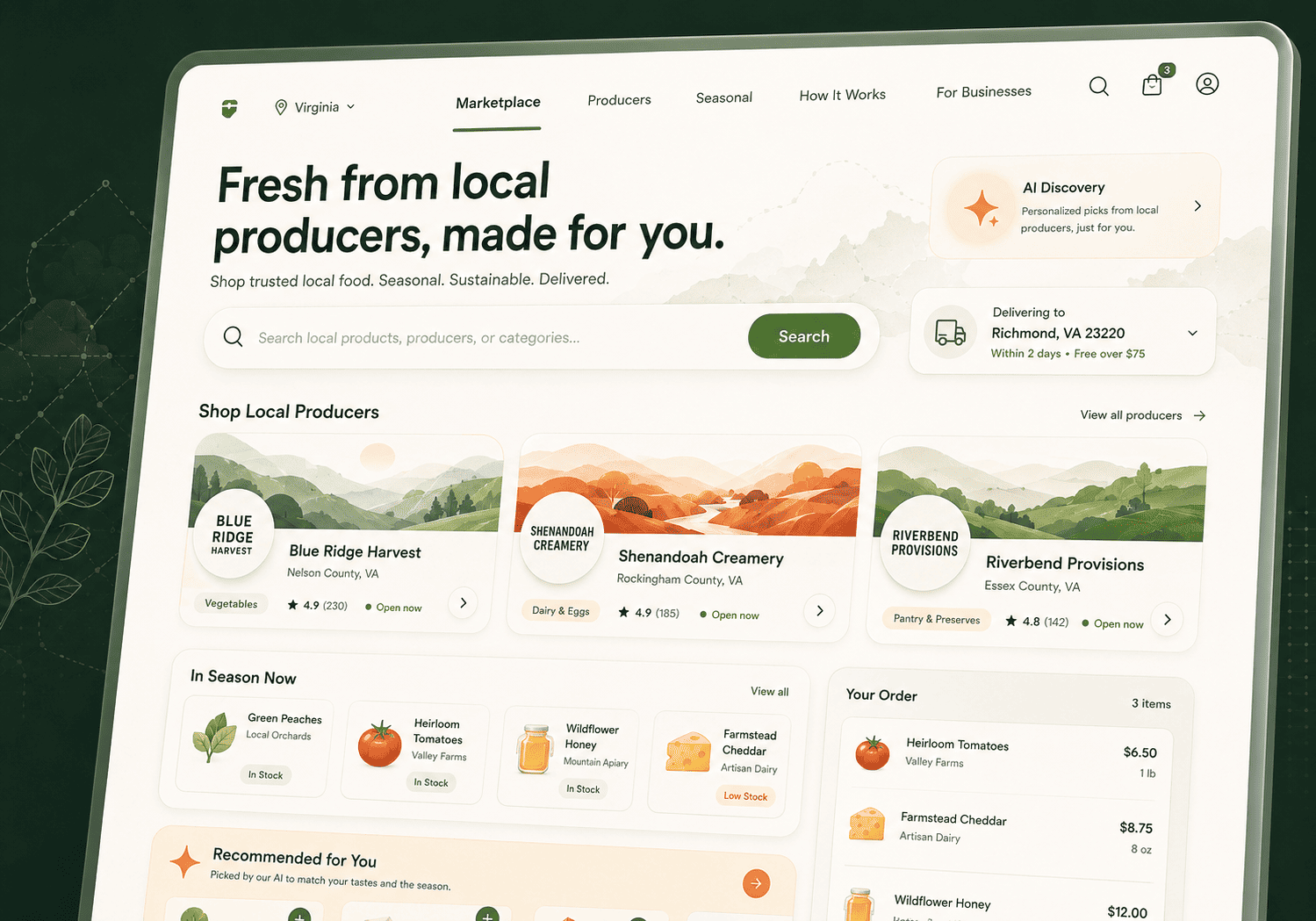
Digital Marketplace for Virginia Farmers, Local Producers & Direct-to-Consumer Food Sales

Plavno developed a custom multi-vendor marketplace for Virginia-based farmers, food producers, and regional sellers to unify product listings, vendor operations, customer ordering, and local fulfillment workflows.

Read More
3x

increase in product discovery relevance

Digital Marketplace for Virginia Farmers, Local Producers & Direct-to-Consumer Food Sales

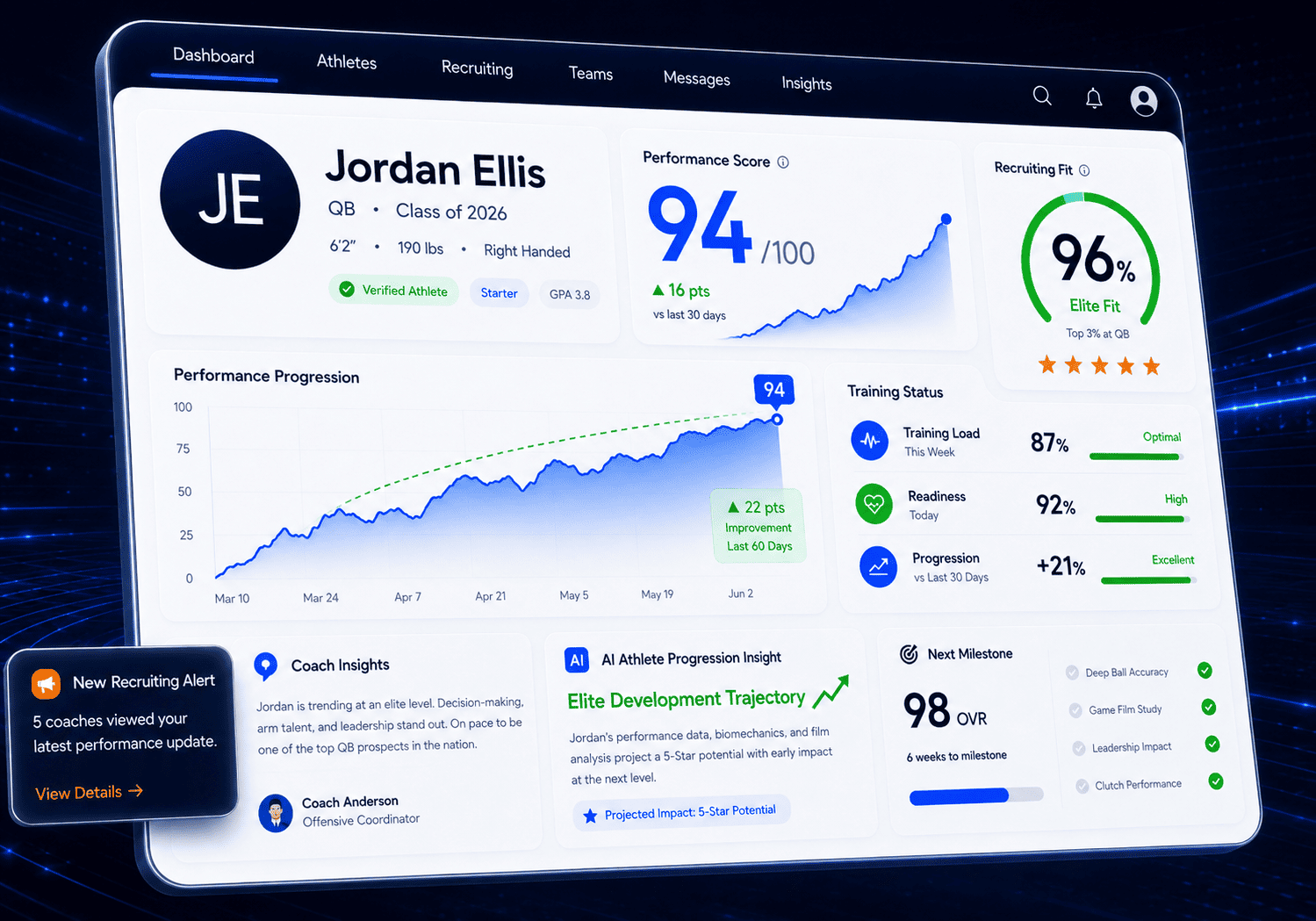
AI-Powered Sports Performance & Recruiting Platform for Virginia Clubs, Academies & Youth Programs

Plavno developed a custom sports technology platform for Virginia-based clubs and academies to combine athlete performance tracking, coach communication, recruiting workflows, and mobile engagement in one ecosystem.

Read More
3x

faster recruiting pipeline

AI-Powered Sports Performance & Recruiting Platform for Virginia Clubs, Academies & Youth Programs

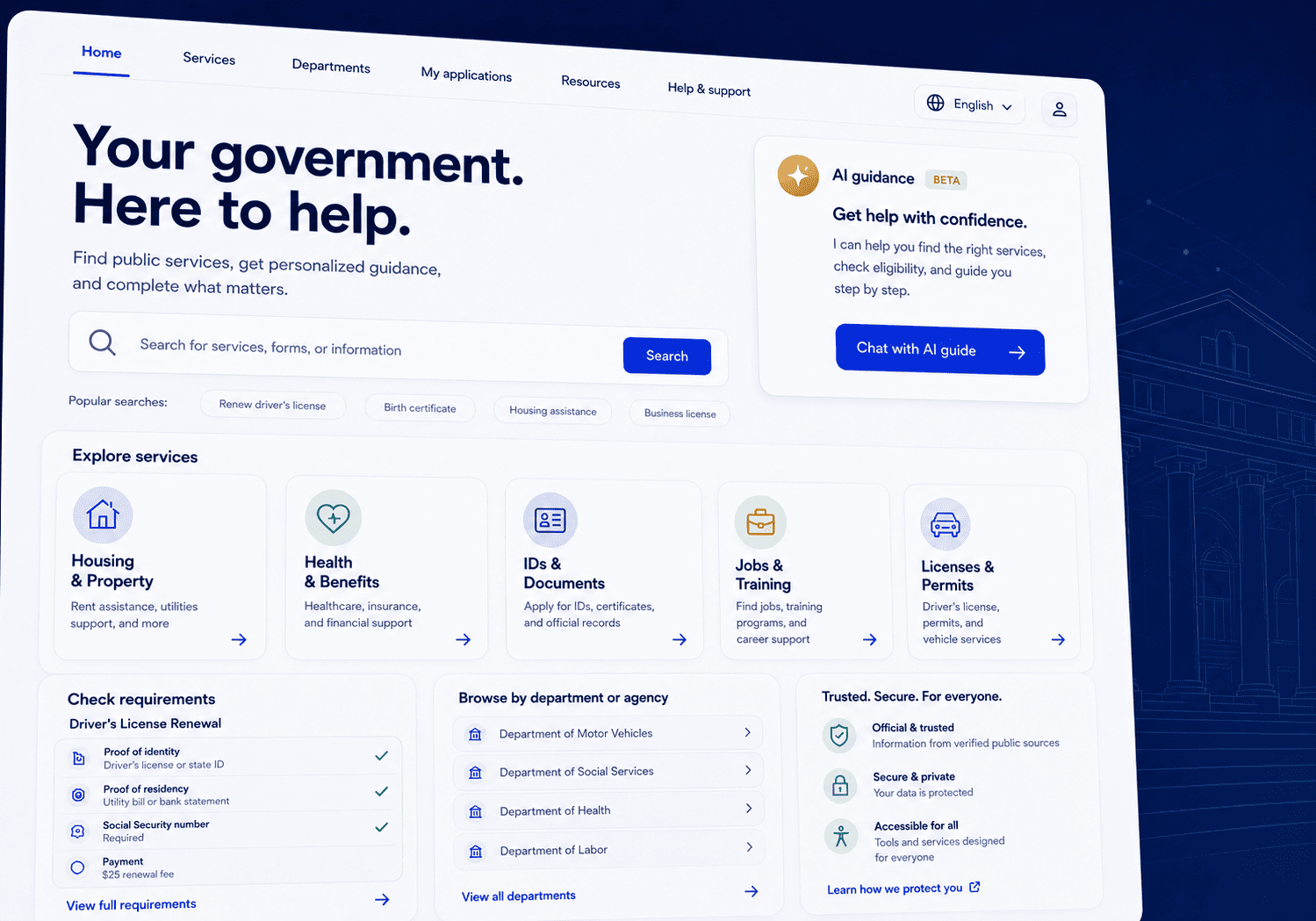
AI-Powered Citizen Services Website Platform for Virginia State Agencies

Plavno developed a modern eGovernment website platform for Virginia state agencies that centralizes citizen services, public information, department content, and an AI-powered guidance agent in one scalable system.

Read More
70%

reduction in routine citizen inquiries to agency staff

AI-Powered Citizen Services Website Platform for Virginia State Agencies

Maturity path, not a kickoff ritual

How Fredericksburg stores climb automation levels in 2026

Move from manual fire drills to supervised agents with measured gates. Each level stays live until metrics clear for the next.

Clipboard
Team
01

Level 1: Manual baseline mapped (2 weeks)

We shadow count nights, receiving, and promo build to list every tool and workaround. Staff diary tasks that steal 20 minutes or more. You receive a pain map linked to P&L lines, not a vanity process chart. Data samples pull under NDA for one store set. Exit criteria include a ranked automation short list with owners named. Timeline holds at two weeks even if calendars slip lightly.

02

Level 2: Assisted drafts live (3–5 weeks)

Agents write draft POs, transfers, and labor blocks. Humans approve 100 percent. No write-back without a click. Metrics cover accept rate and edit distance so weak models grow transparent. Integration stays read-mostly to protect PEAK periods around holidays. Exit when accept rate holds steady above the threshold you set. Typical window is three to five weeks after data cleanse.

Search in doc
Rocket
03

Level 3: Narrow auto-apply lanes (4–6 weeks)

Safe SKU families and routine replenishment move to auto-apply within hard caps. High-risk categories stay assisted. Kill switches sit on the manager phone. Cost telemetry activates so token and compute spend never hide. This phase hedges technical debt by freezing feature scope. Exit after two full sell cycles with no emergency rollback. Plan four to six weeks of controlled weave-in.

04

Level 4: Multi-store autonomy rings (6–8 weeks)

District rings expand after scorecards clear. New stores inherit the policy pack, not a rewrite. Drift monitors and monthly model reviews become standing ops. Finance joins a single ROI board. Training materials land for replacements before holiday temp staff arrives. Six to eight weeks cover training plus one peak weekend stress test.

Engineering difference

Why Choose Us over generic facade shops

Agencies ship slides. We ship store-safe agents with kill switches, measured baselines, and code your team can own.

Generic Agencies
Our Platform (Deep Engineering Expertise)
Baseline measured on your sell history before claims
checkmark
Policy rails written by merchandising, not only engineers
checkmark
Pilot limited to named store cohorts with kill switch
checkmark
Slide deck as primary deliverable
checkmark
Extraction pipeline reuse from production NLP work
checkmark
Post-launch drift and cost dashboards included
checkmark
One-size chatbot rebadged as retail automation
checkmark

Testimonials

We are trusted by our customers

“They really understand what we need. They’re very professional.”

The 3D configurator has received positive feedback from customers. Moreover, it has generated 30% more business and increased leads significantly, giving the client confidence for the future. Overall, Plavno has led the project seamlessly. Customers can expect a responsible, well-organized partner.

Sergio Artimenia

Commercial Director, RNDpoint

Sergio Artimenia

“We appreciated the impactful contributions of Plavno.”

Plavno's efforts in addressing challenges and implementing effective solutions have played a crucial role in the success of T-Rize. The outcomes achieved have exceeded expectations, revolutionizing the investment sector and ensuring universal access to financial opportunities

Thien Duy Tran

Product Manager, T-Rize Group

Thien Duy Tran

“We are very satisfied with their excellent work”

Through the partnership with Plavno, we built a system used by more than 40 million connected channels. Throughout the engagement, the team was communicative and quick in responding to our concerns. Overall, we were highly satisfied with the results of collaboration.

Michael Bychenok

CEO, MediaCube

Michael Bychenok

“They have a clear understanding of what the end user needs.”

Plavno's codes and designs are user-friendly, and they complete all deliverables within the deadline. They are easy to work with and easily adapt to existing workflows, and the client values their professionalism and expertise. Overall, the team has delivered everything that was promised.

Helen Lonskaya

Head of Growth, Codabrasoft LLC

Helen Lonskaya

“The app was delivered on time without any serious issues.”

The MVP app developed by Plavno is excellent and has all the functionality required. Plavno has delivered on time and ensured a successful execution via regular updates and fast problem-solving. The client is so satisfied with Plavno's work that they'll work with them on developing the full app.

Mitya Smusin

Founder, 24hour.dev

Mitya Smusin

Architecture & Engineering Overview

What leaders, CTOs, and builders need before greenlighting 2026

P&L-bound modules

One recoverable dollar line

Every module tied to a P&L metric so leadership can stop work in 30 days if proof stalls

Assisted mode first

Assisted until accept rates hold

Human loops stay mandatory on POs and transfers until stable thresholds clear

Cost per decision

Cost per thousand decisions

Monthly spend sits beside recovered margin so automation never drifts dark

Phased store rings

Phased rings + hard-stop budget

Expand only after quiet alerts and protect peak months near Central Park festivals

For Business: Technical ROI & Risk Mitigation

Retail automation spends fail when scope chases vanity dashboards instead of stockouts and payroll drag. We bind every module to a single recoverable dollar line so leadership can stop the work in 30 days if proof stalls. Fredericksburg multi-site groups feel the hit first in lost weekend sales and overtime that never appears on the flyer plan. Technical choices shrink that risk by forcing assisted mode until accept rates stabilize. Capital stays protected while staff learn the new rhythm.

Performance gains come from cutting human loops on repetitive POs and transfers. Cost savings show as fewer emergency freight runs between Stafford and Spotsylvania stores. Risk reduction covers bad marks from wild price helpers that ignore MAP. Each control sits in a written table merchandising edits without tickets. Finance sees monthly cost per thousand decisions alongside recovered margin so spend never drifts dark.

Concrete numbers always start with your baseline window. We refuse floating percent claims without the period, the store set, and the definition of recoveries. That discipline comes from regulated work where extraction quality had to survive clinical scrutiny. Retail inherits the same attitudes around false positives. A wrong auto-PO is cheaper than a wrong medical brief but still damages trust on the floor.

Change risk stays visible with phased store rings and a hard stop budget. Training materials ship before autonomy expands so temps do not break the chain. Vendor contracts stay untouched until SNS and ASN quality holds. Integration debt surfaces early in discovery rather than after a festive crush. That sequence protects peak months rather than inventing a fake calm project calendar.

The decision frame stays simple. Fund the queue that return cash inside two sell cycles. Park experimental price agents until inventory hygiene is boringly good. Keep human judgment on categories that define brand. Expand rings only when alerts stay quiet for a full period. Leadership walks away able to explain spend without jargon.

Pilot shadow mode

Pilot & shadow mode

Decision ledger, latency budgets, adapters for cloud POS plus on-prem files—no write-back yet

Assisted write-back

Assisted write-back gates

Forced reason codes on every apply; scope frozen between rings so mid-flight features cannot appear

Autonomous rings

Autonomous after twin cycles

Live rollback drills, central inference with district caches, SLOs on lag error and cost

For CTOs: Architecture & Technical Lifecycle

Projects open with a decision ledger that names systems of record, latency budgets, and who owns override policy. Lifecycle gates freeze scope between pilot, assisted, and autonomous rings so the team cannot invent mid-flight features. Fredericksburg clients often juggle cloud POS with on-prem inventory files. Adapters match those oddities instead of demanding a greenfield ERP. Governance meetings review drift, cost, and open defects as a single scorecard.

Trade-offs sit out loud. Event streams buy freshness at the price of ops skill. Nightly batch buys simplicity but misses lunch stockouts along Route 3. We pick streams when recovery of a miss pays the ops tax. Models stay small unless history and feature density prove deeper nets win. That humility keeps latency inside clerk patience on handhelds.

Kickoff locks environments, secrets layout, and data retention before labels begin. Shadow mode records what agents would do without touching orders. Assisted mode adds write-back with forced reasons. Autonomous mode arrives only after twin sell cycles clean. Rollback drills happen live so the night team has already practiced. Documentation lives next to code, not in orphan wikis.

Decision points include model host choice, on-device vs edge vs central, and who can edit rails. We favor central inference with district caches for speed. Edge only unlocks if offline stores truly lose uplink for long windows. Feature stores remain versioned so a bad deploy reverts features and weights together. Contracts with vendors cover rate limits and schema notices months ahead of promo peaks.

Production handoff includes SLOs on lag, error, and cost. On-call rotations mix client ops with our rotating specialists during the first two months. After that, pure client ownership is optional through a retainer. Source, IaC, and runbooks transfer without hostage terms. CTOs keep a path to internalize or keep managed service without rewrite.

Python services core

Python services + typed schemas

Explicit feature definitions and containerized serving so juniors can hotfix under peak Central Park load

Message bus layer

Message bus + product graph

POS adapters normalize export dumps; buses absorb Saturday sell spikes without inventing units

Feature pipelines

Versioned feature pipelines

Rolling velocity, promo flags, weather joins; pinned seeds and shadow scores before any weight update

Virginia integrations

Gentle legacy connectors

File drops and VPN ERPs wrapped with contract tests; classical models for stock, LLMs only for free-text notes

For Engineers: Implementation Details & Stack

Stack choices favor boring strengths over novelty. Python services, typed schemas, and explicit feature definitions form the core because retail teams debug under peak load with juniors on shift. POS adapters translate proprietary export dumps into a shared product graph. Inventory stakes remain double-entry friendly so agents never invent units. Message buses absorb sell spikes during Saturday bursts near Central Park. That pattern already proved itself when we built extraction pipelines for dense medical text before any summarizer ran.

Feature pipelines store rolling windows of velocity, returns, promo flags, and weather associations. Training jobs are reproducible with pinned seeds and data cuts dated by sell day. Evaluation always pairs offline metrics with a live shadow score so distributions match production seasonality. We reject silent auto-retrain cousins that skip human review. Weight updates require a labeled change ticket tied full to expected error bands.

Edge cases dominate actual work. Partial cart abandons, rain checks, ship-from-store mixes, and damaged receives all break naive predictors. Handlers document each case with fixtures. Golden scenarios run in CI on every merge. Latency budgets target handheld comfort; anything slower than short-tap feedback gets cached. Token-heavy LLMs handle only free-text vendor notes; structured moves stay classical models.

Optimization strategies include caching recommendations by store graph and precomputing night loads. Batch feature fills join stream freshness for hybrid accuracy. Memory limits keep serving denser than need requires. We profile cold starts so morning openers never wait on a scale event. Cost dashboards sit next to accuracy so engineers feel the bill for chatty prompts.

Local integrations for Virginia clients often include older file drops and VPN-bound ERPs. We wrap those gently rather than forcing public APIs they cannot open. Contract tests pin vendor schemas so their silent update cannot tank a Friday release. Secrets rotate on short cycles. Engineers receive sandboxes that mirror production event rates without real PII.

Four-signal monitor

Four-signal monitor

Decision lag, forecast drift, apply error, and spend per thousand actions as first-class alerts

SOC2-minded controls

SOC2-minded controls

Vaulted secrets, private links, role maps by store/district; card data never enters model stores

Blue-green canaries

Blue-green + tiny canaries

New models hit a tiny store set first; IaC describes every env; cost killers stop runaway jobs

Kill-switch ops

Freeze-first incident ops

Scripts freeze agent writes first; kill-switch drills and festival-aware drift baselines keep Saturdays open

Infrastructure, Observability & Security

US clients expect controls that survive finance and security review. We monitor decision lag, forecast drift, apply error, and spend per thousand actions because those four protect shopper experience and budget together. Alert routing separates night stockouts from model novelty spikes. Incident response scripts defaults to freeze agent writes first, trust second, diagnose third. Fredericksburg and wider Virginia operators stay online for Saturday open even if a train stalls overnight.

Compliance posture aligns with SOC2-minded controls. Secrets sit in managed vaults. Network paths favor private links. Access is role mapped to store, district, corp. Card data never enters model stores. Where healthcare-adjacent inventory appears, we reuse HIPAA-aware handling lessons from the EHR summarization agent so free-text notes stay isolated. Retail itself rarely needs HIPAA, but shared platforms do.

Deployment favors container orchestrators with blue-green cuts and automatic health gates. Canaries force new models through a tiny store set before rings expand. Infrastructure as code describes every environment. DR tests restore feature stores and decision ledgers, not just app binaries. Cost anomaly detection kills runaway jobs before the monthly bill surprises leadership.

Observability stacks collect structured logs, traces on the rare multi-service path, and business metrics as first-class objects. Dashboards open with lost-risk SKUs, not CPU. Weekly ops still include a human page through false-positive rates. Drift detector thresholds push beyond boring stats into seasonality aware bands. The moment festival season starts, baselines rewrite without a ticket panic.

Post-launch ops include monthly model review, policy board for MAP changes, and a kill-switch drill. Maintenance windows avoid peak periods near holidays and local events. Support SLAs match store open hours, not only East Coast business days. Runbooks list who decides to raise an autonomy level. That clarity stops heroics when a new district opens along the corridor.

plavno logo

Build your first
Smart AI project today!

Just tell the Plavno AI Agent about your project - it will ask questions, gather requirements, and propose a tailored solution

Data edges and cost control

Keep AI Retail Automation bills honest after pilot

Second wave work for Fredericksburg retailers is rarely another model. It is data quality, integration debt, and the bill that arrives when agent traffic multiplies. We treat supplier files, count variance, and promo calendars as first-class products. Dirty inputs inflate both error and token spend. Clean inputs shrink both. The same care applied when we built medical extraction pipelines before any summary model wrote a line. Retail gets the same order of operations without theater.

Integration layers absorb POS quirks, WMS status codes, and ecom order cancels so agents never double-write. Idempotent keys sit on every mutation. dead-letter queues hold poison messages for morning triage. Backpressure protects older ERPs that cannot take full event firehoses. Virginia multi-banner groups keep autonomy on for new stores only after their connector browse tests green for a full week. That discipline prevents cascading returns during Black Friday weeks.

Cost control is part of the build, not a postscript. Every decision path logs tokens, CPU seconds, and external API calls. Budgets alarm before middle-of-month panic. Caching and batching seat the obvious wins. Large language calls reserve for unstructured notes while structured stock moves stay on classical scorers. Teams see a unit economics panel next to accuracy so engineering and finance share one truth.

Security stays continuous. Keys rotate. Stores privilege scopes review quarterly. Pen tests and dependency scans sit in the pipeline. Franchisees receive isolated tenancy even when HQ shares a control plane. Audit exports land ready for external review without hunting raw logs overnight. These are the boring practices that keep autonomy rights intact after the pilot glow fades.

Scaling plans respect how Fredericksburg operators actually grow. Add a store, inherit the policy pack, connect the POS feed, shadow for one cycle, then assist. No reinvented features per opening. Observability templates clone. Staff guides clone. The platform stays a product you run, not a forever custom services invoice. That is how automation compounds instead of stalling after the first three locations.

Practical answers

AI Retail Automation questions from Virginia operators

Straight answers on cost, time, data, quality, security, and operations for Fredericksburg teams planning 2026 work.

What drives the cost of AI Retail Automation for a Fredericksburg multi-store group?

Cost follows data readiness, connector count, and how many workflows leave assisted mode. A single banner with clean POS exports spends less than a group with three ERPs and paper receiving. Labor for labeling exceptions also matters when history is messy. Cloud inference billing grows with decision volume, so SKU families under autonomy shape the monthly line more than vanity dashboards do.

Local market factors include seasonal peaks near I-95 travel and downtown events that force temporary capacity. You may want surge budgets for holiday weeks rather than year-round max capacity. Staff training time is a real cost even when licenses look low. Plan on manager hours during the assisted phase. That investment recovers when exception queues shrink.

We price discovery as a fixed band so scope risk drops before build. Build quotes break into connectors, policy engine, model work, and observability. Retainers cover monitoring and model review after launch. Avoid vendors who hide token markup inside a flat fee with no unit view. Insist on a unit economics sheet before you sign multi-year paper.

Compared with full internal hires, external delivery compresses time-to-pilot. Compared with pure staff-aug, a accountable POD reduces coordination tax. Hybrids work when your team owns data ops and we own agent paths. Choose by internal capacity, not slogans. Clear ownership prevents double spend on the same adapter twice.

How long does it take to build AI Retail Automation software?

A focused MVP that shadows one workflow in two to three stores often lands in eight to twelve weeks after data access opens. Full autonomy rings across a district take longer because assisted cycles must clear scorecards. Timeline risk sits in connector quality and promo calendar freezes more than in model choice. Do not schedule hard cutovers the week before major local events.

MVP scope should include one recoverable P&L line, read-only integration, and an approval UI managers already accept. Avoid packing labor, pricing, and replenishment into the first release. Parallel tracks slow review. Your first win needs a single story finance can retell. That clarity shortens later phases more than any framework promise.

Full deployment includes staffing playbooks, kill-switch drills, and multi-store policy packs. Expect additional four to eight weeks per ring once assisted proof holds. Holiday blackouts pause releases except for hotfixes. Build calendars around those freezes. Early transparency about blackout windows prevents false urgency that creates defects.

Data lags kill schedules. If count accuracy sits below trust, fix that before agent writes. If vendor ASNs arrive as photos, plan extraction work first. Our prior extraction pipeline work on dense clinical notes informs how fast those parsers stabilize. Still, your document mix sets the true duration. Unknown scans always lag clean EDI.

Do you work with startups in Virginia?

Yes. We work with early multi-location retail startups and spinouts across Virginia, including teams near Richmond, Northern Virginia, and the Fredericksburg growth corridor. Startup ecosystems around university programs, defense-adjacent service firms, and D.C. spillover ecom all show up in our pipeline. Stage matters less than whether you already sell through a real POS or marketplace path. Pure idea-stage catalogs wait until transaction history exists.

Startups receive shorter discovery and tighter MVP rails. We protect runway by auto-blocking scope that cannot repay inside two cycles. Founders still provide a human product owner. Absent that owner, automation stalls in meetings. Equity-free commercial terms stay standard while optional follow-on retainers cover ops. We do not force platform lock-in that blocks a later Series B tech diligence.

Regional partners sometimes include warehouse co-ops and regional 3PLs that young brands already use. Connectors prioritize those relationships. If you sell into local hospitality or campus channels, modules for kit assembly and event peaks fit early. We keep the stack readable so a future internal hire can take the repo without archaeology. That transfer path is written into the SOW.

We work with US-based clients, including companies operating in Virginia. Startups that need enterprise-looking security for first big accounts get SOC2-minded controls without theater. Proof of residual risk still sits on their risk register. The goal is buyer confidence, not checkbox theater for its own sake.

Can AI Retail Automation integrate with my existing system?

Yes. Integration is the real product under whatever brand name the agent carries. We connect to modern cloud POS via APIs and to older ERPs via secure file drops, message queues, or VPN-bound services. Legacy does not block automation if write rules stay careful. Idempotent keys and shadow mode keep old systems safe while confidence grows. Your stack stays authoritative until you choose otherwise.

API-first adapters translate field names into a shared product graph. Where APIs lag, CDC or scheduled extracts backfill. We version every schema contract so a vendor silent change fails tests before production. Rate limits get continuous concurrency controls. Partial outages degrade to assisted mode rather than inventing stock. That humility keeps Saturday sales intact during ERP freeze windows.

Custom middleware already sitting between WMS and ecom can stay. We plug upstream or downstream based on what ownership maps allow. Double writes never ship. If two systems disagree on on-hand, the conflict surfaces to a human queue instead of auto-resolving into fiction. Clean truth beats clever merges every time.

Data needed for launch includes SKU masters, at least one full seasonal cycle of sell lines, store calendars, and current min/max or policy tables. Optional boosts come from traffic counters and returns reason codes. Measured quality improves with labeled exceptions your buyers already collect. We run privacy review before any cloud train job. PII minimization is default, not optional.

What industries in Fredericksburg benefit most from AI Retail Automation?

Specialty retail near Central Park and downtown sees fast payback on stock recovery and labor shape. Distribution and wholesale that feed Spotsylvania and Stafford routes win on wave planning and ASN clean-up. Hospitality and venue supply along the river corridor benefits from usage-aware reordering that respects quiet midweeks. Campus and school gear operations around University of Mary Washington gain during kit peaks. Home services contractors gain on special-order chase that currently burns coordinator hours.

Defense corridor service retail also benefits. Commute spikes and temporary duty traffic create demand curves calendars miss. Modest forecasting with explicit event and weather flags beats static templates. Local grocery and convenience operators can start with shrink watchers and cold-chain alerts when sensors exist. Not every store needs full autonomy on day one. Pick the line that already owns a clear loss number.

Professional services that sell physical kits or promotional goods into these industries sit next. Automation of BOM checks and insert verification shrinks mispacks. That path reuses the same scan and confirmation patterns kit retail uses. Cross-industry templates speed delivery without fake uniqueness. You still keep policy tabled to your brand rules.

Public sector and nonprofit thrift operations can adopt lighter assisted queues when volunteer labor rotates. Traceability and audit needs still apply. We size a softer rollout that matches volunteer hours. The core idea remains exception-first work, never forced full autonomy where staffing cannot supervise it.

Contact Us

This is what will happen, after you submit form

Need a custom consultation? Ask me!

Plavno has a team of experts ready to start your project. Ask us!

Vitaly Kovalev

Vitaly Kovalev

Sales Manager

Schedule a call

Get in touch

Fill in your details below or find us using these contacts. Let us know how we can help.

Required because you selected “Other” above

No more than 3 files may be attached up to 3MB each.
Formats: doc, docx, pdf, ppt, pptx, xls, xlsx, txt.
Book your meeting