bg image
bg image

Serving Lynchburg & Virginia

Cut manual work hours across Lynchburg operations in 2026

Lynchburg leaders still burn payroll on repeat decisions that software can own. Production schedules slip. Support queues swell. Reports arrive days late. Custom AI Development gives you systems that read your data and act inside the tools your teams already use. It is built for manufacturers, healthcare groups, educators, and logistics firms from Forest to Bedford. You keep control of cost, scope, and outcomes from day one. Get Custom AI Development cost estimate in 24 hours.

Discuss Project

Overview

Why Lynchburg firms fund AI builds in 2026

Lynchburg sits at a crossroads of manufacturing, nuclear supply, higher education, and regional healthcare. Each sector runs on piles of forms, email threads, and aging internal tools. Leaders in Forest, Madison Heights, Amherst, and Bedford feel the same drag: work waits on someone to fill a field or chase a status. Custom AI solutions remove that wait when the models sit on clean company data and push results back into daily software.

Trusted Custom AI Development Partner for Lynchburg Businesses. We work with US-based clients, including companies operating in Virginia. Our teams have delivered 10+ advanced software projects in the US market, including internal platforms that replace brittle SharePoint setups with modern content hubs. One engagement migrated an employee portal to Payload CMS and Next.js with department-level access control so staff reach the right content without ticket loops. That same discipline of access, integrations, and role rules applies when we extend systems with AI features.

Business owners here need outcomes they can measure in weeks, not slide decks. You want fewer handoffs between sales and ops. You want QA flags before a bad batch ships. You want student or patient intake that routes itself. Our software engineering practice partners model work with product scopes so you fund the units that repay first. We start from your source systems of record and map which decisions can be assisted without losing human oversight.

Regional teams also face integration thrash. ERP, CRM, HRIS, and shop-floor tools rarely talk cleanly. Custom models fail when they sit outside those feeds. We design AI services that consume existing APIs, respect permission boundaries, and write sample-safe audit logs. Cost risk stays visible because inference paths are priced early and load-tested against realistic volumes from Altavista and Rustburg sites alike.

The rest of this page walks architecture choices, delivery phases, industry patterns, and the questions finance and IT will ask before funneling budget. Read it as one plan for turning Lynchburg operational pain into production software you own.

Talk to an Expert
Clean company data

Clean company data

Models sit on source systems of record with quality-scored fields

Custom AI services

Custom AI services

Containerized endpoints that cut handoffs across sales, ops, QA

Stack integrations

Stack integrations

ERP, CRM, HRIS APIs with permission boundaries and audit logs

Measurable payback

Measurable payback

Priced inference paths and KPI deltas visible within weeks

Production AI architecture

Model services that sit inside Lynchburg stacks

Lynchburg buyers get a service layer that treats models as replaceable workers behind stable contracts. Each feature is an API with input schemas, confidence thresholds, and explicit human review hooks. We do not drop a notebook into production. We ship containerized endpoints with versioned prompts or weights, feature stores tied to your warehouse, and clear rollback paths if drift appears. That structure keeps IT able to swap a vendor model later without rewriting front doors.

Core stack choices follow the jobs they earn. Python services host training and inference jobs because the scientific libraries mature there. Node or Next.js front ends carry operator UIs when staff need review screens fast. We used Payload CMS and Next.js on an employee portal migration with role-based access and department-level permissions. That pattern still holds: CMS owns content and policy; application code owns workflow; AI services own prediction. PostgreSQL stores structured results and audit rows so compliance teams can answer who saw what.

Security and compliance land in the same design pass. Secrets live in managed vaults. Tokens for third-party model APIs rotate. PII leaves the network only with the encryption and retention your policy names. For healthcare-adjacent or nuclear supply chain work common around Lynchburg, we document data lineage and rather-never-share fields before any fine-tuning starts. Security/compliance controls sit next to feature tickets, not after launch.

DevOps means reproducible builds, environment parity, and guarded promotes. Git-backed infrastructure definitions spin staging that mirrors production quotas. Continuous integration runs schema tests, prompt regressions, and latency budgets against fixed fixtures. Deploy gates demand human approval when a model may touch finance systems. Observability includes request tracing, token spend meters, and error budgets that page owners before invoices spike.

Grounding comes from real delivery, not theory. On the SharePoint-to-modern portal project we enforced department boundaries so one group never bled content into another. AI features inherit the same rails: a prediction cannot write into a record the caller cannot see. Business owners in Virginia win systems that survive handoffs when staff change and that stay legible to auditors who ask simple questions about access and cost.

plavno logo

Build your first
Smart AI project today!

Just tell the Plavno AI Agent about your project - it will ask questions, gather requirements, and propose a tailored solution

Delivery path

From first brief to live AI in Lynchburg 2026

A fixed sequence keeps budget honest and proves value before full rollout across Virginia sites.

Clipboard
Team
01

Step 1: Discovery & data map (1–2 weeks)

We meet owners and operators who man the bottleneck. Workshops capture the decision path end to end. Source systems are inventoried with field quality scores, not slogans. You receive a scope brief, risk list, and sample data contracts. Timeline stays short so leadership can green-light or stop. Icons of success here are named owners and clean sample extracts.

02

Step 2: Prototype path (2–4 weeks)

A thin vertical slice hits one workflow with real records in a locked environment. Operators try acceptance checks you wrote together. Latency and cost per call show up as numbers. We kill weak ideas early. You keep the prototype code or discard it without sunk-cost drift. Deliverables include a demo video and a cost model.

Search in doc
Rocket
03

Step 3: Production build (4–10 weeks)

Services, UIs, and queues land behind CI. Access controls mirror your HR groups. Monitoring hooks measure spend and error rates from day zero. Training happens for the staff who approve model suggestions. Change logs keep auditors calm. You accept a release checklist with known open items ranked by risk.

04

Step 4: Pilot & expand (2–6 weeks)

One site or team runs first while neighbors watch metrics. We tune thresholds with their feedback and freeze a playbook. Then adjacent units adopt with copy-paste configs rather than new builds. ROI reports compare baseline hours against post-pilot effort. Expansion decisions stay crossword-simple with those sheets.

Selection criteria

Why Lynchburg teams pick deep engineers

Generic shops sell slides. We ship ownership of the code, the maps, and the cost meters.

Generic Agencies
Our Platform (Deep Engineering Expertise)
Named production architecture before kickoff
checkmark
Inference cost modeled against sample volume
checkmark
Role-based access designed with AI writes
checkmark
Client-owned source and model cards
checkmark
Marketing decks as primary deliverable
checkmark
Virginia-hour collaboration options
checkmark
checkmark
Post-launch drift review included
checkmark

Case Study

We help customers cut
down on development

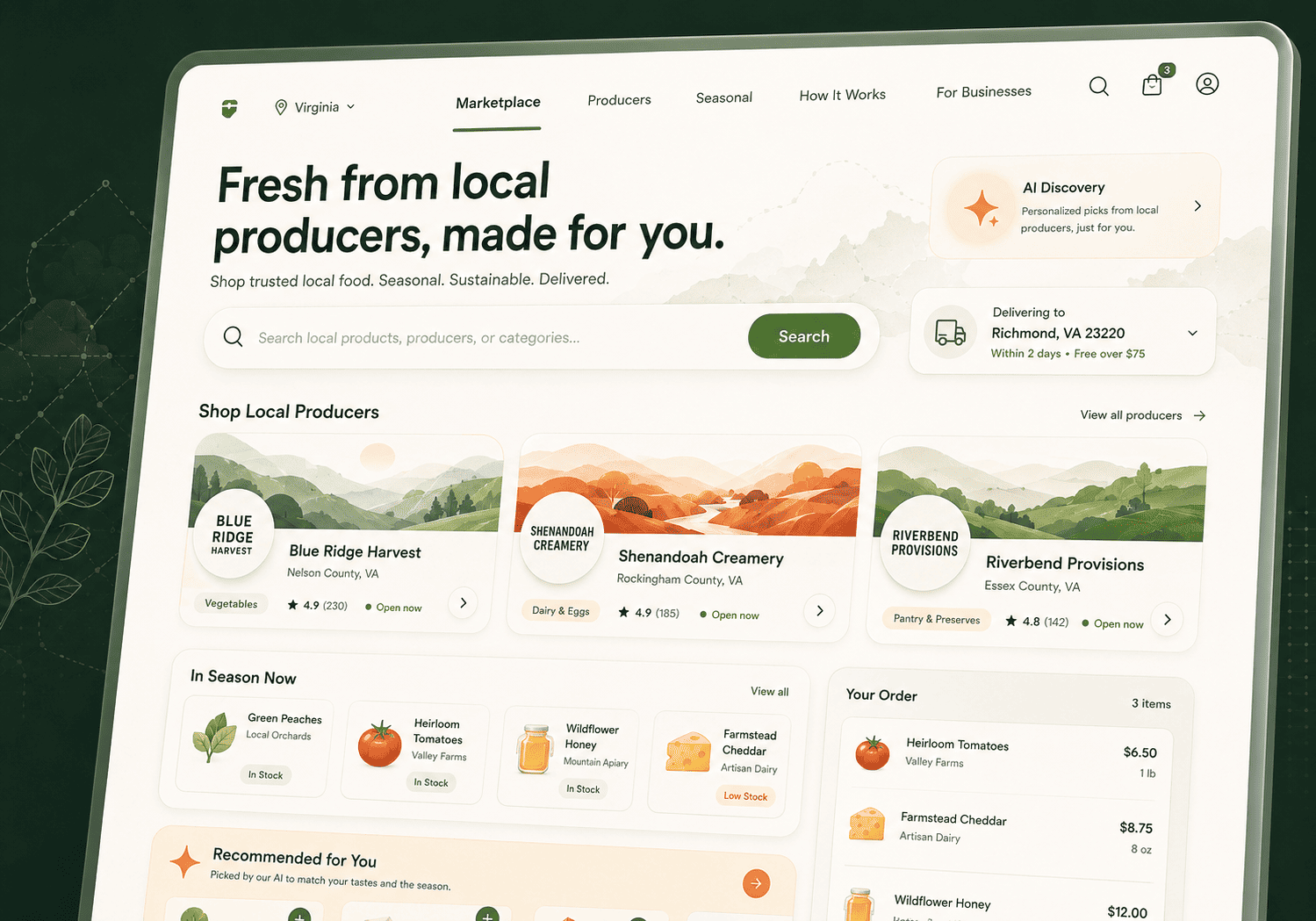
Digital Marketplace for Virginia Farmers, Local Producers & Direct-to-Consumer Food Sales

Plavno developed a custom multi-vendor marketplace for Virginia-based farmers, food producers, and regional sellers to unify product listings, vendor operations, customer ordering, and local fulfillment workflows.

Read More
3x

increase in product discovery relevance

Digital Marketplace for Virginia Farmers, Local Producers & Direct-to-Consumer Food Sales

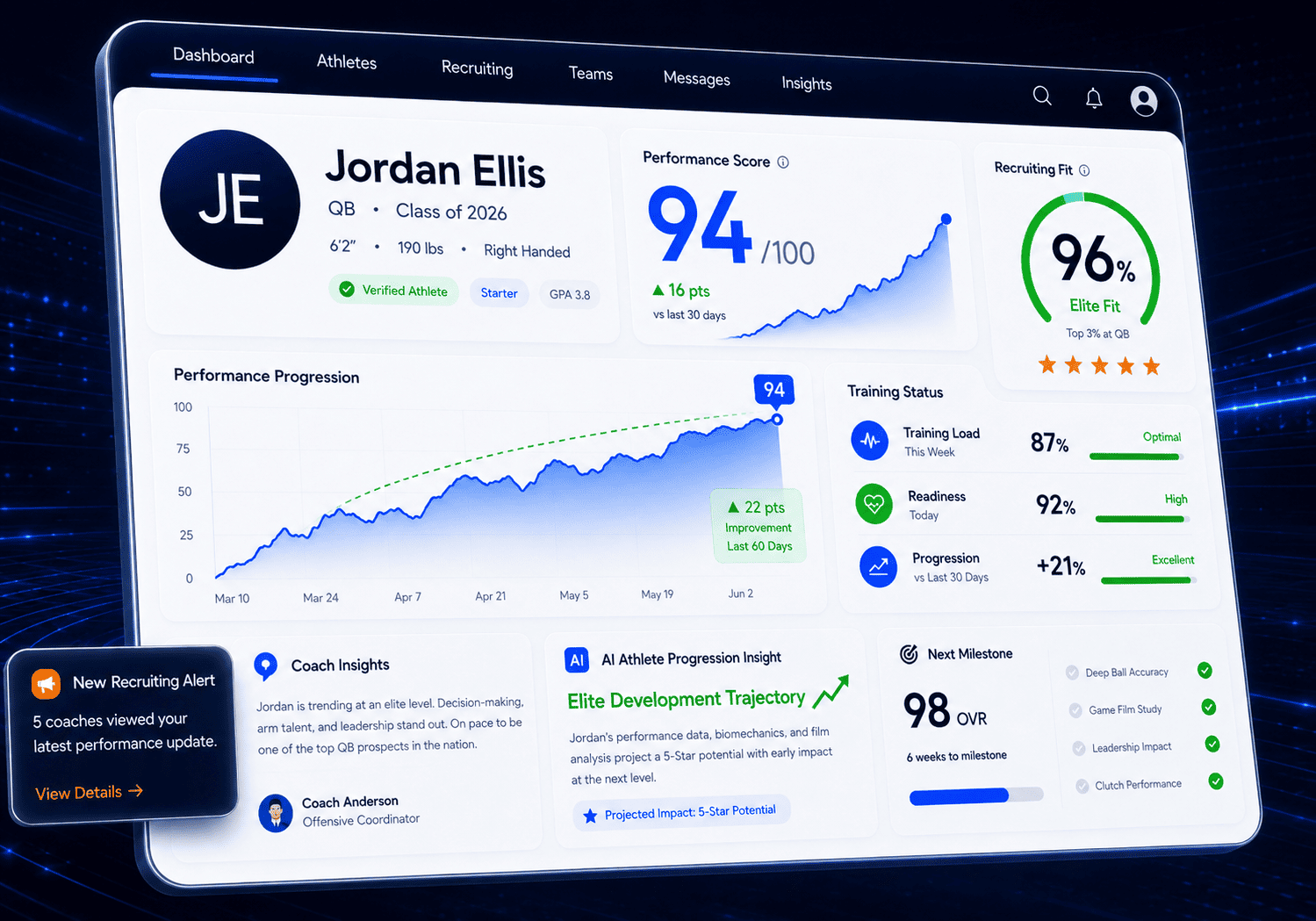
AI-Powered Sports Performance & Recruiting Platform for Virginia Clubs, Academies & Youth Programs

Plavno developed a custom sports technology platform for Virginia-based clubs and academies to combine athlete performance tracking, coach communication, recruiting workflows, and mobile engagement in one ecosystem.

Read More
3x

faster recruiting pipeline

AI-Powered Sports Performance & Recruiting Platform for Virginia Clubs, Academies & Youth Programs

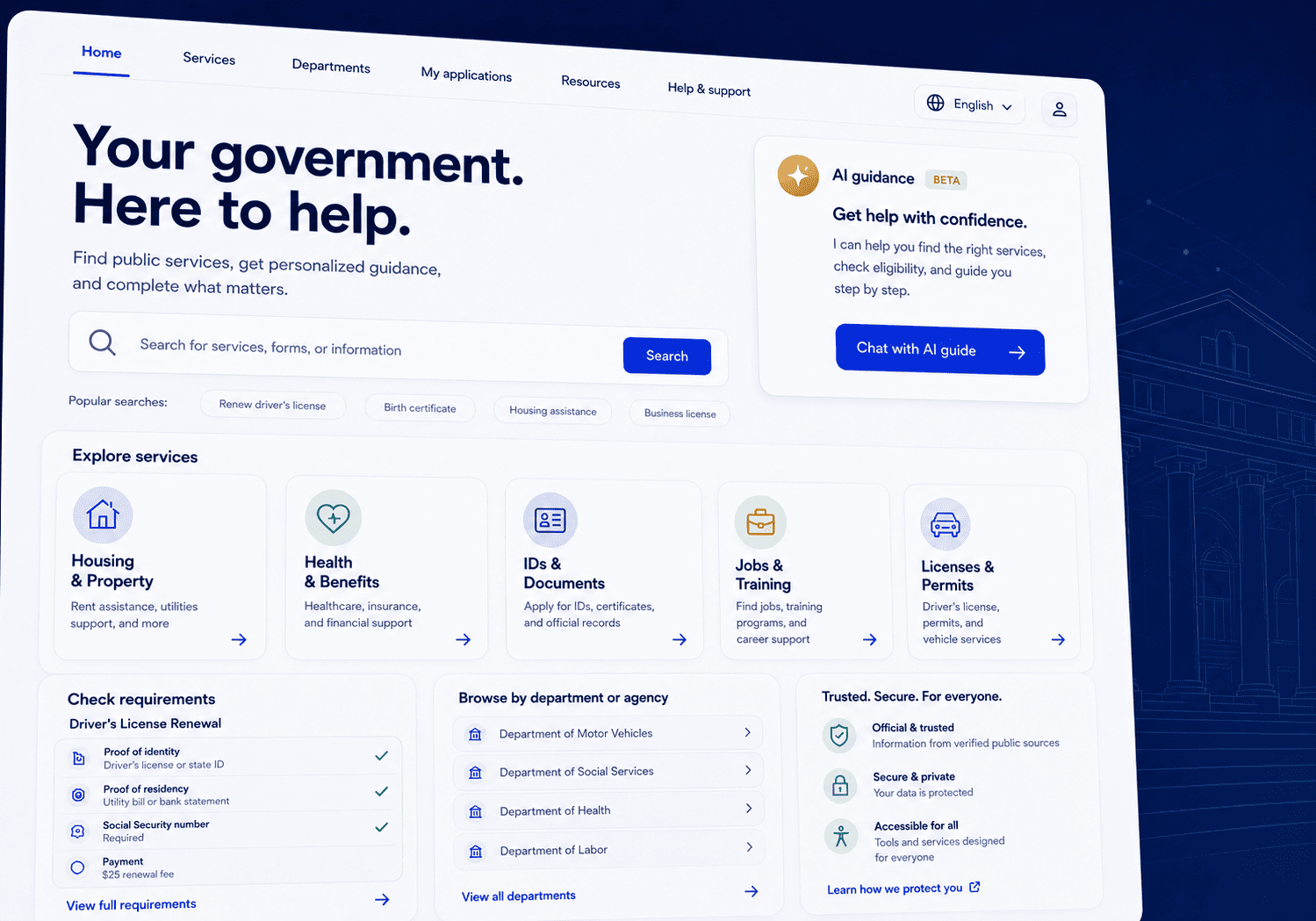
AI-Powered Citizen Services Website Platform for Virginia State Agencies

Plavno developed a modern eGovernment website platform for Virginia state agencies that centralizes citizen services, public information, department content, and an AI-powered guidance agent in one scalable system.

Read More
70%

reduction in routine citizen inquiries to agency staff

AI-Powered Citizen Services Website Platform for Virginia State Agencies

Custom AI Development Solutions for Lynchburg Industries

Regional work where AI pays back first

These patterns track real Lynchburg and central Virginia economies: plants, care networks, campuses, and freight yards.

Manufacturing Quality

Manufacturing Quality

Defect flags

Manufacturing quality assist

Plant floors around Lynchburg still rely on tribal knowledge to catch defects late. Vision or sensor models flag anomalies while product is still on the line. Supervisors confirm edge cases in a simple console and retrain labels weekly. One typical build targets a 15% drop in scrap tickets inside the first quarter after pilot. Pipelines sit on factory event streams and write closed-loop notes into the MES API so records stay complete.

Healthcare Intake

Healthcare Intake

Smart routing

Healthcare intake routing

Regional clinics rebuild the same intake chase every Monday. NLP classifies referral packets and ranks urgency before staff open the PDF. Scheduling systems fill next slots from ranked queues. Privacy filters strip unnecessary identifiers before any external model call. Practices often reclaim several hours of clerk time per day once confidence thresholds settle. Secure logging satisfies later chart audits without extra spreadsheet work.

Campus Operations

Campus Operations

Ticket drafts

Campus operations assistant

Higher education near Lynchburg handles housing, facilities, and student service tickets at scale. An assistant reads policy docs and ticket history to draft first responses for human review. Content stays under role controls so residence life never sees payroll detail. Ticket reverse-queue depth often falls by a fifth after staff trust the drafts. CMS-backed knowledge bases keep answers current when policy PDFs change each semester.

Logistics ETA

Logistics ETA

Exception alerts

Logistics ETA exception watch

Carriers feeding Lynchburg hubs drown dispatchers in delay emails. Models fuse GPS feeds with appointment windows and raise only high-risk misses. Dispatchers act on ranked exceptions instead of for-each-message panic. Missed dock penalties trend down when alerts land 90 minutes earlier than before. Integration uses existing TMS APIs so drivers keep their current apps.

Nuclear Supply

Nuclear Supply

Doc checks

Nuclear supply document check

Suppliers in the Lynchburg nuclear ecosystem live under strict document rigour. Algorithmic checks compare certificates against purchase specs before release. Human quality engineers still certify final acceptance. False release risk drops because mandatory fields cannot go blank. Rules plus models combine so deterministic compliance checks never wait on generative guesswork alone.

Finance Close

Finance Close

Auto classify

Finance close helper for mid-market groups

Controllers in central Virginia still reconcile messy vendor files by hand. Classification models sort transactions into chart accounts with confidence badges. Analysts touch low-confidence rows only. Close calendars can shrink by two days when feeds stabilize. Ledger writes always require dual control so the AI suggests and people post.

What ships

Five deliverables Lynchburg buyers actually keep

Decision API services

Decision API services

Your systems need predictions as responses, not chats alone. We expose versioned endpoints that accept structured payloads and return labeled outputs with scores. Rate limits and API keys protect internal use. Teams choose Python or container nodes based on latency needs. Business product managers can call the same contract from multiple apps without rewrites when features grow.

Operator review consoles

Operator review consoles

Staff will not trust a black box. Lightweight UIs show input context, recommendation, and explain notes side by side. Approve, edit, and reject paths feed later retraining. Next.js was a fit on a prior portal because SSR and clean RBAC kept load times honest. Lynchburg teams roll these into existing SSO groups so accounts do not multiply.

Data contracts and feature stores

Data contracts and feature stores

Models starve without stable fields. We define contracts per source system with owners named. Feature stores cache derived signals so nightly jobs stay cheap. Schema tests fail the build if upstream columns vanish. Manufacturing clients especially gain when sensor names stop drifting between plants.

Cost and latency meters

Cost and latency meters

Inference bills creep if nobody watches. Dashboards track tokens, GPU minutes, and p95 response time per feature flag. Alerts fire before budgets break. Finance partners receive weekly export CSVs ready for ROI sheets. That visibility turns AI from mystery OPEX into managed product cost.

Access-aware write paths

Access-aware write paths

A prediction that bypasses permissions is a breach waiting. We bind every write path to the same department rules we used on a Payload CMS employee portal with department-level permissions. Models never escalate privilege. Audit logs capture actor, record, and score for later review. Legal and IT sign off quicker when that pattern is shown early.

Testimonials

We are trusted by our customers

“They really understand what we need. They’re very professional.”

The 3D configurator has received positive feedback from customers. Moreover, it has generated 30% more business and increased leads significantly, giving the client confidence for the future. Overall, Plavno has led the project seamlessly. Customers can expect a responsible, well-organized partner.

Sergio Artimenia

Commercial Director, RNDpoint

Sergio Artimenia

“We appreciated the impactful contributions of Plavno.”

Plavno's efforts in addressing challenges and implementing effective solutions have played a crucial role in the success of T-Rize. The outcomes achieved have exceeded expectations, revolutionizing the investment sector and ensuring universal access to financial opportunities

Thien Duy Tran

Product Manager, T-Rize Group

Thien Duy Tran

“We are very satisfied with their excellent work”

Through the partnership with Plavno, we built a system used by more than 40 million connected channels. Throughout the engagement, the team was communicative and quick in responding to our concerns. Overall, we were highly satisfied with the results of collaboration.

Michael Bychenok

CEO, MediaCube

Michael Bychenok

“They have a clear understanding of what the end user needs.”

Plavno's codes and designs are user-friendly, and they complete all deliverables within the deadline. They are easy to work with and easily adapt to existing workflows, and the client values their professionalism and expertise. Overall, the team has delivered everything that was promised.

Helen Lonskaya

Head of Growth, Codabrasoft LLC

Helen Lonskaya

“The app was delivered on time without any serious issues.”

The MVP app developed by Plavno is excellent and has all the functionality required. Plavno has delivered on time and ensured a successful execution via regular updates and fast problem-solving. The client is so satisfied with Plavno's work that they'll work with them on developing the full app.

Mitya Smusin

Founder, 24hour.dev

Mitya Smusin

Architecture & Engineering Overview

How Lynchburg AI projects hold under real load

Documented KPI deltas

Documented KPI deltas

Baseline hours two weeks pre-launch, locked same KPI six weeks post

Assisted drafts first

Assisted drafts first

Humans keep rare hard cases; volume shrinks without brand gamble

Portable model rights

Portable model rights

Weights and prompts behind your APIs so a vendor swap is config

Spend caps + hypercare

Spend caps + hypercare

Hard meters from pilot; runbooks and two operator sessions budgeted

For Business: Technical ROI & Risk Mitigation

Finance cares about payback, not model names. Every paid AI feature must retire a known cost line or raise a named revenue lever. We measure baseline hours on the target process for two weeks, then lock the same KPI post-launch for six weeks. Stealth savings stories fail audits. Documented deltas win the next phase budget.

Risk shot first is wrong-scope adventure. Teams often try to automate end-to-end judgment on day one. We push for assisted drafts or rankings so humans stay on the rare hard cases while volume shrinks. That mode cuts labor without gambling brand reputation on one bad auto-send. Clients in Forest and Bedford sat through workshops that cut features that measured poorly against ROI estimates.

Second risk is opaque vendor lock. Managed proprietary platforms can freeze exit options. We prefer portable weights or documented prompts behind your APIs so a swap is configuration, not a rewrite. Contracts spell model export rights. Legal reviews start before mile markers. That posture protects multi-year total cost of ownership even when a hot vendor cools.

Third risk is quiet spend creep. Token pricing looks trivial at ten calls and brutal at ten thousand. Meters and hard caps sit in the infra from pilot. Cap-exceed pages go to product owners, not only ops. Mid-market Virginia groups avoid surprise invoices this way and still keep room to grow feature use intentionally.

Last, change management cost is real. Training time is a budget line. We include two operator sessions, written runbooks, and a hypercare week. Attendance and ticket themes after launch prove whether the design fit the floor. If themes show UX friction we schedule a fix sprint rather than blaming staff uptake.

Context diagram kickoff

Context diagram kickoff

Data sources, trust boundaries, model services, write targets logged with threat models

Eval-driven model choice

Eval-driven model choice

Small fine-tunes vs hosted LLMs scored on fixed privacy-safe sets

Sacred prod dual-path

Sacred prod dual-path

Scrubbed dev, mirrored staging, canary ships, flags so classic UI keeps running

Client-owned lifecycle

Client-owned lifecycle

Your repos, CI templates, human-only failover runbooks, knowledge transfer mapped

For CTOs: Architecture & Technical Lifecycle

Governance starts with a decision log that records every stack pick and rejection. Lifecycle clarity beats clever code when staff rotate. Kickoff produces a context diagram: data sources, trust boundaries, model services, and write targets. Threat models sit next to user stories so security is not a late gate. Lynchburg CTOs walking regulated plants appreciate diagrams they can hand auditors tomorrow.

Trade-offs appear early on model choice. Small fine-tuned models can win on cost and latency for classification. Larger hosted models win on open-ended drafting. We run both against a fixed evaluation set with privacy-safe samples. Numbers drive the pick. Emotion around brand names does not. Evaluation notebooks become appendix material for board updates.

Environment strategy keeps prod sacred. Dev uses scrubbed or synthetic data when real PII cannot leave. Staging mirrors prod quotas and network rules. Blue-green or canary ship patterns reduce blast radius when thresholds change. Feature flags isolate AI paths so classic UI can still operate if models stall. That dual path is non-negotiable for clinics or plant floors that cannot pause intake.

Incident response pairs model and platform runbooks. If drift alarms fire, traffic routes to human-only mode until quality checks pass. Postmortems treat false positives and false negatives with equal weight. MTTR goals match other critical services. CTOs measure AI services with the same seriousness as payment rails.

Ownership model is explicit. Client repos hold application code. We supply CI templates and CONTRIBUTING notes. Knowledge transfer sessions map components and known debt. After warranty, your engineers can extend without a vendor lock theatre. Retainers exist if capacity is thin, yet the keyboards stay owned by you.

Next.js review UIs

Next.js review UIs

SSR + shared SSO middleware; TypeScript confidence badges under RBAC

Python FastAPI services

Python FastAPI services

PyTorch or cloud SDKs behind Pydantic schemas that reject bad spend

Queues + Postgres features

Queues + Postgres features

Redis burst absorb; indexed JSON signals; vectors only when retrieval clears privacy

Versioned fail-closed paths

Versioned fail-closed paths

Prompt/weight tags in audit rows; idempotent retries; degrade to human review

For Engineers: Implementation Details & Stack

Engineers get concrete choices, not marketing layers. The stack exists to keep inference honest under production edge cases. Python services wrap scikit, PyTorch, or cloud SDK clients behind FastAPI style contracts. Pydantic schemas reject bad payloads before spend occurs. Async queues (Redis or managed equivalents) absorb bursts from plant scanners so the web tier never blocks.

Front ends for review work use Next.js when SSR and shared auth patterns help. That choice proved solid on a SharePoint migration to Payload CMS with role-based access control. Operators loaded department content under their SSO group without custom glue every page. AI review screens reuse the same guard middleware so permission bugs stay rare. TypeScript keeps UI state auditable when confidence badges shift color.

Feature storage often sits on Postgres with carefully indexed JSON columns for sparse signals. When volume grows, warehouse extracts feed nightly rebuilds. Vector indexes appear only when retrieval is part of the job and privacy reviews clear the corpus. We refuse decorative embeddings that brighten demos and dull production.

Edge cases own extra tests. Empty attachments, dual languages, and mixed units of measure appear in fixture packs. Timeout behaviour must fail closed to human review. Retries never double-write without idempotency keys. Manufacturing clients ship pallets whether the model is healthy or not, so graceful degrade is a first-class path.

Prompt or weight versioning lives next to code tags. Each deploy stamps the model identifier into audit rows. Rollbacks share the same mechanism as application rollbacks. Engineers on-call can answer "which model wronged this record" without archaeology. That discipline is how Lynchburg production teams sleep.

IaC least-privilege

IaC least-privilege

US residency regions, vault secrets, isolated prod accounts, tested break-glass

Four observability planes

Four observability planes

Traces, drift proxies, cost tags, auth anomalies routed to Virginia hours

Mapped compliance controls

Mapped compliance controls

HIPAA minimize, SOC2 evidence, immutable nuclear logs in your policy language

AI incident drills

AI incident drills

Poisoned labels, prompt injection, key rotate or flag-freeze within minutes

Infrastructure, Observability & Security

US-client deployments default to regions that match data residency needs. Observability and security are product features, not after-the-fact patches. Infrastructure as code defines networks, secret stores, and least-privilege roles. Separate accounts isolate prod from sandboxes. Break-glass procedures exist and are tested quarterly so they do not fail during the first incident.

Monitoring tracks four planes. Application traces show endpoint latency and error classes. Model metrics track precision proxies, rejection rates, and drift scores against frozen holdouts. Cost meters capture provider invoices against feature tags. Security logs capture auth failures and unusual write patterns. Alert routes go to pager and Slack with severity rules aligned to business hours near Virginia operations.

Compliance mapping covers common frameworks without theatre. HIPAA-relevant flows encrypt at rest and in transit, minimize PHI exposure, and document business associate needs when third parties process data. SOC2-minded controls include change management evidence and access reviews. Nuclear-adjacent document systems gain immutable logs. We map controls to your policy language rather than invent parallel binders.

Incident response drills include model-specific scenarios. Poisoned labels, prompt injection attempts, and key leakage sit on the exercise list. Containment for AI paths can mean freezing weights, rotating secrets, or disabling a feature flag within minutes. Communications templates notify stakeholders with facts only. Post-incident tickets feed the backlog like any reliability work.

Post-launch cost control continues after hype fades. Weekly reviews quarantine unused features. Batch windows shift to cheaper hours when latency allows. Spot or reserved capacity is considered only after steady load patterns prove themselves. Lynchburg CFOs see charts with dollars, not vibe statements, every month the system lives.

Data readiness path

Get Lynchburg data AI-ready before build

Many projects stall on messy fields. This sequence raises data quality before a single model trains.

Clipboard
Team
01

Step 1: Source inventory (1 week)

List every system that holds facts about the workflow. Owners, refresh rates, and export formats get written down. Shadow spreadsheets count as sources. Gaps appear early. You leave with a ranked map of which feeds are trustworthy enough for a pilot.

02

Step 2: Quality scoring (1–2 weeks)

Sample rows face checks for nulls, unit chaos, and duplicate keys. Scores color-code red, amber, green per table. Fix effort estimates sit next to each red item. Leadership funds cleanups that unblock the pilot first. Exhaustive perfection is intentionally out of scope.

Search in doc
Rocket
03

Step 3: Contract freeze (1 week)

Accepted fields receive schema documents with types and examples. Change control rules start. Producers agree not to rename columns quietly. Consumers gain failing tests when someone breaks the deal. This freeze is what stops silent model rot later.

04

Step 4: Safe extract pipeline (1–2 weeks)

Automated pulls land in a locked sandbox with PII rules applied. Masking or tokenization runs where needed. Freshness SLAs match the business cycle. Engineers then build knowing yesterday’s shape still holds today. Pilot training finally begins on honest data.

Eugene Katovich

Eugene Katovich

Sales Manager

Need a custom software solution? We’re ready to help!

Plavno has a team of skilled developers ready to tackle the project. Ask me!

Get a Free Quote

Pre-project readiness

Confirm Lynchburg AI readiness before kickoff

  • Name the bottleneck owner — Pick one process owner who feels the pain daily. They must gather sample work and measure hours lost today. Without that baseline you cannot prove lift later. Include a backup person for vacation weeks. Write the KPI in one sentence everyone can recite. Finance should already agree it matters.

  • Bag your source systems — Inventory ERP, CRM, MES, ticketing, and file shares that touch the flow. Note which ones expose APIs versus nightly CSV dumps. Flag legacy boxes that only senior engineers still touch. Capture authentication methods and rate limits. Share this list before we propose timelines so estimates stay honest.

  • Clarify rights to data — Confirm you may use historical records for training or evaluation inside your tenancy. List any third-party clauses that restrict model training. Decide retention windows early. Privacy officers in healthcare or education need seats at the first discovery call. Delays cost more after coding begins.

  • Set a pilot boundary — Choose one site, one product line, or one queue as the proving ground. Define success thresholds as numbers, not hopes. Fix a calendar for go or no-go. Publish those rules so nobody expands scope mid-pilot. Smaller boundaries older communities around Amherst accept faster than vague enterprise dreams.

  • Budget cloud and people time — Reserve spend for inference and storage plus hours from subject experts who label and review. Underfunded magnetic labour kills accuracy. Put rough envelopes on tokens and GPU minutes. Plan who answers support tickets in the first month. Align this with procurement calendars common to Virginia mid-market firms.

Vitaly Kovalev

Vitaly Kovalev

Sales Manager

Request your Lynchburg AI readiness audit

Share budget range, timeline, current stack, and dataset scope. Receive a scored readiness audit and rough cost estimator built for Lynchburg businesses within one business day.

Talk to Experts

Common questions

Custom AI Development questions from Virginia buyers

Straight answers on cost, timing, data, quality, security, and life after launch for Lynchburg teams.

What drives the cost of Custom AI Development for Lynchburg companies?

Cost follows scope, data readiness, and integration depth more than brand-name models. Clean structured feeds shrink engineering hours. Messy multi-system joins expand them. Hosted large models bill per call. Self-hosted or smaller models shift spend toward your compute and ops staff. Lynchburg mid-market groups usually start with one workflow and a hard pilot budget so finance can reassess before full build-out.

Local market factors matter. Manufacturers near the city often need plant-floor connectivity that offices elsewhere skip. Healthcare and education groups add privacy review cycles that lengthen calendars even when code volume is modest. Nuclear supply participants may require extra validation documentation. Each of those increases professional services hours even if model training itself stays short.

A transparent estimate lists discovery, prototype, production hardening, training, and first-month support as separate lines. Cloud token or GPU forecasts sit next to labor. Contingency reserves cover nor-shall we say edge surprises found in real sample packs. You should see unit rates and assumed volumes. If a vendor refuses to show that math, treat the quote as soft fiction.

When comparing bids, normalize for ownership. A cheaper package that keeps all code in a black-box tenancy can cost more at exit. Portable weights, your repos, and documented APIs keep TCO honest over three years. Ask each bidder to price a year of monitoring separately so post-launch bills do not shock the P&L after celebration ends.

Share budget range early so scoping stays inside the envelope. Our team returns cost models tied to timelines, current stack, and dataset size often within a day of a focused intake. That habit prevents poster projects that impress demos and collapse under invoices.

How long does it take to build Custom AI Development software?

A focused MVP often lands in eight to fourteen weeks once data access exists. Full multi-site deployment can stretch a quarter or more depending on change management and compliance gates. Discovery and a thin prototype usually occupy the first month. Production hardening, operator UIs, and SSO integration fill the middle. Pilot at one Lynchburg site then roll to sister locations after metrics clear.

Timeline splits when people cannot supply samples. Waiting three weeks for export approvals delays model evaluation immediately. Contract freezes with IT stakeholders before kickoff prevent that stall. If HR and legal join discovery early, privacy questions stop restarting the schedule. Projects die more often on calendar friction than on code difficulty.

MVP success means one workflow with measurable lift, not every wishlist item. Full deployment adds monitoring polish, secondary languages, more write targets, and staff training at scale. Treat those as phase awards once pilot KPIs beat baseline. Finance prefers that staged path because capital waits on proof rather than hope.

Seasonality also matters in central Virginia. Fiscal year freezes, plant shutdowns, and campus turnovers change who is free for testing. We map those windows during planning so QA is not scheduled against empty desks. Remote collaboration fills some gaps, yet on-machine agents still need wall time with operators.

When you need only a feasibility probe, a two-to-four week paid spike can answer whether accuracy is worth funding further. Fail-fast spikes save more than they cost. Bring your decision threshold before we open editors so the spike ends with a yes or no, not a vague maybe.

Do you work with startups in Virginia?

Yes. We work with early teams and growth-stage operators across Virginia, not only legacy enterprises. Startup contexts near Lynchburg, Charlottesville networks, Richmond corridors, and the broader US base share one need: ship a sharp wedge product without burning runway on vanity AI. Scope discipline ends up as important as model choice for these clients.

Regional startup ecosystems differ. University-linked founders around Lynchburg often bring deep domain knowledge in education tech or specialty manufacturing. They need partners who respect that domain rather than overwrite it with generic chatbots. We co-design features with founders still living the customer problem every day. Equity of attention goes to the metric that keeps them solvent.

Startups get lighter process affordability without loose quality. Pull requests still review. Feature flags still exist. Observability boots early even when teams are five people. What drops for a while is ceremony: fewer multi-committee boards, shorter status formats, and direct chats with senior engineers. Documentation still leaves so a future hire can onboarding without oral legend.

Funding stages influence architecture picks. Pre-seed may stay fully on managed APIs. Series A teams ready for partial self-host when unit economics demand it. We explain the trade-off in dollars and hire plans, not ideology. Your board update stays simpler when build vs buy is shown as a timeline with burn rate next to it.

US-based founders operating remotely into Virginia still fit. Time zones close enough for pairing sessions. Contract templates match standard American commercial practice. If you sit outside the state yet sell into it we still treat compliance and data residence concerns as first. Bring your stack, your dataset size, and your runway so estimates private the reality.

Can Custom AI Development integrate with my existing system?

Yes when the system exposes data or events in any modern way. REST APIs, message queues, SFTP drops, and webhook partners are everyday work. Legacy on-prem ERPs common in Virginia manufacturing respond to database views or middleware we introduce carefully. Integration design sits up front so model accuracy claims are not stranded without forces to move data.

We map authentication modes first. OAuth, service accounts, mutual TLS, and IP allow lists all appear in real estates. Secrets never live in tickets. Permissions for write-back get least privilege so a mis-score cannot overwrite Payables. That posture mirrors the role and department permission approach used when migrating an employee portal onto Payload CMS and Next.js for client teams.

Latency budgets drive architecture. Near-real scoring may call models synchronously inside an API gateway. Batch classifications may run overnight and stamp results before the morning shift. Mixing both modes is common. Monitoring tags track which path carred each record so support can answer path questions quickly.

When systems lack APIs, we look for safe adapters rather than dense custom CRON monsters. Light event capture or UI automation only shows up as last resorts after risk reviews. Document every adapter owner and failure mode. Otherwise the adapter becomes the new black box nobody can fix at 2 a.m.

Integration always includes a fallback route. If the model path is unhealthy the classic workflow continues. Plants and clinics in Lynchburg cannot freeze because a third-party model timeout_bucket fills. Dual paths and circuit breakers earn their keep the first stormy day.

What industries in Lynchburg benefit most from Custom AI Development?

Manufacturing, healthcare networks, higher education, logistics, and nuclear supply chain groups show the strongest returns in the Lynchburg orbit. Each holds high-volume repeat decisions that today wait on people. Automation of those decisions frees skilled staff for exceptions only. That growth pattern also offers clean baselines for ROI measurements.

Manufacturers gain on quality flags, maintenance hints, and schedule assistants that listen to sensor and order feeds. Healthcare groups gain on intake triage and coding assists under strict privacy. Campuses gain on service desk drafts and facilities routing. Freight operators gain on exception watches for ETAs and docs. Nuclear suppliers gain on certificate checks before release. Three or more of these often co-exist in one holding company across central Virginia.

Adjacent towns such as Forest, Bedford, Madison Heights, Amherst, Altavista, and Rustburg share workers and vendors with the city. Solutions tend to travel across sister sites once a pilot is stable. That multi-site pattern is exactly when portable design and access control hygiene save repeats of expensive re-architecture later.

Industry fit fails when data is almost nonexistent or when leaders will not accept assisted decisions. Pure creativity tasks resist current tooling for process ROI. We counsel against projects without measurable hour or error baselines. Better to wait and gather logs than to fund theatre.

If your sector is small but your process is metric-friendly, you still qualify. Specialty insurance, professional services, and regional retail groups already run successful narrow deployments. Bring the bottleneck and the sample set. Industry labels matter less than decision volume and can-we-measure discipline.

Contact Us

This is what will happen, after you submit form

Need a custom consultation? Ask me!

Plavno has a team of experts ready to start your project. Ask us!

Vitaly Kovalev

Vitaly Kovalev

Sales Manager

Schedule a call

Get in touch

Fill in your details below or find us using these contacts. Let us know how we can help.

No more than 3 files may be attached up to 3MB each.
Formats: doc, docx, pdf, ppt, pptx, xls, xlsx, txt.
Send request