bg image
bg image

Serving Harrisonburg & Virginia

Build AI that pays for itself in Harrisonburg by 2026

Harrisonburg operators still burn hours on intake, pricing, and follow-up work that never reaches a clean handoff. Manual queues create lag, missed revenue, and staff burnout across education, logistics, and healthcare. Custom AI Development targets those bottlenecks with systems your team can own. We focus on cost, cycle time, and clear ownership from day one. This work fits mid-size firms ready to move past pilots into production. Get AI Development cost estimate in 24 hours. Tell us budget, timeline, stack, and the dataset or process you want fixed first.

Discuss Project

Overview

Why Harrisonburg teams fund AI builds in 2026

Harrisonburg sits at a busy crossroads of higher education, light manufacturing, agriculture, and regional logistics. Leaders here face thin margins and tight hiring pools. Spreadsheets and shared inboxes still run too many customer and compliance workflows. That gap shows up as delayed quotes, slow triage, and weak audit trails. AI development company work closes those gaps when it is scoped to real processes, not demos.

Local firms near JMU, Bridgewater, Staunton, and Waynesboro need software that joins existing ERPs and CRMs without a full rip-and-replace. We design models, agents, and product layers that sit on live data and return decisions staff can trust. Outcomes include faster pre-screen calls, cleaner customs packets, and pricing support that reflects market signal. Trusted AI Development Partner for Harrisonburg Businesses is how we frame every kickoff. We work with US-based clients, including companies operating in Virginia.

Our approach starts with the process map, the data contracts, and the cost ceiling. Then we ship thin vertical slices that prove value before broader rollout. You can review our AI development practice for how discovery, build, and handoff are structured. We have delivered 10+ AI Development projects in the US market across legal, hospitality, logistics, and wellbeing domains. Stack choices always follow the integration path you already run.

Nearby operators in Elkton, Broadway, and Rockingham County share the same pattern. Peak seasons overload the same people who also own compliance. Custom agents and retrieval layers reduce that load without forcing every decision into a black box. Security and access control stay first-class so internal tools remain department-safe. That is the local bar for production AI in 2026.

Talk to an Expert
Process-mapped scoping

Process-mapped scoping

Start from real workflows, data contracts, and cost ceilings—not demos

ERP & CRM joins

ERP & CRM joins

Models and agents on live systems without rip-and-replace

Thin vertical slices

Thin vertical slices

Ship proof of value before broader Valley rollout

Trusted production bar

Trusted production bar

Audit trails, access control, and decisions staff can defend

plavno logo

Build your first
Smart AI project today!

Just tell the Plavno AI Agent about your project - it will ask questions, gather requirements, and propose a tailored solution

Core build philosophy

Architecture we ship for Shenandoah Valley production

Harrisonburg clients receive working systems, not slide decks. We build product surfaces, agent runtimes, and data access layers that your engineers can extend. The stack stays boring on purpose so ops risk stays low. Front ends often use Next.js when internal staff need fast portals with clear roles. Content and structured records sit in Payload CMS when department-level permissions matter, as we did on an employee portal migration off SharePoint.

Model work uses retrieval pipelines and task-specific prompts bound to verified sources. Voice paths rely on telephony hooks and transcription services when phone workflows dominate logistics or hiring. For family wellbeing and coaching products we combined personalization models with habit tracking flows so recommendations stayed grounded in user history. Real-estate pricing agents used market features and controlled workflows so price suggestions remained reviewable. Customs compliance checkers combined document understanding with a rules engine so trade teams could see why a packet failed.

Security/compliance is designed in, not bolted on. Role-based access, audit logs, and least-privilege service accounts ship with every internal tool. Data residency and retention match the client policy before training or embedding jobs run. Legal deposition tools and medical triage assistants require careful redaction paths and controlled storage. We treat PII as a first-class risk in every pipeline design.

DevOps covers environment parity, staged rollouts, and cost guards on model spend. CI runs schema checks and eval suites before promotion. Feature flags let you expose agent steps to a small user set first. Observability hooks capture latency, token cost, and failure classes so finance and engineering share one view. Incident runbooks name owners for model drift, upstream API loss, and auth breakage.

We refuse one-size frameworks that hide business rules. Domain logic for hotels, trade, and HR stays explicit in code and config you can read. That is how custom AI software development services stay maintainable after handoff. Harrisonburg teams keep the keys, the repos, and the metrics dashboards from launch day.

AI Development Solutions for Harrisonburg Industries

Use cases tied to the Valley economy

These builds map to industries that hire and ship across Harrisonburg, Rockingham County, and nearby corridors. Each item reflects work patterns we have already delivered.

Logistics Voice

Logistics Voice

Freight agents

Logistics voice agents for Shenandoah freight desks

Regional carriers still lose drivers to phone tag during appointment windows. Dispatch teams in Harrisonburg juggle inbound status calls and outbound exception notices by hand. We build phone-based AI agents that handle intake, confirmations, and structured handoff to TMS tools. Call automation and telephony integration cut idle hold time and free staff for exception work. ROI often shows as fewer missed callbacks per shift once scripts stabilize. The technical path uses speech recognition, intent routing, and secure CRM writes after each call. Supervisors review transcripts for quality without listening to every minute.

HR Screening

HR Screening

Higher-ed

Higher-ed and HR pre-screening near JMU

Campus-adjacent employers face seasonal hiring spikes that swamp recruiters. Manual phone screens slip and strong candidates drop out. An AI voice assistant runs structured pre-screens and stores answers in a consistent schema. HR automation reduces calendar thrash while keeping humans on final decisions. Teams see cleaner shortlists and faster time-to-offer once volume rises. Voice screening plus scoring rubrics keep interviews fair across shifts. Integration targets common ATS endpoints so data does not live only in chat logs.

Healthcare Triage

Healthcare Triage

Clinics

Healthcare triage support for Valley clinics

Clinics around Harrisonburg absorb after-hours symptom calls with thin nurse coverage. A symptom checker agent collects structured complaints and applies triage flows with clear escalation rules. Decision support reduces wrong-priority visits without claiming diagnosis. Staff receive summaries instead of free-form voicemails. ROI appears as shorter intake and better routing of urgent cases. Medical triage flows store consent and audit trails for later review. The stack stays careful on PHI boundaries and access control.

Hospitality Concierge

Hospitality Concierge

Bookings

Hospitality concierge for Blue Ridge operators

Hotels and travel operators lose bookings when night desks cannot answer fast. A voice AI concierge covers FAQs, simple booking steps, and escalation to humans. Hospitality integrations sync room availability and guest notes so answers stay current. Guests get consistent service during peak tourism weeks on Skyline drives. Operators measure fewer abandoned calls and higher completed reservations. Booking workflows remain editable when rates or packages change. The build favors controlled prompts over open chat that invents amenities.

Trade Compliance

Trade Compliance

Exporters

Trade compliance checks for exporters

Shenandoah firms shipping abroad still catch paperwork errors late. An AI customs compliance checker reads documents and applies a rules engine against trade requirements. Document understanding flags missing fields before cargo moves. Logistics teams cut rework and detention risk on tight lanes. ROI is fewer failed submissions per month after rules are tuned. Human reviewers still approve edge cases with full context. The system logs each check so audits stay defensible.

Legal deposition workflows for regional firms

Law practices serving Harrisonburg clients drown in deposition audio and notes. Custom legal software applies AI transcription and summarization inside controlled case workspaces. Legal workflow automation shortens prep cycles for attorneys. Teams reclaim hours formerly spent on manual scrubbing. ROI shows as faster brief assembly per matter once templates settle. Access controls keep matter data siloed by firm policy. Exports stay format-ready for discovery packages.

What you receive

Deliverables Harrisonburg buyers can put on a roadmap

Process-mapped AI agents

Process-mapped AI agents

Many Valley teams automate the wrong step and freeze mid-rollout. We start from the bottleneck that burns cash, then design agent steps with clear exit ramps to humans. Call handling, intake, or pricing support only expand after success metrics stick. Voice and text channels use the same logging standard for audit. Telephony integration is chosen when phone volume dominates, not by default. You get runbooks and ownership maps with the code. Outcomes stay tied to queue time and error rate, not novelty.

Internal portals with department roles

Internal portals with department roles

Shared drives hide policy and slow onboarding for multi-department firms. Modern employee hubs need structured content and strict permissions. We migrate portals using Payload CMS and Next.js so departments only see what they own. Role-based access control replaces ad-hoc folder shares. Search and publishing stay fast for non-engineers. IT keeps a single deploy path instead of side tools. Staff adoption rises when the hub matches daily work, not intranet fluff.

Document intelligence for ops teams

Document intelligence for ops teams

Paper and PDF flows still gate logistics, legal, and finance in the region. Manual review creates lag and inconsistent rulings. Document understanding models extract fields and feed rule checks your experts define. Results return with citations so reviewers trust the pass or fail. Error queues stay small and labeled by root cause. Training data stays under your control. This path cuts rework without forcing full process replacement on day one.

Market and pricing decision support

Market and pricing decision support

Inventory and service firms guess rates under noisy demand. Static spreadsheets lag competitor moves. Pricing models and market optimization agents surface suggestions with feature drivers visible to managers. Real-estate style workflows inspired a build where agents proposed prices under governance. Humans approve bands before systems write back to listings. Latency stays low enough for daily decisions. Finance sees assumptions logged for later audit.

Meeting and media intelligence

Meeting and media intelligence

Cross-border and multi-site meetings lose meaning when language and notes fragment. Teams replay hours instead of acting. Real-time voice translation and meeting transcription pipelines capture speech and structure outcomes. AI conferencing layers feed searchable notes into your tools. Leaders get action lists within minutes of hang-up. Storage policies respect retention rules set by legal. The build favors accuracy over flashy UI chrome.

Case Study

We help customers cut
down on development

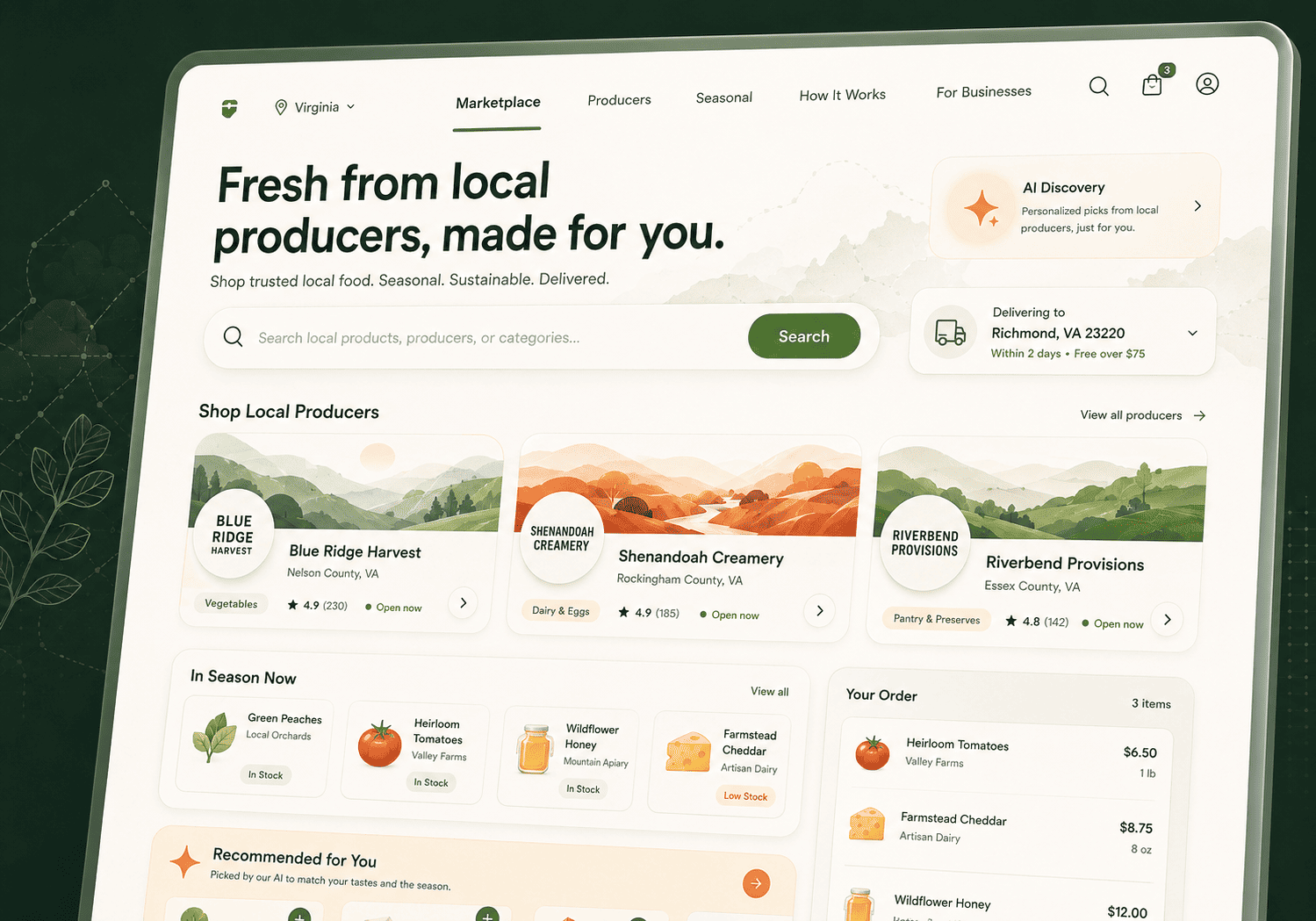
Digital Marketplace for Virginia Farmers, Local Producers & Direct-to-Consumer Food Sales

Plavno developed a custom multi-vendor marketplace for Virginia-based farmers, food producers, and regional sellers to unify product listings, vendor operations, customer ordering, and local fulfillment workflows.

Read More
3x

increase in product discovery relevance

Digital Marketplace for Virginia Farmers, Local Producers & Direct-to-Consumer Food Sales

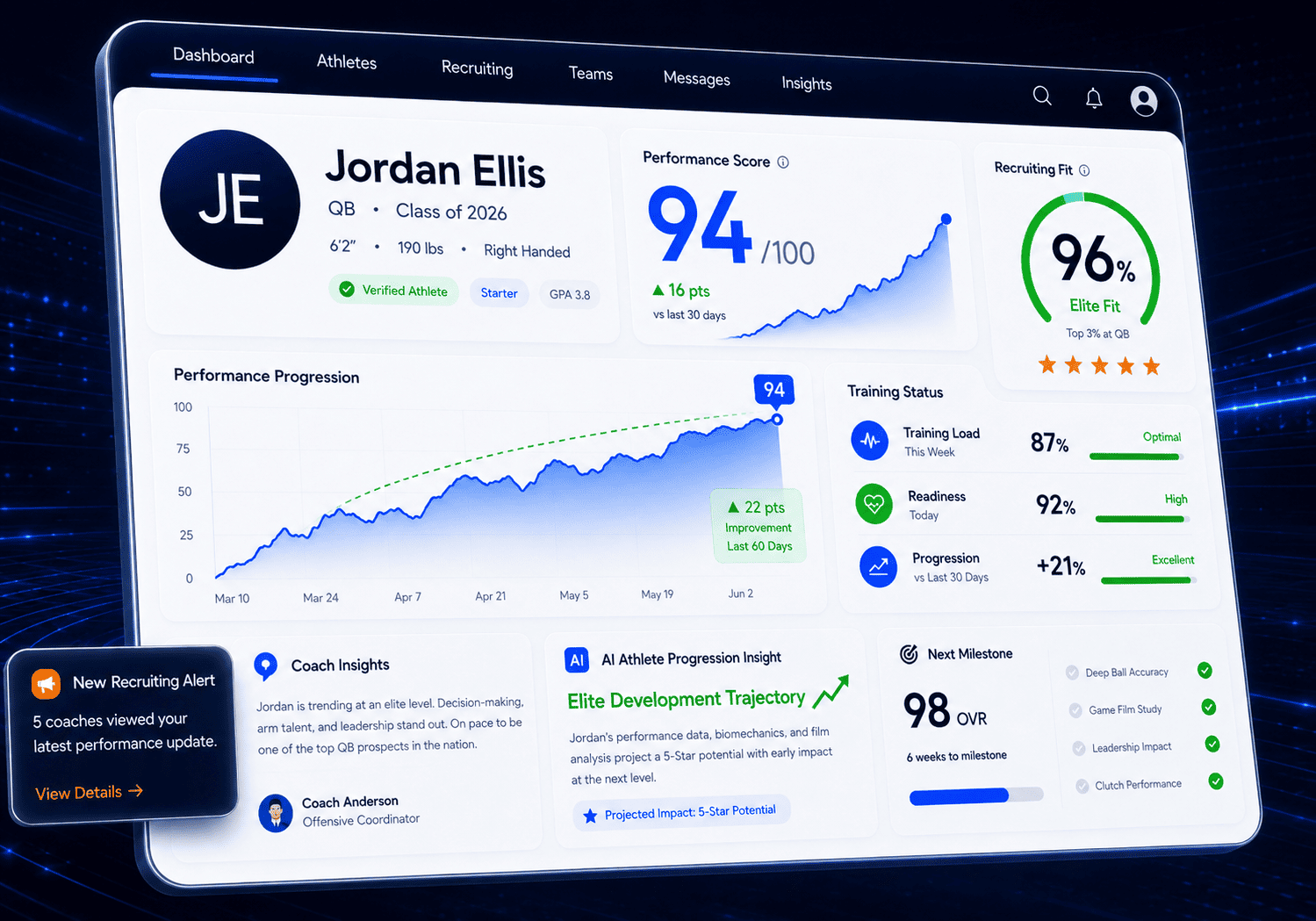
AI-Powered Sports Performance & Recruiting Platform for Virginia Clubs, Academies & Youth Programs

Plavno developed a custom sports technology platform for Virginia-based clubs and academies to combine athlete performance tracking, coach communication, recruiting workflows, and mobile engagement in one ecosystem.

Read More
3x

faster recruiting pipeline

AI-Powered Sports Performance & Recruiting Platform for Virginia Clubs, Academies & Youth Programs

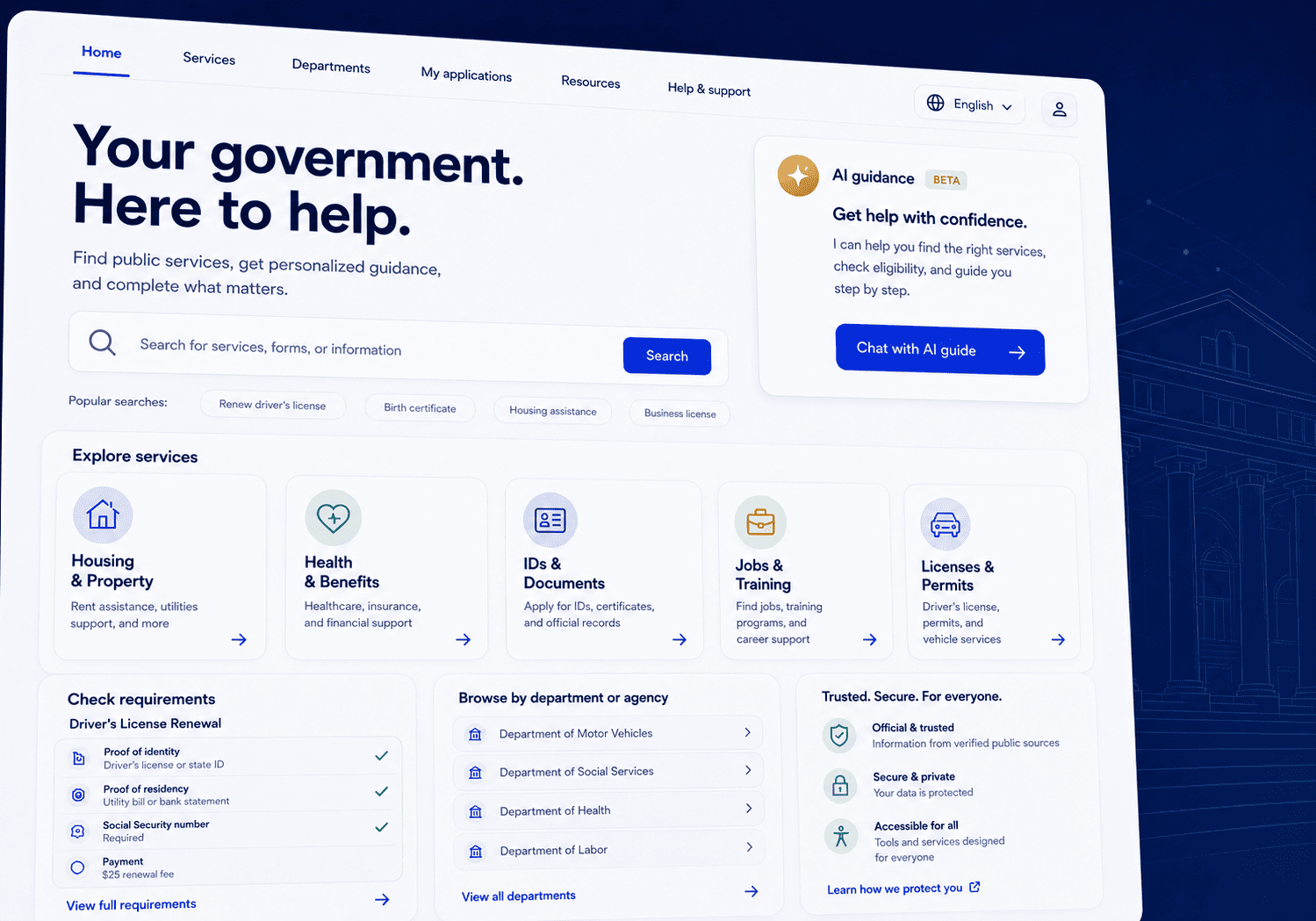
AI-Powered Citizen Services Website Platform for Virginia State Agencies

Plavno developed a modern eGovernment website platform for Virginia state agencies that centralizes citizen services, public information, department content, and an AI-powered guidance agent in one scalable system.

Read More
70%

reduction in routine citizen inquiries to agency staff

AI-Powered Citizen Services Website Platform for Virginia State Agencies

Architecture & Engineering Overview

How Harrisonburg AI programs stay controlled in 2026

Metric-bound releases

Metric-bound releases

Tie each ship to baseline KPIs: response time, reject rate, hours per screen

Human-in-loop gates

Human-in-loop gates

Machines handle repetition; staff own high-impact legal, medical, and edge cases

Cost as a product feature

Cost as a product feature

Token ceilings, caching, batch jobs, and weekly spend views per feature

For Business: Technical ROI & Risk Mitigation

Buyers in Harrisonburg care about payback windows more than model brands. Technical choices only matter when they cut cycle time, rework, or headcount pressure with proof. Voice agents in logistics reduce missed calls when scripts and CRM writes are solid. Pricing agents matter when managers can challenge the drivers, not when the chart looks clever. Compliance checkers matter when fewer shipments bounce on paperwork faults.

Risk rises when pilots skip data quality and ownership. Incomplete CRM fields poison agent answers. Unbounded model spend burns budget without alerts. We bind each release to a baseline metric you already track. Time to first response, packet reject rate, and hours per screen are typical. Changes ship behind flags so rollbacks stay cheap.

We keep humans on high-impact decisions while machines handle repetition. That mix lowers training load and legal exposure. Hotel concierge flows still escalate edge cases. Medical triage assistants collect and route. They do not invent care plans. Legal summarization stays under attorney review. Those boundaries protect brand and license risk.

Cost control is treated as a product feature. Token ceilings, caching of stable retrieval chunks, and batch off-peak jobs reduce waste. Finance gets weekly spend views tied to features, not vague cloud bills. That clarity makes expansion funding easier inside mid-size Valley firms.

Post-launch success depends on a thin ops ritual. Weekly eval samples, prompt change logs, and owner assignment prevent silent drift. You keep the option to pause a channel without taking the whole stack down. That is how ROI stays honest after the launch email.

Discovery gate

Discovery gate

Freeze one process, one metric, data contracts, and ADRs first

Thin slice

Thin slice

Prove integration risk early—log only, then tickets, then full automation

Harden

Harden

Latency, cost, error classes, secrets, and multi-provider options

Handoff

Handoff

Runbooks, drift monitors, your cloud accounts, board-ready map

For CTOs: Architecture & Technical Lifecycle

Lifecycle planning beats heroic sprints. We stage discovery, thin slice, harden, and handoff as separate decision gates with exit criteria. Kickoff freezes scope around one process and one success metric. Data contracts and auth patterns are chosen before model experiments spin. Architecture Decision Records capture trade-offs for later hires.

Thin slices prove integration risk early. A logistics phone agent first dials out with logging only, then writes tickets, then opens full automation. Real estate pricing first scores offline, then advises, then writes under approval. Each gate reviews latency, cost, and error classes against the baseline.

Governance covers secrets, model vendor lock, and eval ownership. Multi-provider options stay open where quality allows. Local embedding stores can sit beside managed APIs when privacy demands it. Feature stores stay simple until reuse is proven. Over-platforming early is a common failure mode we avoid.

Handoff includes runbooks, diagrams, and on-call cues your staff can run. Source stays in your cloud accounts. CI and environment parity prevent Friday-only surprises. Drift monitors watch output quality against golden sets. Cost monitors watch per-feature spend as usage scales.

Trade-offs are explicit. Faster voice latency may raise compute cost. Heavier retrieval improves accuracy but adds index ops. We present those choices with numbers, not slogans. CTOs leave with a map they can defend to the board.

Portals & content

Portals & content

Next.js role-aware UI + Payload CMS structured content with department ACLs

Agent workers

Agent workers

Python/Node loops, STT→LLM→TTS with strict tool schemas and queue jobs

System of record

System of record

Postgres truth, versioned embeddings, idempotent CRM/TMS writers

Evals & flags

Evals & flags

Groundedness harnesses, versioned prompts as PRs, feature flags on agents

For Engineers: Implementation Details & Stack

Engineers inherit systems that read cleanly. Stack picks always carry a plain reason tied to the process we automate. Next.js serves internal portals when SSR and role-aware UI matter. Payload CMS stores structured content when editors and permissions dominate. Python or Node workers own agent loops and queue jobs. Postgres remains the system of record for transactional truth.

Voice paths combine STT, LLM planning, and TTS with strict tool schemas. Telephony bridges post call metadata into CRM or TMS APIs. Transcription pipelines store utterances with speaker labels for review UIs. Real-time translation jobs stream partials carefully so UI lag stays acceptable. Meeting tools push structured summaries into existing collaboration apps.

Retrieval uses chunking strategies matched to document types. Policies and customs rules get dense chunking with citations. Narrative notes use longer windows. Embedding refresh jobs track source versions so stale policy cannot hide. Eval harnesses score groundedness and schema validity on every build.

Edge cases get first-class tests. Partial audio, bilingual guests, missing invoices, and rate-limit bursts all appear in fixtures. Idempotent writers stop double ticket creation. Circuit breakers open when upstream models time out. Dead-letter queues keep poison messages inspectable.

We document prompt templates as versioned assets beside code. Changes require review like any other PR. Feature flags split experimental agents from stable ones. That discipline keeps production calm while research continues.

Full-path observability

Full-path observability

Traces across tool calls, tokens, retrieval hits, escalation ratios

Security baselines

Security baselines

SOC2-minded IAM, PHI isolation, matter ACLs, pre-model redaction

Staged deploys

Staged deploys

Parity envs, canary agent releases, cost & drift alarms to owners

Named incident path

Named incident path

Severity, rollback, human-only fallback, post-incident eval updates

Infrastructure, Observability & Security

US clients expect clear controls. We instrument for latency, cost, quality, and access, then map alerts to named owners. Deploy paths use staged environments with parity on secrets and network rules. Containers or managed functions run workers depending on traffic shape. Blue-green or canary releases limit blast radius on agent changes.

Observability covers traces across tool calls, not only HTTP. We log token counts, retrieval hit rates, and human escalation ratios. Quality samples stream to review dashboards. Drift alarms fire when answer scores drop below baseline. Cost alarms fire when a feature exceeds its daily budget.

Security baselines include SOC2-minded controls, encrypted storage, and least-privilege IAM. HIPAA-sensitive work isolates PHI, encrypts at rest, and restricts logs. Legal matters use matter-level ACLs. Hotel and HR systems limit PII in prompts wherever possible. Redaction steps run before third-party model calls when policy requires it.

Incident response names severity, comms path, and rollback steps. Model outages trigger fallback scripts or human-only mode. Auth failures page the owner, not a shared inbox. Post-incident notes update evals so the same failure class is caught earlier next time.

Harrisonburg teams get the same bar as coastal peers. Regional distance never excuses weak monitoring. We train your staff on the dashboards before warranty ends. That handoff is part of delivery, not an optional add-on.

Testimonials

We are trusted by our customers

“They really understand what we need. They’re very professional.”

The 3D configurator has received positive feedback from customers. Moreover, it has generated 30% more business and increased leads significantly, giving the client confidence for the future. Overall, Plavno has led the project seamlessly. Customers can expect a responsible, well-organized partner.

Sergio Artimenia

Commercial Director, RNDpoint

Sergio Artimenia

“We appreciated the impactful contributions of Plavno.”

Plavno's efforts in addressing challenges and implementing effective solutions have played a crucial role in the success of T-Rize. The outcomes achieved have exceeded expectations, revolutionizing the investment sector and ensuring universal access to financial opportunities

Thien Duy Tran

Product Manager, T-Rize Group

Thien Duy Tran

“We are very satisfied with their excellent work”

Through the partnership with Plavno, we built a system used by more than 40 million connected channels. Throughout the engagement, the team was communicative and quick in responding to our concerns. Overall, we were highly satisfied with the results of collaboration.

Michael Bychenok

CEO, MediaCube

Michael Bychenok

“They have a clear understanding of what the end user needs.”

Plavno's codes and designs are user-friendly, and they complete all deliverables within the deadline. They are easy to work with and easily adapt to existing workflows, and the client values their professionalism and expertise. Overall, the team has delivered everything that was promised.

Helen Lonskaya

Head of Growth, Codabrasoft LLC

Helen Lonskaya

“The app was delivered on time without any serious issues.”

The MVP app developed by Plavno is excellent and has all the functionality required. Plavno has delivered on time and ensured a successful execution via regular updates and fast problem-solving. The client is so satisfied with Plavno's work that they'll work with them on developing the full app.

Mitya Smusin

Founder, 24hour.dev

Mitya Smusin

Data paths that hold up

Integrations that keep Valley systems honest

The second hard problem after models is clean integration. Harrisonburg companies already run finance, WMS, EHR, or campus systems that cannot pause for a rewrite. We treat connectors as product surface. Event hooks, APIs, and controlled batch jobs move only the fields each agent needs. Duplicate masters are refused. Mapping tables live in version control with owners named.

Legacy SharePoint and file shares still trap policy knowledge. When we moved an employee portal to Payload CMS with Next.js, department-level permissions replaced brittle folder trees. That pattern applies when AI tools need curated knowledge without open drive scrapes. Retrieval indexes follow the same ACL model as the source. Users never see content their role forbids.

Telephony and CRM joins need transactional care. AI phone agents for logistics write structured outcomes after each call so dispatch tools stay authoritative. HR pre-screen assistants store rubric scores that ATS records can accept. Hotel concierge flows sync availability through existing booking APIs instead of side databases. Dual writes are temporary and instrumented, never permanent shadow systems.

Data quality gates sit in front of training and embedding jobs. Null rates, schema drift, and stale prices fail the pipeline loud. Customs document flows reject incomplete packets before models guess. Medical symptom collection enforces required fields before triage logic runs. These gates cut silent errors that destroy trust later.

Cost and latency risk live here too. Chatty APIs get bulk endpoints or caches. Large media jobs run async with progress events. Timeouts and retries are explicit per vendor. Your team can read every adapter without our presence. That is the integration bar for custom AI solutions that survive 2026 load in Virginia.

Eugene Katovich

Eugene Katovich

Sales Manager

Need a custom software solution? We’re ready to help!

Plavno has a team of skilled developers ready to tackle the project. Ask me!

Get a Free Quote

Before you buy

Readiness checks for Harrisonburg AI sponsors

  • Name the process and baseline metric — Pick one workflow with a number you already track. Call handle time, packet reject rate, or days to shortlist all work. Write the current baseline and the owner who cares. Avoid multi-process launches that hide failure. Confirm data exists for at least one full month. Align finance on what savings or revenue the metric should move. Capture seasonality so summer tourism or semester peaks do not fool you.

  • Inventory systems and access paths — List CRM, TMS, EHR, ATS, and auth providers your agents must touch. Note API quality, sandbox availability, and rate limits. Identify which writes need human approval. Map PII fields that must never enter prompts. Confirm who can grant credentials without a six-week wait. Record retention rules that constrain logs and training. This list prevents mid-build surprises that stall pilots.

  • Define human escalation rules — Decide when agents must stop and route to staff. Night desk hotel requests and clinical urgency both need clear exits. Write the channel for handoff and the SLA. Train a small squad before broad exposure. Log escalations as first-class events. Review them weekly in the first month. Clear exits keep customers safe and staff confident.

  • Set cost ceilings and review cadence — Assign a daily or weekly model spend cap per feature. Choose who receives overspend alerts. Agree on caching and batching tactics before launch. Plan a fixed review of prompt and index changes. Tie expansion funding to metric movement, not demo polish. Keep a kill switch that freezes automation without wiping history. Budget honesty protects the program after novelty fades.

  • Prepare eval sets from real work — Sample real tickets, calls, and documents with labels your experts trust. Include hard cases, not only happy paths. Store them versioned beside the code. Run evals in CI so regressions block deploys. Refresh samples when policy or product catalogs change. Share scores with business owners in plain language. Strong evals replace vague claims about quality.

Vitaly Kovalev

Vitaly Kovalev

Sales Manager

Request a Harrisonburg AI readiness audit

Share budget, timeline, stack, and dataset scope. Receive a free process-and-data readiness audit for Harrisonburg businesses plus a 24-hour ballpark estimate.

Talk to Experts

Practical answers

AI Development questions from Virginia buyers

Straight answers on cost, time, data, quality, security, and operations for teams around Harrisonburg.

What drives the cost of AI Development for Harrisonburg companies?

Cost follows scope, integration depth, and compliance needs more than model brand names. A single phone agent with CRM writes costs less than a multi-channel suite with document intelligence and SSO. Local market rates for discovery workshops and specialist engineering still matter, yet cloud spend often becomes the long tail. You should budget for data cleanup when source systems are messy. Harrisonburg firms with seasonal peaks also need capacity planning so busy weeks do not explode token bills.

Major drivers include number of systems to connect, real-time versus batch requirements, and voice versus text channels. Voice pipelines add telephony, transcription, and latency work that text chat never needs. Regulated domains such as clinics or legal add redaction, audit, and retention design. Internal portals with department ACLs cost less than public agents if content is already structured. Custom rules engines for trade compliance sit between those poles.

We price discovery separately so you are not locked into a full build after one call. Discovery produces a metric baseline, architecture sketch, and risk list. Fixed-scope MVP builds follow when the path is clear. Time and materials suits open research only with weekly caps. You always see feature-level cost forecasts for model usage before production traffic. That forecast is revised when eval shows heavier retrieval than expected.

Hidden costs appear when ownership is vague. Missing on-call plans, unevaluated prompts, and no spend alerts create waste after launch. We include ops rituals in the plan so finance is not surprised. Tell us budget range early so we design within it instead of gold-plating. A clear ceiling is a feature, not a constraint we fight.

How long does it take to build AI Development software?

Timelines split into discovery, MVP, and production hardening. Discovery for a focused process usually takes two to three weeks with stakeholder access. A thin MVP that proves one metric often lands in eight to twelve weeks when APIs exist. Full deployment with multi-system writes, training, and monitoring can run sixteen to twenty-four weeks. Parallel work on data cleanup shortens that path when your team owns the sources.

MVP scope is intentionally narrow. One channel, one primary integration, and a human escalation path keep risk low. Logistics phone agents may first log calls, then open limited automation. Pricing agents may score offline before any write-back. Meeting transcription may start on recorded files before real-time streams. Each step has exit criteria tied to accuracy and cost. Skipping those gates is the main reason timelines slip later.

Hardening adds eval automation, role controls, runbooks, and cost alarms. Security reviews and staging rehearsals sit here. Staff training is not optional if adoption matters. Calendar holds for pilot users prevent a build that nobody schedules. Regional firms sometimes lose weeks waiting on vendor sandbox keys. We sequence those dependencies on day one so idle time stays visible.

After go-live, expect a stabilization window of two to four weeks with denser reviews. Prompt tweaks and edge-case fixtures land quickly then. Only after metrics hold do we expand to adjacent processes. That staged path beats a six-month big bang that never ships. Share your fixed launch date early if seasonal peaks drive the calendar. We reverse-plan from that date instead of promising an abstract quarter.

What data do you need before starting an AI Development project?

You need process samples, system access plans, and a metric definition before serious build work. Ideal packs include tickets, call recordings, documents, or chat logs that show real edge cases. Labels from experts matter more than huge raw dumps. A month of baseline metrics for the target process is enough to start. Privacy rules and retention policies must be written so we know what can leave your network.

Schema documentation for CRM, TMS, or ATS objects prevents guesswork. Sandbox credentials or read-only production replicas speed mapping. If no sandbox exists, we define a masked extract method first. For voice work, sample audio quality and common accents in the Shenandoah region help tune speech paths. For document work, complete and incomplete packets both belong in the set. Happy-path-only data creates fragile agents.

Startups and established firms in Virginia share the same need for ownership. Name a data steward who can answer field definitions within a day. Name a security contact for IAM and logging rules. Without those roles, projects stall even when executives are eager. We can begin architecture on incomplete data, yet eval quality will lag until samples arrive. Plan a short data sprint if your store is fragmented across sheets.

Synthetic data can pad rare classes but never replaces production oddities. We document what is synthetic so scores stay honest. When PHI or matter data is involved, redaction pipelines come first. Do not email raw sensitive files to start a conversation. Use secure transfer we provide. Clean intake here saves weeks of rework and protects trust with your customers and staff.

How do you evaluate quality for custom AI solutions?

Quality is measured against labeled tasks and business metrics, not vibes. We build eval suites that score schema validity, groundedness, and policy compliance on every meaningful change. Golden sets come from your real work in logistics, HR, legal, or hospitality. Scores gate merges the same way unit tests do. Business owners also track the live metric such as reject rate or time to shortlist. Both views are required before broad rollout.

Human review remains part of the loop. Sample transcripts and document decisions land in a weekly queue for experts. Disagreements update fixtures and prompts. Escalation rate is itself a quality signal. Too many escalations means the agent is timid or confused. Too few with rising error means it is overconfident. We tune thresholds with that balance in mind.

Offline scores are not enough for voice and real-time translation. Latency budgets and interruption handling need production-like load tests. We measure p95 response times under concurrent calls. Cost per successful task sits beside accuracy so cheap-but-wrong paths lose. Drift monitors compare live outputs to the golden distribution after launch. Alerts fire when scores fall outside agreed bands.

Vendor model changes can alter behavior without your consent. Pinning versions and re-running evals on upgrades prevents surprise regressions. Prompt templates are versioned assets under review. This discipline is how we keep AI software development services accountable for Valley clients who cannot afford silent failure. You receive dashboards your non-engineers can read. Clarity beats jargon when funding the next phase.

How do you handle security and compliance for AI systems in Virginia?

Security design starts before model selection. We map data classes, retention, and who may see outputs. Least-privilege service accounts and encrypted stores are baseline. Audit logs capture access to sensitive features. For healthcare-adjacent work such as symptom triage assistants, PHI stays segmented and prompts are minimized. Legal deposition tools keep matter-level ACLs so cross-matter leakage cannot occur. Hospitality and HR systems limit PII in third-party calls whenever redaction is practical.

SOC2-minded controls guide change management, secrets handling, and vendor review. We prefer your cloud accounts so keys and billing stay under your org. Network rules restrict worker egress to known endpoints. Secrets never live in prompt files. Dependency scanning and container baselines reduce supply-chain risk. Training data is collected under documented consent and purpose limits.

Compliance is process plus technology. Written runbooks cover breach notification paths relevant to US clients. Access reviews happen on a schedule, not only at launch. Model vendors are vetted for data use policies that match your contracts. When a vendor trains on customer content by default, we exclude them or negotiate terms. Regional Virginia buyers in education and health often need those proofs for board packets.

Penetration tests and tabletop incidents are scheduled for larger rollouts. Findings feed the backlog with severity tags. Monitoring watches auth anomalies and unusual export volumes. Staff training covers phishing risks around agent admin tools. Security is not a sticker on the homepage. It is a weekly habit that keeps custom AI software safe after the press release fades.

Contact Us

This is what will happen, after you submit form

Need a custom consultation? Ask me!

Plavno has a team of experts ready to start your project. Ask us!

Vitaly Kovalev

Vitaly Kovalev

Sales Manager

Schedule a call

Get in touch

Fill in your details below or find us using these contacts. Let us know how we can help.

Required because you selected “Other” above

No more than 3 files may be attached up to 3MB each.
Formats: doc, docx, pdf, ppt, pptx, xls, xlsx, txt.
Book your meeting