bg image
bg image

Serving Hampton & Virginia

Cut manual work with AI built for Hampton teams in 2026

Hampton operators still burn cycles on handoffs that software should own. Defense suppliers, port logistics firms, and regional offices need systems that score risk, route work, and surface decisions without new headcount. Custom models only help when they fit the tools your staff already open each morning. We scope use cases against real budgets and data quality, not slide decks. Leaders in Newport News, Norfolk, and the Peninsula get a clear build path with measurable payback. Get Custom AI Development cost estimate in 24 hours.

Discuss Project

Overview

Why Hampton operators fund AI that ships in 2026

Hampton sits inside a dense defense, shipbuilding, and port economy. Back-office staff still copy data between shared drives, email threads, and aging portals. Leaders want custom ai solutions that reduce that drag without a multi-year platform rewrite. We work with US-based clients, including companies operating in Virginia. Teams here need production software, not a demo that dies after the pilot week.

Trusted Custom AI Development Partner for Hampton Businesses means we start from workflow pain, not model hype. A claims desk, yard planner, or contracts office defines success in hours saved and fewer handoffs. We map those steps, quantify waste, and only then select model family and interface. Nearby teams in Norfolk, Newport News, Virginia Beach, and Portsmouth face the same pressure from auditors and prime contractors. Speed without auditability fails fast in this region.

Our work already includes modern internal content hubs with department-level controls. We migrated an employee portal off SharePoint into Payload CMS and Next.js with role-based access by department. That pattern matters when AI surfaces HR notes, SOPs, or contract clauses. Access boundaries must stay enforced after generation. We treat permissions as product requirements, not afterthoughts on a security ticket queue.

Clients who need durable custom development get a path from discovery to monitored services. We prefer thin APIs, explicit eval sets, and cost caps on inference. Integration debt is the usual failure mode across Hampton Roads. We isolate legacy systems behind clear contracts so models never become a second source of truth. Expect plain status reviews, not vague phase percentages.

Local volume counts. We have delivered 10+ Custom AI Development projects across the US market with the same emphasis on access control and maintainable interfaces. Procurement teams in Virginia gain a vendor that writes runbooks and ownership maps. Your staff keep operating when our engagement ends. That is the bar for ai software development services that survive real load.

Talk to an Expert
Workflow-first mapping

Workflow-first mapping

Quantify desk waste before any model pick

Permission-bound AI

Permission-bound AI

Department gates on every generated answer

Monitored services

Monitored services

Thin APIs, eval sets, and inference caps

Legacy isolation

Legacy isolation

Clear contracts so models never own truth

Core build stack

Model services keyed to real Hampton workflows

Hampton clients receive AI as a small set of services behind authenticated APIs, not a monorail platform. We keep retrieval, scoring, and action layers separate so failures stay local. Business owners care that a yard status answer does not rewrite a purchase order. Engineers care that each path has testse and a kill switch. That split is how we design every system here.

Core layout uses a retrieval layer over approved sources, a model gateway with routing rules, and task workers for long jobs. We pick managed vector stores when document volume is modest and control matters more than exotic ranking. Stateless app servers stay easy to roll back. We ground interface choices in the employee portal we built with Payload CMS and Next.js. Role-based access and department-level permissions already proved how content hubs must gate who sees generated notes.

Security/compliance is baked into tenancy and audit logs from day one. Defense-adjacent offices near Langley and the Newport News shipyard often need clearer trail lines than consumer tools offer. We record prompt version, source document IDs, and user role on every sensitive answer. Secrets never enter prompt templates. Network paths stay private to your VPC or equivalent when data classification demands it.

DevOps for these systems means canary releases, offline eval jobs, and budget alerts on token spend. We ship infrastructure as code so environments match. Feature flags mute a model route without redeploying the whole app. Logs stream to the stack your ops team already opens. On-call notes name the owner for drift, latency spikes, and retrieval misses.

Stack choices follow the job. Next.js works well when staff need a fast internal UI next to existing SSO. Payload CMS fits structured knowledge that multiple departments edit under different roles. Python services host batch scoring and embedding jobs. Message queues isolate slow OCR and file parsing. We avoid novel frameworks when ops capacity is thin across multi-site Virginia teams.

What you keep after launch is documented contracts, seed eval sets, and a cost dashboard. Guesses leave with the vendor. The internal content hub pattern we already shipped shows how department permissions carry into AI-assisted search. That same discipline applies to contract clerks, maintenance planners, and training leads across Hampton. Architecture serves the permission model first, the model second.

plavno logo

Build your first
Smart AI project today!

Just tell the Plavno AI Agent about your project - it will ask questions, gather requirements, and propose a tailored solution

What you receive

Five deliverables Hampton buyers actually use

Workflow scoring services

Workflow scoring services

Dispatch boards and intake desks drown in unstructured email. Hampton logistics and base-support offices lose hours deciding priority by hand. We package scoring as a service that reads approved fields and returns ranked queues. Python workers handle feature joins and light models so results stay explainable. Teams keep the same screens; scores appear as new columns. Latency budgets sit under office network constraints, not lab benchmarks.

Policy-aware assistants

Policy-aware assistants

Staff ask the same policy questions every week. Static FAQs go stale after one revision cycle. We build assistants that only answer from versioned source packs with citations. Payload-style content models keep ownership clear by department. Next.js front ends sit behind existing SSO so access mirrors HR directories. Managers audit answers against the source version that produced them.

Document intake pipelines

Document intake pipelines

PDF packets still stall finance and contracts work across the Peninsula. Manual keying creates delay and silent errors. We implement intake pipelines that extract fields, flag confidence, and route low scores to humans. OCR and parsing run async so peeks never block the UI. Storage stays in your tenant with encryption at rest. Audit events capture who accepted each correction.

Ops cost dashboards

Ops cost dashboards

Inference spend surprises teams that ships models without meters. Virginia multi-site groups need caps before month end. We deliver dashboards on call volume, token use, and cache hit rates. Alerts fire when a route drifts past baseline cost. Product owners can mute a model without waiting on a ticket queue. Finance sees numbers in plain dollars, not vendor charts.

Integration adapters

Integration adapters

Legacy ERP and IAM systems dominate Hampton defense suppliers. Greenfield AI that ignores them never launches. We write adapters with clear schemas and retry policies. Message queues buffer spikes from yard systems. Contract tests lock field maps so vendor upgrades do not break scoring overnight. Rollback plans stay written before the first production call.

Delivery sequence

How a Hampton pilot reaches production workers

A fixed four-phase path from problem proof to owned services. Each phase ends with artifacts your team can run without us.

Clipboard
Team
01

Step 1: Workflow proof (1–2 weeks)

We sit with one high-volume desk and capture real tickets. Time stamps and failure modes become the baseline. Hampton logistics and admin teams see where copy-paste still runs the day. Deliverables include a ranked use-case sheet and data-gap list. You receive a go or no-go with cost bands. No model work starts until the room agrees on one target metric.

02

Step 2: Data contracts (2–3 weeks)

Sources are named with owners and refresh rules. We define schemas for events the model may read. Sample packs are exported with PII rules applied. Department permissions from prior portal work guide who may open which fields. You get a living data dictionary and access matrix. Integration stubs prove connectivity before any training spend.

Search in doc
Rocket
03

Step 3: Service build (3–5 weeks)

APIs, workers, and UI shells land behind feature flags. Offline eval sets run on golden cases from your desk. Thresholds for human review are written into the route. Staging mirrors production IAM so SSO friction appears early. You receive weekly demos with recorded decisions. Time box keeps scope from swelling into a second platform.

04

Step 4: Hardening & handoff (2 weeks)

Canaries watch error rates and cost per call. Runbooks name who mutes a model route at 2 a.m. Training covers the three staff roles that own inputs, answers, and spend. Monitoring dashboards move into your stack. Source code, infrastructure maps, and eval packs transfer intact. Support windows shrink only after signed acceptance.

Custom AI Development Solutions for Hampton Industries

Regional use cases with clear payback lines

Hampton Roads industries share constraints: strict access, legacy systems, and thin ops benches. These six patterns match that reality.

Defense Knowledge

Defense Knowledge

Secure retrieval

Defense contractor knowledge desks

Primes and mid-tier suppliers near Hampton chase answers locked in SharePoint sprawl. Staff re-answer export rules and process notes every week. We ship retrieval assistants bound to department permissions like the Payload CMS portal we already delivered. Citations stay on the page so auditors can reload sources. Leaders track deflection rate against the human queue. Typical ROI comes from freeing senior analysts for proposal work. Technically, embeddings sit over versioned corpus packs with role filters at query time.

Shipyard Planning

Shipyard Planning

Work orders

Shipyard maintenance planners

Newport News and yard partners still plan against emailed PDFs. Missed intervals create overtime spikes. Intake models extract work order fields and flag low-confidence lines. Humans correct only the misses while clean packs flow to planning boards. Result is faster start of shift readiness and fewer duplicate tickets. Interfaces hang off existing IDs rather than new data lakes. Queued OCR and schema validators keep yard networks stable under batch load.

Port Logistics

Port Logistics

Dispatch scoring

Port and terminal logistics

Hampton Roads movers juggle berth notes, chassis pings, and broker emails. Manual ranking delays truck turns. Scoring services tag urgency from structured events plus short free text. Dispatchers keep final say with one-click overrides. Measured lift is fewer idle hours at gate peaks. APIs feed the TMS without dual entry. Circuit breakers stop cascades when an upstream feed stalls.

Healthcare Admin

Healthcare Admin

Intake bots

Peninsula healthcare admin

Regional clinics bury staff under referrals and benefit packs. Intake bots extract required fields and surface missing items early. PHI stays in private networks with full access logs. Front desks open complete packets instead of chasing faxes. Cycle time drops on pending authorizations. Model routes only run after de-identification where policy demands. Monitor jobs alert on form layout drift after payer updates.

Municipal Routing

Municipal Routing

Crew queues

Municipal service routing

City and county desks across Hampton still triages calls by habit. Work orders land on the wrong crew. Classification services label issue type from short descriptions. Scheduling tools receive cleaner queues without new staff. Public works leads report fewer bouncebacks between departments. Rules encode service boundaries before any generation step. Overnight batch jobs retrain labels only on reviewed corrections.

Aerospace Research

Aerospace Research

Lab notes

Aerospace and research offices

Teams near NASA Langley manage lab notes and step guides that outgrow shared folders. Search fails when naming is inconsistent. We index approved collections with department ACL mirrors from Next.js style portals. Engineers pull cited snippets into internal briefs faster. Proposal cycles shrink when prior art is findable. Vector indexes rebuild on publish events so stale pages never answer. Cost caps keep exploratory search from burning the monthly inference budget.

Case Study

We help customers cut
down on development

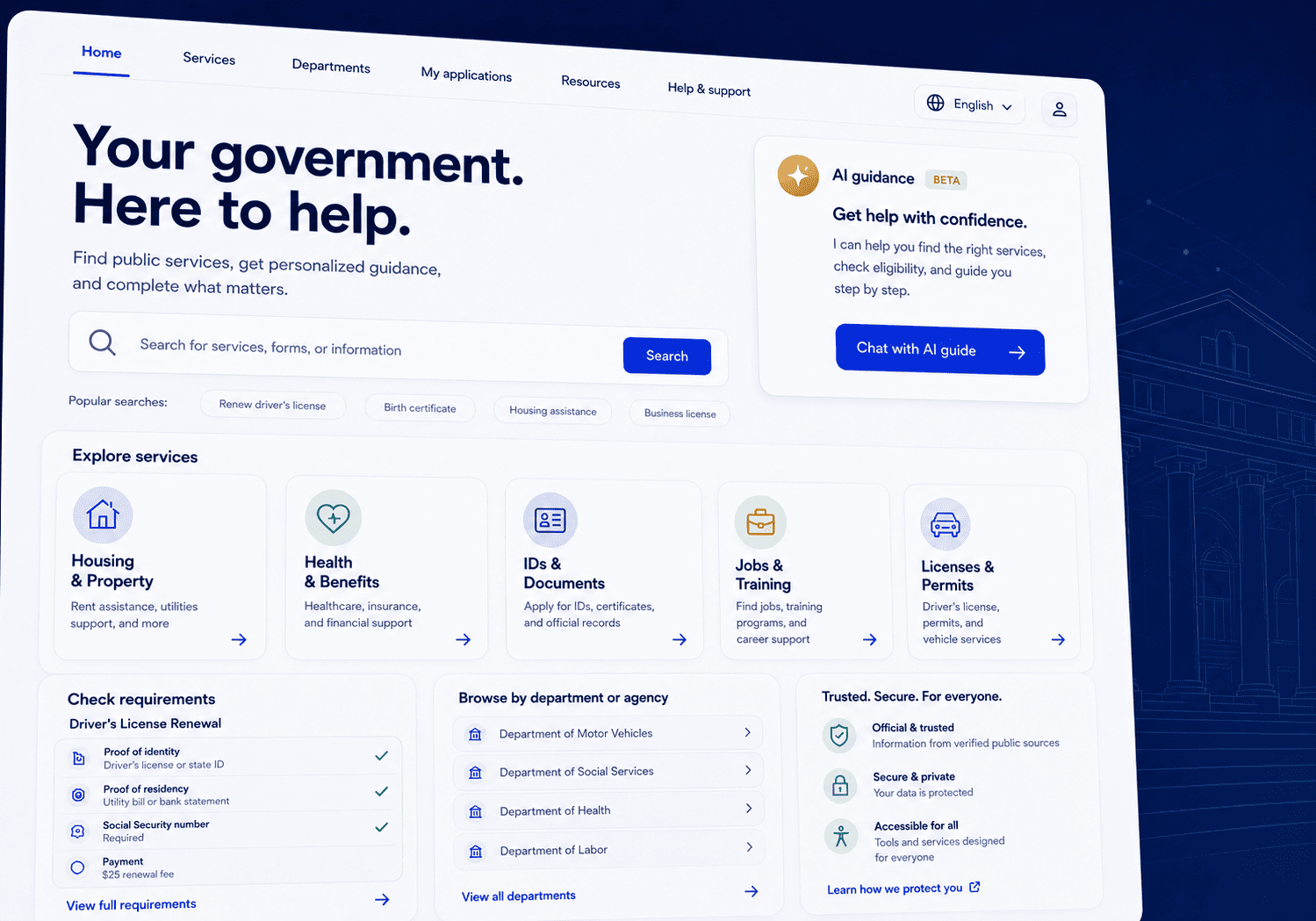
AI-Powered Citizen Services Website Platform for Virginia State Agencies

Plavno developed a modern eGovernment website platform for Virginia state agencies that centralizes citizen services, public information, department content, and an AI-powered guidance agent in one scalable system.

Read More
70%

reduction in routine citizen inquiries to agency staff

AI-Powered Citizen Services Website Platform for Virginia State Agencies

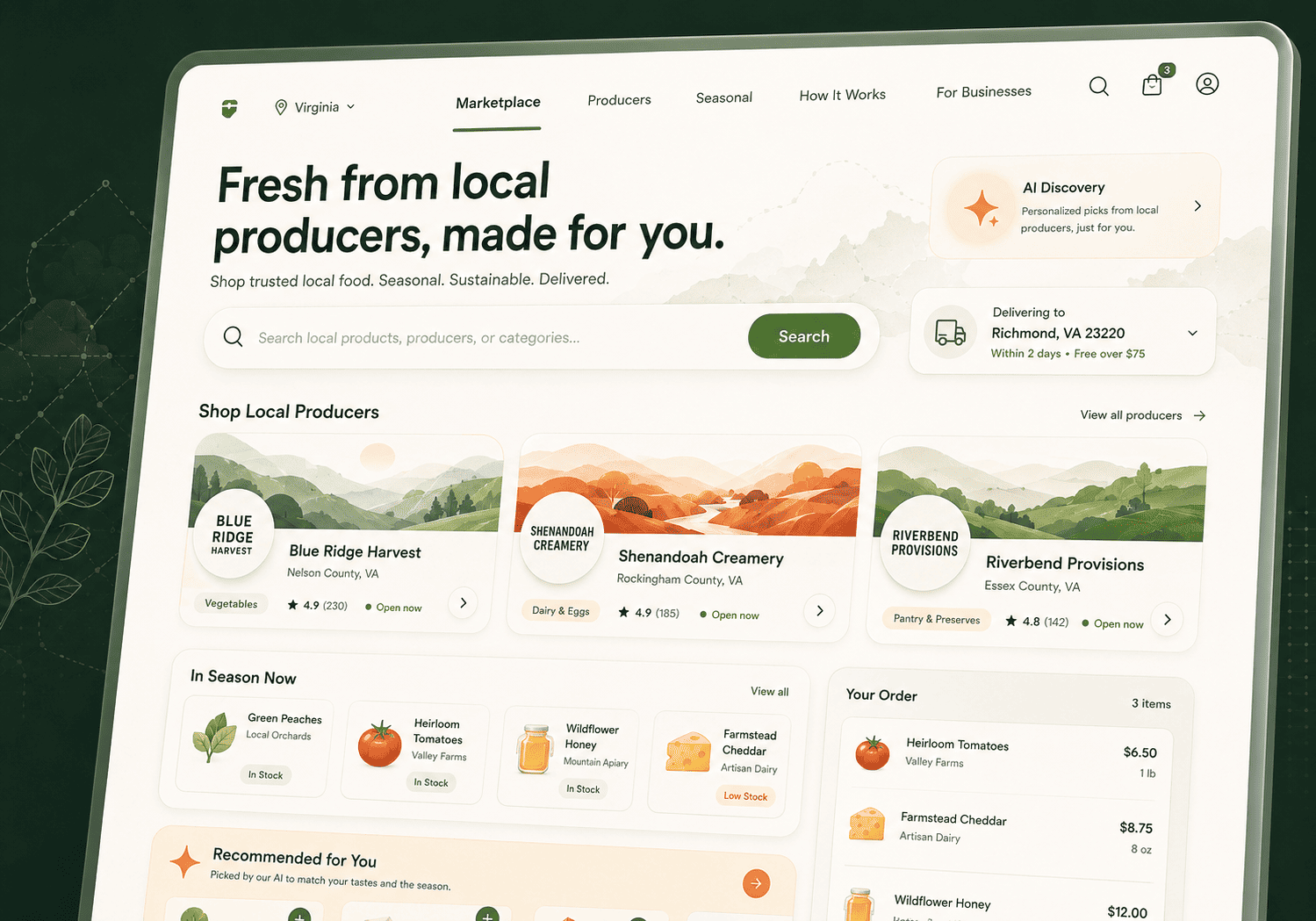
Digital Marketplace for Virginia Farmers, Local Producers & Direct-to-Consumer Food Sales

Plavno developed a custom multi-vendor marketplace for Virginia-based farmers, food producers, and regional sellers to unify product listings, vendor operations, customer ordering, and local fulfillment workflows.

Read More
3x

increase in product discovery relevance

Digital Marketplace for Virginia Farmers, Local Producers & Direct-to-Consumer Food Sales

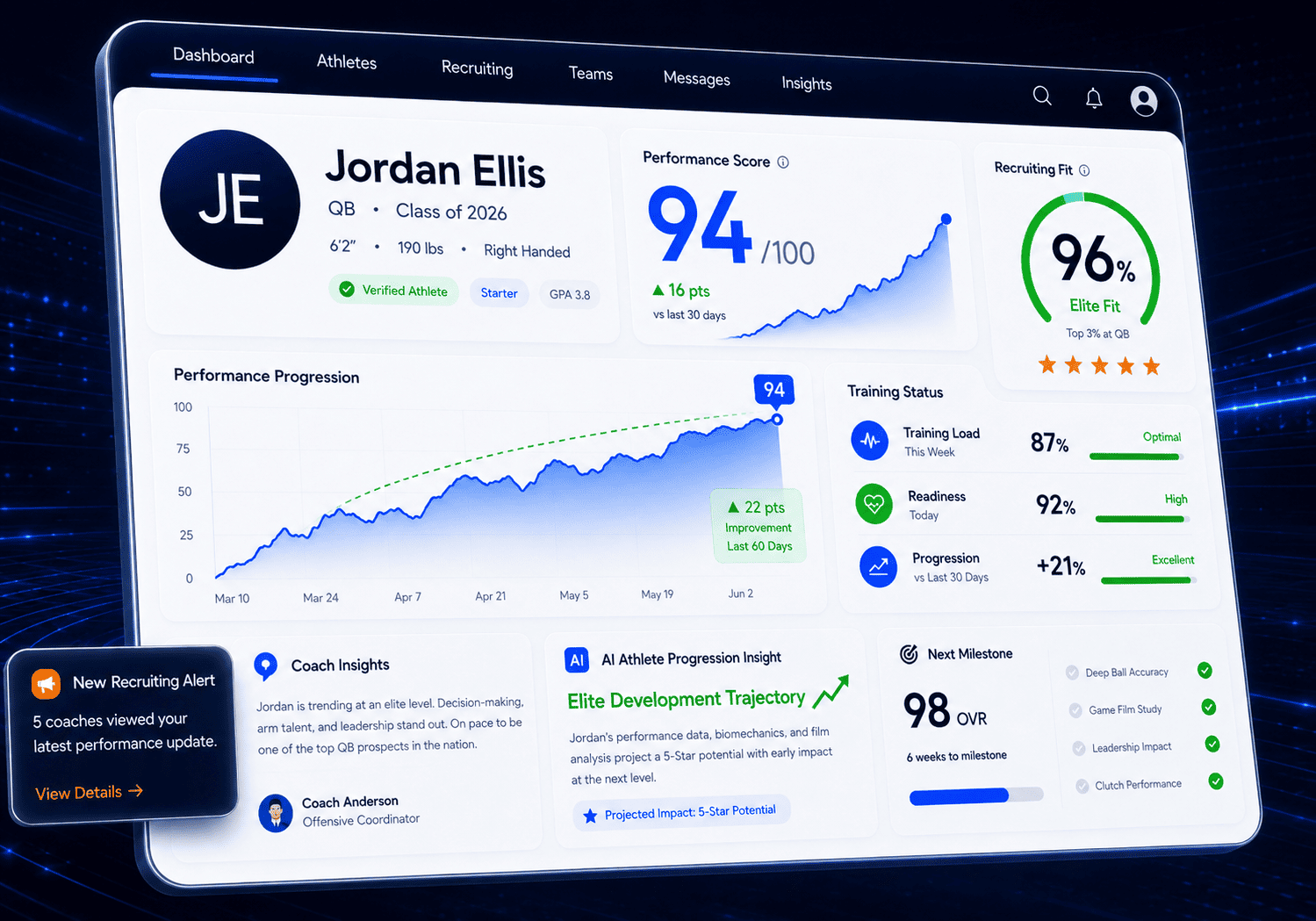
AI-Powered Sports Performance & Recruiting Platform for Virginia Clubs, Academies & Youth Programs

Plavno developed a custom sports technology platform for Virginia-based clubs and academies to combine athlete performance tracking, coach communication, recruiting workflows, and mobile engagement in one ecosystem.

Read More
3x

faster recruiting pipeline

AI-Powered Sports Performance & Recruiting Platform for Virginia Clubs, Academies & Youth Programs

Testimonials

We are trusted by our customers

“They really understand what we need. They’re very professional.”

The 3D configurator has received positive feedback from customers. Moreover, it has generated 30% more business and increased leads significantly, giving the client confidence for the future. Overall, Plavno has led the project seamlessly. Customers can expect a responsible, well-organized partner.

Sergio Artimenia

Commercial Director, RNDpoint

Sergio Artimenia

“We appreciated the impactful contributions of Plavno.”

Plavno's efforts in addressing challenges and implementing effective solutions have played a crucial role in the success of T-Rize. The outcomes achieved have exceeded expectations, revolutionizing the investment sector and ensuring universal access to financial opportunities

Thien Duy Tran

Product Manager, T-Rize Group

Thien Duy Tran

“We are very satisfied with their excellent work”

Through the partnership with Plavno, we built a system used by more than 40 million connected channels. Throughout the engagement, the team was communicative and quick in responding to our concerns. Overall, we were highly satisfied with the results of collaboration.

Michael Bychenok

CEO, MediaCube

Michael Bychenok

“They have a clear understanding of what the end user needs.”

Plavno's codes and designs are user-friendly, and they complete all deliverables within the deadline. They are easy to work with and easily adapt to existing workflows, and the client values their professionalism and expertise. Overall, the team has delivered everything that was promised.

Helen Lonskaya

Head of Growth, Codabrasoft LLC

Helen Lonskaya

“The app was delivered on time without any serious issues.”

The MVP app developed by Plavno is excellent and has all the functionality required. Plavno has delivered on time and ensured a successful execution via regular updates and fast problem-solving. The client is so satisfied with Plavno's work that they'll work with them on developing the full app.

Mitya Smusin

Founder, 24hour.dev

Mitya Smusin

Vendor contrast

Why Hampton teams pick deep engineering over slide decks

Generic agencies sell model brands. We sell owned services with access control, evals, and cost brakes built in.

Generic Agencies
Our Platform (Deep Engineering Expertise)
Department-level access on generated answers
checkmark
Offline eval sets before production traffic
checkmark
Token and dollar spend alerts by route
checkmark
Legacy ERP adapters with contract tests
checkmark
checkmark
Runbooks naming mute owners at handoff
checkmark
Marketing demos without source citations
checkmark
Infrastructure as code matching client IAM
checkmark

Data & trust layer

Integration fabric Hampton AI systems cannot skip

Second build focus is the data path that keeps models honest. Hampton defense and logistics stacks rarely share clean APIs. We invest here before chasing accuracy points. Dirty joins create confident wrong answers that auditors will find. Clients fund glue work when they see incident cost avoided.

Event streams carry only the fields the score or answer may use. PII strips happen at the boundary with logged transforms. We replay traffic from staging captures to prove idempotent workers. Failure queues hold poison messages without silent drop. Ops gains a single place to retry after source outages. This is slower upfront and safer under audit.

Permission models mirror structures we already shipped on the Payload CMS and Next.js employee portal. Department-level access control and role-based gates travel with each request. Generated text never widens a user’s view just because a model produced it. Human review screens show sending role and allowed corpus slice. Escrow logs satisfy contractors who must show who saw what.

Latency budgets reflect yard and waterside networks that are not lab fiber. Batch windows move heavy embedding to off-peak hours. Cache layers favor stable SOPs over one-off emails. When a source system throttles, we degrade to last good snapshot with a banner. Staff keep working instead of waiting on a spinner. Product owners set those policies in writing.

Cost control sits beside integrity. Rag sites without ingestion stats balloon quietly. We meter documents indexed, stale rates, and retrieval misses. Alerts fire when miss rates climb after a content freeze. Finance and engineering share one board so no surprise invoices land. Virginia multi-site groups need that shared view or spend hides in departmental cards.

Nothing here claims a replace-all platform. Interfaces stay narrow. Each adapter owns one vendor or system of record. Deprecations get dates. That discipline is how custom AI remains maintainable when contractors rotate and primes change portal rules. Integration fabric is the product. Models are a dependent service.

Architecture & Engineering Overview

How Hampton AI work translates into owned systems

Measured workflow ROI

Measured workflow ROI

One desk baseline; hours returned in staffing reports

Access blast radius

Access blast radius

Same department locks on every AI answer

Spend kill switches

Spend kill switches

Route budgets mute runaway trials early

Owned exit packs

Owned exit packs

Code, maps, and evals stay after handoff

For Business: Technical ROI & Risk Mitigation

Executives in Hampton care about hours returned and incidents avoided. Technical choices either protect margin or create silent liability. We anchor builds on one measured workflow so finance can audit change. Baseline capture lasts days, not quarters. After launch the same counters prove value without brand stories.

Access mistakes dominate risk here. Defense suppliers cannot allow a generalist chatbot to widen document visibility. Patterns from our SharePoint-to-portal migration with Payload CMS show how department gates must inherit. AI answers wear the same locks. That lowers breach blast radius when prompts get clever.

Spend risk is next. Unmetered calls can erase the projected savings inside a month. Route-level budgets and kill switches keep experiments inside the line item the board approved. Product owners mute a path without a war room. That control is itself ROI because it freezes runaway trials early.

Vendor lock matters for multi-year programs on the Peninsula. We deliver code and infrastructure maps Liz will still open after exit. Eval packs stay with the client so the next squad can regress. Transition cost drops when ownership is real. Risk mitigation is a stack of small exits, not a single SLA paragraph.

Time-to-value comes from fixing copy-paste desks first. Flashy arsenal work waits until one queue shows green. Leaders see payback in staffing reports, not slide metrics. That sequence keeps boards funding phase two. It also stops science projects that never touch production ticket volume.

1

Discovery & contracts

Freeze retrieval scope, review thresholds, cost ceilings

2

Gated pilot

Exit criteria on latency, miss rate, dollar per call

3

Canary traffic

Flags, replaceable model services, thin interfaces

4

Full load & handoff

Diagrams, owner rosters, shadow mode after cutover

For CTOs: Architecture & Technical Lifecycle

CTO review starts with boundaries. Model services stay replaceable while the data contracts and IAM story remain the system of record. Kickoff freezes the decision log for retrieval scope, human-review thresholds, and cost ceilings. Trade-offs are written where ops can find them at 2 a.m.

Lifecycle stages are discovery, contract hardening, gated pilot, canary, and full traffic. Each gate has exit criteria tied to latency, miss rate, and dollar per successful call. Governance meetings review flags rather than anecdotes. Drift owned by product, not a hallway chat. You get fewer heroic weekends.

Build vs buy shows up early. Managed model APIs win when patches and hardware staff are thin. Self-host wins when network isolation or IP policy demands it. We document the fork so budget owners see the reason, not just the invoice. Changing forks later stays possible when interfaces stay thin.

Technical debt rules ban prompt sprawl in application code. Templates version like any other artifact. Feature flags wrap every generative path. Rollbacks never need a schema rewrite. Legacy adapters fail closed with clear alerts. That stance matches multi-vendor yards where one bad change can halt morning boards.

Exit planning is part of architecture. Handoff packs include diagrams, secrets rotation notes, and owner rosters. Shadow mode after cutover catches silent quality slips. CTOs leave with a system a new hire can reason about. That is the lifecycle bar we accept on every Virginia engagement.

Next.js UI + Payload

Next.js UI + Payload roles

Browser surfaces with department role maps on source packs

Model gateway

Typed APIs + model gateway

Provider keys, rate limits, swap behind one interface

Python workers

Python workers + queues

OCR, embeddings, bulkheads; circuit breakers at edge

Filtered retrieval

Filtered retrieval layer

Structure-aware chunks, ACL metadata, citation IDs

For Engineers: Implementation Details & Stack

Engineers inherit concrete pieces. We standardize on small Python workers, typed API contracts, and a Next.js UI when staff need a browser surface. Payload CMS patterns guide structured knowledge with role maps when humans edit source packs. Message queues isolate OCR and long embeddings. Tests assert adapters before model assertions.

Retrieval uses chunking rules that respect document structure, not fixed tokens only. Metadata carries department and classification. Queries filter before ranking so forbidden packs never enter context. Citation IDs travel with answers for UI footnotes. Cache keys include corpus version to kill yesterday’s stale win.

Edge cases fill the real work. Mixed scanned PDFs, truncated ERP fields, and partial SSO groups are normal across Hampton suppliers. Validators reject incomplete events early. Human task queues receive the miss with context attached. Retry budgets are explicit to stop storm load on shared yard links. Observability tags each span with route and tenant.

Local development mirrors permission checks, not only happy paths. Fixture packs shrink production samples under policy. CI runs offline evals on gold questions for each change to prompts or rankers. Failing a quality gate blocks merge the same way unit tests do. No silent accuracy regressions land on Friday.

Production settings include circuit breakers, bulkheads between tenants, and read-only degraded modes. Secrets inject at runtime. Model gateway centralizes provider keys and rate limits. Engineers swap providers behind one interface when pricing or quality shifts. That is the stack discipline that keeps nights quiet.

Quality proxies

Quality proxies

Latency, miss rate, cost/call, auth fails

Least privilege

Least privilege

Audit actor + object on every generative query

Canary deploys

Canary deploys

IaC stages, pinned egress, blue-green swaps

Drift freezes

Drift freezes

Offline evals + live sample; mute & throttle

Infrastructure, Observability & Security

US clients on defense-adjacent work need audible systems. We monitor answer quality proxies, route latency, cost per call, auth failures, and retrieval miss rates. Alerts page the named owner, not a shared inbox. Dashboards live where SRE already looks. Incident notes capture prompt version and corpus build to speed root cause.

Security starts with least privilege on every store and worker. Encryption in transit and at rest is default. Audit logs record actor, action, and object IDs for generative queries just as they do for document reads. SOC2-minded controls list access reviews and change tickets. HIPAA-aware paths add stricter de-identification and BAAs when clinic data appears.

Deployment favors blue-green or canary on services that speak to models. Infrastructure as code keeps staging honest. Secrets rotate on a calendar with proof. Network policies pin egress to approved model providers and package mirrors. No open outbound from workers that hold raw documents. That posture fits contractor assessments common around Hampton.

Drift control combines scheduled offline evals with live sampling. When quality drops, flags freeze automatic answers and expand human review. Cost spikes trigger throttles before finance sees the invoice. Capacity playbooks explain how to scale workers during surge weeks without widening unauthorized access. Clarity beats clever recovery scripts.

Post-incident reviews stay blameless and short. Changes land as new tests and alert rules. Clients get the write-up and the patch. Continuous ownership after launch is part of the statement of work, not a surprise upsell. Monitoring exists to protect the business metric defined in week one.

Data maturity path

Move Hampton data from binder culture to AI-ready feeds

Many teams want models while sources stay tribal. This four-stage track builds readiness before any widespread automation.

Clipboard
Team
01

Stage 1: Source inventory (1–2 weeks)

We list every system that still informs the target desk. Owners, refresh rate, and access path are written down. Hampton groups often discover three unofficial spreadsheets feeding one decision. Deliverable is a living map and risk tags. Leadership sees which feeds can support answers. Timeline stays short so scope creep dies early.

02

Stage 2: Clean events (2–4 weeks)

Chosen sources gain schemas and validation. We drop columns no model should see. Test packs prove round-trip into a staging store. Department ACL notes travel with each dataset. Your team receives a dictionary and sample queries. Manual exports shrink as jobs stabilize.

Search in doc
Rocket
03

Stage 3: Assisted workflows (3–4 weeks)

Models draft or score while humans keep the commit button. Review UI loads context and prior corrections. Metrics capture accept rates by role. Offices across Norfolk and Hampton share the same pattern language. Training sessions use real tickets from this week. Assisted mode proves quality before autonomy talk.

04

Stage 4: Guarded autonomy (2–3 weeks)

High-confidence paths auto-apply under tight scopes. Low-confidence paths stay human. Kill switches and spend caps remain. Weekly offline evals continue after go-live. Ownership charts list who extends coverage. This stage ends with a rollback drill executed, not promised.

Eugene Katovich

Eugene Katovich

Sales Manager

Need a custom software solution? We’re ready to help!

Plavno has a team of skilled developers ready to tackle the project. Ask me!

Get a Free Quote

Pre-build readiness

Confirm these five items before funding Hampton AI work

  • Named workflow owner — Pick one desk with volume and a single success metric. Write the baseline hours and error count before any build. Bring the supervisor who lives the tickets, not only IT liaisons. Confirm budget authority for phase two if the pilot clears gates. Without a name, scope drifts into endless demos. Capture this on one page signed by ops and finance.

  • Access map by department — List which roles may see which corpus slices. Reuse patterns from prior role-based portals where they exist. Include contractor and temp staff edges common on defense work. Validate SSO groups against the list before design starts. Gaps here become production incidents later. Keep the matrix next to the architecture diagram.

  • Source quality sample — Export two weeks of real documents and events under policy. Tag PII and classification. Score completeness field by field. Mark layout variants that break naive parsers. Share only what legal allows in a locked folder. This sample drives honest timeline and cost bands.

  • Integration contact slots — Assign people for ERP, identity, and network change windows. Hampton enterprises often need multi-week change tickets. Book those early relative to pilot dates. Confirm staging tenants exist with production-like permissions. Document rate limits you already know. Absent contacts stall otherwise healthy builds.

  • Ops landing zone — Decide where logs, alerts, and dashboards will live after exit. Name who holds the mute switch after hours. Set monthly inference budget before code ships. Agree on weekly quality review cadence. Write the on-call rotation assumption explicitly. Software without a home reverts to shadow spreadsheets.

Vitaly Kovalev

Vitaly Kovalev

Sales Manager

Request a Hampton AI readiness score

Share budget range, timeline, stack, and dataset scope. Receive our Hampton AI Readiness Audit with scored gaps and a phase estimate within one business day.

Talk to Experts

Common questions

Custom AI Development FAQ for Hampton leaders

Straight answers on cost, timing, data, quality, security, and operations for Virginia teams funding AI in 2026.

What drives cost for Custom AI Development in Hampton?

Cost follows scope of integrations, data cleanup depth, and how many human-review paths you keep live. Hampton defense and logistics buyers often need adapters into aging ERP and document stores. Those adapters and their contract tests dominate early spend more than model fees. Clean sources lower both build and monthly inference. Messy PDFs and email add OCR workers and longer pilot loops.

Local market rates include security review time. If your work sits near classified-adjacent networks or strict contractor rules, plan for private networking and fuller audit logging. That is cheaper than remediating after a failed assessment. We price phases primarily, not infinite retainers without exit criteria.

Ongoing spend is tokens, hosting, and a thin ops allotment. Route-level meters stop surprises. Cache layers on stable policies cut repeated calls. Expect higher first-quarter cost while evals stabilize, then a flatter line when miss rates fall. Share budget range early so we design within it rather than rework later.

We also price documentation and handoff explicitly. Teams that skip ownership maps buy the system twice. Include training for the desk that owns answers and the engineer who owns adapters. Those line items protect the ROI model your CFO reviews. Vague “platform” quotes without these pieces rarely survive year two.

How long does it take to build Custom AI Development software?

A focused MVP for one workflow often lands in eight to twelve weeks when sources are reachable. That includes proof, contracts, build, and hardening for a limited user set. Full multi-department deployment across Hampton sites takes longer because identity groups, change tickets, and training packs expand. Two to four more months is common after the first success.

Timeline hinges on access speed. If SSO and staging tenants appear in week one, engineering velocity stays high. If adapters wait on third-party vendors, the calendar slips regardless of team size. We publish critical path items on day five so leadership can clear blockers. Magic dates without those clears fail openly.

MVP scope must stay one desk and one metric. Expanding to three poorly related queues during the pilot doubles calendar time. After MVP acceptance we clone patterns rather than design novel ones. That is how shipyard, port, and admin variants share a backbone. Parallel tracks only start when ownership and data packs are ready for each.

Post-launch hardening continues two to four weeks with canaries and on-call shadowing. Do not mark complete at the first green demo. Real load from Norfolk or Newport News that shows different ticket mixes. Buffer exists for that variance. Honest schedules include the buffer instead of optimistic coding-only estimates.

Do you work with startups in Virginia?

Yes. We work with US-based clients, including startups operating in Virginia across Hampton Roads, Richmond corridors, and Northern Virginia spillover teams with Peninsula customers. Early companies often need a narrow assistant or scoring service that proves retention or gross margin impact. We keep architectures small so a five-person staff can own them.

Startup ecosystems around Virginia universities and defense incubators create special data constraints. Founders mixing commercial and contract work need clear tenancy boundaries early. We help draw those lines so a later enterprise deal does not force a rewrite. Simple event contracts beat ambitious data lakes for seed and Series A teams.

Budget voice is different than primes. We sequence for a pilot that survives diligence. Instrument everything a board or investor would ask tomorrow. Eval packs and cost boards travel with the deck. That reduces narrative risk when the next raise arrives. We decline science fiction scopes that burn runway without a user metric.

We also introduce pragmatic staffing plans. One internal owner plus our pod beats a large floating bench. As product-market fit firms up, your engineers absorb adapters first, then models. The path is written so knowledge stays. Virginia startups gain production discipline without enterprise ceremony they cannot staff.

Can Custom AI solutions integrate with my existing system?

Integration is the majority of successful work. We wrap existing ERP, IAM, TMS, and document stores with adapters that speak typed schemas. Models never write arbitrary fields into systems of record without a validated path. Message queues absorb spikes. Contract tests catch vendor field changes before users do. This is how legacy cores on the waterfront keep running while new intelligence appears beside them.

APIs we cannot call directly still can feed through secure exports or RPA-style bridges when policy allows. We document freshness so answers never pretend live data when the batch is nightly. Product UIs surface the as-of time. Staff trust rises when staleness is honest. Hidden lag destroys adoption faster than slow models.

Identity integration reuses your SSO. Department-level permissions mirror directories in the same spirit as the Payload CMS and Next.js portal we built with role-based access. Generative features inherit those gates. No shadow user tables. Auditors see one identity story. That requirement is non-negotiable for defense contractors in the Hampton market.

When sources disagree, resolution rules sit in code, not tribal knowledge. We accept that integration work reveals process debt. Cleaning it is part of the project, not an optional extra. If a system cannot produce a stable key, we stop and fix the key before scoring. Integration without keys is theater.

What industries in Hampton benefit most from Custom AI Development?

Defense contractors and shipbuilding partners benefit first because document volume and compliance pressure are both high. Knowledge desks see fast deflection when retrieval respects classification. Maintenance planners gain from structured intake of work packages. These groups already fund process improvement and notice hours returned on the same quarter budget.

Port and terminal logistics along Hampton Roads gain from scoring and triage under time pressure. Gate delays cost real dollars. Cleaner unique IDs and ranked queues beat generic chat tools. Public sector service desks inside city and county operations also map well. Classification of resident requests cuts bounce between crews. Healthcare admin on the Peninsula benefits when referral packs start complete.

Aerospace and research-adjacent offices near Langley gain from permissioned search over lab notes and prior packages. Analyst time shifts from hunting files to actual brief preparation. Across these industries the pattern is identical. High manual undertow, clear access rules, and measurable queues. Tourism and pure retail see less immediate return unless a specific high-volume operations desk is in pain.

We recommend starting where a single supervisor can define good versus bad outcomes. Industries fail when they start with a showcase for visiting executives. Hampton has enough operational load to fund real use. Pick the desk that already blames email for missing SLAs. That is the industry-agnostic filter that works in 2026.

Contact Us

This is what will happen, after you submit form

Need a custom consultation? Ask me!

Plavno has a team of experts ready to start your project. Ask us!

Vitaly Kovalev

Vitaly Kovalev

Sales Manager

Schedule a call

Get in touch

Fill in your details below or find us using these contacts. Let us know how we can help.

No more than 3 files may be attached up to 3MB each.
Formats: doc, docx, pdf, ppt, pptx, xls, xlsx, txt.
Send request