bg image
bg image

Serving Lynchburg VA

Reduce support load and capture more leads in Lynchburg in 2026 with AI chatbots

If your phone lines and inbox fill up after hours, a chatbot can carry the first response and keep revenue moving. Teams in Lynchburg use this to deflect repeat questions, qualify leads, and book appointments without adding headcount. The result is faster replies, fewer handoffs, and less time spent on copy-paste work. You keep control of what the bot can and cannot do, so it does not create new risk. Get AI Chatbots cost estimate in 24 hours. This is for operators who need a practical system that supports staff, not a demo.

Discuss Project

Overview

What a Lynchburg chatbot must do in 2026

In Lynchburg, the first business problem is not "AI". It is missed calls, slow replies, and lead forms that never convert. In 2026, customers still expect answers at night and on weekends. A business chatbot can handle the first layer of questions and route the rest with context. That reduces cost per conversation and improves conversion on your site and ads. Trusted AI Chatbots Partner for Lynchburg Businesses.

Local teams in healthcare, higher education, manufacturing, and real estate each feel the same pressure in different ways. Clinics in Central Virginia need fewer calls for appointment logistics. Universities and training programs need clearer admissions answers during peak seasons. Manufacturers around Lynchburg and Campbell County need faster quote intake and distributor support. Real estate teams need lead capture that does not depend on a single agent being available. We also support teams in Bedford, Forest, Amherst, Appomattox, and Rustburg, where buyers and students move between towns daily.

We build systems that answer from your approved sources and escalate to staff when confidence is low. That means a website chatbot that uses your policies, product catalog, and FAQs, not random web text. When the best answer requires a human, the bot collects the right fields and creates a clean handoff. Our delivery model matches ai chatbot development priorities: speed to value, integration, and predictable operating cost. For a deeper view of scope options, see our ai chatbot development page.

Proof matters more than promises, so we point to shipped work. We built an AI Beauty Client Support & Personalized Recommendation Agent that combined an LLM agent with product recommendation logic and support automation. That project shaped how we design prompts, guardrails, and escalation so the assistant stays useful in real conversations. We work with US-based clients, including companies operating in Virginia. Across the US market, we have delivered 10+ chatbot projects that moved from pilot to production support.

In Lynchburg, the hard part is rarely the chat UI. The hard part is connecting the bot to the systems your staff already uses, then keeping answers accurate over time. Data quality, latency, and token spend become real line items once traffic scales. A good plan includes monitoring, human feedback loops, and clear ownership after launch. This page explains what we build, where chatbot projects fail, and how to keep results stable after go-live.

Talk to an Expert
Answer from approved sources

Answer from approved sources

Policies, FAQs, catalogs & internal docs (retrieval-grounded)

Escalate with context

Escalate with context

Low-confidence routing + structured fields for clean handoff

Integrations that move work forward

Integrations that move work forward

CRM, scheduling, forms & ticket queues (validated mapping)

Operate it after launch

Operate it after launch

Monitoring, token cost controls, environments & governance

plavno logo

Build your first
Smart AI project today!

Just tell the Plavno AI Agent about your project - it will ask questions, gather requirements, and propose a tailored solution

Engineering-first delivery

Architecture that answers, routes, and stays controlled

For Lynchburg teams, we build AI chatbot solutions as a complete workflow, not a chat bubble. The assistant needs to answer common questions and also move work forward. That includes capturing intent, collecting missing fields, and creating a clean handoff to staff. When the bot cannot answer safely, it should say so and route the user. The goal is fewer dead-end conversations and fewer support tickets that start with no context.

Our reference approach comes from real production work, including the AI Beauty Client Support & Personalized Recommendation Agent. In that project we implemented an LLM agent that could handle customer support and also guide users to products. The recommendation logic mattered because pure free-text answers did not drive consistent outcomes. That experience carries into Lynchburg use cases like a real estate lead capture chatbot or a manufacturing sales chatbot. We design conversation flows that can switch between answering and collecting structured data for downstream systems.

We treat knowledge as an asset that needs curation. The bot answers from your approved content, like policies, catalogs, and internal docs, so responses match how your team operates. We separate public knowledge from private knowledge so you can support different channels. For a healthcare chatbot, we scope what is informational and what requires staff involvement. For university admissions, we keep answers aligned with program pages and published deadlines. These decisions reduce rework and keep the assistant consistent when your content changes.

Security/compliance is designed in from the start because Lynchburg deployments often touch regulated data. We classify data types, map where they are stored, and define retention rules for transcripts. For HIPAA compliant chatbot developer Virginia requirements, we keep protected health information out of places it does not belong. Access to admin tools is role-based, and we maintain audit trails for critical changes. The assistant is also constrained by policy so it avoids unsafe actions and sensitive output.

DevOps is what keeps the chatbot useful after the first month. We set up environments for dev, staging, and production, then automate repeatable releases. Monitoring covers latency, error rates, and the top unanswered intents, so you can see drift early. Cost controls are part of the build, since token spend can rise with traffic and long prompts. The end result is a customer service chatbot that your team can run and improve without restarting the project.

AI Chatbots Solutions for Lynchburg Industries

Six local chatbot deployments that pay back

Lynchburg and Central Virginia have a mix of healthcare, education, manufacturing, and service businesses. These use cases map to how work actually enters the building, so the chatbot improves throughput instead of adding noise.

Clinic Scheduling

Clinic Scheduling

Appointments

Healthcare appointment chatbot for Central Virginia clinics

Phone calls spike around openings, cancellations, and insurance questions, and staff time gets consumed by repeats. A healthcare appointment chatbot can collect appointment type, preferred times, and basic contact details before routing to scheduling. If a clinic receives 250 scheduling calls per week and 30% shift to chat, that is 75 calls avoided weekly. At 5 minutes per call, that saves about 6.25 staff hours each week, or roughly 325 hours per year. Technically, we implement guided intake with strict boundaries, then hand off to staff for anything clinical. We also separate informational answers from workflows to reduce HIPAA exposure.

Admissions Q&A

Admissions Q&A

Intake

University admissions chatbot for Virginia programs

Admissions teams lose time answering deadline, tuition, and program questions, especially during peaks. A university admissions chatbot answers from approved program pages, then captures student intent and contact details for follow-up. If your site generates 120 admissions inquiries per month and the bot qualifies 35% into complete forms, that is 42 higher-quality submissions monthly. If each incomplete inquiry costs 15 minutes of back-and-forth, reducing that saves 10.5 staff hours per month. The technical core is content-grounded Q&A with escalation when a policy is unclear. We also log unanswered questions so your content team can fix gaps.

Always-On Support

Always-On Support

Triage

24/7 customer support chatbot for Lynchburg service firms

Many Lynchburg service businesses see tickets pile up overnight, then spend mornings triaging the same issues. A customer service chatbot handles the first reply, collects order details, and routes to the right queue with tags. If you handle 500 tickets per month and the bot deflects 20%, that is 100 tickets avoided. At an internal handling cost of $8 per ticket, that is about $800 per month, or $9,600 per year. Technically, we use intent detection, scripted troubleshooting steps, and a safe escalation path. We also measure deflection with before and after baselines on your ticket system.

Lead Capture

Lead Capture

Showings

Real estate lead capture chatbot for Lynchburg teams

Lead forms underperform when buyers want answers fast and agents are in showings. A real estate lead capture chatbot asks a short set of qualifying questions and schedules a callback window. If your paid traffic produces 300 visits per week and 3% convert today, raising conversion to 4% adds 3 extra leads weekly. If one closed deal per 50 leads is typical for your team, that can mean about 3 extra deals per year from the same spend. Technically, we build a structured intake flow with routing rules by price range and neighborhood. We also connect the bot to your CRM so leads do not get lost.

Quote Intake

Quote Intake

Drawings

Manufacturing sales chatbot for Virginia quoting

Manufacturers around Lynchburg often lose quote velocity because requests arrive incomplete. A manufacturing sales chatbot collects part numbers, quantities, lead times, and drawings, then routes to sales with a complete packet. If your team processes 40 quote requests per month and 25% come in incomplete, fixing that saves 10 rework loops monthly. If each loop costs 45 minutes across sales and engineering, that is 7.5 hours saved per month. The technical design uses a guided intake with validation and file upload handling. We also generate structured summaries for CRM fields to speed up quoting.

CRM Sync

CRM Sync

HubSpot

HubSpot chatbot integration for Lynchburg go-to-market teams

A chatbot that does not update your CRM becomes another inbox to manage. With HubSpot chatbot integration, the assistant can create contacts, append conversation context, and route by pipeline stage. If sales reps spend 10 minutes per inbound lead on manual cleanup and you get 200 leads per month, that is 33.3 hours of admin time. Cutting that in half returns about 16.7 hours monthly for selling. Technically, we map fields, enforce validation rules, and prevent duplicate records. We also add safeguards so the bot never overwrites data without confidence checks.

Testimonials

We are trusted by our customers

“They really understand what we need. They’re very professional.”

The 3D configurator has received positive feedback from customers. Moreover, it has generated 30% more business and increased leads significantly, giving the client confidence for the future. Overall, Plavno has led the project seamlessly. Customers can expect a responsible, well-organized partner.

Sergio Artimenia

Commercial Director, RNDpoint

Sergio Artimenia

“We appreciated the impactful contributions of Plavno.”

Plavno's efforts in addressing challenges and implementing effective solutions have played a crucial role in the success of T-Rize. The outcomes achieved have exceeded expectations, revolutionizing the investment sector and ensuring universal access to financial opportunities

Thien Duy Tran

Product Manager, T-Rize Group

Thien Duy Tran

“We are very satisfied with their excellent work”

Through the partnership with Plavno, we built a system used by more than 40 million connected channels. Throughout the engagement, the team was communicative and quick in responding to our concerns. Overall, we were highly satisfied with the results of collaboration.

Michael Bychenok

CEO, MediaCube

Michael Bychenok

“They have a clear understanding of what the end user needs.”

Plavno's codes and designs are user-friendly, and they complete all deliverables within the deadline. They are easy to work with and easily adapt to existing workflows, and the client values their professionalism and expertise. Overall, the team has delivered everything that was promised.

Helen Lonskaya

Head of Growth, Codabrasoft LLC

Helen Lonskaya

“The app was delivered on time without any serious issues.”

The MVP app developed by Plavno is excellent and has all the functionality required. Plavno has delivered on time and ensured a successful execution via regular updates and fast problem-solving. The client is so satisfied with Plavno's work that they'll work with them on developing the full app.

Mitya Smusin

Founder, 24hour.dev

Mitya Smusin

Case Study

We help customers cut
down on development

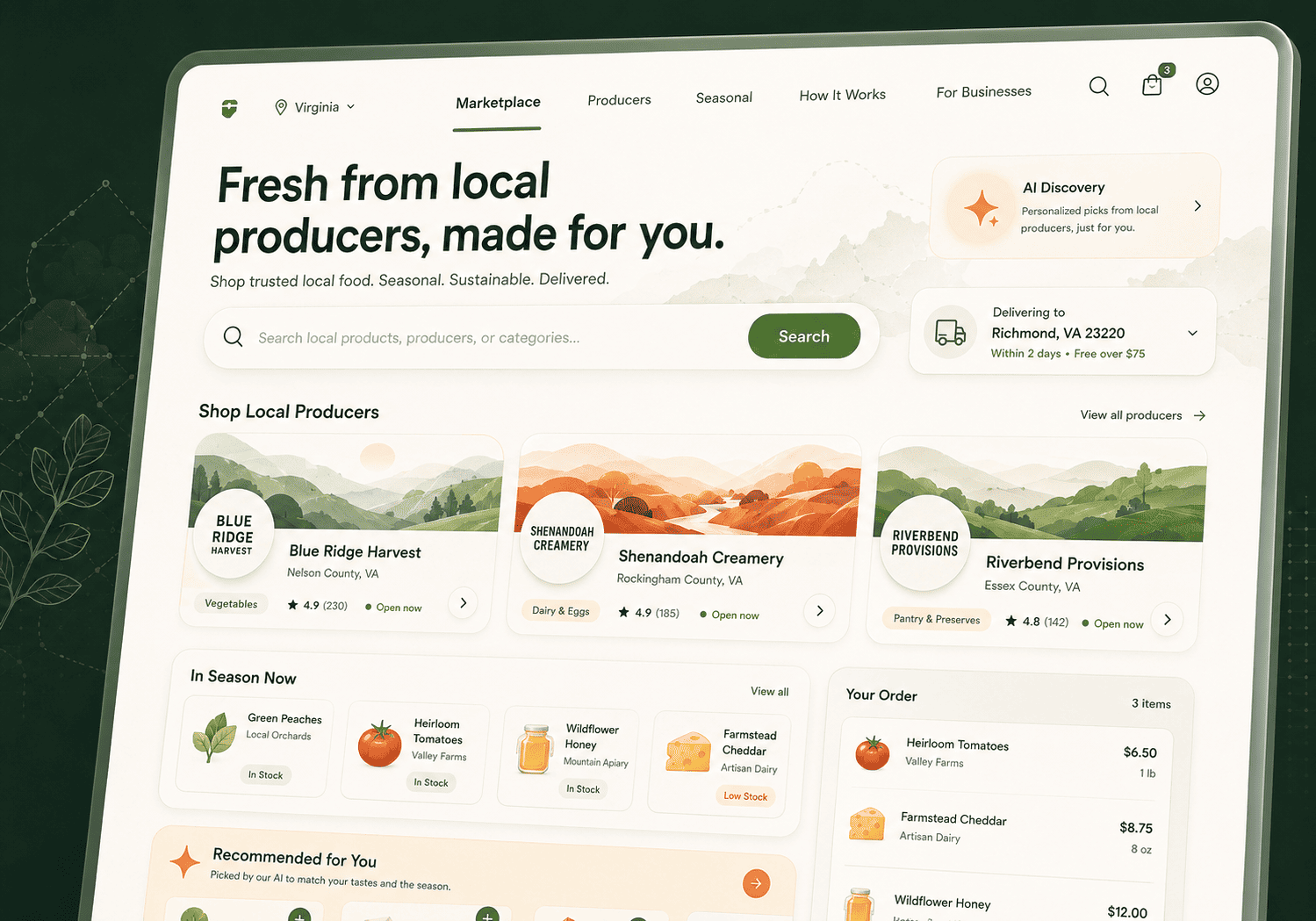
Digital Marketplace for Virginia Farmers, Local Producers & Direct-to-Consumer Food Sales

Plavno developed a custom multi-vendor marketplace for Virginia-based farmers, food producers, and regional sellers to unify product listings, vendor operations, customer ordering, and local fulfillment workflows.

Read More
3x

increase in product discovery relevance

Digital Marketplace for Virginia Farmers, Local Producers & Direct-to-Consumer Food Sales

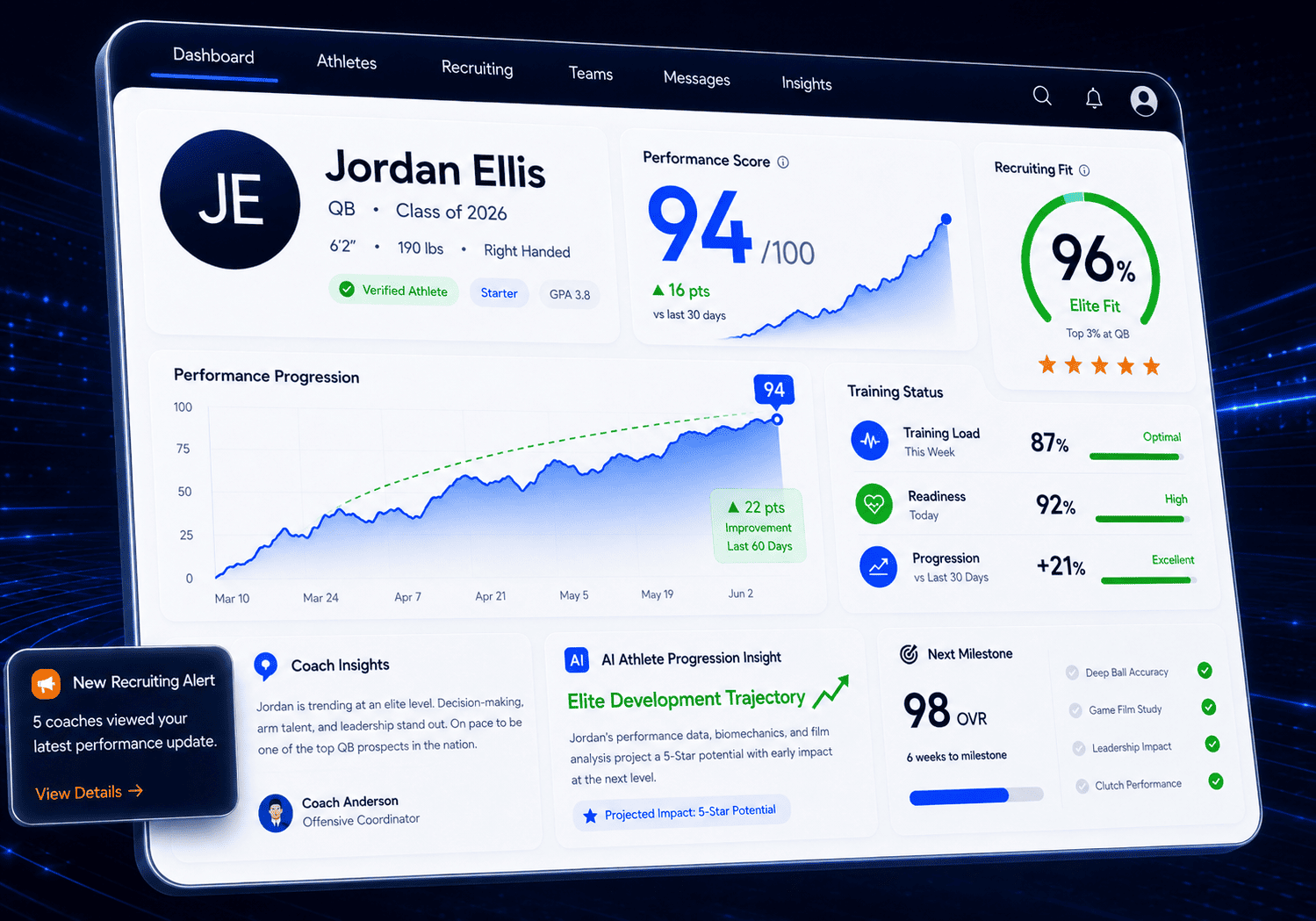
AI-Powered Sports Performance & Recruiting Platform for Virginia Clubs, Academies & Youth Programs

Plavno developed a custom sports technology platform for Virginia-based clubs and academies to combine athlete performance tracking, coach communication, recruiting workflows, and mobile engagement in one ecosystem.

Read More
3x

faster recruiting pipeline

AI-Powered Sports Performance & Recruiting Platform for Virginia Clubs, Academies & Youth Programs

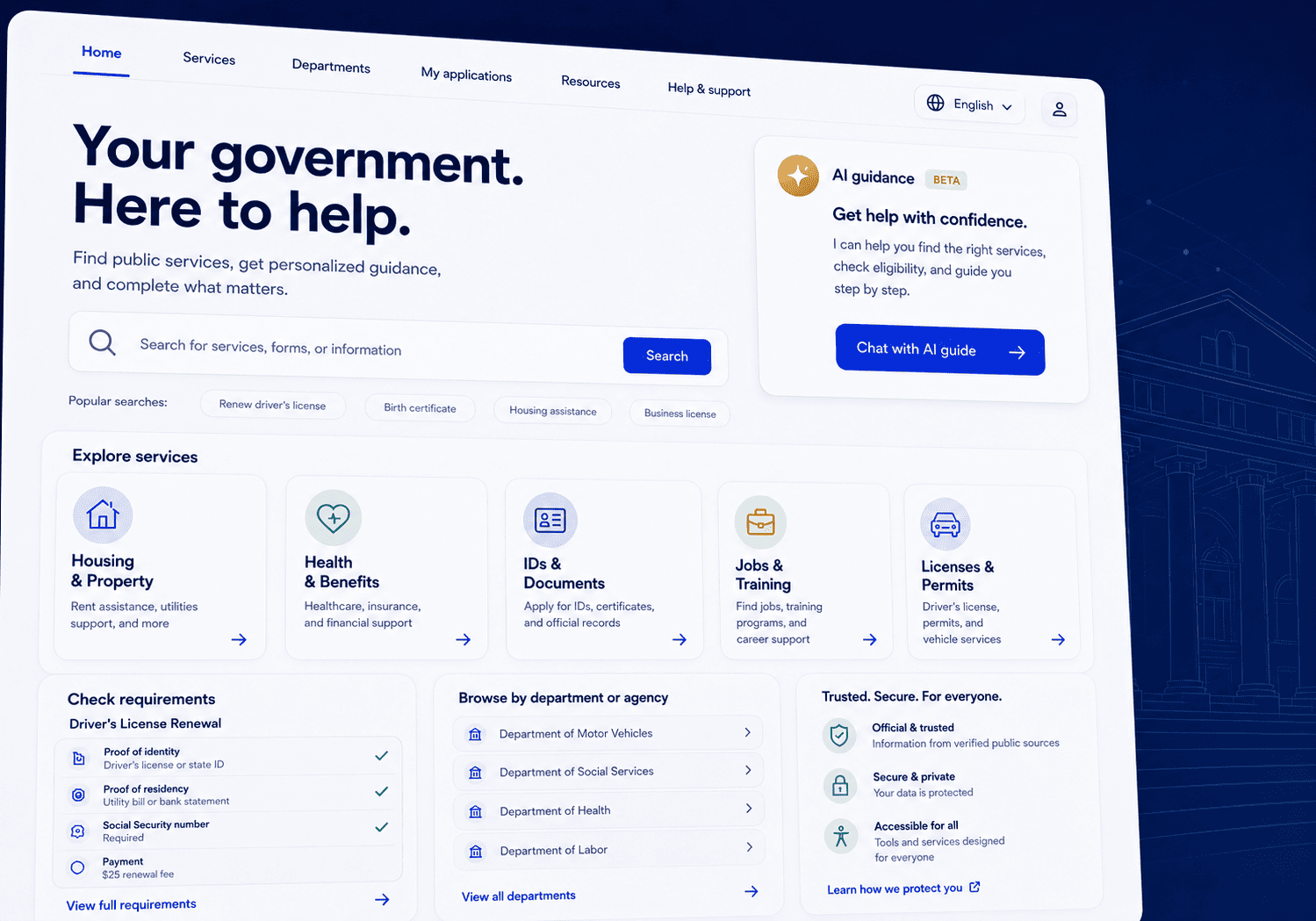
AI-Powered Citizen Services Website Platform for Virginia State Agencies

Plavno developed a modern eGovernment website platform for Virginia state agencies that centralizes citizen services, public information, department content, and an AI-powered guidance agent in one scalable system.

Read More
70%

reduction in routine citizen inquiries to agency staff

AI-Powered Citizen Services Website Platform for Virginia State Agencies

What you get

Deliverables that matter in production

Website chatbot that matches your actual policies

Website chatbot that matches your actual policies

A Lynchburg website chatbot must answer the way your staff answers, not how a model guesses. We build it around approved pages, internal FAQs, and your product or service catalog. That reduces wrong answers that create callbacks and refunds. We use an LLM because it handles natural questions without rigid scripts. We pair it with retrieval so it cites your content instead of making things up. You get a reviewable knowledge set and a change process for updates.

Lead qualification that routes to the right person

Lead qualification that routes to the right person

Many teams in Lynchburg pay for clicks and then lose leads to slow follow-up. We implement qualification flows that capture intent, budget range, and urgency, then assign routing rules. That reduces time wasted on low-fit conversations. We use structured prompts because they produce consistent fields for CRM records. We add API-based handoffs so the lead enters your pipeline fast. You get audit logs that show what was captured and when.

Customer service chatbot with safe escalation

Customer service chatbot with safe escalation

Support teams in Central Virginia need deflection, but they also need a clear stop line. We design escalation so the bot collects order details and context before handing off. That shortens time-to-resolution because agents start with the key facts. We use an LLM for flexible language and intent parsing. We add guardrails so sensitive topics route to humans immediately. You get an escalation matrix and a triage report by intent volume.

Healthcare chatbot boundaries and auditability

Healthcare chatbot boundaries and auditability

Healthcare organizations near Lynchburg face real compliance risk when conversations touch personal data. We scope the bot for scheduling, logistics, and general info while keeping clinical decisions with staff. That reduces exposure while still cutting call volume. We use role-based access because not everyone should see transcripts. We apply encryption and retention rules to control where data lives. You get documented data flows and a review checklist for HIPAA-related controls.

Recommendation logic that drives conversion

Recommendation logic that drives conversion

Many chatbots answer questions but fail to guide a user to the next step. We build recommendation logic so the assistant can suggest products or services based on constraints. That increases conversion without pushing irrelevant options. We use an LLM agent because it can reason over user preferences in plain language. We pair it with business rules so recommendations stay aligned with margins and inventory. You get test scenarios that show how recommendations behave under edge cases.

Rollout playbook

Roll out chatbots across teams without chaos

We deploy in controlled stages so Lynchburg teams see value early and avoid support surprises. Each phase has a clear owner, a measurable target, and a rollback plan.

Clipboard
Team
01

Step 1: Scope & risk map (1–2 weeks)

We map the top intents by channel, then rank them by value and risk in Lynchburg operations. The deliverable is a scope document that lists what the bot will answer and what it will route. We also define what data the bot can access and what it must never touch. This phase includes a baseline report for tickets, calls, or form conversion, so ROI can be measured later. You receive an integration checklist for CRM, scheduling, and knowledge sources. Timeline is 1–2 weeks depending on stakeholder availability.

02

Step 2: Pilot on one channel (2–4 weeks)

We launch a pilot on a single channel, usually the website chatbot, to reduce variables. The bot answers a limited set of intents and escalates the rest to protect staff time. We instrument conversations so we can see deflection, fallback rates, and common failure points. The deliverable is a working pilot plus a weekly improvement plan. You receive a short training for agents on how to use bot context during handoff. Timeline is 2–4 weeks based on integration depth.

Search in doc
Rocket
03

Step 3: Add workflows & integrations (2–6 weeks)

Once the pilot is stable, we add workflows like appointment capture or lead qualification. We connect the bot to systems like HubSpot, email, or internal forms, then validate data mapping. This is where latency and data quality issues show up, so we tune for fast answers and clean fields. The deliverable is an integrated assistant that creates usable records, not just transcripts. You receive test cases and an escalation matrix for edge scenarios. Timeline is 2–6 weeks depending on system access and API readiness.

04

Step 4: Operationalize & expand (ongoing, first 4 weeks)

We put the bot into a steady cadence: review transcripts, patch knowledge gaps, and adjust guardrails. Monitoring alerts are set for error spikes, slow responses, and cost drift. We also create a simple governance process so content updates do not break answers. The deliverable is an operational runbook and a backlog prioritized by business impact. You receive a monthly report that ties improvements to measured baselines. The first operational cycle runs over 4 weeks, then continues as needed.

Vendor fit

What changes when engineers own the outcome

In Lynchburg, the difference is not a nicer chat widget. It is whether the system integrates cleanly, stays controlled, and remains affordable after traffic grows.

Generic Agencies
Our Platform (Deep Engineering Expertise)
Integration plan for CRM and scheduling
checkmark
Clear guardrails and escalation design
checkmark
checkmark
Measured baselines and post-launch KPIs
checkmark
Cost controls for token spend and prompt growth
checkmark
Compliance mapping for regulated data
checkmark
Runbook, monitoring, and incident response
checkmark

Data and integrations

Make chat useful by fixing the inputs first

Most chatbot failures in Lynchburg come from messy inputs, not model quality. The bot is only as good as the content and systems behind it. If your policies are split across PDFs, SharePoint folders, and old website pages, answers will conflict. If your CRM fields are inconsistent, lead routing will break. We start by defining a single source of truth for each intent class, then we connect it to the assistant.

For website chat, we build a knowledge pipeline that keeps content current without manual copy-paste. That includes a change process, so teams know what happens when a page updates. We also define ownership, because someone must approve what the bot can say. For a university admissions chatbot Virginia use case, that often means coordination between marketing and admissions. For a healthcare appointment chatbot Central Virginia, it often means front desk leadership and compliance input. This structure reduces technical debt because the bot does not become a second website to maintain.

Integrations are treated like product features, not afterthoughts. HubSpot chatbot integration Lynchburg projects require careful field mapping, duplicate handling, and permission rules. Scheduling workflows require validation so the bot does not create impossible bookings. Manufacturing sales chatbot Virginia workflows require file intake and context capture so quotes are actionable. We test these workflows with real staff, because the UI is only half the system. The rest is the data that lands in the queue or CRM record.

Latency and cost are the other two inputs that determine if users stick with the bot. If answers take too long, users return to phone and email. If prompts grow without discipline, cost per conversation rises and teams cut scope. We design conversation policies that keep responses concise, then expand only where the business case is clear. We also plan for peak load periods in Lynchburg, like admissions deadlines or seasonal service spikes. This is how we keep the assistant fast, predictable, and worth running month after month.

Finally, we plan for operations, not just launch. We define who reviews transcripts, who updates knowledge, and who owns incident response. We track recurring failure patterns and treat them as bugs, not "AI quirks." We also provide a maintenance plan that fits smaller Lynchburg teams who do not have a dedicated ML group. The outcome is a custom chatbot development effort that keeps improving without constant vendor involvement.

Eugene Katovich

Eugene Katovich

Sales Manager

Need a custom software solution? We’re ready to help!

Plavno has a team of skilled developers ready to tackle the project. Ask me!

Get a Free Quote

Architecture & Engineering Overview

Engineering decisions that protect ROI in Lynchburg

ROI levers

ROI levers

Fewer handled minutes, fewer missed leads, fewer avoidable escalations

Structured capture & clean handoffs

Structured capture & clean handoffs

Each escalation includes required fields so staff don’t chase details

Boundaries & guardrails

Boundaries & guardrails

Define what to answer vs collect vs escalate (healthcare, real estate, etc.)

Cost & KPI ownership

Cost & KPI ownership

Token spend control + baseline → measure change by support/sales/ops goals

For Business: Technical ROI & Risk Mitigation

ROI comes from fewer handled minutes, fewer missed leads, and fewer avoidable escalations. A chatbot only pays back when it shifts real work, not when it creates extra review. In Lynchburg, the biggest hidden cost is staff time spent cleaning up poor handoffs. That includes chasing missing fields, correcting misinformation, and re-routing tickets. We design for structured capture so each escalation arrives with the details your staff needs. This is how a customer service chatbot becomes a workload reducer, not a workload multiplier.

Risk mitigation starts with defining boundaries. A bot that tries to answer everything increases refunds, compliance exposure, and brand damage. We define what the bot can answer, what it can collect, and what it must escalate. For healthcare, that means strict separation between logistics and clinical advice. For real estate, that means disclaimers and routing for legal or financing questions. The system is judged by how well it avoids bad outcomes, not only by how often it responds.

Operating cost matters once usage grows across Central Virginia. Token spend rises when prompts become long and when the bot repeats context every turn. We control this by keeping knowledge sources focused and by using short response policies. We also track cost per resolved conversation, not just raw usage. If a bot resolves 200 issues a month and cost rises, the ROI can evaporate. We design measurement so you can decide which intents deserve automation.

We also reduce risk by choosing designs that allow gradual expansion. Launching a bot across every channel at once creates a support spike if anything goes wrong. A staged rollout lets you improve from real transcripts before scaling. Our experience with the AI Beauty Client Support & Personalized Recommendation Agent reinforced this point. Recommendation logic and support automation improved outcomes only after iterative tuning. The same approach applies to Lynchburg deployments where customer expectations are high and patience is low.

Finally, we align metrics with business ownership. Support leaders care about deflection and time-to-first-response. Sales leaders care about qualified leads and speed-to-contact. Operations leaders care about cost, stability, and risk. We set a baseline first, then measure change against that baseline after launch. That turns chatbot work into a business system you can manage, not a marketing experiment.

Kickoff

Kickoff: scope, risk, sources

Environments, release gates, ownership; security review stays straightforward

Pilot

Pilot: one channel

Small intent set + measured gaps to balance speed vs control

Expand

Expand: workflows + integrations

Stronger testing, interface contracts, less downtime and noisy launches

Governance + production readiness

Governance + production readiness

Approval flow, audit logs, rollback, load validation, real alert/on-call path

For CTOs: Architecture & Technical Lifecycle

The lifecycle matters because a chatbot is a product, not a one-time build. In Lynchburg, teams often start with a pilot and then discover integration and governance gaps. We plan for that from kickoff by defining environments, release gates, and ownership. The first decisions are about scope, risk, and data sources, not model selection. That reduces rework when stakeholders request new intents. It also keeps security reviews straightforward.

After kickoff, the main trade-off is speed versus control. Shipping too fast without guardrails increases incident risk. Shipping too slow delays proof and stakeholder buy-in. We use a narrow pilot to validate real user behavior, then expand based on measured gaps. The pilot stage focuses on one channel and a small set of intents. The expansion stage adds workflows and system integrations with stronger testing. This sequence reduces downtime and avoids noisy launches.

Governance is the long-term differentiator. Someone must approve knowledge changes, especially in regulated or public-facing contexts. We propose a lightweight approval flow tied to your content owners. Changes should be traceable so a bad update can be rolled back. This is also where role-based access and audit logs matter. Without governance, the bot drifts and trust falls.

Technical debt shows up when bots become a patchwork of scripts and ad hoc prompts. We keep a single intent catalog, a single knowledge pipeline, and clear interface contracts for integrations. This helps when a Lynchburg team adds another department, like admissions plus financial aid. It also helps when you switch CRMs or add a new website. The assistant remains a client of your systems, not a fragile pile of custom glue. That lowers long-term maintenance cost and incident frequency.

Production readiness is a checklist, not a feeling. We validate performance under expected load, including peak periods like enrollment deadlines. We test escalation routes and confirm staff can handle the volume. We also confirm monitoring alerts go to a real on-call path. A chatbot without an operational owner will decay fast. The lifecycle plan is what keeps it valuable in month six and month twelve.

Evaluation & feedback loop

Evaluation & feedback loop

Scenario suites + edge cases + real transcript reviews after updates

Latency & cost discipline

Latency & cost discipline

Short context, caching stable knowledge, per-intent timing and spend tracking

Agent + retrieval + rules

LLM agent + retrieval + business rules

Grounded answers + consistent structured outputs (routing, validation, permissions)

Inputs: intents & schemas

Inputs: intents & strict schemas

Normalize intent catalog + define captured-field schema for reliable integrations

For Engineers: Implementation Details & Stack

Implementation success depends on predictable inputs and repeatable evaluation. Engineers in Lynchburg teams often inherit content sprawl and inconsistent CRM fields. We start by normalizing intents and defining a strict schema for any data captured in chat. Structured capture reduces downstream parsing and makes integrations reliable. It also allows you to test conversations with deterministic expectations. You can then add flexible language on top without losing control.

We use LLM agents because they handle free-form questions and can produce structured outputs when prompted correctly. We pair that with retrieval from approved content to reduce hallucinations. This combination is the same pattern used in our AI Beauty Client Support & Personalized Recommendation Agent. In that work, product recommendation logic made results consistent. The lesson is that business rules still matter even with good models. For Lynchburg use cases, that means routing rules, validation, and permission checks are first-class components.

Integration work is implemented with clear boundaries. The chatbot calls your systems through APIs, and each call has strict input validation. We treat third-party rate limits and intermittent failures as normal conditions. The bot must degrade gracefully when an integration is down. That includes returning a clear message and capturing contact details for follow-up. This prevents broken experiences that push users back to phone. It also protects staff from a flood of partial tickets.

We pay close attention to latency because chat is conversational. Long responses reduce trust and increase abandonment. We keep context short, cache stable knowledge, and reduce unnecessary model calls. We also instrument timing by step, so the slow component is visible. Cost control is handled the same way, with per-intent cost tracking. That lets you retire expensive, low-value intents instead of guessing.

Testing focuses on scenarios, not only unit tests. We build a set of representative conversations for each intent, including edge cases. We rerun them after knowledge updates and prompt changes. We also review a sample of real transcripts with staff, because users behave differently than test scripts. This feedback loop is what turns a bot into a stable system. It is also how you keep quality high as your Lynchburg business changes.

Environments & release control

Environments & release control

Dev / staging / prod separation with tracked changes and rollback planning

Observability + cost monitoring

Observability + cost monitoring

Latency, error & fallback by intent + token spend drift alerts tied to releases

Security & data classification

Security & data classification

RBAC, audit trails, transcript retention; reduce PHI exposure and unsafe storage

Incident response & maintenance cadence

Incident response & maintenance cadence

Defined incident triggers, triage path, targeted fixes, weekly reviews → roadmap

Infrastructure, Observability & Security

Production operations determine trust, and trust determines adoption. A chatbot that is down, slow, or inconsistent will be ignored. We deploy with clear separation between development and production environments. Release changes are tracked, and rollback is planned. For US-based clients, we keep deployment and operations aligned with expected regulatory and contractual obligations. This reduces review friction and supports faster change cycles.

Observability starts with the right signals. We monitor response latency, error rate, and fallback rate by intent. We also track the top unanswered questions, because they point to missing content. Cost monitoring is treated as a first-class metric. Token spend can drift when prompts grow or when users ask long multi-part questions. We alert on changes and tie them back to recent releases. This keeps the chatbot financially predictable for Lynchburg teams with fixed budgets.

Security work begins with data classification. We document what the chatbot sees, where transcripts are stored, and who can access them. Role-based access controls are enforced for admins and reviewers. We also define retention rules so sensitive data is not kept longer than necessary. For HIPAA compliant chatbot developer Virginia requirements, we scope flows to reduce protected health information exposure. When sensitive content is detected, escalation is triggered and the assistant avoids storing it in unsafe places.

Incident response is planned, not improvised. We define what constitutes an incident, like repeated wrong answers on a high-risk intent. We also define who receives alerts and how the issue is triaged. Fixes can include knowledge updates, prompt adjustments, or turning off a workflow temporarily. The goal is short mean time to recovery without disabling the entire bot. We also perform post-incident review to prevent repeats. This is how a chatbot remains a stable part of operations in Lynchburg, not a fragile experiment.

Maintenance includes a cadence for transcript review and content updates. We recommend a weekly review early, then a steady schedule once patterns stabilize. We also keep a backlog of improvements tied to measured impact. That backlog becomes your roadmap for expanding into new departments. With the right observability and security controls, the chatbot can grow safely. It stays useful as your services, policies, and local market conditions change.

FAQ

AI chatbot development questions in Lynchburg

These answers focus on delivery details, operating cost, and what you need to provide. If you have an edge case, we will map it to scope and risk in a short call.

What does AI chatbot development cost in Lynchburg, VA?

Cost in Lynchburg depends on scope, integrations, and how much of your knowledge is already organized. A simple website chatbot that answers from a small set of approved pages costs less than a bot that also books appointments or updates HubSpot. Integrations add time because field mapping, permissions, and testing take effort. Compliance requirements also affect cost because they require stricter data handling and review. In Central Virginia, many teams also need after-hours coverage, which pushes you toward stronger monitoring and escalation design.

Operating cost is separate from build cost. Your monthly spend depends on conversation volume, average message length, and how much context is sent to the model. If prompts grow without control, cost per conversation rises. We manage this by keeping knowledge sources focused and by tracking cost per resolved intent. We also build fallback handling so the bot does not loop and waste calls. This is important for 24/7 customer support chatbot Lynchburg use cases, where volume can spike unexpectedly.

To estimate accurately, we ask for your channels, the top 20 user questions, and the systems you want to connect. We also ask for your target baselines, like tickets per month or lead conversion rate today. That lets us produce a scoped range tied to measurable outcomes. In Lynchburg, staffing cost is often the main driver for ROI. A bot that saves even a few hours a week can justify a focused build. The key is keeping scope tight and measuring change against a baseline.

How long does it take to build AI Chatbots software?

Timeline depends on whether you need an MVP or a full deployment with integrations and governance. For many Lynchburg teams, an MVP can be delivered in weeks, not months, if knowledge sources are clear. An MVP usually covers a limited set of intents on a single channel, like your website chatbot. It emphasizes safe escalation and clear metrics over broad coverage. You get a working system and transcript data to guide improvements. This is the fastest path to proof without high risk.

A full deployment takes longer because it includes workflows, integrations, and operational readiness. HubSpot chatbot integration Lynchburg work requires API access, field mapping, and duplicate prevention. Scheduling and appointment capture require validation and careful handoff logic. If you also need multiple departments, like admissions plus financial aid, knowledge ownership and approval flows take time to set up. Testing is also deeper, because each workflow needs edge case coverage. Compliance reviews can add time if you handle sensitive data.

We plan timelines in phases so you see value early. Phase one is scope and baseline measurement, then a pilot, then integration expansion. Each phase ends with a usable deliverable, not a slide deck. In Lynchburg, stakeholder availability is often the limiting factor. If your team can provide content owners and system access quickly, delivery accelerates. If access is slow, the plan still progresses using staged mock data and later cutover. The goal is predictable delivery, not a big-bang launch.

Do you work with startups in Virginia?

Yes. We work with early-stage teams and growth-stage companies in Virginia that need to move fast without creating long-term technical debt. Many startups have small support and sales teams, so a chatbot can remove repeated questions and keep response time low. The key is choosing a narrow first deployment so you can prove impact with limited budget. We help founders define the first set of intents that drive revenue or reduce load. That keeps the project tied to outcomes instead of broad feature lists.

Virginia has active startup activity across the state, including Richmond, Northern Virginia, and the broader corridor that includes Charlottesville and Roanoke. Teams in Lynchburg often collaborate with partners or clients in these areas. We plan for that by supporting multi-location operations and consistent brand voice. For founders, the most important design choice is how to measure success. We set baselines for leads, ticket volume, or time-to-first-response. Then we measure change after launch so you know if the bot is earning its keep.

Startups also need a path to evolve the system. The MVP should not lock you into fragile scripts that break as your product changes. We design your chatbot to support iterative changes in knowledge and workflows. Our experience building an LLM agent with recommendation logic and support automation informs this approach. It shows why rules and guardrails must exist alongside flexible language. That lets a startup expand from a website chatbot into sales or onboarding without rewriting from scratch.

Can AI Chatbots integrate with my existing system?

Yes, and integration quality usually determines the project outcome. In Lynchburg, most teams need the chatbot to work with their CRM, scheduling tools, ticketing system, and website forms. We integrate through APIs when they exist, and we validate inputs so the bot does not create bad records. When systems are older, integration can require middleware or database-level access. In those cases, we design read-only paths first, then add write actions once safety is proven. This reduces risk and limits the blast radius of errors.

HubSpot chatbot integration Lynchburg projects are a common example. We map the fields you need, enforce validation, and prevent duplicate contacts. We also decide what the bot is allowed to update and what requires a human. For scheduling, we confirm time zone handling, availability rules, and error responses. For manufacturing quoting, we focus on structured capture and file handling, then route to the right team. The assistant should always produce a clean packet that staff can act on quickly.

Legacy integration requires extra care around security and monitoring. We implement authentication and least-privilege access, so the bot can only call what it needs. We log requests and responses for debugging and auditing. We also build fallback behavior when a system is down. Instead of failing silently, the bot collects contact details and creates a manual task. This keeps the user experience intact and protects operations. Integration is not a checkbox. It is an engineered interface with clear contracts and testing.

What industries in Lynchburg benefit most from AI Chatbots?

The best fits are industries with high repeat questions, time-sensitive inquiries, or leads that go cold fast. In Lynchburg, healthcare is a strong fit because scheduling and logistics generate heavy call volume. A healthcare chatbot can reduce call load while keeping clinical decisions with staff. Compliance and data handling must be planned from day one. When that is done, the bot can improve access without increasing risk. This is especially relevant for clinics serving Central Virginia where demand is spread across towns.

Higher education is another strong fit in the region. Admissions teams face peaks and often answer the same questions about programs, deadlines, and next steps. A university admissions chatbot Virginia deployment can answer from approved pages and capture student details for follow-up. It also surfaces what information is missing on your site. Manufacturing and industrial services are also a fit because quote requests often arrive incomplete. A manufacturing sales chatbot can collect structured details and route cleanly to sales and engineering. That increases quote velocity and reduces rework loops.

Real estate and local services benefit because they depend on fast response. A real estate lead capture chatbot Lynchburg can qualify and route leads when agents are unavailable. Home services and professional services can use a customer service chatbot to handle after-hours triage. The common thread is a process that starts with a question and ends with a handoff or record. If the bot can shorten that path, it will pay back. If the process behind it is unclear, the bot will expose the gap quickly.

Contact Us

This is what will happen, after you submit form

Need a custom consultation? Ask me!

Plavno has a team of experts ready to start your project. Ask us!

Vitaly Kovalev

Vitaly Kovalev

Sales Manager

Schedule a call

Get in touch

Fill in your details below or find us using these contacts. Let us know how we can help.

No more than 3 files may be attached up to 3MB each.
Formats: doc, docx, pdf, ppt, pptx, xls, xlsx, txt.
Send request