bg image
bg image

Serving Herndon & Virginia

Herndon teams cut routine work hours with autonomous agents in 2026

Federal contractors, SaaS firms, and operations leaders near Dulles still drown in handoffs and ticket queues. Manual routing burns staff time and delays customer work every week. Custom AI agents take those repeat steps and run them with clear audit trails. You keep control of tools, data access, and escalation rules. This page is for Herndon operators who need measurable throughput, not another pilot that dies in slides. We scope budget, timeline, stack, and dataset needs up front. Get AI Agents Development cost estimate in 24 hours.

Discuss Project

Overview

Why Herndon operations need agents that ship

Herndon sits inside the Dulles Technology Corridor, where contractors, cloud vendors, and mid-market firms juggle secure workflows under tight delivery clocks. Manual form handling, ticket triage, and content publishing still eat days from skilled staff. That cost shows up as slower bids, thinner margins, and exhausted teams across Reston, Ashburn, and Fairfax. AI agent development services matter here when they remove repeat steps without creating shadow IT. Trusted AI Agents Development Partner for Herndon Businesses means agents with clear ownership, logging, and human handoff points from day one.

We work with US-based clients, including companies operating in Virginia. Our approach starts from real workloads: intake forms, catalog ops, document routing, and multilingual service pages. For public-facing portals we have shipped self-hosted stacks with structured service pages and secure form workflows using Strapi and Next.js. That same discipline of structured content and controlled submissions is how we prepare agent tool access today. Agents read approved sources, call defined tools, and write results back to systems your team already trusts.

Business owners near Tysons and McLean ask for fewer open tickets and faster cycle time, not buzzword demos. We map each agent to a single costly process, define success metrics, then expand only after baseline proof. Integration complexity is the usual failure point, so we inventory APIs, auth models, and data quality before code. Latency and token cost get treated as product constraints, not afterthoughts. Technical debt stays low because tool schemas and prompts live in version control with review gates.

If you need a grounded path to build AI agents, start with one owned workflow and a narrow tool set. Post-launch we plan monitoring, cost caps, and drift checks so agents stay useful when business rules change. Surrounding metro teams in Loudoun and Fairfax County use the same pattern for shared service desks and multi-brand content ops. 10+ AI solution projects delivered in the US market keep our delivery playbooks practical. Outcomes first: fewer manual hours, cleaner audit trails, and agents your staff will actually use.

Talk to an Expert
Owned workflow mapping

Owned workflow mapping

One costly process, baseline hours, and success metrics before any agent code

Approved tool access

Approved tool access

Agents read trusted sources, call defined APIs, write only to systems you own

Human handoff gates

Human handoff gates

Clear ownership, audit logging, and review points from day one—no shadow IT

Cost and drift controls

Cost & drift controls

Token caps, monitoring, and versioned prompts so agents stay useful after launch

plavno logo

Build your first
Smart AI project today!

Just tell the Plavno AI Agent about your project - it will ask questions, gather requirements, and propose a tailored solution

Core agent architecture

Agent runtimes Herndon stacks can own in 2026

Herndon engineering leads want agents that fit existing identity, logging, and release practices. We ship a modular runtime: planner, tool layer, memory store, and policy gate. The planner breaks a user or system goal into steps with explicit stop conditions. Tools are thin adapters over your approved APIs, queues, and file stores so blast radius stays limited. Memory holds short task context and selective long-term facts with retention rules you define. Policy gates enforce role checks, PII redaction, and reprompt limits before any external call runs.

Architecture choices track work we already delivered in production content and commerce systems. For a self-hosted public services portal we used Strapi headless CMS with Next.js and static generation so pages stayed fast and bilingual content stayed structured. Custom forms ran through secure workflows instead of email glue. That pattern informs agent design: structured schemas for inputs, clear content models for knowledge, and server-side validation before side effects. Ecommerce work on catalog and checkout taught us to treat inventory-style side effects as transactional with idempotent keys.

Security/compliance starts at the tool boundary. Agents never hold raw production credentials in prompts. Short-lived tokens, scoped service accounts, and separate read versus write tools reduce accidental writes. For Virginia federal-adjacent teams we mirror least privilege and change tickets you already run. Audit logs capture tool name, args hash, actor, and outcome without storing secrets. SOC2-aligned controls and optional HIPAA patterns apply when the domain requires them, not as theater.

DevOps treats prompts, tools, and policies as code. PR reviews catch prompt regressions the same way test suites catch logic bugs. Staging agents run against sandbox systems with synthetic traffic before production cutover. Feature flags gate new tools so a bad connector cannot take the whole fleet offline. Cost dashboards track tokens and tool latency per workflow, not vanity averages. Incident runbooks list how to pause an agent class without stopping the business app.

Clients in Herndon receive diagrams of the control plane, tool catalog docs, and runbooks operators can follow after handoff. We avoid opaque vendor lock-in for the core loop so your team can extend tools later. Grounding in real builds matters: structured CMS content, secure forms, and transactional storefronts proved that clean data models beat clever chains. Agents inherit that discipline so autonomy expands only where data and APIs already support safe action.

AI Agents Development Solutions for Herndon Industries

Agents matched to Northern Virginia workloads

Use cases track real Herndon, Reston, and Dulles corridor industries where handoffs and document volume still slow growth.

Proposal Intake

Proposal Intake

Federal RFPs

Federal contractor proposal intake agents

Northern Virginia contractors still lose days moving RFP packets between capture teams and shared drives. An intake agent classifies packages, extracts required fields, and opens checklist tasks in your PM tool. Humans review scoring drafts only after completeness checks pass. Teams reclaim staff hours previously spent on file chasing and duplicate entry. One corridor client pattern cuts first-pass intake time by about a third versus spreadsheet triage when fields are pre-validated. Technically the agent uses a document parser tool, a CRM write tool with idempotent keys, and a policy gate that blocks external sends without reviewer sign-off.

Support Triage

Support Triage

SaaS tickets

SaaS support triage near Reston campuses

Growing SaaS firms around Reston and Herndon face ticket queues that bury simple resets under urgent product issues. A triage agent reads new tickets, matches product area tags, and routes with priority scores your team controls. It drafts replies for known issues and leaves hard cases for people. Average first response improves when the agent covers after-hours volume without adding headcount. Operators keep override buttons and reason codes for every auto route. The stack uses your helpdesk API, a retrieval store over release notes, and a tool that only proposes macros until a human hits send.

Healthcare Ops

Healthcare Ops

Clinic intake

Healthcare ops assistants in Fairfax clinics

Clinic groups serving Fairfax and Loudoun fight no-show rates and fax-heavy referral loops. Agents prep appointment reminder drafts, check insurance field completeness, and flag missing attachments before staff call patients. Sensitive data never leaves approved systems because tools pull through existing EHR connectors only. Admin load drops on back-office hours while clinicians see cleaner charts. A realistic ROI is fewer abandoned referral packets each week once completeness rules run automatically. Implementation pairs form validation patterns from secure public portals with redaction-aware logging and role scoped tool credentials.

Logistics Status

Logistics Status

Freight lanes

Logistics status agents for Dulles freight lanes

Freight and 3PL teams near Dulles Airport juggle status emails across carriers and warehouse systems. An agent aggregates ETAs, detects delayed shipments, and posts exception cards into Slack or your TMS notes. Dispatchers act on exceptions instead of chasing every update. Customer NPS rises when outbound updates stay timely without night-shift overtime. Typical operational gain is reduced mean time to notice delay within the first quarter of use. Technically webhooks feed a queue; the agent runs rules plus LLM classification only when structured ETA fields are missing or conflicting.

Form Agents

Form Agents

Civic portals

Public service form agents for civic portals

Municipal and quasi-public programs need bilingual service pages and secure form intake that do not collapse under volume. We previously built a digital public services portal with Strapi, Next.js, static generation, bilingual content, and custom forms. Agents now sit beside that model: they validate submissions, route by service type, and open internal tasks without email sprawl. Residents get faster acknowledgment; staff stop rekeying. Structured service pages keep the knowledge source clean for retrieval. The agent never invents policy; it cites approved fields and escalates when required documents are absent.

Catalog Ops

Catalog Ops

Retail ecommerce

Retail catalog ops for specialty ecommerce

Specialty retailers and online catalogs around Northern Virginia still burn merchandiser time on attribute cleanup. Our online pets supply store work covered storefront, catalog, and checkout fundamentals. Agents reuse that discipline: they draft missing attributes, flag price anomalies, and open review queues before publish. Buyers approve batches instead of editing line by line. Catalog update cycle time shrinks while error rates on variant data fall. Implementation uses catalog read tools, a staging write path, and human approval before storefront publish so autonomy never bypasses brand rules.

Delivery capabilities

What Herndon buyers actually receive

Workflow discovery that ends in a backlog

Workflow discovery that ends in a backlog

Herndon leaders waste money when pilots start from vague AI wish lists. We map the target process with owners in Reston or Ashburn and mark each step as human, assisted, or agent-ready. Fail points surface early: missing APIs, poor labels, or policy blockers. You leave with a prioritized backlog and cost ranges, not a slide deck. Tool sketches reference systems you already run. Discovery timeboxes to two weeks so momentum stays real.

Tool adapters with strict contracts

Tool adapters with strict contracts

Agents fail when they improvise against brittle APIs. We build typed adapters that encode auth, retries, and idempotency up front. Each adapter documents side effects so security reviews stay fast for Dulles corridor compliance teams. Write tools stay separate from read tools to limit damage paths. Contracts include rate limits and circuit breakers for third-party outages. Your engineers can add a tool without touching core planner code.

Evaluation harness before go-live

Evaluation harness before go-live

Business value dies when nobody can score agent quality. We assemble gold cases from your real tickets and forms, then track task success, refusal quality, and cost per run. Regressions block release like failing unit tests. Herndon product owners see plain dashboards, not research metrics. Edge cases from federal and multi-tenant SaaS contexts go into the suite first. Baseline versus post-change runs prove improvement before wider rollout.

Human escalation UX that staff trust

Human escalation UX that staff trust

Autonomy without a clean handoff creates shadow queues. We design review screens with suggested actions, confidence notes, and one-click approve or reject. Operators in Fairfax service desks keep ownership of sensitive sends. Escalation data feeds the next training and prompt cycle. Training materials land with launch so day-two adoption is not casual folklore. Trust rises when staff see the agent help, not replace judgment.

Cost and drift controls after launch

Cost and drift controls after launch

Token spend and prompt drift quietly undo ROI. We ship budgets per workflow, anomaly alerts, and scheduled offline evals against frozen cases. Changes to tools or models go through the same gates as app releases. Herndon finance stakeholders get monthly cost narratives tied to volumes. Kill switches pause a class of agents without a full outage. Maintenance retainers cover rule updates when your policies change mid-year.

Case Study

We help customers cut
down on development

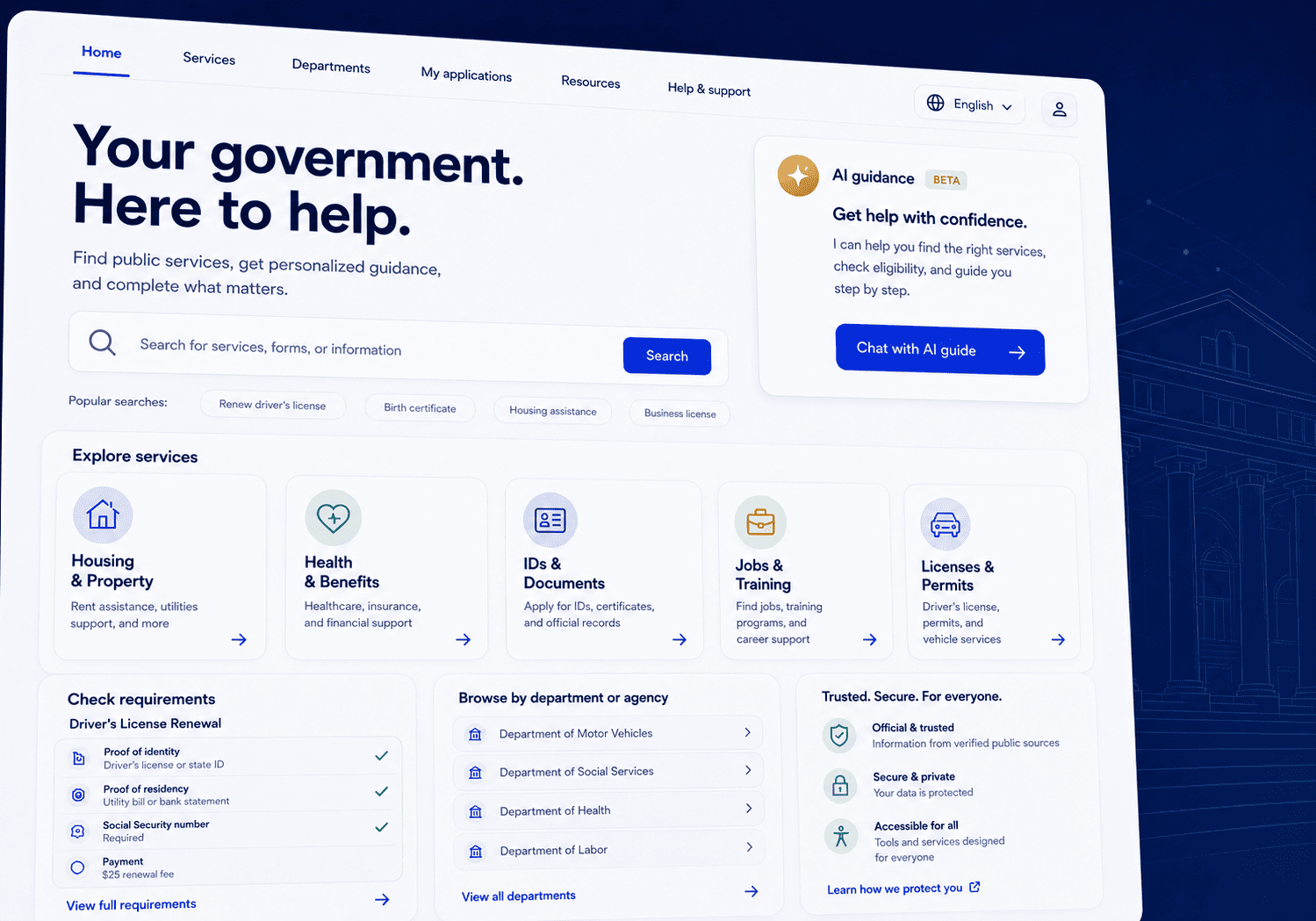
AI-Powered Citizen Services Website Platform for Virginia State Agencies

Plavno developed a modern eGovernment website platform for Virginia state agencies that centralizes citizen services, public information, department content, and an AI-powered guidance agent in one scalable system.

Read More
70%

reduction in routine citizen inquiries to agency staff

AI-Powered Citizen Services Website Platform for Virginia State Agencies

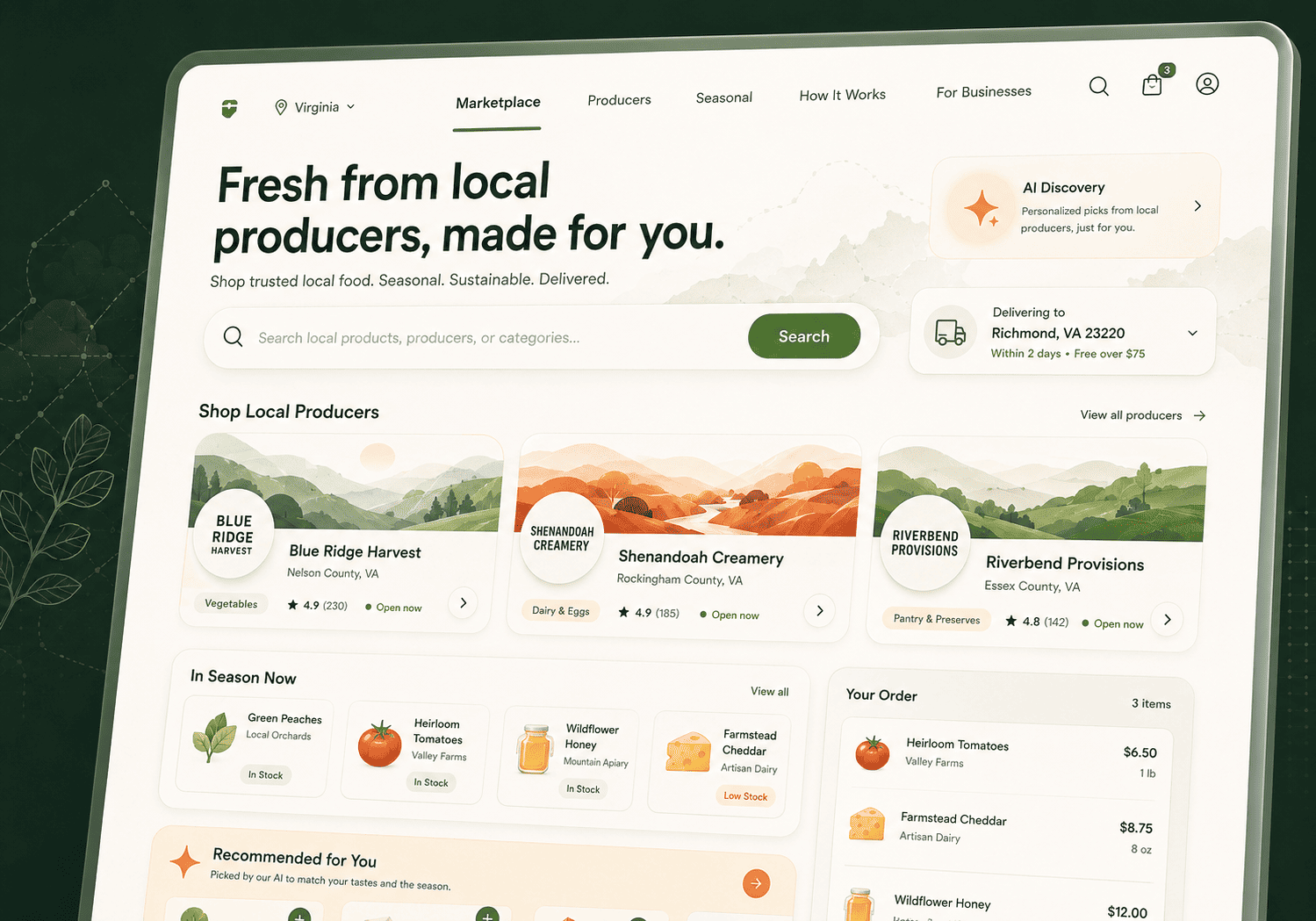
Digital Marketplace for Virginia Farmers, Local Producers & Direct-to-Consumer Food Sales

Plavno developed a custom multi-vendor marketplace for Virginia-based farmers, food producers, and regional sellers to unify product listings, vendor operations, customer ordering, and local fulfillment workflows.

Read More
3x

increase in product discovery relevance

Digital Marketplace for Virginia Farmers, Local Producers & Direct-to-Consumer Food Sales

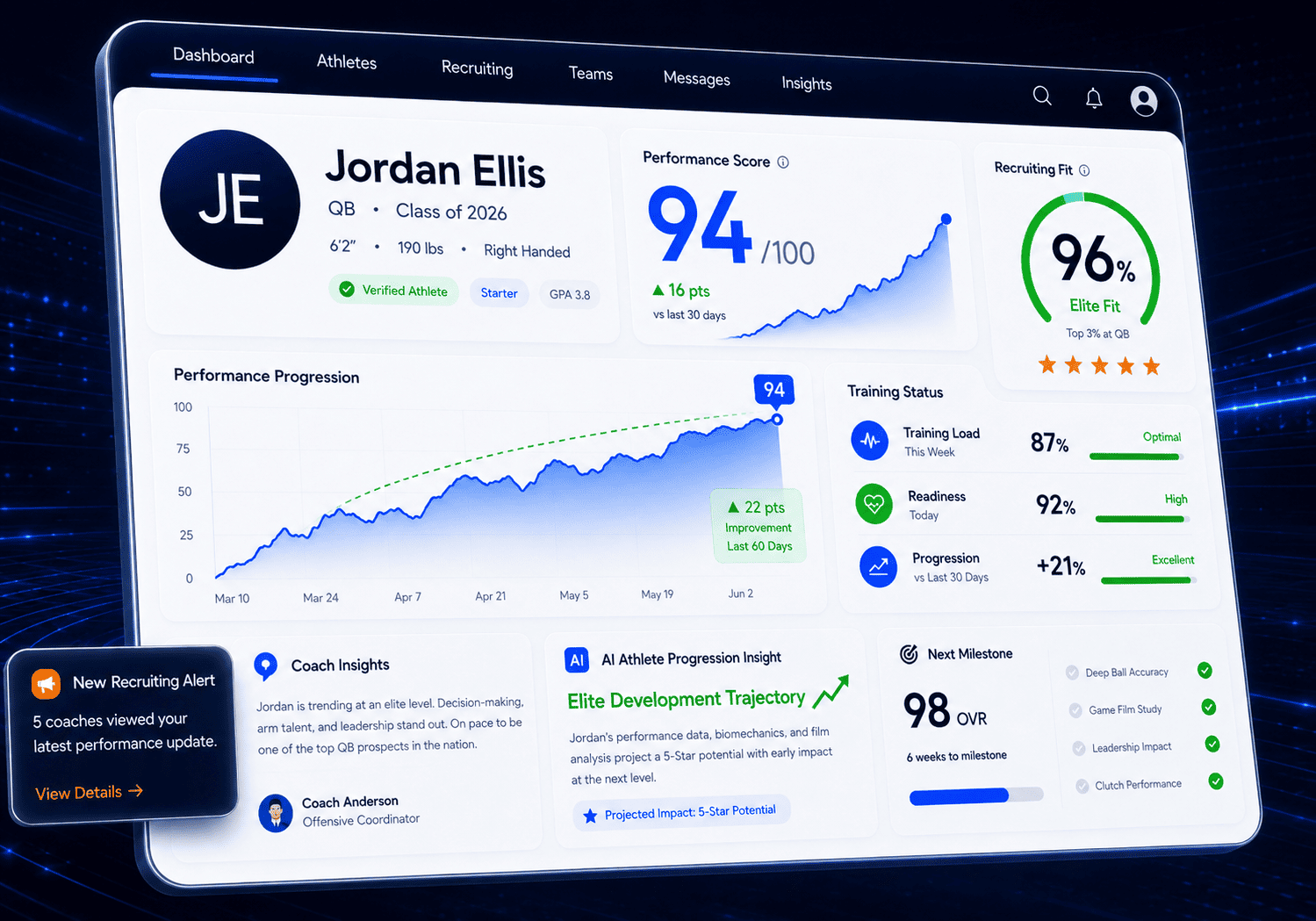
AI-Powered Sports Performance & Recruiting Platform for Virginia Clubs, Academies & Youth Programs

Plavno developed a custom sports technology platform for Virginia-based clubs and academies to combine athlete performance tracking, coach communication, recruiting workflows, and mobile engagement in one ecosystem.

Read More
3x

faster recruiting pipeline

AI-Powered Sports Performance & Recruiting Platform for Virginia Clubs, Academies & Youth Programs

Architecture & Engineering Overview

How agent projects de-risk for Virginia teams

Measured baseline ROI

Measured baseline ROI

Manual time samples before/after so finance can audit the hour drop on one workflow

Approved tools only

Approved tools only

Every side effect logged; agents never invent credentials or bypass compliance paths

Hard cost caps

Hard cost caps

Token and API budgets per workflow so surprise invoices never arrive mid-quarter

Staging and reviewer gates

Staging & reviewer gates

Dirty data gated first; writes stay staged with rollback paths before brand risk

For Business: Technical ROI & Risk Mitigation

Herndon operators fund agents to cut cycle time and overtime, not to experiment with labs. ROI lands when one high-volume workflow carries clear baseline hours and a measured drop after production use. We start with manual time samples rather than guesses so finance can audit the before and after. Risk falls when agents only call approved tools and log every side effect for compliance teams already busy with federal work. Token and API costs get caps so surprise invoices never arrive mid-quarter.

Data quality is the silent project killer in Northern Virginia environments with older share drives. Dirty catalogs and incomplete forms get cleaned or gated before autonomy expands. Latency matters for customer-facing desks: slow agents push users back to email. We measure end-to-end task time including human review, not model token speed alone. Parallel work is avoided when systems lack write identifiers that block double submits.

Proof beats slogans. Structured content and secure form patterns from our public services portal work show how clean schemas reduce rework before any agent touches input. Catalog and checkout work on specialty retail taught transactional caution for write tools. Those lessons become business controls: staging writes, reviewer gates, and rollback paths. You fund a system that shrinks queue depth without gambling brand or compliance reputation.

Budget conversations cover MVP cost, integration unknowns, and first-year run cost. Timeline talks separate a narrow production pilot from multi-department rollout. Dataset readiness drives both. Teams that keep labeled examples move faster and cheaper. Teams that postpone data hygiene pay twice later. That honesty keeps stakeholder trust high across Reston and Tysons leadership boards.

Discovery

Discovery

Freeze workflow owner, success metric, and OAuth/rate-limit inventory

Contracts

Contracts

Typed tool schemas in git with codeowners; sandbox mirrors for CRM/helpdesk

Vertical slice

Vertical slice

Hardening pass with idempotent writes, cutover plan, and 72-hour signals

Controlled expansion

Controlled expansion

Monthly evals, cost reviews, platform owns runtime, domain owns gold cases

For CTOs: Architecture & Technical Lifecycle

CTO review boards near the Dulles corridor need a lifecycle that survives security panels. We stage work as discovery, contracts, vertical slice, hardening, then controlled expansion. Kickoff freezes the target workflow owner and success metric. Architecture decisions follow: language runtime, queueing, evaluation store, and secrets management. Trade-offs stay explicit. A richer planner helps multi-step tasks but costs more to debug under outages.

Governance ties agents to change management you already use. Prompts and tool schemas reside in git with codeowners. Environments mirror your lower environments for CRM and helpdesk sandboxes. Cutover plans list communication, fallback to manual process, and success signals in the first seventy-two hours. Deprecation paths exist if a tool vendor retires an endpoint mid-run.

Integration complexity forms the largest schedule risk. We inventory OAuth cold paths, rate limits, webhook reliability, and PII fields early. Legacy SOAP or flat-file drops get adapters instead of forcing tunnel-through LLMs. Idempotent keys and outbox patterns keep writes safe when retries fire. Decision logs explain why we chose human-in-loop for external customer mail versus full auto for internal tagging.

Post-production lifecycle includes monthly evals, cost reviews, and backlog grooming for new tools. Ownership canonical no-handoff zombies. Your platform team holds the runtime; domain teams own grounds truth cases. That split keeps velocity without surrendering architecture control. Yardsticks stay business timed outcomes plus engineering reliability gates.

Operator UI layer

Operator UI layer

Next.js + static generation for fast, cacheable review screens and escalation UX

Thin planner runtime

Thin planner runtime

Typed tool interfaces, explicit state machines for long jobs, secrets out of traces

Knowledge and content

Knowledge & content

Strapi-shaped models for bilingual fields; structured retrieval first, limited embeddings

Data and workers

Data & queue workers

Relational task status, offline eval fixtures, circuit breakers on rate-limit storms

For Engineers: Implementation Details & Stack

Engineers shipping agents in Herndon need boring reliability over demo flair. We favor typed tool interfaces, explicit state machines for long jobs, and offline evaluation fixtures checked in with the code. Planner logic stays thin so most complexity lives in validated adapters. Retrieval uses structured sources first when available, then limited embeddings only for long free text. Secrets stay out of traces.

Stack choices carry plain reasons. Next.js and static generation patterns from prior portal work keep operator UIs fast and cacheable. Strapi shaped content models when knowledge needed editorial control and bilingual fields. Relational stores back task status when agents must resume cleanly after failure. Queue workers isolate long tool chains from request latency so users never sit on cold locks.

Production edge cases get real treatment. Partial tool failure leaves compensating actions or clear user messages. Concurrent edits on tickets get version checks. Multilingual inputs reuse bilingual content lessons so routing does not drop when Spanish forms arrive. Rate limit storms trip circuit breakers. Schema drift in third-party APIs fails closed with alerts instead of silent wrong writes.

Optimization targets cost and clarity. Short prompts with strong tool schemas beat long chain soap operas and are easier to review. Caching deterministic lookups reduces spend. Batch jobs run offline when human waiting is not required. Logging redacts PII automatically. Test fixtures include both golden success paths and adversarial junk from real tickets so regressions cannot hide.

Isolated deploy plane

Isolated deploy plane

Per-environment isolation, identity-aware access, US residency when contracts demand it

Outcome observability

Outcome observability

Success rate, takeover rate, P95 duration, tool errors, cost per workflow + correlation IDs

Compliance controls

Compliance controls

SOC2-style evidence, HIPAA-aware paths, BAAs when needed, least vault rights per queue

Incident and drift

Incident & drift gates

Pause runbooks, cost anomaly budgets, offline frozen-case replays when scores fall

Infrastructure, Observability & Security

US clients expect agents under the same roof as other production services. We deploy with isolation per environment, identity-aware access, and observability that explains task outcomes not just CPU. Metrics track success rate, human takeover rate, P95 task duration, tool error classes, and cost per completed workflow. Logs bind correlation IDs across planner steps. Traces stop at privacy boundaries when vendors disallow full payload storage.

Compliance tracks the domain. Federal-adjacent work leans SOC2 style controls, access reviews, and change evidence. Healthcare paths add HIPAA-aware data handling, BAAs when required, and minimal retention. Agents never get broader vault rights than the queue they support. Encryption covers data at rest and in transit using your standard patterns, not one-off tunnels.

Incident response defines who pauses agents, how customers hear about errors, and how fixes re-enter evaluation gates. Runbooks include false positive routing and runaway cost. On-call owns alerts that fire on sudden refusal spikes or tool 5xx storms. Postmortems treat prompt changes as first-class culprits next to code. Region choices stay US for data residency when contracts demand it.

Monitoring after launch prevents quiet decay. Scheduled offline runs replay frozen cases when models or policies shift. Drift alarms fire when scores fall below agreed floors. Cost control caps and anomaly budgets protect Finance. Maintenance windows ship tool updates without surprising frontline staff. That is how autonomy stays usable twelve months later, not just at launch demos.

Data paths & integrations

Clean inputs beat clever agents outside DC

Second build concern for Herndon teams is data readiness and system glue, not another sketch of planners. Agents collapse when knowledge is scattered across drives without structure. We first ship content and event paths that agents can trust. Structured CMS models, validated forms, and transactional catalogs are the foundation. If a field is freeform chaos, the agent will invent noise. Fix the model, then add autonomy.

Our portal case used Strapi for structured service pages, Next.js with static generation for speed, bilingual content fields, and secure custom forms. That gave agents later a reliable schema for service rules instead of scraping HTML. Ecommerce catalog work forced clarity on attributes, stock truths, and checkout boundaries. Those same constraints apply when an agent proposes price fixes or inventory notes. Write paths stay staged until a human publishes.

Integration maps cover identity providers, helpdesks, CRMs, object storage, and message buses used across Northern Virginia factories of software. We prefer existing APIs over brittle UI automation unless no interface exists. When automation is required, it sits behind locks and higher review rates. Latency budgets define which steps run synchronously for user waits and which run async with notifications. Cost controls reject tools that would spam seasonally expensive endpoints.

Security here is about least data. Agents receive only the records for the active task. Logs scrub tokens and national IDs. Retention policies match your contract, not model vendor defaults. Technical debt stays visible: adapter version drift, deprecated fields, and shadow spreadsheets get tickets. Post-launch ops include weekly data quality samples so garbage does not silently re-enter the loop.

Herndon clients leave with an integration matrix, data quality scorecards, and a phased enablement plan for more tools. We do not pretend every system is ready on day one. Narrow read access often ships first. Write access follows after eval scores and auditor comfort. That sequence protects reputation while still moving work off people.

Testimonials

We are trusted by our customers

“They really understand what we need. They’re very professional.”

The 3D configurator has received positive feedback from customers. Moreover, it has generated 30% more business and increased leads significantly, giving the client confidence for the future. Overall, Plavno has led the project seamlessly. Customers can expect a responsible, well-organized partner.

Sergio Artimenia

Commercial Director, RNDpoint

Sergio Artimenia

“We appreciated the impactful contributions of Plavno.”

Plavno's efforts in addressing challenges and implementing effective solutions have played a crucial role in the success of T-Rize. The outcomes achieved have exceeded expectations, revolutionizing the investment sector and ensuring universal access to financial opportunities

Thien Duy Tran

Product Manager, T-Rize Group

Thien Duy Tran

“We are very satisfied with their excellent work”

Through the partnership with Plavno, we built a system used by more than 40 million connected channels. Throughout the engagement, the team was communicative and quick in responding to our concerns. Overall, we were highly satisfied with the results of collaboration.

Michael Bychenok

CEO, MediaCube

Michael Bychenok

“They have a clear understanding of what the end user needs.”

Plavno's codes and designs are user-friendly, and they complete all deliverables within the deadline. They are easy to work with and easily adapt to existing workflows, and the client values their professionalism and expertise. Overall, the team has delivered everything that was promised.

Helen Lonskaya

Head of Growth, Codabrasoft LLC

Helen Lonskaya

“The app was delivered on time without any serious issues.”

The MVP app developed by Plavno is excellent and has all the functionality required. Plavno has delivered on time and ensured a successful execution via regular updates and fast problem-solving. The client is so satisfied with Plavno's work that they'll work with them on developing the full app.

Mitya Smusin

Founder, 24hour.dev

Mitya Smusin

Readiness gate

Pre-build checks before Herndon agent kickoff

  • Name one owned workflow — Pick a single process with a named business owner in Herndon or Reston. Capture weekly volume, average handling time, and current error modes. List systems touched and who holds admin rights. Avoid multi-department mashups until that first path is stable. Share sample tickets or forms with personal data removed. This package becomes the acceptance substrate for the first vertical slice.

  • Inventory APIs and auth models — Document every system the agent may call. Note OAuth flows, API keys, IP allow lists, and sandbox availability. Mark write endpoints that need change tickets. Identify rate limits that would break at inbox peaks. Confirm audit log access for later forensics. Missing sandboxes get flagged as schedule risk before development begins.

  • Score data quality honestly — Sample fifty recent records from the target workflow. Measure missing required fields, conflicting statuses, and free text that should be enum. Plan hygiene scripts or form validation fixes first if failure rate is high. Structured CMS fields beat PDF stacks for retrieval. Bilingual needs should appear here if public users submit in more than one language.

  • Define human gates and risk classes — Decide which outputs auto complete and which need review. Customer email, money movement, and public policy advice usually stay gated. Internal tags may run free after tests pass. Write runbooks for takeover and for pausing agents mid-incident. Align security and compliance reviewers early for Northern Virginia federal-adjacent constraints.

  • Set budget, timeline, and success math — Agree baseline hours, target reduction, and the window for measurement. Separate MVP pilot cost from wider rollout. Include first-year monitoring and token spend, not just build. Confirm stack language preferences and cloud accounts. Share dataset access plans and legal blockers. Without numbers on the page the project remains theater.

Vitaly Kovalev

Vitaly Kovalev

Sales Manager

Request your Herndon agent readiness audit

Share budget range, timeline, current stack, and workflow scope. Receive a Herndon AI agent readiness audit with risk flags and a phased estimate within one business day.

Talk to Experts
plavno logo

Build your first
Smart AI project today!

Just tell the Plavno AI Agent about your project - it will ask questions, gather requirements, and propose a tailored solution

Common questions

Herndon AI agent FAQ for 2026 buyers

Straight answers on cost, timing, data, quality, security, and run cost for Northern Virginia teams.

What drives the cost of AI agent development services in Herndon?

Cost follows workflow complexity, number of systems to integrate, and how clean your source data already is. A single internal triage agent with two read-only APIs costs far less than a multi-step procurement agent with write access and human gates. Northern Virginia security reviews can add time when federal-adjacent controls apply, and that time is real money on both sides. Token spend and third-party API fees belong in the run budget, not only the build estimate. Local market rates reflect senior engineering time in the Dulles corridor specialty labor pool. We price discovery separately so you see integration unknowns before full commitment. Dirty data or missing sandboxes expand scope because hygiene work lands first. Evaluation suites and operator UI also appear in estimates because without them agents do not survive contact with real tickets. Typical ranges start with a focused pilot on one workflow, then expand once metrics prove out. We ask for budget, timeline, tech stack, and dataset scope early so quotes stay honest. Fixed scope works when tools are stable; time materials fits research-heavy legacies. Always compare total year-one cost, not just sprint fees. Quiet connectors and compliance gates are where competitors underbid and then resize midstream.

How long does it take to build AI agents software for production use?

A narrow MVP agent with clear APIs and a prepared dataset often reaches a pilot in four to eight weeks. That includes discovery, typed tools, evaluation cases, and a supervised rollout. Full deployment across multiple departments with hardened observability and more write paths commonly spans three to four months once incentives align. Timeline slips mostly come from sandbox access delays and unclear ownership of the workflow, not from model choice alone. MVP means one metric owner, one primary system of record, and human gates on sensitive actions. Production means cost dashboards, incident runbooks, and offline regression packs checked into version control. Parallel workstreams help when content modeling or form validation must stabilize before autonomy. Borrowing patterns from prior structured portals accelerates content-heavy agents when service rules already live in a CMS. Herndon teams with mature DevOps move faster because agent code rides your existing CI and review culture. Greenfield shops need extra ramp for secrets handling and environment parity. We publish a week-by-week plan after discovery so surprises surface early. Launch is not the finish line; the first thirty days of monitoring determine whether the agent expands or pauses.

What data do you need before starting enterprise AI agent development in Northern Virginia?

We need representative task samples with outcomes labeled, even if external vendors redacted personal fields. Tickets, form submissions, email threads, and policy docs for the chosen workflow matter more than generic corpora. System interface docs, auth methods, and rate limits come next so adapters are realistic. Ownership maps clarify who edits ground truth when the agent is wrong. Data volume requirements stay modest for first agents. Dozens of strong gold cases beat thousands of noisy logs without decisions recorded. Quality beats size. If fields meant to be structured are buried in free text PDFs, we plan extraction or form redesign before the agent ships. Bilingual public content should arrive with language tags if residents submit non-English input. Legal and privacy review should clear what can leave your boundary. Many Virginia clients keep inference traffic inside approved regions and stores. We document retention and redaction paths before connecting production figures. Missing data is not a hard stop; it becomes a paced readiness plan so build and hygiene move together without blocking forever.

How do you evaluate quality for custom autonomous AI agents?

Quality is task success under agreed definitions, not chatbot friendliness scores. We define pass criteria with the Herndon business owner: correct route, complete fields, no unauthorized side effects, acceptable latency and cost. Gold cases freeze expected answers and tool call patterns. Offline runs gate each release. Online shadow mode compares agent suggestions to human actions without writing until scores clear floors. We track human takeover rate as a primary health metric. High takeovers mean the agent is not ready to eliminate load. Tool error classes separate model faults from brittle adapters. Refusal quality counts when the agent should stop and ask rather than invent. Cost per completed successful task ties engineering work to finance language stakeholders already use. Production drift checks replay cases monthly and on model changes. Failures open tickets with owners. Continuous free-form chat never substitutes for these structured evals. When clients ask for demos alone we push back and show the scorecard. That is how we keep quality measurable through audits common to Dulles Technology Corridor firms.

How do you handle compliance and security for AI agent solutions near Dulles?

Security begins with least privilege tool design. Agents receive short-lived credentials scoped to one workflow. Write tools stay separate and often require dual control. Logs capture who, what tool, hashed inputs, and result codes without dumping secrets. Identity hooks into your SSO so offboarding remaining human still kills agent rights through the same process. Compliance depends on industry. Federal contractors lean change tickets, access reviews, and evidence packs similar to SOC2. Healthcare paths add HIPAA awareness, minimum necessary data, and clear BAAs when vendors sit in the path. We keep data residency preferences US-based when contracts require it. Model providers are selected against your approved vendor list, never forced. Threat models cover prompt injection through untrusted tickets, poisoned knowledge docs, and tool over-reach. Mitigations include input filtering, allow-listed tools, output validators, and hard deny lists for high risk operations. Penetration style tests against the tool surface and review UX join normal app testing. Herndon clients receive architecture diagrams security committees can mark up before code freezes.

Contact Us

This is what will happen, after you submit form

Need a custom consultation? Ask me!

Plavno has a team of experts ready to start your project. Ask us!

Vitaly Kovalev

Vitaly Kovalev

Sales Manager

Schedule a call

Get in touch

Fill in your details below or find us using these contacts. Let us know how we can help.

No more than 3 files may be attached up to 3MB each.
Formats: doc, docx, pdf, ppt, pptx, xls, xlsx, txt.
Send request