bg image
bg image

Serving Hampton & Virginia

Cut manual handoffs across Hampton operations before 2026 stalls growth

Hampton teams still burn hours on repeat intake, routing, and status chase. Defense suppliers, port operators, and mid-market firms feel that drag every week. Our work puts agents on those exact jobs so staff stay on exceptions and revenue. You keep control of cost, data ownership, and when a human steps in. Get AI Agents Development cost estimate in 24 hours. We scoped for firms that need proof before another full hire wave. Clear budget, timeline, and scope come first.

Discuss Project

Overview

Why Hampton teams need agents that own real work in 2026

Hampton sits inside a dense corridor of defense work, shipyard traffic, and public service demand. Manual queues collapse when volume spikes across Newport News, Norfolk, and Portsmouth. Leaders ask for agents that open tickets, pull records, and close routine steps without another headcount cycle. We work with US-based clients, including companies operating in Virginia. Trusted AI Agents Development Partner for Hampton Businesses means outcomes you can audit, not slide decks. Our AI agents work starts from your process map and tools already in place.

Local ops differ from pure SaaS pilots sold elsewhere. A base contractor in Hampton Roads needs long retention trails. A city services team needs bilingual forms and stable intake. We apply the same discipline we used on a self-hosted public services portal with structured pages and secure form workflows. That project used Strapi headless CMS and Next.js with static generation so content stayed fast and owned on-prem. Those patterns transfer when agents must write back into regulated systems without loose APIs.

What changes for a Hampton firm is time-to-decision on daily work. Agents triage intake, check eligibility rules, and draft the next action for a human gate. They also fail closed when data quality drops. We keep models replaceable so pricing shocks in tooling do not strand your build. Integration complexity is planned up front across email, ERP, and document stores. Data quality and latency become design constraints, not surprises after go-live.

You get working agents plus runbooks your staff can maintain. We document tool permissions, escalation paths, and cost ceilings per conversation or batch. Post-launch, monitoring catches drift before users feel it. Maintenance windows and budget caps are part of the delivery package. We have shipped 10+ agent-style automation and software projects across the US market with the same evidence-first standard. Nearby sites in Chesapeake and Virginia Beach share stack patterns that speed discovery.

Talk to an Expert
Own real work

Own real work

Triage intake, check eligibility, draft next action

Tool integrations

Tool integrations

Email, ERP, docs with signed contracts

Fail closed & audit

Fail closed & audit

Logged actor, tool, policy; stop on bad data

Runbooks you own

Runbooks you own

Permissions, escalations, cost caps per goal

Core agent stack

Agent runtimes Hampton ops can own and extend

Hampton clients receive agent systems built as discrete services, not a single chat box glued to a prompt. Each agent has a clear goal, a tool set with least privilege, and a human escalation path. We separate planning, tool execution, and memory so failures stay local. Orchestration runs on standard job queues your team already knows how to watch. Event logs stay queryable for audit and training reviews. This shape survives real loads from shipyard vendors and municipal request spikes.

Core architecture starts with a thin control plane that schedules goals and checks policy. Tool adapters speak to CRMs, ticketing, document stores, and internal APIs through signed calls. We prefer typed contracts over free-form scrapers when source systems allow it. Memory uses structured stores for facts and short vector indexes only where fuzzy recall earns its keep. Model calls stay behind a gateway so you can swap providers without rewriting agents. Cost meters sit on every outbound call from day one.

We ground delivery in systems we already shipped. For a public digital services portal we built structured service pages and secure form workflows with Strapi and Next.js. Static generation kept pages stable under load while forms stayed controlled. That same separation of content, workflow, and secure intake guides how agents capture user intent before acting. For commerce work like an online pet supplies storefront, catalog and checkout clarity taught us to keep agent actions atomic and reversible.

Security/compliance is designed into tool scopes and data redaction before prompts leave the boundary. Secrets never sit in prompts. Role maps match your OCIO or contractor badges. For defense-adjacent work around Langley and the ports we plan for controlled networks and offline fallovers. Logging excludes regulated fields by default. Human review queues catch high-risk actions before they commit.

DevOps runs agents as versioned containers with health checks and staged rollouts. Feature flags gate new tools. Synthetic tests replay common goals nightly. Infrastructure as code keeps Newport News and remote teams aligned on the same environment definitions. Rollback is one revision, not a weekend restore. Your engineers receive diagrams, runbooks, and ownership of the CI path before we exit.

plavno logo

Build your first
Smart AI project today!

Just tell the Plavno AI Agent about your project - it will ask questions, gather requirements, and propose a tailored solution

AI Agents Development Solutions for Hampton Industries

Local use cases from bases, ports, and civic stacks

Hampton Roads industries face repeat intake, compliance checks, and multi-system handoffs. Agents attack those queues with clear gates and measurable cycle cuts.

Defense Intake

Defense Intake

RFQ triage

Defense supplier intake agents

Prime and subcontractor teams near Langley and Newport News drown in RFQ packets and status mail. Agents classify packages, extract line constraints, and open tasks in the PMO tool. Staff only touch mismatches and compliance flags. Cycle time on routine intake drops when rules are encoded once. One client-style rollout targets a 25% cut in first-response hours on standard packets within a quarter. Technically the agent runs schema extractors, calls a rules service, then writes tickets with attachments hashed for audit.

Port Logistics

Port Logistics

Exception handling

Port and logistics exception agents

Portsmouth and Norfolk gate operations lose hours to missing docs and appointment clashes. Agents watch EDI and email feeds, match container events, and draft exception playbooks. Planners approve only rentals and demurrage risks. Late discovery shrinks because the agent pings partners on the first gap. Expected ROI is fewer detention charges and cleaner dwell scores within 90 days. Stack uses webhook listeners, a state machine for cargo events, and template actions into TMS and email.

Municipal Services

Municipal Services

Request routing

Municipal services request agents

City desks mirror the bilingual public portal work we shipped with Strapi and Next.js. Agents parse request forms, attach parcel context, and route to the right crew calendar. Residents get status without staff copy-paste. Supervisors see queues by district including Phoebus and downtown. Aim is a one-third drop in average time to first internal assignment on routine cases. Implementation reuses structured content models and secure form patterns already proven on self-hosted portals.

Clinic Follow-up

Clinic Follow-up

Patient prep

Hospital and clinic follow-up agents

Peninsula clinics lose slots when pre-visit packets stall. Agents send missing item lists, check upload completeness, and book only when rules pass. Front desks stop chasing the same PDF set. No-show pressure falls when patients finish prep earlier. Programs target at least 15% fewer incomplete charts on day-of within two billing cycles. Design keeps PHI out of model prompts, uses vaulted document IDs, and logs every outbound message for HIPAA reviews.

Career Services

Career Services

Student matching

Higher-ed career services agents

Campus offices in the Hampton Roads shared pool; handle high student volumes near local universities. Agents match resume packets to open roles, schedule counselors, and nudge missing steps. Counselors spend time on coaching instead of inbox triage. Placement speed improves when feedback loops close the same day. A practical goal is 20% more completed application packages per counselor week. Tools include ATS APIs, calendar writes, and templates controlled by staff editors.

Ecommerce Ops

Ecommerce Ops

Catalog cleanup

Regional ecommerce ops agents

Merchants across Virginia Beach and Chesapeake face catalog gaps and ticket spikes. Lessons from our online pets supply store work on storefront, catalog, and checkout inform agent design. Agents flag missing attributes, draft supplier emails, and open refund checks with order context. Ops leads approve edge cases only. Target impact is faster catalog cleanup and fewer repeat tickets after launch. Agents stay atomic per order line, call the catalog API, and never mutate payments without a human lock.

What you walk away with

Five deliverables Hampton buyers can run day one

Process-mapped agent goals

Process-mapped agent goals

Hampton operators often buy tools before they name the handoff that hurts. We start with timed process maps on the bleeding path only. Goals become agent contracts with success checks and stop rules. You see which steps stay human forever. Outcomes include fewer reopened tickets and cleaner SLAs. We encode goals as testable specs versioned next to code. Staff can rebuild a broken path without waiting on a vendor ticket.

Tool adapters with least privilege

Tool adapters with least privilege

Enterprises around the shipyard skill streams hate wide OAuth grants. Each adapter gets only the verbs the goal needs. We build adapters as small services so a CRM change does not break logistics agents. Failures return structured errors the planner can recover. Business result is lower blast radius and faster security sign-off. Technologies include signed HTTP clients and secret managers chosen so keys never enter prompts.

Human gate and exception queues

Human gate and exception queues

Pure autonomy scares compliance officers in Virginia contractor shops. We ship queues that hold high-risk actions for a named role. SLAs on those queues are visible on dashboards. Staff tone guides train the agent on preferred wording. Throughput rises because humans only handle true exceptions. Queue services use familiar ticketing APIs so training time stays low.

Cost and token budgets

Cost and token budgets

Model bills surprise teams that pilot without meters. Every agent ships with soft and hard spend caps per day and per goal. Alerts hit Slack or email before overspend. You can shut a tool off without redeploy. Finance gets weekly rollups tied to business units in Hampton. Gateways wrap model SDKs so metering stays consistent across providers.

Runbooks and ownership transfer

Runbooks and ownership transfer

Projects fail when knowledge leaves with the build crew. We deliver runbooks, on-call steps, and a training session for your engineers. Diagrams show goal flow, data stores, and failovers. Handoff includes a 30-day hypercare window with shared metrics. Your team owns PRs from the start of hypercare. Docs live in your repo with CI checks that block private keys.

Case Study

We help customers cut
down on development

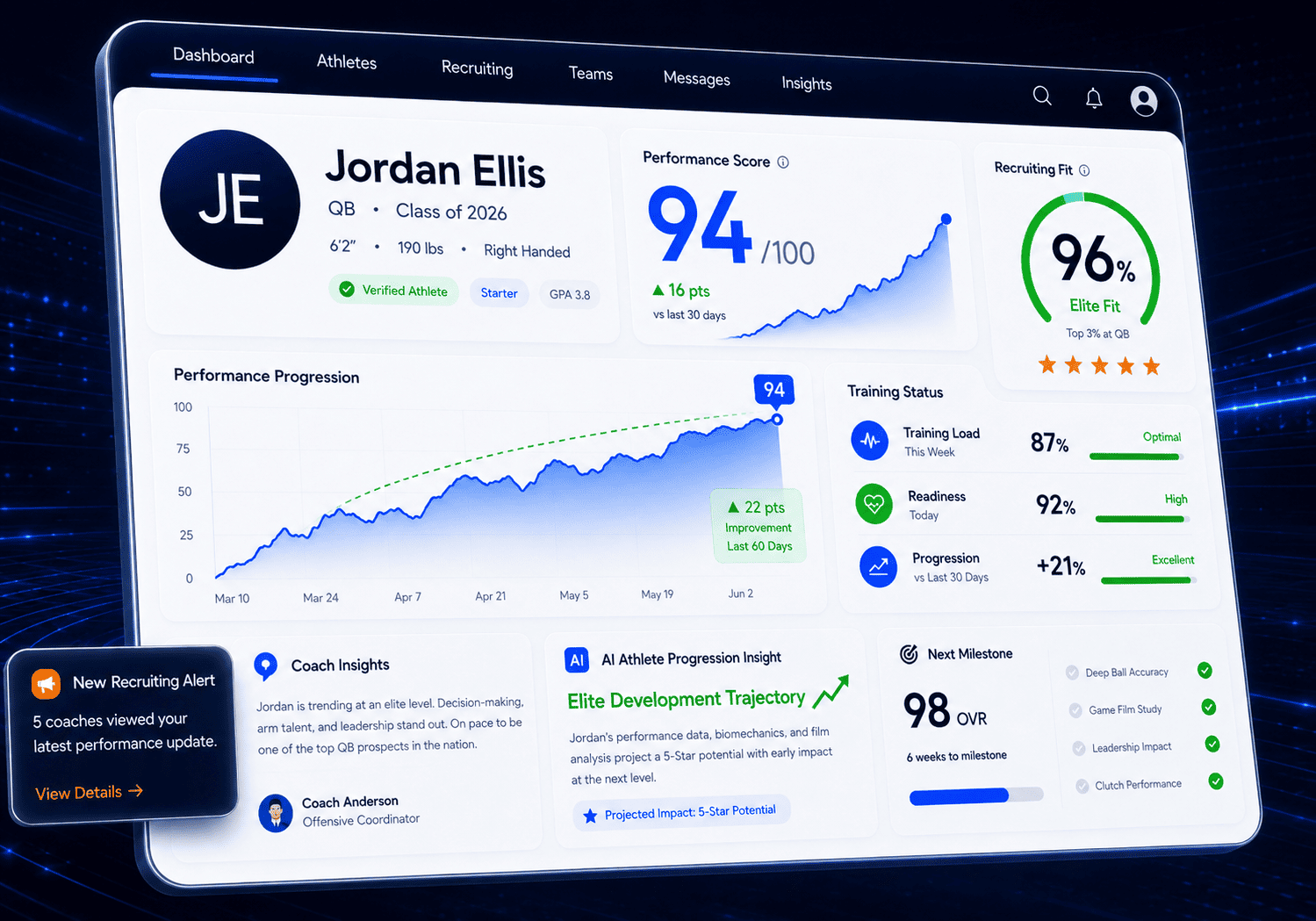
AI-Powered Sports Performance & Recruiting Platform for Virginia Clubs, Academies & Youth Programs

Plavno developed a custom sports technology platform for Virginia-based clubs and academies to combine athlete performance tracking, coach communication, recruiting workflows, and mobile engagement in one ecosystem.

Read More
3x

faster recruiting pipeline

AI-Powered Sports Performance & Recruiting Platform for Virginia Clubs, Academies & Youth Programs

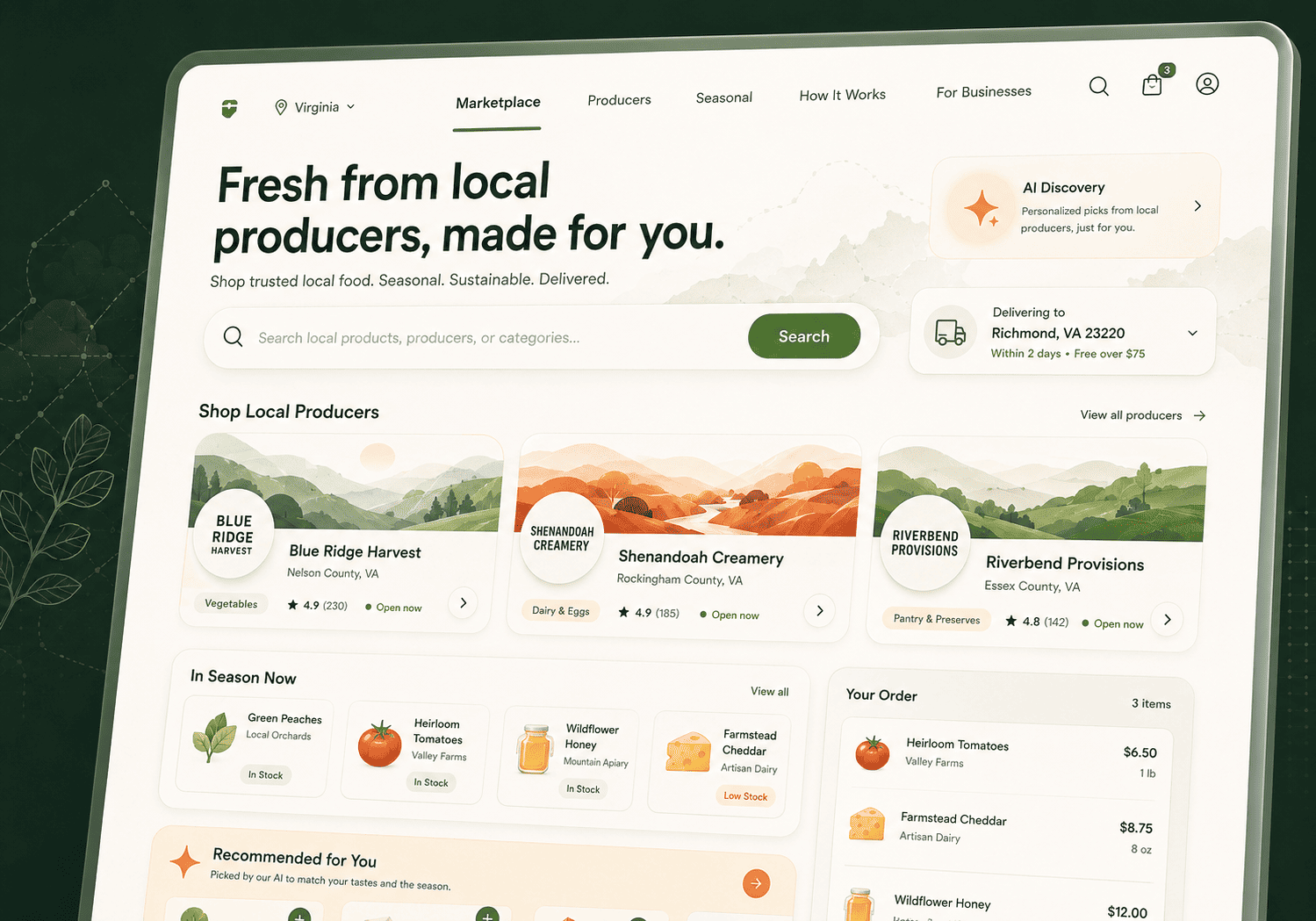
Digital Marketplace for Virginia Farmers, Local Producers & Direct-to-Consumer Food Sales

Plavno developed a custom multi-vendor marketplace for Virginia-based farmers, food producers, and regional sellers to unify product listings, vendor operations, customer ordering, and local fulfillment workflows.

Read More
3x

increase in product discovery relevance

Digital Marketplace for Virginia Farmers, Local Producers & Direct-to-Consumer Food Sales

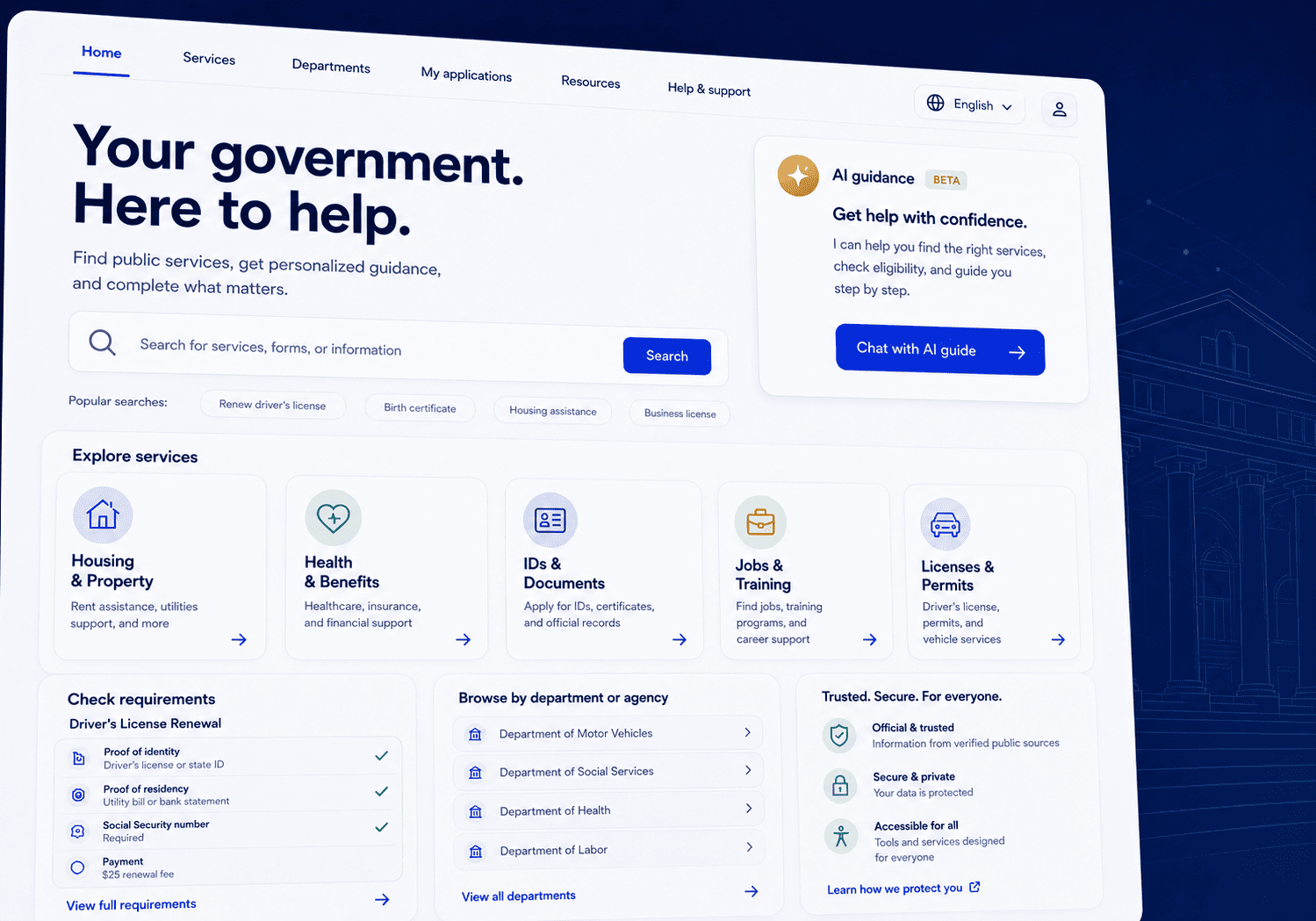
AI-Powered Citizen Services Website Platform for Virginia State Agencies

Plavno developed a modern eGovernment website platform for Virginia state agencies that centralizes citizen services, public information, department content, and an AI-powered guidance agent in one scalable system.

Read More
70%

reduction in routine citizen inquiries to agency staff

AI-Powered Citizen Services Website Platform for Virginia State Agencies

Testimonials

We are trusted by our customers

“They really understand what we need. They’re very professional.”

The 3D configurator has received positive feedback from customers. Moreover, it has generated 30% more business and increased leads significantly, giving the client confidence for the future. Overall, Plavno has led the project seamlessly. Customers can expect a responsible, well-organized partner.

Sergio Artimenia

Commercial Director, RNDpoint

Sergio Artimenia

“We appreciated the impactful contributions of Plavno.”

Plavno's efforts in addressing challenges and implementing effective solutions have played a crucial role in the success of T-Rize. The outcomes achieved have exceeded expectations, revolutionizing the investment sector and ensuring universal access to financial opportunities

Thien Duy Tran

Product Manager, T-Rize Group

Thien Duy Tran

“We are very satisfied with their excellent work”

Through the partnership with Plavno, we built a system used by more than 40 million connected channels. Throughout the engagement, the team was communicative and quick in responding to our concerns. Overall, we were highly satisfied with the results of collaboration.

Michael Bychenok

CEO, MediaCube

Michael Bychenok

“They have a clear understanding of what the end user needs.”

Plavno's codes and designs are user-friendly, and they complete all deliverables within the deadline. They are easy to work with and easily adapt to existing workflows, and the client values their professionalism and expertise. Overall, the team has delivered everything that was promised.

Helen Lonskaya

Head of Growth, Codabrasoft LLC

Helen Lonskaya

“The app was delivered on time without any serious issues.”

The MVP app developed by Plavno is excellent and has all the functionality required. Plavno has delivered on time and ensured a successful execution via regular updates and fast problem-solving. The client is so satisfied with Plavno's work that they'll work with them on developing the full app.

Mitya Smusin

Founder, 24hour.dev

Mitya Smusin

Architecture & Engineering Overview

How Hampton AI agent programs hold up after launch

Replace handoff chains

Replace handoff chains

ROI when goals cut rework, after-hours status, and free seniors for exceptions

Time-to-first-response↓
Logged every action

Logged every action

Actor, tool, policy version trail for defense & civic reviews

Daily spend gates

Daily spend gates

Token & API meters; caps stop blind retries and large payloads

Live scorecard

Live scorecard

Goals live vs gated, compute spend, top failure classes—kill switches ready

For Business: Technical ROI & Risk Mitigation

Leaders in Hampton ask what changes on the P&L within two quarters. ROI starts when agent goals replace entire handoff chains rather than single keystrokes. Cut rework on intake, reduce after-hours status mail, and free senior staff for exception handling only. Risk drops because each action is logged with actor, tool, and policy version. That trail matters for defense suppliers and civic teams under review. Budgets stay predictable when token and API meters gate spend daily.

We avoid vanity automation that shaves seconds while leaving the bottleneck intact. Discovery tags the queue with the highest wait and error rate. Success metrics include time-to-first-response, reopen rate, and human minutes per case. Baselines come from two weeks of sampled tickets before build. Post-launch we compare the same measures weekly. If a goal misses threshold for two sprints we redesign tools instead of adding model noise.

Cost risks surface when models retry blind or tools return large payloads. Caps and chunking stop that early. Data quality risks appear as silent wrong updates. We force confirmation on write paths that touch money, inventory, or eligibility. Latency risk shows up if remote SaaS calls sit on every microstep. Caching read-mostly data and batching writes keep agents useful under load. Technical debt risk falls when adapters stay small and versioned.

Business owners receive a short scorecard, not a 40-page deck. It lists goals live, goals gated, monthly compute spend, and top three failure classes. That format fits how Hampton operations already review vendor work. You choose which goals stay on and which get rewritten. Clear kill switches protect reputation if a partner system flakes. The result is control without freezing progress.

GatewayPolicy edge
AgentsDeployables
ToolsAdapters
PolicySeparate units
1

Kickoff freeze

First two goals + systems of record; spikes on auth, rate limits, PII before polish

2

Mid-build parity

Staging matches prod encryption & network; feature flags dry-run on live shadows

3

Staged go-live

Canary by traffic % or unit; forced human gates week one; pinned model versions

4

Exit ownership

Documented SLOs, cost ceilings, named owner; code in your cloud, open protocols

For CTOs: Architecture & Technical Lifecycle

CTOs need a path from pilot to fleet without a rewrite. Lifecycle control is the product: gateway, agents, tools, and policy as separate deployables. Kickoff freezes the first two goals and the systems of record they may touch. Spikes prove auth, rate limits, and PII boundaries before UI polish. Architecture decision records capture model choice and RAG yes or no. Governance maps to change tickets your security group already runs.

Mid-build we keep staging parity with production for encryption and network policy. Feature flags let business owners dry-run a goal on live data shadows. Trade-offs sit in the open. A stronger model may lift accuracy yet blow cost on high volume. A lighter model with better tools often wins for depot workloads. We prefer tool reliability over prompt gymnastics because tools test cleanly.

Go-live is staged by percent of traffic or by business unit. Canary goals run with forced human gates for the first week. Observability hooks emit traces per goal step. Post-launch, model and prompt versions pin so silent upstream changes cannot drift behavior. Quarterly reviews retire dead tools and rotate secrets. Ownership runbooks assign which team owns which adapter Repo path.

Exit criteria include documented SLOs, cost ceilings, and a named internal owner. We do not leave a black box that only our staff can fix. Code lives in your cloud with branch rules. Contract lock-in is avoided by keeping open protocols for events and storage. That stance matches Virginia public and contractor procurement habits. You retain the option to extend with in-house talent after handoff.

Deterministic workflows

Deterministic workflows

Control flow in unit-tested code; models only draft, classify, or pick listed tools

Queue · workers · policy

Queue · workers · policy

Typed tool interfaces, jittered retries, idempotency keys stop double ticket posts

Structured capture layer

Structured capture layer

Strapi-style models & Next.js patterns—clean fields for tools, not HTML scrapes

Vaulted secrets & redaction

Vaulted secrets & redaction

Runtime vault loads; log plugins strip emails/IDs; golden tests bound prompt changes

For Engineers: Implementation Details & Stack

Engineers want the stack in plain terms and the reasons behind each pick. We implement agents as deterministic workflows with optional model steps, not free-chat loops. Control flow stays in code you can unit test. Models draft text, classify, or choose among listed tools. That split keeps edge cases inspectable. Where we need structured capture of services content we reuse patterns proven with Strapi models and Next.js front ends on public portals.

Why those CMS and front-end choices matter for agents is simple. Structured types give clean fields for tool inputs instead of scraping HTML. Static generation keeps public read paths fast while secure forms stay dynamic. Agents that schedule or update records call the same form services citizens used. For commerce work the storefront catalog and checkout build taught discrete cart mutations. Agent writes follow the same atomic pattern so inventory identifiers stay correct.

Runtime pieces include a queue, a worker pool, and a policy evaluator. Typed tool interfaces reject unknown arguments early. Retries use jitter and respect upstream rate limits. Idempotency keys stop double posts on ticket systems. Vector stores appear only when retrieval clearly beats SQL lookups on your corpus size. Otherwise plain filters win for speed and cost. Secrets load at runtime from your vault product of choice already approved on federal work if required.

Production edge cases cover partial tool success and multi-step rollback notes for humans. We log inputs and outputs with redaction plugins for emails and IDs. Load tests script the top five goals at 2x expected peak from Hampton business hours plus after-marina spikes. Optimization favors fewer tokens via tighter schemas and caching of stable reference data. Engineers get golden interviews tests that bound prompt changes. PR templates force a checklist on cost and privacy impact.

Your cloud, least privilege

Your cloud, least privilege

Domestic regions, private endpoints, SBOM containers, scheduled key rotation

Goal-tree observability

Goal-tree observability

Success rate, step latency, tool errors, gate age, spend—drift caught early

Data-class security

Data-class security

PHI stripped pre-model; CUI/SOC2 controls; IR runbooks & tabletop drills

Continuous eval gates

Continuous eval gates

Labeled offline packs each release; freeze on accuracy or safety miss

Infrastructure, Observability & Security

US clients need clear hosting posture and response paths. We deploy into your cloud accounts with least privilege roles and private model endpoints when policy demands it. Regions stay domestic. Network paths for Hampton field offices route through existing VPN or Zero Trust gear. Containers ship SBOM notes so contractor security can scan. Key rotation is scheduled, not optional. Backups cover memory stores and config, with restore drills documented quarterly.

Observability tracks goal success rate, step latency, tool error class, human gate age, and spend. WHY these metrics: they catch model drift and broken upstream APIs before users open tickets. Dashboards hang where ops already sits. Alerts page on error bursts and budget breaches. Traces sample full goal trees so a bad classification is replayable. Logs never store raw regulated payloads by default module policy.

Security follows the data class you declare. Healthcare goals get HIPAA-minded handling with PHI stripped before model calls. SOC2-minded controls cover access reviews and change logs. Defense-adjacent work kops to CUI handling policies you codify. Incident response runbooks name severity, who pages, and customer notice steps. Tabletop drills run once before hypercare ends. Findings feed prompt and tool fixes the same sprint, not a distant backlog.

Compliance is continuous because agent behavior can change with data drift. We schedule offline eval packs of labeled cases every release train. Ramp thresholds freeze a release that fails accuracy or safety checks. Cost control remains a first-class monitored signal tied to business unit tags. That package fits how Virginia audit culture expects evidence. You exit with dashboards, playbooks, and owners, not a mystery process.

Decision factors

Why choose a deep engineering build over generic agents

Hampton buyers compare slideware chatbots to systems that survive production policy and load. Here is how the engineering mindsets differ on ground truth.

Generic Agencies
Our Platform (Deep Engineering Expertise)
Agent goals tied to timed process baselines
checkmark
Least-privilege tool adapters per system
checkmark
Hard spend caps with business-unit tags
checkmark
Human gates on high-risk writes
checkmark
checkmark
Code and runbooks owned in your cloud
checkmark
Prompt-only delivery without systems analysis
checkmark
Post-launch drift tests each release
checkmark

Data paths & control

Integration and data rules that keep Virginia agents honest

A second build concern for Hampton is not fancy models. It is clean data paths and integration that does not invent records. Agents only help when source systems reply with truth on time. We inventory systems of record first and mark which fields are authoritative. Write-backs require IDs from those systems, never free text guesses. This section focuses on data contracts, sync modes, and quality gates rather than runtime topology covered earlier.

Integration modes mix events and pulls based on what partners allow. Port and logistics feeds often arrive as batch files still. We convert those into queues with schema checks before any agent plans. REST and GraphQL adapters publish normalized DTOs so multiple agents share one truth. When a legacy mainframe only offers nightly dumps we stage shadow tables with freshness stamps. Agents refuse apps when freshness ages beyond the SLA you set. That refusal is visibility, not a crash.

Data quality rules sit in front of prompts. Required fields, enums, and range checks shut down noisy hallucinations. We learned structured content discipline building a public services portal where service pages and forms needed stable fields for bilingual delivery. The same discipline now feeds agents that route citizen or employee requests. Commerce catalog discipline from the pets supply storefront reinforces attribute completeness checks before any list or price agent runs. Incomplete rows open human tasks instead of wrong customer emails.

Security overlays the pipelines. Field-level redaction drops SSN, health notes, and badge numbers before model side channels. Encryption in transit and at rest follows your KMS. Access tokens for tools rotate and never land in bard logs or chat histories. For companies operating across Newport News shipyard networks we support offline queues that resume when links return. Audit exports hand security teams CSV and SIEM hooks without custom fishing trips.

Cost control on data moves matters as much as model tokens. We cache reference data with explicit TTL based on how often vendors change it. Large document retrievals chunk and summarize with checkpoints so you see partial progress. Duplicate event suppression stops double work when partners retry deliveries. Post-launch monitoring watches queue lag, poison messages, and schema drift alerts. Your ops can pause an agent when an upstream change violates contracts. That keeps trust higher than silent wrong automation.

Eugene Katovich

Eugene Katovich

Sales Manager

Need a custom software solution? We’re ready to help!

Plavno has a team of skilled developers ready to tackle the project. Ask me!

Get a Free Quote

Before you fund the build

Hampton readiness checklist for agent programs in 2026

  • Name the backlog that hurts weekly — List the top three queues with volume and average wait. Attach sample tickets with fields that decide success. Do not start from a model vendor brochure. Mark which steps can never auto-commit under policy. Share seasonal spikes from tourism, port turns, or contract award seasons. We wrong-size if volume guesses replace logs. Prefer two weeks of real data pull with staff notes on exceptions.

  • Map systems and owners — Write the system of record for each field an agent may read or write. Include auth type, rate limits, and sandbox availability. Identify the human owning each API. Flag any dual-write traps between old and new tools. Confirm data retention rules for chat and tool logs. Missing owners stall security review later. Bring diagrams even if hand drawn from Newport News ops walls.

  • Define human gates early — Decide which actions always need a named role. Examples include refunds, eligibility denials, and external legal notices. Set target lag for those queues during business hours. Plan after-hours behavior with clear freeze or escalate rules. Draft tone guidelines for customer-facing drafts. Gates without SLAs just move the bottleneck. Align with existing on-call so nothing invents a parallel team.

  • Set cost and success metrics — Pick two outcome metrics and one cost metric before code starts. Examples are first-response hours, reopen rate, and weekly model spend. Freeze baselines with dates and sample sizes. Agree on kill criteria if metrics miss for two reviews. Assign finance and ops readers for the dashboard. Metrics owned by vendors alone rarely survive handoff. Keep the sheet short enough for a Monday standup.

  • Prepare security review packets — Gather policies for PHI, CUI, and public records if any apply. List allowed regions and subprocessors. Share SSO standards and secret storage norms. Book the reviewer calendar before sprint two. Provide sample risk text for agent tool access. Late security finds force expensive redesign. Hampton defense-adjacent firms gain speed when this packet lands first.

Vitaly Kovalev

Vitaly Kovalev

Sales Manager

Get a Hampton agent readiness audit

Share budget range, timeline, current stack, and dataset or project scope. Receive a free agent readiness audit and cost estimator built for Hampton and Hampton Roads teams.

Talk to Experts

Common questions

Answers for Hampton teams planning agents in 2026

Straight answers on cost, time, data, quality, security, and operations for Virginia buyers.

What drives cost for AI Agents Development in Hampton projects?

Cost follows goal count, system count, and risk gates more than model brand. Each connected system needs an adapter, tests, and a security review. Human approval queues add UI and SLA design. Data cleanup before go-live can match build cost if records are messy. Hampton defense-adjacent work often needs extra audit trails and region locks that pure commercial apps skip. Local market rates for senior engineers also sit above pure offshore bids that fail SOC review later.

We price discovery as a fixed short phase so scope is evidence-based. Implementation quotes list goals, tools, environments, and hypercare weeks. Cloud and model spend are separate pass-throughs with hard caps. Cleared staff or badge requirements around bases add calendar time and load. If bilingual citizen flows are in scope the content model expands testing. Change requests after lock map to a backlog with explicit estimates.

Cheap pilots that skip adapters create thrash when you try to cut employees later. Spend where wait times and error costs already show on dashboards. A single high-value queue beats five chat demos. Maintenance retainers cover drift tests, dependency bumps, and on-call. You can cut scope by freezing write actions to read-only assists at first. That path still proves value while security matures.

Ask vendors for unit costs per goal and per integration rather than a fuzzy monthly AI fee. Demand metering from day one. Compare total six-month cost including your staff time. Escape clauses should free code into your cloud. Those terms protect Virginia public and contractor budgets when priorities shift.

How long does it take to build AI Agents Development software?

Timelines split into a short discovery, an MVP agent, and a hardened fleet rollout. Discovery often runs two to three weeks with process samples and system access checks. An MVP with one or two goals can land in six to eight weeks when APIs are ready. Full deployment across multiple units can take three to five months with security gates. Parallel work on adapters saves calendar time when owners respond fast. Delays mostly come from missing sandboxes or unclear policy on writes.

MVP means one painful queue ends cleaner with logs and a human gate. It is not a chat widget on the intranet home page. Success criteria are set before code. Full deployment adds redundancy, cost controls, training, and extra goals. Hypercare for four weeks follows first production traffic. Then your team owns routine changes. We size sprints around your change board cadence common in Virginia public and contractor shops.

If data is scattered timelines stretch for mapping and quality rules. Clean CRMs with APIs shrink the path. Shared email boxes without structure need classification design first. Seasonal freezes at shipyard partners can pause money moves. We plan around those freezes instead of pretending they vanish. Staff availability for UAT is often the hidden critical path.

Share your deadline honestly so we order goals by value density. A September audit date changes sequence. So does a contract award window. You receive a Gantt with dependencies on third parties named. That plan is managed weekly, not left as a nice slide. Missed third-party dates trigger scope or date stays decisions you control.

What data do you need to start agent development?

We need process truth more than giant lakes on day one. Provide samples of tickets, emails, forms, or EDI that represent the noble path and common failures. Include field dictionaries for the systems of record and which fields redecide outcomes. Access to sandbox APIs or redacted exports accelerates adapter design. Staff notes on exceptions prevent us modeling a fantasy flow. Two weeks of volume stats beats a year of unused data dumps.

Label a small evaluation set for accuracy checks later. A few hundred reviewed cases can baseline classification quality. If labels do not exist we build them with your SMEs during discovery. Document retention rules so logs stay lawful. Call out any fields that may never leave your VPC. For civic or student data note colleagues who own FERPA or FOIA answers. Health flows require PHI boundaries before any model test.

Startup and mid-market firms in the 757 corridor often begin with export CSVs. That is acceptable when event streams arrive later. We design adapters so cold files and live webhooks share a DTO. Quality issues such as missing SKU attributes show early as in the catalog work we handled for ecommerce storefronts. Fixing attributes can be part of readiness, not a surprise after launch. Please do not wait for perfect data. Perfect never comes.

Security review needs a data classification matrix tied to agent goals. Read-only goals start faster. Write goals need rollback stories. Share prior incident reports if integration blackouts are known. Those details shape retry rules. With that pack we avoid speculative modeling and write tests that mirror Hampton production noise.

How do you evaluate quality of AI agents after launch?

Quality is measured against the baseline metrics frozen in discovery. We track goal success rate, human override rate, average time-to-complete, and reopen frequency. Cost per successful goal sits beside accuracy so cheap wrong answers do not win. Offline evaluation packs replay labeled cases on every release. Threshold fails block promotion. Online canaries compare new versions on a slice of Hampton traffic before full cutover.

Human review samples random outputs weekly during hypercare. Themes feed prompt or tool fixes the same sprint. Drift shows when upstream forms change and name fields shift. Schema monitors catch that sooner than users. We also measure latency budgets because slow agents turn into ignored agents. Alerts fire when error classes cluster. Silence is not acceptance.

Business owners join a short monthly review with scorecards. They decide retire, rewrite, or extend each goal. Engineers see traces and failing fixtures. CTOs see spend and SLO burn. This shared view stops shadow IT prompts on personal API keys. For multi-site Virginia groups we break metrics by location so Norfolk patterns do not hide Newport News issues.

Vendors that only report model benchmark leaderboard scores leave ops blind. Demand operational metrics tied to your queues. Keep the eval sets versioned next to code. Refresh labels when policies change. Quality then becomes a managed system rather than a hope. That standard is how regulated buyers around Langley and the ports stay comfortable expanding not shelving the program.

How do you handle compliance and security for agents in Virginia?

Security design starts with data class and action risk, not a model picker. Least privilege tool tokens, private networking, and redaction before model calls are baseline. Hosting stays in your accounts and US regions unless fine print pings otherwise. We support SSO with your IdP and hold no standing production credentials after hypercare without a contract. Logging policies drop secrets and regulated payloads by default. Safety reviews sit on the same change board as other enterprise apps.

HIPAA-minded builds keep PHI identifiers out of prompts and store references only. SOC2-minded controls cover access lists, change evidence, and incident steps. Defense-adjacent data may need CUI handling and clearer vendor boundaries. Public sector FOIA readiness means knowing what agent logs contain. We document that inventory up front. Encryption uses your KMS keys so designated admin ownership never drifts to a freemium SaaS dashboard.

Pen tests and dependency scans can attach to release trains. SBOMs for containers feed contractor scans. Secrets rotate with automation. Fail closed modes stop writes when policy engines are down. Human gates protect irreversible external messages. Incident runbooks cite severity, paging, and notice timelines. Tabletop exercises prove the path before a real page.

Virginia agencies and university-adjacent teams share high standards for procurement language on data rights. We contract for code escrow into your repos and forbid silent training on your content by default providers when options exist. Ask for architecture diagrams in RFP answers not marketing. Real compliance work is visible in tickets and dashboards. That diligence keeps programs alive past the first audit season.

Contact Us

This is what will happen, after you submit form

Need a custom consultation? Ask me!

Plavno has a team of experts ready to start your project. Ask us!

Vitaly Kovalev

Vitaly Kovalev

Sales Manager

Schedule a call

Get in touch

Fill in your details below or find us using these contacts. Let us know how we can help.

Required because you selected “Other” above

No more than 3 files may be attached up to 3MB each.
Formats: doc, docx, pdf, ppt, pptx, xls, xlsx, txt.
Book your meeting