bg image
bg image

Serving Hampton & Virginia

Cut manual ops load across Hampton teams before 2026 budgets lock

Hampton operators still burn hours on repetitive research, triage, and follow-up work. That drain hits port logistics, defense contractors, healthcare groups, and civic teams hardest. Purpose-built agents handle routine decisions so staff focus on exceptions and customer work. You keep control of data access, cost ceilings, and approval rules. This page is for leaders who need measurable cycle-time cuts, not another pilot slide deck. Get AI Agents cost estimate in 24 hours. Tell us budget, timeline, stack, and dataset scope so we can scope a real build path.

Discuss Project

Overview

Why Hampton ops teams still drown in handoffs in 2026

Hampton sits inside a dense corridor of shipyards, military support, logistics, and public services. Teams in Newport News, Norfolk, and Virginia Beach share the same friction: data lives in too many systems, and people copy answers between them. Manual intake, status chasing, and report assembly slow every shift. Leaders need ai agents that act inside those workflows, not chatbots parked on a brochure page. We work with US-based clients, including companies operating in Virginia.

Trusted AI Agents Partner for Hampton Businesses means we start from your operating constraints. Port schedules, contractor compliance packets, and field service queues do not forgive fragile demos. An agent must call tools, write back structured results, and escalate when confidence drops. That is the standard we use when we build agents for production desks. Soft proof-of-concepts that never touch live tickets waste budget and staff goodwill.

Our delivered work already shows this pattern. For telecom operations we shipped an AI analytics agent that turns raw metrics into automated insights staff can act on. For a civic program we built a self-hosted public services portal with structured pages and secure form workflows on Strapi and Next.js. Those two projects taught the same lesson. Agents need clean content models, governed forms, and clear handoff paths before models add value.

Local buyers also ask about risk. Integration complexity, weak data quality, latency spikes, and runaway token spend are real. We treat those as design inputs on day one. Observability, cost caps, and human approval gates ship with the first release. Across the US market we have guided 10+ agent and adjacent automation programs through that discipline. Nearby teams in Chesapeake, Portsmouth, and Yorktown face identical constraints and the same need for durable engineering.

Talk to an Expert
Workflow-native agents

Workflow-native agents

Act inside live queues—not brochure chatbots—for shipyards, logistics & civic desks

Tool calls & write-back

Tool calls & write-back

Call systems of record, return structured results, escalate when confidence drops

Human approval gates

Human approval gates

Governed forms, handoff paths & sign-off before money or customer-visible writes

Observability & cost caps

Observability & cost caps

Latency, token spend & audit trails ship with the first production release

plavno logo

Build your first
Smart AI project today!

Just tell the Plavno AI Agent about your project - it will ask questions, gather requirements, and propose a tailored solution

Core agent runtime

Agent stacks Hampton teams can actually run in production

Hampton clients receive a working agent system, not a slide about agents. The runtime includes a planner, tool layer, memory policy, and guarded write paths into your systems of record. We separate retrieval, reasoning, and action so failures stay isolatable. Each tool has a contract, timeout, and audit trail. That shape comes from live work such as our telecom analytics agent, where insights had to land in operator workflows without breaking existing dashboards.

Model choice follows the job. Fast small models handle classification and routing. Stronger models draft analysis when the cost is justified. We wire structured outputs so downstream code never parses free text. Prompt assets live in version control with evaluation fixtures. When context grows, we add retrieval only after the source corpus is cleaned and permissioned. Those choices cut token waste and keep answers grounded in your documents.

Integration work dominates real schedules. Agents call REST and event APIs already used by Hampton logistics and defense suppliers. We map identities to your SSO and service accounts. Write operations require role checks and idempotent payloads. For content-heavy portals we reuse patterns from our Strapi and Next.js public services build: structured schemas, static where safe, and custom forms with validation. That keeps civic and enterprise content consistent for agent reading and human editing.

Security/compliance sits in the design, not a late checklist. Secrets stay in managed vaults. PII fields are redacted before model calls when policy demands it. Every tool invocation is logged with actor, input hash, and outcome. For US clients we align retention and access reviews with internal audit practices. Defense-adjacent vendors near Langley often need tighter change control, so we document promotion paths between staging and production.

DevOps for agents means more than container deploys. We ship eval suites that fail the build when grounding or tool success rates drop. Canary traffic catches latency and cost regressions early. Feature flags let operators disable an action class without a full rollback. Runbooks cover drift when upstream schemas change. This operational shell is what turns a weekend prototype into a desk tool staff trust on Monday morning.

Capability maturity

From manual desks to supervised autonomy in Hampton

Use this path to grow agent authority only as data quality and trust allow. Each stage has clear stop criteria before you unlock more actions.

Clipboard
Team
01

Step 1: Map the manual baseline (1–2 weeks)

We sit with Hampton operators and list the real queue of work. Shadow tickets, lag, and rework become numbers, not anecdotes. You receive a ranked backlog of tasks fit for agent support. We flag data gaps and systems that block automation. Timeline stays short so leadership sees scope before major spend. Deliverable is a decision brief with candidate tools and risk notes.

02

Step 2: Assist, do not act (2–3 weeks)

Agents draft answers, summaries, and next-step suggestions only. Staff still click send. This stage proves retrieval quality and tone against live cases. Metrics track acceptance rate and edit distance. You keep full control while signal quality improves. We tune prompts and sources until acceptance is stable for your domain.

Search in doc
Rocket
03

Step 3: Guarded write actions (2–4 weeks)

Approved tools may update tickets, create tasks, or file structured notes. Every write needs policy checks and a human path for edge cases. We add cost ceilings and rate limits before traffic rises. Hampton logistics and field teams use this stage to cut handoffs without opening uncontrolled changes. Audit logs prove who authorized each action.

04

Step 4: Supervised autonomy by queue (2–3 weeks)

High-confidence classes run without a click while exceptions escalate. Confidence thresholds come from eval data, not guesswork. Ownership tables define who monitors drift each week. You get a runbook, cost dashboard, and rollback switch. Autonomy expands queue by queue across sites once KPIs hold for a full cycle.

What ships

Agent capabilities Hampton buyers can fund with confidence

Operations insight agents

Operations insight agents

Desks drown in charts that never become decisions. Our telecom analytics agent pattern turns streams into short insights with recommended next checks. Hampton network and facilities teams get the same shape: pull metrics, explain variance, and open a task only when rules fire. We use an LLM agent layer for narrative and deterministic code for math. That split keeps numbers honest while prose stays readable for shift leads.

Secure intake and routing

Secure intake and routing

Public and B2B forms still stall when validation is weak. We reuse lessons from the Strapi public services portal with custom forms and structured service pages. Agents classify intent, enrich records, and route to the right queue. Next.js delivery keeps pages fast for residents and vendors. Your staff sees cleaner tickets and fewer incomplete packets from day one.

Knowledge assistants with citations

Knowledge assistants with citations

Policy PDFs and SOP libraries waste hours when search fails. Agents answer with citations from approved corpora only. Permission filters respect department boundaries common in Virginia contractors. Chunking and metadata design matter more than model size here. Teams in defense support and healthcare admin cut time-to-answer without exposing restricted folders.

Catalog and commerce helpers

Catalog and commerce helpers

Product data errors create support load and lost carts. Work like our online pets supply storefront shows why clean catalog structure matters before any agent speaks. Agents check stock narratives, explain options, and draft replies using the same source of truth as checkout. Ecommerce teams near Hampton retail corridors reduce repetitive Q&A while merchandisers keep control of the catalog.

Compliance packet assemblers

Compliance packet assemblers

Ship repair, facility access, and grant programs share one pain: packets. Agents collect required fields, flag missing docs, and assemble submission bundles. Tool calls hit your document store and checklist service. Humans still sign off on final packages. Cycle time drops because chasing attachments stops being a full-time job for coordinators.

Vendor contrast

Why choose deep engineering over generic agent pitches

Hampton buyers comparing shops should score delivery mechanics, not demo charm. These rows show where shallow builds fail under real load.

Generic Agencies
Our Platform (Deep Engineering Expertise)
Tool contracts with timeouts and audits
checkmark
Eval suite gated in CI before release
checkmark
Token and cost ceilings per workflow
checkmark
Human approval paths for write actions
checkmark
checkmark
Grounding tied to permissioned corpora
checkmark
Slide-led discovery without live systems
checkmark
Post-launch drift monitors and runbooks
checkmark

Architecture & Engineering Overview

What changes when Hampton agents leave the pilot lab

Hours returned

Hours returned

Supervised actions cut status chasing—measured on acceptance, reopen & escalation deltas

Scoped risk controls

Scoped risk controls

Limited tool scopes plus mandatory approvals for money and customer-visible writes

Cost ceilings

Cost ceilings

Per-workflow spend caps, cache hits & alerts when prompt changes spike tokens

No vendor lock-in

No vendor lock-in

Prompts, evals & adapters live in your repos—providers stay swappable

For Business: Technical ROI & Risk Mitigation

Budget owners care about hours returned and incidents avoided. Agent value shows up when supervised actions replace status chasing without creating new cleanup work. In our telecom analytics agent work, operators gained automated insights instead of building reports by hand. That same pattern applies to Hampton logistics desks watching vessel windows and warehouse exceptions. The gain is fewer context switches per shift and faster escalation when thresholds trip.

Risk reduction is as important as speed. Unscoped agents invent answers, touch the wrong ticket, or burn tokens on retries. We price risk through limited tool scopes and mandatory approval classes for money and customer-visible writes. Baseline manual handle time is measured before go-live. After release we compare acceptance rates, reopen rates, and escalation volume on the same queues. Leaders see a delta, not a vibe.

Cost control needs product discipline. Model calls, retrieval, and third-party APIs each carry a line item. We set per-workflow ceilings and alert when a prompt change spikes spend. Caching repeated lookups often recovers more margin than switching models. For civic-style portals, static generation patterns from our Strapi and Next.js build cut host load while agents read structured service content. Stable content models reduce unexpected retrieval churn.

Procurement teams in Virginia often ask about lock-in. We keep prompts, evals, and tool adapters in your repositories. Model providers stay swappable behind interfaces. If a contract ends, you retain the operational assets. That posture protects multi-year roadmaps around shipyard suppliers and regional healthcare groups that cannot gamble on a black-box vendor runtime.

1

Vertical slice kickoff

One workflow end-to-end—lock metrics, data owners, forbidden actions & SDLC checklist

2

Retrieval & authority gates

Stage embed vs ACL store, draft-only vs CRM writes; feature flags keep failures local

3

Hardened promotion

Golden transcripts, fail-closed timeouts, DLQ replay & config-flip rollback

4

Drift-owned operations

Weekly grounding, tool success & cost scorecards with named engineer + steward

For CTOs: Architecture & Technical Lifecycle

Lifecycle starts with a thin vertical slice, not a platform rewrite. Ship one workflow end to end before expanding the tool graph. Kickoff locks success metrics, data owners, and forbidden actions. Architecture reviews cover identity, secrets, and write-back semantics early. Trade-offs between latency and model strength are written down with sample traces. Governance boards get a change checklist that mirrors your existing SDLC.

Decision points appear at retrieval design and action authority. Do you embed per department or keep a shared store with strict ACLs. Do agents draft only or also mutate CRM fields. We stage those choices so failure modes stay local. Feature flags and environment parity prevent the classic gap between notebook demos and production policies. CTOs in defense-support firms near Hampton need that paper trail for audit weeks.

From staging to production we require golden transcripts and adversarial cases. Failures on tool timeouts must fail closed. Dead letter queues capture unfinished work for human replay. Rollback is a config flip, not a midnight rebuild. Release notes list prompt versions next to container tags so incidents can bisect quickly.

After launch the lifecycle continues with drift reviews. Upstream schema changes, new SOP language, and seasonal ticket mixes all shift agent behavior. Weekly scorecards track grounding, tool success, and cost per resolved item. Ownership sits with a named product engineer plus a business steward. Without that pair, agents decay into ignored browser tabs within a quarter.

Language + ranking layer

Language + ranking layer

Models draft narratives & rank options; structured schemas validate every response before tools run

Deterministic core

Deterministic core

Code owns math & side effects—jittered retries, idempotent writes, explicit multi-step state

Proven stack patterns

Proven stack patterns

LLM agent layers, Strapi content types, Next.js fronts & singular catalog facts cut hallucination surface

Evals beside code

Evals beside code

Seed fixtures, owned datasets, PR gates on grounding—prompt diffs review like any logic change

For Engineers: Implementation Details & Stack

Implementation favors boring, inspectable parts. Deterministic code owns calculations and side effects while models handle language and ranking. Structured output schemas validate every model response before tools run. Retries use jittered backoff with idempotency keys on writes. We keep conversation state explicit so multi-step plans survive worker restarts. Engineers can replay a single trace with redacted payloads when debugging.

Stack choices follow constraints we already proved. LLM agent layers similar to the telecom analytics agent produce operator-ready narratives on top of metric services. Headless CMS patterns from the Strapi portal give agents clean content types instead of scraped HTML. Next.js fronts deliver bilingual or multi-audience pages when civic programs need them. Ecommerce catalog discipline from the pets storefront keeps product facts singular. None of these are decorations. They reduce hallucination surfaces.

Edge cases dominate production time. Partial tool failures need compensating steps. Long documents require hierarchical summaries before final answers. Multilingual tickets need language detection before retrieval routing. Rate limits from SaaS vendors force queueing and batching. We encode those patterns as shared libraries so each new agent does not reinvent incident history.

Local development uses seed fixtures from anonymized tickets. Eval datasets live beside code with owners. Pull requests fail if grounded answer checks drop below thresholds. Prompt diffs review like any other logic change. This keeps Hampton squads honest when leadership asks why quality moved after a seemingly small wording tweak.

Action-aware observability

Action-aware observability

Every span carries workflow, tool & policy IDs—latency, token burn, hit rate, overrides

Enterprise security controls

Enterprise security controls

SOC2 logging, secret rotation, least privilege; HIPAA redaction & private nets when required

Progressive delivery

Progressive delivery

Canary ticket slices, auto-halt on negative feedback, IaC for workers, queues & gateways

Incident → eval loop

Incident → eval loop

Failing cases become permanent tests; cost anomalies trigger prompt & cache review first

Infrastructure, Observability & Security

Infrastructure stays close to your existing cloud accounts when policy requires it. Observability without action context is noise, so every span carries workflow, tool, and policy identifiers. We monitor latency, error class, token burn, retrieval hit rate, and human override frequency. Alerts page owners when ceilings breach or tool error rates climb. Dashboards separate model provider issues from application bugs.

Security controls map to US enterprise norms. SOC2-oriented access logging, secret rotation, and least-privilege roles ship by default. Healthcare-adjacent workloads can add HIPAA-oriented handling with field-level redaction before model calls. Defense suppliers may require private networking and stricter change boards. We document data flows so auditors see where text leaves the boundary and why.

Deployment uses progressive delivery. Canaries take a slice of eligible tickets first. Automatic halt conditions catch spikes in negative feedback. Infrastructure as code tracks agent workers, queues, and gateway policies. Disaster recovery tests restore both application state and evaluation baselines. Incident response pairs a platform engineer with a domain lead who can decide temporary manual mode.

Post-incident learning feeds the eval set. New failing examples become permanent tests. Cost anomalies trigger prompt and cache review before capacity expands. This loop is how Hampton programs keep agents useful through contract renewals and org changes instead of quietly drifting into shelfware.

Case Study

We help customers cut
down on development

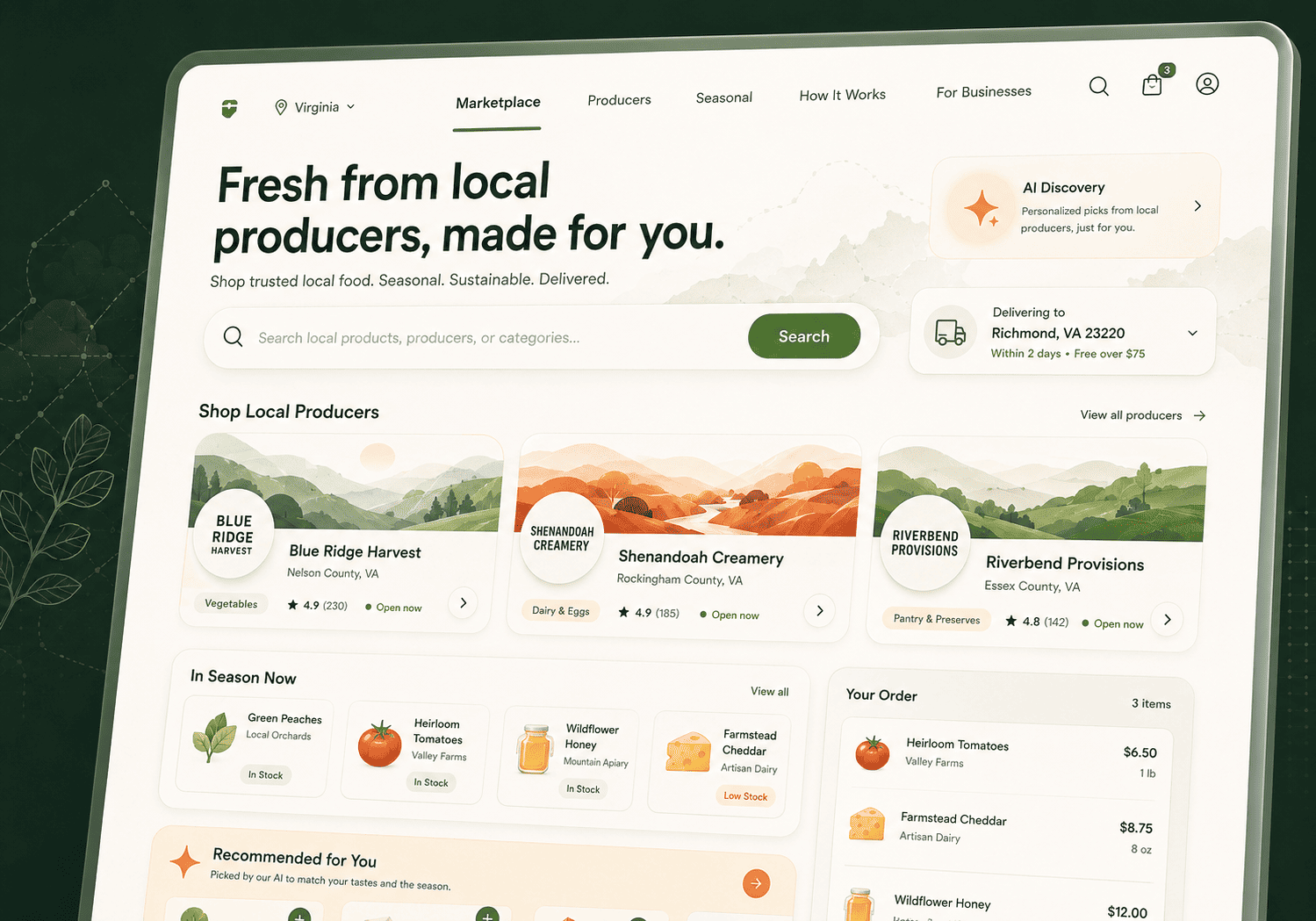
Digital Marketplace for Virginia Farmers, Local Producers & Direct-to-Consumer Food Sales

Plavno developed a custom multi-vendor marketplace for Virginia-based farmers, food producers, and regional sellers to unify product listings, vendor operations, customer ordering, and local fulfillment workflows.

Read More
3x

increase in product discovery relevance

Digital Marketplace for Virginia Farmers, Local Producers & Direct-to-Consumer Food Sales

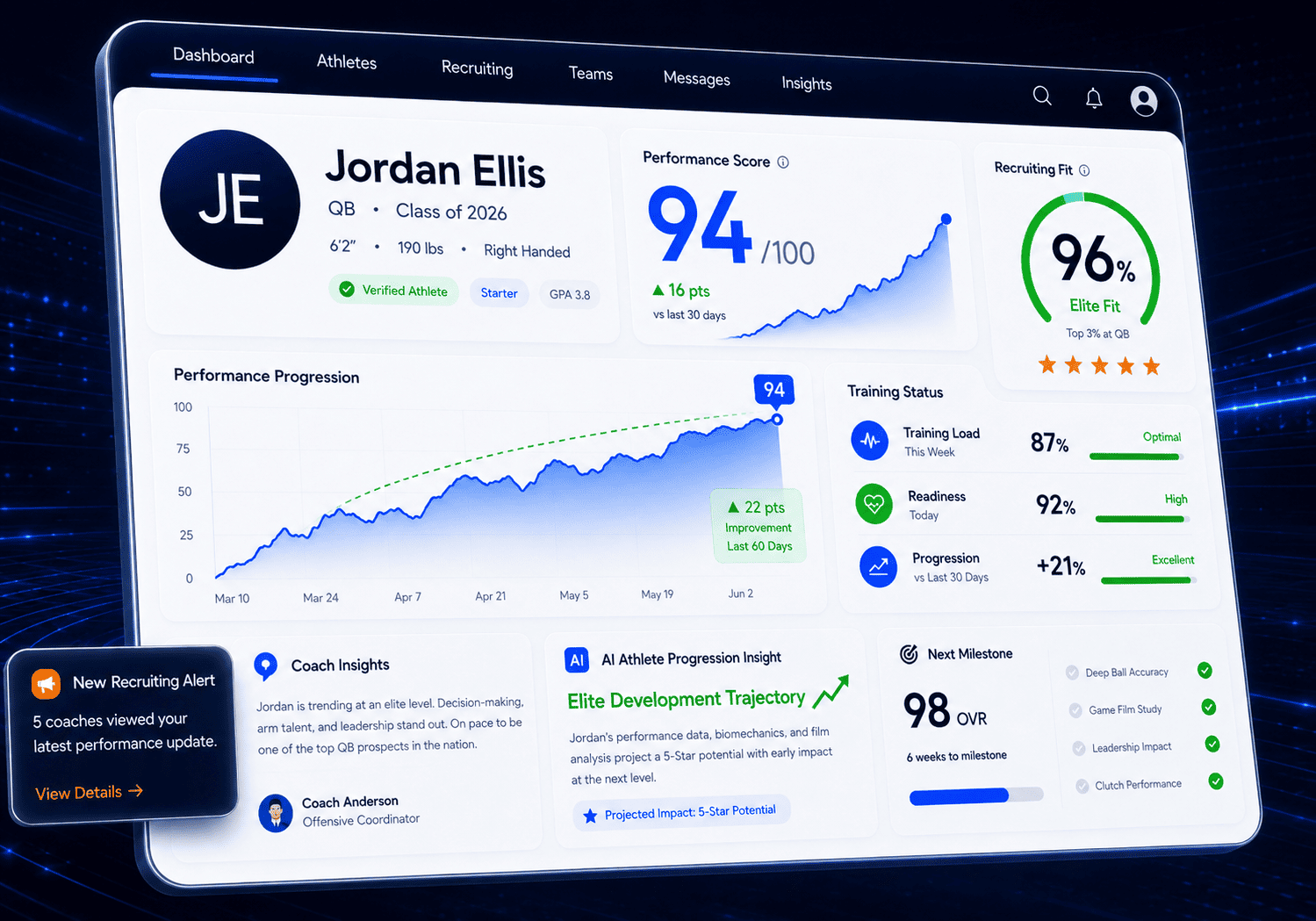
AI-Powered Sports Performance & Recruiting Platform for Virginia Clubs, Academies & Youth Programs

Plavno developed a custom sports technology platform for Virginia-based clubs and academies to combine athlete performance tracking, coach communication, recruiting workflows, and mobile engagement in one ecosystem.

Read More
3x

faster recruiting pipeline

AI-Powered Sports Performance & Recruiting Platform for Virginia Clubs, Academies & Youth Programs

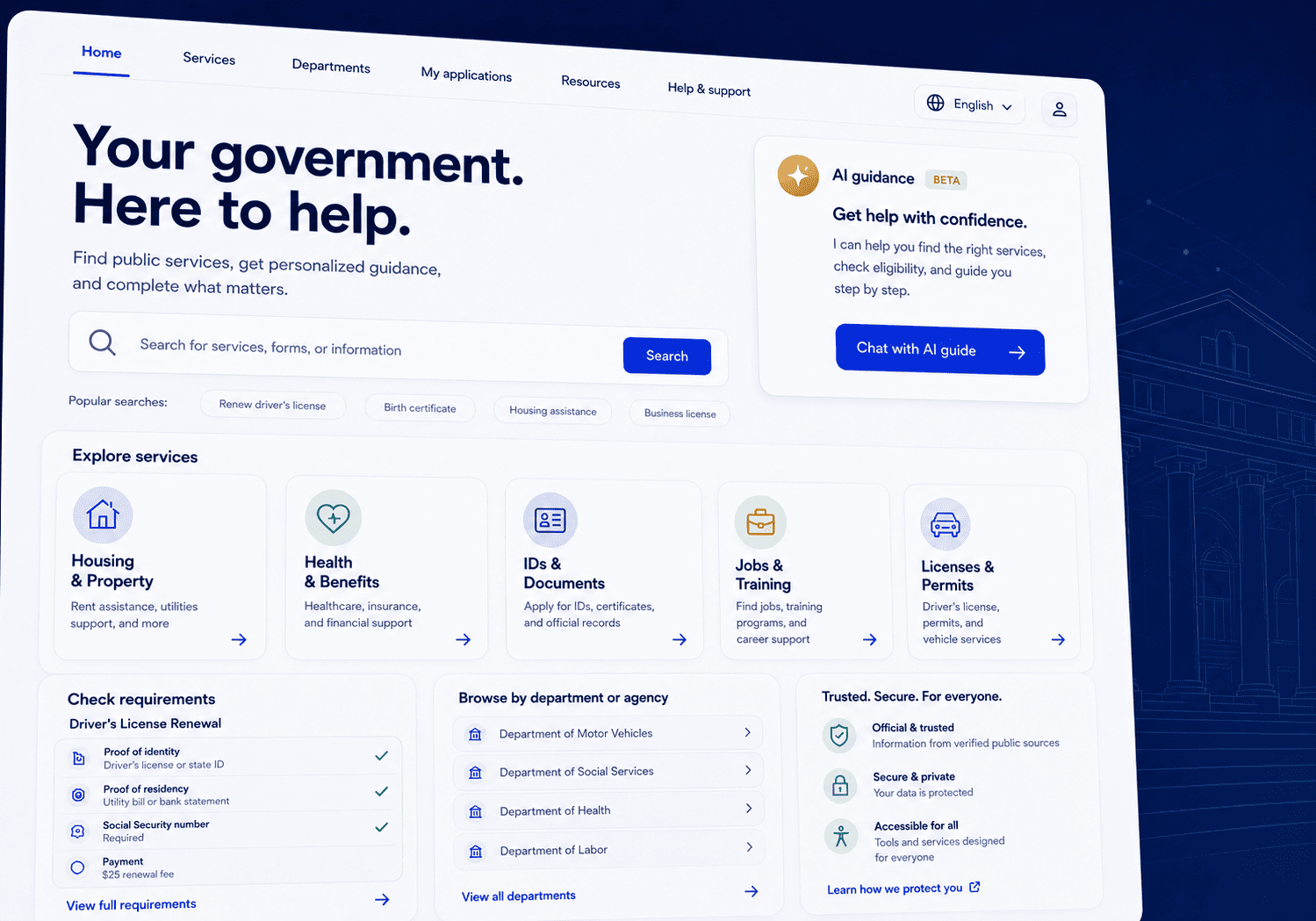
AI-Powered Citizen Services Website Platform for Virginia State Agencies

Plavno developed a modern eGovernment website platform for Virginia state agencies that centralizes citizen services, public information, department content, and an AI-powered guidance agent in one scalable system.

Read More
70%

reduction in routine citizen inquiries to agency staff

AI-Powered Citizen Services Website Platform for Virginia State Agencies

Data & control planes

Integration fabric that keeps Virginia agents honest

A second build concern matters as much as the model: the data path. Hampton agents fail when CRMs, ERP exports, and shared drives disagree. We invest in connectors, canonical IDs, and write-back rules before expanding prompts. Each source gets freshness SLAs and ownership. Conflict policies decide which system wins when fields disagree. Without that fabric, intelligent agents simply accelerate wrong answers.

We learned content structure discipline on the self-hosted public services portal. Strapi modeled services as structured entries. Next.js and static generation kept pages fast. Custom forms captured clean inputs instead of free-text chaos. Agents thrived later because the corpus already had shape. Virginia civic and enterprise teams should treat knowledge the same way before buying bigger models.

Event streams matter for operations agents. Queue depth, outage flags, and shipment scans should arrive as events agents can subscribe to. Batch CSV drops create stale decisions. Where event systems are missing, we introduce lightweight bridges rather than multi-year platform swaps. The telecom analytics agent path showed the value of tying LLM narratives to live operational signals instead of monthly slide packs.

Identity is part of the fabric. Agents act as specific service principals with narrow scopes. User-initiated sessions inherit the requester permissions. Cross-department leakage is a design failure, not an afterthought. Audit exports feed your SIEM so security teams in Norfolk and Newport News see agent traffic beside human admin actions.

Cost and latency budgets live here too. Caching embeddings, memoizing stable lookups, and batching tool calls reduce spend under peak port traffic. Circuit breakers stop cascade failures when a SaaS dependency slows. These controls are product features, listed in your runbook with owners. That is how custom intelligent agents stay affordable after the launch party ends.

Testimonials

We are trusted by our customers

“They really understand what we need. They’re very professional.”

The 3D configurator has received positive feedback from customers. Moreover, it has generated 30% more business and increased leads significantly, giving the client confidence for the future. Overall, Plavno has led the project seamlessly. Customers can expect a responsible, well-organized partner.

Sergio Artimenia

Commercial Director, RNDpoint

Sergio Artimenia

“We appreciated the impactful contributions of Plavno.”

Plavno's efforts in addressing challenges and implementing effective solutions have played a crucial role in the success of T-Rize. The outcomes achieved have exceeded expectations, revolutionizing the investment sector and ensuring universal access to financial opportunities

Thien Duy Tran

Product Manager, T-Rize Group

Thien Duy Tran

“We are very satisfied with their excellent work”

Through the partnership with Plavno, we built a system used by more than 40 million connected channels. Throughout the engagement, the team was communicative and quick in responding to our concerns. Overall, we were highly satisfied with the results of collaboration.

Michael Bychenok

CEO, MediaCube

Michael Bychenok

“They have a clear understanding of what the end user needs.”

Plavno's codes and designs are user-friendly, and they complete all deliverables within the deadline. They are easy to work with and easily adapt to existing workflows, and the client values their professionalism and expertise. Overall, the team has delivered everything that was promised.

Helen Lonskaya

Head of Growth, Codabrasoft LLC

Helen Lonskaya

“The app was delivered on time without any serious issues.”

The MVP app developed by Plavno is excellent and has all the functionality required. Plavno has delivered on time and ensured a successful execution via regular updates and fast problem-solving. The client is so satisfied with Plavno's work that they'll work with them on developing the full app.

Mitya Smusin

Founder, 24hour.dev

Mitya Smusin

Delivery path

How we ship agent releases for Hampton stakeholders

This sequence covers commercial delivery from discovery through steady operations. It is separate from maturity stages and focuses on project mechanics.

Clipboard
Team
01

Step 1: Discovery and constraints (1–2 weeks)

We capture budget bands, timeline pressure, stack realities, and dataset access. Workshops include operators, not only sponsors. Risks around PII, latency, and vendor APIs are written first. You receive a scoped backlog with must-have tools and deferred ideas. Hampton stakeholders leave with a dated plan and clear owners. No build starts without signed success metrics.

02

Step 2: Vertical slice build (3–5 weeks)

Engineers implement one full path from intake to action. Evaluation fixtures are created beside the code. Security review happens before wider data access. You demo on staging with real roles. Feedback loops stay daily so tone and tool results match desk language. This slice becomes the template for later workflows.

Search in doc
Rocket
03

Step 3: Hardening and integrations (2–4 weeks)

We finish remaining connectors, monitoring, and cost guards. Load tests imitate peak Hampton shift volumes. Runbooks and on-call paths are drafted with your team. Training covers override tools and failure modes. Exit criteria include eval thresholds and support ownership. Production cutover is scheduled around business calm windows.

04

Step 4: Operate and expand (ongoing)

Weekly scorecards track quality, spend, and override reasons. Prompt and tool changes ship through the same CI gates. New queues unlock only after data readiness checks pass. Quarterly reviews reset targets with finance and operations. You keep the artifacts even if priorities shift. Expansion stays deliberate rather than viral and messy.

Eugene Katovich

Eugene Katovich

Sales Manager

Need a custom software solution? We’re ready to help!

Plavno has a team of skilled developers ready to tackle the project. Ask me!

Get a Free Quote

Readiness gate

Confirm these five items before funding Hampton agents

  • Name the queue and the metric — Pick one desk with measurable cycle time or error cost. Write the baseline from the last 30 days of tickets. Define the single KPI the agent must move. List who currently owns that KPI on the business side. Without a named owner, pilots stall after launch. Attach sample tickets so engineers see real language and edge cases early.

  • Inventory systems and write rights — Document every system the agent must read or update. Mark which fields are safe for automated writes. Capture auth methods, rate limits, and sandbox availability. Note schema owners who can approve changes. Integration delays almost always hide here. A short access matrix prevents multi-week surprises mid-sprint.

  • Clean a starter corpus — Select SOPs, policy pages, and FAQs the agent may cite. Remove drafts and conflicting versions. Tag documents by department and sensitivity. Confirm retention rules before any embedding job runs. Poor corpus quality creates polished wrong answers. Plan a monthly content steward so knowledge does not rot after go-live.

  • Set cost and risk ceilings — Decide maximum monthly model spend per workflow. Define actions that always need a human click. List compliance constraints that affect logging and redaction. Agree on kill-switch authority during incidents. These decisions belong to leadership, not only engineers. Written ceilings stop scope from expanding quietly under vendor enthusiasm.

  • Plan post-launch ownership — Assign an engineer for evals and an operator for business rules. Schedule the first drift review on the calendar now. Confirm monitoring destinations and alert routes. Budget hours for prompt fixes after seasonal spikes. Agents without owners become abandoned tools. Hampton teams that plan ownership keep value through the full fiscal year.

Vitaly Kovalev

Vitaly Kovalev

Sales Manager

Request a Hampton agent readiness audit

Share budget, timeline, stack, and dataset scope. We return a scored readiness audit and build estimator tailored for Hampton businesses within one business day.

Talk to Experts

Straight answers

AI agents questions Hampton teams ask before signing

These answers cover cost, time, data, quality, security, and operations for Virginia buyers planning 2026 work.

What drives the cost of AI agents for Hampton companies?

Cost follows workflow depth more than brand of model. A read-only assistant over a clean knowledge base costs far less than an agent that writes into ERP and ticketing systems. Integration effort, evaluation design, and security reviews often exceed raw token spend in the first release. Hampton logistics and defense-support firms also carry compliance overhead that shows up in logging and access control work.

Local market rates for senior engineering time matter. Discovery workshops with operators reduce rework later and should sit in the budget. Data cleanup is frequently underestimated when SOPs live in mixed folders. If you need private networking or stricter change boards, plan extra infrastructure hours. Recurring costs include model usage, monitoring, and a light retainer for drift fixes.

We price against a named KPI such as handle time or packet cycle days. That keeps scope honest when feature ideas pile up. Provide budget range, timeline, stack, and dataset access early so estimates stay real. Pilots that skip write-path design look cheap, then explode when production rights are required. Solid scoping protects both sides from surprise change orders midstream.

How long does it take to build AI Agents software?

A narrow MVP that drafts answers for one queue often lands in four to eight weeks after access is granted. That slice includes discovery, a vertical path, basic evals, and staging demos. Full deployment with multiple tools, cost guards, and trained operators usually needs another four to eight weeks. Complex legacy APIs or missing sandboxes extend those ranges.

Timeline risk hides in data readiness. If tickets lack structure or documents conflict, we schedule corpus cleanup before model work scales. Security reviews at Virginia contractors can add calendar time even when engineering is ready. Plan stakeholder availability for weekly feedback or the schedule slips regardless of coding speed.

MVP success means staff accept drafts at a stable rate and metrics beat the manual baseline. Full deployment success means guarded writes run under policy with monitoring and runbooks live. We refuse to call a chat widget a finished agent. Your milestone plan should list both definition of done statements in writing before kickoff so finance and operations share the same finish line.

What data do you need before building an intelligent agent?

Start with representative tickets, chat transcripts, or case notes from the target queue. Include happy paths and messy exceptions. Add the SOPs and policy pages the agent may cite. Provide schema docs or sample payloads for every system of record involved. Access to a non-production environment with realistic data accelerates everything else.

Permission maps are data too. We need to know which roles may see which fields. Retention rules affect logging design. If PII must never leave your boundary, say so before embeddings are created. For civic style programs, structured content models like those used in our Strapi portal make later agent reading far safer than PDF dumps alone.

Missing data does not always block a start. We can begin with assist-only mode while cleanup runs. Still, write actions stay locked until quality thresholds pass. Share volume estimates so we size queues and cost ceilings. The more concrete the samples, the fewer prompt rewrites after launch. Treat dataset prep as a first-class workstream with a named steward.

How do you measure quality for enterprise AI agent solutions in Hampton?

Quality is measured with task success, not star ratings alone. We track grounded answer rate, tool success rate, human edit distance, reopen rate, and time to resolution against a pre-agent baseline. Eval sets mix historical tickets with adversarial cases. CI fails releases that drop below agreed thresholds. Production scorecards continue the same metrics after go-live.

Business stakeholders define what good looks like in operational language. A telecom-style analytics agent is judged on whether insights are actionable and correct. A packet assembler is judged on completeness and fewer resubmits. Hampton managers should pick two primary KPIs and freeze them for the first quarter so teams do not chase vanity charts.

We also watch cost per successful completion and override reasons. Rising overrides often signal corpus drift or a new ticket class. Weekly reviews assign owners to fix either content or tools. Qualitative sampling still matters. Engineers read failed transcripts with an operator present. That pairing catches tone and policy issues automated scores miss.

How do you handle compliance and security for agents in Virginia?

Security design starts with least-privilege service accounts and explicit tool scopes. Secrets stay in managed vaults. Sensitive fields can be redacted before model calls when policy requires it. All actions are logged with actor, workflow, and outcome identifiers for audit export. Network controls follow your cloud standards, including private connectivity when mandated.

Compliance depends on industry. Healthcare-adjacent work may need HIPAA-oriented handling and stricter retention. Defense-support suppliers near Hampton often require change control and documented data flows. We map those needs during discovery rather than bolting them on. SOC2-aligned operational practices cover access reviews, incident response, and vendor risk discussions.

Human approval gates protect high-impact writes. Kill switches disable action classes quickly. Evaluations include policy tests that attempt disallowed requests. Training covers what staff should do when the agent refuses a task. Virginia buyers should expect written data-flow diagrams and role matrices as delivery artifacts, not optional extras after signature.

Contact Us

This is what will happen, after you submit form

Need a custom consultation? Ask me!

Plavno has a team of experts ready to start your project. Ask us!

Vitaly Kovalev

Vitaly Kovalev

Sales Manager

Schedule a call

Get in touch

Fill in your details below or find us using these contacts. Let us know how we can help.

Required because you selected “Other” above

No more than 3 files may be attached up to 3MB each.
Formats: doc, docx, pdf, ppt, pptx, xls, xlsx, txt.
Book your meeting