bg image
bg image

Serving Blacksburg & Virginia

Stop losing analyst hours on routine work in Blacksburg in 2026

Blacksburg product and ops leaders still burn days on reports, ticket triage, and handoffs that agents can own. You need systems that act on tools and data, not chat demos. We design agents around your stacks, budgets, and real workflows. Research labs, campus spinouts, and regional manufacturers all gain speed without adding headcount. Get AI Agents cost estimate in 24 hours. Tell us your scope, timeline, and constraints so we can map a clear path.

Discuss Project

Overview

Why Blacksburg teams need agents that act, not chat

Blacksburg sits at the center of the Virginia Tech corridor, where research volume meets product pressure. Labs near the Corporate Research Center ship prototypes that break once they hit production data. Service firms across Christiansburg and Radford still route every exception through people. That pattern burns budget and delays decisions before the quarter ends. AI agents change the work itself by calling tools, writing structured outputs, and escalating only when confidence drops.

We work with US-based clients, including companies operating in Virginia. Teams here already run CRMs, ERP exports, and internal APIs that few chatbots ever touch. AI agent development only pays when the agent can read those sources, apply policy, and write results back safely. We start from the jobs that cost the most time each week. Then we box risk with permissions, logging, and human gates.

Trusted AI Agents Partner for Blacksburg Businesses. Our track record includes an analytics agent for telecom operations that automated insight generation from large operational datasets. We also delivered a self-hosted public services portal with structured workflows and secure forms. Those projects teach the same lessons: clean data contracts, clear tool boundaries, and measurable handoff points beat flashy demos every time.

Local demand spans Montana Hall spinouts, manufacturers near Roanoke, and healthcare groups serving the New River Valley. Each face the same stack realities. Latency must stay predictable. Costs must not spiral when usage spikes. Technical debt from prompt-only prototypes has to be replaced with maintainable agent services. We plan for monitoring, drift checks, and cost caps from day one so launch does not become a second crisis.

Talk to an Expert
Tool-calling agents

Tool-calling agents

Invoke CRM, ERP & internal APIs with approved adapters

Structured outputs

Structured outputs

Write results back safely via explicit schemas & contracts

Permissions & human gates

Permissions & human gates

Escalate only on low confidence; scoped credentials & logs

Cost caps & drift checks

Cost caps & drift checks

Monitoring and budgets from day one across Blacksburg stacks

plavno logo

Build your first
Smart AI project today!

Just tell the Plavno AI Agent about your project - it will ask questions, gather requirements, and propose a tailored solution

Agent runtime and control plane

How we construct agent systems Blacksburg can own

Clients in Blacksburg receive agent services that run as first-class backends, not notebook scripts. A typical design places a thin orchestration layer in front of model calls, tool adapters, and a durable task store. The agent plans steps, invokes approved tools, and records every decision for audit. We prefer explicit schemas for inputs and outputs so downstream apps stay stable when prompts change. That structure is what let our telecom analytics agent turn raw operational feeds into repeatable insight jobs instead of chat threads.

Core choices follow production constraints. We use managed LLM APIs when throughput and model choice matter more than local GPUs. We keep retrieval and tools outside the model so you can swap providers without rewriting business rules. Message queues handle long-running work so timeouts never strand half-finished tasks. For public-facing or regulated flows we reuse patterns from our Strapi and Next.js public services portal: structured content, secure form paths, and clear separation of publish versus act. Security and compliance sit in the same design, not a later patch.

Strong security/compliance means scoped credentials per tool, redaction before logs leave the private network, and role checks before any write action. Agents never hold broad admin tokens. Human approval gates cover irreversible steps such as refunds, public notices, or bulk updates. We document data residency for Virginia and broader US clients so legal reviews stay short. Identity ties to your existing SSO when it exists rather than inventing a parallel login surface.

DevOps for agents is consecutive small releases with full observability. Each agent version ships with dashboards for token spend, tool error rates, latency percentiles, and task completion mix. Feature flags gate new tools. Rollbacks restore the prior policy pack in minutes. We load-test tool chains the same way we tested headless CMS traffic for the public services build: realistic concurrency, failed dependencies, and noisy data. Cost controls batch non-urgent work and cache stable retrieval results so models are not hit for every repeat look-up.

What you own after handoff is plain code and config in your repos. Runbooks cover incident response when a tool fails or drift appears in output quality. Training materials show operators how to adjust policies without waiting on us. That ownership model matters for Blacksburg research groups and CRC tenants who must keep IP and operations under their own control while still shipping faster than manual staffing allows.

Delivery path

From pilot scope to live agents in Blacksburg

A fixed four-phase path that turns one high-cost workflow into a monitored production agent without boiling the ocean.

Clipboard
Team
01

Step 1: Workflow audit (1–2 weeks)

We map the target process end to end with operators in your Blacksburg or CRC office. Volumes, failure modes, and system touchpoints become a ranked backlog. You receive a written scope with success metrics and data gaps. Tool inventories and permission risks sit on the same page. Timeline stays one to two weeks so leadership can fund or stop early.

02

Step 2: Agent skeleton (2–3 weeks)

Engineers stand up the runtime, schemas, and first tool adapters against sandbox credentials. Prompts and planners stay thin. Tests prove the agent can complete a dry-run path. You review traces together and lock the approval gates. Deliverable is a working base suite with CI, not a slide deck.

Search in doc
Rocket
03

Step 3: Production harden (2–4 weeks)

We connect live data read paths, add write protections, and wire monitoring. Cost budgets and rate limits go live before full traffic. Security review covers teams across Roanoke and Christiansburg if multi-site access exists. Client receives runbooks and a staging environment that mirrors production behavior.

04

Step 4: Launch and stabilize (1–2 weeks)

Traffic ramps in controlled cohorts. We watch latency, error clusters, and token spend daily. Quick patches fix tool edge cases discovered under load. Handoff includes ownership of dashboards and a 30-day hypercare window. You keep source, configs, and decision logs from day one of go-live.

What ships

Agent capabilities that move work off desks

Operations insight agents

Operations insight agents

Ops teams near Blacksburg lose mornings reconciling feed anomalies by hand. An insight agent scans metrics, labels incidents, and drafts briefings for shift leads. We used this pattern for a telecom analytics assistant that automated insights from operational data. LLM calls stay behind structured retrievers so numbers remain auditable. Resulting briefs face a human gate before wide distribution. Spend stays bounded by batching overnight jobs.

Service workflow agents

Service workflow agents

Citizen and internal portals stall when every form needs staff routing. Agents classify requests, prefill case records, and push complete packets to the right queue. The same discipline that secured form workflows in our Strapi public services portal applies here. Structured pages and validation cut incomplete tickets. Next.js front ends keep UX fast for residents and staff. Writes only land after policy checks pass.

Catalog and commerce agents

Catalog and commerce agents

Retail operators waste hours fixing catalog gaps and checkout drops. An agent monitors inventory signals, flags missing attributes, and can draft support replies with accurate SKU data. Patterns from our online pet supplies store guide catalog and checkout stability needs. Agents never invent prices. They pull live stock and policy fields first. Errors escalate instead of guessing.

Research lab assistants

Research lab assistants

Virginia Tech adjacent labs juggle literature, experiment logs, and grant reporting under tight cycles. Agents organize notes, extract structured fields, and prepare draft summaries for principal investigators. Tool access is limited to approved repositories. Traceability keeps academic audit paths intact. Integration favors existing storage rather than new data silos. Output quality is scored against review samples each week.

Integration orchestrators

Integration orchestrators

Blacksburg companies often run cloud SaaS next to older on-prem systems. Orchestrator agents move records across APIs when events fire and stop when schemas disagree. Adapters isolate each fourth-party system so one failure does not cascade. Queues protect slow endpoints common in regional manufacturing plants. Operators receive clear failure packages instead of silent drops. This is where technical debt shrinks instead of growing.

Case Study

We help customers cut
down on development

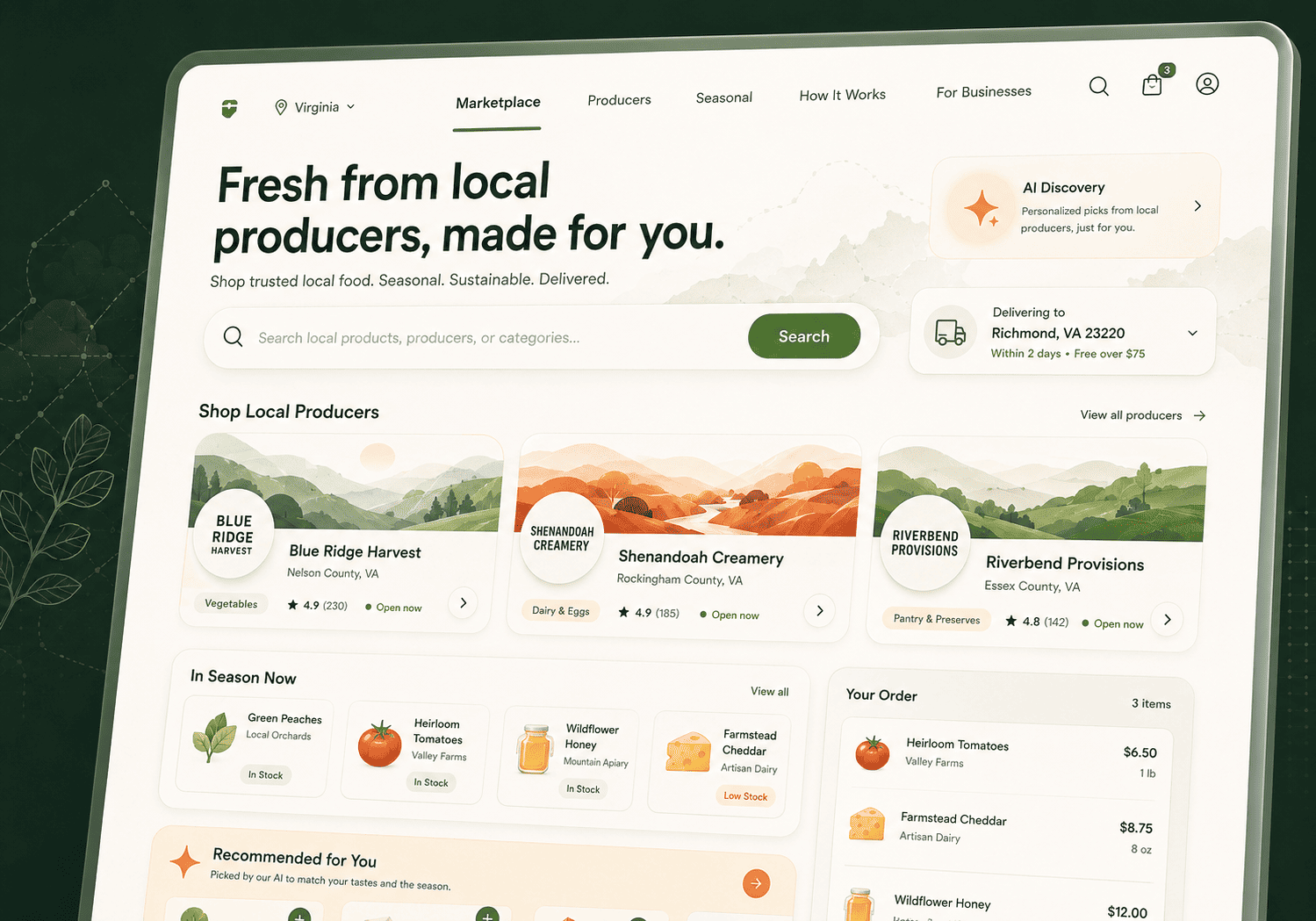
Digital Marketplace for Virginia Farmers, Local Producers & Direct-to-Consumer Food Sales

Plavno developed a custom multi-vendor marketplace for Virginia-based farmers, food producers, and regional sellers to unify product listings, vendor operations, customer ordering, and local fulfillment workflows.

Read More
3x

increase in product discovery relevance

Digital Marketplace for Virginia Farmers, Local Producers & Direct-to-Consumer Food Sales

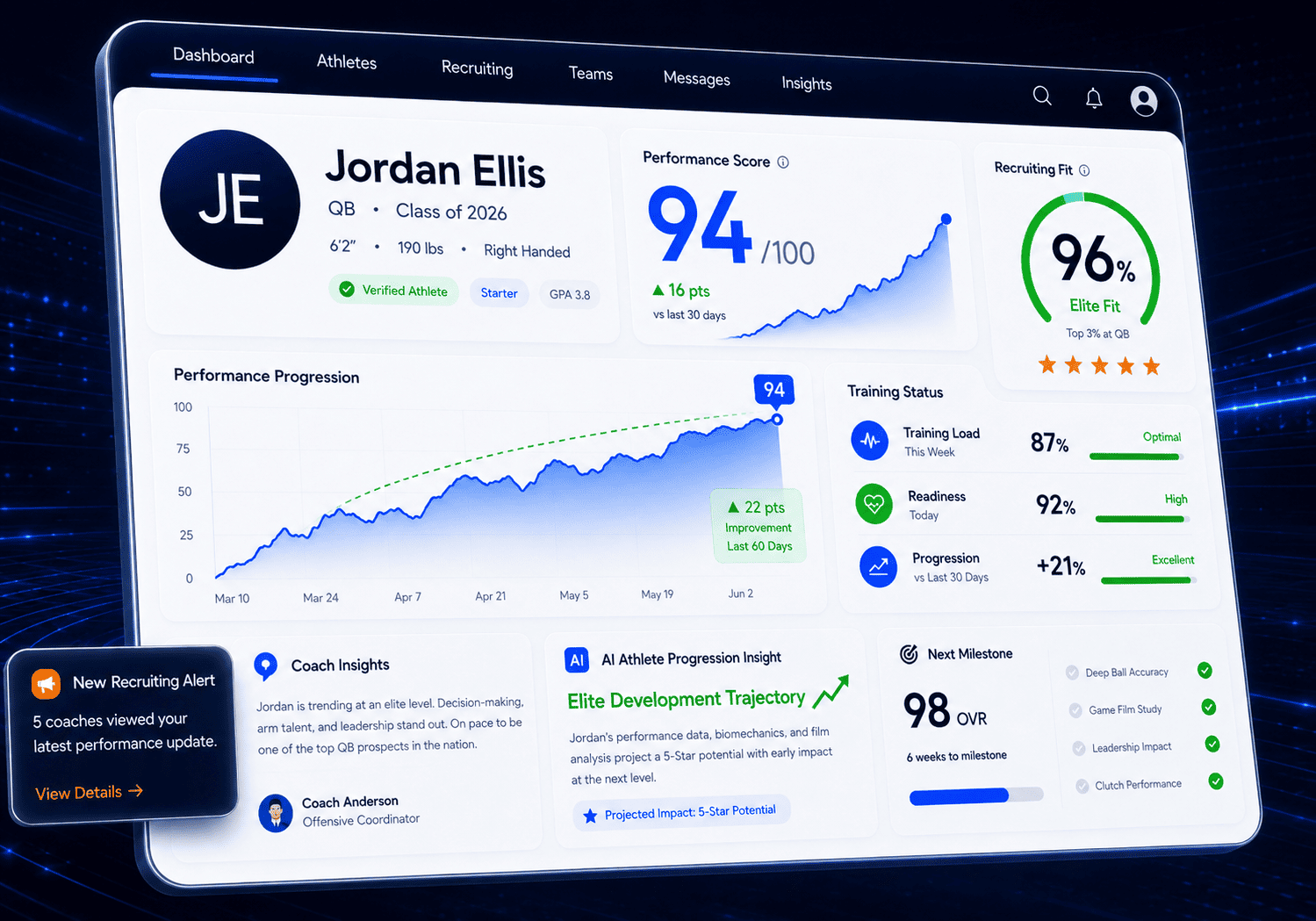
AI-Powered Sports Performance & Recruiting Platform for Virginia Clubs, Academies & Youth Programs

Plavno developed a custom sports technology platform for Virginia-based clubs and academies to combine athlete performance tracking, coach communication, recruiting workflows, and mobile engagement in one ecosystem.

Read More
3x

faster recruiting pipeline

AI-Powered Sports Performance & Recruiting Platform for Virginia Clubs, Academies & Youth Programs

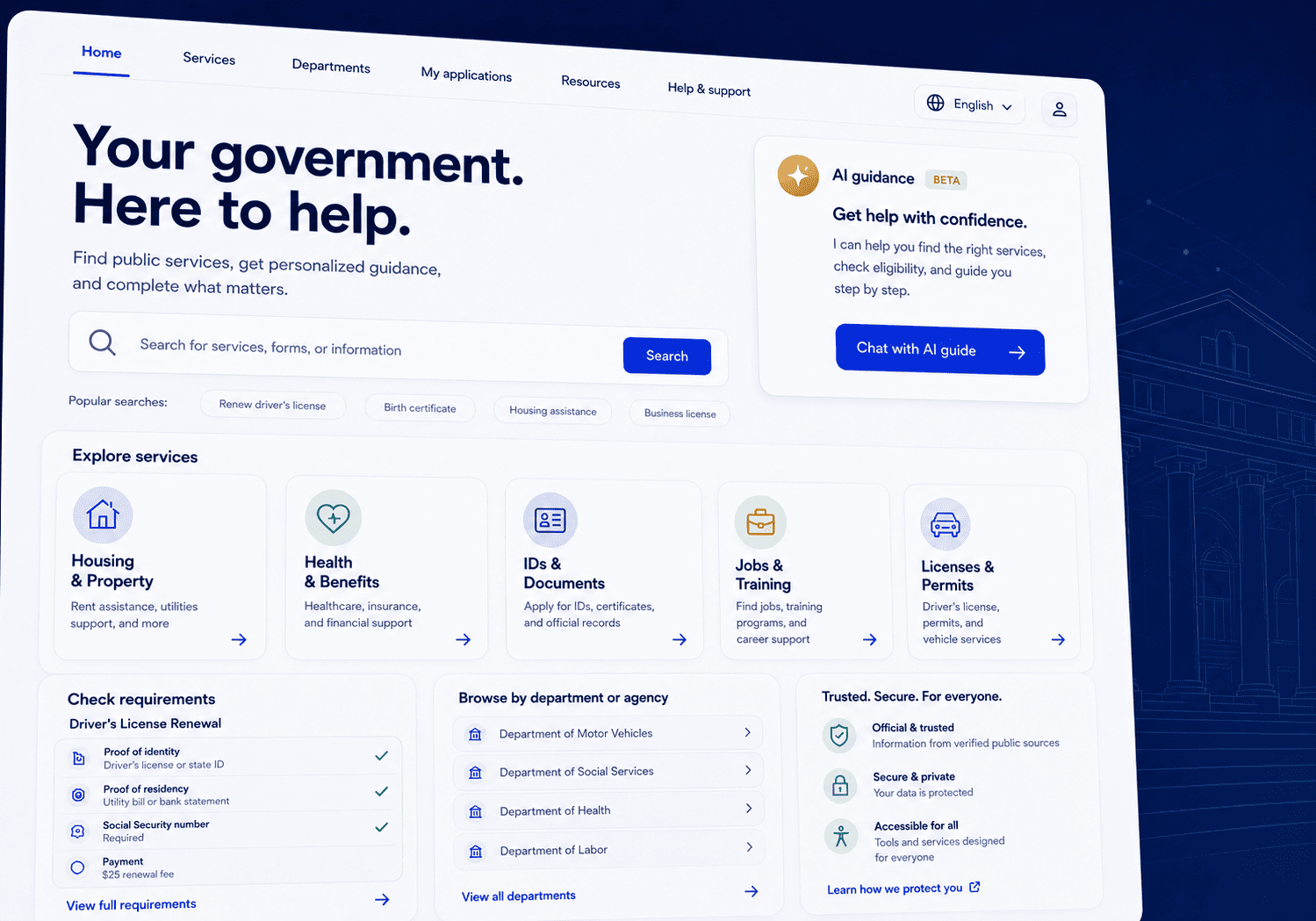
AI-Powered Citizen Services Website Platform for Virginia State Agencies

Plavno developed a modern eGovernment website platform for Virginia state agencies that centralizes citizen services, public information, department content, and an AI-powered guidance agent in one scalable system.

Read More
70%

reduction in routine citizen inquiries to agency staff

AI-Powered Citizen Services Website Platform for Virginia State Agencies

AI Agents Solutions for Blacksburg Industries

Regional workloads where agents cut cost first

Use cases mapped to the Virginia Tech corridor economy, from campus research to Roanoke operations and New River Valley services.

Telecom Ops

Telecom Ops

Alert briefs

Telecom and network operations

Regional carriers and MSPs drown in alerts that need context before action. Our AI analytics agent for telecom shows how insight automation reduces time spent stitching KPIs by hand. Agents pull operational streams, annotate anomalies, and draft operator-ready briefs. A typical ROI target is reclaiming one full analyst day per week per site once briefings stabilize. Technically the agent runs scheduled tasks against approved data views with deterministic output schemas. Escalations fire only when confidence or data freshness fails policy.

Municipal Services

Municipal Services

Case routing

Public and municipal digital services

Town and county digital teams near Blacksburg still juggle bilingual content, PDF packets, and scattered form backends. Agents can pre-screen submissions and route complete cases using patterns proven in our self-hosted public services portal. Structured Strapi content plus secure forms give the agent clean inputs instead of free-form noise. Static generation with Next.js keeps public pages fast under surge. Business result is fewer incomplete tickets and shorter citizen wait times. ROI is measured in staff hours saved per hundred submissions.

Research Admin

Research Admin

Grant packets

Higher education and research admin

Departments around Virginia Tech face grant cycles, IRB packets, and multiple document stores. Agents extract required fields, check checklists, and assemble draft packets for staff review. Human sign-off remains mandatory on filings. The gain is fewer late corrections and less last-mile panic before deadlines. Integration stays inside campus-approved storage. Cost control uses cheaper models for extraction and stronger models only for synthesis steps.

Manufacturing Floors

Manufacturing Floors

Schedule flags

Manufacturing and distribution floors

Plants serving the Roanoke and Christiansburg corridor still update schedules from emails and spreadsheets. Agents read ERP exports, flag missing parts signals, and propose reschedule actions. Writes stay gated until supervisors accept. Cut manual status meetings each morning is a common first win. Tool adapters isolate legacy ERP quirks so agent code stays clean. Latency budgets favor local queues when plant networks are busy.

Retail Ecommerce

Retail Ecommerce

Catalog checks

Retail and specialty ecommerce ops

Specialty retailers lose margin on catalog errors and slow support replies. Agents validate attributes against source sheets and draft accurate answers tied to live inventory. Our pets supply storefront work underlines why catalog integrity and checkout stability must come first. Agents never invent product claims. They quote only fields that pass validation. ROI shows up as fewer returns tied to wrong descriptions and faster first responses.

Healthcare Admin

Healthcare Admin

Packet prep

Healthcare administration support

Clinics serving the New River Valley bury staff under eligibility checks and appointment prep notes. Agents gather structured facts from approved systems and prepare packets for coordinators. Protected health data never enters uncontrolled prompts. Redaction and access logs sit at every hop. Result is shorter admin queues without adding headcount. Measurement tracks packet completeness rates before staff open the case.

Testimonials

We are trusted by our customers

“They really understand what we need. They’re very professional.”

The 3D configurator has received positive feedback from customers. Moreover, it has generated 30% more business and increased leads significantly, giving the client confidence for the future. Overall, Plavno has led the project seamlessly. Customers can expect a responsible, well-organized partner.

Sergio Artimenia

Commercial Director, RNDpoint

Sergio Artimenia

“We appreciated the impactful contributions of Plavno.”

Plavno's efforts in addressing challenges and implementing effective solutions have played a crucial role in the success of T-Rize. The outcomes achieved have exceeded expectations, revolutionizing the investment sector and ensuring universal access to financial opportunities

Thien Duy Tran

Product Manager, T-Rize Group

Thien Duy Tran

“We are very satisfied with their excellent work”

Through the partnership with Plavno, we built a system used by more than 40 million connected channels. Throughout the engagement, the team was communicative and quick in responding to our concerns. Overall, we were highly satisfied with the results of collaboration.

Michael Bychenok

CEO, MediaCube

Michael Bychenok

“They have a clear understanding of what the end user needs.”

Plavno's codes and designs are user-friendly, and they complete all deliverables within the deadline. They are easy to work with and easily adapt to existing workflows, and the client values their professionalism and expertise. Overall, the team has delivered everything that was promised.

Helen Lonskaya

Head of Growth, Codabrasoft LLC

Helen Lonskaya

“The app was delivered on time without any serious issues.”

The MVP app developed by Plavno is excellent and has all the functionality required. Plavno has delivered on time and ensured a successful execution via regular updates and fast problem-solving. The client is so satisfied with Plavno's work that they'll work with them on developing the full app.

Mitya Smusin

Founder, 24hour.dev

Mitya Smusin

Architecture & Engineering Overview

Engineering choices that keep Blacksburg agents honest in 2026

Hours returned

Hours returned

Baselines before launch; weekly time & tickets avoided

Scoped write risk

Scoped write risk

No broad tokens; irreversible steps behind approval gates

Trace-ready audits

Trace-ready audits

Root-cause logs legal & insurance teams can file

Evidence-based expand

Evidence-based expand

Four stable weeks before next workflow funding

For Business: Technical ROI & Risk Mitigation

Leaders fund agents when hours return and error rates drop, not when demos impress. We tie every technical decision to a recoverable cost center and a named risk owner. The telecom analytics agent path is the pattern: automate the insight grind first, then expand tool rights only after quality holds. You see baselines before launch. Weekly reviews show time returned, tickets avoided, and token spend against budget.

Risk drops when agents cannot surprise finance or compliance. Scoped write permissions mean a bad day cannot mass-update records. Approval gates cover irreversible actions so reputation damage stays unlikely. Trace logs make root cause reviews short enough for busy Blackburg managers. Insurance and legal teams get artifacts they can file rather than anecdotes.

Performance gains come from removing handoffs, not from faster typing. A completed packet reaching the right queue in minutes beats a same-day human chain. Cost savings appear when lower-tier models handle extraction while premium calls stay rare. We refuse vanity metrics that ignore review time. Project gates stay killable mid-stream if proof does not arrive.

Local firms often underestimate the cost of halfway automation that still needs constant babysitting. We design for operator trust so people only open exceptions. That trust compounds. Teams expand agent scope only after four consecutive stable weeks. Funding the next workflow then becomes an evidence decision rather than a hope decision.

Planner-executor split

Planner-executor split

Durable task state; frozen interfaces & success metrics at discovery

Versioned tool contracts

Versioned tool contracts

Models as replaceable providers behind shared I/O schemas

Queues & feature flags

Queues & feature flags

Sync under 2s; long jobs queued; flags on tools & temperature

Named ownership maps

Named ownership maps

Cost alerts, provider risk & tool uptime owners with SLOs

For CTOs: Architecture & Technical Lifecycle

Lifecycle discipline starts before the first prompt. Discovery freezes interfaces and success metrics so engineers do not invent scope during sprints. Architecture favors a planner-executor split with durable task state. Tools are versioned contracts. Models are replaceable providers behind the same schemas. Governance lands as pull requests against policy and adapter code, not chat thread edits in production.

Trade-offs stay explicit. Synchronous tools stay reserved for under-two-second lookups. Long jobs enroll on queues with live progress. When campus or plant networks are uneven we prefer eventual completion over fragile long sockets. Multi-tenant share of a runtime only happens after hard isolation of secrets and logs. Feature flags control both tools and model temperature bands.

Decision points include when to keep human gates and when to auto-close. Early phases keep gates high. They loosen only when precision and recall hold under real traffic. Promotion paths move policy packs through staging that mirrors production data volume. Change windows respect regional blackouts for manufacturers that freeze systems mid-shift.

Handoff includes ownership maps. Who owns cost alerts. Who owns model provider risk. Who owns tool uptime for each external system. Without those names the architecture decays. We treat agent systems as products with roads maps, SLOs, and deprecation rules rather than perpetual experiments inside one team.

Schemas & adapters

Schemas & adapters

Short testable prompts; system carried by contracts

State machines

State machines

Retries, dead-letters, idempotent write keys on races

Tiered model choice

Tiered model choice

Cheap extraction JSON; strong models only for branching

Border observability

Border observability

Correlation IDs, token tags, golden prompt regression

For Engineers: Implementation Details & Stack

Implementation prefers boring reliability. Schemas and adapters carry the system while prompts stay short and testable. We model tasks as state machines with retries and dead-letter paths. Retrieval sits outside the model so index strategy can change independently. For content-heavy agents we reuse lessons from Strapi structured types and Next.js front ends that already validated content shape before any automation exists.

Model choice tracks job type. Extraction uses smaller cheaper models with tight JSON schemas. Planning uses stronger models only when branching depth justifies spend. Tool calls include timeouts and circuit breakers. We normalize vendor errors so operators see one vocabulary. Unit tests cover adapters with recorded fixtures rather than live third parties during CI.

Edge cases dominate quality. Partial records, stale caches, and dual-write races get first-class tests. Idempotent write keys stop double posts when networks retry. For ecommerce style catalogs we keep the agent read-first and only mutate after validation, the same discipline a stable storefront needs. Prompt regression suites pin golden examples from real traces.

Observability hooks sit on every tool border. Traces carry correlation IDs into your APM. Token meters attach to tenant and workflow tags. When drift appears, sample waterfalls open without digging cloud logs by hand. Hotfixes ship as selector switches, never as unreviewed prompt edits hard-coded on a laptop.

Least-privilege vaults

Least-privilege vaults

Short-lived tool tokens; redaction before analytics sinks

Trust & budget metrics

Trust & budget metrics

Tool errors, p95 latency, overrides, cost per task

Canary on your cloud

Canary on your cloud

Containers, IaC, blue-green; task-store & policy backups

Continuous compliance

Continuous compliance

Access reviews, data-flow diagrams, quarterly rights reset

Infrastructure, Observability & Security

US client deployments expect clear residency and access stories. We design for private networks, least privilege, and proof-ready audit trails from sprint one. Secrets live in managed vaults rotated on schedules. Agents fetch short-lived tokens per tool. Logging redacts fields classified as personal or sensitive before anything fans out to analytics sinks. Where HIPAA-like handling is required we keep protected data inside approved systems and only send labels or hashed keys to the model path.

Monitoring focuses on facts that change budget and trust. We watch tool error rates, p95 latency, completion mix, human override frequency, and cost per successful task. Drift detection samples inputs and scores output structure against baselines. Alerts page the owning squad with context packages, not bare graphs. Incident response scripts freeze risky tools first, then diagnose.

Deployment paths favorcontainers on your cloud account when isolation needs are high. Regional teams near Roanoke and Blacksburg can keep staging close. Blue-green or canary releases protect peak hours. Infrastructure as code keeps drift low across environments. Backups cover task stores and policy packs, not just app code.

Compliance artifacts are produced continuously. Access reviews, change logs, and data flow diagrams stay current. SOC2-minded controls map to equivalent agent controls without pretending a new logo alone solves trust. After launch, quarterly cost and security reviews reset full tool rights so unused power does not accumulate.

Eugene Katovich

Eugene Katovich

Sales Manager

Need a custom software solution? We’re ready to help!

Plavno has a team of skilled developers ready to tackle the project. Ask me!

Get a Free Quote

Autonomy ramp

A maturity ramp from assisted work to autonomous runs

Not a second delivery plan. A capability ladder that decides when human gates can safely drop after launch.

Clipboard
Team
01

Step 1: Assisted drafting (weeks 1–3 live)

Agents propose outputs while staff click accept or rewrite. Every override becomes training gold. Metrics track edit distance and reason codes. Teams in Blacksburg learn the cues that break quality without risking live writes. Timeline covers the first three live weeks so habits form with guidance.

02

Step 2: Conditional autonomy (weeks 4–8)

Low-risk paths execute end to end when confidence and data freshness pass. High-risk paths still stop for people. Dashboards show the share closed without touch. Policy packs tighten or loosen per workflow rather than globally. Clients see weekly cost and accuracy graphs before expanding rights.

Search in doc
Rocket
03

Step 3: Multi-agent handoffs (weeks 8–12)

Specialist agents own retrieval, validation, and action while a supervisor agent sequences them. Failures bounce with full context packages. Cross-team queues in CRC multipartner setups stay clean. This phase only opens after conditional autonomy stays green. Deliverable includes updated ownership maps.

04

Step 4: Continuous control (ongoing)

Monthly drifts tests, cost caps, and tool access reviews become standard ops. New tools enter behind flags. Deprecated adapters leave on a schedule. Regional leadership gets a short board page of stable KPIs. Autonomy grows only when those KPIs hold for a full month each time.

Readiness gate

Confirm data and access readiness before kickoff

  • Name the source systems — List every system the agent must read or write with environment URLs. Include owners and change windows for each. Blacksburg and Roanoke sites often differ in versions. Confirm sandbox credentials exist today. Note known schema quirks. Without this list the first sprint burns on discovery alone.

  • Define gold tasks — Export twenty real completed examples of the target workflow with inputs and final outcomes. Strip secrets first. These cases drive evaluation and regression suites. Include ugly failures, not only clean wins. Mark which fields are mandatory. Teams that skip this step argue about quality in the dark.

  • Draw permission fences — Decide which actions may never auto-run. Map roles who approve money movement, public posts, or bulk updates. Align with legal for Virginia data rules if personal data is in scope. Document SSO paths and break-glass access. Publish this fence in writing before tools ship credentials.

  • Set spend ceilings — Agree monthly token and API budgets with hard kill thresholds. Separate pilot spend from production spend. Bail out paths must dump half-finished tasks safely. Decide who gets the alert after hours. Cost surprises kill trust faster than slow dashboards.

  • Choose operators — Name the people who will read traces and adjust policies after go-live. Give them hours in their schedule, not side duties only. Train them on override logging. Plan a backup when primary owners travel. Continuity is part of launch readiness, not a postscript.

Vitaly Kovalev

Vitaly Kovalev

Sales Manager

Get a Blacksburg agent readiness score

Share budget, timeline, stack, and dataset scope for a free readiness audit pack. The pack includes a scored checklist and a first-workflow cost estimator built for Blacksburg businesses.

Talk to Experts

Common questions

AI agents in Blacksburg: practical answers for 2026

Straight answers on cost, timelines, data, quality, security, and operations for teams ready to build for real.

What drives the cost of custom AI agents for a Blacksburg company?

Cost follows workflow depth more than model brand names. Reading three systems and writing to one with heavy human gates costs less than multi-write orchestration across ERP and CRM. Token spend is only one line. Adapter build time, evaluation harnesses, and observability usually outweigh the model bill during the first quarter. Local factors also matter. Secure access into campus-adjacent networks or plant floors can add networking and compliance review hours.

We price discovery as a fixed phase so you see a complete blueprint before larger engineering starts. Pilot scope should target one high-frequency job with clear money attached. That might be nightly insight briefs or form pre-screening. Expanding tools later is cheaper than starting wide. Virginia market rates for senior engineers are competitive with larger metro areas when remote US staffing is allowed, yet on-site workshops near the CRC still help early alignment.

Hidden costs appear when data is messy. Cleaning mappings and fixing duplicate entity IDs can double delivery time if ignored. Budget a presence for data owners. Post-launch, cost control needs hard ceilings and batch windows. Teams that skip ceilings often force freezes after a noisy week. Ask every vendor for a model of steady-state monthly spend with volume assumptions you can challenge. Demand a kill switch for runaway tools. Those two points protect finance more than discount promises.

How long does it take to build AI Agents software?

A useful MVP agent for one workflow commonly lands in six to ten weeks when systems are reachable. That window covers audit, skeleton, hardening, and first cohorts. Full multi-workflow deployment with multi-agent handoffs can stretch across a quarter after the first success. The difference is not just code. Operators need time to trust assisted mode before autonomy expands. Timeline slips usually start with credential delays rather than model issues.

MVP means finishing the same job peopledéjà do, with traces and a fail path. It does not mean broad creative chat. We keep human gates high early so quality failures stay recoverable. Once metrics hold for several weeks, conditional autonomy opens. That hierarchy is why two steps of the maturity ramp exist after launch rather than inside the build plan alone.

Complex integrations at plants near Roanoke or multi-tenant research portals near Virginia Tech need extra staging realism. Mirror volumes. Mirror failure modes. Plan forgiveness for change freezes that regional IT groups enforce. If your stack includes legacy exports only, adapters take more calendar time than modern APIs. Share that market truth with executives so dates stay honest. Parallel work streams help when content structure and agent runtime can advance without blocking each other, a pattern we used when static generation and CMS goals shared a release train on the public services portal.

What data do you need before starting an AI agent project?

You need system maps, real gold tasks, and clear field dictionaries more than giant unlabeled dumps. Start with twenty complete examples of the job done correctly and twenty messy cases. Include timestamps, source identifiers, and final outcomes. Provide schema docs or sample payloads for each API. Note rate limits. Identify personally identifiable fields so redaction rules exist before samples enter any external model path.

Staging credentials with production-like shape matter more than production write access at kickoff. Read-only arrives first. Write access waits behind checks and feature flags. If data lives across campus research storage and commercial SaaS, mark the boundaries. Ownership conflicts must clear early. Data quality problems surface fast when agents demand deterministic fields rather than prose notes buried in tickets.

Do not wait for perfect warehouses. Many Blacksburg teams only have operational databases and spreadsheet exports. That still works if contracts are explicit. Our telecom analytics path started from operational datasets with enough structure to support scheduled insight jobs. Your team should flag known null patterns and duplicate keys. Plan privacy reviews for any multi-state US clients before samples leave Virginia systems. The more concrete the samples, the shorter the argument later about whether quality is good enough to drop a human gate.

How do you evaluate quality for intelligent agents?

Quality is measured as business completion statistics plus review metrics, never as chat flair. We track task success rate, human override rate, edit distance on drafts, policy violation counts, and cost per success. Precision and recall style scores apply when the task classifies or extracts. Structured outputs make automatic scoring possible. Free text alone is a weak bar.

Evaluation uses the gold set from kickoff and a live sample stream after launch. Regression suites fail a deploy when critical golden cases break. Drift monitors watch input mix shifting outside known ranges. If support tickets start looking unlike training history, alerts fire before you notice in meetings. For insight agents we compare brief completeness to analyst baselines rather than hire subjective style judges alone.

Local stakeholders should join weekly review for the first month. Their overrides teach the system which exceptions merit permanent policy. Quality that looks fine in a lab can collapse when Roanoke sites use optional fields differently from Blacksburg HQ. Multisite sampling prevents fake confidence. When a vendor shows only cherry-picked transcripts, walk away. Demand a scorecard with baselines, time windows, and owners. Continuous evaluation is part of operations cost, not free magic after delivery.

How do you handle security and compliance for agents in Virginia?

Security design starts with least privilege and auditable action logs. Agents receive short-lived scoped tokens for each tool. Broad admin keys are banned. Protected or personal data is redacted or kept inside source systems whenever possible. We document data flows for counsel and security reviewers before production writes open. Identity connects to existing SSO when available so access reviews stay unified.

Compliance posture follows the client industry. Healthcare adjacent work inherits HIPAA-minded handling for PHI. Public services work inherits structured form security similar to our self-hosted portal delivery. Financial steps always keep dual control. Virginia clients often care about residency stories for US student or citizen data. We can host entirely within client cloud accounts when policy requires isolation. Logs remain searchable for incident teams without dumping secrets into third party debug tools.

Threat models include prompt injection through untrusted content, tool abuse from overly wide scopes, and cost abuse via loops. Mitigations include allowlists, hard budgets, sanity checks on write volumes, and circuit breakers. Penetration and abuse testing belong in the schedule before autonomy expansion. Incident scripts freeze risky tools first. Post-incident reviews update policy packs through the same PR process as application code so fixes leave lasting marks.

Contact Us

This is what will happen, after you submit form

Need a custom consultation? Ask me!

Plavno has a team of experts ready to start your project. Ask us!

Vitaly Kovalev

Vitaly Kovalev

Sales Manager

Schedule a call

Get in touch

Fill in your details below or find us using these contacts. Let us know how we can help.

Required because you selected “Other” above

No more than 3 files may be attached up to 3MB each.
Formats: doc, docx, pdf, ppt, pptx, xls, xlsx, txt.
Book your meeting