bg image
bg image

Serving Arlington & Virginia

Cut manual intake load for Arlington contractors before 2026 stalls growth

Arlington operators still burn hours on status chasing, form triage, and handoffs between tools. That drag hits bid velocity and staff retention. We build AI agents that own repeatable work so your people handle exceptions only. This is for government contractors, federal program teams, and mid-market firms near Rosslyn and Crystal City. You keep control of data, policy, and approvals. Cost and scope stay explicit from week one. Get AI Agents Development cost estimate in 24 hours.

Discuss Project

Overview

Why Arlington still pays for work agents should own

Arlington sits next to federal decision centers, yet many contractors still move cases by inbox and spreadsheet. Teams in Rosslyn, Clarendon, Ballston, and Crystal City face the same pattern. Volume rises faster than headcount. New staff learn brittle procedures. Errors show up only after review. That cycle raises bid risk and slows delivery for agencies that already demand speed.

Trusted AI Agents Development Partner for Arlington Businesses means we focus on operational load, not demos. We work with US-based clients, including companies operating in Virginia. Our work on a self-hosted public services portal showed how structured service pages and secure form workflows remove guesswork from citizen intake. The same discipline applies when agents open tickets, fill required fields, and route exceptions to humans. Outcomes stay measurable against baseline cycle time and rework rate.

Local firms often try chatbots first and stop there. Chatbots answer questions. Agents act inside systems with guardrails. That difference matters for compliance reviews and for finance teams tracking labor. We treat ai agent development services as production software with ownership, logs, and rollback paths. AI agents become another deployable unit next to APIs and UIs your staff already trust.

Nearby markets in Alexandria and Falls Church share the same contractor density and clearance culture. Competition for experienced people stays high. Automating routine judgment lets seniors coach instead of reconcile fields. We keep scope tied to one high-friction path first so value appears before polyglot ambitions expand the tool pile. Ten-plus related delivery efforts across the US market keep our methods grounded in shipped systems rather than slide decks.

Talk to an Expert
Intake Agents

Intake & triage

Agents fill fields, flag missing evidence, route exceptions before humans open the case

Guardrails

Policy guardrails

Hard stops on confidence, money, legal, and privacy boundaries inside existing systems

Deployable Agents

Production agents

Deployable units with ownership, structured logs, and rollback—not chatbot demos

Measurable Outcomes

Baseline metrics

Outcomes tied to cycle time and rework rate finance can verify before spend ramps

Runtime, tools, guardrails

Agent runtimes Arlington teams can audit in production

Clients in Arlington need agents that call existing systems without inventing a shadow ERP. We design a control plane that plans steps, chooses tools, and stops when policy or confidence fails. The agent writes structured artifacts so reviewers see reason chains without mining free text. That design cuts dispute time during audits. It also keeps unit costs legible when usage scales across programs.

Core architecture starts with a task graph rather than a single prompt. Each node owns inputs, tools, and success checks. Tools map to APIs, queues, or secure document stores your teams already run. We favor explicit schemas so downstream systems never parse prose. For content-heavy portals we previously used Strapi as a headless CMS because editors needed structured service pages without redeploying front ends. Nesting agent outputs into the same structured model prevents orphan data after launch.

On the delivery path we pair Next.js when operator consoles or public entry points need static generation and fast bilingual content. That choice reduces hosting variance and keeps public surfaces cacheable. Private agent workers sit behind authenticated services with least privilege. Security/compliance work covers access scopes, secret rotation, and redaction on logs. Federal-adjacent clients expect evidence packs. We generate them from the same tracing layer used for debugging.

DevOps treats agents like any other service. Environments mirror staging data shape. Feature flags gate new tools. Canary runs compare agent outputs to historical human decisions on sample batches. Failures alert on drift, not vanity accuracy scores. Cost controls pin model tiers per step so expensive reasoning never sits on high volume paths without a budget owner. We document who can approve tool expansion after go-live.

Grounded precedent matters. The digital public services portal used secure form workflows and structured pages so staff could trust intake. Agents inherit that same bias toward structure and secure handoff. Ecommerce experience from a pets supply storefront taught us catalog and checkout edge cases where partial automation hurts conversion. We apply that lesson when agents touch money or inventory-like records for Arlington clients who bill labor or manage materials.

plavno logo

Build your first
Smart AI project today!

Just tell the Plavno AI Agent about your project - it will ask questions, gather requirements, and propose a tailored solution

What ships

Capabilities Arlington contractors put in production first

Intake triage agents

Intake triage agents

Front-door volume clogs reviewer queues across Arlington program offices. An intake agent classifies requests, fills required fields, and flags missing evidence before a human opens the case. Teams recover hours previously spent chasing incomplete packets. We use schema validation plus document extractors because free-form chat misses required fields too often. Output lands in the ticket system your staff already open each morning. Exceptions route with a short rationale string so coaches can correct patterns fast.

Policy-aware research agents

Policy-aware research agents

Contractors near the Pentagon still spend days reconciling clauses across policy sets. Research agents gather sources, score relevance, and draft structured briefs for counsel. Humans remain the approvers. Retrieval stays limited to approved repositories so gossip data never enters the brief. We pick vector stores only when filterable metadata exists first. Ranking quality improves when labels come from your past winning packages rather than generic web text.

Workflow coordination agents

Workflow coordination agents

Handoffs between capture, delivery, and finance stall closeout in Virginia firms. Coordination agents nudge owners, open follow-up tasks, and summarize blockers for standups. The business win is fewer silent delays and cleaner status for leaders. Event triggers come from existing calendars and boards rather than a new portal. Kanban-friendly payloads keep PMs from rekeying the same update twice.

Secure data prep agents

Secure data prep agents

Bad fields poison any model that follows. Prep agents profile sources, normalize codes, and quarantine outliers before expensive runs. Arlington teams avoid surprise rework mid-pilot. We schedule batch jobs with clear SLAs so overnight windows do not collide with finance locks. Lineage records show which transform touched each row for later audit.

Operator copilots with hard stops

Operator copilots with hard stops

Senior staff need speed without silent mistakes on regulated work. Copilots draft actions yet require explicit confirmations at money, legal, or privacy boundaries. That design protects reputation while still cutting keystrokes. UI pattern is simple side panels on tools people already use. Telemetry logs both accept and reject rates so training material improves each month.

Maturity path

From manual queues to guided autonomy in Arlington

We raise autonomy only after each stage proves stable quality, cost, and operator trust on live traffic.

Clipboard
Team
01

Step 1: Shadow the baseline (2 weeks)

Map the process as it runs today with timers and error samples. Capture real artifacts from Arlington teams without changing behavior yet. Produce a baseline report clients can defend in internal reviews. Identify where judgment is rare versus mechanical. Agree on success metrics that finance will accept. Timeline stays fixed so discovery cannot stretch forever.

02

Step 2: Assisted drafts (2–4 weeks)

Agent drafts artifacts humans still approve end to end. Measure accept rate and edit distance on every output. Improve prompts and tools only from that evidence. Deliver a training pack for floor leads. Keep rollback simple when acceptance dips. Clients see productivity gains without eating full automation risk yet.

Search in doc
Rocket
03

Step 3: Conditional autonomy (3–5 weeks)

Allow auto-apply only on low-risk classes with hard policy stops. Expand classes after two stable weeks of metrics. Wire alerts when confidence or cost drifts. Hand clients a clear ownership matrix for each tool. Document incident playbooks before night shifts gain access. This stage usually unlocks the first visible cost reduction.

04

Step 4: Multi-agent ownership (ongoing)

Specialize agents per domain once shared contracts stabilize. Add supervisors that replan when tools fail. Revisit model tiers quarterly against budget. Publish a roadmap gated by data quality work. Keep humans on exception queues that still need judgment. Schedule reviews tied to fiscal calendars common in Virginia contracting.

Selection criteria

Why Arlington buyers pick deep engineering over generic AI shops

Agencies and primes need auditability, cost controls, and staff who can hand off cleanly. Appearance of speed without those traits creates technical debt.

Generic Agencies
Our Platform (Deep Engineering Expertise)
Structured tool contracts with schemas
checkmark
Baseline measurement before any model spend
checkmark
Human approval gates on regulated actions
checkmark
checkmark
Tracing retained for auditor replay
checkmark
Per-step model tier and cost budgets
checkmark
Slide-first demos without production path
checkmark
Handoff pack with runbooks and owners
checkmark

Case Study

We help customers cut
down on development

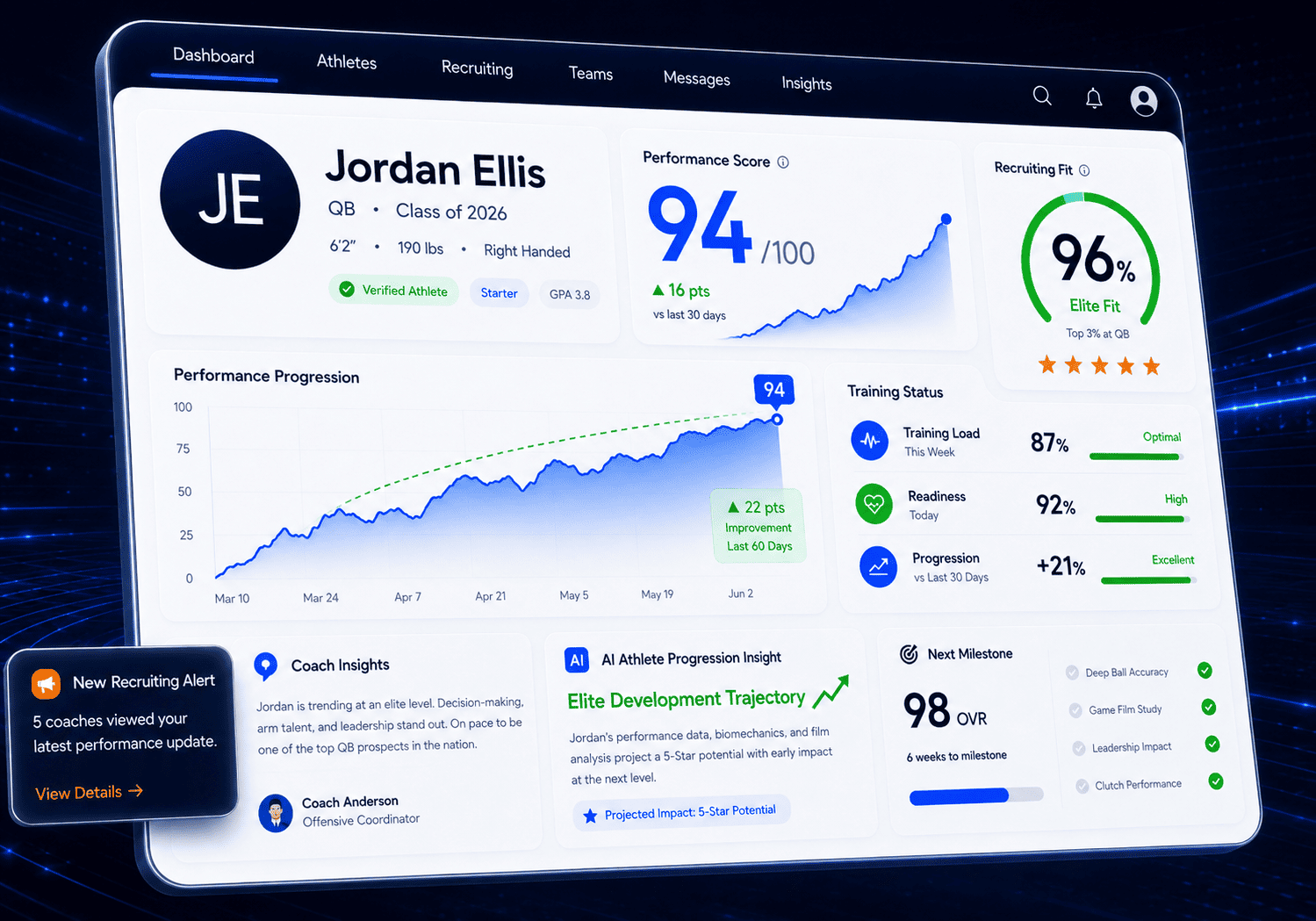
AI-Powered Sports Performance & Recruiting Platform for Virginia Clubs, Academies & Youth Programs

Plavno developed a custom sports technology platform for Virginia-based clubs and academies to combine athlete performance tracking, coach communication, recruiting workflows, and mobile engagement in one ecosystem.

Read More
3x

faster recruiting pipeline

AI-Powered Sports Performance & Recruiting Platform for Virginia Clubs, Academies & Youth Programs

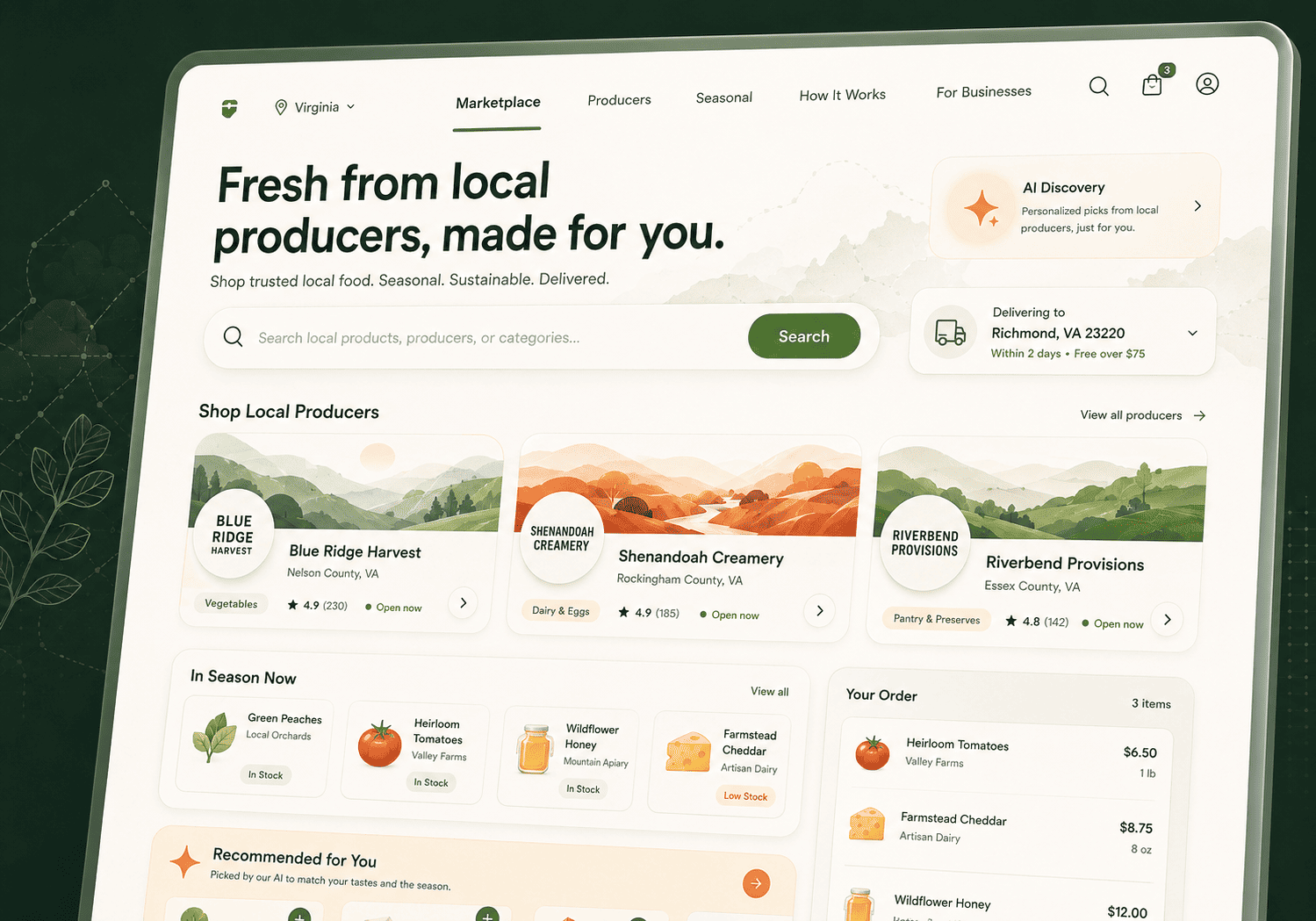
Digital Marketplace for Virginia Farmers, Local Producers & Direct-to-Consumer Food Sales

Plavno developed a custom multi-vendor marketplace for Virginia-based farmers, food producers, and regional sellers to unify product listings, vendor operations, customer ordering, and local fulfillment workflows.

Read More
3x

increase in product discovery relevance

Digital Marketplace for Virginia Farmers, Local Producers & Direct-to-Consumer Food Sales

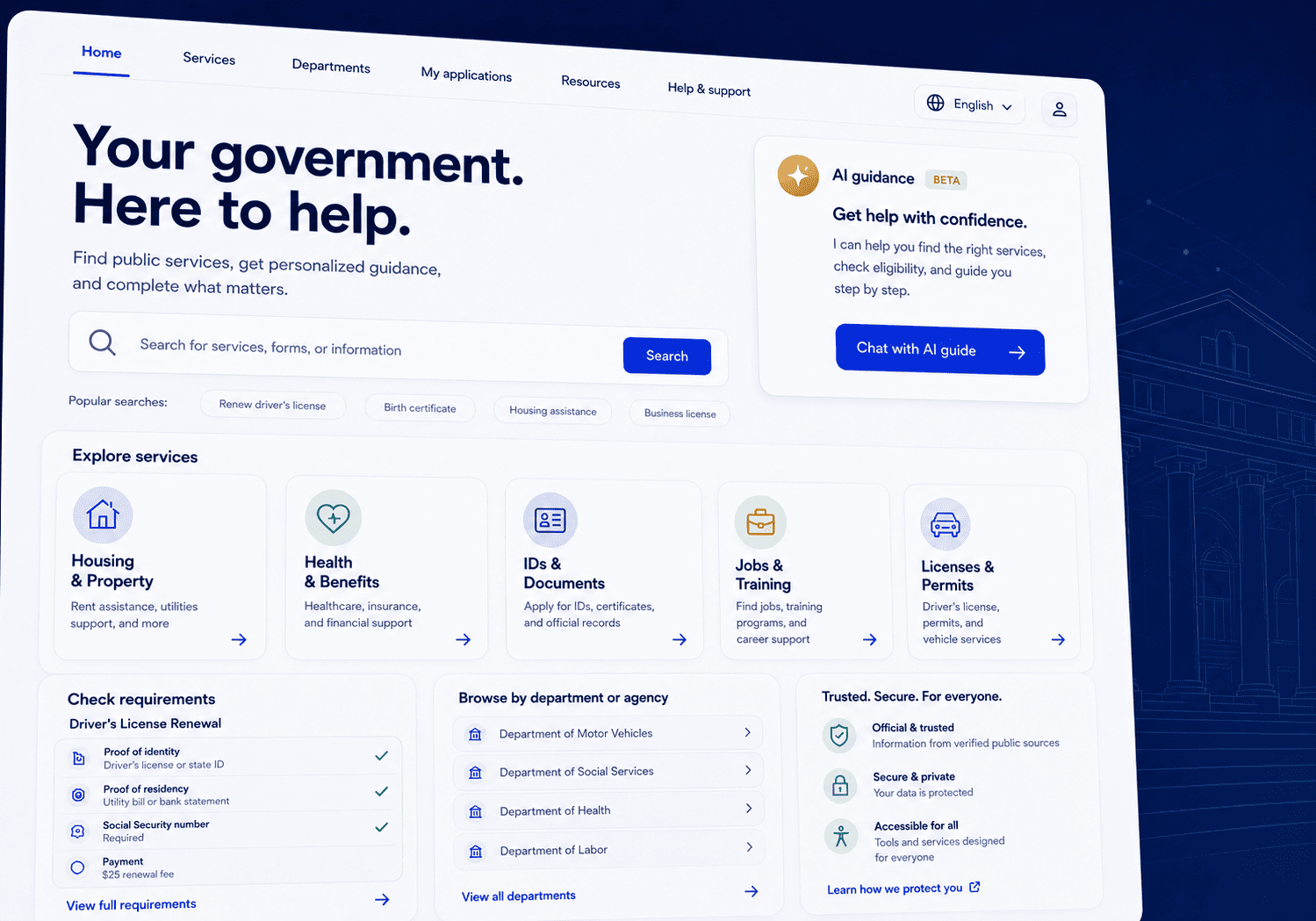
AI-Powered Citizen Services Website Platform for Virginia State Agencies

Plavno developed a modern eGovernment website platform for Virginia state agencies that centralizes citizen services, public information, department content, and an AI-powered guidance agent in one scalable system.

Read More
70%

reduction in routine citizen inquiries to agency staff

AI-Powered Citizen Services Website Platform for Virginia State Agencies

Testimonials

We are trusted by our customers

“They really understand what we need. They’re very professional.”

The 3D configurator has received positive feedback from customers. Moreover, it has generated 30% more business and increased leads significantly, giving the client confidence for the future. Overall, Plavno has led the project seamlessly. Customers can expect a responsible, well-organized partner.

Sergio Artimenia

Commercial Director, RNDpoint

Sergio Artimenia

“We appreciated the impactful contributions of Plavno.”

Plavno's efforts in addressing challenges and implementing effective solutions have played a crucial role in the success of T-Rize. The outcomes achieved have exceeded expectations, revolutionizing the investment sector and ensuring universal access to financial opportunities

Thien Duy Tran

Product Manager, T-Rize Group

Thien Duy Tran

“We are very satisfied with their excellent work”

Through the partnership with Plavno, we built a system used by more than 40 million connected channels. Throughout the engagement, the team was communicative and quick in responding to our concerns. Overall, we were highly satisfied with the results of collaboration.

Michael Bychenok

CEO, MediaCube

Michael Bychenok

“They have a clear understanding of what the end user needs.”

Plavno's codes and designs are user-friendly, and they complete all deliverables within the deadline. They are easy to work with and easily adapt to existing workflows, and the client values their professionalism and expertise. Overall, the team has delivered everything that was promised.

Helen Lonskaya

Head of Growth, Codabrasoft LLC

Helen Lonskaya

“The app was delivered on time without any serious issues.”

The MVP app developed by Plavno is excellent and has all the functionality required. Plavno has delivered on time and ensured a successful execution via regular updates and fast problem-solving. The client is so satisfied with Plavno's work that they'll work with them on developing the full app.

Mitya Smusin

Founder, 24hour.dev

Mitya Smusin

Architecture & Engineering Overview

How Arlington AI agent programs stay fundable after pilot week

Cycle Time

Wait time removed

Every design choice maps to cycle time, rework avoided, and senior review minutes returned

Hard Stops

Evidence hard stops

Agents halt on missing fields; draft-only modes keep humans accountable with a paper trail

Cost Tiers

Tiered model cost

Cheap classifiers first; expensive reasoning only on branches with quarterly budget windows

Operator Trust

Predictable trust

Start on worst backlogs, measure edit rates weekly, dashboards show hours without naming staff

For Business: Technical ROI & Risk Mitigation

Leaders near Crystal City fund agents to shrink cycle time and reduce quiet overtime. The wrong design turns into another seat license nobody trusts. We tie every design choice to wait time removed, rework avoided, and review minutes returned to senior staff. That framing survives budget reviews because Finance can verify the baseline before spend ramps.

Risk starts with incomplete cases entering production systems. Agents that forge ahead on missing fields create cleanup that costs more than the pain they remove. Hard stops on required evidence prevent that. Draft-only modes keep humans accountable while still removing typing load. Both modes leave a paper trail that protects prime and sub relationships during audits.

Cost risk appears when every step calls the largest model available. We place cheap classifiers first and reserve expensive reasoning for branching decisions. Package that as a budget window clients can adjust per quarter. Teams avoid surprises when tokens spike during bid season. Cost notes ship with the release candidate so no one discovers overruns after the invoice.

People risk sits on change fatigue. Floor staff ignore copilots that interrupt or hallucinate field codes. We start on queues with the worst backlog and measure edit rates weekly. Training is short and task-bound. Managers see dashboards that show saved hours without naming individuals. Trust compounds when the first three releases feel predictable.

We reference prior delivery patterns without inventing numbers. Structured service pages and secure forms on a public services portal proved that organized content reduces second-guessing. Catalog clarity from retail storefront work showed that incomplete metadata breaks automation. Those lessons translate directly into agent readiness checklists for Arlington operations.

1

Freeze metrics & owners

Kickoff locks success metrics and data owners before model keys hit any repo

2

Discovery & ADRs

Capability map, risk register, tool inventory, and architecture decision records for every path

3

Vertical slice builds

One workflow class end to end; fixtures replay bad cases; rollback commands non-specialists can run

4

Governance & handoff

Change boards, canary model upgrades, drift monitors, SLOs, and playbooks for day-two ownership

For CTOs: Architecture & Technical Lifecycle

CTOs need a lifecycle that survives reorgs and vendor churn. Our lifecycle separates decision contracts from model vendors so core logic does not vanish when a provider changes pricing. Kickoff freezes success metrics and data owners before any model keys hit a repo. That freeze stops hobby papers from leaking into the critical path.

Discovery produces a capability map, a risk register, and a tool inventory your identity team already understands. Architecture decision records lock why each integration path exists. Staging use production-shaped data under tighter rate limits. Security reviews gate any tool that writes to system of record fields. You leave phase one with a decision log, not a vibe.

Build cycles prefer vertical slices on one workflow class. Parallel agent experiments only open after the first class hits exit criteria. Code owners mirror your internal domain structure. Pull requests require fixtures that replay prior bad cases. That discipline keeps regressions visible. Release candidates include rollback commands that non-specialists can run under stress.

Governance continues after go-live. Change boards approve new tools with staff cost and privacy notes. Model upgrades follow canaries with automatic halt on quality drop. Drift monitors watch input distribution, not only labels. When vendors age out, adapter layers limit blast radius. The architecture assumes your requirements will move every fiscal year.

Handoff includes diagrams, operational SLOs, and on-call playbooks. Your team can own day-two work without our people on every pager. Optional retained capacity covers lulls when internal hiring lags. The lifecycle favors boring reliability over novelty that cannot pass a federal adjacent review.

Operator Surfaces

Operator surfaces · Next.js

Fast static generation and bilingual content; UI traffic stays separate from worker queues

Typed Workers

Typed workers & plans

Explicit tool interfaces, durable job state, structured plans before side effects, replayable traces

CMS Separation

Headless content · Strapi pattern

Structured briefs as editable records; agents decoupled from themes and form workflows

Adapters & Parsers

Adapters, budgets & fail-closed

Thin model clients with budget hooks; schema parsers fail closed; idempotency keys on ticket posts

For Engineers: Implementation Details & Stack

Engineers care about determinism under messy inputs. We implement agents as typed workers with explicit tool interfaces, durable job state, and replayable traces. Planning modules emit structured plans before side effects run. That split lets us unit test planners without hitting paid APIs on every commit. Fixtures carry redacted real cases from client staging where allowed.

When operator surfaces need rapid static generation, we reuse the Next.js pattern that supported public service portals. Editors keep structured content without waiting for full redeploy. Agent back ends stay separate so UI traffic never starves worker queues. For CMS shaped content, headless Strapi previously gave secure form workflows and bilingual fields without coupling agents to themes. We reuse that separation of concerns when agent briefs land as records editors can adjust.

Latency paths use caching on retrieval and memoization on repeated subplans inside a case. Idempotency keys protect double posts to ticket systems. Floor cases often include partial uploads and late attachments. Workers must tolerate late data without duplicating writes. Background reconcile jobs settle eventual counters after the main path responds.

We keep model clients behind thin adapters with budget hooks. Cirtex timers cut runaways. Output parsers fail closed when schemas break. Placeholder text never reaches production databases. Engineers prefer smaller models for routing and larger ones for multi-hop justification. Hot path profiling happens with production-like contention rather than empty labs.

Observability attaches correlation IDs across UI, API, and worker logs. When a reviewer rejects a draft, the event lands as training fuel with privacy scrubbing. Failure taxonomy separates tool outages from policy denials so alerts route correctly. Edge cases like bilingual field mixes or partial form submits already appeared on portal work and inform our fixture catalogs for Arlington builds.

Segmented Access

Segmented secrets & roles

Client clouds, private paths, least-privilege service accounts, short-lived credentials

Observability

Business-grade observability

Queue latency, tool errors, human rejects, token spend—not vanity accuracy pages

Compliance

Regime-mapped controls

SOC 2, HIPAA, PII minimization, US residency mapped to your attestations—not badges

Safe Deploy

Gated deploy & restore

Secret scans, feature flags, blue-green workers, job-state backups, monthly allowlist reviews

Infrastructure, Observability & Security

US clients expect people and process controls alongside code. We design infrastructure so secrets, models, and case data stay segmented with auditable access. Deployments land in client clouds or approved regional providers. Network paths use private connectivity when prime contracts require it. Least privilege roles map tool capabilities to service accounts with short lived credentials.

Observability tracks queue latency, tool error rates, human reject rates, token spend, and queue time outside policy gates. Winston-style vanity scores without business context do not page anyone. Dashboards open to ops and product owners with the same definitions. Incident response drills cover degraded model providers and poisoned retrieval sources. Runbooks specify who freezes autonomy and who informs stakeholders.

Compliance posture depends on client domain. Federal adjacent work often needs SOC 2 controls, strict logging retention, and PII minimization by design. Healthcare partners may require HIPAA controlled environments and BAAs. We never pretend one template covers all regimes. Controls map to your current attestations rather than marketing badges. Data residency stays inside approved US boundaries unless contracts state otherwise.

Deployment pipelines gate on automated tests, secret scans, and manual approval for production policy changes. Feature flags isolate new tools from general traffic. Blue-green worker pools let us drain jobs before cutting instance groups. Backups include job state and configuration, not only primary databases. Restore drills prove timelines before contract year starts.

Post-launch security work reviews tool allowlists monthly and rotates keys on schedule. Findings from form security patterns on public portals influence how we handle uploads and rate limits for agents. Continuous monitoring stays proportionate to risk class so small agent paths avoid enterprise tax they do not need.

Data paths & connectors

Integration patterns that keep Arlington systems of record intact

Second build focus is how agents read and write without creating parallel truth. Arlington clients already run case systems, finance tools, and identity providers. Agents must meet those systems where they live. We refuse shadow databases that diverge overnight. Connecting carefully also lowers the chance of silent spoilage when source schemas change.

Read paths prefer stable APIs or change feeds with checkpoints. When only exports exist, agents ingest into temporary staging with lineage columns. Staff can explain every field back to its source. Write paths always require explicit schemas and compensation steps if later stages fail. Partial success states remain visible. That write discipline came from ecommerce checkout paths where incomplete orders create expensive support load.

Identity sits first. Agents act under service principals mapped to scoped roles. User impersonation only appears when policy requires a human signature trail. Secrets never live in prompts. Configuration stores rotate values without redeploying workers. Logs redaction blocks free text dumps of credentials or sensitive case notes. These controls satisfy inquiries that generic demos skip.

Latency budgets steer design. High volume triage cannot wait on multi-hop networked calls for every token. We batch where safe and stream only when operators stare at a live session. Caching keys include tenant and policy version so stale rules never tip decisions. Failure modes degrade to human queues with context attached rather than empty error toasts. Operators keep moving when a connector hiccups.

We document connector ownership and SLAs. Shared catalogs list which system owns each entity. When a documentary style CMS backed secure forms and static pages in the public services portal, structured content was the glue. Agents inherit that glue instead of inventing free form dumps. The result is durable automation Arlington teams can hand to new hires without folklore.

Delivery sequence

How we ship the first Arlington agent without scope thrash

This sequence covers practical delivery from data readiness to steady operations, separate from the autonomy maturity model above.

Clipboard
Team
01

Step 1: Data & access readiness (1–2 weeks)

Confirm field quality, access grants, and retention rules before design freezes. Map PII classes with your counsel and security leads. Produce a gap list clients can fund or defer deliberately. Build sample fixtures that reflect messy real cases. Align environments so staging secrets never equal production. Timeline stays short to protect momentum into build.

02

Step 2: Vertical slice build (3–5 weeks)

Implement one workflow class end to end with interfaces production ready. Include UI confirmations where policy demands them. Run internal red team cases early. Share weekly demos with floor staff, not only sponsors. Capture change requests into a ranked backlog. Exit only when acceptance criteria hit agreed thresholds on holdout cases.

Search in doc
Rocket
03

Step 3: Controlled pilot (2–3 weeks)

Limit traffic by team or office to reduce blast radius. Compare agent outcomes to the human baseline under identical case mixes. Adjust prompts and tools from measured rejects. Train coaches on exception handling. Confirm cost meters with Finance before expansion. Publish a go or no-go memo with real numbers from the pilot window.

04

Step 4: Expand and stabilize (ongoing)

Open more traffic classes after steady metrics. Rotate ownership to internal engineers with pairing support. Schedule monthly quality and budget reviews. Keep a small backlog of tool improvements gated by impact. Maintain runbooks as living docs inside your systems. Plan adhesive capacity around bidding peaks common across Northern Virginia.

Eugene Katovich

Eugene Katovich

Sales Manager

Need a custom software solution? We’re ready to help!

Plavno has a team of skilled developers ready to tackle the project. Ask me!

Get a Free Quote

Before you buy

Vendor evaluation checklist for Arlington AI agent programs

  • Demand a baseline study plan — Insist the vendor measures current cycle time, error classes, and staffing mix before proposing models. Require written definitions for success that Finance can verify. Ask who owns data cleaning when gaps appear. Confirm fixtures use realistic incomplete cases. Reject proposals that skip quiet labor costs. Document that plan inside the SOW so it cannot evaporate after kickoff.

  • Inspect tool and permission design — Review how agents authenticate to systems of record and how least privilege is enforced. Demand proof that secrets never enter prompts. Ask for a matrix of write actions and required approvals. Confirm reverse paths when tools fail mid-run. Validate logging retains enough for your auditors. Prefer clients who map controls to your existing identity stack.

  • Score cost transparency — Require per-step model tiers and monthly spend caps with alerts. Ask how they prevent high volume paths from using premium models by accident. Confirm token estimates come from your real payloads, not marketing averages. Review what happens when a provider raises prices mid contract. Include kill switches that non-engineers can flip during spikes.

  • Verify day-two operations — Request runbooks, on-call expectations, and roll back steps. Check that monitoring covers reject rates and connector health, not only uptime. Ask who updates policies when your regulations change. Confirm knowledge transfer timelines if you later self operate. Ensure documentation lives in your warehouse of record.

  • Validate local delivery fit — Confirm experience with government contractor rhythms common around Arlington, Rosslyn, and Alexandria. Ask how they handle security reviews and evidence packs. Review communication cadence against your stem gates. Require named engineers, not a rotating anonymous bench. Check references for similar risk profiles rather than pure consumer chatbots.

Vitaly Kovalev

Vitaly Kovalev

Sales Manager

Get a readiness score for your workflow

Share budget range, timeline, current stack, and dataset scope. Receive an Arlington agent readiness audit with prioritized gaps and a fixed-scope estimate ladder.

Talk to Experts

Practical answers

AI agents questions from Arlington technical buyers

Straight responses on cost, time, data, quality, security, and post-launch care for Virginia teams.

What drives cost for AI agent development services in Arlington?

Cost follows workflow complexity, integration depth, and review rigor more than model brand names. Arlington government contractors often need extra evidence packs and role designs that consumer projects skip. Each system of record connector adds design and test time. Human approval gates add UI and audit work but reduce long-run cleanup. Phased autonomy keeps early spend focused on the worst queues first.

Labor mix matters. Senior engineers design contracts and safety stops. Mid-level engineers implement tools and fixtures. Domain experts label golden cases. If you expand classes early without stable metrics, retention work grows and burns budget. Holding the first release to one workflow class protects runway. Token spend is visible when we meter per step and publish weekly estimates during pilots.

Local market rates for cleared or public sector experienced staff sit higher than generic freelancing pools. We price written scopes with assumptions about data quality and access speed. Delays in credentialing or sample exports extend timelines. Clear ownership of those inputs lowers variance. Outdoor factors like bid seasons can raise change traffic and thus support hours after launch.

You receive options without theater. Build only assisted mode first if risk appetite is low. Add conditional autonomous classes later once reject rates stabilize. Each option shows engineering weeks, expected run costs, and what your team must staff. Honest range estimates beat single-number promises that ignore connector risk and compliance time.

How long does it take to build AI agents software for production use?

A narrow MVP that drafts and routes one high-volume class often lands in eight to twelve weeks when data access is ready. That window covers baseline measurement, vertical slice build, and a controlled pilot. Full multi-class deployment with hardened connectors and training usually stretches three to five months. Parallel security reviews can lengthen the path if they start late.

Timeline risks sit with data and identity more than model experiments. Incomplete field maps force rework. Waiting on VPN and role grants stalls staging. We front-load those dependencies because ideal calendars die there. Floor training windows must map to real staffing. Launching during peak bid weeks in Northern Virginia often harms adoption even when the software works.

MVP success means clones of human outcomes within agreed edit distance on holdout cases. It does not mean replacing whole departments. Expansion uses staged traffic with kill switches. You should expect instrumented comparison reports rather than anecdotes. Stabilization includes runbooks and internal ownership plans so knowledge does not vanish when the vendor team steps down capacity.

When clients already have structured APIs and clear SOPs, calendars shrink. When processes live only in people heads, discovery grows. We recommend documenting the invisible path before coding large planners. That investment returns as fewer late surprises. Aggressive timelines that skip baseline measurement usually create rewrites that cost more calendar than a paced plan.

What data do you need before starting AI agent work?

We need representative historical cases with outcomes, the field dictionary for systems agents will touch, and the policy rules humans already enforce. Sample volumes beat scrapbook notes. Export two to four weeks of traffic across quiet and peak days so code paths meet real variance. Mask or tokenize sensitive attributes before samples leave your network if legal requires it.

Access details matter as much as files. List environments, API limits, and who can approve write scopes. Provide schema versions and deprecation calendars. Identify fields that humans routinely leave blank yet still process. Those blanks often hide tribal knowledge that vans agents. If bilingual content appears, as it did on public service portals we built, include both languages in fixtures so parsers punch neither side.

Quality labels or reviewer comments accelerate training of reject predictors. Tickets alone hide why juniors reopen cases. Even small annotated sets guide evaluation. Document known failure modes such as mislabeled product codes from storefront style systems or incomplete form sets from citizen intake. Those edge cases belong in every regression suite before pilots widen.

If data is scattered, we start with readiness work rather than pretending capable of magic. Profiling agents can inventory gaps while you open access paths. Still, no ethical team trains production autonomy on noise. Expect a written data contract that names owners, refresh cadences, and retention. That contract keeps projects fundable when stakeholders rotate.

How do you evaluate quality of AI agents after launch?

Quality blends task success, human edit distance, policy compliance, and cost per completed case. We freeze definitions before pilot start so dashboards cannot across reargue meaning later. Holdout sets reserved from training show generalization. Shadow comparisons keep running even after autonomy rises on safe classes. Drop offs on any metric trigger investigation before traffic expands further.

Human reject reasons turn into structured tags. Tags feed weekly defect triages that decide whether to fix tools, prompts, data, or training. Without tags, teams argue anecdotes. Latency and tool error rates sit beside accuracy because slow correct answers can still fail SLA promises. Cost per case sits next to labor saved so Finance stays in the loop.

We avoid single fancy scores that hide class imbalance. Rare but critical errors receive higher weight if they damage compliance. Sampling strategies oversample risky categories. Reviewers rotate to reduce individual bias. Calibration sessions keep labels consistent as staff change. Exportable weekly packs support your internal audit committees without special software installs.

Evaluation continues as models and SOPs drift. New policy memos need fixtures. Vendor model updates need canaries. Seasonal case mix shifts need thresholds revisits. Post-launch success means the measurement mesh remains owned, funded, and annoying in the healthy way. Teams that stop measuring often learn of failure only from angry takes in escalations.

How do you handle compliance and security for Arlington government contractors?

Security starts with data classification and least privilege tool design. Agents receive only the scopes required for named actions. Secrets stay in proper vaults. Prompts never receive raw credentials. Write actions that change regulated records demand human confirmation or dual control depending on your policy. Logging retains enough evidence for auditor replay without holding excess personal data longer than allowed.

Environment separation keeps production case data out of freeform experiments. Staging mirrors structure with partial or synthetic values when full clones raise risk. Network controls follow your private connectivity and identity platform. If SOC 2 or similar controls frame your program, we map traces and change management to those requirements. Healthcare flows may need HIPAA aligned hosting and agreements. We do not invent shared badges where domains differ.

Code practices include dependency scanning, secret detection, and review gates before production. Feature flags isolate new tools until security signs off. Incident playbooks define how to freeze autonomy, notify stakeholders, and preserve forensic artifacts. Tabletop drills confirm staff know those paths before real incidents arrive. Evidence packs for external reviews generate from the same telemetry stack rather than last-minute screenshots.

Local contractor culture expects tidy paper trails and named owners. We document decisions and exceptions. Contractor supply chains often add flow-down clauses. Our designs leave room for those clauses without rewriting foundations later. Transparent Limites on model providers help when customer agencies ban certain sources. Hiding limits only creates crises during diligence.

Contact Us

This is what will happen, after you submit form

Need a custom consultation? Ask me!

Plavno has a team of experts ready to start your project. Ask us!

Vitaly Kovalev

Vitaly Kovalev

Sales Manager

Schedule a call

Get in touch

Fill in your details below or find us using these contacts. Let us know how we can help.

No more than 3 files may be attached up to 3MB each.
Formats: doc, docx, pdf, ppt, pptx, xls, xlsx, txt.
Send request