bg image
bg image

Serving Alexandria & Virginia

Cut back-office drag for Alexandria operators before 2026 budgets lock

Alexandria teams still burn staff hours on repeat research, status checks, and handoffs. Government contractors near the Beltway face tighter margins and audit pressure. AI agents take those loops and run them without constant supervision. You keep control of policy and data boundaries. Ops leaders see fewer tickets and faster cycle times. Growth-stage firms free analysts for higher-value work. Get AI Agents cost estimate in 24 hours. We scope budget, timeline, stack, and dataset before any build starts.

Discuss Project

Overview

Why Alexandria operators need agents that finish work

Alexandria sits between federal demand and commercial pressure. Contractors in Old Town, Crystal City corridors, and nearby Arlington chase awards while staff drown in status pulls and document checks. Manual loops slow bid responses and raise cost. Business owners with technical backgrounds already know chatbots do not close those gaps. They need ai agents that call tools, enforce policy, and hand back verified results.

Trusted AI Agents Partner for Alexandria Businesses. We work with US-based clients, including companies operating in Virginia. Local firms ask for agents that survive real production load, not demos. The same teams that run public-facing portals also need secure form workflows and structured service data. That is where autonomous execution starts to matter for Northern Virginia operators.

We ground builds in shipped work. An AI analytics agent for telecom operations already turns raw signals into automated insights. A self-hosted public services portal with structured pages and secure forms shows how governed content feeds agent tools. These patterns transfer to contractor capture, compliance packs, and field service desk work across Fairfax and Springfield offices.

Our AI agents approach keeps humans in the loop for high-risk steps. Agents plan, act, and report inside your existing systems. You control budget caps, tool allowlists, and audit trails. That mix cuts idle time without opening uncontrolled spend. Ten-plus AI agent and related automation programs already ran in the US market for similar operating models.

Nearby teams in Tysons, McLean, and Falls Church face the same integration debt. Legacy ERPs, shared drives, and ticket queues block clean data for models. We map those sources first. Then we ship agents that reduce rework, raise first-pass accuracy, and keep compliance reviewers calm during 2026 audits.

Talk to an Expert
Plan and Act Runtime

Plan and Act Runtime

Agents plan tasks, select tools, and resume durable state after overnight batch failures

Policy-Gated Tools

Policy-Gated Tools

Typed allowlists, budget caps, and audit trails keep every external call controlled

Human-Verified Results

Human-Verified Results

High-risk steps stay gated so reviewers approve before award or compliance impact

Legacy Source Mapping

Legacy Source Mapping

ERPs, shared drives, and queues mapped first so Northern Virginia data feeds stay clean

Agent runtime stack

Production agent cores built for Virginia contractor load

Alexandria clients receive an agent core that plans tasks, selects tools, and writes durable state. We start from business goals, not model fashion. The runtime stores goals, intermediate facts, and tool results so runs can resume after failures. That design cuts lost work during overnight batch windows common to government reporting cycles.

We choose an LLM backbone for reasoning quality under domain prompts. Tool calling sits behind a strict schema so every external action is typed and logged. Retrieval layers pull only approved corpora such as contract playbooks or SOPs. Memory is scoped per tenant and per user role. This prevents cross-project bleed that auditors flag in shared contractor environments.

Orchestration uses explicit graphs rather than free-form chat. Each node declares inputs, side effects, and success checks. Retries and circuit breakers live at the edge. For a telecom analytics agent we already shipped, the loop gathers operational metrics, drafts insight notes, and routes exceptions to humans. The same pattern supports capture teams pulling past performance and pricing signals.

Security/compliance is baked into the control plane. Secrets never enter prompts. PII redaction runs before model calls when policies demand it. Role maps mirror Active Directory or Okta groups used across Northern Virginia firms. Change windows and dual control apply to prompt or tool updates that affect live money or award-related decisions.

DevOps treats agents like any other service. We ship containers with health probes, versioned configs, and blue-green rollout. Observability captures token spend, latency, tool error rates, and human override counts. Cost alerts fire before month-end spikes. The public services portal work with Strapi and Next.js taught us to keep content schemas stable so agent tools stay reliable after editors publish new pages.

Clients keep source, runbooks, and IaC. You can host in your VPC or a US region we manage under your policies. No black-box SaaS lock-in sits between your data and the runtime. That ownership model matters when contracting officers ask who controls the system of record.

plavno logo

Build your first
Smart AI project today!

Just tell the Plavno AI Agent about your project - it will ask questions, gather requirements, and propose a tailored solution

What ships

Five agent deliverables Alexandria teams can run in 2026

Research and briefing agents

Research and briefing agents

Capture managers in Alexandria lose days stitching past performance and market notes. A research agent pulls approved sources, scores relevance, and drafts structured briefs. Humans edit the final pack. We use retrieval with citation guards so every claim points to a source document. Tool schemas keep web or internal search inside policy. Outcome is faster pink-to-proposal cycles without adding headcount.

Ops insight agents

Ops insight agents

Telecom-style operations near the capital region drown in metrics without narrative. Insight agents watch feeds, detect drift, and write plain-language notes for shift leads. We reuse patterns from our telecom analytics agent. LLMs sit behind metric thresholds so noise stays low. The result is fewer blind spots between NOC and business owners in Alexandria and Arlington hubs.

Workflow completion agents

Workflow completion agents

Ticket queues stall when staff chase missing fields across systems. Completion agents open cases, request data, update records, and close when rules pass. Integration adapters talk to CRMs and ITSM tools already in use. Idempotent writes protect against double posts. Alexandria service firms cut average handle time and raise first-contact resolution without ripping out legacy platforms.

Compliance pack agents

Compliance pack agents

Government contractors must assemble evidence for audits and renewals. Pack agents gather logs, policy attestations, and control proofs into a review folder. Each artifact carries provenance. Reviewers approve before export. Encryption and access lists match your existing GRC tools. This reduces scramble weeks before reviews across Northern Virginia contractor shops.

Customer response agents

Customer response agents

Public and commercial desks share the need for accurate answers under load. Response agents draft replies from knowledge bases and structured service pages. Escalation rules push hard cases to humans with full context. Static generation patterns from portal work keep content fast and cacheable. Alexandria brands keep tone control while covering more inquiries per shift.

AI Agents Solutions for Alexandria Industries

Local sectors where agents repay cost fastest

Northern Virginia economies run on contracts, networks, care delivery, and professional services. Agents fit the choke points each sector already feels.

Gov Capture

Gov Capture

Bid Agents

Government contractors and capture teams

Beltway contractors chase RFPs under thin margins. Manual research and compliance packing burn bid budgets. We deploy research and pack agents that cite sources and stage evidence folders. Teams report shorter pink team cycles and cleaner reviews. Technical path uses retrieval over controlled corpora, tool-gated export, and human sign-off gates. ROI shows as fewer overtime hours per bid and higher on-time submission rates.

Defense Support

Defense Support

Secure Ops

Defense and intelligence support firms

Support contractors near Alexandria handle sensitive workflows with strict need-to-know. Agents must respect compartment rules and logging. We build scoped agents that never cross project boundaries. Every tool call lands in an immutable trail. Result is faster internal status without widening exposure. Stack choices favor private endpoints, allowlisted tools, and dual-control prompt changes.

Telecom Ops

Telecom Ops

Live Insights

Telecommunications operations

Regional telecom groups need faster insight from noisy operational data. Our shipped AI analytics agent for telecom shows the path. Agents convert metric streams into actionable notes and exception lists. Leaders cut time-to-insight on outages and capacity risks. Implementation pairs threshold monitors with LLM summaries and human escalation channels.

Healthcare Admin

Healthcare Admin

Packet Prep

Healthcare and life sciences admin

Providers and research admin teams across Fairfax and Alexandria drown in prior-auth and reporting chores. Agents pre-fill packets from structured records and flag missing items. Staff review before submission. Error rates drop when field validation sits before model calls. Approach uses EHR-safe adapters, redaction layers, and audit-ready logs.

Pro Services

Pro Services

Narrative Prep

Professional services firms

Consultancies in Tysons and Old Town bill expertise yet lose hours to status mail and deck prep. Agents assemble weekly narratives from project tools and approved templates. Partners edit instead of drafting from zero. Utilization rises on senior time. Build relies on calendar and PM integrations, style guides in retrieval, and strict client data isolation.

Public Services

Public Services

Portal Agents

Public sector digital services

City and county style portals need reliable service pages and secure forms. Our Strapi and Next.js public services portal supplies structured content agents can trust. Agents answer residency questions and route form intents without inventing policy. Citizens get faster answers. Ops keep bilingual content and static generation for performance under load.

2-4w

Time to first supervised pilot

Measures calendar days from kickoff to a live pilot under human review. We achieve it with fixed tool schemas and one primary data source. Faster pilots let Alexandria sponsors test value before full budget lock. Baseline is multi-month chatbot experiments that never leave staging.

1 src

Primary system of record per agent

Counts canonical systems each agent writes to on day one. Single-write targets cut dual-entry bugs. We enforce this in design reviews. Bottom line impact is fewer reconciliation tickets for ops in Northern Virginia offices.

Full

Trace coverage on tool calls

Tracks whether every external action carries identity, input hash, and outcome. Full coverage supports audits common to contractors. We wire traces into your SIEM. It reduces investigation time when reviewers ask what the agent did last quarter.

Case Study

We help customers cut
down on development

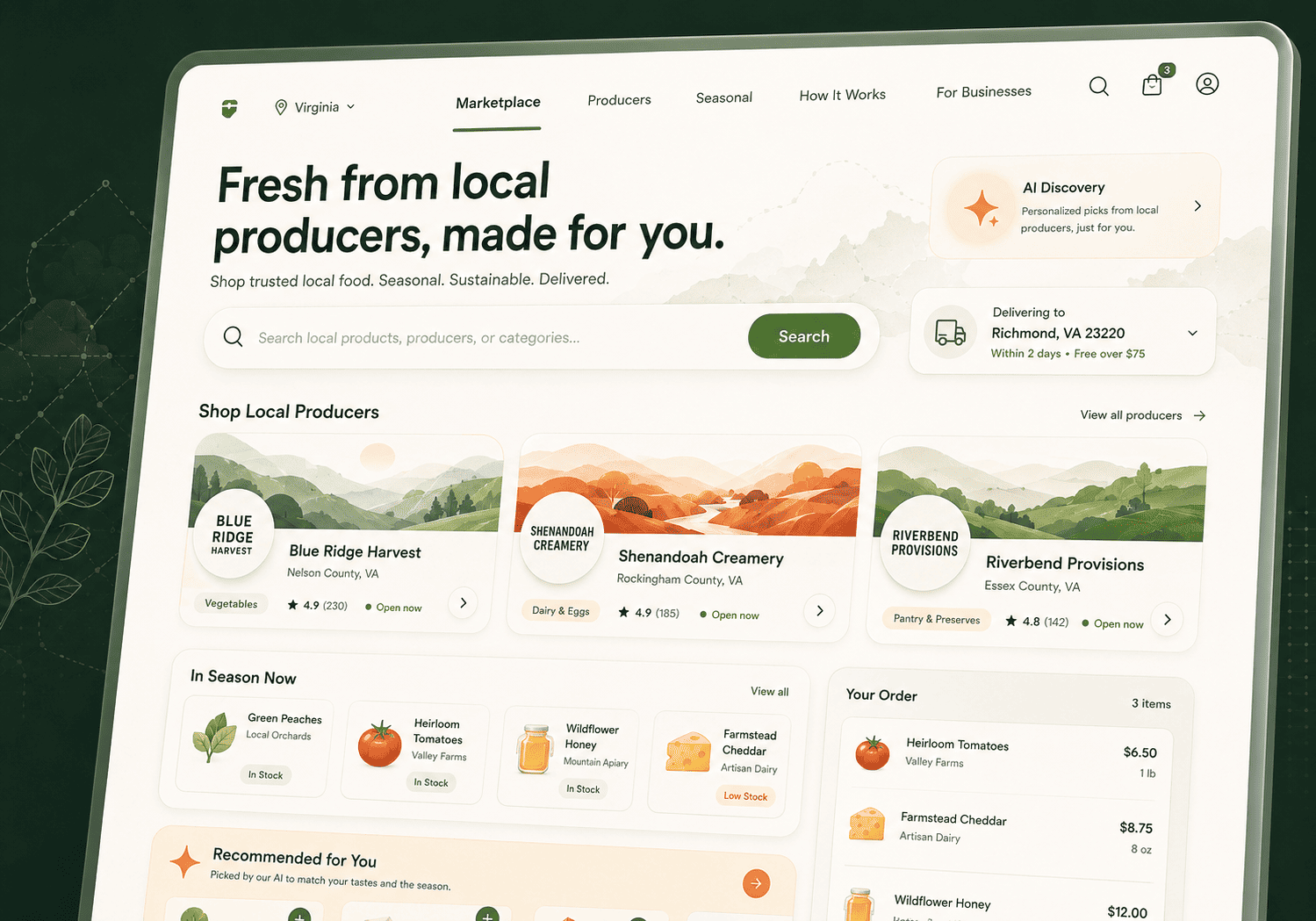
Digital Marketplace for Virginia Farmers, Local Producers & Direct-to-Consumer Food Sales

Plavno developed a custom multi-vendor marketplace for Virginia-based farmers, food producers, and regional sellers to unify product listings, vendor operations, customer ordering, and local fulfillment workflows.

Read More
3x

increase in product discovery relevance

Digital Marketplace for Virginia Farmers, Local Producers & Direct-to-Consumer Food Sales

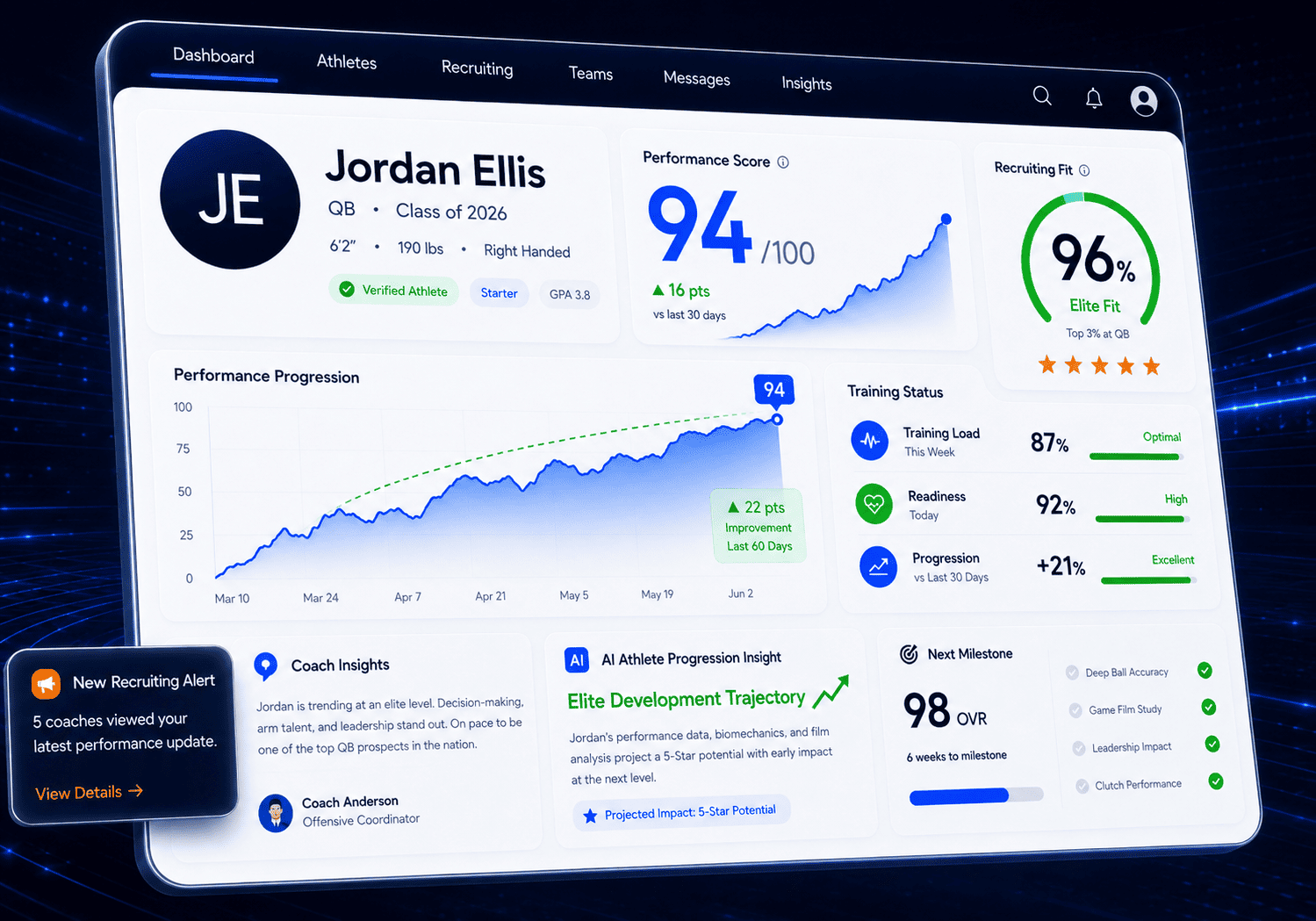
AI-Powered Sports Performance & Recruiting Platform for Virginia Clubs, Academies & Youth Programs

Plavno developed a custom sports technology platform for Virginia-based clubs and academies to combine athlete performance tracking, coach communication, recruiting workflows, and mobile engagement in one ecosystem.

Read More
3x

faster recruiting pipeline

AI-Powered Sports Performance & Recruiting Platform for Virginia Clubs, Academies & Youth Programs

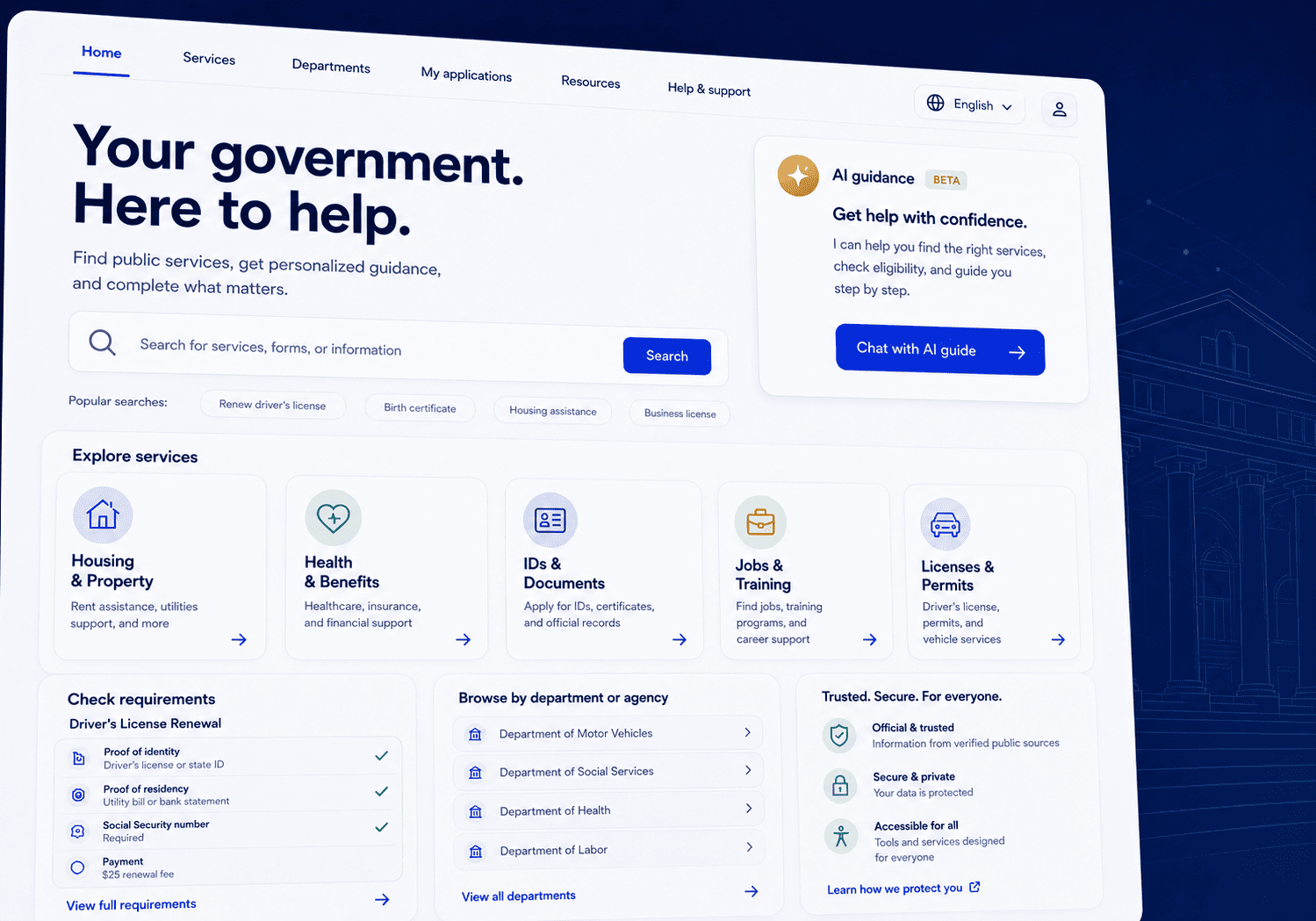
AI-Powered Citizen Services Website Platform for Virginia State Agencies

Plavno developed a modern eGovernment website platform for Virginia state agencies that centralizes citizen services, public information, department content, and an AI-powered guidance agent in one scalable system.

Read More
70%

reduction in routine citizen inquiries to agency staff

AI-Powered Citizen Services Website Platform for Virginia State Agencies

Delivery path

How Alexandria projects move from brief to monitored agents

A fixed sequence keeps scope honest and produces runnable artifacts each phase. Timelines assume one primary workflow and available stakeholders.

Clipboard
Team
01

Step 1: Discovery and risk map (1-2 weeks)

We interview operators and capture the true handoff points. Success metrics and failure modes get written first. Data owners list systems, quality issues, and access paths. Security constraints and residency rules enter the same map. You receive a risk register and a pilot charter. Timeline stays inside two weeks when decision makers stay available in Alexandria or hybrid sessions.

02

Step 2: Architecture and tool contracts (1-2 weeks)

Engineers freeze agent graphs, tool schemas, and memory boundaries. We select model endpoints based on latency and data rules. Mock tools prove the control flow before live credentials. Compliance reviewers sign the design package. Deliverable is an approved architecture brief with sequence diagrams. This prevents rework once code starts.

Search in doc
Rocket
03

Step 3: Build and supervised pilot (3-5 weeks)

We implement the graph, adapters, and evaluation harness. Pilots run on real traffic with mandatory human approval on risky actions. Metrics cover task success, override rate, and cost per run. Weekly demos keep sponsors aligned. You get a working pilot plus an open issues log. Telecom analytics patterns speed insight agent builds when signals already exist.

04

Step 4: Harden, launch, and handoff (2-3 weeks)

Load tests, failure drills, and cost guards land before wider rollout. Runbooks cover incidents, model swaps, and prompt freezes. Training sessions walk ops through overrides and dashboards. Source, IaC, and docs transfer to your team or our retainers. Launch includes a thirty-day hypercare window with clear SLOs. Alexandria teams leave with ownership, not a black box.

Clear differences

Why engineering depth beats generic agent shops

Many vendors demo chat. Production agents need contracts, traces, and ownership that survive audits.

Generic Agencies
Our Platform (Deep Engineering Expertise)
Typed tool contracts with schema validation
checkmark
Immutable traces on every external action
checkmark
Client-owned source and infrastructure code
checkmark
Human approval gates on high-risk steps
checkmark
checkmark
Cost alerts tied to token and tool spend
checkmark
Grounding in shipped telecom analytics agent work
checkmark
Slide decks as primary delivery artifact
checkmark

Governed data plane

Data, identity, and cost control for Alexandria agent fleets

The second build focus is the data plane that keeps agents honest under Northern Virginia scrutiny. Core models alone do not fail most pilots. Dirty inputs, open identities, and runaway spend do. We treat connectors, auth, and budgets as first-class products for every Alexandria rollout.

Identity starts with your existing IdP. Agents inherit user and service roles. Short-lived tokens back every tool call. No long-lived keys sit in prompts or logs. Cross-project isolation blocks a capture agent from reading an unrelated case file. That design mirrors how contractor facilities already separate workstreams.

Data quality gates run before retrieval and before writes. Schemas reject incomplete tickets. Dedup rules stop the agent from looping on stale records. For content heavy flows we lean on structured CMS models like those used in the Strapi public services portal. Editors change pages without breaking tool contracts when fields stay typed.

Cost control uses hard caps per agent and per tenant. Daily budgets pause noncritical runs when thresholds hit. Dashboards show cost per successful task next to override rates. Sponsors in Alexandria can tie spend to outcomes instead of raw token charts. This keeps finance calm during 2026 planning cycles.

Integration patterns favor event streams and idempotent APIs. Batch jobs remaining in legacy ERPs get anti-corruption layers so agents never talk brittle formats directly. Latency budgets are explicit. When live decisions need sub-second checks we push logic closer to cache. Overnight research agents accept longer windows and cheaper model tiers.

Post-launch, drift monitors watch prompt performance and tool error spikes. When accuracy falls we freeze changes and open a controlled evaluation set. Maintenance retainers cover model upgrades without silent prompt edits. Clients always approve production diffs. That discipline protects technical debt from compounding across multi-agent estates.

Testimonials

We are trusted by our customers

“They really understand what we need. They’re very professional.”

The 3D configurator has received positive feedback from customers. Moreover, it has generated 30% more business and increased leads significantly, giving the client confidence for the future. Overall, Plavno has led the project seamlessly. Customers can expect a responsible, well-organized partner.

Sergio Artimenia

Commercial Director, RNDpoint

Sergio Artimenia

“We appreciated the impactful contributions of Plavno.”

Plavno's efforts in addressing challenges and implementing effective solutions have played a crucial role in the success of T-Rize. The outcomes achieved have exceeded expectations, revolutionizing the investment sector and ensuring universal access to financial opportunities

Thien Duy Tran

Product Manager, T-Rize Group

Thien Duy Tran

“We are very satisfied with their excellent work”

Through the partnership with Plavno, we built a system used by more than 40 million connected channels. Throughout the engagement, the team was communicative and quick in responding to our concerns. Overall, we were highly satisfied with the results of collaboration.

Michael Bychenok

CEO, MediaCube

Michael Bychenok

“They have a clear understanding of what the end user needs.”

Plavno's codes and designs are user-friendly, and they complete all deliverables within the deadline. They are easy to work with and easily adapt to existing workflows, and the client values their professionalism and expertise. Overall, the team has delivered everything that was promised.

Helen Lonskaya

Head of Growth, Codabrasoft LLC

Helen Lonskaya

“The app was delivered on time without any serious issues.”

The MVP app developed by Plavno is excellent and has all the functionality required. Plavno has delivered on time and ensured a successful execution via regular updates and fast problem-solving. The client is so satisfied with Plavno's work that they'll work with them on developing the full app.

Mitya Smusin

Founder, 24hour.dev

Mitya Smusin

Capability growth

Move Alexandria teams from assisted work to autonomous loops

Autonomy is a maturity path, not a switch. Each stage adds trust only after measured success.

Clipboard
Team
01

Stage 1: Assisted drafting (2-3 weeks)

Agents propose text, lists, or rankings. Humans accept or reject every output. Evaluation sets capture corrections as gold labels. No external write tools are enabled yet. Goal is higher drafting speed with zero unintended side effects. Alexandria desks feel relief without risking production systems. Timeline covers prompt design, evaluation harness, and first pilot users.

02

Stage 2: Tool use with approvals (3-4 weeks)

Agents may call read tools freely and write tools only after human clicks. UI surfaces the planned action and diffs. Audit logs store who approved what. Failure rates inform tighter schemas. Business outcome is real task completion still under control. This stage suits ticket updates and compliance folder staging for contractor teams.

Search in doc
Rocket
03

Stage 3: Bounded autonomy (4-6 weeks)

Low-risk actions auto-run inside hard policy bounds. High-risk actions stay gated. Anomaly detectors pause the agent on spend or error spikes. Weekly reviews retune bounds with ops leads. Teams gain overnight throughput on research and reporting. Metrics compare auto-complete rates against override and rollback counts.

04

Stage 4: Multi-agent programs (ongoing)

Specialist agents hand work across research, drafting, and filing roles. A supervisor graph enforces global policies and budgets. Shared memory stays partitioned. Program office reviews portfolio KPIs monthly. Expansion reaches new departments only after prior agents meet SLOs. Northern Virginia firms scale value without a single brittle mega-bot.

plavno logo

Build your first
Smart AI project today!

Just tell the Plavno AI Agent about your project - it will ask questions, gather requirements, and propose a tailored solution

Readiness check

Confirm these five items before an Alexandria agent build

  • Name the primary workflow owner — Pick one operator who feels the pain daily. Document the current steps, systems touched, and error cases they already track. Without a single owner, pilots drift across committees. Record baseline cycle time and volume for two recent weeks. Share ticket samples with sensitive fields redacted. This anchors scope for government contractor and commercial teams alike.

  • List approved systems of record — Write every database, SaaS app, and file store the agent may read or update. Mark which ones allow service accounts today. Note rate limits and sandbox availability. Missing access delays tool contracts more than model choice ever will. Include identity provider details so roles map cleanly on day one.

  • Define high-risk actions upfront — Decide which steps always need human approval. Money movement, external email, and compliance exports usually sit here. Put those rules in writing before prompts exist. Agents then inherit policy instead of inventing it. Alexandria audit teams expect this clarity during 2026 reviews.

  • Prepare an evaluation set — Collect twenty to fifty real examples with correct outcomes. Include edge cases that currently break staff. This set scores the pilot honestly. Without it, demos look fine and production fails. Keep the set versioned beside the code so regressions stay visible after changes.

  • Set budget and success thresholds — Cap monthly token and API spend for the pilot. Agree what success means in task completion, time saved, and override rate. Share those numbers with finance early. Clear stops prevent silent cost growth. Bring stack constraints and dataset scope to the first call so estimates stay real.

Vitaly Kovalev

Vitaly Kovalev

Sales Manager

Request your Alexandria agent readiness audit

Share budget range, timeline, current stack, and dataset scope. Receive a scored readiness audit and rough build estimate tailored for Alexandria and Northern Virginia operators.

Talk to Experts

Common questions

AI agents in Alexandria: practical answers for 2026

Straight replies on cost, timing, data, quality, security, and operations for local teams.

What drives the cost of AI agent development services in Alexandria?

Cost follows workflow complexity, number of systems touched, and the level of autonomy you approve. A single research agent with one knowledge base sits at the lower end. Multi-system workflow agents with write access and audit packs cost more because adapters and controls take engineering time. Local market rates for senior engineers in Northern Virginia also shape the build phase more than model fees alone.

Data readiness changes price quickly. Clean APIs reduce adapter work. Fragile legacy exports need anti-corruption layers and longer test cycles. Security reviews common to government contractors add design and documentation hours. Those hours protect you later, yet they belong in the estimate from day one.

Runtime spend is separate from build spend. Token use, tool API fees, and hosting appear as operating cost. We set hard caps and alerts so finance sees burn early. Pilots often start with supervised modes that use fewer automatic retries and thus lower variable cost while learning.

We ask for budget range, timeline, stack, and dataset scope up front. That input produces a phased estimate instead of a single opaque number. Many Alexandria clients fund a four to eight week pilot first. Full rollout budgets follow once override rates and task success look solid on real work.

How long does it take to build AI Agents software?

A supervised pilot on one workflow usually lands in six to ten weeks when stakeholders and data access stay available. Discovery and architecture take the first two to four weeks. Build and pilot follow for three to five weeks. Harden and handoff add two to three weeks. Parallel legal review can extend the calendar if contracts move slowly.

MVP means a narrow task with clear success checks and human approvals on writes. Full deployment means multiple tools, stronger autonomy bounds, training, and production SLOs. Full programs stretch twelve to twenty weeks depending on integration count. Multi-agent portfolios continue in phases after the first agent meets targets.

Delays almost always come from access, not model choice. Waiting on VPN rules, sandbox credentials, or sample data pauses tool contracts. Alexandria and Arlington firms that pre-stage service accounts finish faster. We publish a dependency list in week one so IT can clear paths early.

After launch, expect a hypercare month. We watch error rates, cost, and override patterns together. Only then do we widen traffic or loosen approval gates. That pacing keeps risk visible for leadership while still moving operators off manual grind.

What data do you need to start an AI agent project?

Start with workflow samples, not raw lakes. Provide anonymized tickets, briefs, or reports that show inputs and the accepted output. Twenty to fifty labeled examples form the first evaluation set. Add the policy docs that constrain tone, citations, and escalation. These artifacts teach both the prompts and the scorers.

System access plans come next. List systems of record, field dictionaries, and whether sandboxes exist. Identity rules matter as much as tables. We need to know how service accounts map to roles so the agent never exceeds human privileges. Northern Virginia contractors often already maintain such matrices for other tools.

Quality signals help early design. Share known error types, seasonal volume spikes, and which fields fail validation today. Agents inherit those constraints as gates before model calls. Skipping this step produces fluent answers that still break downstream processes.

If data is messy, we still start. The first phase may focus on cleaning adapters and schema checks before autonomy. That work is visible and billable, not hidden. Clear scope on dataset boundaries keeps estimates honest and protects production systems during pilots.

How do you evaluate quality for custom AI agents?

Quality is task success under policy, not chat friendliness. We score exact match or rubric grades on the evaluation set. Separate metrics track citation correctness, tool error rate, and human override frequency. Latency and cost per successful task sit beside accuracy so tradeoffs stay explicit for sponsors.

Offline evaluation runs on every prompt or tool change. Online evaluation samples live traffic with reviewer tags. Disagreements between agent and human feed the next training or rule update. Thresholds for promotion from pilot to wider release are written in the charter before coding starts.

For regulated teams near Alexandria we add audit sampling. Reviewers inspect traces for a fixed percentage of runs. Findings become regression tests. This loop mirrors how you already review junior staff work and feels familiar to operations leads.

Dashboards show trends weekly. Sudden drops freeze deploys until root cause lands. That discipline beats vibe checks and keeps 2026 leadership reviews focused on numbers. You own the evaluation set and can rerun it independently after handoff.

How do AI agents handle compliance and security for Virginia government contractors?

Agents sit behind your identity provider and inherit least privilege roles. Secrets never enter prompts. Tool gateways validate schemas and block unknown actions. Full traces capture actor, inputs, and results for SIEM export. These controls align with how contractor environments already manage other service accounts.

Data residency stays in approved US regions or your VPC. Redaction layers strip sensitive fields when a use case does not require them. Change management freezes prompts and tools behind dual control when the workflow touches award, finance, or personal data. Documentation packages support your existing GRC evidence collection.

We do not claim certification by association. Instead we map controls you already need and implement technical enforcements that auditors can test. Network isolation, encryption in transit and at rest, and key ownership follow your standards. Penetration tests and tabletop incidents can sit on the project plan when risk teams require them.

Post-launch monitoring watches for policy violations such as attempted disallowed tools or abnormal spend. Alerts page the on-call with context, not just raw logs. Incident runbooks name who freezes the agent and who communicates to stakeholders. That operational clarity matters as much as the model choice for contractor leadership.

Contact Us

This is what will happen, after you submit form

Need a custom consultation? Ask me!

Plavno has a team of experts ready to start your project. Ask us!

Vitaly Kovalev

Vitaly Kovalev

Sales Manager

Schedule a call

Get in touch

Fill in your details below or find us using these contacts. Let us know how we can help.

Required because you selected “Other” above

No more than 3 files may be attached up to 3MB each.
Formats: doc, docx, pdf, ppt, pptx, xls, xlsx, txt.
Book your meeting