bg image
bg image

Serving Chesapeake & Virginia

Cut clinical admin load for Chesapeake providers in 2026

Chesapeake clinics lose billable hours to charting, intake, and endlessly repeated staff questions. Your clinicians should treat patients, not chase paperwork across disconnected systems. We build Healthcare AI that speeds documentation, improves information access, and reduces costly handoffs between teams. This work is for practice owners, CIOs, and clinical operations leads who need clear throughput gains. Regional systems from Greenbrier to Great Bridge face the same staffing gap and rising overhead. Get Healthcare AI cost estimate in 24 hours. We review your workflows, data access, budget, and timeline before any implementation plan is locked.

Discuss Project

Overview

Hampton Roads care needs higher clinical throughput

Chesapeake sits inside one of Virginia’s densest care corridors. Hospitals, multi-site clinics, and long-term care operators across Norfolk, Portsmouth, Suffolk, and Virginia Beach all share the same pressure. Staff leave. Documentation volume rises. Revenue cycle delays follow. Healthcare AI services help when they cut real tasks, not when they only produce demos. Trusted Healthcare AI Partner for Chesapeake Businesses. We work with US-based clients, including companies operating in Virginia.

Practice leaders here ask simple questions. Who handles after-hours intake questions. How long does a nurse spend hunting policy answers. Why does prior-auth follow-up consume whole afternoons. We start from those bottlenecks. Then we design agents that retrieve the right record section, draft the note, and route the exception to a human. Enterprise knowledge agents we already shipped use LLM retrieval with controlled workflow automation. That same pattern maps cleanly onto clinical operations.

Local groups often try point tools first. Each skill sits separate from the EHR, then staff copy paste between screens. The debt piles up fast. A better path starts with integration scopes, data quality rules, and a narrow production use case. Imaging departments can later add computer vision for triage support when the basic retrieval layer is stable. We keep the first release small enough to measure and secure enough to pass legal review.

Outcomes we track with clients stay operational. Minutes returned to clinicians. Faster answers for front desk and nursing. Fewer repeat calls into the same knowledge base. Our US enterprise delivery record includes internal support agents with retrieval-augmented answers and workflow automation, plus rubric-based scoring systems for high-volume evaluation work. Those builds prove the method. Domain experts keep judgment. Models handle drafting and lookup.

If you lead a Chesapeake clinic network or a Hampton Roads specialty group, custom Healthcare AI only pays when the first workflow leaves the pilot safely. We document cost drivers, latency limits, and post-launch ownership up front. That is how budgets stay honest in 2026.

Talk to an Expert
Knowledge agents

Knowledge agents

LLM retrieval over SOPs, protocols, and policy packs with source citations

Clinical drafts

Clinical drafts

Note and packet drafts from templates; humans sign off before anything leaves

Workflow routing

Workflow routing

Exceptions open tickets, queues, and on-call paths with full context

HIPAA production

HIPAA production

Private endpoints, audit logs, vault secrets, and legal-ready ownership

Clinical architecture stack

What production clinical agents must include by Year 2026

Chesapeake providers need systems that sit beside the EHR without fighting it. We build retrieval layers over approved clinical and policy content, then place an agent in front of that layer for staff questions and draft generation. The pattern matches an enterprise employee support agent we delivered for knowledge lookup. LLM reasoning sits on top of enterprise search. Answers stay grounded in retrieved snippets. Humans approve anything that leaves the organization as formal documentation.

Core pieces stay deliberate. A document index covers SOP manuals. formulary notes. triage trees. and training packets. Role-based access limits specialty content to the right teams. Prompt templates bind the model to cite source IDs. Workflow hooks open tickets. update task boards. or write draft notes into a holding queue. The same automation model that drove internal support agents also fits nursing pools and call centers in Greenbrier and Deep Creek locations.

Security/compliance shapes every design choice. PHI never trains shared public models under our contracts. Secrets sit in managed vaults. Audit logs capture prompts. retrieval hits. and who accepted a draft. We prefer private networking or customer VPC deployments for production traffic. Encryption covers data at rest and in transit. Retention policies match legal hold requirements your counsel already defined.

DevOps keeps releases dull on purpose. Infrastructure as code freezes environments. Staging mirrors production feature flags. Canary groups get new prompt packs first. Health checks watch latency. token cost. and refusal rates. Rollback is a configuration change. not a weekend fire drill. Monitoring dashboards sit with your operations lead so drift shows early.

Why this stack. because clinical work fails when answers sound confident and prove wrong. Retrieval-augmented generation forced the agent in our enterprise knowledge build to show its sources. Rubric based evaluation in our EdTech grader project proved structured scoring can stay consistent at volume. Both lessons transfer. Healthcare AI implementation for Virginia clinics should inherit that discipline. You get drafts. search. and automation. Not opaque magic.

Clients receive runbooks. access matrices. evaluation sets. and a clear owner map. We document which tasks stay human forever. That charter reduces technical debt when the second workflow greets the first in production.

plavno logo

Build your first
Smart AI project today!

Just tell the Plavno AI Agent about your project - it will ask questions, gather requirements, and propose a tailored solution

Healthcare AI Solutions for Chesapeake Industries

Regional care workflows we actually automate

Hampton Roads operators share staffing gaps and documentation load. These six use cases map to clinics. hospitals. and support services that run across Chesapeake and neighboring cities.

Clinic Documentation

Clinic Documentation

AI Drafts

Multi-site outpatient clinic documentation drafts

Independent practices from Greenbrier to Great Bridge fight after-visit note lag. Providers stay late finishing charts while front desk queues grow. We connect approved templates to a retrieval agent that pulls prior history summary fields and order lists. Clinicians edit a draft. not a blank page. The pattern echoes our enterprise retrieval agent. which answered staff questions with grounded snippets. Business result. more same day chart closure and fewer coding callbacks. Technical summary. FHIR read scopes plus private LLM drafting with forced source citations and human sign-off queues.

Policy Search

Policy Search

Protocols

Hospital internal policy and protocol search

Night shift nurses in Chesapeake and Norfolk burn minutes hunting the latest sepsis or transfer protocol. Intranet search returns outdated PDFs. We index governed documents and expose a chat interface that returns section-level hits with version stamps. Workflow automation can open a compliance ticket when guidance conflicts appear. This mirrors the enterprise employee support agent we fielded for knowledge lookup. Expected impact is shorter time to correct protocol and fewer safety variance reports. Stack uses enterprise search. embedding indexes. role filters. and audit trails on each answer accepted.

Family Updates

Family Updates

Care Assist

Long-term care family update assistants

Skilled nursing communities around Suffolk and Portsmouth field repeated family calls about schedules. therapy notes. and visiting rules. Staff time vanishes into phone loops. An agent can answer non-PHI schedule facts and route clinical questions to a nurse with full context. The approach reuses retrieval plus structured handoff automation from our internal support work. Result. fewer interruptions during med pass and higher family satisfaction scores reported by unit leaders. Implementation keeps PHI out of unauthenticated channels and logs every escalation path.

Prior-Auth Triage

Prior-Auth Triage

Revenue

Revenue cycle prior-authorization triage

Specialty groups across Hampton Roads lose days waiting on incomplete prior-auth packets. Staff rekey the same clinical justifications. We build packet checklists. pull supporting note segments. and flag missing criteria before submission. Structured evaluation methods similar to our rubric-based AI grader keep quality scores consistent across reviewers. Finance leaders see faster clean submissions and lower denial rework hours. Technically. rules engines score completeness. models draft justification language. and humans release the packet to the payer portal.

Education Scoring

Education Scoring

Credentials

Clinical education scoring for credential programs

Hospital systems near Norfolk Naval assets run heavy internal training loads. Manual graders slow onboarding for nurses and techs. We apply automated scoring with rubric based evaluation and feedback generation proven in our EdTech grader case. Educators keep final authority on edge cases. Programs graduate cohorts faster and document competency with consistent written feedback. The system stores artifacts for accreditation auditors and reduces weekend grading backlog for preceptor teams.

Referral Intake

Referral Intake

Specialty

Referral network intake for specialty groups

Cardiology and ortho groups receiving referrals from Chesapeake primary care often open incomplete packets. Schedulers chase missing images and labs. An intake agent validates required fields. requests gaps. and opens a case in the CRM or EHR worklist. Workflow automation carries the baton once data is complete. Leaders gain shorter days to appointment and cleaner first-visit productivity. Design uses form insight. document classification. and controlled messaging that never exposes full charts outside approved channels.

Delivery capabilities

What Chesapeake teams actually receive from us

Clinical knowledge agents

Clinical knowledge agents

Staff waste shifts re-answering the same operational questions in multi-site clinics. A knowledge agent returns governed answers with source citations during busy hours. We chose retrieval-augmented generation because free-form model replies invent policy language. Enterprise search indexes approved PDFs and wiki pages only. Client teams edit content without waiting on a model slot. Nurses and call center leads keep working inside one chat surface. Ops metrics track unanswered rate and time to first useful reply.

Documentation copilots

Documentation copilots

Physicians in Chesapeake lose evening minutes finishing notes after the last patient leaves. A documentation copilot drafts from visit data and structured templates. FHIR APIs feed demographics. problem lists. and vitals so the draft starts concrete. We force citation to encounter data rather than memory. Physicians keep legal responsibility with tracked edits. Practice managers watch average chart close time fall without hiring more scribes. Secure queues hold drafts until signature.

Evaluation and QA scoring

Evaluation and QA scoring

Quality teams drown when audits and trainee feedback rely on manual review alone. We transplant rubric-based evaluation and feedback generation from our EdTech grader work into clinical education and chart QA samples. Automated scoring handles volume. Experts adjudicate borderline cases. Leadership receives consistent scoring language across reviewers. Stored rationale helps when Joint Commission style auditors ask how feedback is formed. Models never replace board certified judgment on patient outcomes.

Workflow automation hooks

Workflow automation hooks

Answers that stop in a chat window still leave humans copy pasting into tickets. We attach workflow automation so accepted answers open tasks. notify on-call roles. or update CRM stages. The approach proved itself in the enterprise support agent that combined retrieval with automated routing. Chesapeake groups gain closed-loop operations instead of advice floating in Slack. Failure paths escalate with full conversation context. Engineers get stable webhooks and idempotent job runners.

HIPAA-ready deployment packaging

HIPAA-ready deployment packaging

Virginia providers cannot risk sprawling shadow tools on shared SaaS. We package private model endpoints. secret management. encryption. and access reviews as part of the first release. Logging captures who asked what and which document powered the reply. Security leads in Chesapeake hospital IT get SSO and short-lived tokens. Cost dashboards show token spend per department so finance remains calm. Penetration test findings close before go-live when the contract requires it.

Case Study

We help customers cut
down on development

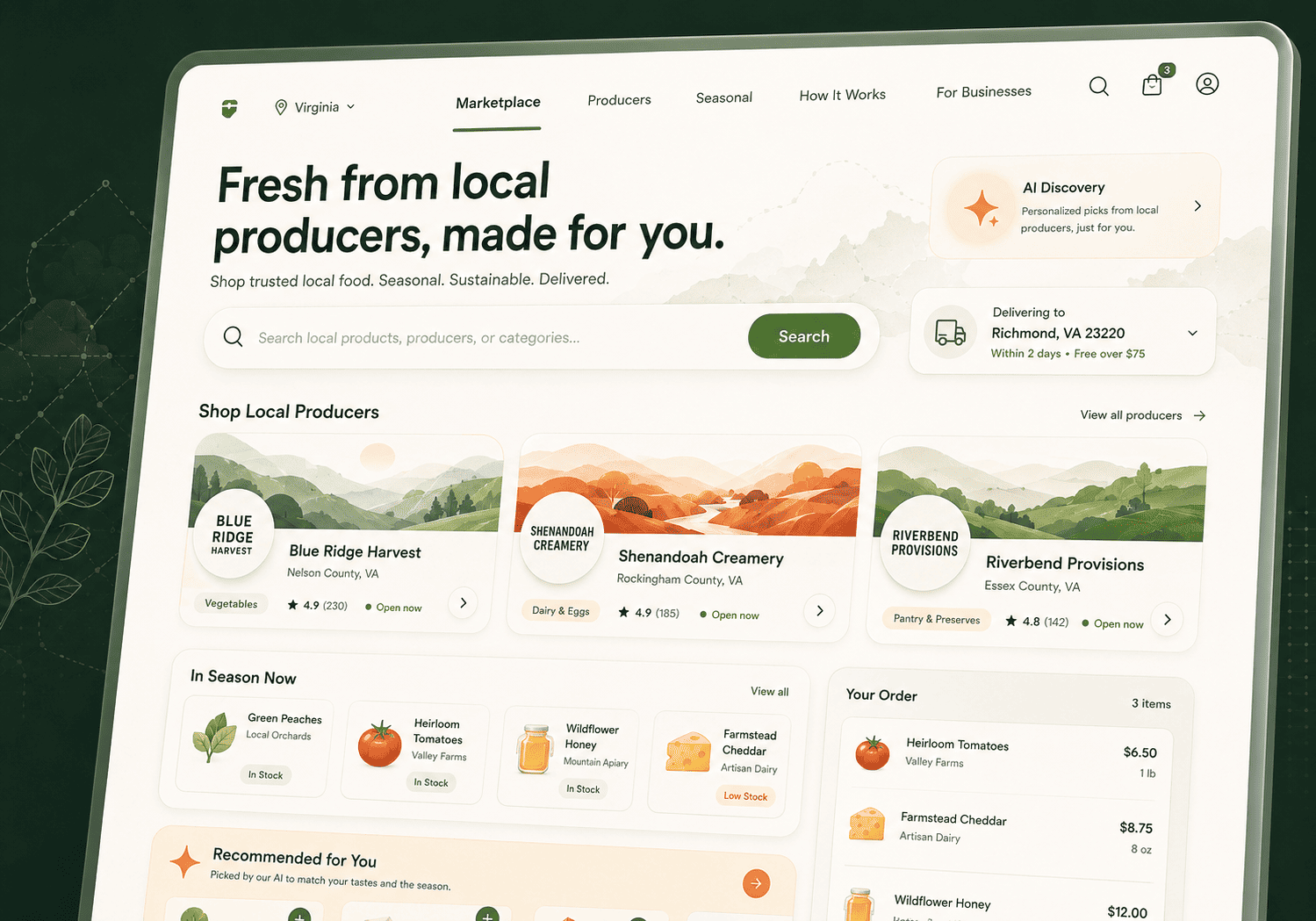
Digital Marketplace for Virginia Farmers, Local Producers & Direct-to-Consumer Food Sales

Plavno developed a custom multi-vendor marketplace for Virginia-based farmers, food producers, and regional sellers to unify product listings, vendor operations, customer ordering, and local fulfillment workflows.

Read More
3x

increase in product discovery relevance

Digital Marketplace for Virginia Farmers, Local Producers & Direct-to-Consumer Food Sales

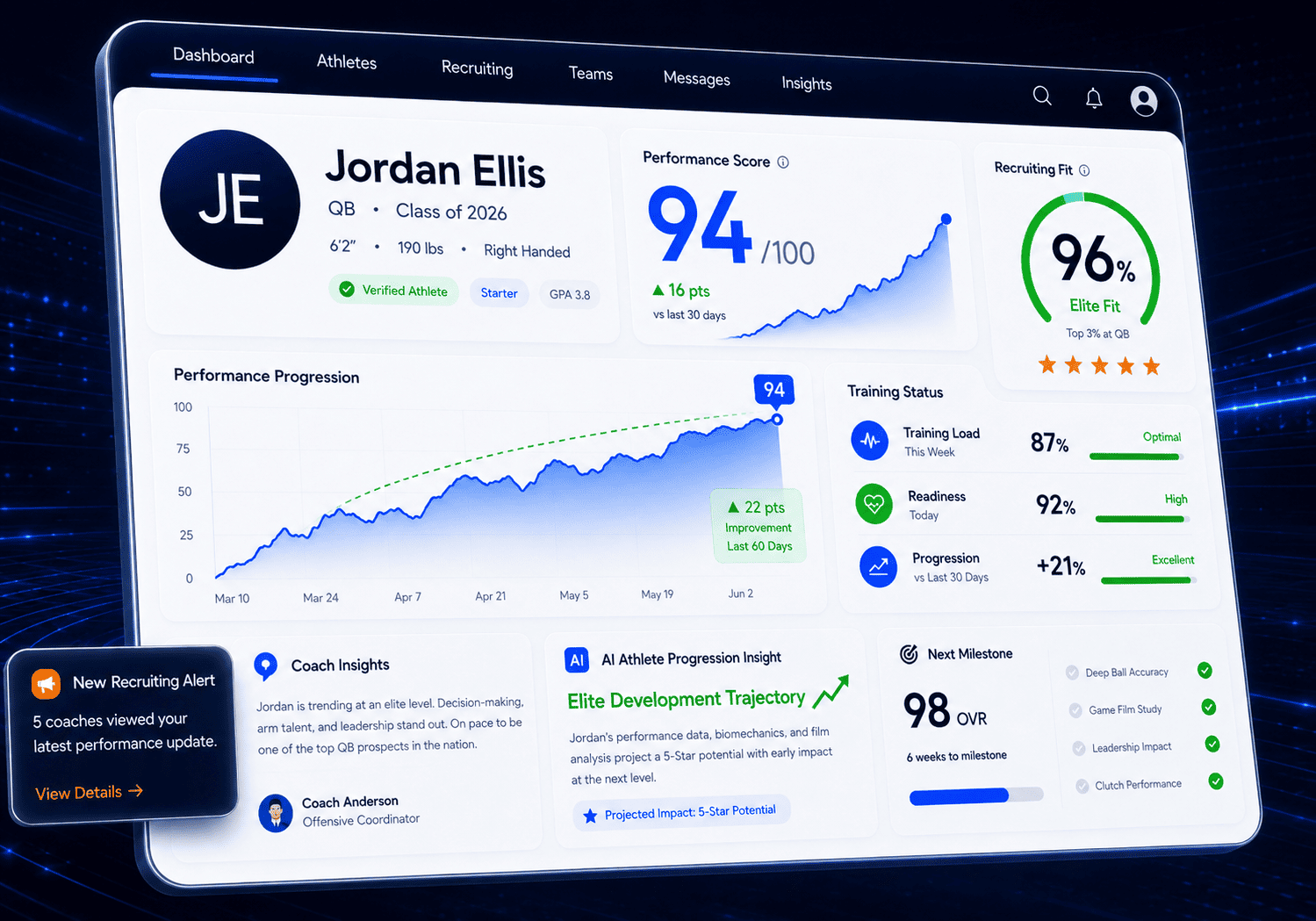
AI-Powered Sports Performance & Recruiting Platform for Virginia Clubs, Academies & Youth Programs

Plavno developed a custom sports technology platform for Virginia-based clubs and academies to combine athlete performance tracking, coach communication, recruiting workflows, and mobile engagement in one ecosystem.

Read More
3x

faster recruiting pipeline

AI-Powered Sports Performance & Recruiting Platform for Virginia Clubs, Academies & Youth Programs

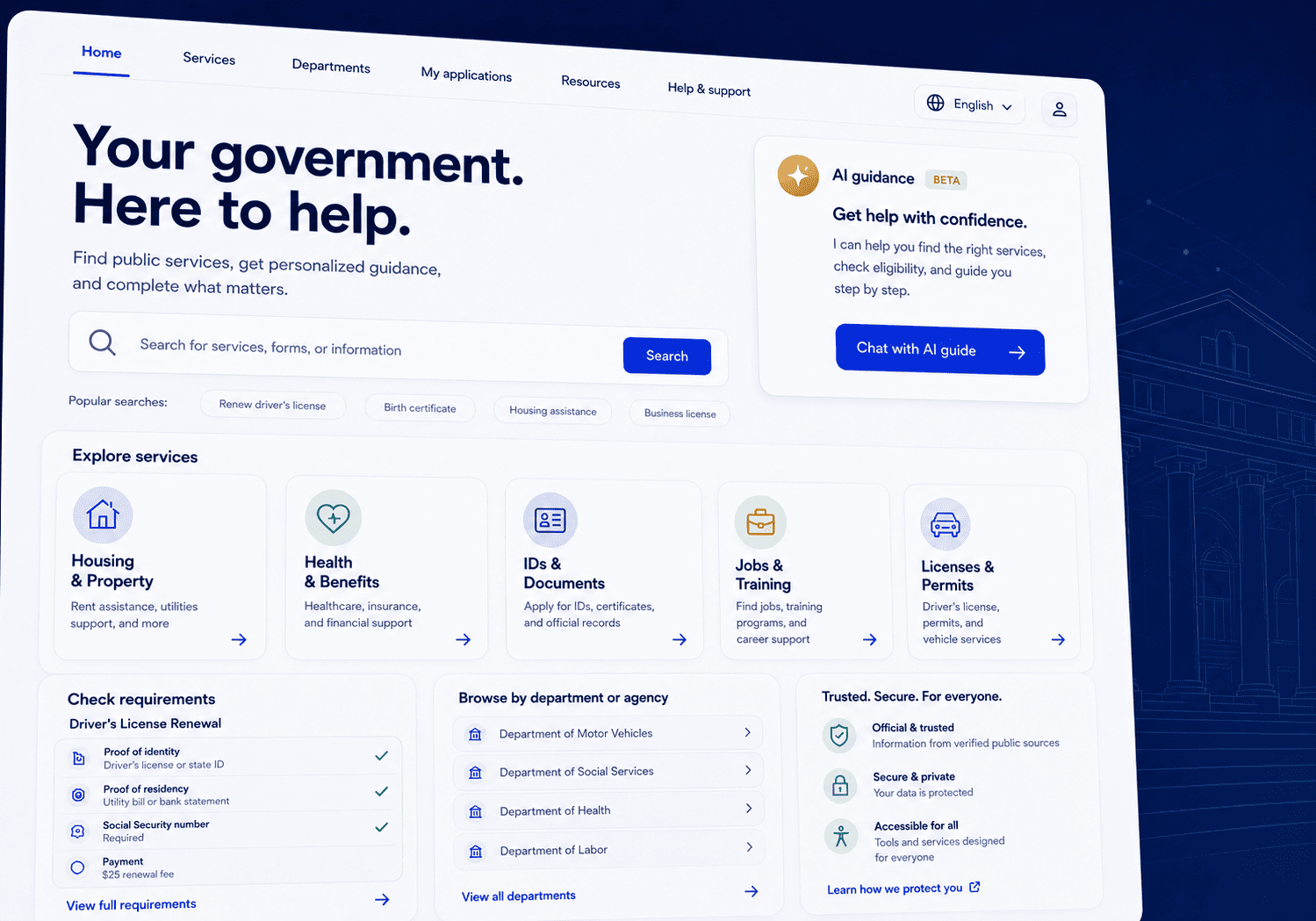
AI-Powered Citizen Services Website Platform for Virginia State Agencies

Plavno developed a modern eGovernment website platform for Virginia state agencies that centralizes citizen services, public information, department content, and an AI-powered guidance agent in one scalable system.

Read More
70%

reduction in routine citizen inquiries to agency staff

AI-Powered Citizen Services Website Platform for Virginia State Agencies

Testimonials

We are trusted by our customers

“They really understand what we need. They’re very professional.”

The 3D configurator has received positive feedback from customers. Moreover, it has generated 30% more business and increased leads significantly, giving the client confidence for the future. Overall, Plavno has led the project seamlessly. Customers can expect a responsible, well-organized partner.

Sergio Artimenia

Commercial Director, RNDpoint

Sergio Artimenia

“We appreciated the impactful contributions of Plavno.”

Plavno's efforts in addressing challenges and implementing effective solutions have played a crucial role in the success of T-Rize. The outcomes achieved have exceeded expectations, revolutionizing the investment sector and ensuring universal access to financial opportunities

Thien Duy Tran

Product Manager, T-Rize Group

Thien Duy Tran

“We are very satisfied with their excellent work”

Through the partnership with Plavno, we built a system used by more than 40 million connected channels. Throughout the engagement, the team was communicative and quick in responding to our concerns. Overall, we were highly satisfied with the results of collaboration.

Michael Bychenok

CEO, MediaCube

Michael Bychenok

“They have a clear understanding of what the end user needs.”

Plavno's codes and designs are user-friendly, and they complete all deliverables within the deadline. They are easy to work with and easily adapt to existing workflows, and the client values their professionalism and expertise. Overall, the team has delivered everything that was promised.

Helen Lonskaya

Head of Growth, Codabrasoft LLC

Helen Lonskaya

“The app was delivered on time without any serious issues.”

The MVP app developed by Plavno is excellent and has all the functionality required. Plavno has delivered on time and ensured a successful execution via regular updates and fast problem-solving. The client is so satisfied with Plavno's work that they'll work with them on developing the full app.

Mitya Smusin

Founder, 24hour.dev

Mitya Smusin

Architecture & Engineering Overview

How we engineer Healthcare AI for Virginia operators

Minutes returned

Minutes returned

Track deflection, chart-close lag, and nurse search time before expand funding

Source-bound answers

Source-bound answers

Every reply cites retrieved policy so staff verify; PHI never trains public models

Clinical champions

Clinical champions

Named floor leads, demos, and pre-sprint success criteria stop shelfware pilots

Audit-ready trails

Audit-ready trails

Who accepted drafts, timestamps, and document versions for counsel reviews

For Business: Technical ROI & Risk Mitigation

ROI appears when unpaid minutes return to billable or patient-facing work. Chesapeake multi-site groups hemorrhage time on replying to identical policy questions and rewriting the same authorizations. An internal knowledge agent pattern we already shipped for enterprise support reduced hunting through shared drives by putting retrieval in front of staff. The same shape applies to clinical operations desks. Leaders measure minutes returned. ticket deflection. and chart close lag before funding expands.

Risk sits mainly in wrong answers. privacy slips. and silent cost growth. We bind answers to retrieved sources so staff can verify the line. Contracts ban use of customer PHI for general model training. Budget owners receive token and storage forecasts weekly in the first quarter. That prevents surprise invoices when a popular department adopts the tool overnight.

Another risk is unfinished change management. A pilot that never trains floor leads becomes shelfware. We staff a clinical champion role in the project plan. Training packets reuse short recorded demos. Success criteria are written before the first sprint ends. Finance can stop work if the baseline metrics never move.

Cost savings come from deferred hires rather than fantasy automation rates. Front desk overflow. coding callbacks. and after hours documentation overtime are concrete line items in Virginia practices. When the agent removes thirty minutes of search per nurse peri-shift, the math shows without marketing spin. We keep claims qualitative until your baseline data arrives.

Insurance and legal risk drops when audit trails exist. Investigators need to know who Accepted a draft letter or protocol answer. Our systems store that trail with timestamps and document versions. Counsel in hospital systems around Norfolk already ask for that packing list during vendor reviews. Build it once. reuse each release.

1

Classify & thin slice

Data classes, inventory, threat model; one persona, one workflow, one metric on de-identified samples

2

Freeze build decisions

Buy vs build endpoint, managed vs self-hosted vectors, sync chat vs async draft queues

3

Governed release gates

Prompt versions, eval scorecards on accuracy, refusals, latency before any production traffic

4

Promote & own

Feature flags per unit, runbooks, cost alarms, content owners, freshness refusals as product features

For CTOs: Architecture & Technical Lifecycle

Lifecycle control beats model fashion. Kickoff starts with data classification. system inventory. and a threat model signed by security. Discovery produces a thin vertical slice. one persona. one workflow. one success metric. Architecture decisions freeze only after that slice runs against real de-identified samples from your stack.

Decision points stay explicit. Buy versus build for the model endpoint. managed vector store versus self hosted. synchronous chat versus asynchronous draft queues. We prefer managed private endpoints when your team wants speed without MLOps hire costs. We choose self hosted components when residency or latency constraints demand them inside Virginia data centers.

Governance covers prompt versioning. evaluation sets. and release gates. No prompt goes to production without scorecards on accuracy. safety refusals. and latency. Trade-offs appear early. Higher grounding reduces hallucination and can raise cost per answer. CTOs get both numbers on one page before approving spend.

From pilot to production we promote configuration. not heroics. Feature flags open a single unit first. Greenbrier clinic before the full Chesapeake footprint. On-call rotations include your engineers after knowledge transfer. Exit criteria cover documentation. runbooks. and cost alarms. When those land. our team steps to a support retainer or fully internal ownership.

Technical debt shows as unowned content and unversioned prompts. We require content owners named per directory. Stale policies get expiry dates. The agent refuses to answer when sources fail freshness checks. That refusal is a product feature. not a defect. It protects clinicians more than a confident wrong reply.

Retrieval layer

Retrieval layer first

Chunked docs with role, location, effective-date metadata; top-k chunks and forced citations on every LLM call

Idempotent workflows

Idempotent workflows

Jobs fire only after acceptance; exponential backoff, dead-letter alerts, no silent loss

Instrumented APIs

Instrumented APIs

Health, chat, feedback, reindex; short-lived IdP tokens; empty retrieval forces graceful refusal

Rubric scoring

Rubric scoring path

Explainable feature extraction from EdTech grader patterns; synthetic PHI mirrors and FHIR contract tests

For Engineers: Implementation Details & Stack

Stack choices follow failure modes we already saw in production agents. Retrieval first. generation second. We index chunked documents with metadata for role. location. and effective date. Embedding models are swapped only after offline recall tests on your corpus. LLM calls always receive top-k chunks with forced citation instructions.

Why retrieval-augmented answers. because enterprise search alone fails on natural language phrasing while naked LLMs invent clauses. The enterprise knowledge assistant case taught us to combine both. Workflow automation sits after an acceptance event. Jobs are idempotent. Retries use exponential backoff. Dead letter queues alert humans without silent loss.

API layers expose health. chat. feedback. and admin reindex endpoints. Auth uses short lived tokens bound to staff roles from your IdP. We instrument token counts. vector query latency. and human override rates. Edge cases include empty retrieval sets. conflicting sources. and mixed language notes. Empty sets force a graceful refusal with a ticket path.

For scoring workloads we reuse automated scoring and rubric based evaluation learned on the EdTech grader. That design handled consistent feedback at scale without random tone drift. Clinical education teams gain the same structure. Feature extraction stays explainable so a preceptor can challenge a score.

Local development mirrors production configuration with synthetic PHI stripped datasets. Contract tests lock FHIR resource shapes you actually use. Chaos tests kill the vector store mid request so graceful degradation is proven. Engineers earn a clean handoff package. not tribal knowledge written on sticky notes.

Isolated deploy

Isolated deploy

Customer cloud accounts, egress allow-lists, vault rotation, TLS and disk encryption for HIPAA safeguards

Live telemetry

Live telemetry

Latency, retrieval miss, token spend, human rejection, after-hours errors page a named owner

Kill-switch IR

Kill-switch IR

Freeze prompts, serve cached FAQ, export conversation IDs, chunk hashes, model versions

Cost ceilings

Cost ceilings

Department budgets throttle noncritical features first; shared finance and ops dashboards monthly

Infrastructure, Observability & Security

Production healthcare agents live or die on telemetry and access control. We deploy into customer cloud accounts when policy requires isolation. Network rules restrict egress to approved model endpoints and EHR gateways. Secrets rotate through managed vaults. Disk encryption and TLS are table stakes. All of it maps to HIPAA technical safeguards your compliance office already audits.

What we monitor. answer latency. retrieval miss rate. drop-in token spend. human rejection ratio. and after hours error bursts. Why. these signals catch drift. prompt regressions. and sudden departmental adoption spikes that explode cost. Alerts page the owner role. Not a generic inbox that nobody reads.

Incident response includes kill switches that freeze new prompts while serving cached safe replies for known FAQs. Forensic packages export the conversation IDs. retrieved chunk hashes. and model versions involved. Virginia hospital infosec teams expect that package during root cause reviews. We rehearse the drill once before go-live.

SOC2 oriented process artifacts come with change tickets. access reviews. and vendor due diligence folders. If your organization also needs HITRUST path support. we align logging retention and access certifications to that roadmap. Listings never replace real controls. Controls live in code and procedures.

Post-launch cost control uses department level budgets and hard ceilings. When a unit nears cap. the system throttles noncritical features first. Dashboards sit with finance and clinical ops together. That shared view prevents blame cycles when usage grows for good reasons. US clients receive monthly written posture reports covering patches. access. and open findings.

Data pipelines & controls

How clinical data enters Healthcare AI without chaos

Architecture dies when integration is an afterthought. This second build focus covers data movement. master identity. and quality gates for Chesapeake systems that already run mixed EHRs across sites. We inventory feeds first. HL7. FHIR R4. CSV dumps from legacy scheduling tools. Shared file drops from imaging vendors. Each feed earns a risk label before any model sees a field.

Identity resolution keeps Mr. Smith from becoming three patients. We map medical record numbers. insurance IDs. and staff directory UIDs into a controlled crosswalk. Fuzzy match reviews stay human supervised. Wrong merges create clinicial safety events. so automation only proposes. Never finalizes alone. Clinics in Portsmouth and Virginia Beach that grew through acquisition need this discipline more than greenfield startups.

Quality gates reject incomplete encounters. missing problem lists. and notes older than retention policy allows. Schemas freeze in contract tests. When an upstream EHR upgrade breaks a field. pipelines fail closed and alert rather than silently degrading answers. The same retrieval discipline from our enterprise knowledge assistant depends on clean chunks. Garbage in becomes confident garbage out.

Batch versus streaming choice depends on the workflow. Documentation copilots can tolerate near realtime FHIR reads. Overnight prior-auth packet assembly can batch. Cost falls when you avoid chatty traffic for low urgency jobs. We publish sequence diagrams so your integration engineers and our team argue over facts. not preferences.

Security/compliance includes DLP scans on egress. field level redaction for export sets. and purpose of use tags on every store. Break glass access produces tickets automatically. Business associate agreements sit signed before staging receives any production-like snapshot. DevOps manages schema migrations with expand and contract patterns so agent versions roll without long downtime. Chesapeake IT directors keep change windows predictable and short.

Clients leave with a living data catalog. freshness SLAs. and owners named per feed. That paperwork sounds dull. It is the only way Healthcare AI implementation stays maintainable after the first victory party.

Adoption path

Maturity path for Chesapeake clinical AI teams

Move from scattered pilots to governed production capability. Each stage has exits tied to metrics. not vibes.

Clipboard
Team
01

Step 1: Manual baseline & metric lock (2 weeks)

We shadow two high volume workflows on site or via secure recordings. Time studies capture minutes per task and error types. Stakeholder map lists clinical. IT. compliance. and finance owners. You receive a baseline report and a single success metric for phase one. No model work begins until that metric is signed. Timeline sits inside two weeks for mid size clinics.

02

Step 2: Assisted retrieval pilot (3–5 weeks)

Staff still own decisions. The system only suggests answers and document snippets. Evaluation sets derived from real tickets measure hit quality. Feedback buttons capture wrong answers for corpus repair. You receive a pilot environment. weekly quality scores. and a go or no go memo. Content gaps often surface here. Fix them before deeper automation.

Search in doc
Rocket
03

Step 3: Draft generation with human release (4–6 weeks)

Documentation and packet drafts appear for clinician edit. Nothing external ships without signature. Prompt packs version in git. A/B check compares draft edit distance against prior note samples. You receive production-ready services behind feature flags. Training sessions for super users occur in this window. Costs and latency are re baselined against the pilot.

04

Step 4: Workflow automation hooks (2–4 weeks)

Accepted drafts open tickets. messages. or EHR tasks without copy paste. Failures route to humans with full context. Observability covers job success rates. Idempotent runners prevent double chart updates. You receive runbooks and on call rotations. This stage mirrors automation attached to our enterprise knowledge agent after retrieval matured.

Eugene Katovich

Eugene Katovich

Sales Manager

Need a custom software solution? We’re ready to help!

Plavno has a team of skilled developers ready to tackle the project. Ask me!

Get a Free Quote

Readiness gate

Before you fund Healthcare AI in Chesapeake 2026

  • Name the workflow owner — Projects stall when IT sponsors a tool but clinical staff never request it. Identify one named nurse manager or practice lead who will accept or reject drafts weekly. Give them protected hours. Document their escalation path to compliance. Budget time for their coaching. Write the owner name into the charter so accountability is not abstract. Without that person the model becomes an unused tab.

  • Freeze the first metric — Pick one number such as median minutes to chart close or percent of policy questions answered without paging a supervisor. Capture baseline for two full weeks. Agree on the target change prior to coding. Reject vanity dashboards with twelve pink metrics. Finance and clinical ops must both sign. Revisit only after the first production month. Clear targets stop scope creep mid build.

  • Inventory systems and access — List EHR. document repositories. IdP. ticketing. and any shadow spreadsheets staff still use. Mark which APIs exist versus scrape only interfaces. Request read scopes early because health system security queues run long in Virginia. Note PHI boundaries per store. Flag vendors that forbid AI processing in contracts. This inventory prevents surprise blockers during sprint two.

  • Prepare evaluation content — Gather fifty real questions or sample notes that represent floor reality. Include messy phrasing. Local slang for units. and outdated PDF references staff still open. Security redacts PHI before it leaves your walls. These samples become the offline test set. Without them you cannot prove quality before go live. Update the set each quarter as workflows shift.

  • Budget for post-launch care — Models and indexes drift when policies change. Allocate monthly hours for content owners. monitoring review. and prompt fixes. Decide retainer versus internal hiring before launch week. Cost alarms must have human owners. Incident drills need a date on the calendar. Skip this and the first bright week dies after a noisy false answer.

Vitaly Kovalev

Vitaly Kovalev

Sales Manager

Request your Chesapeake Healthcare AI readiness audit

Share budget range. timeline. current stack. and dataset scope. Receive a free readiness audit and cost estimator built for Chesapeake and Hampton Roads care organizations.

Talk to Experts

Common questions

Healthcare AI questions from Chesapeake operators

Straight answers on cost. timing. data. quality. compliance. and operations for Virginia providers planning 2026 work.

What drives the cost of Healthcare AI services for a Chesapeake clinic?

Cost follows scope. data friction. and compliance depth more than model brand names. A single site retrieving internal policy answers costs far less than multi hospital documentation agents touching PHI across IAM boundaries. Local labor markets also matter. Chesapeake and Norfolk health systems often require lengthy security questionnaires. vendor risk scoring. and private networking. Those steps add professional services hours even when software licenses look small.

Key drivers include number of workflows. volume of documents to index. need for FHIR writeback. and uptime targets. Hourly or fixed packages both work after discovery. Token usage becomes a living cost once staff adopt chat heavily. We forecast that early using your ticket volumes. Choosing private endpoints raises base infrastructure while improving data control.

Integration complexity multiplies spend when legacy interfaces lack modern APIs. If a scheduling system only offers nightly CSVs. we budget for transformation jobs and failure handling. Clean FHIR environments drop that cost. Content cleanup is another silent driver. Outdated PDFs force human editing before indexing or answer quality collapses.

Compared with northern Virginia rates. Hampton Roads vendor reviews can run longer while contractor rates stay moderate. Build a contingency for legal BAA review and penetration testing. Ask every vendor for a unit cost model that separates build. run. and change hours. Insist on monthly spend ceilings during the first quarter so finance can react.

Finally. post-launch ownership is a cost center. Ignoring it creates emergency spend later. Retain a small monthly fine tuning and monitoring budget. That quiet line item protects the ROI you bought during implementation.

How long does it take to build Healthcare AI software for clinical operations?

Timelines split into thin MVP and full deployment. A retrieval pilot for internal staff questions often stands in six to ten weeks when documents are available and security gives staging access quickly. That MVP proves answer quality and user demand without touching chart writeback. Full documentation copilots with EHR hooks. audit packages. and multi site rollout commonly take four to seven months.

Discovery itself needs two to three weeks. We map workflows. capture baseline times. and freeze success metrics. Skipping discovery makes later stages slip. Content preparation can add weeks when policies sit in disordered shares. Plan that work in parallel with environment setup. HIPAA reviews and BAA execution sometimes gate the first data pull in Virginia hospital groups.

MVP exit means a closed user group runs real questions daily. Metrics on retrieval hit rate and user thumbs sit above the agreed floor. Only then do we expand to draft generation. Each new workflow reuses pipeline. auth. and observability assets. so second features move faster than the first. Multi site packaging adds configuration and training more than new core code.

Delays usually come from access tickets. unclear clinical owners. or shifting scope into billing before documentation stabilizes. We keep a written change log. Stakeholders see how a new request moves the date. If leadership wants a public patient chatbot. that is a different security design and must not hitchhike on the staff agent timeline.

After go-live expect two to four weeks of hypercare. Engineers watch latency and error budgets closely. Training repeats for night shift cohorts. Steady state begins once kill switches. on call. and content owners operate without daily vendor presence. That is the honest path from kickoff to durable production.

Do you work with startups in Virginia as well as health systems?

Yes. We work with US-based clients. including companies operating in Virginia. That includes early clinical SaaS teams around the broader Richmond and Hampton Roads corridors plus digital health groups spinning out of research environments. Startups receive the same engineering discipline with lighter governance packaging. when their risk profile allows it. Hospital grade BAAs still apply once PHI enters any environment.

Virginia startup ecosystems connect through university partners. accelerator programs. and defense adjacent health tech near Norfolk. Founders often need an MVP that impresses pilot clinics in Chesapeake without building a full ML platform team on day one. We assemble the retrieval agent. evaluation harness. and basic admin console so the product team can sell and learn. Equity is never part of our standard contracts. Time and materials or fixed milestones fit better.

Startups must still answer data questions. Where does training data originate. How is consent handled. What happens on model failure during a pilot with a real practice. We force those answers into the architecture review. Fancy demos that skip audit logs fail procurement later. Better to look slightly boring and pass security. We also warn when a marketplace style billing idea needs separate product architecture. as we built on a subscription marketplace case outside healthcare.

Health systems remain a major buyer here. and startups selling into them must match hospital IT expectations. SSO. logging. and role based controls cannot wait for series B. We help founders stage those controls without drowning the backlog. Shared code patterns from our enterprise knowledge agent reduce reinvention. Founders keep product roadmap ownership. We supply the agent substrate and devops backbone.

Whether you are five engineers or a regional system. discovery still starts with one workflow and one metric. That shared method keeps conversations concrete and budgets respectful of early cash constraints.

Can Healthcare AI integrate with our existing EHR and IT systems?

Yes. Integration is the normal path. not an add-on. Most Chesapeake clinics already run at least one major EHR. a document portal. an identity provider. and a ticketing or CRM tool. We connect through supported APIs when they exist. FHIR R4 read scopes cover demographics. encounters. and problem lists for many modern systems. Write scopes stay narrower and always require human release for clinical documentation drafts.

Legacy interfaces still appear. especially after acquisitions. HL7 v2 feeds. SFTP drops. and vendor CSVs remain common. We place transformation services in front so the agent sees stable shapes. When a vendor forbids automated access. we design human-in-the-loop imports rather than brittle screen scrapers. That choice protects you when the UI changes without notice.

Identity integration uses your existing IdP via SSO and SCIM style provisioning when available. Role groups map to content partitions. A nurse in a Portsmouth site should not see another service line’s restricted protocols. Tokens stay short lived. Service accounts are bare minimum and monitored. Network paths prefer private connectivity into cloud projects when hospital policy demands it.

On the automation side. webhooks and queue workers push accepted actions into ticketing tools. The enterprise support agent we shipped combined retrieval-augmented answers with workflow automation. That same event pattern opens EHR task lists or updates case status after a human confirms. Idempotency keys prevent double writes when retries happen.

We document every external dependency in a sequence diagram signed by your IT lead. Fallbacks define what the UI shows if the EHR times out. Integration tests run on each release candidate. Post-launch. contract tests warn when upstream schemas drift. That is how AI features stay boring neighbors inside a living enterprise stack.

What industries in Chesapeake benefit most from Healthcare AI?

Outpatient multi-specialty clinics benefit first because documentation volume and front desk load are constant. Groups spread across Greenbrier. Great Bridge. and Western Branch feel staff shortages immediately in overtime lines. Knowledge and documentation agents return minutes without adding headcount. Specialty practices in cardiology. orthopedics. and GI also gain when prior-auth packet assembly is assisted.

Hospital systems serving Chesapeake and Norfolk see value in policy search. nurse float pool support. and clinical education scoring. High turnover makes consistent onboarding feedback vital. Rubric based evaluation and feedback generation. proven in our AI grader work. maps onto competency programs and chart QA sampling. Imaging departments explore triage support later once the retrieval layer is mature and governed.

Long-term care and senior living communities across the wider Hampton Roads footprint handle repetitive family communications. Agents that answer non PHI logistics free nurses during med pass. Hospice and home health agencies with large geographic routes gain similar relief via mobile friendly knowledge access. Veterans facing services aligned with nearby military populations also carry heavy documentation and benefits navigation load that structured agents can assist under strict privacy rules.

Adjacent ecosystems matter too. Dental and optometry networks. specialty pharmacies. and medical billing firms supporting local practices can adopt intake checking and packet review. Digital health startups selling into these buyers need the same foundations. We see the strongest ROI where volume is high. variance is costly. and humans remain accountable. Purely clinical decisions stay under licensed professionals.

If your industry is not listed. the filter is simple. Do staff repeat the same information tasks hundreds of times a week. Can answers be grounded in approved content. Is there a measurable minute or error cost today. When all three are true. Healthcare AI earns a pilot seat in 2026.

Contact Us

This is what will happen, after you submit form

Need a custom consultation? Ask me!

Plavno has a team of experts ready to start your project. Ask us!

Vitaly Kovalev

Vitaly Kovalev

Sales Manager

Schedule a call

Get in touch

Fill in your details below or find us using these contacts. Let us know how we can help.

No more than 3 files may be attached up to 3MB each.
Formats: doc, docx, pdf, ppt, pptx, xls, xlsx, txt.
Send request