bg image
bg image

Serving Lynchburg & Virginia

Stop Losing Revenue to Manual Workflows in Lynchburg by 2026

Your team spends too much time on repetitive tasks that machines should handle. We build custom AI automation systems that execute workflows faster and more accurately than humans. This service targets operational leaders who need to cut costs and scale output without hiring. Manual data entry slows down your manufacturing and logistics cycles daily. Get AI Automation cost estimate in 24 hours.

Discuss Project

Overview

Why Lynchburg Manufacturers Need Automation Now

Lynchburg's industrial base runs on legacy systems that require constant human oversight. These manual checkpoints create bottlenecks in production lines and supply chains across Virginia. We implement AI automation services to remove these friction points from your daily operations. Our systems integrate directly with your existing databases to execute tasks without human intervention. Trusted AI Automation Partner for Lynchburg Businesses. We work with US-based clients, including companies operating in Virginia. We have delivered 10+ AI automation projects in the US market. Surrounding areas like Roanoke and Bedford also face these same efficiency challenges. Automation allows your staff to focus on high-value problem solving instead of data entry.

Talk to an Expert
Legacy Integration

Legacy Integration

Connect existing databases directly to AI agents.

Friction Removal

Friction Removal

Eliminate manual checkpoints in production lines.

High-Value Focus

High-Value Focus

Shift staff to problem solving, not data entry.

plavno logo

Build your first
Smart AI project today!

Just tell the Plavno AI Agent about your project - it will ask questions, gather requirements, and propose a tailored solution

Core Architecture

Building Autonomous Agents and Workflows

We construct automation architectures using event-driven triggers and state machines to manage complex business processes. Our stack typically employs Python for backend logic and LangChain for orchestrating large language model interactions. This approach allows us to build agents that can reason through multi-step problems without getting stuck in loops. We isolate decision-making logic from execution layers to ensure debugging remains simple. Security protocols are embedded at every level to protect sensitive operational data. DevOps pipelines automate the deployment of these agents to ensure zero downtime during updates.

Case Study

We help customers cut
down on development

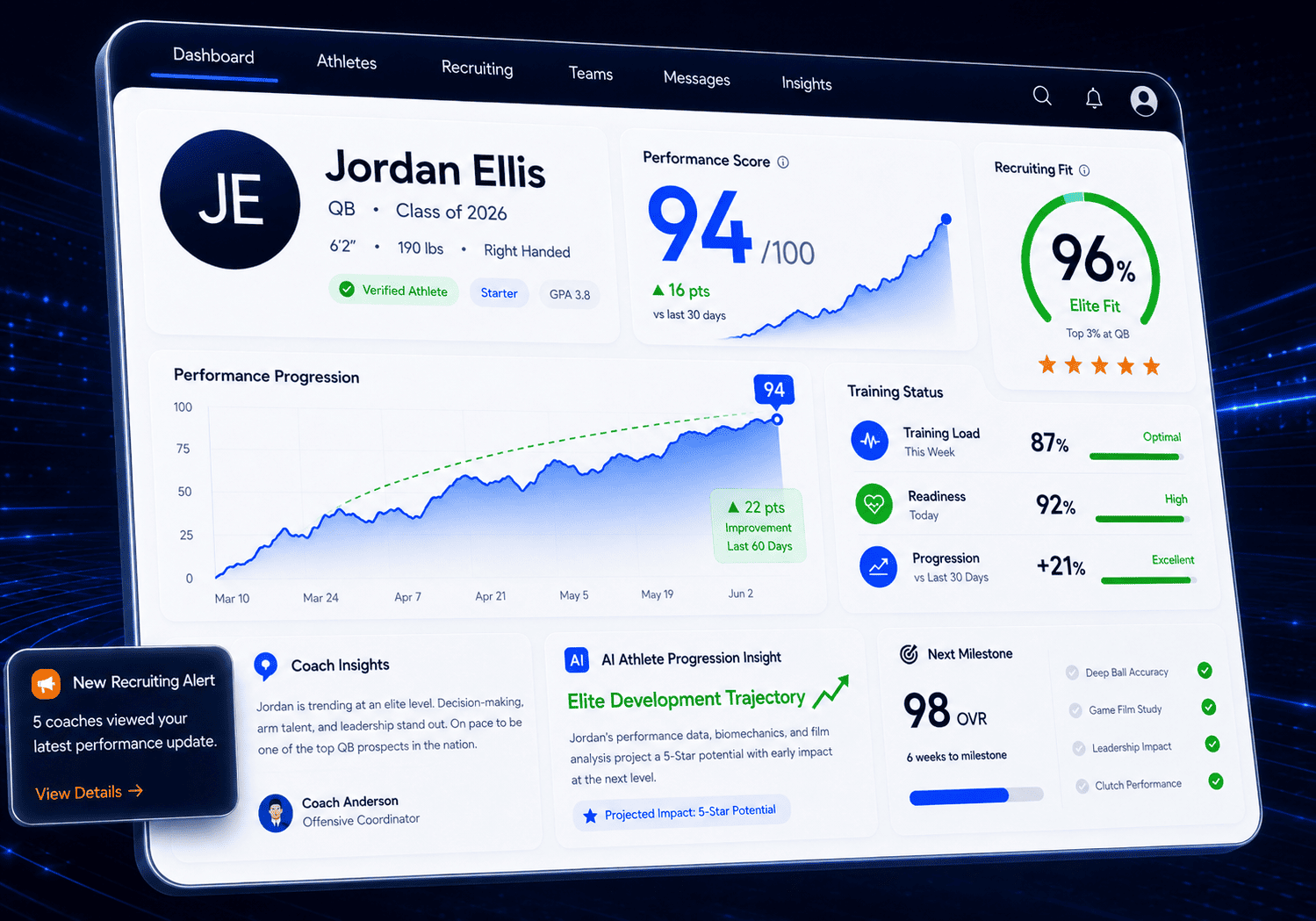
AI-Powered Sports Performance & Recruiting Platform for Virginia Clubs, Academies & Youth Programs

Plavno developed a custom sports technology platform for Virginia-based clubs and academies to combine athlete performance tracking, coach communication, recruiting workflows, and mobile engagement in one ecosystem.

Read More
3x

faster recruiting pipeline

AI-Powered Sports Performance & Recruiting Platform for Virginia Clubs, Academies & Youth Programs

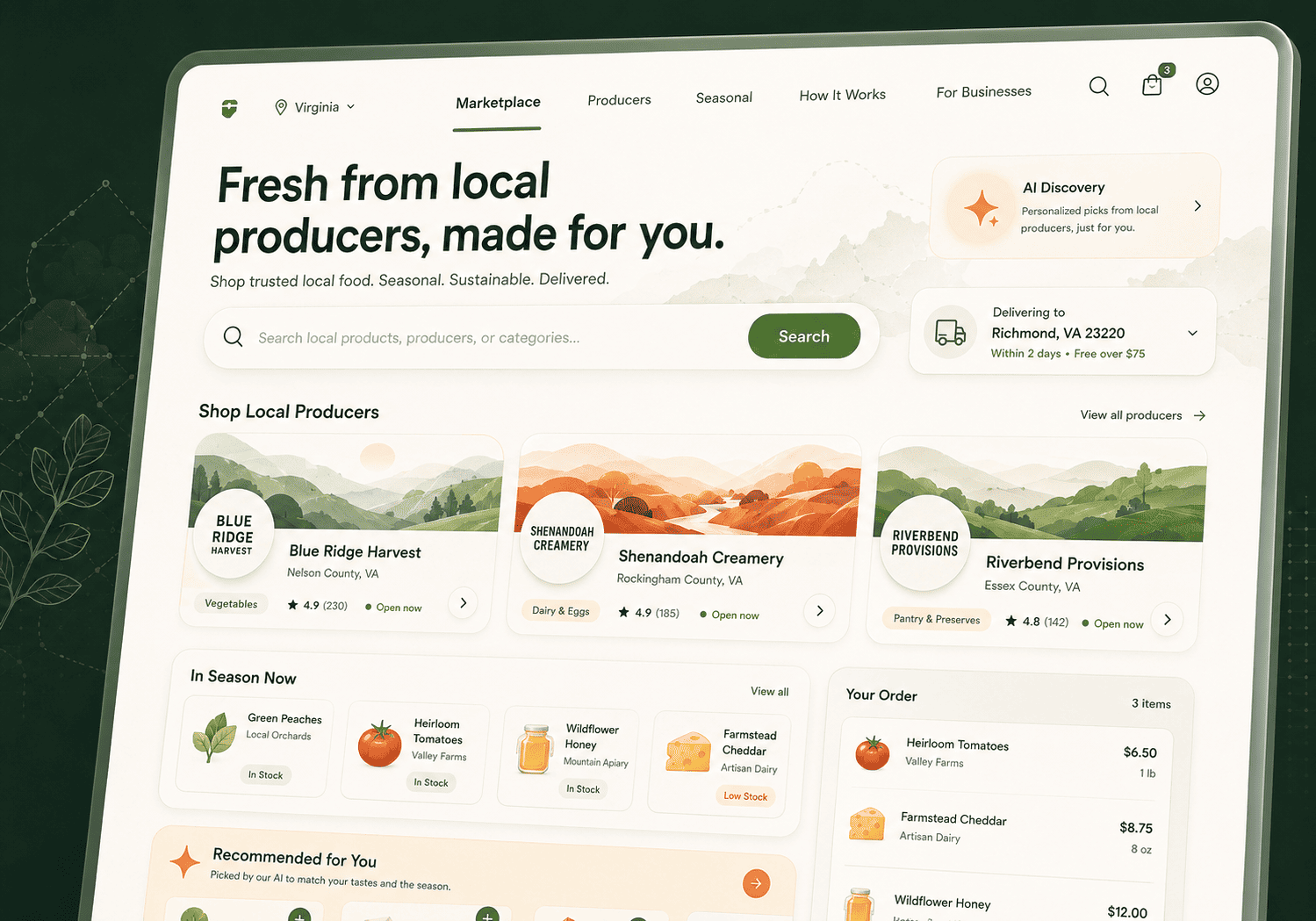
Digital Marketplace for Virginia Farmers, Local Producers & Direct-to-Consumer Food Sales

Plavno developed a custom multi-vendor marketplace for Virginia-based farmers, food producers, and regional sellers to unify product listings, vendor operations, customer ordering, and local fulfillment workflows.

Read More
3x

increase in product discovery relevance

Digital Marketplace for Virginia Farmers, Local Producers & Direct-to-Consumer Food Sales

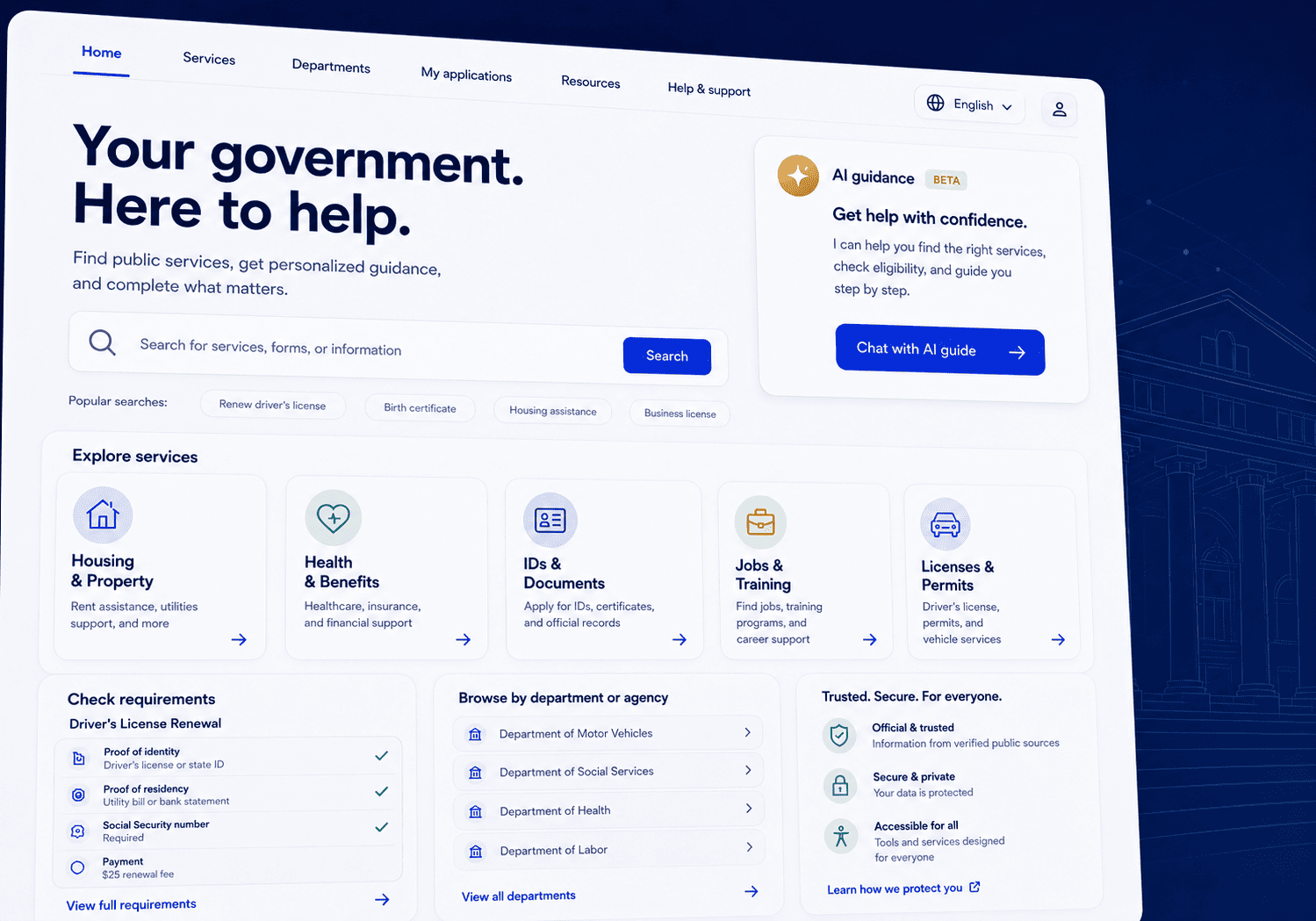
AI-Powered Citizen Services Website Platform for Virginia State Agencies

Plavno developed a modern eGovernment website platform for Virginia state agencies that centralizes citizen services, public information, department content, and an AI-powered guidance agent in one scalable system.

Read More
70%

reduction in routine citizen inquiries to agency staff

AI-Powered Citizen Services Website Platform for Virginia State Agencies

AI Automation Solutions for Lynchburg Industries

Lynchburg Industry Automation

How specific sectors in Central Virginia apply AI to solve unique problems.

NODE_TITLE

Layout Optimization

Warehouse

Manufacturing Layout Optimization

Lynchburg manufacturers struggle with inefficient warehouse layouts that slow down picking times. We built optimization software that uses algorithms to plan layout and slotting logic. This solution reduced travel time for workers and increased storage density. ROI includes a 20% increase in retrieval speed. The system uses optimization algorithms and layout planning to reorganize inventory dynamically.

NODE_TITLE

Voice Tracking

Logistics

Logistics Voice Tracking

Local logistics companies face high call volumes from customers asking about shipment status. We developed a voice agent that integrates with tracking systems to provide instant updates. This automation handles thousands of calls simultaneously without human intervention. Clients see a 40% reduction in call center operational costs. The tech stack uses voice automation and logistics tracking integration APIs.

NODE_TITLE

Voice Support

Senior Care

Senior Care Voice Support

Memory care facilities in Lynchburg need constant communication with patients and families. We built a voice assistant that handles patient communication and caregiver support tasks. The system uses conversational AI to answer queries and alert staff to emergencies. Facilities report improved response times to patient needs. The solution relies on NLP, ASR, TTS, and retrieval pipelines.

NODE_TITLE

Call Automation

Insurance

Insurance Call Automation

Insurance agencies spend hours on outbound and inbound call workflows for policy updates. We implemented a phone-based AI agent to manage these calls autonomously. The agent can verify identities and process simple requests without transferring the call. This cuts the cost per call by over 50%. We use voice agent technology and telephony integration to achieve this.

NODE_TITLE

Fraud Detection

FinTech

FinTech Fraud Detection

Virginia financial startups need to catch fraudulent transactions before money leaves the account. We engineered a fraud detection system that monitors transactions in real time. The system flags anomalies based on historical data and behavioral patterns. It significantly reduces financial losses due to fraud. The tech involves anomaly detection models and transaction monitoring pipelines.

NODE_TITLE

Product Discovery

Retail

Retail Product Discovery

Lynchburg retailers want to increase average order values through better recommendations. We built a recommendation engine that personalizes product discovery for each shopper. The system analyzes browsing history to suggest relevant items. Stores see a measurable increase in conversion rates. The implementation uses personalization engines and recommender models.

Data Integration

Connecting Legacy Systems to Modern Intelligence

Lynchburg companies often run on ERP systems that lack modern API endpoints for easy data access. We build custom middleware layers that sit between your legacy infrastructure and new AI agents. This middleware translates old database queries into structured JSON formats that LLMs can understand and process. We use robust queuing mechanisms like RabbitMQ or AWS SQS to handle data spikes without losing information. This ensures your automation remains stable even during peak operational hours. Data validation schemas prevent bad data from entering your core systems. We map out your entire data flow before writing a single line of code.

Testimonials

We are trusted by our customers

“They really understand what we need. They’re very professional.”

The 3D configurator has received positive feedback from customers. Moreover, it has generated 30% more business and increased leads significantly, giving the client confidence for the future. Overall, Plavno has led the project seamlessly. Customers can expect a responsible, well-organized partner.

Sergio Artimenia

Commercial Director, RNDpoint

Sergio Artimenia

“We appreciated the impactful contributions of Plavno.”

Plavno's efforts in addressing challenges and implementing effective solutions have played a crucial role in the success of T-Rize. The outcomes achieved have exceeded expectations, revolutionizing the investment sector and ensuring universal access to financial opportunities

Thien Duy Tran

Product Manager, T-Rize Group

Thien Duy Tran

“We are very satisfied with their excellent work”

Through the partnership with Plavno, we built a system used by more than 40 million connected channels. Throughout the engagement, the team was communicative and quick in responding to our concerns. Overall, we were highly satisfied with the results of collaboration.

Michael Bychenok

CEO, MediaCube

Michael Bychenok

“They have a clear understanding of what the end user needs.”

Plavno's codes and designs are user-friendly, and they complete all deliverables within the deadline. They are easy to work with and easily adapt to existing workflows, and the client values their professionalism and expertise. Overall, the team has delivered everything that was promised.

Helen Lonskaya

Head of Growth, Codabrasoft LLC

Helen Lonskaya

“The app was delivered on time without any serious issues.”

The MVP app developed by Plavno is excellent and has all the functionality required. Plavno has delivered on time and ensured a successful execution via regular updates and fast problem-solving. The client is so satisfied with Plavno's work that they'll work with them on developing the full app.

Mitya Smusin

Founder, 24hour.dev

Mitya Smusin

Readiness Checklist

Pre-Deployment Readiness Checklist

  • Audit Your Data Sources — Identify exactly where your manual data currently lives. You must list every spreadsheet, database, and software tool involved in the process. Clean and standardize this data to ensure the AI can read it correctly. Inconsistent data formats are the primary cause of automation failure. We review these sources during the initial discovery phase.

  • Define Clear Success Metrics — Determine what success looks like for your specific automation project. You should measure outcomes in time saved, errors reduced, or revenue increased. Avoid vague goals like improve efficiency in favor of hard numbers. These metrics guide our engineering choices and architecture decisions. We build dashboards to track these KPIs in real time.

  • Map the Decision Logic — Document the rules your human staff currently use to make decisions. The AI needs these explicit rules to replicate human judgment accurately. Include edge cases and exceptions that occur rarely but require specific handling. This mapping exercise reveals where human oversight is still necessary. It turns tribal knowledge into executable code.

  • Establish Security Boundaries — Decide what data the AI is allowed to access and what must remain restricted. You need clear policies for PII and proprietary business secrets. We implement role-based access control within the automation to enforce these boundaries. Security gates prevent the AI from performing unauthorized actions. This step is critical for compliance in regulated industries.

  • Plan for Human Handoff — Identify scenarios where the automation must escalate issues to a human operator. No system is perfect, so you need a fallback procedure for unexpected inputs. We design alerting systems that notify the right team immediately when a handoff occurs. This ensures business continuity even during edge case failures. Continuous feedback loops improve the system over time.

Vitaly Kovalev

Vitaly Kovalev

Sales Manager

Get Your Automation Audit

Request a free calculator and estimator for Lynchburg businesses to see potential savings.

Talk to Experts

Architecture & Engineering Overview

Engineering Deep-Dive Strategy

Error Rate Reduction99%
Operational Latencyms Speed
Compliance Adherence100%
Scalability FactorElastic

For Business: Technical ROI & Risk Mitigation

Direct Cost Reduction Through Error Elimination. Manual data entry introduces error rates that can exceed 3% in high-volume environments. Our AI automation systems reduce this rate to near zero by validating inputs at the source. This reduction directly impacts your bottom line by decreasing rework and waste. For a warehouse operation, this can mean saving thousands of dollars monthly in mislabeled inventory. The ROI compounds as the system learns and optimizes its processes over time. We model these savings during the planning phase to prove value.

Reducing Operational Latency. Speed is a critical factor for logistics and customer service in the Lynchburg market. Human operators cannot match the speed of an AI agent that processes data in milliseconds. By automating responses and triggers, we cut the wait time for critical business workflows. Customers receive instant answers to their queries instead of waiting for email replies. This speed improves customer satisfaction scores and retention rates. Faster processing also means your team can handle higher volumes without hiring more staff.

Mitigating Compliance Risks. Human employees often skip steps or forget to follow compliance checklists when they are busy. AI agents follow strict programming rules and never deviate from the defined protocol. This consistency ensures that every transaction or data entry meets regulatory standards. We build audit trails into every automation to prove compliance during inspections. This reduces the risk of fines and legal issues for your business. Risk mitigation is a tangible financial benefit of automated workflows.

Scalability Without Linear Cost Growth. Scaling manual operations requires hiring and training more people, which is expensive and slow. Automated systems scale by adding compute resources, which is often cheaper and faster. You can handle double the transaction volume on Black Friday without doubling your staff. This elasticity protects your profit margins during peak seasons. We design architectures that scale horizontally to meet demand spikes. This ensures your business never misses an opportunity due to capacity constraints.

Modular Design

Modular Design

Microservices architecture for flexibility.

Lifecycle Mgmt

Lifecycle Mgmt

CI/CD pipelines for reliable updates.

Vendor Independence

Vendor Independence

Open-source standards & portable infra.

Tech Integration

Tech Integration

Seamless API/CRM/ERP communication.

For CTOs: Architecture & Technical Lifecycle

Modular Design for Future Flexibility. We avoid monolithic automation scripts that are hard to maintain or update. Our architecture uses microservices so you can modify one workflow without breaking others. This modularity allows your team to swap out a specific LLM or database schema easily. Future-proofing your tech stack prevents expensive rewrites down the line. We define clear interfaces between components to enforce this separation. This approach makes the system easier to understand for your internal engineering team.

Managing the Technical Lifecycle. Automation requires a disciplined approach to version control and testing. We implement CI/CD pipelines for every agent we deploy to ensure reliable updates. This allows your team to roll back changes instantly if a new workflow introduces unexpected behavior. We prioritize automated testing to catch regressions before they reach production. This lifecycle management extends the useful life of your automation investment. Governance frameworks ensure the AI agents stay aligned with business goals as they evolve.

Decision Points and Trade-offs. Every automation project involves choices between speed, accuracy, and cost. We help you navigate trade-offs like using a smaller, faster model versus a larger, smarter one. Our engineers explain the technical implications of each decision in business terms. We choose the simplest architecture that solves the problem to minimize technical debt. Over-engineering a simple task creates unnecessary complexity and maintenance burden. We focus on practical solutions that deliver results without unnecessary bells and whistles.

Vendor Independence and Data Ownership. We build systems using open-source standards and portable cloud infrastructure. You will not be locked into a specific proprietary vendor that holds your data hostage. We export all models and configurations so you own the entire stack. This independence gives you leverage in future contract negotiations. Your data remains your property throughout the engagement. We ensure you have full control over the automation assets we build together.

Integration with Existing Tech Stack. Your new automation must coexist with your current CRM, ERP, and databases. We design APIs and webhooks that facilitate seamless communication between systems. We avoid duplicating data and instead create a single source of truth for your operations. This integration strategy prevents data silos from forming within your organization. Your IT team gains visibility into automated processes through standard monitoring tools. We align our engineering standards with yours to ensure smooth handover.

Orchestration

Orchestration

LangGraph & state machines for context.

Async Workflows

Async Workflows

Message queues for long-running tasks.

Data Pipelines

Data Pipelines

Custom ETL for clean, normalized data.

Model Fine-Tuning

Model Fine-Tuning

Prompt engineering & domain adaptation.

For Engineers: Implementation Details & Stack

Orchestration and State Management. We use frameworks like LangGraph or custom state machines to manage the flow of complex multi-step tasks. This prevents the AI from losing context during long-running transactions or conversations. Vector databases store semantic information to allow for efficient retrieval-augmented generation (RAG). This technical choice ensures the AI answers questions based on your specific documents, not generic training data. We optimize inference latency by selecting the right model size for each specific task. The stack is designed for performance and cost efficiency from day one.

Handling Asynchronous Workflows. Many business processes, like order fulfillment, take time and cannot block the main thread. We implement asynchronous patterns using message queues to handle long-running tasks. This architecture ensures the application remains responsive even when waiting for external services. We use webhooks to receive callbacks when background jobs complete. This method is essential for integrating with slow legacy systems in manufacturing. It allows the automation to scale without hitting timeout limits.

Custom Data Pipelines. Off-the-shelf tools often fail to handle messy real-world data from Lynchburg businesses. We write custom ETL scripts to clean, normalize, and structure your data before it reaches the AI. These pipelines handle missing values, formatting errors, and duplicates automatically. Clean data is the foundation of any reliable automation system. We use tools like Pandas and Spark for heavy data lifting when necessary. This preprocessing step significantly improves the accuracy of the AI outputs.

API Design and Rate Limiting. Our automations interact with external APIs, which often have strict rate limits. We implement exponential backoff and caching strategies to respect these limits while maintaining speed. We design robust APIs that your internal developers can consume if needed. Proper error handling ensures that a third-party outage does not crash your entire workflow. We log all API calls for debugging and performance monitoring. This attention to detail prevents common integration failures.

Model Fine-Tuning and Prompt Engineering. Generic models often fail to understand industry-specific jargon or context. We perform prompt engineering and fine-tuning to adapt models to your specific business domain. This reduces the likelihood of hallucinations and improves the relevance of outputs. We use techniques like few-shot learning to guide the model behavior with examples. The result is an AI that speaks your language and understands your context. We continuously iterate on prompts based on production performance.

Observability

Observability

Prometheus/Grafana monitoring & logs.

Security

Security

Vault storage, network segmentation, IAM.

Compliance

Compliance

SOC2/HIPAA adherence & data redaction.

Disaster Recovery

Disaster Recovery

Automated backups & Infrastructure as Code.

Infrastructure, Observability & Security

Observability and Incident Response. We deploy comprehensive monitoring using tools like Prometheus and Grafana to track agent behavior. Logs capture every decision the AI makes, providing a full audit trail for compliance officers. We set up automated alerts for anomalies such as high latency or unusual API usage patterns. This observability allows us to detect drift or hallucinations before they impact business operations. Data encryption at rest and in transit is standard for all our deployments. We adhere to SOC2 and HIPAA guidelines where applicable to ensure your data stays safe.

Security by Design. We treat security as a foundational requirement rather than an afterthought. All credentials are stored in vaults and never hard-coded into the application. We implement strict network segmentation to isolate AI workloads from the public internet. Regular penetration testing identifies vulnerabilities before malicious actors can exploit them. We use principle-of-least-access IAM roles to limit what the automation can do. This rigorous approach protects your business from data breaches.

Compliance and Data Governance. Lynchburg businesses in healthcare and finance must adhere to strict data regulations. We build features like automatic data redaction and retention policies into the platform. Our systems facilitate the right to be forgotten by easily purging customer data on request. We document our security practices to help you pass audits and certifications. Data governance policies are enforced at the code level to prevent accidental leaks. This focus on compliance simplifies your legal and regulatory burden.

Disaster Recovery and Backups. Automation becomes a critical dependency, so we plan for failure scenarios. We implement automated backups of configuration and state data across multiple regions. Infrastructure as Code (IaC) allows us to recreate environments quickly in case of a disaster. We test failover procedures regularly to ensure they work when needed. This resilience guarantees business continuity even during major outages. Your operations can recover quickly with minimal data loss.

Cost Monitoring and Optimization. Cloud costs for AI can spiral if not monitored closely. We implement budget alerts and cost tracking dashboards to monitor spending in real time. We optimize token usage and compute resources to keep monthly bills predictable. Reserved instances and spot pricing are used where applicable to reduce infrastructure costs. This financial discipline ensures automation remains profitable, not a money pit. We provide transparency into every dollar spent on the cloud infrastructure.

Enterprise Security

Secure Automation for Regulated Industries

Lynchburg's healthcare and financial sectors require strict adherence to data privacy regulations. We build automation frameworks that automatically redact sensitive information before processing. Our systems use role-based access controls to ensure only authorized personnel can view audit logs. We encrypt all data in transit using TLS 1.3 and at rest using AES-256 standards. Compliance checks are baked into the workflow logic to prevent violations before they happen. This architecture allows you to innovate without risking legal penalties or data breaches. Regular penetration testing ensures the security posture remains strong against new threats.

plavno logo

Build your first
Smart AI project today!

Just tell the Plavno AI Agent about your project - it will ask questions, gather requirements, and propose a tailored solution

Scaling Operations

Scaling AI Operations Across Your Enterprise

Initial automation pilots often succeed but fail when scaled across the entire organization. We design systems that handle horizontal scaling by adding more worker nodes during peak demand. Load balancers distribute traffic effectively to prevent any single instance from becoming a bottleneck. We implement caching strategies to reduce redundant API calls and lower operational costs. As your data volume grows, the system automatically reindexes vector stores to maintain retrieval speed. Ongoing maintenance includes updating prompt engineering strategies to adapt to new business contexts. We provide runbooks and training so your internal team can manage the day-to-day operations.

Common Questions

Frequently Asked Questions

Technical answers about AI automation in Lynchburg.

What are the primary cost drivers for AI automation in 2026?

The cost of AI automation depends heavily on the complexity of the logic and the number of integrations required. Simple tasks like data entry cost less than complex multi-agent workflows that require reasoning. The volume of data processed also impacts infrastructure expenses, especially when using paid LLM APIs. Custom integrations with legacy ERP systems often require more engineering hours than modern cloud APIs. We provide a detailed breakdown after our initial discovery phase to ensure transparency. Lynchburg businesses should budget for ongoing maintenance and iteration costs as well.

How long does it take to build and deploy AI automation software?

A minimum viable product (MVP) for a single workflow can typically be delivered within 4 to 6 weeks. This timeline assumes clean data sources and clear requirements for the automation logic. Full-scale deployments that touch multiple departments usually take 3 to 6 months to complete. We follow an agile process to deliver value incrementally throughout the development cycle. Integration with legacy systems can extend the timeline due to testing and security requirements. We work with your team to establish a realistic schedule based on your specific needs.

Do you work with startups and small businesses in Virginia?

Yes, we actively support startups and small businesses throughout Virginia and the Lynchburg area. We understand that smaller companies need cost-effective solutions that scale as they grow. Our engagement models are flexible to accommodate the budget constraints of early-stage companies. We have helped startups in FinTech and healthcare build their initial automation infrastructure. We are familiar with the local ecosystem and can assist with technical due diligence for investors. Our goal is to be a technical partner that grows with your business.

Can AI automation integrate with my existing legacy systems?

Integrating with legacy systems is one of our core competencies and a common requirement for Lynchburg manufacturers. We build custom middleware layers that translate modern API calls into formats older systems can understand. This approach avoids the need for a costly rip-and-replace of your current infrastructure. We have experience connecting to SQL databases, mainframes, and flat file systems. Robust error handling ensures that your legacy system stability is not compromised. We map out the integration architecture during the planning phase to mitigate risks.

What industries in Lynchburg benefit most from AI automation?

Manufacturing, logistics, and healthcare are the primary industries in Lynchburg seeing massive benefits from automation. Manufacturers use it for inventory optimization and predictive maintenance to reduce downtime. Logistics firms rely on it for route optimization and automated customer communication about shipments. Healthcare providers use voice agents to handle patient intake and caregiver scheduling. Financial services in the area use it for fraud detection and compliance reporting. Any industry with repetitive, rule-based processes can significant improve efficiency with AI.

Contact Us

This is what will happen, after you submit form

Need a custom consultation? Ask me!

Plavno has a team of experts ready to start your project. Ask us!

Vitaly Kovalev

Vitaly Kovalev

Sales Manager

Schedule a call

Get in touch

Fill in your details below or find us using these contacts. Let us know how we can help.

No more than 3 files may be attached up to 3MB each.
Formats: doc, docx, pdf, ppt, pptx, xls, xlsx, txt.
Send request