bg image
bg image

Serving Lynchburg & Virginia

Lynchburg teams cut CRM busywork and close faster in 2026

Sales and support leaders in Lynchburg still lose hours every week to copy-paste between systems. Deals stall when follow-ups slip and handoffs break. AI CRM Automation keeps records clean, routes work to the right owner, and surfaces next actions before revenue leaks. It fits manufacturers, logistics firms, healthcare groups, and professional services across central Virginia. You keep the tools your staff already know. We wire intelligence around them so growth does not add headcount. Get AI CRM Automation cost estimate in 24 hours.

Discuss Project

Overview

Why Lynchburg operators outgrow manual CRM habits

Lynchburg companies win on relationship depth and speed. Yet many still run pipelines on spreadsheets and shared inboxes. That drifts after the first real growth spurt. Reps in Forest and Madison Heights lose track of handoffs. Managers cannot see which stage stalls revenue. AI CRM Automation fixes the signal gap without a full platform swap.

Trusted AI CRM Automation Partner for Lynchburg Businesses. We work with US-based clients, including companies operating in Virginia. Our work sits next to hubs in Roanoke, Bedford, and Charlottesville where freight, education, and light manufacturing drive hiring. We have delivered 10+ AI CRM Automation projects in the US market with the same pattern: clean data in, clear actions out.

Local firms lean on Salesforce, HubSpot, Dynamics, or a home-grown store. None of those alone score leads, write follow-ups, or orchestrate multi-step logistics quotes. We add model layers and workflow agents that watch events and act inside policy. The result is fewer missed SLAs and faster quote cycles for B2B teams. See our approach to CRM development when you need the foundation rebuilt first.

Outcomes stay practical. Quote turnaround shrinks when an agent gathers rates the same way a senior dispatcher would. Support queues stay ordered because intent is labeled before a human opens the ticket. Leadership gets one reporting surface tied to live activity rather than weekly exports. That matters when Liberty University vendors, hospital networks, and distribution centers compete on response time.

Risk stays visible. We map data quality, latency budgets, and cost caps before any model runs in production. Technical debt from prior scripts is listed early so you do not fund a second cleanup later. Post-launch we keep monitoring ownership clear so drift does not erase the gain.

Talk to an Expert
Lead scoring

Lead scoring that sticks

Fit + intent ranks from closed-won history, written back to CRM fields managers already filter

Quote packs

Quote packs on demand

Agents gather rates, apply margin rules, and stage customer-ready packs for human approval

Support triage

Support triage & routing

Intent and urgency tags land tickets on the right queue before a human opens the thread

Live reporting

One live reporting surface

Leadership reads pipeline from live activity—not weekly spreadsheet exports

plavno logo

Build your first
Smart AI project today!

Just tell the Plavno AI Agent about your project - it will ask questions, gather requirements, and propose a tailored solution

Architecture that ships

Event-driven CRM brains Lynchburg teams can own

Clients in Lynchburg receive a thin control plane that sits on top of the CRM they already pay for. We do not force a rip-and-replace. Inbound events from forms, email, ERP, or EDI land on a queue. Rules plus models decide the next write-back. That keeps Salesforce or HubSpot as the system of record while automation owns the grunt work.

Core stack choices favor clarity. We use the CRM vendor APIs first so field-level governance stays native. A workflow engine coordinates multi-step jobs such as freight quote packs or staged nurture. Lightweight models handle classification, scoring, and draft generation. We pick them for latency and cost on the volumes central Virginia firms actually run, not lab-scale demos. Message brokers absorb spikes so a marketing blast cannot freeze sales updates.

From delivered work we reuse patterns that already proved out. For freight quoting and tracking we built an agent that gathered rate inputs, composed customer-ready quotes, and pushed status into the shared workflow. Quote automation and logistics orchestration sat beside human reviews rather than replacing them. That same shape adapts to Lynchburg distributors who still price by spreadsheet. For property search we ranked listings and tuned UX for a niche audience. Ranking and preference logic transfers cleanly into lead prioritization inside CRM.

Security/compliance is designed in day one. Role maps mirror your CRM profiles. Secrets live in a vault. PII fields are tokenized before any model call when the use case allows. Audit trails capture who approved an automated write. Virginia healthcare and education vendors often need that trail for internal review even when HIPAA does not fully apply.

DevOps stays boring on purpose. Infrastructure as code, staged environments, and feature flags let you roll a scoring change to one team in Roanoke before company-wide go-live. We instrument latency, error rates, and model cost per decision. Alerts hit the same channel ops already watches. Handover includes runbooks so your staff own first response after warranty. Cost controls include hard monthly caps on model spend so a busy quarter cannot surprise finance.

Delivery path

From discovery to live CRM agents in Lynchburg

A fixed sequence that protects timeline and budget for Virginia mid-market teams.

Clipboard
Team
01

Step 1: Map friction (1-2 weeks)

We sit with sales, support, and ops leads in Lynchburg to list the top five manual CRM tasks. Each task ties to a dollar or hour impact. We inventory systems, fields, and ownership. You receive a ranked backlog and a risk register covering data quality and API limits. Timeline is one to two weeks with two working sessions and async review.

02

Step 2: Design the event model (1-2 weeks)

We define the events that should trigger automation and the writes those events may perform. Policies for human approval sit in the same diagram. Sample payloads are validated against your CRM sandbox. Deliverable is an architecture brief your CTO can mark up. This phase still fits inside one to two weeks for most B2B stacks.

Search in doc
Rocket
03

Step 3: Build the first agent (3-5 weeks)

Engineers implement one high-value flow end to end. Typical targets are lead scoring with write-back or quote pack assembly. Tests cover happy path and the failure modes your staff named. You receive a staging demo with real sample data. Three to five weeks covers build, internal QA, and your UAT window.

04

Step 4: Pilot with one desk (2-3 weeks)

A single Lynchburg team runs production traffic under watch. We measure time saved, error rate, and model cost per action. Feedback turns into configuration changes, not a rebuild. Success criteria are agreed before the pilot starts. Two to three weeks is enough to collect a clean stack of decisions.

What ships

Capabilities Lynchburg revenue teams put to work

Lead scoring that sales trusts

Lead scoring that sales trusts

Lynchburg B2B teams drown in form fills that never convert. Scoring ranks them by fit and intent so reps call the right account first. Models train on closed-won history inside your CRM, not generic list trades. We chose gradient models for speed on modest volumes and clear feature weights. Write-back lands in the same fields managers already filter. Dashboards show lift against a holdout set each month.

Quote and proposal packs on demand

Quote and proposal packs on demand

Distributors and freight brokers lose deals while staff gather rates by hand. Automation collects inputs, applies margin rules, and drafts a customer-ready pack. Humans approve before send. Workflow engines coordinate multi-vendor inputs without a brittle spreadsheet. Email or portal delivery follows brand templates. Cycle time drops while compliance of list prices stays intact.

Support triage and routing

Support triage and routing

Shared inboxes hide priority until a veteran opens the thread. Classification tags intent and urgency so tickets land on the right queue. We use the CRM case object as source of truth so no second system appears. Lightweight NLP keeps cost low for the ticket volume common in central Virginia firms. Agents reply with drafted context so first response quality holds. Escalation paths match your existing SLAs.

Lifecycle nurture without manual lists

Lifecycle nurture without manual lists

Marketing operations burn hours rebuilding segments after every campaign. Event rules move contacts between stages when behavior warrants it. The CRM stays the system of record so sales always sees the same state. Message content still comes from your team. Timing and suppressions follow policy you approve. Attribution reports use the same IDs finance already trusts.

Ops sync across ERP and CRM

Ops sync across ERP and CRM

Order and inventory events often lag inside the CRM until someone pastes them. Connectors push status on a schedule you set. Conflict rules protect human edits from overwrite. We favor the native CRM APIs when possible for field-level audits. Error queues and retries keep partial failures visible. Leadership finally sees revenue and fulfillment on one timeline.

Case Study

We help customers cut
down on development

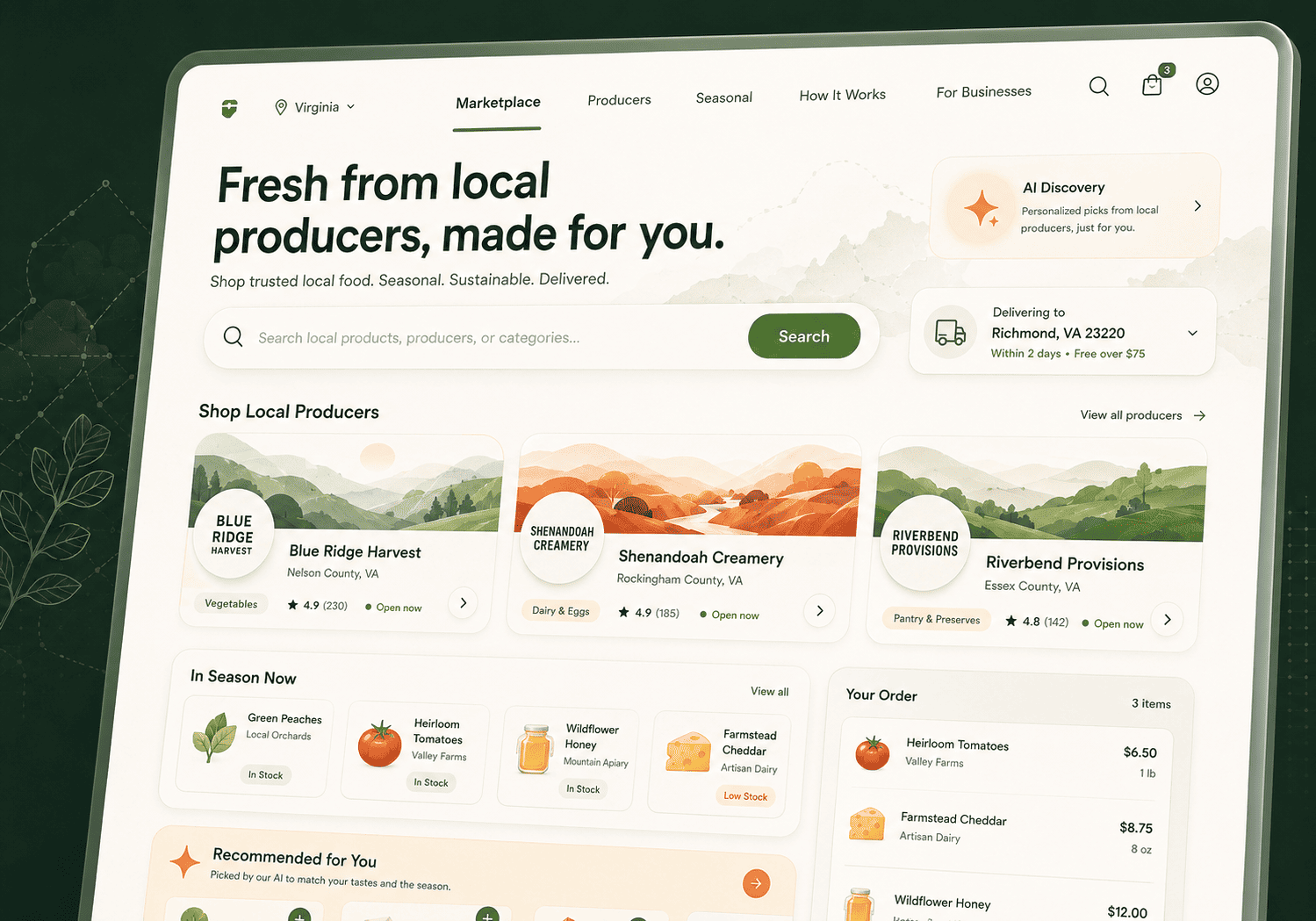
Digital Marketplace for Virginia Farmers, Local Producers & Direct-to-Consumer Food Sales

Plavno developed a custom multi-vendor marketplace for Virginia-based farmers, food producers, and regional sellers to unify product listings, vendor operations, customer ordering, and local fulfillment workflows.

Read More
3x

increase in product discovery relevance

Digital Marketplace for Virginia Farmers, Local Producers & Direct-to-Consumer Food Sales

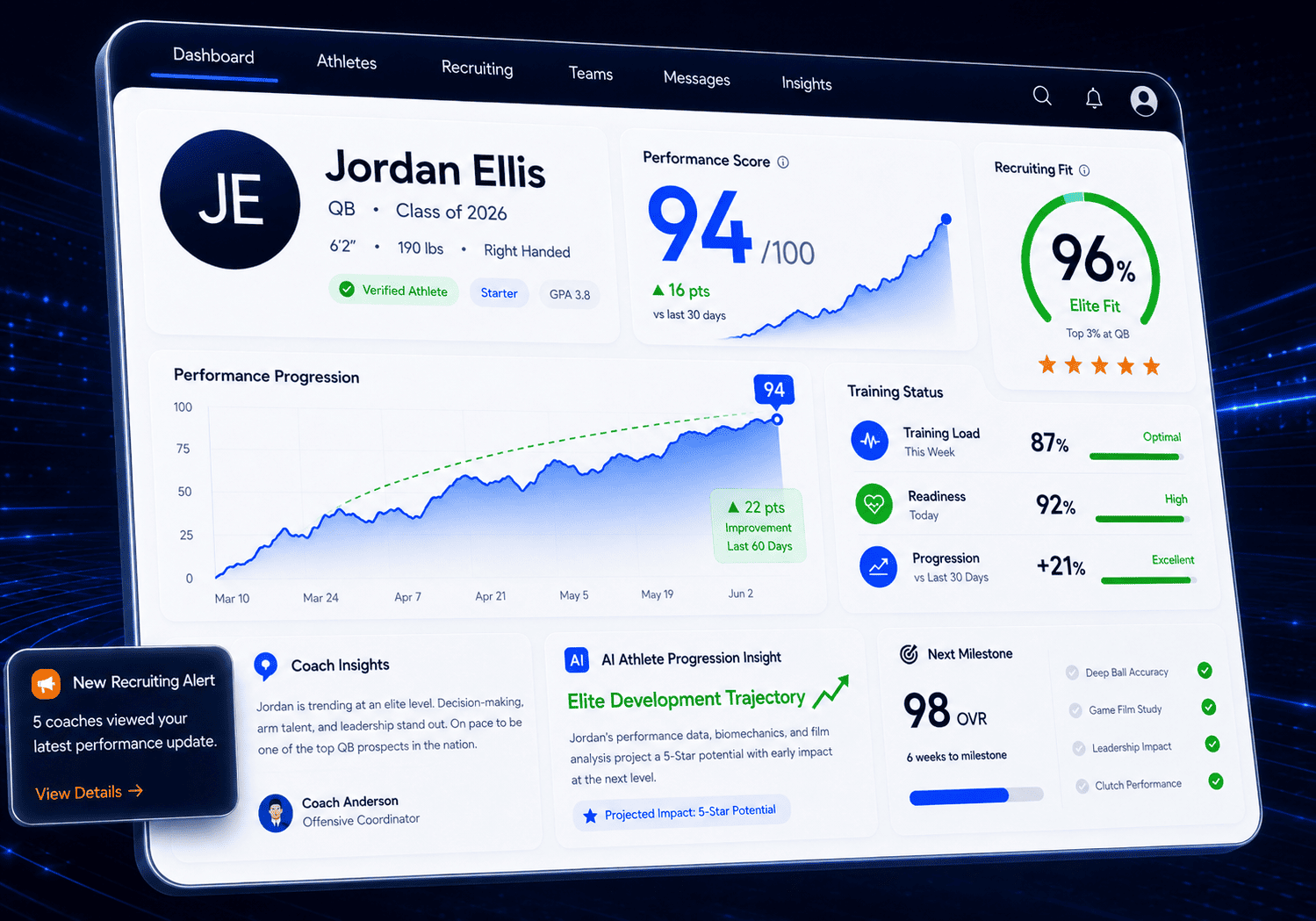
AI-Powered Sports Performance & Recruiting Platform for Virginia Clubs, Academies & Youth Programs

Plavno developed a custom sports technology platform for Virginia-based clubs and academies to combine athlete performance tracking, coach communication, recruiting workflows, and mobile engagement in one ecosystem.

Read More
3x

faster recruiting pipeline

AI-Powered Sports Performance & Recruiting Platform for Virginia Clubs, Academies & Youth Programs

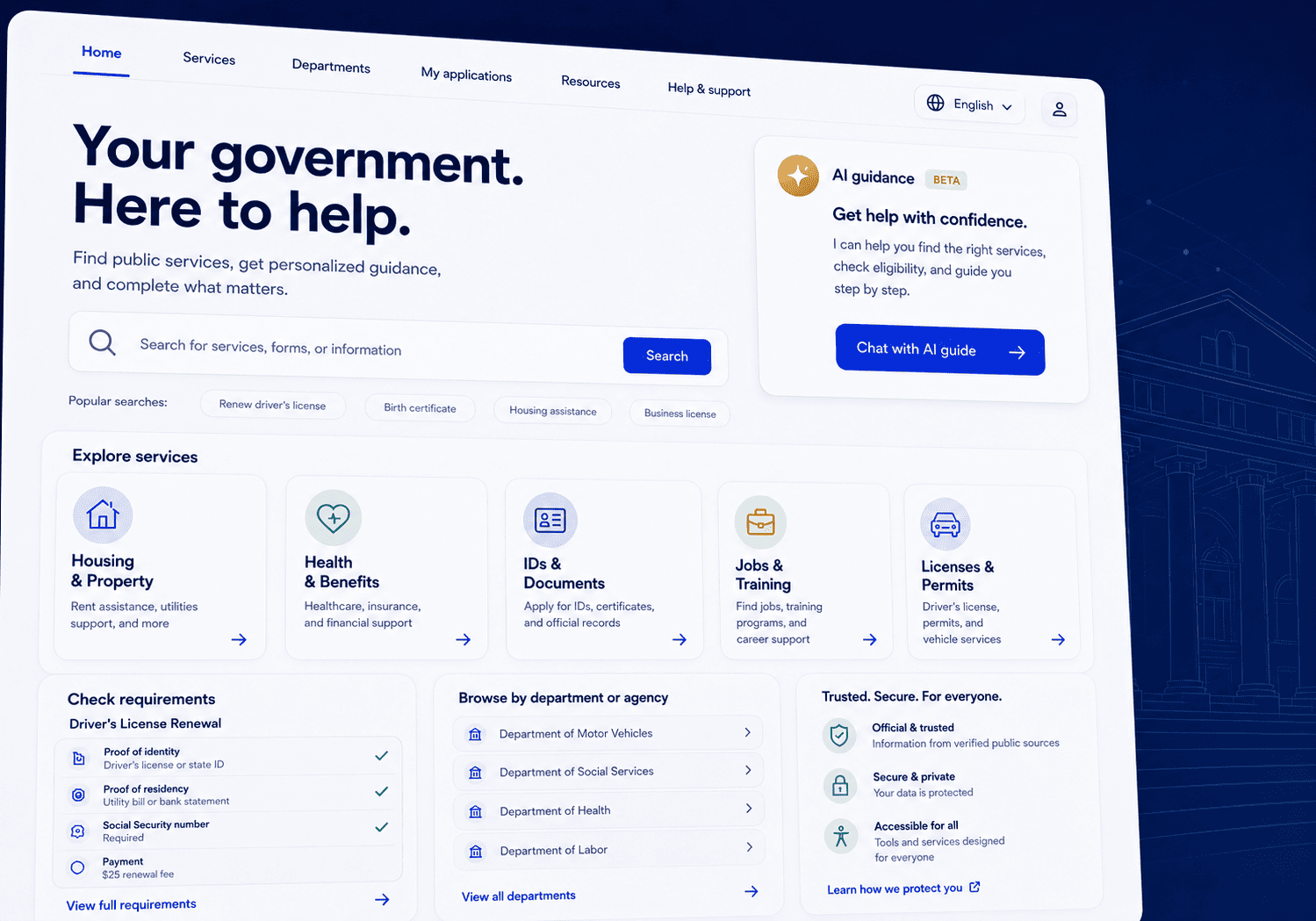
AI-Powered Citizen Services Website Platform for Virginia State Agencies

Plavno developed a modern eGovernment website platform for Virginia state agencies that centralizes citizen services, public information, department content, and an AI-powered guidance agent in one scalable system.

Read More
70%

reduction in routine citizen inquiries to agency staff

AI-Powered Citizen Services Website Platform for Virginia State Agencies

AI CRM Automation Solutions for Lynchburg Industries

Where central Virginia operators apply CRM automation first

Use cases map to the industries that hire and ship around Lynchburg, Roanoke, and the surrounding counties.

Freight Logistics

Freight Logistics

Quote packs

Freight and regional logistics

Brokers and carriers around Lynchburg still assemble quotes from scattered emails and rate sheets. An agent gathers lanes, rates, and capacity notes then stages a pack for human approval. Tracking updates write back to the opportunity so customers stop chasing status calls. The pattern mirrors the freight quoting and tracking automation we already shipped. Quote cycles tighten and sales can run more concurrent bids. Workflow orchestration keeps exceptions in a single queue rather than private inboxes. ROI shows up as more quotes completed per dispatcher without new headcount.

Manufacturing

Manufacturing

ERP sync

Light manufacturing and distribution

Plants feeding Roanoke and Bedford markets juggle MOQs, lead times, and custom BOM notes inside spreadsheets. CRM automation pulls ERP flags into the account record before the rep opens a call. Order status no longer requires a second login. Configured products draft proposals with the same margin guards finance already enforces. Field teams in Madison Heights get mobile-ready summaries. Waste from stale quotes declines as expiry rules auto-close dead pipelines.

Healthcare

Healthcare

Case routing

Healthcare networks and clinics

Admin staff lose time re-entering referral data across intake and CRM tools. Automation validates required fields and routes cases by specialty and urgency. Access logs support internal review even when full HIPAA scopes do not apply. Appointment and follow-up tasks spawn without a separate checklist app. No-show risk flags surface earlier for outreach. Patient-facing text stays draft-only until a human clears it.

Higher Education

Higher Education

Campus pipeline

Higher education and large campus vendors

Suppliers serving Liberty University and regional colleges manage seasonal spikes that overwhelm CRM hygiene. Enrollment-style funnels for continuing education or conference sales get scored by engagement depth. Automation cleans stale contacts after term windows close. Event registration sync stops double work between marketing tools and CRM. Leadership sees pipeline by department without weekly pivot tables. Handoffs between student-facing and corporate sales teams finally share one timeline.

Professional Services

Professional Services

SOW drafts

Professional services and agencies

Firms in Lynchburg bill time yet still type the same scope notes into proposals. Templates pull prior engagement data and draft SOW sections for partner review. Utilization signals update account health scores. Overdue invoices trigger playbooks that protect cash without sounding harsh. Knowledge from past wins stays attached to the opportunity, not a private drive. Utilization and close rates rise as admin load falls.

Retail Commerce

Retail Commerce

Store sync

Retail and multi-location commerce

Regional retailers near Lynchburg fight to keep store and e-commerce contacts aligned. Unified profiles stop double email noise. Inventory-aware recommendations appear for phone sales teams. Returns and warranty cases route by SKU rules instead of free-text hunting. Local promotions auto-suppress national lists so brand trust holds. Managers get dashboards per store without extra data entry.

Testimonials

We are trusted by our customers

“They really understand what we need. They’re very professional.”

The 3D configurator has received positive feedback from customers. Moreover, it has generated 30% more business and increased leads significantly, giving the client confidence for the future. Overall, Plavno has led the project seamlessly. Customers can expect a responsible, well-organized partner.

Sergio Artimenia

Commercial Director, RNDpoint

Sergio Artimenia

“We appreciated the impactful contributions of Plavno.”

Plavno's efforts in addressing challenges and implementing effective solutions have played a crucial role in the success of T-Rize. The outcomes achieved have exceeded expectations, revolutionizing the investment sector and ensuring universal access to financial opportunities

Thien Duy Tran

Product Manager, T-Rize Group

Thien Duy Tran

“We are very satisfied with their excellent work”

Through the partnership with Plavno, we built a system used by more than 40 million connected channels. Throughout the engagement, the team was communicative and quick in responding to our concerns. Overall, we were highly satisfied with the results of collaboration.

Michael Bychenok

CEO, MediaCube

Michael Bychenok

“They have a clear understanding of what the end user needs.”

Plavno's codes and designs are user-friendly, and they complete all deliverables within the deadline. They are easy to work with and easily adapt to existing workflows, and the client values their professionalism and expertise. Overall, the team has delivered everything that was promised.

Helen Lonskaya

Head of Growth, Codabrasoft LLC

Helen Lonskaya

“The app was delivered on time without any serious issues.”

The MVP app developed by Plavno is excellent and has all the functionality required. Plavno has delivered on time and ensured a successful execution via regular updates and fast problem-solving. The client is so satisfied with Plavno's work that they'll work with them on developing the full app.

Mitya Smusin

Founder, 24hour.dev

Mitya Smusin

Architecture & Engineering Overview

How Lynchburg AI CRM builds stay maintainable in 2026

Friction map

Two-week friction map

Spend targets bottlenecks costing Lynchburg teams the most—minutes per quote, first-response delay, missing fields

Proven cycle gains

Every write proves a gain

Automated actions measured against baselines you already own—cycle time, error rate, opportunities per rep

Risk bounds

Risk bounded before code

Data-quality gates, latency budgets beside customer SLAs, and monthly model cost caps stop surprise bills

Governance

Governance after launch

Named owners, change windows, quarterly baseline reviews—scale back with one switch if lift fades

For Business: Technical ROI & Risk Mitigation

Buyers fund AI CRM Automation to reclaim hours and protect revenue, not to collect models. The thesis is simple: every automated write must prove a cycle-time or error gain against a baseline you already measure. We open with a two-week friction map so spend targets the bottlenecks costing Lynchburg teams the most. Pilot metrics include minutes per quote, first-response delay, and percent of records missing required fields.

Risk shows up as bad data, silent latency, and surprise model bills. We bound each risk before code lands. Data quality gates block low-confidence writes. Latency budgets sit beside SLAs your customers already feel. Monthly cost caps stop a traffic spike from becoming a finance issue. Those controls matter for mid-market Virginia firms that cannot absorb runaway cloud fees.

Proof comes from shipped work. The freight quoting and tracking agent compressed multi-party data collection into a guided flow with human approval still in the loop. That cut back-and-forth without removing judgment. Property search ranking work showed that preference models can stay understandable for non-engineers. The same transparency applies when a sales director questions why a lead scored high.

Financial narrative stays plain. Savings appear as reduced contractor hours on data entry and fewer lost renewals from missed follow-ups. Growth shows as more opportunities worked per rep. Neither claim needs vanity percentages. We tie each to a dashboard your ops lead already owns.

Governance prevents drift after launch. Change windows, approval routes, and a named owner for each agent keep experiments from lingering in production. Quarterly reviews revisit model performance against the original baseline. If lift fades, you scale back with one switch rather than a forensic project.

The business outcome is a CRM that remains a trusted operating surface. Automation ought to feel invisible to the people who hit quota. When it does, leadership finally reads clean pipeline without a weekend cleanup sprint.

1

Discovery & design gates

Scope frozen against measurable events and writes. Source-of-record, auto-write fields, and human gates decided on paper as acceptance tests

2

Build on vendor APIs

Thin workflow layer, native CRM SDKs, feature flags for dark launches. Sandboxes mirror production profiles—no black-box runtime lock-in

3

Pilot → expand → handoff

Load tests on real concurrent ops patterns. Runbooks, ownership maps, and cost dashboards so your team pauses or retires agents without a war room

4

Integration & version control

Idempotent adapters for legacy ERP SOAP/file drops. Model prompts and feature lists versioned beside app code with signed promotion checklists

For CTOs: Architecture & Technical Lifecycle

CTOs owning the CRM estate need a lifecycle that does not trap the org in a vendor black box. We treat automation as a product with stages, gates, and rollback rather than a one-off script drop. Kickoff freezes scope against measurable events and writes. Architecture choices favor vendor APIs and a thin workflow layer so you are not locked to our runtime forever.

Decision points land on paper early. Which system remains source of record. Which fields may auto-write. Which actions need a human gate. Trade-offs between batch and event-driven paths get scored against your peak volumes in Lynchburg offices and remote field teams. Those decisions become acceptance tests, not slide deck decoration.

Technical lifecycle runs discovery, design, build, pilot, expand, and handoff. Each stage ends with artifacts your staff can audit. Sandboxes mirror production profiles. Feature flags bury dark launches until readiness is real. Load tests use realistic concurrent ops patterns rather than synthetic extremes no one will hit.

Governance covers access, secrets, model versioning, and change windows. Model prompts and feature lists live in version control next to application code. Promotions require signed checklists so knowledge is not trapped in one contractor laptop. We document fail-open versus fail-closed choices for each automation path.

Integration risk gets explicit tests. Legacy ERPs common in Virginia manufacturing often expose awkward SOAP or file drops. We wrap them with idempotent adapters and duplicate detection. Timeouts and circuit breakers keep a slow upstream from cascading into the CRM UI your reps live in.

Exit quality includes runbooks, ownership maps, and cost dashboards. After warranty your team can pause, tune, or retire an agent without a war room. That is the bar for technical success independent of any marketing promise.

Event in

Event in

Native CRM webhooks or polling adapters feed a queue with retries and dead-letter visibility

Policy decision

Policy decision

Rules first; models only for classification, scoring, or drafting when rules alone fail

Model + write

Optional model → CRM write

Smaller hosted models for latency/cost. Batched writes, idempotency keys, CRM SDK ACLs

Audit + observe

Audit row + traces

Correlation IDs from form to update; queue depth, token cost, write success ratio exposed

For Engineers: Implementation Details & Stack

Engineers care about the concrete path from event to side effect. Default design is event in, policy decision, optional model call, CRM write, audit row. We keep the path short so failure domains stay obvious. Native CRM webhooks or polling adapters feed a queue. Workers execute with retries and dead-letter visibility.

Stack selections stay deliberate. CRM SDKs (Salesforce, HubSpot, Dynamics) own field-level security so we do not reinvent ACLs. A workflow engine coordinates multi-step jobs such as freight quoting packs where several external systems must agree. Models enter only when rules alone fail: classification, scoring, drafting. We pick smaller hosted models when latency and cost beat large general models for the task shape.

From prior delivery we reuse patterns. Quote automation needed orchestration across rate inputs and human gates. We structured that as discrete tasks with clear compensation if a later step failed. Property search ranking taught preference features that transfer to lead ranking. Both remain thin layers rather than new platforms staff must learn.

Optimization focuses on cache-friendly lookups, batched CRM writes, and throttling against known API limits. Idempotency keys stop double updates during retries. Shadow mode compares model output to human decisions for a week before cutover. Edge cases include partial payloads, daylight saving shifts on SLA clocks, and multi-currency quirks for Virginia exporters.

Observability is first-class. Structured logs carry correlation IDs from form submit to CRM update. Metrics cover queue depth, decision latency, model token cost, and write success ratio. Traces jump from gateway to worker to CRM call so on-call can isolate blame in minutes.

Local DX keeps teams fast. Infrastructure as code, containerized workers, and seedable sandboxes mean a new engineer can recreate the path without tribal knowledge. Pull request templates force security and cost notes. That discipline is what makes the build ownable after we leave.

Security baseline

US regions & least privilege

IaC deploys, vaulted secrets, cloud roles mapped to CRM permission sets. Field redaction before external model calls

Intentional monitoring

Business + tech metrics

Quote cycle hours, queue lag, model cost per 1k decisions, anomalous write volume—alerts on channels ops already watches

Incident response

Incident paths pre-written

Severity defs, rollback steps, feature-flag kill switches, and customer comms templates live in the runbook before go-live

Cost control

Cost ceilings beside reliability

Budgets and anomaly alerts on model/queue spend. Autoscaling floors and ceilings so weekends never overprovision

Infrastructure, Observability & Security

US clients expect controls that survive a compliance review without slowing sales. We design monitoring, access, and incident paths as part of the product, not an appendix. Deployments run in US regions with infrastructure as code. Secrets never land in repositories. Least privilege maps Roles in the cloud account to CRM permission sets the business already shaped.

Compliance scope varies. Healthcare-adjacent vendors may need HIPAA-aligned handling even for non-clinical macros. Education and B2B services often push SOC 2 evidence from their own auditors. We align logging, retention, and access reviews to those expectations. Encryption in transit and at rest is baseline. Field-level redaction precedes any external model call when the case allows.

What we monitor is intentional. Business metrics: time-to-first-response, quote cycle hours, incomplete record rate. Technical metrics: queue lag, error budgets, model cost per 1k decisions, CRM API utilization. Security metrics: failed auth, anomalous write volume, secret rotation age. Alerts route to channels ops already uses so noise does not create a second page duty.

Incident response is written before go-live. Severity definitions, rollback steps, and customer communication templates live in the runbook. Feature flags cut off an offending agent without a full deploy. Post-incident notes feed the backlog the same week. That cadence protects trust with Lynchburg stakeholders who cannot afford multi-day CRM outages.

Cost control sits next to reliability. Budgets and anomaly alerts guard model and queue spend. Autoscaling policies have floors and ceilings so weekends do not overprovision. Monthly cost reviews join the same operating rhythm as sales pipeline reviews.

For Virginia teams the outcome is calm operations. When something breaks, on-call knows where to look. When auditors ask, evidence already exists. When leadership expands to a new site in Roanoke, the same patterns transplant without a redesign.

Adoption curve

Rolling AI CRM habits across Virginia teams without chaos

A maturity path that moves staff from assisted tasks to supervised autonomy once trust is earned.

Clipboard
Team
01

Step 1: Stabilize the data floor (2-3 weeks)

Automation fails on dirty fields. We run audits on required CRM attributes and ownership chains. Gaps get owners and due dates. Dedup and validation rules land before any model trains. Lynchburg admins receive a live scorecard. Two to three weeks is enough to raise quality past the threshold for scoring and routing.

02

Step 2: Assist, do not replace (3-4 weeks)

Agents draft scores, replies, and quote packs while humans approve every write. Comparison reports show agreement rates. Training sessions cover how to correct the agent productively. Trust builds because staff see the system learn from edits. Three to four weeks covers the first assisted workflows for one desk.

Search in doc
Rocket
03

Step 3: Supervise autonomous slices (3-5 weeks)

Low-risk actions run without a click when confidence is high. Examples include tagging and stage moves inside tight rules. High-impact sends still need approval. Guardrails and kill switches stay one click away. Three to five weeks spans configuration, shadow tests, and limited production cuts.

04

Step 4: Expand with playbooks (2-4 weeks)

Successful slices copy to adjacent teams in Forest and Roanoke. Playbooks define when to raise thresholds or roll back. Center-of-excellence ownership sits with a named Virginia lead. Metrics compete only against each team baseline. Two to four weeks depending on change management appetite.

Eugene Katovich

Eugene Katovich

Sales Manager

Need a custom software solution? We’re ready to help!

Plavno has a team of skilled developers ready to tackle the project. Ask me!

Get a Free Quote

Ready check

Pre-project checklist for Lynchburg CRM leaders

  • Name the five pain tasks — List the manual CRM chores that burn the most hours each week. Attach an owner and a rough hour count. Include whether the pain hits sales, support, or ops. Examples help: quote assembly, lead cleanup, status chasing. Bring sample records that exemplify the mess. This list becomes the backlog seed for the discovery workshops we run with Virginia teams.

  • Inventory systems and owners — Document CRM edition, add-ons, ERP links, email tools, and any side spreadsheets. Capture admin contacts and current API usage. Note hard limits vendors impose. Flag which fields finance treats as gospel. Without this map, integration estimates stay fiction. Share sandboxes if they exist so probes do not touch production.

  • Gather baseline metrics — Pull last-quarter numbers for cycle time, incomplete records, first response, and win rate where possible. Note how each number is calculated today. Baselines keep ROI honest after launch. If no metric exists, pick a simple stopwatch study for two weeks. Lynchburg managers who skip this step argue over vapors later.

  • Define decision rights — Decide who can approve automated writes, cost overruns, and scope changes. Put names, not roles, on the page. Clarify legal and security reviewers for data leaving the CRM. Fast decisions keep a six-week build from stretching into a quarter. This is especially important when campuses or multi-site retail need shared standards.

  • Prepare a data sample — Export a sanitized set of opportunities, contacts, and cases covering wins and losses. Remove secrets yet keep the shape of real mess. Include a few edge cases unique to your industry. Models and rules need that texture. We never train production agents on synthetic quiet data alone.

Vitaly Kovalev

Vitaly Kovalev

Sales Manager

Get a Lynchburg CRM automation readiness audit

Share budget range, timeline, current stack, and the scope of data you can open. Receive a scored readiness audit and rough effort range built for central Virginia businesses.

Talk to Experts

Common questions

AI CRM Automation questions from Virginia buyers

Straight answers on cost, time, data, quality, security, and life after launch for Lynchburg teams.

What drives the cost of AI CRM Automation for a Lynchburg company?

Cost tracks three factors: integration surface, decision complexity, and the number of teams going live in the first release. A single CRM with clean APIs and one high-value flow lands near the low end. Multi-system orchestration across ERP, email, and a custom store raises engineering weeks. Model spend stays secondary when you choose the right sized models and set monthly caps. Local market realities matter. Many Lynchburg and Roanoke firms run mid-tier Salesforce or HubSpot seats with uneven field hygiene. Budget should include a short data cleanup phase or the automation will amplify noise. Security reviews for healthcare-adjacent or campus vendors add calendar time even when the code path is simple. We price discovery separately so you see real scope before a full build. Typical discovery covers friction mapping, architecture options, and a phased plan with ranges. Full delivery then bills against agreed milestones. You should expect transparent line items for build, pilot support, and a fixed warranty window. Hidden costs appear when ownership is unclear. Without a named admin after launch, small threshold tweaks turn into paid change requests. We transfer runbooks and train your staff so day-two work stays internal. Cost control also covers model usage dashboards so finance is never surprised. When you request pricing, send budget, timeline, stack details, and dataset scope. That package lets us return a grounded estimate rather than a wide marketing band. Get AI CRM Automation cost estimate in 24 hours once those inputs arrive. We work with US-based clients, including companies operating in Virginia, so commercial terms match domestic norms.

How long does it take to build AI CRM Automation software?

Timelines split into MVP and full rollout. An MVP that automates one painful flow usually lands in eight to twelve weeks from kickoff when data access is ready. That path covers discovery, design, build, pilot, and a focused go-live for one desk. Full multi-team deployment with several agents expands into four to six months depending on change pace. Discovery and architecture take one to three weeks. Build for the first agent takes three to five weeks. Pilot overlays two to three weeks of measured traffic. Expansion to more teams adds two to four weeks per major slice once patterns exist. Handover needs one to two weeks of shadowing. Delays usually come from outside engineering. Slow sandbox access, unclear decision rights, and missing baselines stall progress more than code. We place those risks on the plan early and set owners inside your org. Lynchburg firms that assign a single product owner cut weeks off the calendar. MVP definition should stay ruthless. One scoring model with write-back. One quote pack generator. One triage path. Resist stacking three half-done agents. Depth beats breadth until staff trust the system. After trust exists, templates make each new agent faster. Full deployment includes monitoring, cost caps, runbooks, and admin training. Skipping those feels faster for a week and painful for a year. We treat them as launch criteria, not optional polish. Seasoned Virginia ops teams appreciate that discipline because CRM downtime hits revenue the same day. Share target launch dates during sales. We reverse-plan milestones against your hard events such as fiscal year starts or marketing campaigns. That planning style has kept work predictable for mid-market B2B clients across the state.

Do you work with startups in Virginia?

Yes. We work with early teams and growing mid-market firms across Virginia, including founders operating out of Lynchburg, Charlottesville, and the Roanoke corridor. Startups often need tight scope and fast learning loops. We favor an assisted automation MVP that proves time saved before any broader spend. That approach protects runway while teaching the team how CRM events should look. Virginia startup ecosystems cluster around university spinouts, defense-adjacent software, logistics tech, and healthcare services. Liberty University vendors and student-facing products appear near Lynchburg. Charlottesville brings research commercialization. Richmond and Northern Virginia add larger venture activity though many founders still hire centrally. We adjust ceremony to company size so a ten-person team is not forced into enterprise theater. Data needs stay honest. Even startups must lower dirt in the CRM before models help. We often start with validation rules and simple scoring rather than ambitious multi-agent designs. As product-market fit firms up, the same pipelines expand. You do not pay twice for foundations. Commercial terms remain flexible without hiding risk. Discovery can be fixed fee. Build can gate on milestone demos. Equity is not required. We prefer cash clarity so both sides stay focused on deliveries. US-based contracting simplifies procurement for locally funded startups. We also support startups that sell into regulated buyers. Annotation of audit trails and permission maps early avoids rework when an enterprise pilot appears. That readiness is a competitive edge during longer sales cycles common in healthcare and education. If you are pre-seed and still validating messaging, wait until a CRM exists with real usage. If you already feel the pain of manual follow-up at scale, you are ready for a focused automation conversation.

Can AI CRM Automation integrate with my existing system?

Yes. Integration is the core of the work, not an afterthought. We treat your CRM as the system of record and attach automation around its events and APIs. Salesforce, HubSpot, Dynamics, and common mid-market CRMs are routine. Custom stores are possible when stable endpoints or database access exist. Legacy systems need adapters. Many Lynchburg manufacturers still expose ERP data through file drops, older SOAP services, or limited partner APIs. We build idempotent connectors with clear retry rules and dead-letter queues. That keeps transient failures from creating duplicate opportunities or silent gaps. Mapping documents sit beside the code so future staff understand field meaning. API-first design prefers vendor bulk and streaming interfaces when volumes grow. Rate limits get load tests in staging. Backoff policies follow vendor guidance so we do not risk account locks. When real-time is unnecessary, scheduled syncs reduce cost and complexity. Both patterns can coexist on one account timeline. Authentication uses least privilege. Connected apps, OAuth apps, or service users receive only the scopes required. Secrets rotate on a schedule I compare with your security baseline. Human audits still see who approved which automation path. We document failure behavior. Fail-closed is preferred when a wrong write would damage customer trust. Fail-open may fit low-risk enrichment. Those choices appear in runbooks used by Lynchburg on-call staff at 2 a.m. Clarity here reduces weekend fire drills. If your stack includes niche tools, bring API docs or sample payloads to discovery. We assess feasibility before promising dates. Most stacks integrate. The rare blocking case is a black-box SaaS with no export path and no API. Even then, attended automation may bridge the gap until a better path appears.

What industries in Lynchburg benefit most from AI CRM Automation?

Three industries show the fastest payoff. Regional logistics and freight firms fight scattered rate data and status chasing. Automation that drafts quotes and writes tracking events back into the CRM frees dispatchers and protects win rates. We already delivered freight quoting and tracking automation with workflow orchestration, so the pattern is proven rather than theoretical. Light manufacturing and distribution form the second group. Plants and warehouses around Lynchburg and Bedford juggle lead times, custom configurations, and channel partners. Pulling ERP signals into CRM opportunities stops reps from selling against stale inventory. Proposal generation under margin rules reduces finance exceptions. The efficiency compound when multi-location sales teams share one clean timeline. Healthcare networks, clinics, and higher education vendors form the third. Referral intake, specialty routing, and seasonal enrollment-style funnels create spikes that crush manual CRM hygiene. Classification and task automation keep SLAs honest without bloating headcount. Audit-friendly logs matter when internal compliance teams review access. Professional services and multi-location retail also benefit, though the first three usually justify spend sooner. Services firms reclaim partner time from SOW drafting. Retailers unify store and e-commerce profiles so outreach stops annoying the same customer thrice. Selection criteria are practical. High manual touch volume. Clear dollar value of delay. API-accessible systems of record. Willing owners for pilot desks. When those line up in a Lynchburg business, automation pays back inside one or two quarters of real use. We map industry specifics during discovery rather than forcing a template. Your margins, seasonality, and compliance pressures shape the sequence of agents. That is how the same platform ideas stay relevant across freight offices and campus suppliers without generic filler.

Contact Us

This is what will happen, after you submit form

Need a custom consultation? Ask me!

Plavno has a team of experts ready to start your project. Ask us!

Vitaly Kovalev

Vitaly Kovalev

Sales Manager

Schedule a call

Get in touch

Fill in your details below or find us using these contacts. Let us know how we can help.

No more than 3 files may be attached up to 3MB each.
Formats: doc, docx, pdf, ppt, pptx, xls, xlsx, txt.
Send request