bg image
bg image

Serving Leesburg & Virginia

Leesburg revenue teams reclaim hours from CRM busywork in 2026

Ops leaders in Loudoun County still lose evenings to cleanup, follow-ups, and stale deal data. Manual CRM work stalls forecasts and burns skilled staff. AI CRM Automation assigns, enriches, and routes work so people sell instead of type. It fits government contractors, logistics firms, and growth tech nearby. You keep your current CRM. You see cleaner handoffs and shorter response times. Get AI CRM Automation cost estimate in 24 hours. We scope budget, timeline, stack, and dataset before any build starts.

Discuss Project

Overview

Why Loudoun pipelines stall without smart CRM flow

Leesburg sits inside one of the densest contractor and data-center corridors in the United States. Sales cycles mix federal requirements, multi-party deals, and long nurture paths. Teams still paste notes, chase missing fields, and guess next steps. That friction shows up as delayed quotes, missed renewals, and forecast noise that boards dislike. AI CRM Automation attacks the busywork that sits between a live opportunity and a clean record.

Trusted AI CRM Automation Partner for Leesburg Businesses, we focus on outcomes that finance can measure. We work with US-based clients, including companies operating in Virginia. Our work spans Ashburn, Sterling, Reston, Herndon, and Purcellville accounts that need governed agents inside existing CRM tools. A typical engagement starts with pipeline pain mapping, not a demo of shiny copilots. That keeps scope honest and spend tied to hours returned.

Business owners here often ask for faster paperless handoffs without ripping out Salesforce, HubSpot, or Dynamics. Our CRM development practice builds the agent layer, the integration fabric, and the rules that keep data trustworthy. We have delivered 10+ AI CRM Automation projects in the US market for teams with mixed B2B and logistics workloads. Proof is practical. One freight program used quote automation and logistics workflow orchestration so desk staff stopped retyping bids.

The technical path is deliberate. Event hooks watch CRM stage changes. Enrichment jobs pull firmographics and prior history. Routing agents apply playbooks for territory, product line, and compliance flags. Human review stays on high-value deals. Low-risk steps run unattended with audit logs. Cost control comes from caching, batch windowing, and clear stop rules when confidence drops.

Local context matters. Defense-adjacent firms near Fort Belvoir routes and data operators along the Dulles corridor face stricter audit needs than a pure SMB shop. We design retention policies, consent checks, and role scopes before models touch production records. The result is automation leadership staff can defend in a security review, not a shadow script that collapses under load.

Talk to an Expert
Event Hooks

Event Hooks

Watch CRM stage changes and recover missed events via webhooks plus batch sync

Enrichment Jobs

Enrichment Jobs

Pull firmographics and prior history so records stop depending on pasted notes

Routing Agents

Routing Agents

Apply territory, product-line, and compliance playbooks before humans open deals

Governed Actions

Governed Actions

High-value human review, low-risk auto steps, audit logs, and confidence stop rules

Core system design

Agent layers that sit cleanly on your CRM stack

Leesburg operators receive a production-ready automation control plane, not a one-off chatbot bolted onto forms. The first layer is a CRM adapter that speaks native APIs for object create, update, and stage transitions. We pick webhook plus batch sync so missed events recover without manual double entry. Message durability uses a queue so spikes during campaign weeks do not drop ownership changes. That design growth teams in Loudoun actually feel on Monday morning.

The second layer is the decision fabric. Rules encode who owns what territory, what package maps to which product SKU, and when a deal needs legal review. Generative steps only fill narrative fields where templates fail, such as personalized outreach drafts. Structured steps handle scoring, SLA clocks, and task creation. We mirror patterns proven in quote automation for freight teams, where orchestration reduced desk thrash without inventing numbers we cannot stand behind. Every model call carries a purpose tag for later cost review.

Security/compliance is built into the path, not painted on later. Secrets stay in a managed vault. Service accounts follow least privilege on CRM objects. PII fields can be masked before any model sees them when a use case allows. Audit tables record who or what changed a record, with before and after values retained per policy. For Virginia clients near regulated work, we align logging retention with customer contract language. Access reviews happen on a calendar, not after an incident.

DevOps keeps releases boring. Infrastructure as code defines sandboxes that mirror production permissions. Feature flags gate new agent behaviors by team or book of business. Canary cohorts in Ashburn pilot groups absorb first traffic. Observability ships traces for adapter latency, queue depth, and model error rates. Rollback is a config flip, not a weekend rescue. Clients get runbooks that ops staff can follow without calling the original engineer.

Integration reality drives stack choices. We favor CRM hub connectors when volume is moderate and custom middle tiers when multi-system orchestration exceeds native tools. Event buses collect signals from billing, support, and warehouse systems so the CRM stops being a dead end. Schema contracts prevent silent drift when another vendor changes a payload. Grounded in work like logistics workflow orchestration and property search flows, we only automate steps with clear owner and measurable exit criteria. Design reviews walk trade-offs aloud so stakeholders own the risk profile.

plavno logo

Build your first
Smart AI project today!

Just tell the Plavno AI Agent about your project - it will ask questions, gather requirements, and propose a tailored solution

Delivery outcomes

What Leesburg operators gain from automation engines

Pipeline hygiene without nightly cleanup

Pipeline hygiene without nightly cleanup

Stale stages hide risk for Northern Virginia sellers who juggle multiparty deals. Agents watch idle opportunities and prompt owners with context pulled from last meeting notes. Task templates fire only when confidence passes a set bar. We use CRM webhooks so reaction time stays tight. Rules engine choices beat free-form generation for field writes because accuracy matters more than style. Managers see cleaner boards and fewer surprise slip quarters.

Lead routing that respects territory truth

Lead routing that respects territory truth

Misrouted leads burn brand trust across Loudoun account teams. Routing graphs encode region, partner channel, and product specialty before any human opens the record. Conflicts escalate with full history so managers decide fast. We implement graph checks in a dedicated service to keep CRM logic testable. Message queues protect night and weekend spikes. Sales leaders spend time coaching instead of arguing ownership.

Quote and handoff assistants for heavy SKUs

Quote and handoff assistants for heavy SKUs

Complex packages stall Leesburg B2B cycles when pricing rules live in heads. Assistants assemble line items from catalog rules and open CRM tasks for human confirm. We adapt patterns from freight quoting automation so structured data leads the flow. Document generation uses templates first, models second. Integration tests cover edge pricing so margin does not leak. Revenue ops continues to own the catalog source of truth.

Meeting-to-CRM capture that sticks

Meeting-to-CRM capture that sticks

Notes die in inboxes while forecasts stay fictional for busy Reston to Leesburg crews. Capture services summarize approved transcript scopes into fields and next steps. Only whitelisted fields write back. Humans approve sensitive updates on a simple review queue. We select speech-to-text vendors for accuracy on accents and jargon found in defense-adjacent talk. Adoption rises when reps trust the write path will not invent numbers.

Lifecycle nudges tied to real system events

Lifecycle nudges tied to real system events

Customer success loses renewals when health signals stay outside the CRM. Event bridges pull product usage and ticket severity into account scores. Nudges open tasks only when thresholds trip. We pick stream processors so latency stays low without hammering APIs. Playbooks differ by segment so SMB and enterprise motions stay sane. Leadership watches churn risk earlier with less manual scorekeeping.

AI CRM Automation Solutions for Leesburg Industries

Regional use cases mapped to Loudoun economic engines

These plays mirror how Leesburg and nearby corridors really sell, fulfill, and retain work in 2026.

Gov Contractors

Gov Contractors

Pursuit desks

Government contractor pursuit desks

Capture managers near the Dulles corridor drown in blackout dates, teaming partners, and gate reviews. Automation ties opportunity stages to compliance checkpoints and document readiness. Partners receive tasks when their slice lags. Technical summary: stage engines call checklist services and write blocker reasons into CRM custom objects. Business result often shows as fewer last-week scrambles, which sales directors value more than vanity AI demos. Governance logs support later audit questions without spreadsheet archaeology.

Data Centers

Data Centers

Capacity offers

Data center and colocation account teams

Capacity offers change weekly around Ashburn campuses, yet CRM notes lag reality. Agents refresh footprint fields from inventory feeds and flag mismatches before proposals leave. Reply drafts cite live SKUs only after rules pass. Technical summary: integration workers synchronize inventory topics into opportunity line caches with freshness timestamps. Revenue ops reduces apology calls after wrong rack quotes. Forecast committees trust stage probability more when inventory truth is visible.

Freight Brokers

Freight Brokers

Quote automation

Freight and regional logistics brokers

Rate chatter moves faster than human CRM updates on busy lanes. Drawing on freight quoting and tracking automation patterns, we arrange quote assembly, shipper updates, and exception tasks inside the CRM timeline. Dispatch still owns final rates. Technical summary: orchestration workers call rating APIs, store bid snapshots, and open follow-up tasks on SLA breaches. Desk time shifts from rekeying to exception handling. Leadership sees lane velocity without manual status meetings.

Real Estate

Real Estate

Relocation match

Commercial real estate and relocation desks

Agents serving expats and corporate moves mishandle preference stacks when notes scatter. Ideas from personalized property search inform matching of budget, commute, and school constraints to active listings stored on CRM person records. Technical summary: ranking services score matched inventory and write shortlists as related lists, not free text dumps. Shorter shortlist cycles cut ghosting. Brokerages keep brand voice because templates and reviews stay collaborator owned.

Healthcare

Healthcare

Referral routing

Healthcare services groups in Northern Virginia

Referral coordinators lose continuity when payer and provider data live apart. Automation routes inbound referrals, completes missing demographic fields from secure sources, and locks PHI behind role gates. Technical summary: consent-aware adapters call EHR or practice systems and mirror only allowed attributes into CRM. Coordination lag drops so patients book sooner. Compliance officers gain field-level audit trails instead of inbox screenshots.

Pro Services

Pro Services

SOW assembly

Professional services firms in Loudoun County

Partners still retype SOW fragments into endless opportunity fields. We automate template assembly from scope answers while preserving review by engagement managers. Fee bandwidth and staffing risk surface as CRM fields before verbal go-aheads. Technical summary: form-driven builders create draft records and link versioned documents stored outside the CRM. Cycle time from discovery to signed work shortens without silent margin leaks. Finance trust rises when package codes stay consistent.

Case Study

We help customers cut
down on development

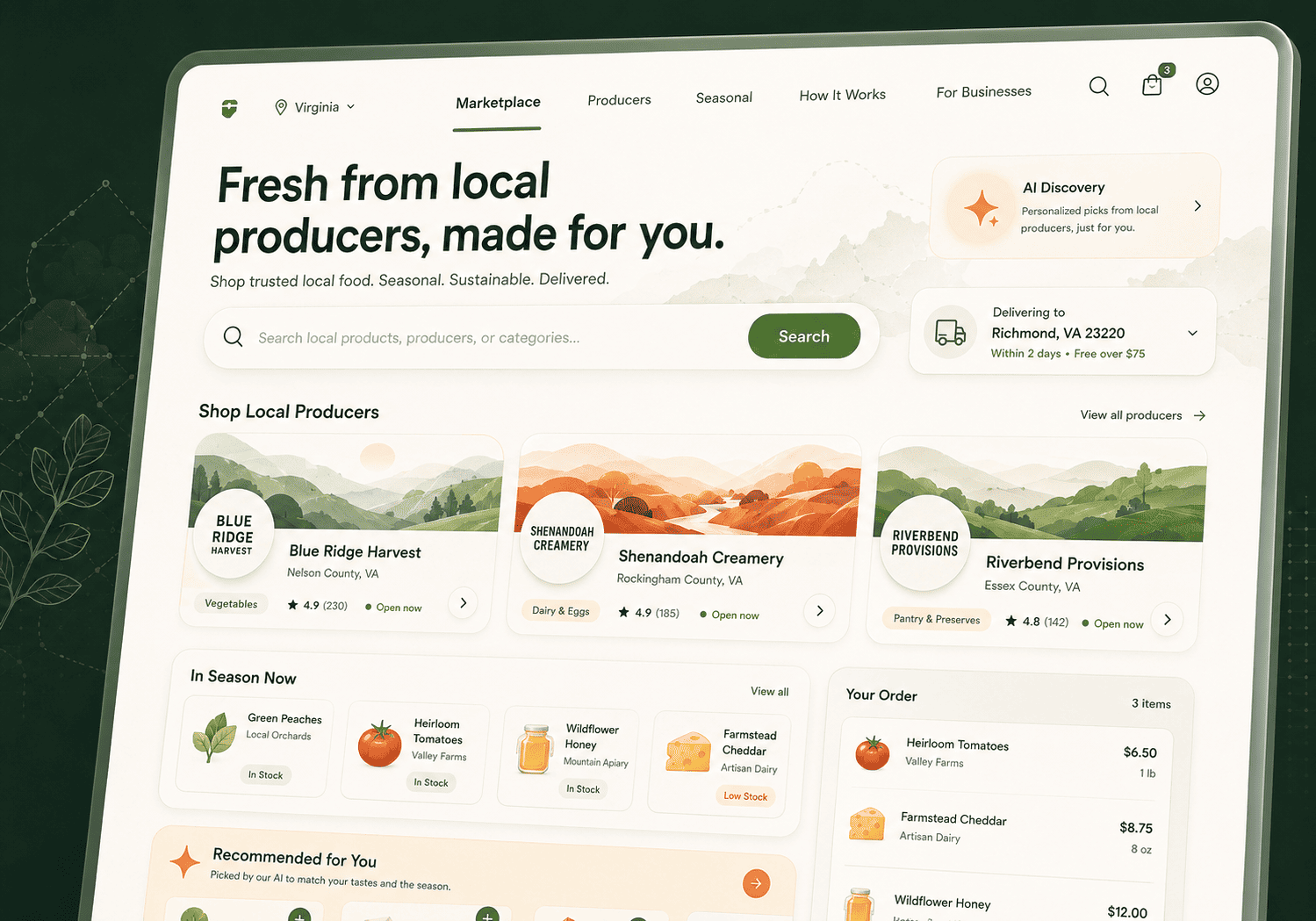
Digital Marketplace for Virginia Farmers, Local Producers & Direct-to-Consumer Food Sales

Plavno developed a custom multi-vendor marketplace for Virginia-based farmers, food producers, and regional sellers to unify product listings, vendor operations, customer ordering, and local fulfillment workflows.

Read More
3x

increase in product discovery relevance

Digital Marketplace for Virginia Farmers, Local Producers & Direct-to-Consumer Food Sales

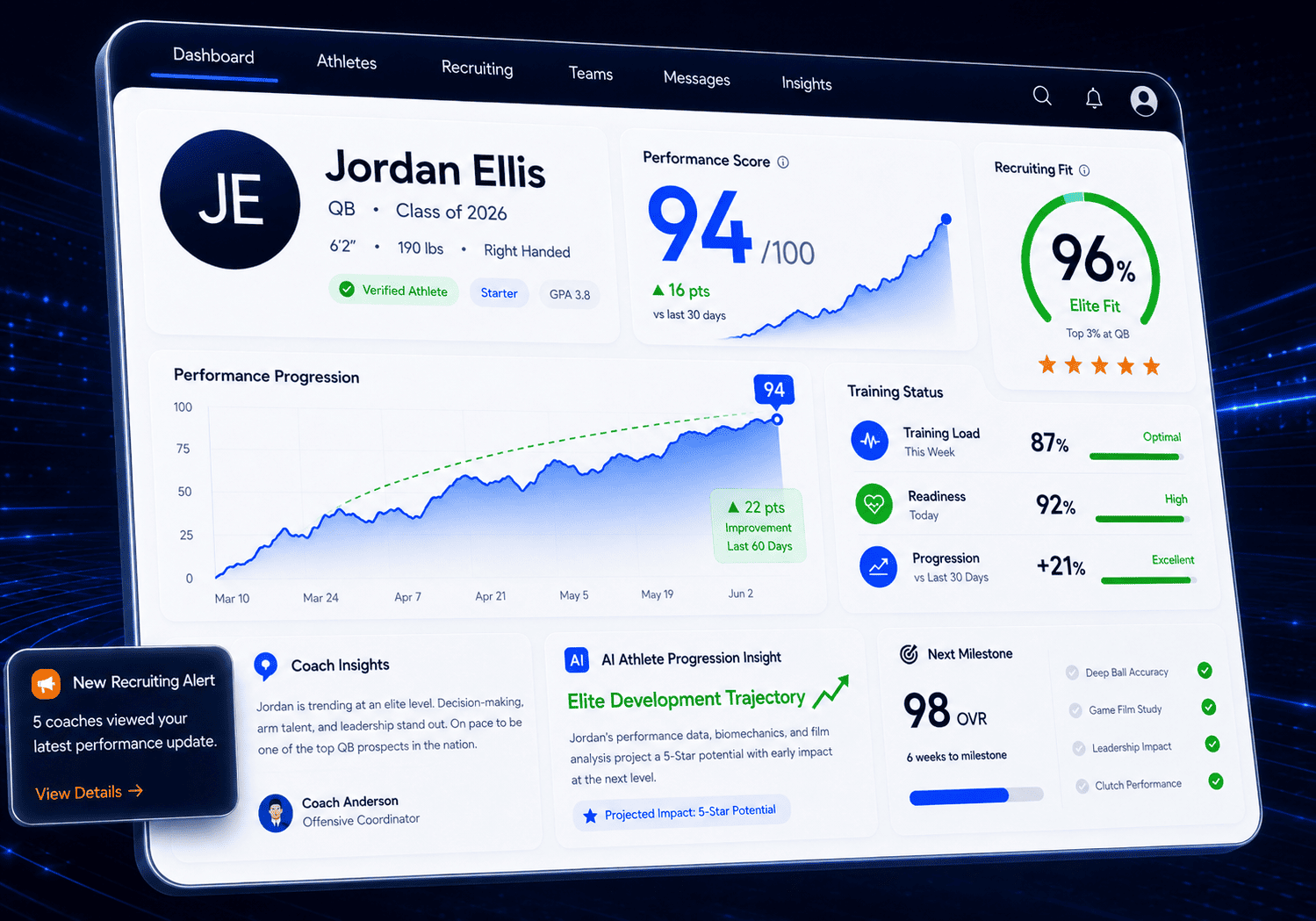
AI-Powered Sports Performance & Recruiting Platform for Virginia Clubs, Academies & Youth Programs

Plavno developed a custom sports technology platform for Virginia-based clubs and academies to combine athlete performance tracking, coach communication, recruiting workflows, and mobile engagement in one ecosystem.

Read More
3x

faster recruiting pipeline

AI-Powered Sports Performance & Recruiting Platform for Virginia Clubs, Academies & Youth Programs

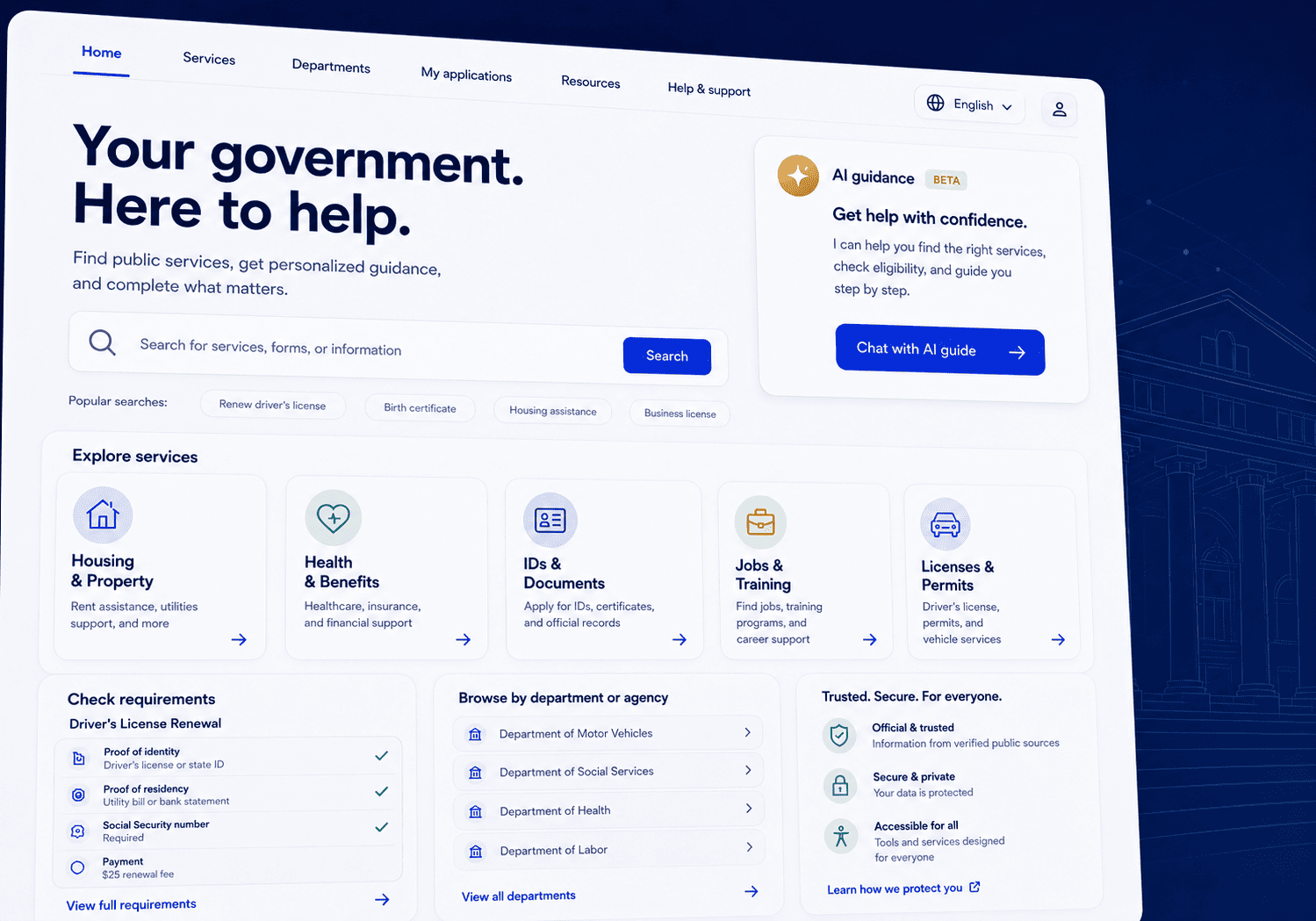
AI-Powered Citizen Services Website Platform for Virginia State Agencies

Plavno developed a modern eGovernment website platform for Virginia state agencies that centralizes citizen services, public information, department content, and an AI-powered guidance agent in one scalable system.

Read More
70%

reduction in routine citizen inquiries to agency staff

AI-Powered Citizen Services Website Platform for Virginia State Agencies

Selection clarity

Why engineering depth beats slideware CRM bots

Leesburg buyers compare more than hourly rate. These rows show how delivery discipline differs when production data is on the line.

Generic Agencies
Our Platform (Deep Engineering Expertise)
CRM-native event recovery and replay
checkmark
Documented ownership rules before model calls
checkmark
Sandbox parity with production permissions
checkmark
Slide deck heavy discovery workshops
checkmark
Cost tags per automation path
checkmark
One-size chatbot for every lifecycle step
checkmark
Runbooks owned by client ops after launch
checkmark

Architecture & Engineering Overview

How Leesburg teams decide, ship, and run AI CRM work

Measurable Baselines

Measurable Baselines

Bind every path to labor or error metrics before build so vanity work waits

Dual-Control Writes

Dual-Control Writes

High-impact fields need human confirm; low-impact auto-commit with undo windows

Token Cost Controls

Token Cost Controls

Cached embeddings, batch enrichment, and kill switches when daily budgets bite

Adoption Loops

Adoption Loops

Champion workshops, shared dashboards, and gate tweaks before blaming users

For Business: Technical ROI & Risk Mitigation

Leaders care about hours returned, forecast integrity, and avoided rework more than model brand names. We bind each automation path to a measurable labor or error baseline before build prioritization. If a step does not move pipeline velocity, margin hygiene, or retention action speed, it waits. That filter stops vanity projects that consume budget without board-visible change.

Risk mitigation starts with dual control of writes. High impact fields require human confirm. Low impact fields auto-commit with easy undo windows. Quiet hours rules prevent 2 a.m. customer emails from overeager nurture agents. Finance side benefit: fewer goodwill credits stemming from wrong next-best-action noise. Operations side benefit: managers coach deal strategy instead of cleaning fields.

Integration complexity is priced honestly for Northern Virginia stacks that include legacy finance tools. Multi-hop data paths include circuit breakers so a slow vendor cannot stall CRM saves. Latency budgets protect seller UI experience. When we scored backlog items for logistics styles of orchestration, scoring favored deterministic rules wherever catalogs already knew the answer. Generative steps only fill where templates fail repeatedly.

Cost control treats model usage as a product line item. Cached embeddings for firm data reduce repeated spend. Batch windows group enrichment for cold records. Kill switches trip when daily token budgets approach limits. These controls matter as much as feature lists once scale hits across Ashburn and Reston books of business.

Change management stays part of ROI, not a soft afterthought. Champions get early workshops with their real objects. Success metrics appear on shared dashboards within the first release train. If adoption lags, we adjust prompts and gates before blaming users. Sustainable automation is social as well as technical.

1

Discovery Gate

Systems inventory, authoritative objects map, and risk register for data quality and ownership

2

Design Gate

Interface contracts, failure modes, and clear native vs external orchestrator trade-offs

3

Build Gate

Contract tests against sandbox, versioned prompts, and shadow mode before write rights

4

Launch & Run

Monitored SLOs on adapter success and queue lag, plus quarterly retire-or-expand reviews

For CTOs: Architecture & Technical Lifecycle

Engagements open with a systems inventory, not a blank agent canvas. Architecture decisions follow the CRM system of record and the event surfaces already available. We map which objects are authoritative, which are caches, and which writes require compensating transactions. That map becomes the constitution for every later service boundary.

Lifecycle gates are explicit. Discovery ends with a risk register covering data quality, rate limits, and ownership disputes. Design ends with interface contracts and failure modes. Build ends with contract tests against sandbox and a canary plan. Launch ends with monitored SLOs on adapter success and queue lag. Each gate has named approvers on both sides so ambiguity cannot hide.

Trade-offs stay written. Native CRM flow builders speed simple gates but tangle complex branching. External orchestrators reverse that. We pick based on change frequency and staff skills inside the client team. Multi-tenant SaaS clients near Leesburg often choose external services for testability. Single-CRM mid-market teams sometimes stay closer to platform automation with strict packaging rules.

Governance covers model and prompt versions like application builds. Every production behavior pinpoints a version hash. Rollbacks do not depend on hope. Data retention for prompts and completions follows the customer policy set during design. Shadow mode runs new skills beside humans before those skills gain write rights.

Post-launch roadmap is not an endless laboratory. Quarterly reviews retire low-yield paths and expand winners. Technical debt gets a dedicated capacity slice so adapter upgrades do not starve forever. CTO stakeholders receive cost and reliability trends in the same packet as feature progress.

CRM Adapters

CRM Adapters

Native auth, retries with jitter, and idempotent writes keyed by business identifiers

Policy Packages

Policy Packages

Required inputs, confidence thresholds, and write maps separated from transport delivery

Schema Validators

Schema Validators

Generative outputs never land in currency, date, or enum fields without structured checks

Correlated Observability

Correlated Observability

Shared IDs from CRM updates to jobs; success rate, p95 latency, and cost-per-automation metrics

For Engineers: Implementation Details & Stack

Implementation favors boring reliability over novelty. Adapters own crm-native authentication, retries with jitter, and idempotent writes keyed by business identifiers. Workers consume streams of stage and field change events. Side effects never fire twice for the same key even when brokers redeliver. That discipline prevents the classic double-task bug sellers hate.

We separate decision policy from transport. Policy packages declare required inputs, confidence thresholds, and write maps. Transport layers only know how to deliver and acknowledge. Unit tests exercise policy with fixture records taken from anonymized production patterns. Contract tests exercise transport against CRM sandboxes that mirror custom field definitions used in Leesburg environments.

When generative components appear, outputs pass schema validators before any write. Free text never lands in currency, date, or enum fields. Structured generation or tool-calling patterns reduce cleanup. Retrieval pulls only sanctioned knowledge bases with citations stored for audit. Edge cases include multipart accounts, partner-sourced leads, and merge collisions after duplicates collapse.

Observability hooks emit structured logs with correlation IDs shared across CRM update IDs and internal job IDs. Engineers can jump from a bad opportunity to the exact policy evaluation. Metrics cover success rate, p95 decision latency, and cost per successful automation. Alerts page only when burn rates threaten SLOs, not for every transient blip.

Local development spins containers that emulate queues and mock CRM APIs so field engineers progress offline. CI enforces linting, type checks, and golden tests on policy packages. Feature flags let us dark-launch code paths under Leesburg pilot users without branching sprawl. Production config remains externalized so the same binary serves quilted environments cleanly.

Production-Grade Security

Production-Grade Security

Private links, rotating secrets, least-privilege identities, and payroll-grade care on CRM writes

Compliance Posture

Compliance Posture

HIPAA-aligned PHI handling or SOC 2 evidence with documented control ownership for audits

Intentional Monitoring

Intentional Monitoring

Adapter errors, dead letters, model refusals, field-write spikes, drift checks, and token growth

Incident Playbooks

Incident Playbooks

Sev tables, freeze flags, bulk reverse paths, and monthly access reviews with client ops

Infrastructure, Observability & Security

US client deployments sit in regions chosen with latency to CRM clouds and data residency needs in mind. Security controls treat CRM automation as production software with payroll-grade care. Network paths prefer private links where platforms allow. Secrets rotate on schedules with break-glass procedures tested, not theoretical. Least privilege applies to every service identity touching person or deal records.

Compliance posture follows the toughest client requirement present. Healthcare-adjacent workloads align PHI handling with HIPAA expectations around access logs and encryption. Broader B2B programs often require SOC 2 style evidence of change control and monitoring. We document control ownership so audits do not invent last-minute narratives. Data minimization prefers derived scores over storing raw sensitive payloads when business goals allow.

What we monitor is intentional. Adapter error classes, auth failures, dead letter depth, model refusal rates, and unexpected field write volumes all matter. Why we monitor them: each class maps to a concrete customer pain if ignored. Drift detection watches prompt packages and policy outputs against labeled evaluation sets on a cadence. Cost monitors watch per-path token growth after marketing campaigns spike volume.

Incident response uses severity tables shared with client ops. Sev1 examples include mass erroneous outbound messages or widespread ownership corruption. Playbooks include freeze flags, CRM bulk reverse procedures, and stakeholder messaging templates. Post-incident reviews produce lasting confix changes or tests, not only blame. On-call rotations stay humanly staffed with clear escalations into CRM admin teams when platform outages sit upstream.

Post-launch maintenance includes monthly access reviews, dependency patch windows, and capacity checks before known sales seasons. We train client staff to read dashboards without waiting on us. That keeps the system healthy when hiring surges around Northern Virginia growth pushes. Infrastructure stays an enabler of calm operations, not a mystery cloud bill.

Data & integration fabric

Clean CRM inputs beat clever prompts every quarter

Leesburg programs fail when enrichment lies more often than agents mistranslate. This build track focuses on the data paths that make automation trustworthy. We inventory source systems that should feed the CRM: billing, product analytics, support desks, partner portals, and warehouse tools where relevant. Each source earns a reliability grade. Low grade sources never auto-write high impact fields without human gates. That judgment protects reputation more than any model upgrade.

Integration design prefers explicit contracts. Payload schemas version with compatibility tests. Dead letter queues hold poison messages for diagnosis instead of silent drop. Backfills prepare historical hygiene before agents start acting on old deals. We learned the cost of dirty histories while supporting workflow orchestration styles in freight contexts, where bad lane data would trigger useless tasks. Leesburg sellers deserve the same discipline on opportunity age and contact roles.

Identity resolution sits at the center. Duplicate accounts and contacts poison routing and reporting. Matching services combine deterministic keys with carefully scoped fuzzy rules. Merge candidates surface to admins with side-by-side diffs. Automated merges stay limited to high confidence cases. This slow careful work pays off when automation stops chasing ghost companies across Sterling and Herndon territories.

Latency budgets guide architecture choices rather than fashion. Near-real-time streams serve ownership changes and VIP health alerts. Nightly batches serve firmographic refresh where freshness of a day is enough. Cost follows the path. Streaming everything looks elegant and burns budgets without lifting conversion. We publish a matrix so stakeholders see which fields update how often and why.

Quality ops continues after go-live. Data contracts include owner names on both business and engineering sides. Drift monitors compare expected enum distributions against live traffic. When marketing introduces a new lead source code without warning, alerts fire before automation misroutes a week of intake. Documentation lives next to the pipelines, not in abandoned slide folders. That is how AI CRM Automation stays accurate when people change and campaign seasons crush volume.

Testimonials

We are trusted by our customers

“They really understand what we need. They’re very professional.”

The 3D configurator has received positive feedback from customers. Moreover, it has generated 30% more business and increased leads significantly, giving the client confidence for the future. Overall, Plavno has led the project seamlessly. Customers can expect a responsible, well-organized partner.

Sergio Artimenia

Commercial Director, RNDpoint

Sergio Artimenia

“We appreciated the impactful contributions of Plavno.”

Plavno's efforts in addressing challenges and implementing effective solutions have played a crucial role in the success of T-Rize. The outcomes achieved have exceeded expectations, revolutionizing the investment sector and ensuring universal access to financial opportunities

Thien Duy Tran

Product Manager, T-Rize Group

Thien Duy Tran

“We are very satisfied with their excellent work”

Through the partnership with Plavno, we built a system used by more than 40 million connected channels. Throughout the engagement, the team was communicative and quick in responding to our concerns. Overall, we were highly satisfied with the results of collaboration.

Michael Bychenok

CEO, MediaCube

Michael Bychenok

“They have a clear understanding of what the end user needs.”

Plavno's codes and designs are user-friendly, and they complete all deliverables within the deadline. They are easy to work with and easily adapt to existing workflows, and the client values their professionalism and expertise. Overall, the team has delivered everything that was promised.

Helen Lonskaya

Head of Growth, Codabrasoft LLC

Helen Lonskaya

“The app was delivered on time without any serious issues.”

The MVP app developed by Plavno is excellent and has all the functionality required. Plavno has delivered on time and ensured a successful execution via regular updates and fast problem-solving. The client is so satisfied with Plavno's work that they'll work with them on developing the full app.

Mitya Smusin

Founder, 24hour.dev

Mitya Smusin

Readiness audit

Confirm these inputs before a Leesburg 2026 kickoff

  • CRM object map with true owners — List standard and custom objects your automation may touch. Name the business owner for each high value field. Mark legal or finance fields that must stay human-only. Attach sample records with messy real data, not polished demos. Note rate limits and sandbox freshness. Without this map, agents invent ownership drama and burn trust fast.

  • Pipeline stages that match how deals really move — Export stage definitions, exit criteria, and average dwell times. Call out shadow stages reps invent in free text. Identify which stage changes should spawn tasks, notices, or enrichment. Share closed-lost reason quality honestly. Automation amplifies process truth and process fiction equally. Cleaning stage language first prevents expensive rework after launch.

  • Integration inventory and credentials path — Catalog systems of record beyond the CRM with API style, auth method, and data steward. Flag vendor contracts that ban certain AI processing. Provide nonprod credentials or a clear path to request them. Document batch windows that avoid production load pain. Quiet failures often stem from expired tokens nobody rotated. Fix access paths before sprint one starts.

  • Success metrics and anti-goals — Choose three metrics such as time-to-first-touch, field completeness, and stale opportunity rate. Set baselines from the last full quarter in Leesburg books if possible. Write anti-goals like no unsolicited external emails or no auto-discounting. Align finance, sales, and ops on where automation must never act. Metrics without anti-goals invite clever harm. Codify both before prompts exist.

  • Security and retention expectations in writing — State residency needs, retention length for logs and prompts, and who may view conversation history. Note any SOC 2, HIPAA, or client contract clauses that bind tool choice. Identify privileged accounts subject to stricter alerting. Clarify incident contacts by time zone across Virginia operations. Ambiguity here becomes deadlock mid-build. A short policy brief overturns weeks of stalled decisions.

Vitaly Kovalev

Vitaly Kovalev

Sales Manager

Request a Leesburg CRM automation readiness score

Share budget range, timeline, current stack, and dataset scope. Receive a free readiness estimator for Leesburg businesses that grades data quality, integration risk, and first-90-day automation candidates.

Talk to Experts
plavno logo

Build your first
Smart AI project today!

Just tell the Plavno AI Agent about your project - it will ask questions, gather requirements, and propose a tailored solution

Straight answers

AI CRM Automation questions from Virginia buyers

Practical detail on cost, timing, data, quality, security, and life after launch for Leesburg programs.

What drives the cost of AI CRM Automation for Leesburg teams?

Cost follows process complexity more than logo count. Simple lead cleanup skills on a single CRM stay modest. Multi-object orchestration across billing, support, and partner portals rises quickly because adapters, tests, and failure handling all grow. Loudoun firms with federal-adjacent requirements often add audit logging and stricter access reviews, which adds design and infrastructure effort.

Data readiness is the silent multiplier. When stages are vague and duplicates dominate, discovery expands. Cleaning pipelines and identity resolution become first-class work, not a footnote. Team size also matters. Training and change management for fifty sellers differ from tooling a five person desk. We price those paths separately so leadership sees where spend actually sits.

Model usage is a variable line once live volume lands. High frequency enrichment without caching can lean hard on monthly tokens. We set budgets, caching, and batch windows to keep that line predictable. License costs for middleware or premium CRM APIs may appear when native tools cannot meet latency or branching needs. Those fees land early in estimates rather than as surprise invoices.

Local market labor rates influence professional services components for onsite workshops around Leesburg, Ashburn, or Reston. Remote execution still works for most engineering, yet executive design sessions often prefer physical whiteboards for high stakes programs. Travel and facilitation show as clear optional rows. That transparency helps compare us to pure offshore bids that undercount collaboration time.

To estimate well we ask for budget bands, timelines, tech stack details, and dataset scope on day one. Those four inputs let us separate MVP automation from enterprise rollout plans. You receive options instead of a single opaque number that collapses under real constraints.

How long does it take to build AI CRM Automation software?

Timelines split into pilot value and durable platform value. A focused MVP that automates one painful path, such as routing plus task creation on new inbound leads, often lands in a short multi-week arc when sandboxes and credentials open on schedule. That MVP proves write quality, user trust, and reporting basics. It is not the entire catalogue of dreams from every department meeting.

Full deployment across stages, products, and regions takes longer because integrations and governance expand. Expect additional sprints for identity resolution, multi-source enrichment, and gradual write privileges. Enterprises in Northern Virginia with complex approval chains should plan calendar time for security review, not only coding days. Waiting on access frequently dominates critical path more than algorithm work.

Phase structure stays visible. Discovery locks scope and risk lists. Design locks contracts and metrics. Build delivers behind flags. Canary release tests on a pilot team near Leesburg. Broad release follows after SLOs hold. Parallel workstreams handle training content while engineers finish reliability polish. Skipping training extends timeline afterward through slow adoption and thrash tickets.

Common delays include CRM sandbox drift from production, missing API entitlements, and unresolved ownership of duplicate merge rules. We surface those early so sponsors can unblock. Aggressive end dates without data cleanup windows almost always slip. Honest schedules beat hopeful ones when boards track the program.

After launch, a stabilization period absorbs edge cases that only production volume reveals. Plan capacity for that period instead of declaring victory at first click. Continuous improvement then follows a quarterly cadence rather than endless emergency changes. That rhythm protects both roadmap and sleep schedules.

What data do you need before starting AI CRM Automation?

Start with exports or live sandbox access that reflect how reps actually work. We need object schemas, custom fields, validation rules, and stage definitions with realistic sample records. Perfect textbook data misleads both design and evaluation. Include bad notes, incomplete phones, and conflicting owner histories. Those imperfections shape gates and scoring thresholds you will live with later.

Provide integration documents for systems that should influence the CRM. API references, rate limit notes, and data dictionaries prevent speculative adapters. If documents lag reality, pair us with stewards who know tribal rules. Partner portals and older on-prem tools common in Virginia contractor shops often lack glossy docs. Interviews fill those holes before code assumes a clean world.

Historical outcome labels help evaluation even when sparse. Examples include which leads became qualified, which quotes won, and which renewals churned. We will not invent precision if labels are thin. Instead we design review loops so humans improve the dataset while early automation runs. Over time the evaluation set strengthens without freezing the business for months of annotation projects.

Security packages matter before copy of production arrives. NDAs, data processing terms, and field redaction rules should be signed. We prefer minimized extracts when full databases are unnecessary. Synthetic generation supplements volumes for load tests without exposing customer secrets. Those practices satisfy both legal teams and practical engineering needs.

Finally share process narratives. Who escalates sticky deals. How partner-sourced opportunities differ from inbound web forms. Where legal must sign off. Automation without process truth becomes a faster mess. Process truth plus clean schemas is the real data package that shortens delivery and reduces rework for Leesburg sponsors.

How do you measure quality of AI CRM Automation after release?

Quality starts with operational metrics sellers and managers already understand. Time to first human touch, rate of complete required fields at stage entry, duplicate creation rate, and stale opportunity volume are typical anchors. We snapshot baselines before automation so claims rest on change, not vibes. Dashboards show trend lines by team so gamified local behavior becomes visible early.

Technical quality uses different instruments. Adapter success rates, schema validation failures, dead letter counts, and p95 decision latency reveal reliability. Model paths track refusal rates and human override frequency. High override volume signals policy misalignment more often than simple model weakness. Engineers and revenue ops review those signals together each week during stabilization.

Business quality reviews looked-for outcomes with a control mindset. If a pilot pod in Leesburg receives automation while a peer pod does not, compare conversion and cycle time carefully. Confounders always exist. We treat results as directional evidence and keep listening to sellers about friction. Blind worship of a single percent move is as risky as ignoring data entirely.

Evaluation sets grow from disputed cases. When a human rejects an agent suggestion, we capture why. Those examples retrain prompts or rules depending on which layer failed. Drift checks rerun evaluation packages after CRM configuration changes because field renames break previously fine paths. Quality is a loop, not a gold medal ceremony on launch day.

Cost quality belongs beside accuracy. Cost per successful automation and spend per pipeline dollar influenced tell finance whether the system still earns its keep. When costs rise after a marketing surge, we revisit caching and batching before blaming the model vendor. Sustainable programs treat quality as accuracy, reliability, usability, and unit economics together.

How do you handle security and compliance for AI CRM Automation?

Security design begins before prompts exist. We classify fields by sensitivity and decide which may enter model contexts at all. Many automations never need full free text notes. Structured attributes often suffice. Masking, tokenization, and purpose limitation reduce exposure. Access uses least privilege service accounts with separate identities per environment so a sandbox key never opens production.

Compliance needs depend on client context across Virginia industries. Healthcare-adjacent work demands careful PHI handling, encryption evidence, and access audits. Defense-adjacent contractors may require stricter logging and vendor questionnaires. Commercial SaaS firms still expect SOC 2 minded change management. We map controls to the strictest active requirement rather than average them away into fluff policies nobody can test.

Operational security covers secret rotation, vulnerability patching, and private networking where platforms allow. Logging excludes secrets and unnecessary personal data. Retention windows match contractual limits. When model providers enter the path, we review data use terms and opt out of training where clients require it. Shadow IT connectors are blocked through architecture, not posters about good behavior.

Incident planning is concrete. Freeze flags stop outbound and write actions quickly. Playbooks list communication owners for customer success, legal, and engineering. Post-incident work creates tests that prevent recurrence. Tabletop exercises with client admins build muscle before a live event. Paper policies without practice fail under stress.

People remain part of the control system. Role-based training covers who may approve higher risk automations. Periodic access reviews revoke stale privileges after team changes. Vendors and subcontractors enter through the same diligence bar as core staff. Security is continuous operations work that sits next to feature delivery, not a gate you visit once and ignore.

Contact Us

This is what will happen, after you submit form

Need a custom consultation? Ask me!

Plavno has a team of experts ready to start your project. Ask us!

Vitaly Kovalev

Vitaly Kovalev

Sales Manager

Schedule a call

Get in touch

Fill in your details below or find us using these contacts. Let us know how we can help.

No more than 3 files may be attached up to 3MB each.
Formats: doc, docx, pdf, ppt, pptx, xls, xlsx, txt.
Send request