bg image
bg image

Serving Fredericksburg VA

Revenue teams in Fredericksburg run faster in 2026 with AI-driven CRM execution

Your CRM should move deals forward without constant manual follow-ups, spreadsheet cleanups, and missed handoffs. We implement AI CRM Automation that turns repeatable sales and service work into consistent actions your team can trust. Expect faster lead response, clearer pipeline stages, and fewer "where did this go" moments between marketing, sales, and support. This is built for Fredericksburg teams in real estate, government contracting, healthcare, and home services that have grown past ad hoc processes. You keep control of approvals and messaging while the system does the busywork and flags exceptions. Get AI CRM Automation cost estimate in 24 hours.

Discuss Project

Overview

Stop losing pipeline to manual follow-ups in 2026

Fredericksburg companies along the I-95 corridor compete on response time and follow-through, not just pricing. When lead intake, routing, and follow-up live in inboxes, the team misses windows and duplicates work. AI CRM automation turns that manual motion into tracked actions with clear ownership. The goal is simple. Increase conversion while reducing the hours spent on updating fields, building lists, and chasing status updates.

Trusted AI CRM Automation Partner for Fredericksburg Businesses. We work with US-based clients, including companies operating in Virginia. Our portfolio includes 2 published AI automation case studies that show how we build systems that run day to day. In our freight quoting and tracking work, an AI agent handled quote automation and workflow orchestration so staff could focus on exceptions. That same approach maps well to CRM workflow automation when teams need consistent routing, reminders, and customer updates.

In Fredericksburg, Spotsylvania, and Stafford, the most common pain is fragmented systems. Marketing automation, a website form, and the CRM often disagree on what a lead is and what happened last. We fix that by tightening the data path first, then adding AI where it reduces real work. That includes lead scoring with AI, next-best-action prompts, and automated task creation with clear audit trails. You can start with one pipeline stage and expand once the team trusts the results.

If you need a practical starting point, our CRM development work focuses on building the integrations and workflow backbone that AI depends on. From Quantico-adjacent government contractors to Mary Washington-adjacent programs and local service businesses, the pattern is consistent. Clean events in, predictable workflow out, and exceptions routed to the right person. We design the system so managers can see what changed and why, not just the final score. That is how AI sales automation becomes a controllable operating system, not a black box.

Talk to an Expert
Clean events in

Clean events in

Validate inputs, normalize fields, flag duplicates (forms, calls, ads) so scoring is reliable.

Integration + orchestration

Integration + orchestration

API-first flows with retries, idempotent updates, and event logging into Salesforce/HubSpot.

AI with guardrails

AI with guardrails

Lead scoring, next-best-action prompts, drafts & summaries—approved and evidence-backed.

Tracked outcomes

Tracked outcomes

Clear ownership, audit trails, and dashboards so managers see what changed and why.

plavno logo

Build your first
Smart AI project today!

Just tell the Plavno AI Agent about your project - it will ask questions, gather requirements, and propose a tailored solution

Engineering-first CRM automation

Build CRM automations that stay correct under real load

For Fredericksburg teams, we build AI CRM automation as a set of controllable services around your CRM, not as a pile of scripts. The system starts with an event model for leads, accounts, opportunities, and service cases so actions are triggered for the right reason. We implement Salesforce AI integration and HubSpot AI automation through APIs and workflow tools, then add AI where it removes repeat work. Every action is traceable. You can see the input, the decision, and the outcome in your CRM record.

Data quality is the real constraint in CRM automation services, especially across mixed sources in Spotsylvania and Stafford County. We add validation at the edges. Form inputs get normalized, duplicates get flagged, and missing fields get routed to a queue instead of polluting reports. In our freight quoting and tracking automation case, workflow orchestration mattered more than fancy UI because the process touched quoting, tracking, and support. That experience informs how we design CRM workflow automation. Orchestration, retries, and idempotent updates prevent silent failures that create bad pipeline numbers.

AI components are treated as decision helpers with guardrails, not as unconditional executors. For lead scoring with AI, we define what is allowed to change, what requires approval, and what must be logged as evidence. For customer service automation AI, we focus on draft responses, classification, and summarization that reduce handle time while keeping a human in the loop when risk is high. The personalized house hunting platform we delivered shows the value of strong personalization logic when the user journey has many forks. In CRM, that translates into consistent segmentation and messaging triggers that do not spam or mis-route.

We design for security/compliance because Fredericksburg and Quantico-adjacent teams often handle regulated or sensitive data. Access is least-privilege. Data is segmented between environments. We document retention and deletion behavior so you can answer audit questions without guesswork. For healthcare patient intake CRM automation in Virginia, the same discipline applies. You limit what AI sees and log every data movement as a first-class event.

We also treat DevOps as part of the product, not an afterthought. Deployments use repeatable pipelines, environment configs, and rollback plans so changes do not break sales pipeline automation during business hours. We add monitoring for integration latency, queue depth, and workflow error rates because those are the early signs of revenue risk. Cost control is built in through usage limits, sampling in non-production, and clear model selection rules. The result is automation you can run for years, with predictable maintenance and low technical debt.

What you get

Deliverables built for Fredericksburg teams

Lead intake that does not drop or duplicate

Lead intake that does not drop or duplicate

Fredericksburg teams often lose leads because forms, calls, and ad platforms create partial records and duplicates. We build intake pipelines that validate fields, detect duplicates, and route work to the right owner. Salesforce and HubSpot are common endpoints, so we connect through their APIs to reduce manual imports. We add rules so a lead cannot skip required steps without leaving a trace. This supports lead scoring with AI because scoring is only reliable when inputs are consistent. The business outcome is faster first response and fewer "who owns this" conflicts.

Sales pipeline automation with approvals

Sales pipeline automation with approvals

Pipeline stages drift when reps update fields differently or skip tasks during peak weeks. We implement sales pipeline automation that creates tasks, reminders, and stage gates based on events. In Salesforce AI integration, we use workflow tools and API calls so actions show up in the system your team already uses. In HubSpot AI automation, we structure workflows so managers can approve high-impact changes. AI is used to draft updates and suggest next actions, not to overwrite your CRM silently. The outcome is more consistent forecasting across Fredericksburg, Stafford, and Spotsylvania territory coverage.

Marketing automation AI that aligns to revenue

Marketing automation AI that aligns to revenue

Local teams often run email and ads that generate activity but not qualified pipeline. We connect campaign events to CRM fields so each touch is tied to a contact and an outcome. Marketing automation AI is used to segment audiences and draft copy variants, then measure response by segment. HubSpot is a typical choice here because its campaign and workflow features reduce manual list building. We keep guardrails to prevent over-messaging and to respect unsubscribe and consent. The business result is better attribution and fewer wasted sends.

Customer service automation AI with audit trails

Customer service automation AI with audit trails

Support teams in Fredericksburg feel the cost of repetitive tickets and inconsistent replies. We implement customer service automation AI that classifies tickets, summarizes history, and drafts responses that agents can edit. Chat and email workflows can be connected back to the CRM so sales and service see the same timeline. We choose CRM-native ticketing features when possible because they keep reporting consistent. AI is constrained by templates and allowed knowledge sources so it does not invent policy. The outcome is lower handle time and fewer escalations caused by missing context.

Integration layer for mixed systems

Integration layer for mixed systems

Many Fredericksburg businesses run a CRM plus finance tools, scheduling, and a legacy database. We build an integration layer that moves events between systems and prevents partial updates. APIs are preferred because they are observable and testable, while file imports are used only when systems cannot connect. We add retries and dead-letter queues so failures are visible and recoverable. This mirrors what we built in freight quoting and tracking orchestration, where one missed update could cascade into support load. The business outcome is fewer manual reconciliations and cleaner reporting.

Testimonials

We are trusted by our customers

“They really understand what we need. They’re very professional.”

The 3D configurator has received positive feedback from customers. Moreover, it has generated 30% more business and increased leads significantly, giving the client confidence for the future. Overall, Plavno has led the project seamlessly. Customers can expect a responsible, well-organized partner.

Sergio Artimenia

Commercial Director, RNDpoint

Sergio Artimenia

“We appreciated the impactful contributions of Plavno.”

Plavno's efforts in addressing challenges and implementing effective solutions have played a crucial role in the success of T-Rize. The outcomes achieved have exceeded expectations, revolutionizing the investment sector and ensuring universal access to financial opportunities

Thien Duy Tran

Product Manager, T-Rize Group

Thien Duy Tran

“We are very satisfied with their excellent work”

Through the partnership with Plavno, we built a system used by more than 40 million connected channels. Throughout the engagement, the team was communicative and quick in responding to our concerns. Overall, we were highly satisfied with the results of collaboration.

Michael Bychenok

CEO, MediaCube

Michael Bychenok

“They have a clear understanding of what the end user needs.”

Plavno's codes and designs are user-friendly, and they complete all deliverables within the deadline. They are easy to work with and easily adapt to existing workflows, and the client values their professionalism and expertise. Overall, the team has delivered everything that was promised.

Helen Lonskaya

Head of Growth, Codabrasoft LLC

Helen Lonskaya

“The app was delivered on time without any serious issues.”

The MVP app developed by Plavno is excellent and has all the functionality required. Plavno has delivered on time and ensured a successful execution via regular updates and fast problem-solving. The client is so satisfied with Plavno's work that they'll work with them on developing the full app.

Mitya Smusin

Founder, 24hour.dev

Mitya Smusin

Case Study

We help customers cut
down on development

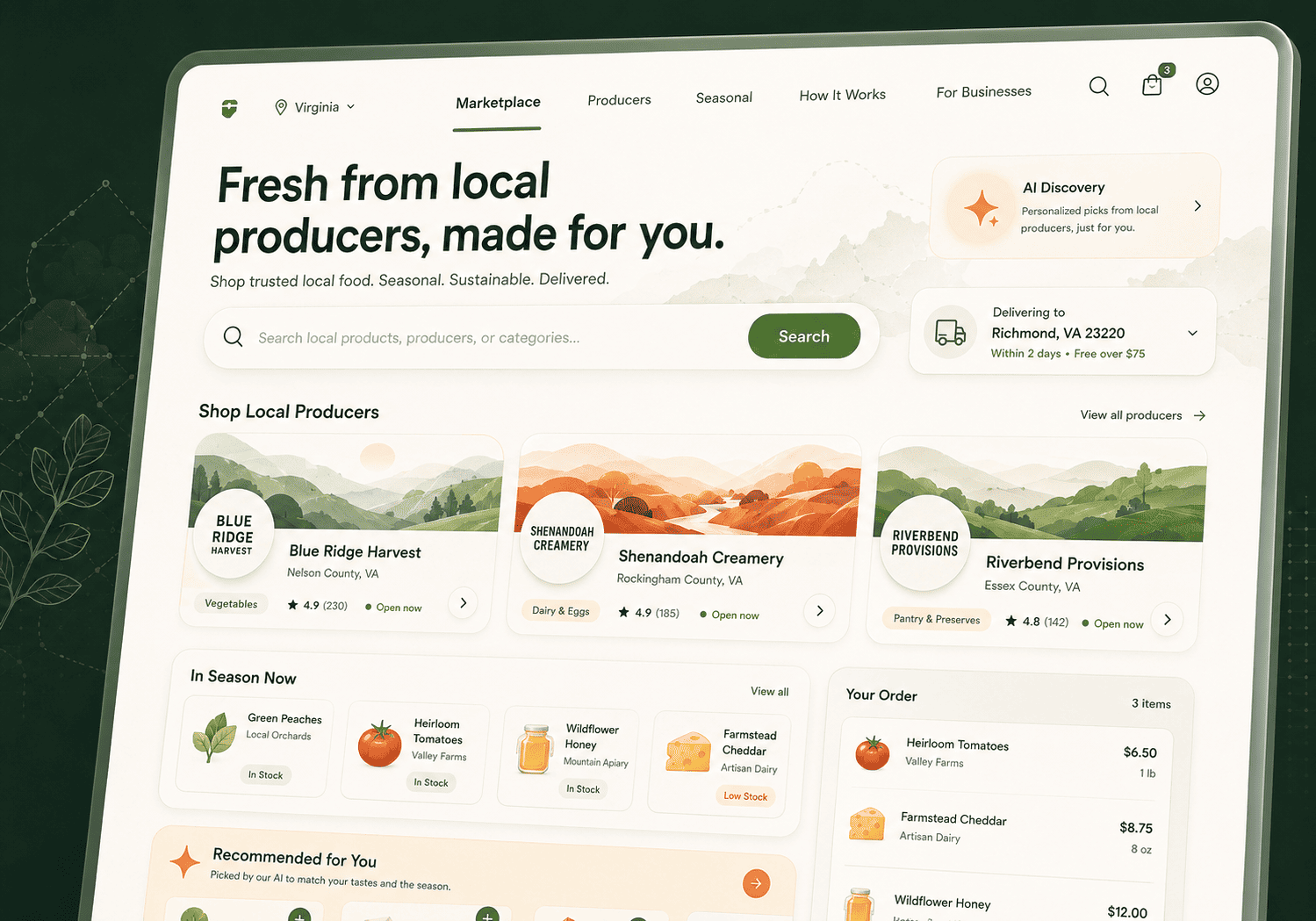
Digital Marketplace for Virginia Farmers, Local Producers & Direct-to-Consumer Food Sales

Plavno developed a custom multi-vendor marketplace for Virginia-based farmers, food producers, and regional sellers to unify product listings, vendor operations, customer ordering, and local fulfillment workflows.

Read More
3x

increase in product discovery relevance

Digital Marketplace for Virginia Farmers, Local Producers & Direct-to-Consumer Food Sales

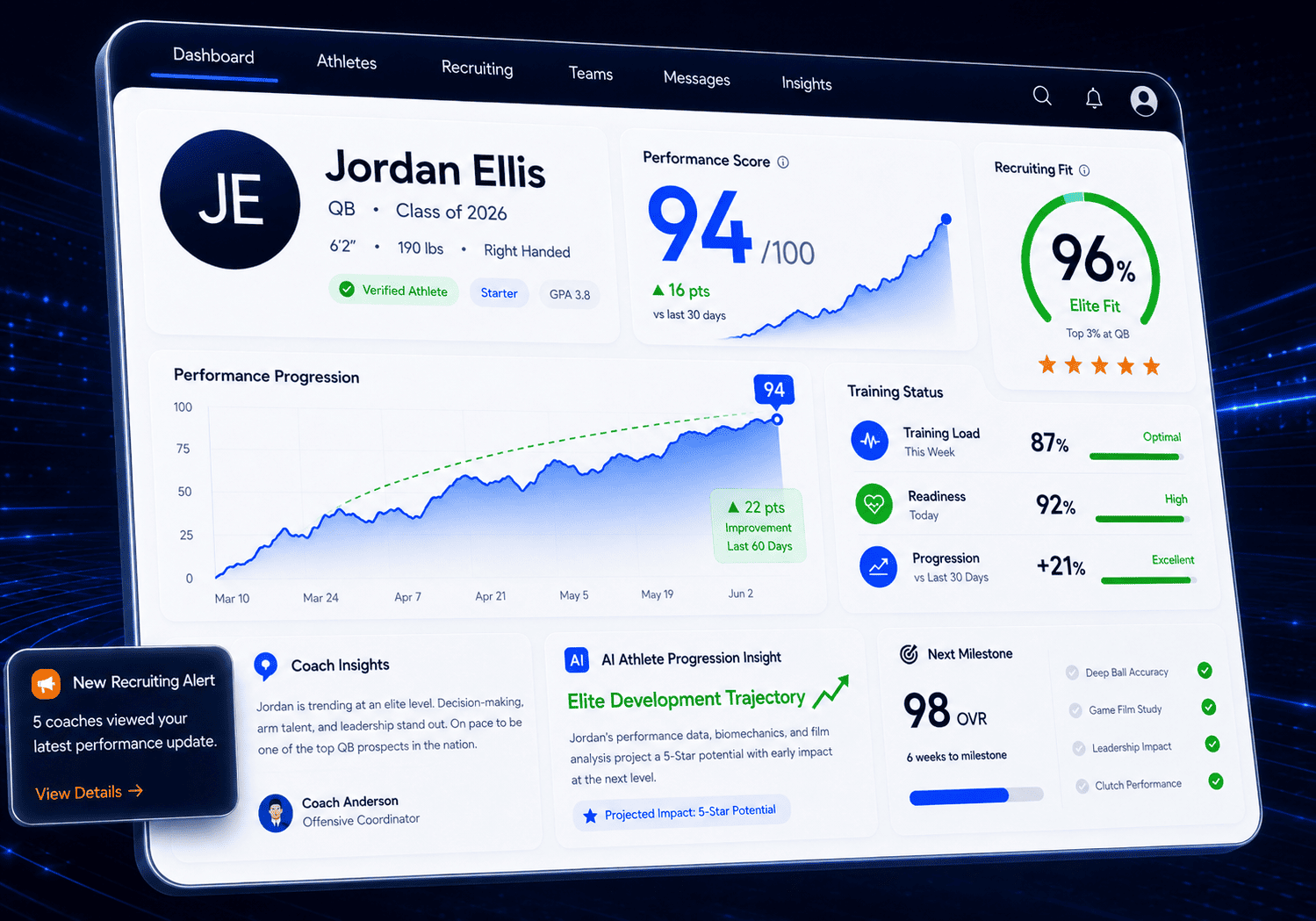
AI-Powered Sports Performance & Recruiting Platform for Virginia Clubs, Academies & Youth Programs

Plavno developed a custom sports technology platform for Virginia-based clubs and academies to combine athlete performance tracking, coach communication, recruiting workflows, and mobile engagement in one ecosystem.

Read More
3x

faster recruiting pipeline

AI-Powered Sports Performance & Recruiting Platform for Virginia Clubs, Academies & Youth Programs

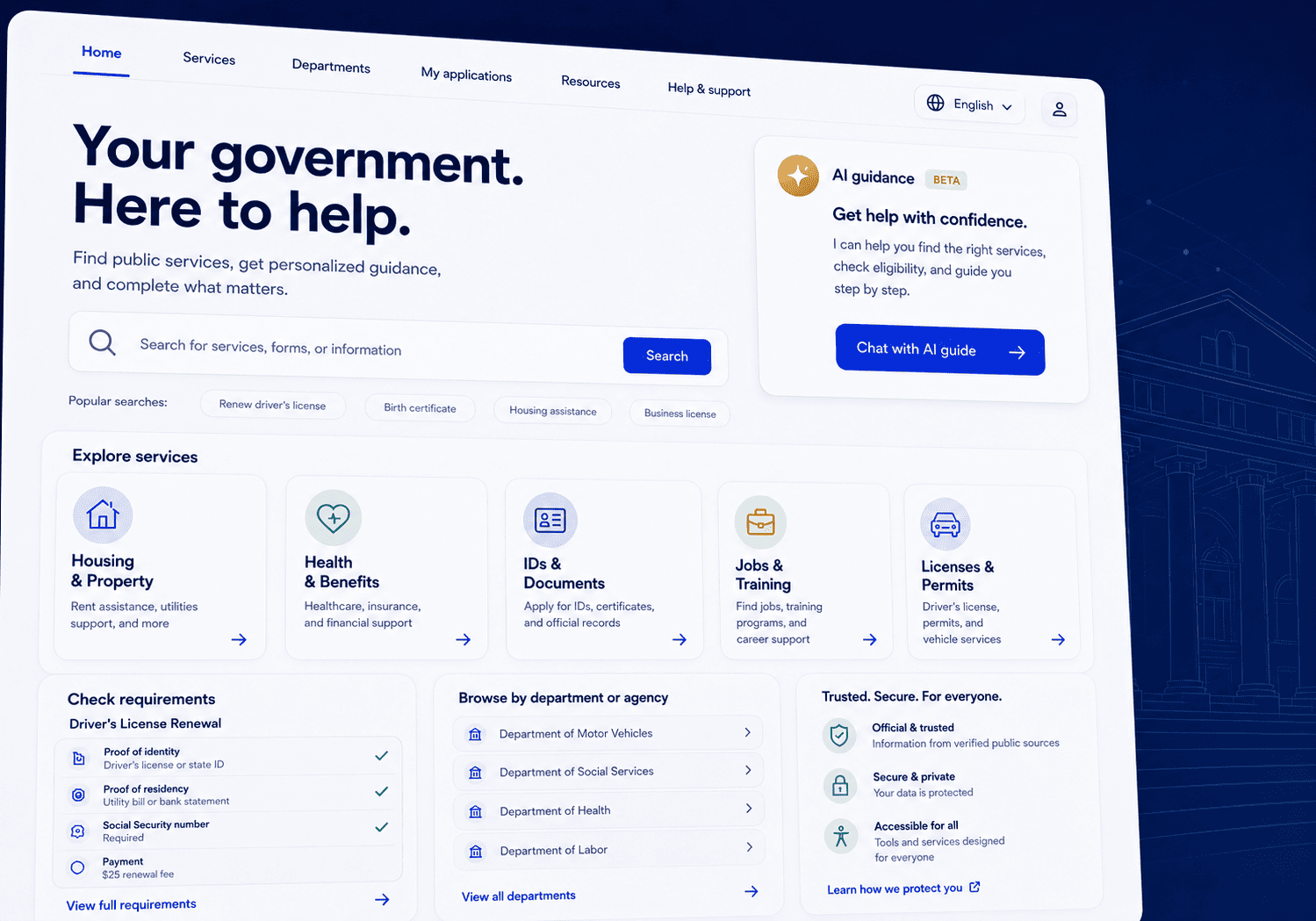
AI-Powered Citizen Services Website Platform for Virginia State Agencies

Plavno developed a modern eGovernment website platform for Virginia state agencies that centralizes citizen services, public information, department content, and an AI-powered guidance agent in one scalable system.

Read More
70%

reduction in routine citizen inquiries to agency staff

AI-Powered Citizen Services Website Platform for Virginia State Agencies

Delivery plan

From CRM friction to a running pilot

We start with the workflows that cause revenue loss in Fredericksburg teams, then ship a pilot that is measurable and safe to expand.

Clipboard
Team
01

Step 1: Workflow and data audit (1–2 weeks)

We map your lead, opportunity, and case lifecycle as it happens in Fredericksburg today. The output is a workflow diagram and a list of failure points that cause delays or bad reporting. We review field usage, duplicates, and handoff rules across sales and service. Integration constraints are documented, including any legacy exports or vendor limits. You receive a prioritized backlog with risk notes and a pilot scope that can ship quickly. This phase takes 1 to 2 weeks once we have access and stakeholder time.

02

Step 2: Integration baseline and event logging (1–2 weeks)

We implement the minimal integration layer needed to move events reliably into your CRM. That usually includes API connections for forms, call tracking, and campaign events. We add event logging so every change has a source and a timestamp. Data validation rules are deployed so bad records are caught before they hit pipeline reports. You receive a dashboard that shows volume, error rates, and processing delays by source. This phase is typically 1 to 2 weeks, depending on vendor access.

Search in doc
Rocket
03

Step 3: Pilot automation and guardrails (2–4 weeks)

We build one or two automations that remove daily manual work, such as routing, follow-ups, or stage gating. AI is added only where it reduces reading and typing, such as summarizing activity or suggesting a next action. Approval rules and audit logs are built in so managers can review changes. We train the pilot users and capture feedback on false positives and missed triggers. You receive working workflows in production plus a playbook for expansion. This pilot phase usually takes 2 to 4 weeks.

04

Step 4: Measurement and rollout plan (1–2 weeks)

We define success metrics tied to revenue and service outcomes, then measure pilot impact against a baseline. That includes response time, conversion by stage, and the number of manual touches per record. We document what to expand next and what data cleanup is still needed. A rollout plan is created for Fredericksburg, Spotsylvania, and Stafford teams if you cover multiple territories. You receive a cost forecast for continued automation and the support model for updates. This phase takes 1 to 2 weeks after the pilot runs long enough to produce data.

AI CRM Automation Solutions for Fredericksburg Industries

Local playbooks tied to how you sell here

These use cases reflect Fredericksburg-area operations, from Stafford County real estate and auto sales to Quantico-adjacent business development and Mary Washington-linked admissions workflows.

Real Estate

Real Estate

Fast Follow-up

Real estate teams: faster follow-up in Stafford County

Real estate agents lose deals when inquiry response depends on who is free that hour. We build real estate AI CRM automation that routes leads, schedules follow-ups, and drafts property messages based on the inquiry details. ROI model: if 8 agents save 4 hours per week on admin work at $50/hour, that is about $6,400 per month saved in time cost. A second return comes from faster response, which you can measure as lead-to-contact minutes before and after rollout. Technically, this uses CRM workflow automation plus lead scoring with AI to prioritize hot inquiries. The system logs every routing decision so brokers can review and adjust rules without guesswork.

Dealer Leads

Dealer Leads

Faster Reply

Auto dealerships: AI lead management in Fredericksburg

Dealerships get leads from many sources, and response consistency is hard during busy weekends. We implement auto dealership AI lead management that standardizes first-touch messages and creates tasks by lead type. ROI model: reducing average first response from 2 hours to 20 minutes can be tracked per source and tied to appointment set rate over 30 days. If that shift adds 10 incremental appointments per month and you value each at $300 gross, that is $3,000 per month in added gross. Technically, this is Salesforce AI integration or HubSpot AI automation plus customer service automation AI for draft replies. Guardrails prevent over-contact and respect opt-out status in every channel.

Patient Intake

Patient Intake

Less Rework

Healthcare: patient intake CRM automation in Virginia

Patient intake breaks when data is re-entered across forms, scheduling, and follow-up calls. We build healthcare patient intake CRM automation that validates inputs, creates tasks, and escalates missing consent or insurance fields. ROI model: if a clinic reduces rework by 15 minutes per patient for 500 patients per month, that is 125 staff hours saved monthly. You can measure this by tracking intake completion time and the number of records needing correction across a quarter. Technically, we use CRM workflow automation with strict security controls and role-based access for sensitive fields. AI is limited to summarization and classification so it does not make clinical decisions.

Service Scheduling

Service Scheduling

No Misses

Home services contractors: scheduling and follow-up

Contractors in Fredericksburg win jobs by answering first and showing up with the right context. We build home services contractor CRM automation that converts calls and forms into scheduled estimates with reminders and routing. ROI model: saving 10 minutes of dispatch work per job across 800 jobs per month is about 133 hours saved monthly. You can also measure reduced no-shows by comparing appointment confirmation rates before and after automation. Technically, this uses sales pipeline automation plus customer service automation AI for call summaries and follow-up drafts. Workflows are designed to handle after-hours inquiries without breaking the next-day schedule.

Admissions CRM

Admissions CRM

On Time

Higher education: Mary Washington admissions workflows

Admissions teams handle bursts of inquiries, then struggle to keep outreach consistent across events and deadlines. We implement university admissions CRM AI automation that segments prospects, schedules touchpoints, and summarizes interactions for counselors. ROI model: if 6 counselors save 3 hours per week on manual logging at $45/hour, that is about $3,240 per month in time cost. The conversion return is measured as inquiry-to-application rate by cohort over a semester. Technically, we use marketing automation AI for segmentation and message drafts, with approvals for outbound content. The system records rationale for scores so staff can explain decisions to stakeholders.

BD Automation

BD Automation

Audit Ready

Gov contractors: BD CRM automation near Quantico

BD teams lose momentum when capture notes, meeting follow-ups, and opportunity stages are updated inconsistently. We build government contractor BD CRM AI automation near Quantico that standardizes note capture, creates action plans, and routes compliance checks. ROI model: if 10 BD staff save 2 hours per week on status updates at $75/hour, that is about $6,000 per month in regained time. The quality return is measured as fewer stale opportunities and faster progression between qualification and proposal stages over 90 days. Technically, this is sales pipeline automation plus lead scoring with AI that uses allowed internal signals only. Audit trails are built in so reviews can trace who changed what and why.

1wk

Time to first measurable automation

We measure how quickly a Fredericksburg team can reach a production pilot after access is granted. The baseline is a manual workflow with no tracking on delays. The change is a first automated flow with event logging and dashboards. The timeframe is the first week after integration access, and it matters because early wins drive adoption.

2x

Faster lead-to-contact execution

We measure median minutes from lead creation to first human contact attempt. The baseline is often hours when routing and reminders rely on memory. The change is automated routing plus task creation, then AI-assisted drafts to reduce writing time. We track it per channel over 30 days because response speed is a direct conversion driver in the Fredericksburg market.

0dup

Duplicate control for reporting trust

We measure duplicate rate in key objects like leads and contacts after validation is deployed. The baseline is imports and forms creating near-matches that inflate pipeline counts. The change is dedupe rules and a review queue so uncertain matches do not auto-merge. We verify it weekly because clean reporting reduces forecast disputes and rework.

Eugene Katovich

Eugene Katovich

Sales Manager

Need a custom software solution? We’re ready to help!

Plavno has a team of skilled developers ready to tackle the project. Ask me!

Get a Free Quote

Adoption model

Roll automation out without breaking the team

The second half of success is operational. We expand from assisted workflows to more autonomous actions only after the data and governance are stable.

Clipboard
Team
01

Step 1: Assisted mode for trust (2–3 weeks)

We start with AI that suggests actions, not AI that executes them. Draft emails, call summaries, and next-step prompts are reviewed by staff. That keeps risk low while the team learns what the system is doing. We measure acceptance rate and edit distance to see where prompts are weak. You receive prompt and rule adjustments based on real usage. This phase typically runs 2 to 3 weeks in Fredericksburg to cover peak and normal days.

02

Step 2: Guardrailed automation for repeatable work (3–6 weeks)

Once trust is established, we automate the actions that have clear rules and low downside. That includes routing, task creation, and stage updates with approvals for edge cases. We set limits on who can change scoring rules and what fields can be written automatically. Monitoring is added for latency and failure rates so problems show up before the business feels them. You receive a governance doc and a change control process for workflows. This step usually takes 3 to 6 weeks, depending on process complexity.

Search in doc
Rocket
03

Step 3: Cross-team coordination (4–8 weeks)

Fredericksburg organizations with sales, service, and marketing need shared definitions to avoid conflicting automations. We align lifecycle stages and build handoff rules that move records across teams with clear owners. Shared dashboards track response time, conversion, and backlog by territory, including Spotsylvania and Stafford coverage. AI is used to summarize the full customer timeline so staff do not search across tools. You receive training and role-based views so each team sees only what it needs. This phase takes 4 to 8 weeks for multi-team adoption.

04

Step 4: Autonomous actions with audits (ongoing, reviewed monthly)

Only after stability, we allow limited autonomous actions such as auto-assigning follow-ups or sending approved templates. Every action is logged with the input context so you can audit decisions. We review drift signals, like score distribution changes or rising exception queues, each month. Costs are controlled through usage caps and periodic prompt reviews so spend does not creep. You receive a monthly report that ties automation activity to pipeline and service outcomes. This step is ongoing and reviewed monthly once deployed.

Decision support

Why Choose Us for production-grade automation

We treat CRM automation as software engineering plus governance, so Fredericksburg teams get predictable behavior, measurable outcomes, and maintainable integrations.

Generic Agencies
Our Platform (Deep Engineering Expertise)
Event logging and audit trails for every action
checkmark
Integration-first approach before adding AI
checkmark
Approval gates for high-impact pipeline changes
checkmark
checkmark
Defined monitoring for latency, errors, and queue depth
checkmark
Clear cost controls for AI usage over time
checkmark
One-off scripts without a maintenance plan
checkmark

FAQ

AI CRM automation questions from Fredericksburg teams

These answers reflect what local operators ask when they need automation that is measurable, secure, and maintainable.

What does AI CRM automation cost in Fredericksburg, and what drives pricing?

Cost is driven less by the number of workflows and more by the integration and data cleanup required in your Fredericksburg environment. If your CRM is already the system of record, the build focuses on workflow logic, approvals, and reporting. If records are spread across web forms, spreadsheets, and a legacy database, the cost shifts to building a reliable event pipeline and dedupe rules. Salesforce and HubSpot licensing and add-ons also affect total spend because some automation features live inside those platforms. Another driver is risk control. If you need strong audit trails, role-based access, and limits on what AI can write back, the design and testing scope increases. Teams near Quantico often require stricter review paths and retention rules, which adds work but reduces operational risk. The fastest way to control cost is to start with one measurable workflow, then expand after you see baseline-to-after results. Local market realities matter too. Fredericksburg teams often need schedules that avoid peak selling seasons, which can extend calendar time even if engineering effort stays similar. We also plan for stakeholder availability across Spotsylvania and Stafford field teams who cannot attend daily sessions. To quote accurately, we ask for your budget range, timeline, current CRM, and the first two workflows you want to automate. We also ask what data sources feed your CRM and which ones are currently unreliable.

How long does it take to build AI CRM Automation software?

Timelines depend on whether you need a pilot inside an existing CRM or a broader rebuild of your CRM processes. For many Fredericksburg businesses, an MVP pilot can ship in 4 to 8 weeks once access is granted and stakeholders are available. That MVP usually covers one intake path, one routing and follow-up workflow, and basic lead scoring with AI or summarization. The goal is to produce measurable outcomes quickly, not to automate every edge case. A fuller deployment often takes 8 to 16 weeks because it includes multiple pipelines, role-based permissions, and cross-team handoffs between marketing, sales, and support. Integration work is the main variable. If you need to connect scheduling, call tracking, finance, or a custom database, each connector adds time for testing and failure handling. The same is true if you need to migrate historical records or reconcile duplicates. Calendar time is also influenced by training and adoption. In Fredericksburg and the I-95 corridor, field teams can require asynchronous training and staged rollouts by region. We plan for at least two review cycles where users validate that workflows match reality. That time is not wasted. It prevents automation that looks good in a diagram but fails on Monday morning. If you share your target go-live date, we can propose a phased plan with explicit cut lines.

Do you work with startups in Virginia?

Yes. Startups in Virginia often need automation earlier because a small team cannot afford manual CRM work as volume grows. In the Fredericksburg area, we also see early-stage teams connected to the University of Mary Washington community and founders commuting between Richmond and Northern Virginia. We can start with a narrow scope that fits a startup budget. The key is to focus on one pipeline and one service workflow that moves revenue. Startups usually ask what data they need before AI is useful. The minimum is a consistent definition of a lead, a source field that is actually populated, and a way to track outcomes like booked meetings or closed deals. Even with limited history, you can still implement CRM workflow automation that routes, reminds, and logs activity. AI then adds value through summarization, draft replies, and simple scoring based on known signals. As you collect more outcomes, scoring can become more specific. We also help startups avoid technical debt. Quick scripts can become brittle when the team changes tools or adds a second location. We prefer a small integration layer with logging so you can see failures and fix them without heroics. To plan a startup engagement, we ask for your current CRM, your inbound channels, and a sample of recent leads with outcomes. We also ask what your next hiring plan is because workflow ownership changes as teams grow.

Can AI CRM automation integrate with my existing system?

Yes, and integration is usually the first engineering problem to solve in Fredericksburg deployments. We integrate with Salesforce and HubSpot through their APIs and workflow tools so updates appear in the same system your team uses. If you have a legacy database or vendor tool that only exports files, we can still integrate, but we treat file flows as higher risk. In those cases, we add validations, reconciliation checks, and error queues so failures do not silently corrupt the CRM. Integration work also includes defining what data is allowed to move and where it is stored. For healthcare patient intake and other sensitive processes in Virginia, we design the flow to limit exposure of regulated fields. We restrict access, log who touched what, and avoid sending sensitive content to AI components unless policy allows it. For government contracting teams near Quantico, we also plan for stricter retention rules and approval steps. To integrate safely, we ask for a simple inventory. List your systems, the fields that must remain the source of truth, and the frequency of updates. We also ask for examples of known data problems, like duplicates or missing emails. With that, we can propose an integration plan that reduces latency, keeps costs predictable, and prevents long-term technical debt. The output is not just a connection. It is an observable pipeline you can operate.

What industries in Fredericksburg benefit most from AI CRM automation?

Industries that run on fast follow-up and repeatable workflows see the quickest wins in Fredericksburg. Real estate teams in Stafford County benefit because inquiry response and scheduling drive conversion. Auto dealerships benefit because lead sources are fragmented and weekend volume creates inconsistency. Home services contractors benefit because dispatch, estimates, and post-job follow-up are repetitive and time-sensitive. Healthcare and adjacent service providers also benefit when intake and follow-ups involve multiple steps and strict data handling. Higher education programs connected to the University of Mary Washington benefit because admissions and event outreach require consistent touchpoints and clear segmentation. Government contractors near Quantico benefit because BD workflows require disciplined updates, approvals, and audit trails. Multi-location retail teams along the I-95 corridor benefit when customer service and promotions need consistent tracking across sites. The deciding factor is not your industry label. It is whether you have a measurable funnel and enough volume that manual work is causing delays. If you can define your stages, your handoffs, and your outcomes, AI sales automation can reduce the operational load quickly. We usually start by choosing one workflow that is both common and painful. Then we expand once the team trusts the system and the data remains clean. That approach keeps risk low and adoption high.

Contact Us

This is what will happen, after you submit form

Need a custom consultation? Ask me!

Plavno has a team of experts ready to start your project. Ask us!

Vitaly Kovalev

Vitaly Kovalev

Sales Manager

Schedule a call

Get in touch

Fill in your details below or find us using these contacts. Let us know how we can help.

No more than 3 files may be attached up to 3MB each.
Formats: doc, docx, pdf, ppt, pptx, xls, xlsx, txt.
Send request