bg image
bg image

Serving Charlottesville VA

Reduce clinical backlogs with Healthcare AI built for Charlottesville in 2026

Clinical teams in Charlottesville lose hours to documentation, handoffs, and avoidable rework that slows patient access. Healthcare AI can shorten those cycles and reduce overtime without forcing a full system replacement. We focus on workflows that matter to UVA-area providers, specialty clinics, and healthcare IT teams supporting multiple sites. You get a clear scope, delivery plan, and risk review before engineering starts, so the project does not stall in approval loops. Get Healthcare AI cost estimate in 24 hours. If you already have a vendor, we can validate feasibility, integration effort, and safety checks before you commit budget.

Discuss Project

Overview

Charlottesville care teams need time back in 2026

Charlottesville providers are balancing high patient demand with tight staffing and strict privacy rules. That tension shows up as delayed documentation, manual chart review, and slow handoffs between clinics and hospital departments. In 2026, healthcare ai is most valuable when it reduces cycle time on work clinicians already do daily. We focus on measurable throughput gains in settings like UVA Health adjacent practices, outpatient centers in Albemarle County, and regional referral networks. The goal is fewer clicks, fewer interruptions, and faster decisions with the same headcount.

Trusted Healthcare AI Partner for Charlottesville Businesses. We work with US-based clients, including companies operating in Virginia. Our work has shipped 10+ healthcare AI projects delivered in the US market, with delivery practices tuned for regulated environments and procurement checks. Teams in Waynesboro, Staunton, and Harrisonburg often share data and staffing patterns with Charlottesville, so we plan for multi-site operations from the start. That matters when you need consistent model behavior across facilities, not just a demo that works in one department.

What makes healthcare ai services hard here is not the model. It is the data and the integration path into EHR workflows, imaging systems, and reporting tools without creating new safety risk. We approach this as software engineering first, then applied machine learning. For imaging-heavy use cases, our computer vision work informs how we handle DICOM pipelines, latency budgets, and human review loops. For text-heavy workflows, we plan for controlled prompts, citations, and traceability that can stand up to an internal audit. That mix keeps the system useful after the first pilot.

We have delivered real LLM agent systems for enterprise employee support and knowledge lookup, using retrieval-augmented answers and workflow automation. That experience maps directly to clinical information retrieval, where provenance and role-based access decide if the output is safe to use. We also built an AI grader for consistent scoring and richer feedback at scale, which is a close analog to structured clinical review tasks that must be repeatable. These projects taught us how to run evaluation, handle edge cases, and keep cost predictable under real usage. In Charlottesville, that means fewer surprises when the system moves from a champion user to whole-team adoption.

If you are comparing healthcare ai solutions vendors, push for specifics on integration, measurement, and post-launch operations. Ask how they will prove impact on throughput, denial rework, documentation time, or imaging turnaround time. Confirm how they handle HIPAA constraints, de-identification, and incident response. Decide early where the AI output will be advisory versus action-driving, and document it. That discipline is what makes AI a production capability instead of a one-off experiment.

Talk to an Expert
Production Clinical AI Service Layer

Production Clinical AI Service Layer

Separates data access, inference, and workflow actions so pilots become durable software.

EHR + Imaging Integration

EHR + Imaging Integration

FHIR/HL7 where available, stable interfaces for older systems, idempotent write-backs, DICOM pipelines.

Evidence-first AI + Evaluation

Evidence-first AI + Evaluation

RAG answers with citations, controlled prompts, offline test harness, repeatable QA for updates.

HIPAA-by-design Operations

HIPAA-by-design Operations

Least privilege, encryption, de-identification where needed, HIPAA-aligned logging, monitoring and drift signals.

plavno logo

Build your first
Smart AI project today!

Just tell the Plavno AI Agent about your project - it will ask questions, gather requirements, and propose a tailored solution

Production-first AI

Clinical AI software that fits real EHR workflows

Charlottesville teams usually come to us with one of two goals. They need clinical decision support that reduces review time, or they need operational AI that improves flow and staffing. In both cases, the product is not a model. It is clinical ai software that collects the right context, produces an output that can be verified, and writes results back to the systems people already use. We design around adoption constraints at Virginia academic medical centers, where governance and stakeholder alignment can be as hard as engineering. The outcome is a deployable service with clear ownership, not a notebook that only one person can run.

Our core build is an AI service layer that separates data access, inference, and workflow actions. That separation keeps scope under control when EHR or imaging vendors change interfaces or contracts. For text and knowledge retrieval, we use an LLM agent pattern with enterprise search and retrieval-augmented answers, because it keeps responses grounded in your own policies and clinical guidelines. We implemented this approach in an internal support agent for employee questions, where auditability and access control determine trust. In healthcare, the same pattern supports chart summarization, prior auth packet assembly, and care gap narratives with citations, not free-form guesses.

For predictive and classification work, we build a structured training and evaluation loop that fits your data reality. Data is often sparse, mislabeled, or split across UVA-adjacent clinics and partner facilities. We start with feature and label definitions that match billing, operations, or clinical outcomes, then build a pipeline that can be rerun when coding rules or workflows change. Our experience delivering rubric-based evaluation and automated scoring for an AI grader helps here, because it requires consistent criteria across large volumes. In healthcare settings, that mindset becomes consistent cohort definitions, stable benchmarks, and repeatable QA for model updates.

Security/compliance drives many design choices. We plan for least-privilege access, encryption in transit and at rest, and strict separation between development data and production data. Where PHI is involved, we document data flows and retention so compliance teams can review them without reverse engineering the system. We also design for HIPAA-aligned logging, which means recording system actions without leaking patient content into logs. This reduces the risk of accidental exposure during debugging, analytics, or support escalation.

DevOps is what keeps costs and reliability predictable after go-live. We deploy with environment parity so test results are meaningful, then add monitoring for latency, error rates, and upstream system failures. We also track model-quality signals that matter to clinical stakeholders, such as override rates and disagreement between AI output and human review. That is how you control drift and avoid quiet regressions that show up as clinician frustration. For Charlottesville organizations supporting multiple sites across Central Virginia, this operational discipline is the difference between a pilot and a program.

What you get

Five deliverables Charlottesville teams can budget for

HIPAA-ready workflow design

HIPAA-ready workflow design

Charlottesville care teams cannot adopt AI that creates new privacy risk or ambiguous responsibility. We map each use case to a clear decision boundary, so the system is advisory where it should be and automated where it is safe. Threat modeling is done early to prevent late-stage rewrites during compliance review. We typically use role-based access and audit logging because they match healthcare governance patterns. When de-identification is needed, we plan it as a first-class pipeline step, not a manual scrub. The result is a deployable workflow that compliance and operations can approve.

EHR and clinical system integration

EHR and clinical system integration

AI is not useful in Charlottesville if it lives outside the tools clinicians already touch. We design integrations around stable interfaces so upgrades to EHR modules do not break the AI feature. HL7 FHIR is used when available because it provides standard resources and reduces custom mapping. For older systems, we plan API gateways and controlled file exchanges to reduce blast radius. We also design idempotent write-backs so duplicates do not pollute charts. That approach keeps integration work predictable for hospital IT teams.

Medical imaging AI workflow support

Medical imaging AI workflow support

Radiology and cardiology teams around Charlottesville care about turnaround time and review confidence. We build pipelines that ingest DICOM studies, run inference, and return results into the right review queue. Python is commonly chosen for imaging pipelines because of mature libraries and faster iteration. We use GPU acceleration when needed to meet latency targets during peak hours. Human review is built in as a required step when results affect clinical action. This keeps imaging AI useful without forcing trust beyond what the data supports.

Clinical decision support with evidence

Clinical decision support with evidence

Clinicians in Central Virginia will reject black-box recommendations that cannot be checked. We build decision support that includes citations to source documents, policies, or structured data fields. Retrieval techniques are chosen because they can reference your approved knowledge base instead of generating new medical claims. We also design UI patterns that show uncertainty and let users drill into supporting context. That reduces time spent double-checking outputs. The outcome is faster review without lowering clinical safety standards.

Operational AI for patient flow

Operational AI for patient flow

Charlottesville hospitals and clinics often feel bottlenecks in scheduling, bed management, and discharge coordination. We build forecasting and prioritization tools that help teams plan staffing and reduce queue time. Machine learning is used when patterns exist in historical operations data and when the decision can be monitored. We pair those models with rules so edge cases are handled consistently. Dashboards focus on actionability, not vanity charts. The result is less rework for coordinators and fewer last-minute escalations.

Validation path

Prove value before a full rollout in 2026

This sequence is designed to survive clinical governance and still deliver usable software early. Each phase ends with artifacts your stakeholders can review and approve.

Clipboard
Team
01

Step 1: Workflow selection and constraints (1–2 weeks)

We pick one narrow workflow in Charlottesville where time or rework is clearly measurable. Constraints are documented, including where PHI is present and who can see outputs. We define the target metric and the baseline, such as average documentation time per encounter. Data sources are identified and access paths are confirmed with IT and compliance. You receive a one-page scope, a data map, and a risk register. The timeline is fixed to 1–2 weeks so the project does not drift.

02

Step 2: Data and evaluation setup (2–3 weeks)

We extract a representative dataset and document how it was built, including exclusions and missing fields. A labeling or review plan is created so evaluation matches clinical reality, not a proxy metric. We set up an offline test harness that can be rerun, which reduces argument later about what changed. Integration mocks are built so stakeholders can see how results will appear in their workflow. You receive an evaluation plan, sample outputs, and an integration blueprint. This phase typically takes 2–3 weeks based on data access speed.

Search in doc
Rocket
03

Step 3: Pilot build and guarded deployment (3–6 weeks)

We implement the minimum product that can run in a controlled clinical pilot. Guardrails are added, including role checks, output constraints, and human review steps where required. We connect to the least risky data path first, then expand if results justify it. Usage and outcome telemetry is added so the team can see adoption and impact. You receive a working pilot, training materials, and a go or no-go recommendation. Most Charlottesville pilots fit in a 3–6 week window after evaluation is ready.

04

Step 4: Go-live readiness and scale plan (2–4 weeks)

We convert the pilot into a production release with runbooks and ownership defined. Alerting thresholds are tuned to the realities of clinic hours and support coverage. We plan model update cadence and approval steps so releases do not become a fire drill. Multi-site considerations are addressed for teams serving Albemarle County and surrounding facilities. You receive a production checklist, incident procedures, and a cost forecast for expected usage. The go-live readiness phase usually takes 2–4 weeks depending on integration approvals.

Healthcare AI Solutions for Charlottesville Industries

Six use cases shaped by Charlottesville demand

These use cases map to the region's academic medicine, outpatient growth, and multi-site operations across Central Virginia. Each one is scoped to integrate with existing clinical systems and measurable workflow outcomes.

Clinical Scribe

Clinical Scribe

Draft notes

AI scribe and clinical documentation support

Charlottesville clinicians lose time to note drafting, coding context, and repetitive chart review. We build an assistant that prepares draft documentation and structured summaries, then routes them through human approval. ROI model: saving 10 minutes per visit across 60 visits per day yields about 10 staff-hours daily, which can reduce overtime or increase visit capacity. The technical core is a controlled text generation workflow with retrieval against approved templates and clinic policies. Outputs include citations and are constrained to required sections, so reviewers can verify quickly. Integration is designed to fit existing note workflows and avoid copying PHI into insecure tools.

Risk Follow-ups

Risk Follow-ups

Evidence

Clinical decision support for high-risk follow-ups

Specialty clinics around UVA Health often miss follow-up windows when signals are buried across documents and labs. We build decision support that flags cases meeting a defined rule set plus a learned risk score, then shows the evidence used. ROI model: preventing one avoidable readmission per month can offset a meaningful portion of the program cost, based on your payer mix and penalties. The technical approach combines cohort logic with a machine learning model trained on historical outcomes. Explanations focus on the specific features and data fields that drove the flag. The workflow is designed for review boards that need traceability and conservative thresholds.

Imaging Triage

Imaging Triage

Fast reads

Medical imaging triage for radiology workflow

Radiology teams in Charlottesville face peak-hour backlogs that can delay reads and downstream care decisions. We build imaging triage that prioritizes studies for review and highlights findings for attention, without replacing the radiologist. ROI model: reducing average turnaround time by 15% during peak hours can increase throughput without adding shifts, if scheduling constraints allow. The technical summary is a DICOM ingestion pipeline plus an inference service that writes results into a worklist or viewer integration. Latency targets are set based on actual queue behavior and network constraints. Human-in-the-loop review is mandatory for any output that influences urgency.

Population Risk

Population Risk

Outreach

Population health risk stratification across Central Virginia

Population health teams in Central Virginia need stable cohorts and consistent outreach priorities, not changing lists every week. We build risk stratification that unifies claims-like signals, visit history, and care gaps into actionable segments. ROI model: improving outreach efficiency by 20% can reduce staff time wasted on low-likelihood contacts, while increasing completed interventions. The technical core is a feature store and a supervised model with versioned definitions for cohorts. We include monitoring for drift so changes in coding or scheduling do not silently alter outputs. The system is designed to support multi-site reporting for partner clinics outside Charlottesville.

Bed Flow

Bed Flow

Discharge

AI for hospital patient flow and bed coordination

Bed management and discharge coordination often break down when predictions are informal and not shared across teams. We build forecasting and prioritization tools that estimate discharge readiness and identify likely bottlenecks. ROI model: reducing one delayed discharge per day can free capacity and reduce ED boarding pressure, depending on downstream constraints. The technical approach uses time-series features and operational rules, because not every constraint is learned from data. Outputs are delivered through dashboards and alerts that align to existing shift handoffs. We measure impact in operational metrics like boarding time and discharge before noon rate.

Prior Auth

Prior Auth

Denials

Revenue cycle support for prior auth and denials

Charlottesville providers deal with payer friction that forces staff into document assembly and repeated submissions. We build a system that drafts prior auth packets, summarizes clinical necessity, and tracks status across payers. ROI model: reducing denial rework by 25% can return many staff-hours per month, especially in high-volume specialties. The technical summary is structured data extraction plus retrieval-based narrative generation grounded in chart evidence. Workflows include checkpoints so staff can edit and approve before submission. Integration focuses on the tools revenue cycle teams already use, so adoption is realistic.

Vendor fit

Why engineering depth matters for clinical AI

Healthcare AI fails most often at integration, evaluation, and operations. We focus on those engineering details so your Charlottesville rollout survives real usage and governance.

Generic Agencies
Our Platform (Deep Engineering Expertise)
Defines baseline metrics before modeling
checkmark
Plans EHR integration and write-back paths
checkmark
Implements retrieval with citations for audit
checkmark
Builds role-based access and HIPAA-ready logging
checkmark
Delivers runbooks and on-call style support options
checkmark
Can produce a demo UI quickly
checkmark
checkmark

Case Study

We help customers cut
down on development

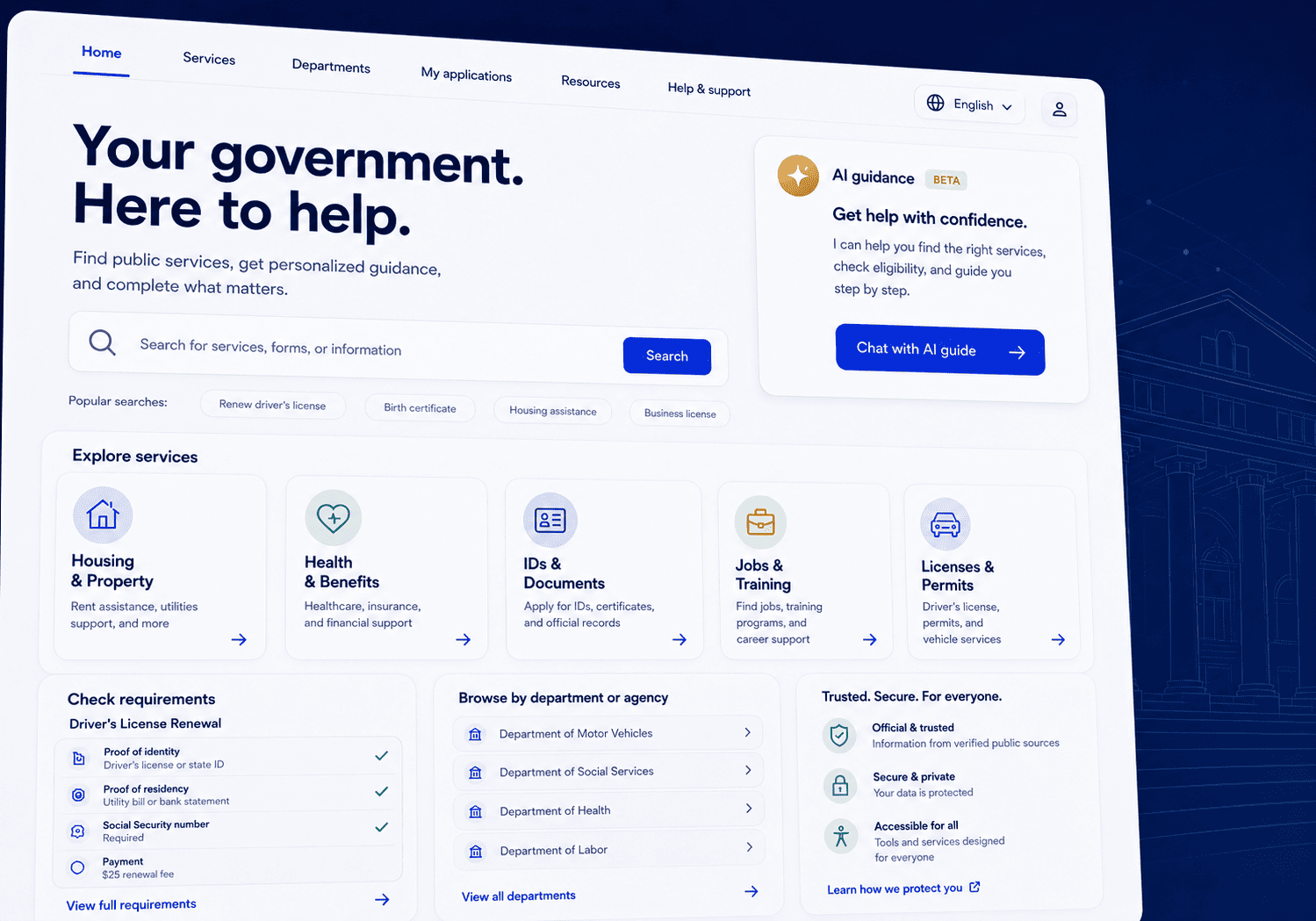
AI-Powered Citizen Services Website Platform for Virginia State Agencies

Plavno developed a modern eGovernment website platform for Virginia state agencies that centralizes citizen services, public information, department content, and an AI-powered guidance agent in one scalable system.

Read More
70%

reduction in routine citizen inquiries to agency staff

AI-Powered Citizen Services Website Platform for Virginia State Agencies

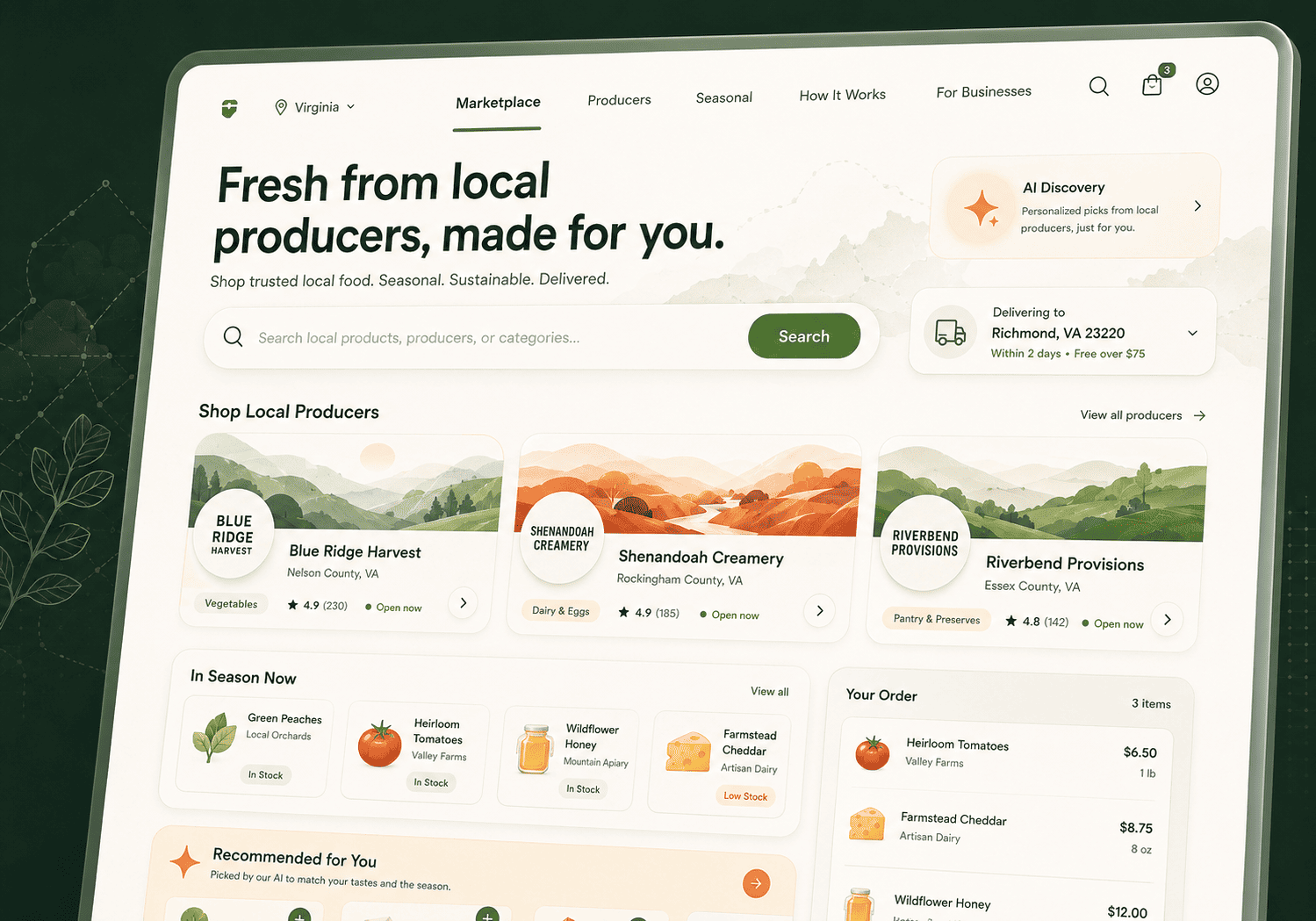
Digital Marketplace for Virginia Farmers, Local Producers & Direct-to-Consumer Food Sales

Plavno developed a custom multi-vendor marketplace for Virginia-based farmers, food producers, and regional sellers to unify product listings, vendor operations, customer ordering, and local fulfillment workflows.

Read More
3x

increase in product discovery relevance

Digital Marketplace for Virginia Farmers, Local Producers & Direct-to-Consumer Food Sales

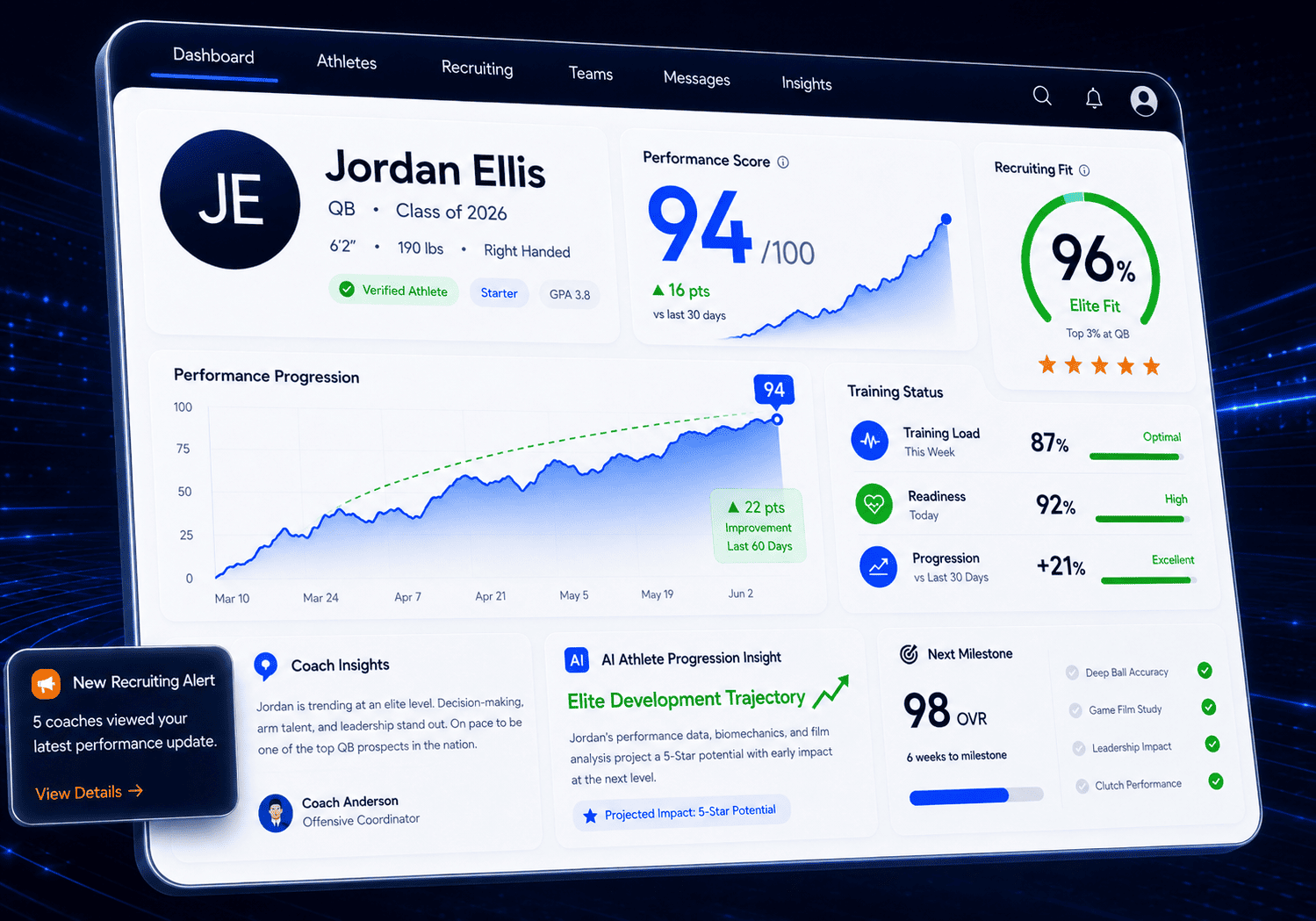
AI-Powered Sports Performance & Recruiting Platform for Virginia Clubs, Academies & Youth Programs

Plavno developed a custom sports technology platform for Virginia-based clubs and academies to combine athlete performance tracking, coach communication, recruiting workflows, and mobile engagement in one ecosystem.

Read More
3x

faster recruiting pipeline

AI-Powered Sports Performance & Recruiting Platform for Virginia Clubs, Academies & Youth Programs

Pre-project checklist

What to prepare before you buy Healthcare AI

  • Pick one workflow with a measurable baseline — Choose a Charlottesville workflow where time, rework, or queue length is already tracked. Write down the baseline and where it is measured, such as note completion time in your EHR reports. Confirm who owns the process and who can approve changes. Define where AI will advise versus automate to avoid late governance conflict. Keep the first scope narrow so data access and evaluation can finish on time. A good first target has a clear user group and a clear definition of success.

  • Confirm data access and PHI boundaries — List the systems involved, including EHR modules, imaging archives, scheduling tools, and document repositories. Confirm if the dataset contains PHI and what de-identification is allowed, if any. Identify who can grant access and how long approvals typically take in Virginia healthcare organizations. Document retention rules, especially for logs and intermediate outputs. Decide early where data can be stored and processed, including cloud constraints. This step prevents engineering from waiting on permissions for weeks.

  • Define evaluation rules your clinicians accept — Agree on how the output will be judged, not just whether it looks good in a demo. For summarization, define required sections and forbidden content types. For predictions, define sensitivity versus precision trade-offs that match your risk tolerance. Plan a review sample size and who will do it, then schedule time on calendars. Document what happens when the AI is wrong, including escalation and correction. This is how you avoid an AI feature that no one trusts enough to use.

  • Plan integration points and user experience — Decide where the result appears, such as inside the EHR, a worklist, or a secure dashboard. Confirm read and write-back requirements, and list any downstream systems that depend on those fields. Plan for idempotency and error handling so partial failures do not create duplicate chart entries. Include a fallback path for downtime so clinical operations can continue. Make sure the UI supports quick verification, not long explanations. Integration planning is usually the critical path in Charlottesville deployments.

  • Budget for post-launch monitoring and updates — Allocate time for monitoring, incident response, and periodic model or prompt updates. Define who reviews quality signals like override rates, disagreement rates, and latency. Plan a release process with approvals, because production updates in healthcare cannot be informal. Set cost controls for usage-based components so bills do not surprise finance. Decide on ownership across IT, compliance, and clinical operations. This step keeps the system reliable after initial excitement fades.

Vitaly Kovalev

Vitaly Kovalev

Sales Manager

Request a Charlottesville Healthcare AI readiness audit

Ask for our readiness audit and estimator for Charlottesville businesses. You will get a checklist-driven gap report plus a rough order-of-magnitude budget based on your workflow, data sources, and integration constraints.

Talk to Experts

Testimonials

We are trusted by our customers

“They really understand what we need. They’re very professional.”

The 3D configurator has received positive feedback from customers. Moreover, it has generated 30% more business and increased leads significantly, giving the client confidence for the future. Overall, Plavno has led the project seamlessly. Customers can expect a responsible, well-organized partner.

Sergio Artimenia

Commercial Director, RNDpoint

Sergio Artimenia

“We appreciated the impactful contributions of Plavno.”

Plavno's efforts in addressing challenges and implementing effective solutions have played a crucial role in the success of T-Rize. The outcomes achieved have exceeded expectations, revolutionizing the investment sector and ensuring universal access to financial opportunities

Thien Duy Tran

Product Manager, T-Rize Group

Thien Duy Tran

“We are very satisfied with their excellent work”

Through the partnership with Plavno, we built a system used by more than 40 million connected channels. Throughout the engagement, the team was communicative and quick in responding to our concerns. Overall, we were highly satisfied with the results of collaboration.

Michael Bychenok

CEO, MediaCube

Michael Bychenok

“They have a clear understanding of what the end user needs.”

Plavno's codes and designs are user-friendly, and they complete all deliverables within the deadline. They are easy to work with and easily adapt to existing workflows, and the client values their professionalism and expertise. Overall, the team has delivered everything that was promised.

Helen Lonskaya

Head of Growth, Codabrasoft LLC

Helen Lonskaya

“The app was delivered on time without any serious issues.”

The MVP app developed by Plavno is excellent and has all the functionality required. Plavno has delivered on time and ensured a successful execution via regular updates and fast problem-solving. The client is so satisfied with Plavno's work that they'll work with them on developing the full app.

Mitya Smusin

Founder, 24hour.dev

Mitya Smusin

Operate after launch

Keep clinical AI safe, fast, and cost-controlled

Post-launch work is where Healthcare AI becomes a durable capability. This sequence defines the operating rhythm and the evidence you keep for stakeholders.

Clipboard
Team
01

Step 1: Set production SLOs and alerting (1–2 weeks)

We define latency, error rate, and uptime targets that reflect Charlottesville clinic hours and peak loads. Alerts are configured so the right team sees the issue without spamming everyone. We separate upstream failures, like EHR timeouts, from model failures, like inference errors. Dashboards are built for operations and for clinical owners, because each group needs different signals. You receive an SLO document, alert rules, and a monitoring dashboard. This setup typically takes 1–2 weeks once production access is in place.

02

Step 2: Track quality and drift signals (2–3 weeks)

We choose quality indicators tied to the workflow, such as override rate, edit distance, or disagreement between AI and reviewers. Drift is monitored using input distributions and outcome shifts, because healthcare data can change with coding and seasonal patterns. We create a weekly review cadence so issues are handled early, not after a complaint wave. Thresholds are tuned to avoid false alarms during normal variation. You receive a quality scorecard and a drift monitoring plan. Expect 2–3 weeks to establish stable signals and a review routine.

Search in doc
Rocket
03

Step 3: Control usage cost and performance (2–4 weeks)

We add caching, batching, and fallbacks to control compute cost while keeping response time predictable. For variable demand, we set autoscaling limits so spend stays within budget even during spikes. We profile the slowest paths, often data retrieval or image transfer, then fix them before increasing adoption. Cost reports are produced by feature so owners can decide what is worth paying for. You receive a cost dashboard and performance tuning changes in production. This phase usually takes 2–4 weeks depending on observed usage patterns.

04

Step 4: Run compliant updates and incident response (ongoing)

We define how updates are proposed, tested, approved, and rolled back. Incident response includes a clear decision on when to disable the feature and how to notify users. We keep an audit trail of changes, including prompts, model versions, and evaluation results. For regulated environments, we document what changed and why, not just the code diff. You receive an incident playbook and a release governance workflow. This is ongoing work, but the initial setup is completed in the first month after go-live.

Eugene Katovich

Eugene Katovich

Sales Manager

Need a custom software solution? We’re ready to help!

Plavno has a team of skilled developers ready to tackle the project. Ask me!

Get a Free Quote

FAQ

Healthcare AI delivery questions in Charlottesville

These answers cover cost, timelines, integration, and what it takes to run Healthcare AI in production in Virginia.

What drives the cost of Healthcare AI in Charlottesville?

Cost in Charlottesville is driven less by the model and more by integration, evaluation, and governance. EHR connectivity, identity and access controls, and audit-ready logging can take meaningful engineering time. Data work can also be the critical path when sources are spread across clinics, imaging archives, and reporting databases. If the use case touches PHI, you should budget for security review time and documented data flows. The fastest projects are the ones where the workflow owner and IT can approve access quickly.

We usually price projects by scope and risk, not by vague complexity points. A narrow pilot that reads data and produces an advisory output costs less than a feature that writes back into the chart or changes operational routing. Costs also change with latency requirements, especially for imaging or real-time triage during peak hours. Evaluation effort is another major driver, because clinicians need agreed criteria and time for review. In Charlottesville, the practical advice is to fund a short discovery that locks scope, data access, and success metrics before committing to a full build.

How long does it take to build Healthcare AI software?

Timeline depends on whether you are building an MVP for one workflow or deploying a program across departments. In Charlottesville, an MVP typically starts with a workflow and data constraints phase, then moves into evaluation setup. If data access is available and stakeholders are aligned, a guarded pilot can often run in weeks, not quarters. Full deployment takes longer because it includes hardening, monitoring, training, and governance. The key is to avoid waiting to define success metrics until after the pilot is built.

We plan timelines around what must be true before go-live. Integration with EHR systems and identity providers is often the slowest dependency because approvals and testing windows are limited. Clinical evaluation also takes real calendar time because reviewers have clinical duties. For a narrow MVP, plan for a sequence of short phases that end with visible outputs and a go or no-go decision. For a broader rollout, plan for staged expansion by site or department, with a stable release cadence and measured adoption targets.

Do you work with startups in Virginia?

Yes. We work with startups in Virginia that need to prove a healthcare AI product in a regulated market without overbuilding. Charlottesville has strong clinical and research gravity through UVA, but early-stage teams still face practical constraints around data access and compliance. We often help founders translate a clinical idea into a workflow that can be piloted with clear measures of value. That includes defining who the user is, what data is required, and how results will be reviewed. The goal is to reach a credible pilot outcome that supports fundraising or enterprise sales.

Virginia also has startup activity that connects to healthcare buyers across the state, including Richmond and Northern Virginia. For startups, we emphasize speed with controls, so you can demo real workflows without creating risky shortcuts. We can start with a discovery sprint that produces a scope, an architecture plan, and an evaluation approach that investors and clinical partners can understand. If you have limited data, we can design the product to start with retrieval and workflow automation, then add predictive components as data volume grows. That approach reduces burn while keeping you on a path to production.

Can Healthcare AI integrate with my existing system?

Integration is usually the make or break factor for Healthcare AI in Charlottesville. We start by listing systems of record, systems of engagement, and where users will see outputs. Common targets include EHR modules, imaging viewers, scheduling tools, and secure internal portals. We prefer stable interfaces like HL7 FHIR where available because they reduce custom mapping and lower long-term maintenance. For legacy systems, we design controlled adapters and clear failure modes so a downstream outage does not corrupt clinical workflows.

Data needs are defined as part of integration, not as a separate afterthought. We identify which fields are required, which are optional, and which are too unreliable to use. We also confirm how identifiers map across systems so outputs can be joined safely without manual matching. If write-back is required, we implement idempotent operations and audit logs so you can trace what the system did. In healthcare environments, integration includes access control and logging design, because security requirements shape what is technically possible.

What industries in Charlottesville benefit most from Healthcare AI?

Healthcare is the main beneficiary, but the strongest results come from specific sub-domains in the Charlottesville economy. Academic medicine and specialty clinics benefit when AI reduces review time and improves follow-up consistency. Medical imaging workflows benefit when triage and prioritization reduce queue time during peak hours. Population health and care management groups benefit when stratification makes outreach more targeted and less manual. Revenue cycle operations benefit when document assembly and denial workflows are more structured and less repetitive.

Charlottesville also has adjacent sectors that influence healthcare AI adoption. The university and research ecosystem can accelerate validation and stakeholder engagement, but it also increases governance rigor. Regional multi-site providers across Albemarle County and nearby areas benefit when AI services are built once and deployed consistently. Employers and payers in Central Virginia benefit when care pathways are measured and improved, which supports value-based care initiatives. The best fit is an organization that can commit to measurement, integration, and operational ownership after launch.

Contact Us

This is what will happen, after you submit form

Need a custom consultation? Ask me!

Plavno has a team of experts ready to start your project. Ask us!

Vitaly Kovalev

Vitaly Kovalev

Sales Manager

Schedule a call

Get in touch

Fill in your details below or find us using these contacts. Let us know how we can help.

No more than 3 files may be attached up to 3MB each.
Formats: doc, docx, pdf, ppt, pptx, xls, xlsx, txt.
Send request