bg image
bg image

Serving Petersburg VA

Reduce manual work in Petersburg operations in 2026

If your team in Petersburg is still copying data between systems, approvals, emails, and spreadsheets are costing you real lead time. AI Automation removes the repeatable steps so your staff can focus on exceptions and customer work. This is for operations, IT, and department leads who need measurable cycle-time reduction without a risky rip-and-replace project. We map what is happening today, pick the safest first automations, then roll them out in stages. You will see what gets automated, what stays manual, and how savings are measured before any build starts. Get AI Automation cost estimate in 24 hours.

Discuss Project

Overview

Stop rework loops across Petersburg teams

In Petersburg and the Tri-Cities, many workflows still break at the same points: intake, data entry, handoffs, and follow-up. A missed field in a form becomes a call-back, then a delay, then another manual update. That drag shows up in warehouses, clinics, and local government offices where volume is steady but staffing is tight. Our focus in 2026 is practical ai automation that takes repetitive steps out of daily operations without hiding decisions in a black box.

Trusted AI Automation Partner for Petersburg Businesses. We work with US-based clients, including companies operating in Virginia. Teams call us when they need ai workflow automation that survives real production load and integrates with the tools they already run. We have delivered 10+ AI automation projects delivered in US market, and we bring that delivery discipline to Petersburg. Nearby teams in Colonial Heights, Hopewell, Prince George, Chesterfield, and Richmond often share the same vendor systems and the same bottlenecks, so patterns repeat across the region.

Most Petersburg VA AI automation services fail because they automate the wrong step first. If you automate a form but keep manual exception handling, you can raise volume without improving cycle time. If you automate notifications but ignore data quality, you can create more noise and more mistrust. We start by identifying a single measurable constraint, then we automate around it with controls and fallbacks. The result is business process automation AI that reduces touch points while keeping decision ownership clear.

Our approach mixes automation logic with AI where it is earned, not as decoration. For example, we have built a voice assistant for memory care and patient communication using conversational AI, NLP, ASR, TTS, retrieval pipelines, and a memory graph. We have also built an AI system to anonymize sensitive law-enforcement data using redaction and compliance automation. Those projects inform how we design audit trails, how we handle sensitive text, and how we keep humans in the loop. For a deeper look at scope options, review our ai automation service page and then bring your highest-friction workflow for a quick feasibility call.

Talk to an Expert
Constraint-first workflow triage

Constraint-first workflow triage

Pick one measurable bottleneck (cycle time, queue depth, exception rate) and baseline it before build.

Integrations that survive production

Integrations that survive production

APIs, exports, and legacy constraints mapped early — with deterministic rules where possible.

AI where it is earned

AI where it is earned

Voice/NLP (ASR, TTS), retrieval pipelines, and optimization logic — with human review for exceptions.

Controllable operations

Controllable operations

Audit trails, role-based access, monitoring, versioned workflows, and safe rollback for stable adoption.

plavno logo

Build your first
Smart AI project today!

Just tell the Plavno AI Agent about your project - it will ask questions, gather requirements, and propose a tailored solution

Engineering-first automation

Automation that integrates, measures, and stays controllable

Petersburg teams do not need more scripts that only one person understands. They need automation that is designed like a product: clear inputs, deterministic steps where possible, and AI used only where it improves accuracy or speed. We build AI automation services around your real constraints, like limited IT bandwidth, legacy vendor systems, and compliance reviews. The deliverable is not just a bot. It is a production workflow with runbooks, ownership, and a measurable definition of done.

For voice and conversational workflows, we ground our design in delivered systems like MemoryVoice, an AI voice assistant for memory care, patient communication, and caregiver support. That solution used conversational AI, NLP, ASR, TTS, retrieval pipelines, and a memory graph, with React/React Native and TypeScript to support web and mobile surfaces. We choose those technologies because they let you control the user experience while keeping the AI layer replaceable over time. We apply the same pattern for Petersburg call workflows, patient intake, and after-hours support, where trust depends on consistency and clear escalation paths.

For operational workflows, we also build non-conversational automation where math beats language. Our warehouse layout and slotting optimization software used optimization algorithms, layout planning, and slotting logic to drive decisions that humans can review. That experience matters in Petersburg because warehouse logistics automation often touches pick paths, storage rules, and replenishment triggers. We keep decision logic explicit, store the inputs that produced each recommendation, and make it easy to replay a run when operations questions the result. This avoids “mystery AI” and reduces change resistance on the floor.

Security/compliance is engineered into the workflow, not added later as a policy document. The AI data anonymization system we built for law enforcement used a redaction and anonymization pipeline with compliance automation, which forced strong controls around sensitive text handling. We apply those lessons to healthcare document automation in Petersburg VA and to government forms automation in Petersburg Virginia. Access is scoped by role, outputs are logged, and sensitive fields can be masked or transformed before they ever reach an AI step. That design keeps review cycles shorter because auditors can trace what happened and why.

DevOps is how automation stays stable after launch. We ship versioned workflows, not “live edits,” so changes are reviewed and rolled back safely. We set up environments for staging and production, then add monitoring that matches business outcomes, such as queue depth, exception rate, and completion time. When an AI component is included, we track input distribution and failure modes so drift gets detected early. Petersburg teams get a system they can operate, not a demo that only works during a pilot.

Delivery plan

From first workflow to production release

We deliver AI process automation in short phases so Petersburg stakeholders can validate risk, cost, and impact before expanding scope.

Clipboard
Team
01

Step 1: Workflow triage (1–2 weeks)

We start by choosing one workflow that is high-volume and painful, not the most complex one. Your team shares real examples, including edge cases and exception paths. We map systems involved, manual touch points, and the step that drives cycle time in Petersburg operations. You receive a workflow map, a risk register, and a shortlist of automation candidates with a clear “stop or go” gate. Timeline is 1–2 weeks, and the goal is to avoid building the wrong thing.

02

Step 2: Data and integration check (1–2 weeks)

Next we verify what data exists, who owns it, and how it moves between tools today. We assess APIs, exports, file drops, and any legacy constraints common in Tri-Cities Virginia workflow automation. We also define what “correct” means, which prevents later arguments about quality. You receive an integration plan, a test dataset definition, and a measurement plan for baseline and post-launch. Timeline is 1–2 weeks, and it reduces hidden scope.

Search in doc
Rocket
03

Step 3: Build and validate automation (3–6 weeks)

We implement the automation path with deterministic rules first, then add AI only where it removes real manual work. For document-heavy processes, we design human review points so Petersburg teams keep control of exceptions. We run structured tests against your baseline examples and track where the system fails. You receive a working pilot in a staging environment, test results, and a launch checklist tied to your KPIs. Timeline is 3–6 weeks depending on integrations and review steps.

04

Step 4: Launch and operate (2–4 weeks)

Production rollout includes access controls, audit logging, and clear ownership for alerts and exceptions. We train users on what the automation does, what it will not do, and how to escalate issues. Monitoring is set to detect both technical failures and business failures, like rising exception rates. You receive runbooks, dashboards, and a post-launch backlog that prioritizes the next workflow based on measured results. Timeline is 2–4 weeks, with the goal of stable operations, not a one-time release.

AI Automation Solutions for Petersburg Industries

Six workflows we automate in Petersburg VA

These are common starting points in the Petersburg economy where integration and exception handling matter more than flashy AI features.

Slotting Ops

Slotting Ops

Pick Changes

Warehouse logistics automation for pick and slot changes

Petersburg distribution teams lose hours when slotting changes are planned in one tool and executed in another. We build workflow automation that turns layout and slotting inputs into an approved change set, then routes tasks to the right roles. This is grounded in our delivered warehouse layout and slotting optimization software using optimization algorithms, layout planning, and slotting logic. ROI figure: annual $ impact = (hours saved per week x loaded labor rate x 52) - project cost, measured against today’s manual planning time. Technically, we store the decision inputs per run and integrate the output to WMS task lists so changes are traceable. The result is fewer rework loops and faster adoption because supervisors can review recommendations before execution.

Intake Docs

Intake Docs

Referrals

Healthcare document automation for intake and referrals

Clinics and senior care operators around Petersburg spend too much time re-entering patient information and chasing missing details. We build healthcare document automation Petersburg VA teams can trust, with structured intake capture, guided follow-ups, and clear escalation when a human must confirm. Our MemoryVoice case informs how we handle patient communication using conversational AI, NLP, ASR, TTS, retrieval pipelines, and a memory graph. ROI figure: monthly $ impact = (documents processed x minutes saved per document x labor rate) / 60, compared to current intake handling time. Technically, the workflow keeps a full audit trail of what was captured, what was inferred, and what was confirmed by staff. That reduces back-and-forth and improves consistency without removing clinical judgment.

Forms Redaction

Forms Redaction

Audit Trail

Government forms automation with redaction and audit trails

Local agencies in Petersburg often run on fixed systems where staff manually redact sensitive fields before sharing records. We implement government forms automation Petersburg Virginia teams can operate, with automated redaction steps and approval gates. This builds on our AI data anonymization work for law enforcement that used a data redaction and anonymization pipeline with compliance automation. ROI figure: $ per request = (handling minutes x labor rate) / 60, tracked before and after automation to quantify reduction in staff time. Technically, each output is linked to the input version and the redaction actions taken, which supports review and public record requirements. The result is faster turnaround with lower risk of accidental disclosure.

Phone Agent

Phone Agent

Scheduling

Phone-based AI agents for scheduling and status checks

Service businesses and back-office teams in Petersburg spend too many hours answering the same status calls. We build phone agents that handle routine questions, then transfer to staff with full context when the case is complex. This is informed by our AI-powered phone agent for insurance, built as a voice agent with call automation and telephony integration. ROI figure: $ saved per month = (calls handled by agent x average minutes avoided x labor rate) / 60, measured against current call logs. Technically, we integrate with your scheduling or policy system and keep transcripts and outcomes for quality review. The goal is fewer interruptions for staff and faster answers for customers.

Tracking Voice

Tracking Voice

Dispatch

Shipment tracking voice automation for logistics teams

Logistics operators in the Tri-Cities often have tracking data in one system and customer updates in another. We build AI business automation that answers tracking questions, triggers proactive updates, and routes exceptions to a dispatcher. Our voice agent for logistics and shipment tracking demonstrates how to connect voice automation to logistics tracking integration without making operations depend on guesswork. ROI figure: $ recovered = (late shipments prevented x cost per exception) - system cost, based on your recorded exception handling costs. Technically, we pull events from tracking systems, classify the issue type, and start the correct workflow step. That reduces manual chasing and keeps dispatch focused on true problems.

Incident Intake

Incident Intake

Response

Security incident intake and response workflows

Facilities and property managers in Petersburg need faster incident handling, but alerts often arrive without enough context to act. We implement AI workflow automation that classifies alarms, collects missing details, and routes the incident to the right responder. This connects to our AI alarm and incident agent work that focused on incident detection, alerting automation, and security workflows. ROI figure: $ impact = (minutes reduced per incident x incidents per month x labor rate) / 60, combined with tracked reduction in false escalations. Technically, the workflow logs each decision point and supports manual override when responders disagree. The result is quicker response with clearer accountability.

Architecture & Engineering Overview

What makes automation succeed in Petersburg

Baseline + measurable constraint

Baseline + measurable constraint

ROI comes from removing rework (exceptions, missing fields, follow-ups) — not “replacing staff.”

Deterministic vs AI split

Deterministic vs AI split

Optimization / explicit logic stays reviewable; AI supports free-form text with traceability and review points.

Cost guardrails

Cost guardrails

Define input shape and fallback paths; run expensive steps only when needed; cache/reuse repeated outputs.

Compliance evidence

Compliance evidence

Audit trails show what happened to data, who approved it, and what was exported — reducing review time and risk.

For Business: Technical ROI & Risk Mitigation

The fastest ROI in Petersburg comes from removing rework, not from replacing staff. Most teams underestimate how much time is lost to exceptions, missing fields, and follow-up calls. We structure every automation around a measurable constraint like queue time or exception rate. That is why we insist on a baseline before build, even for a small pilot. Without it, post-launch “savings” become opinion instead of evidence.

Risk control starts with choosing where AI belongs and where it does not. In our warehouse layout and slotting project, the core decisions were driven by explicit optimization logic that can be reviewed. That same principle reduces business risk because supervisors can understand why a change is suggested. In contrast, free-form text steps are where AI can help, but only with review and traceability. This split avoids the classic failure where a model output silently changes and breaks downstream work.

Cost control is an engineering decision, not a procurement one. Every AI step has a defined purpose, a defined input shape, and a defined fallback path. When cost rises, you need to know which step caused it and why, or your budget becomes unpredictable. We design workflows so expensive steps run only when needed, and we cache or reuse outputs when the same request repeats. That matters for small business AI automation Petersburg teams that cannot tolerate surprise operating costs.

Compliance risk is handled with process design and evidence. Our law-enforcement anonymization work required structured redaction and compliance automation, which maps well to government and healthcare workflows in Virginia. We build audit trails that show what happened to the data at each step, who approved it, and what was exported. That reduces review time and supports incident response if a question arises later. The outcome is a workflow that earns trust, which is what actually drives adoption.

Scope boundary + governance

Scope boundary + governance

Define what stays in your systems, what is automated, and what remains assisted — and what must be deterministic.

Versioned lifecycle

Versioned lifecycle

Acceptance criteria + rollback triggers; controlled rollout with release notes to reduce debt and ease audits.

Reliable integrations

Reliable integrations

Pick the simplest stable surface (API, export/import). Add idempotency + replay to prevent duplicates and cleanup.

Product roadmap + support model

Product roadmap + support model

Prioritize by measured constraint reduction; plan ownership so automation becomes a capability, not a one-off.

For CTOs: Architecture & Technical Lifecycle

Governance beats heroics when you introduce AI automation into legacy stacks. The first decision is scope boundary: what stays inside your systems, what is automated, and what is merely assisted. We define those boundaries in the triage phase so stakeholders understand ownership and risk. That is also where we decide what must be deterministic, because not every step should be probabilistic. A clear boundary keeps your architecture maintainable as more workflows are added.

Lifecycle planning starts before any code is written. We set acceptance criteria tied to business metrics and we define rollback triggers, like increased exception rate or processing delays. We also plan for change management, because the workflow will evolve as Petersburg operations teams learn what they really need. That is why we ship versioned workflows, with release notes and controlled rollout. It reduces technical debt and makes audits easier.

Integration decisions are where most schedule risk hides. Many Petersburg organizations have systems that expose limited APIs or rely on exports and manual imports. We evaluate the integration surface early and choose the simplest reliable method, even if it is not glamorous. When an API is unstable, we add idempotency and replay to prevent duplicates. This approach keeps production incidents from turning into data cleanup projects.

Finally, we treat the automation backlog like a product roadmap. We prioritize workflows by measured constraint reduction, not by stakeholder noise. We also plan for a support model so your internal team is not stuck owning every edge case alone. A predictable lifecycle is what makes AI process automation a capability, not a one-off project.

Workflow state machine

Workflow state machine

Design for exceptions first: states, transitions, replayability, and logs you can reason about under load.

Product UI surfaces

Product UI surfaces

React / React Native + TypeScript to reduce runtime payload errors and keep automation UX controllable.

Bounded AI components

Bounded AI components

NLP with ASR/TTS for voice, retrieval pipelines for grounded answers, memory graph only when long-term context is required.

Reliability + override

Reliability + override

Explicit optimization logic when explainability matters; validation rules, review thresholds, duplicates/race handling, and human override.

For Engineers: Implementation Details & Stack

Implementation succeeds when you design for exceptions first, then automate the happy path. We start with a state machine view of the workflow: states, transitions, and who can move an item forward. That makes it easier to log what happened and to replay a failure. It also makes integration testing simpler because each transition can be tested with known inputs. Engineers get a system that can be reasoned about under load.

For user-facing surfaces, we have shipped real products using React/React Native and TypeScript, as seen in the MemoryVoice solution. We choose TypeScript to reduce runtime errors in fast-moving automation code, where one bad payload can break many items. For language and voice, we use NLP with ASR and TTS when speech is a real interface need. Retrieval pipelines are used when answers must be grounded in your documents, not in guesswork. A memory graph is appropriate only when long-term context is needed and the business accepts that responsibility.

For optimization-style tasks, we keep logic explicit. Our warehouse optimization work used optimization algorithms and slotting logic because operations needed explainable decisions. We apply the same principle to routing, prioritization, and batching in workflow automation. When AI is used, it is bounded by validation rules and review thresholds. That reduces the blast radius of a bad output.

Edge cases are treated as first-class. We plan for duplicate requests, partial failures, and race conditions across systems. We also plan for human override, because real operations in Petersburg will surface scenarios no model can predict. Engineers can then extend the system without rewriting it, which keeps long-term cost under control.

Business-first monitoring

Business-first monitoring

Completion time per step, exception rate, backlog size, and retry volume — so drift back to manual work is visible.

Security + retention

Security + retention

Role-based access, least privilege, audit logs for access/changes, and clear retention/deletion behavior.

AI quality + cost controls

AI quality + cost controls

Monitor input distribution and failure categories; route issues into a review queue; tie spend to workflow volume.

Incident response runbooks

Incident response runbooks

Clear paging/ownership, safe pause without losing work, and replay procedures once issues are fixed.

Infrastructure, Observability & Security

Post-launch operations decide whether AI automation is trusted in Petersburg. We set up monitoring that reflects business health, not just server health. That includes completion time per workflow step, exception rate, backlog size, and retry volume. When those metrics move, you can see the operational impact quickly. This is how you avoid slow failure where work quietly drifts back to manual handling.

Security controls are built around the sensitivity of the workflow. Our data anonymization case required strong handling of sensitive fields, and those patterns apply to healthcare and government processes in Virginia. We enforce role-based access, least privilege, and audit logs for data access and changes. We also define retention and deletion behavior so data does not linger without purpose. That reduces exposure in day-to-day operations and during incident reviews.

For AI-specific quality control, we monitor input distribution and failure categories. If the documents or call patterns change, your system can start producing more exceptions or lower-quality outputs. We track those signals and route them into a review queue, not into silent production output. This makes drift visible and gives teams a way to respond without panic. Cost monitoring is tied to workflow volume so billing surprises are caught early.

Incident response is designed into the runbooks. We define who is paged, what constitutes a production incident, and how to safely pause automation without losing work. We also document how to replay failed items once the issue is fixed. For US-based clients, that operational discipline is often what procurement and security teams want to see. It turns automation from a risk into an auditable system.

Case Study

We help customers cut
down on development

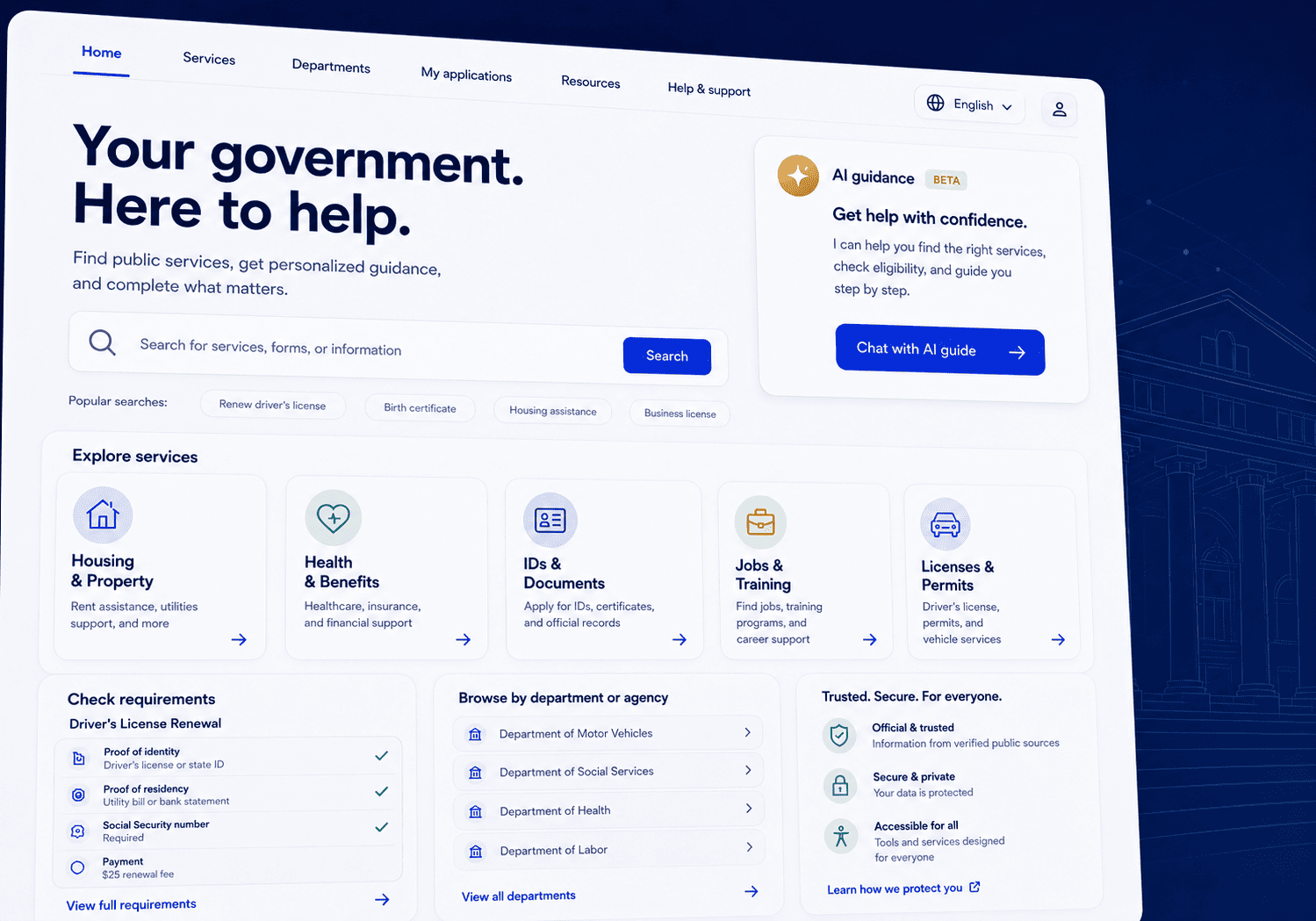
AI-Powered Citizen Services Website Platform for Virginia State Agencies

Plavno developed a modern eGovernment website platform for Virginia state agencies that centralizes citizen services, public information, department content, and an AI-powered guidance agent in one scalable system.

Read More
70%

reduction in routine citizen inquiries to agency staff

AI-Powered Citizen Services Website Platform for Virginia State Agencies

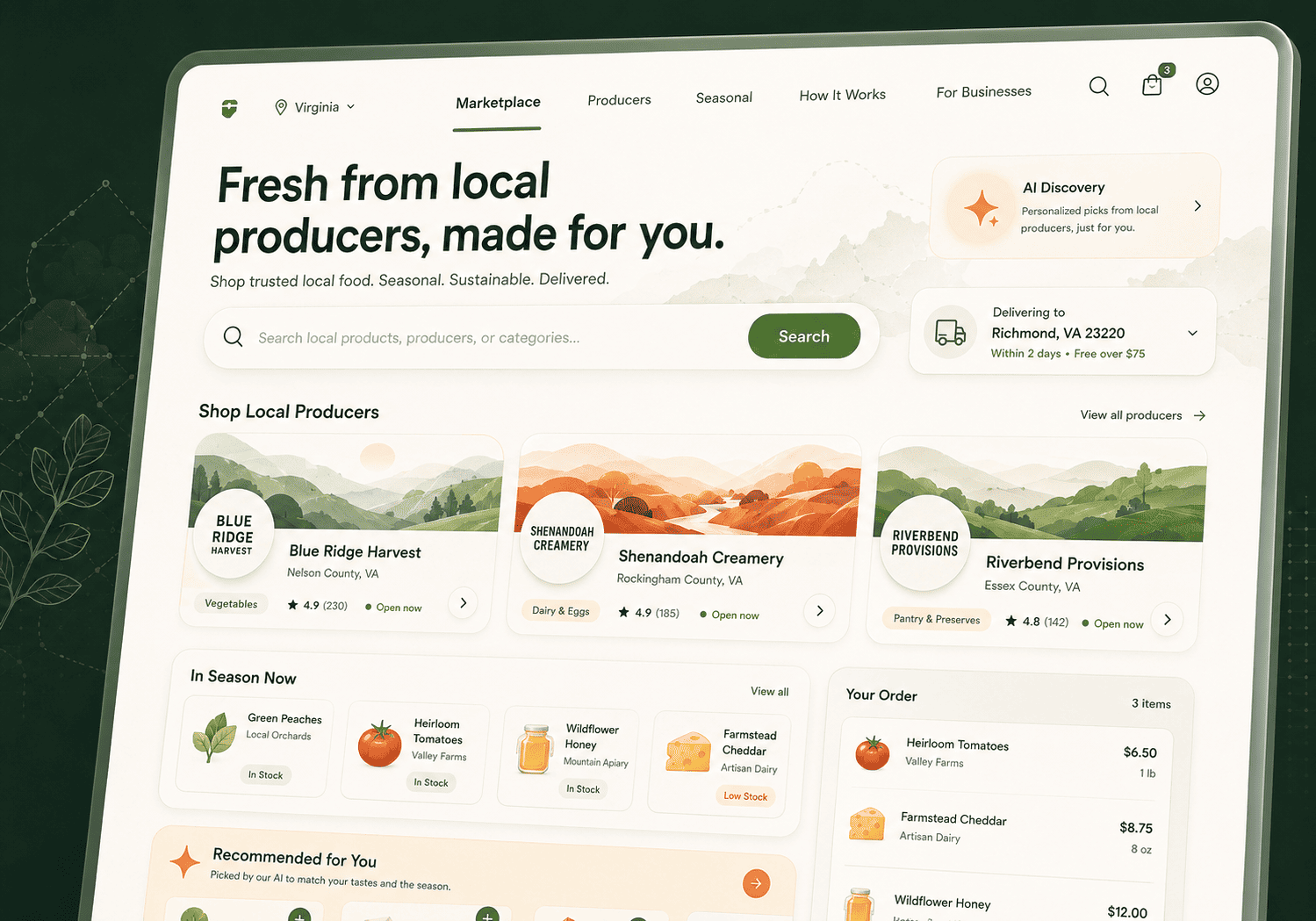
Digital Marketplace for Virginia Farmers, Local Producers & Direct-to-Consumer Food Sales

Plavno developed a custom multi-vendor marketplace for Virginia-based farmers, food producers, and regional sellers to unify product listings, vendor operations, customer ordering, and local fulfillment workflows.

Read More
3x

increase in product discovery relevance

Digital Marketplace for Virginia Farmers, Local Producers & Direct-to-Consumer Food Sales

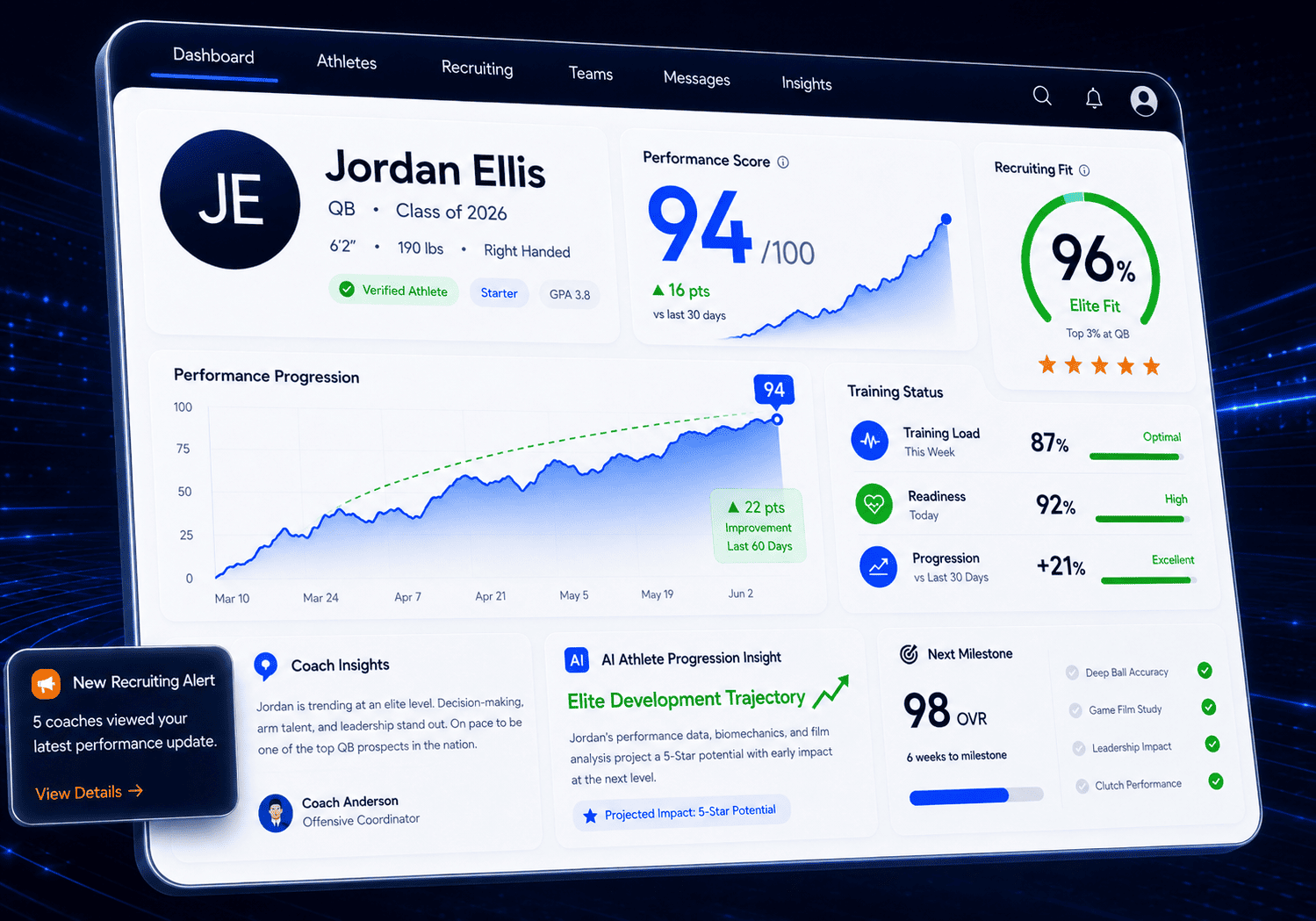
AI-Powered Sports Performance & Recruiting Platform for Virginia Clubs, Academies & Youth Programs

Plavno developed a custom sports technology platform for Virginia-based clubs and academies to combine athlete performance tracking, coach communication, recruiting workflows, and mobile engagement in one ecosystem.

Read More
3x

faster recruiting pipeline

AI-Powered Sports Performance & Recruiting Platform for Virginia Clubs, Academies & Youth Programs

Adoption path

A rollout model teams can sustain

The second win in Petersburg comes from expanding automation safely across teams, with clear ownership and measurable readiness gates.

Clipboard
Team
01

Step 1: Assisted work (2–3 weeks)

We start by assisting the user, not replacing them. The automation drafts outputs, pre-fills forms, or suggests next actions while a person approves. This phase builds trust and exposes the true exception patterns in Petersburg workflows. You receive training materials, review queues, and a quality checklist to measure acceptance. Timeline is 2–3 weeks, and it is designed to reduce change resistance.

02

Step 2: Human-in-the-loop automation (3–5 weeks)

Next we automate the deterministic path and keep approval gates for risky steps. Teams learn where escalation is needed and which data fields cause errors. We also set thresholds for when AI outputs require review, based on business impact. You receive updated workflow rules, dashboards for exception rate, and a backlog of improvements tied to observed failures. Timeline is 3–5 weeks, and it is where stable savings begin to show.

Search in doc
Rocket
03

Step 3: Semi-autonomous runs (4–8 weeks)

Once quality is stable, we allow the automation to run larger batches with sampled reviews. This is where throughput improves without adding headcount, which matters in Tri-Cities operations. We set rollback triggers and define manual procedures so there is a safe stop button. You receive batch controls, replay tooling for failed items, and updated runbooks for operations ownership. Timeline is 4–8 weeks depending on integration complexity and exception volume.

04

Step 4: Governed autonomy (ongoing, quarterly reviews)

Long-term, the system runs with governance, not constant engineering attention. We schedule regular reviews of exception categories, cost per workflow run, and drift signals in your data. For regulated workflows, we also review audit logs and access patterns to confirm controls are working. You receive a quarterly scorecard, a prioritized roadmap, and a change approval process that matches your risk profile. Timeline is ongoing with quarterly reviews, and it keeps automation from degrading quietly.

Testimonials

We are trusted by our customers

“They really understand what we need. They’re very professional.”

The 3D configurator has received positive feedback from customers. Moreover, it has generated 30% more business and increased leads significantly, giving the client confidence for the future. Overall, Plavno has led the project seamlessly. Customers can expect a responsible, well-organized partner.

Sergio Artimenia

Commercial Director, RNDpoint

Sergio Artimenia

“We appreciated the impactful contributions of Plavno.”

Plavno's efforts in addressing challenges and implementing effective solutions have played a crucial role in the success of T-Rize. The outcomes achieved have exceeded expectations, revolutionizing the investment sector and ensuring universal access to financial opportunities

Thien Duy Tran

Product Manager, T-Rize Group

Thien Duy Tran

“We are very satisfied with their excellent work”

Through the partnership with Plavno, we built a system used by more than 40 million connected channels. Throughout the engagement, the team was communicative and quick in responding to our concerns. Overall, we were highly satisfied with the results of collaboration.

Michael Bychenok

CEO, MediaCube

Michael Bychenok

“They have a clear understanding of what the end user needs.”

Plavno's codes and designs are user-friendly, and they complete all deliverables within the deadline. They are easy to work with and easily adapt to existing workflows, and the client values their professionalism and expertise. Overall, the team has delivered everything that was promised.

Helen Lonskaya

Head of Growth, Codabrasoft LLC

Helen Lonskaya

“The app was delivered on time without any serious issues.”

The MVP app developed by Plavno is excellent and has all the functionality required. Plavno has delivered on time and ensured a successful execution via regular updates and fast problem-solving. The client is so satisfied with Plavno's work that they'll work with them on developing the full app.

Mitya Smusin

Founder, 24hour.dev

Mitya Smusin

Pre-project readiness

What to prepare before we automate a workflow

  • Pick one workflow with a real baseline — Choose a process where you can measure cycle time, exception rate, or backlog size today. Collect a small set of representative examples that show both the happy path and the worst failures. Confirm who owns the upstream and downstream steps, since handoffs are where automation breaks. Document current tools involved, including spreadsheets and email rules, because they often hold the real business logic. Set a target metric for Petersburg operations, then agree on what success looks like after launch. This step prevents “automation for automation’s sake” and keeps scope defendable.

  • Define data sources and permission boundaries — List the systems that hold the inputs and the systems that must receive outputs. Confirm what access is allowed for service accounts and what requires named-user access. Identify any sensitive fields early, especially in healthcare and government workflows in Virginia. Decide what must be masked, redacted, or transformed before it reaches any AI step. Document retention rules so the automation does not store data without purpose. This preparation speeds security review and reduces redesign late in the project.

  • Agree on exception handling and human ownership — Every workflow has cases that should never be automated, like high-risk approvals or ambiguous identity matches. Define the “escalate to human” rules and who is responsible for resolution. Decide how users will be notified and where they will work the exceptions. Capture what information a human needs to resolve an item without hunting across systems. Confirm hours of coverage for Petersburg teams, since after-hours handling changes the design. Clear ownership is what keeps automation from stalling in production.

  • Plan integration realism, not idealism — Be honest about what your vendor systems can and cannot do. If the only reliable method is export and import, plan for it and design for idempotency and replay. Confirm rate limits, file formats, and any manual steps that cannot be removed yet. Identify environments for testing, because production-only integration is a common source of outages. Decide what is acceptable for early phases, then plan upgrades later. This keeps timelines predictable and reduces technical debt.

  • Set post-launch operations and cost controls — Choose who receives alerts and what constitutes a production incident. Define monitoring around business metrics like completion time and exception rate, not just system uptime. Decide how workflow versions are released and who approves changes. For AI steps, agree on how quality will be reviewed and how drift will be detected over time. Set a monthly cost review tied to workflow volume so spend stays understandable. This step is what makes the automation sustainable past the pilot.

Vitaly Kovalev

Vitaly Kovalev

Sales Manager

Request a Petersburg automation readiness audit

Ask for our audit and a simple ROI estimator for Petersburg businesses. Share your workflow, budget range, timeline, current tech stack, and dataset scope so we can size the build accurately.

Talk to Experts
Eugene Katovich

Eugene Katovich

Sales Manager

Need a custom software solution? We’re ready to help!

Plavno has a team of skilled developers ready to tackle the project. Ask me!

Get a Free Quote

FAQ

AI automation in Petersburg: practical answers

These answers focus on delivery realities in Virginia, including integration, governance, and what it takes to operate automation after launch.

What drives the cost of AI Automation in Petersburg, VA?

Cost is primarily driven by integration complexity, the number of exception paths, and how much of your workflow is locked inside vendor tools. In Petersburg, we often see older ERPs, WMS setups, and document tools that require exports, imports, or limited APIs. Each of those constraints adds engineering work for reliability, replay, and data validation. The second big driver is compliance review time, especially for healthcare document automation and government records workflows. AI itself is not always the expensive part. Deterministic automation with clear rules can deliver strong value and is often cheaper to operate. When you add conversational steps, cost depends on call volume, how much context must be retrieved, and how strict your quality threshold is. We design AI steps with bounded inputs and fallbacks so you can control operating cost. Local delivery cost also depends on stakeholder availability. If subject-matter experts can review examples quickly, we move faster and avoid rework. To price accurately, we ask for your budget range, timeline, current stack, the systems to integrate, and a rough dataset or sample set. That information lets us provide a scoped estimate instead of a vague range.

How long does it take to build AI Automation software?

Timeline depends on whether you want a single workflow in production or a program that covers multiple departments. For a first production workflow in Petersburg, we usually start with a short triage and integration check, then deliver a pilot in a staging environment. That phase proves data access, exception handling, and measurement. A minimal deployment focuses on one workflow, a clear baseline, and a safe rollback plan. A fuller deployment takes longer because operations and governance matter as much as code. You need user training, runbooks, monitoring tied to business outcomes, and a support path for exceptions. If the workflow touches regulated data, security review and audit evidence also add time. The good news is that these steps reduce production incidents and prevent a stalled rollout. We structure delivery so you get value early and can stop if the numbers do not justify expansion. MVP scope is usually one workflow with limited integrations and clear human review points. Full deployment means more integrations, higher throughput, and wider rollout across teams. We will propose a timeline after we see your systems and your exception volume.

Do you work with startups in Virginia?

Yes. We work with startups and growth-stage teams in Virginia, as well as larger operators with Virginia locations. In this region, we often see early-stage companies connected to the Richmond area ecosystem and university-linked talent networks across Central Virginia. For Petersburg-area startups, the biggest constraint is usually bandwidth, not ambition. That shapes how we scope the first automation so it can ship and stay maintainable. For startups, the data question comes first. We need to know what data you actually have today, where it lives, and what “correct” means for the workflow. If you only have partial history, we can still proceed by defining a small gold set of examples and building a review loop. That approach is often faster than waiting for perfect datasets that may never arrive. We also design for change. Startups iterate quickly, so we focus on versioned workflows, test fixtures, and a measurement plan you can run each release. That reduces regressions and keeps automation aligned with product and operations changes. If you share your stack, workflow scope, and the samples you can provide, we can suggest the smallest useful build.

Can AI Automation integrate with my existing system?

Yes, and integration is usually the hardest part to get right. In Petersburg we commonly integrate with ERPs, WMS platforms, scheduling tools, CRMs, document repositories, and custom databases. If a system has an API, we use it, but we still plan for retries, idempotency, and schema changes. If a system does not have a useful API, we can integrate through exports and imports, controlled file drops, or other approved interfaces. We treat integration as a reliability problem, not a connectivity problem. That means we define exactly what data is required, validate it before it enters the workflow, and log what was sent downstream. We also build replay capability so failures do not turn into manual cleanup. That is essential for warehouse logistics automation and government forms processing where duplicates cause real operational damage. Security and permissions are part of integration design. We define service accounts, least privilege, and audit logs so your IT and compliance teams can review what the automation accesses. If your system involves regulated data, we also define masking or redaction steps before any AI processing. Integration is feasible in most environments, but the method and timeline depend on your specific constraints.

What industries in Petersburg benefit most from AI Automation?

In Petersburg, the biggest gains usually come from industries with repeatable workflows, steady volume, and too many handoffs. Warehousing and logistics is a clear example, especially when slotting, picking, and shipment status depend on multiple tools. Workflow automation reduces rework by routing tasks with the right context and by recording decisions so supervisors can audit outcomes. The region’s proximity to larger distribution corridors makes throughput and accuracy a daily priority. Healthcare and senior care also benefits, particularly for intake, referrals, and patient communication. The operational pain is not just data entry. It is the back-and-forth caused by missing fields and inconsistent messaging. Automation can standardize the process while keeping humans in the loop for clinical judgment. Public sector and contractors working with local agencies benefit when records and forms require redaction, review, and strict audit trails. Our experience building anonymization pipelines maps well to this need. Small business operations, including service companies, also see value when phone calls and scheduling dominate the day. If you share your workflow and volume, we can recommend the best first use case for Petersburg.

Contact Us

This is what will happen, after you submit form

Need a custom consultation? Ask me!

Plavno has a team of experts ready to start your project. Ask us!

Vitaly Kovalev

Vitaly Kovalev

Sales Manager

Schedule a call

Get in touch

Fill in your details below or find us using these contacts. Let us know how we can help.

No more than 3 files may be attached up to 3MB each.
Formats: doc, docx, pdf, ppt, pptx, xls, xlsx, txt.
Send request