bg image
bg image

Serving Harrisonburg & Virginia

Cut Manual Work Across Harrisonburg Operations in 2026

Plant managers, clinic directors, and logistics leads in Harrisonburg still lose hours to repetitive handoffs. Those delays raise labor cost and slow quotes. AI automation services remove the dead steps so staff focus on exceptions. You keep control of systems you already own. We design around your real queues, not a slide deck. Get AI Automation cost estimate in 24 hours. Tell us volume, tools, and the process that hurts most.

Discuss Project

Overview

Why Harrisonburg queues still stall in 2026

Harrisonburg sits in a busy corridor of manufacturing, agribusiness, education, and care providers across the Shenandoah Valley. Many firms still move orders, claims, and schedules through email and spreadsheets. That works until volume spikes or a key person is out. Errors compound. Cycle times stretch. Customers notice before leadership does.

Local operators from Bridgewater and Dayton to Staunton and Elkton need ai automation services that fit existing software, not a full rip-and-replace. We map one painful process first. Then we connect data, rules, and models that act without constant babysitting. Trusted AI Automation Partner for Harrisonburg Businesses. We work with US-based clients, including companies operating in Virginia.

Outcomes stay concrete. Fewer status calls. Faster warehouse slotting decisions. Cleaner handoffs between front desk and back office. Lower rework on compliance paperwork. We have delivered 10+ AI Automation projects in the US market with the same bias for measurable throughput, not theater.

Technical approach stays measured. Event triggers, retrieval pipelines, and voice or text agents sit behind clear APIs. Humans approve edge cases. Cost is visible per workflow. Explore our AI automation practice when you want the full service picture without a long sales loop.

Broadway clinics, Charlottesville logistics partners, and Harrisonburg campus suppliers face the same pattern. Manual steps hide as "how we do things." Automation exposes them, then removes the ones that do not need judgment. That is the work for 2026 budgets that must prove value inside one quarter.

Talk to an Expert
Map one process

Map one process

Audit a painful queue with volume, error rate, and dollar impact first

Connect data & rules

Connect data & rules

ERP, WMS, CRM events scored and routed without rip-and-replace

Agents behind APIs

Agents behind APIs

Voice, text, and retrieval pipelines with human edge-case approval

Measurable throughput

Measurable throughput

Fewer status calls, faster slotting, cleaner handoffs inside one quarter

Architecture that ships

Process engines Harrisonburg teams can own

Clients in Harrisonburg receive production systems, not proof decks. Core pattern is simple. Capture events from ERP, WMS, CRM, or phone. Score them. Route them. Act or escalate. We keep models thin and business rules explicit so ops staff can change thresholds without a full redeploy. That ownership matters when night shifts cannot wait on a remote vendor.

For voice-heavy work we reuse patterns from a memory-care assistant and insurance phone agents. Conversational AI, NLP, ASR, and TTS sit on a retrieval layer with a memory graph where context must persist across turns. React and React Native clients handle staff views. TypeScript keeps contracts shared between services. The stack stays boring on purpose so local IT can support it.

Warehouse and industrial flows borrow from layout and slotting engines we already shipped. Optimization algorithms plan aisle use and pick paths. Slotting logic reacts to SKU velocity without daily planner rewrites. Those jobs run on queues with clear SLAs so a plant in Rockingham County can see cost per run before it scales.

Security/compliance is designed in, not taped on. Law-enforcement style redaction work taught us to treat PII as a pipeline concern. Data anonymization stages, access logs, and role gates travel with every automation. Virginia healthcare and education partners get the same discipline even when regulation is lighter than California LE standards.

DevOps uses staged releases, feature flags, and cost meters on model calls. Observability covers lag, error rates, and human override volume. If drift appears, we throttle automation before it burns money. Harrisonburg teams keep source, runbooks, and cloud accounts. We stay accountable for outcomes while you hold the keys.

plavno logo

Build your first
Smart AI project today!

Just tell the Plavno AI Agent about your project - it will ask questions, gather requirements, and propose a tailored solution

AI Automation Solutions for Harrisonburg Industries

Valley sectors where queues pay for themselves

These use cases map to real employers around Harrisonburg, Bridgewater, and the wider Shenandoah Valley. Each path starts with one workflow you already measure.

Agribusiness Packing

Agribusiness Packing

Lot routing

Food and agribusiness packing lines

Seasonal spikes bury clerks in order changes and lot notes. A Rockingham packer still prints sheets while trucks idle. We automate intake validation and exception routing so only bad lots hit a human desk. Teams see fewer mis-ships and cleaner audits after first month. Typical ROI target is a third less rework labor on the busiest SKUs. Technically we connect ERPs to rule engines plus lightweight models that score document integrity before inventory moves.

Senior Care

Senior Care

Voice agents

Senior care and regional clinics

Nurses lose time repeating status to families. Phone trees frustrate callers after hours. We deploy conversational agents that answer routine updates and capture new symptoms for review. Care teams keep liability control with full transcript trails. Sites report faster callback handling once after-hours volume drops. Stack uses ASR, TTS, NLP, and retrieval over care policies so answers stay grounded in approved language, similar to MemoryVoice work for memory-care settings.

Campus Training

Campus Training

LMS support

Campus and workforce training providers

James Madison University suppliers and private trainers juggle LMS tickets by hand. Students wait on simple access questions. An AI voice layer inside the LMS answers account and course status without opening a ticket. Staff focus on content quality instead of password resets. First ROI shows in ticket volume cut during enrollment peaks. Implementation wraps the LMS APIs with conversational flows and clear handoff when the bot hits a grade or payment edge.

Logistics Routing

Logistics Routing

Freight status

Regional logistics and 3PLs

Shenandoah Valley shippers field endless Where is my freight calls. Dispatch thrives on exceptions, not status scripts. Voice agents pull tracking, explain ETA windows, and open cases only when data is stale. Drivers and customers both get consistent answers. Operators free phones for true delays. Integration uses logistics APIs plus voice automation patterns proven on shipment-tracking agents so silence or bad DTMF never drops a call.

Claims Triage

Claims Triage

FNOL intake

Mutual insurers and claims desks

Local agencies still key FNOL details after long calls. Transcription misses and rework follow. Phone agents collect structured claim data, confirm coverage questions, and schedule adjusters. Rooms stay calm because scripts stay current in one place. Early win is shorter average handle time on inbound FNOL. Telephony, workflow stateful agents, and CRM writeback keep every field auditable for Virginia regulators and carriers.

Parts Slotting

Parts Slotting

Pick paths

Light manufacturing and spare parts

Machine shops near Harrisonburg lose floor time hunting bin locations. Slotting drifts as mixes change. Layout and slotting software reassigns hot parts and flags aisle congestion before overtime. Planners get nightly plans instead of gut feel. ROI appears as higher picks per hour with fewer supervisors walking aisles. Algorithms balance travel distance, velocity classes, and capacity constraints without needing a greenfield WMS.

Delivery path

From first map to live queues in Harrisonburg

A fixed sequence keeps sponsors aligned. Each phase ends with artifacts your team can reject or approve before spend grows.

Clipboard
Team
01

Step 1: Process audit (1–2 weeks)

We sit with operators in Harrisonburg or on remote floor walks. Goal is one workflow with clear volume, error rate, and dollar impact. Deliverable is a annotated process map plus data inventory. You receive a go or no-go memo with risk notes on brittle sources. Technical work captures systems, APIs, and file drops only. Timeline stays inside two weeks so executives still remember the pain.

02

Step 2: Design and guardrails (2 weeks)

Architects define events, models, and human checkpoints. Security reviews cover PII paths early. You get sequence diagrams, cost estimates per 1,000 runs, and acceptance tests written in plain language. Client workshop locks essential integrations only. Lightweight prototypes prove latency budgets. This phase ends when budgets and success metrics are signed, not when slides look pretty.

Search in doc
Rocket
03

Step 3: Build and integrate (4–6 weeks)

Engineers implement adapters, agents, and rule sets against staging clones of your stack. Continuous demos run twice weekly with ops owners present. Deliverables include working pipelines, UI for overrides, and automated tests. Dataset cleaning happens here if source quality blocks accuracy. Feature flags keep unfinished paths dark. Harrisonburg IT retains access to every repository from day one.

04

Step 4: Pilot and harden (2–3 weeks)

Live traffic shares with human dual-run first. Metrics track time saved, error delta, and override reasons. You receive a pilot scorecard and a cutover plan with rollback steps. Training sessions use real tickets from your queue. Monitoring hooks go live before full traffic. Final gate is business sponsor sign-off tied to the original ROI memo, not engineering satisfaction alone.

Case Study

We help customers cut
down on development

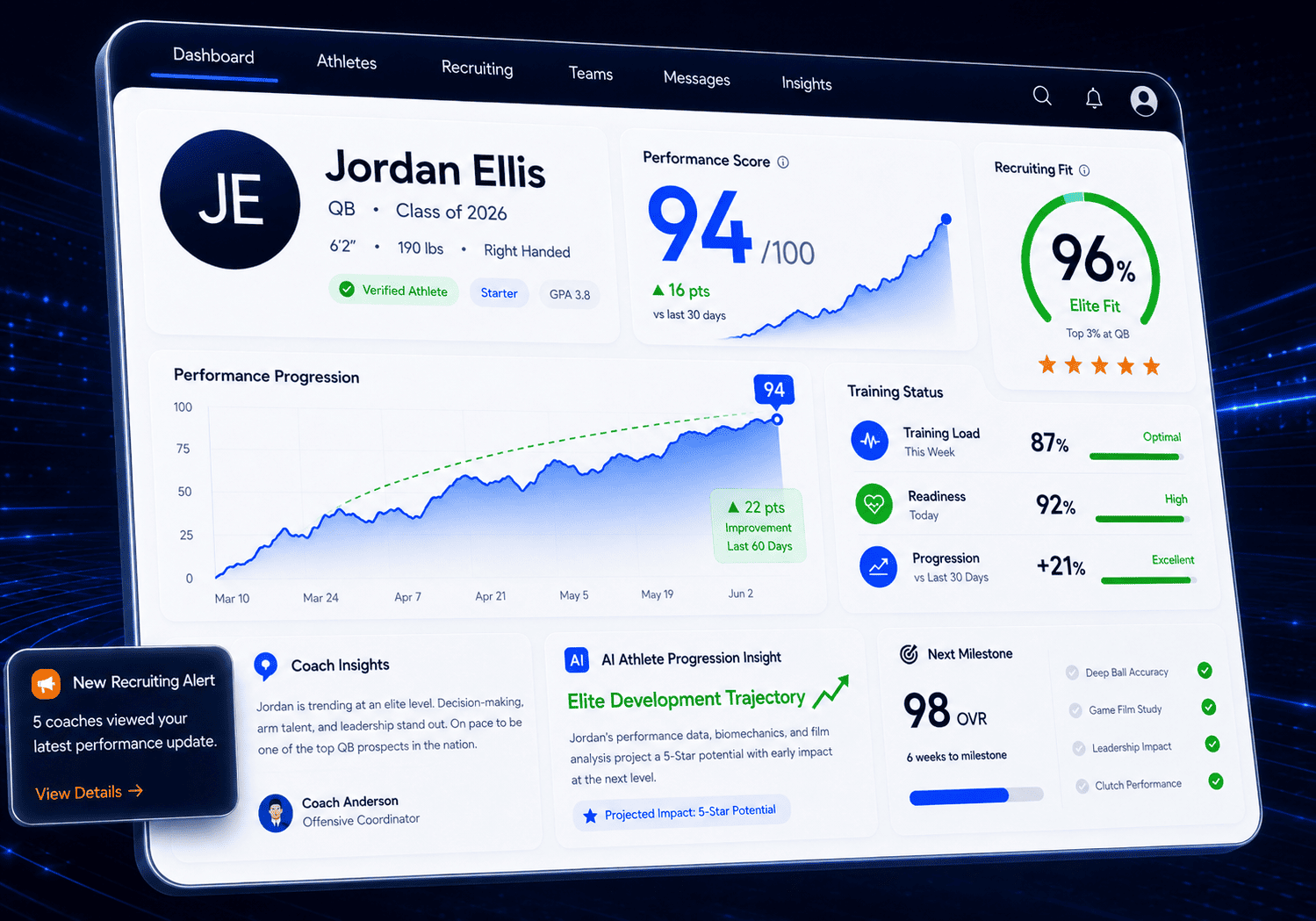
AI-Powered Sports Performance & Recruiting Platform for Virginia Clubs, Academies & Youth Programs

Plavno developed a custom sports technology platform for Virginia-based clubs and academies to combine athlete performance tracking, coach communication, recruiting workflows, and mobile engagement in one ecosystem.

Read More
3x

faster recruiting pipeline

AI-Powered Sports Performance & Recruiting Platform for Virginia Clubs, Academies & Youth Programs

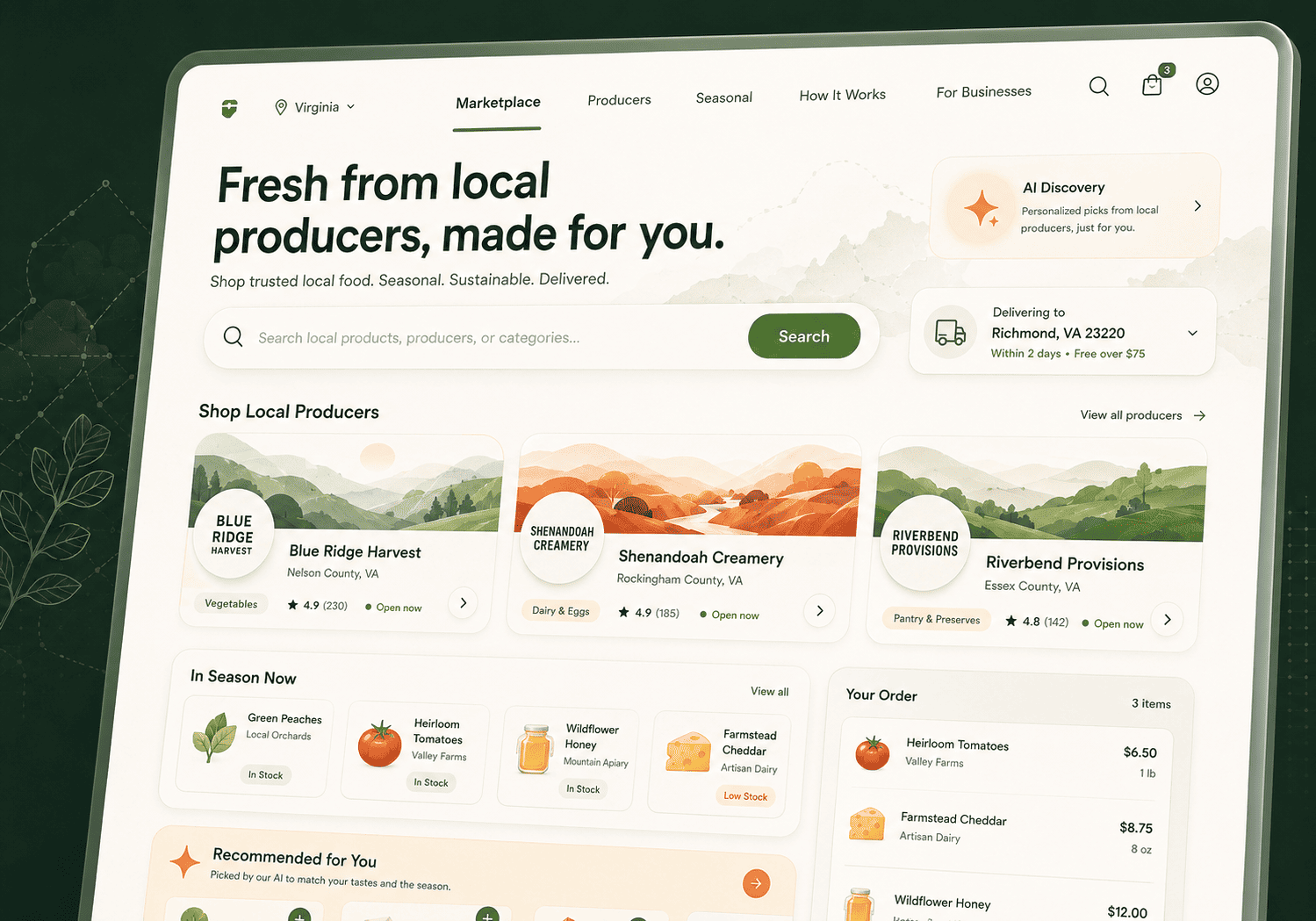
Digital Marketplace for Virginia Farmers, Local Producers & Direct-to-Consumer Food Sales

Plavno developed a custom multi-vendor marketplace for Virginia-based farmers, food producers, and regional sellers to unify product listings, vendor operations, customer ordering, and local fulfillment workflows.

Read More
3x

increase in product discovery relevance

Digital Marketplace for Virginia Farmers, Local Producers & Direct-to-Consumer Food Sales

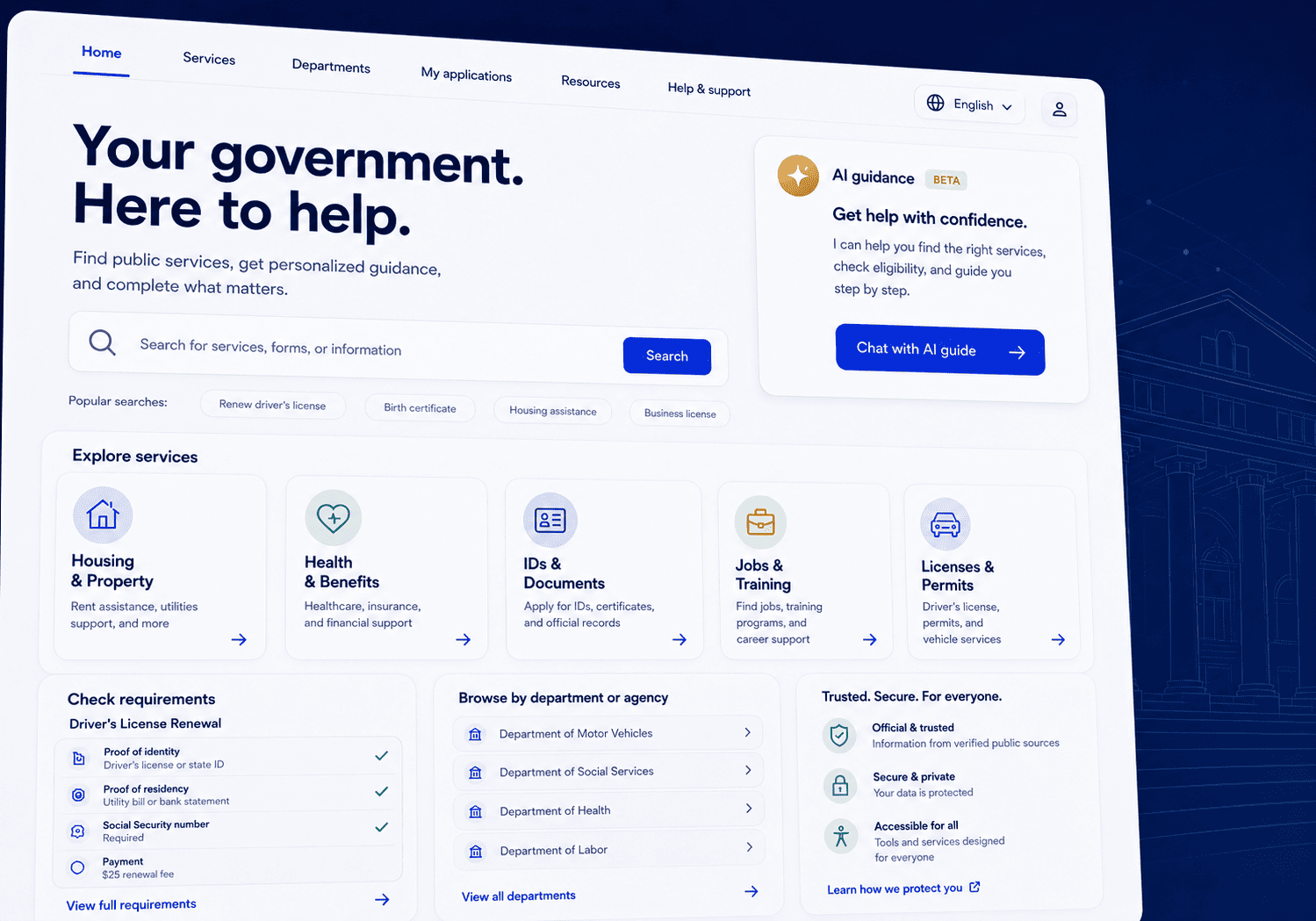
AI-Powered Citizen Services Website Platform for Virginia State Agencies

Plavno developed a modern eGovernment website platform for Virginia state agencies that centralizes citizen services, public information, department content, and an AI-powered guidance agent in one scalable system.

Read More
70%

reduction in routine citizen inquiries to agency staff

AI-Powered Citizen Services Website Platform for Virginia State Agencies

Architecture & Engineering Overview

How automation decisions protect 2026 budgets

Smash real bottlenecks

Smash real bottlenecks

Price work against hours removed, mistakes avoided, overtime cut on baselines

Human veto dual-run

Human veto dual-run

Pilots catch silent failures; override logs train the next rule tweak

Finance-owned spend

Finance-owned spend

Token, telephony, and GPU minutes on ops dashboards with live throttles

Low vendor lock

Low vendor lock

Adapters wrap your systems; model swaps stay a config change

For Business: Technical ROI & Risk Mitigation

Sponsors care about cash and reputation more than model names. Every automation must smash a measured bottleneck or it stays on the shelf. We price work against hours removed, mistakes avoided, and overtime cut on documented baselines. Harrisonburg plants often start with one packing or claims process so finance can see week-four results without betting the plant.

Risk falls when humans keep a veto on high-value paths. Dual-run pilots catch silent failures before customers do. Override logs become the training set for the next rule tweak. That loop prevents the classic trap where automation looks perfect in lab and fails on messy addresses or half-filled forms.

Cost control is part of the business case. Token spend, telephony minutes, and GPU minutes appear on dashboards ops already opens. If a voice agent burns cash on silent retries, throttles engage. Finance owns that lever, not only engineering.

Vendor lock risk stays low because adapters wrap your systems. Swapping a model provider later is a config change when prompts and tools sit behind stable interfaces. That protects multi-year capital plans common with Valley family businesses.

Proof comes from shipped work. Fraud detection for a FinTech used anomaly scoring on transactions to shrink manual review queues. Warehouse slotting software cut planner thrash with optimization runs. Banking and insurance voice agents reduced script drift because content lived in one controlled store. Each example turned a vague efficiency goal into a tracked KPI.

Local leaders in Harrisonburg should demand the same discipline. Ask for baseline, post-automation metric, and who owns the weekly review. Without that ownership the tools drift into expensive wallpaper.

1

Thin discovery spike

Trade-off memos at each gate — event bus vs batch — readable without a research team

2

One vertical slice

CI, secrets, IdP federation, and staging mirrors freeze before feature work begins

3

Autonomy with SLOs

Assist → act → rare closed loops; each level gets own on-call plan and contracts

4

Handoff & hypercare

Runbooks, cost alarms, 30-day window, then your SREs primary with monthly drift reviews

For CTOs: Architecture & Technical Lifecycle

Lifecycle starts at a thin discovery spike, not a year-long platform program. Govern decisions with explicit trade-off memos at each gate. We document why event buses beat nightly batch for a given queue and when batch still wins on cost. Architecture boards in mid-size Virginia firms can read those notes without a research team.

Kickoff freezes scope on one vertical slice. Environment setup, secrets management, and CI come before features. Identity federation with your IdP keeps shadow accounts out. Staging mirrors production schemas enough to catch brittle joins early.

Mid-build decisions revolve around autonomy level. Assist modes suggest. Act modes write back. Fully closed loops stay rare until data quality earns trust. Each level has its own SLOs and on-call plan so paging stays rational.

Change control uses contracts for tool schemas. Agents may not invent new side effects without a release. Product owners approve new tools the same way they approve CRUD on critical tables. That process keeps autonomous behavior from surprising auditors.

Production handoff includes runbooks, cost alarms, and a 30-day hypercare window. After that, your SREs hold primary page with us on backup. Drift reviews happen monthly until metrics stabilize. For multi-site expansions, we template the first win rather than rewrite from scratch each plant.

Trade-offs stay honest. Real-time voice raises latency risk and telephony cost. Batch NLP on claims overnight can be cheaper and still meaningful. CTOs pick by business cadence, not fashion. We measure both paths on your data before locking designs.

Perception layer

Perception layer

ASR, OCR, and ingest normalize events; dead-letter queues isolate poison messages

Decision layer

Decision layer

Policy engines and small models score intent; retrieval grounds answers in approved docs

Action adapters

Action adapters

Idempotent WMS, CRM, PBX writes; TypeScript contracts shared with React clients

Safety & edge paths

Safety & edge paths

Redaction, versioned feature stores, bilingual fallbacks, and 3s latency early-fail

For Engineers: Implementation Details & Stack

Implementation favors clear modules over monolith agents. Separate perception, decision, and action so each can fail independently. ASR and OCR feed normalized events. Policy engines and small models score intent. Execute adapters handle WMS, CRM, or PBX writes with idempotent keys. Dead-letter queues catch poison messages without stalling the bus.

TypeScript services keep types shared across React admin consoles and React Native caregiver apps when mobile is required. Memory graphs store durable user context for multi-turn care or logistics dialogs. Retrieval pipelines ground answers in approved documents so freeform LLMs cannot invent refund policy. That pattern came straight from MemoryVoice and LMS assistant work.

Optimization complexes for warehouses use custom solvers plus heuristics. Layout constraints enter as data, not hard-coded nights of if statements. Nightly jobs emit plans planners can override once, then lock. Industrial clients like plans they can explain to auditors.

Anonymization and fraud paths differ. Redaction pipelines tokenize sensitive fields before analytics land. Fraud scoring watches travel histories and burst patterns. Both keep feature stores versioned so you can replay decisions when a regulator asks why. No mystery numbers.

Edge cases obsess us. Partial addresses, bilingual callers, and half-scanned bills all appear in Virginia traffic. Fallback prompts and human cold transfer are first-class. Latency budgets enforce early-fail on third-party APIs so callers never sit in silence past three seconds when media stacks allow it.

Local engineers on your side get readable diagrams and seeded fixtures. Pull requests stay reviewable in under thirty minutes. We avoid clever macros that only the original author can debug six months later on a holiday outage.

Business signal first

Business signal first

Success rate, AHT delta, PII blocked, and $ per workflow — infra only explains misses

Workload compliance

Workload compliance

HIPAA-ready patterns, SOC2 change logs, SSO, least privilege, retention = legal holds

Impact-tied IR

Impact-tied IR

Severity by customer hit; freeze automation, dual-run restore; drills before go-live

You keep the keys

You keep the keys

Your cloud accounts, IaC configs, cost floors/ceilings, and auditor evidence packs

Infrastructure, Observability & Security

US deployments default to locked regions and private networking where clients require it. Monitor the business signal first, then the container. Dashboards show automation success rate, average handle time delta, PII hits blocked, and dollar spend per workflow. Infra metrics matter only when they explain a business miss.

Compliance follows workload. Healthcare-like flows borrow HIPAA-ready patterns for encryption, BAAs, and access reviews. Public-sector style redaction work informs tougher data paths. SOC2 controls cover change logs and least privilege even for commercial plants that simply want cleaner audits.

Incident response uses severity labels tied to customer impact. A stuck shipment bot pages faster than a nightly slotting report delay. Runbooks describe who freezes automation, who notifies ops, and how to restore dual-run. Exercises happen before go-live, not during first outage.

Security reviews earlier cases. Identity uses SSO. Secrets never sit in repos. Model prompts exclude raw secrets by design. Data retention mirrors your legal holds. For law-enforcement adjacent data we proved anonymization pipelines that strip identifiers before analytics without breaking investigative utility patterns for other domains.

Cost controls sit next to latency charts. Autoscale has floors and ceilings. Scheduled jobs respect night-shift labor busyness so you do not burn cloud while humans sleep. Alerts mention dollars, not only CPU percentages, so finance understands the page.

Harrisonburg clients keep cloud accounts, logs periods, and pen-test rights. We supply the configuration as code and the evidence packs auditors request. That shared ownership avoids the all-or-nothing vendor black box many shops still fight.

Testimonials

We are trusted by our customers

“They really understand what we need. They’re very professional.”

The 3D configurator has received positive feedback from customers. Moreover, it has generated 30% more business and increased leads significantly, giving the client confidence for the future. Overall, Plavno has led the project seamlessly. Customers can expect a responsible, well-organized partner.

Sergio Artimenia

Commercial Director, RNDpoint

Sergio Artimenia

“We appreciated the impactful contributions of Plavno.”

Plavno's efforts in addressing challenges and implementing effective solutions have played a crucial role in the success of T-Rize. The outcomes achieved have exceeded expectations, revolutionizing the investment sector and ensuring universal access to financial opportunities

Thien Duy Tran

Product Manager, T-Rize Group

Thien Duy Tran

“We are very satisfied with their excellent work”

Through the partnership with Plavno, we built a system used by more than 40 million connected channels. Throughout the engagement, the team was communicative and quick in responding to our concerns. Overall, we were highly satisfied with the results of collaboration.

Michael Bychenok

CEO, MediaCube

Michael Bychenok

“They have a clear understanding of what the end user needs.”

Plavno's codes and designs are user-friendly, and they complete all deliverables within the deadline. They are easy to work with and easily adapt to existing workflows, and the client values their professionalism and expertise. Overall, the team has delivered everything that was promised.

Helen Lonskaya

Head of Growth, Codabrasoft LLC

Helen Lonskaya

“The app was delivered on time without any serious issues.”

The MVP app developed by Plavno is excellent and has all the functionality required. Plavno has delivered on time and ensured a successful execution via regular updates and fast problem-solving. The client is so satisfied with Plavno's work that they'll work with them on developing the full app.

Mitya Smusin

Founder, 24hour.dev

Mitya Smusin

Readiness scan

Confirm you are ready before the build bid

  • Name the owning process and metric — Pick one workflow with a baseline you already track weekly. Write average handle time, error rate, or overtime hours on a single page. Without a number, automation theater begins. Harrisonburg sponsors should bring last quarter data to kickoff. Include who currently owns that KPI so politics do not stall later. We refuse to guess baselines after contracts start. Clean ownership keeps design honest from week one.

  • Inventory systems and access paths — List ERP, WMS, CRM, phone, and file shares that touch the process. Note API maturity, VPN needs, and who approves credentials. Legacy screen scrapes can work but change the risk plan. Share sample payloads under NDA early. Missing access is the top delay we see across Virginia mid-market teams. Document sandbox availability so engineers do not wait idle.

  • Rate data quality with real samples — Export two weeks of tickets, forms, or call notes. Mark missing fields and free-text chaos. Models and rules fail on garbage. Annotate twenty painful examples by hand so we share vocabulary. Budget time for cleanup if necessary. Good samples shrink discovery and protect your launch date better than fancy architecture choices.

  • Decide human oversight levels — Choose assist, gated write-back, or closed loop per step. High dollar refunds stay gated. Status FAQs can auto close. Write the escalation matrix with names, not roles only. Night-shift coverage must be real. Clear rights avoid the fear that bots will email customers without review. Put it on paper before prompts are written.

  • Budget for operate mode not just build — Automation needs monitoring, prompt edits, and model cost review after go-live. Reserve monthly hours and cloud ceiling. Assign an internal owner who can approve small changes without a steering committee. Post-launch drift is normal. Catching it early is strategy. Plan that cost now so 2026 finance does not call the project a surprise.

Vitaly Kovalev

Vitaly Kovalev

Sales Manager

Get a Harrisonburg automation readiness score

Share your stack, timeline, budget range, and dataset scope. Receive a free workflow automation audit for Harrisonburg businesses with a scored checklist and rough effort bands.

Talk to Experts

Maturity path

Climb from scripts to autonomous loops safely

Not every Harrisonburg team should jump to full autonomy. This ladder matches risk appetite and data quality as they improve.

Clipboard
Team
01

Step 1: Manual with better visibility (2–4 weeks)

Instrument the process before replacing people. Dashboards show queues, aging, and error clusters. Team leads finally see which steps burn the day. Deliverable is an operations cockpits they open each morning. Technical work is logging, light ETL, and simple alerts. Timeline of a few weeks proves value even if models never ship. Culture shifts when pain becomes numeric instead of anecdotal around the Valley.

02

Step 2: Assisted suggestions (3–5 weeks)

Models and rules propose next actions inside existing screens. Staff click accept or edit. Accuracy climbs because corrections retrain or refine rules. You get suggestion quality reports by operator. Integration stays non-destructive. This stage de-risks voice or NLP introductions like those used in LMS assistants. People stay in control while the system learns local phrasing and edge forms.

Search in doc
Rocket
03

Step 3: Gated write-backs (4–6 weeks)

Approved low-risk actions commit without a second person while high-risk stays dual control. Examples include status SMS or bin moves under a dollar threshold. Metrics track automatic commit rate and rollback count. Engineering adds idempotent adapters and full audit trails. Guardianship from security teams is clearer because scope is narrow. Many Shenandoah plants stay here for months and still capture most savings.

04

Step 4: Conditional autonomy (ongoing)

Closed loops handle well-known paths end to end with timed reviews. Anomaly detectors freeze autonomy when drift appears. You receive weekly autonomy scorecards and cost envelopes. Technical work focuses on resilience, canaries, and rate limits. Business owners adjust thresholds quarterly. This is where logistics voice agents and fraud monitors earn their keep while humans only meet the weird cases that still need judgment.

Eugene Katovich

Eugene Katovich

Sales Manager

Need a custom software solution? We’re ready to help!

Plavno has a team of skilled developers ready to tackle the project. Ask me!

Get a Free Quote

Straight answers

Harrisonburg AI automation questions for 2026

Practical detail on cost, time, data, quality, security, and steady-state operations for Valley teams.

What drives the cost of AI automation services for a Harrisonburg company?

Cost follows scope, integration depth, and oversight design more than the label AI. A single workflow that reads one API and sends emails lands far below a multi-system voice agent with telephony and CRM write-back. Local labor rates in Harrisonburg help discovery stay efficient when stakeholders sit nearby. Data cleanup can quietly dominate budgets if forms are chaotic.

Major drivers include number of systems touched, need for real-time voice, compliance controls, and target autonomy level. Assist mode with human clicks is cheaper than closed loops that must pass audits. Custom UIs and mobile apps add weeks. Using patterns we already shipped for insurance phone agents or warehouse slotting trims unique invention.

Virginia operators should budget discovery as a paid gate. Fixed bids after a vague call hide risk. We price after mapping volumes and samples. Cloud inference minutes, telephony, and monitoring sit as operating costs separate from build. Expect those opex lines in year one so finance is not surprised.

Regional factors matter. Salmon peak seasons in agribusiness create burst load that shapes infrastructure. Healthcare-adjacent work requires stricter logging and reviews. Education partners near JMU may need FERPA-aware designs. Each factor adjusts estimate bands.

We share rough bands once we know stack, timeline, budget range, and dataset size. Transparent assumptions beat polished guesses. Get AI Automation cost estimate in 24 hours once those four inputs are clear enough to bound the work.

How long does it take to build AI automation software?

MVP timelines for one constrained workflow often land between eight and twelve weeks after discovery. That path covers audit, design, build, and a gated pilot. Full multi-department deployment stretches longer because change management and clean data lag engineering. Harrisonburg sponsors who free decision makers weekly finish faster than those who batch feedback monthly.

Discovery and design usually take three to four weeks combined. Build then runs four to six weeks for a thin vertical slice with real integrations. Pilot and harden add two to three weeks of dual-run traffic. Broader rollouts reuse adapters and take another quarter if three or more systems and sites join.

MVP means production, not a flip book. It ships with monitoring, audit logs, and a rollback plan. It may cover only status updates or slotting suggestions while humans still own money moves. Full deployment adds more tools, tighter SLOs, deeper training, and sometimes on-prem constraints.

Delays cluster around access, data quality, and unclear ownership. VPN tickets and legal reviews of BAA style contracts can idle engineers. Clean sample export eases both. When those are ready at kickoff, calendars stay honest.

Seasonality in Shenandoah industries matters. Freeze production cutovers during peak packing weeks. Use slower seasons for pilots. We plan reverse calendars from your busy periods rather than force generic sprints that ignore plant reality.

What data do you need before starting an automation project?

Start with process samples, not a perfect lake. Two to four weeks of tickets, call notes, order files, or warehouse events give us the real distribution of mess. Include happy paths and the ugly corner cases staff swear are rare. Metadata on volumes per day and current error rates set the scoreboard.

System catalogs come next. Names, owners, auth methods, rate limits, and existing API docs prevent surprises. If an API is missing, screen flows or SFTP drops still work with more risk. Sandbox credentials long before coding starts save everyone. Virginia teams with lean IT should assign a single coordinator for access requests.

Policy documents ground conversational systems. FAQs, SOPs, refund rules, and care scripts feed retrieval stores so answers stay approved. Without them, models improvise and compliance loses. Versioned PDFs with clear owners beat tribal knowledge on sticky notes.

Privacy notes matter early. Flag fields that are health, financial, or student related. We design redaction and retention around those tags rather than bolt them later. If prior anonymization work is available, share it. Learning from law-enforcement redaction pipelines shows how strict paths still leave analytics useful.

You do not need labeled machine learning gold on day one. Rules plus light models often win first. Labels grow from override logs during assist mode. That approach respects how mid-market Harrisonburg data actually arrives.

How do you measure quality of AI process automation after launch?

Quality is multi-metric. Business outcomes lead. We track cycle time, first-contact resolution, rework rate, and overtime against the pre-automation baseline. Technical health follows with success rate, latency, override frequency, and drift signals. If business numbers move while tech looks red, we still intervene. Numbers must disconnect from vanity dashboards.

Human review samples remain mandatory. Weekly audits pull random auto decisions and score correctness. For voice, listen to short clips. For documents, re-check field extractions. Sampling rates start higher and drop as confidence grows. Sharp staff in Harrisonburg ops teams often catch phrasing issues models miss.

Evaluation sets grow from real traffic. Golden tests cover edge cases that broke production before. Regression suites run before prompt or model changes. For fraud or alarm style systems, precision and recall on held extracts matter more than glossy accuracy claims.

Cost quality sits next to answer quality. Dollars per successful automation and model spend trends prevent quiet cost explosions as volume rises. Throttles protect the month-end bill. Finance joins the review so engineering is not the only group reading the chart.

Post-launch cadence is fixed. First thirty days run weekly. Then monthly steering with red, yellow, green status against the ROI memo. When green holds for a quarter, attention moves to the next workflow rather than polishing endlessly.

How do you handle compliance and security for automation in Virginia?

Security begins with data classification and least privilege. Only needed fields enter models. Secrets stay in managed vaults. SSO and role gates limit who can change rules or see transcripts. Logs are immutable for the retention window your counsel sets. These basics apply whether the client is a clinic, a mutual insurer, or a shop floor.

Sector overlays adjust the floor. Healthcare-flavored flows adopt HIPAA style encryption, access reviews, and BAAs with sub processors. Student adjacent services respect FERPA patterns. Financial fraud monitoring addresses auditability of decisions. Public-style redaction lessons apply when shared datasets leave the core operational store.

Network design prefers private links and regional US hosting when policy demands. Vendors are inventory checked. Pen tests and configuration reviews happen before go-live and after major releases. Incident runbooks name people, not only aliases. Virginia customers can require evidence packs before production traffic moves.

Automation itself must not become a bypass. Agents inherit the same authorization as the user or service they replace. Write-backs fail closed when identity is ambiguous. Tool schemas prevent opens that dump entire databases into a prompt. Prompt injection defenses and allow lists stay current.

We surface residual risk honestly. No system is zero risk. Controls cut likelihood and impact to levels boards accept. Continuous monitoring then watches for drift in access patterns the same way it watches for model drift. That is the security posture that survives real audits.

Contact Us

This is what will happen, after you submit form

Need a custom consultation? Ask me!

Plavno has a team of experts ready to start your project. Ask us!

Vitaly Kovalev

Vitaly Kovalev

Sales Manager

Schedule a call

Get in touch

Fill in your details below or find us using these contacts. Let us know how we can help.

No more than 3 files may be attached up to 3MB each.
Formats: doc, docx, pdf, ppt, pptx, xls, xlsx, txt.
Send request