Infrastructure, Observability & Security
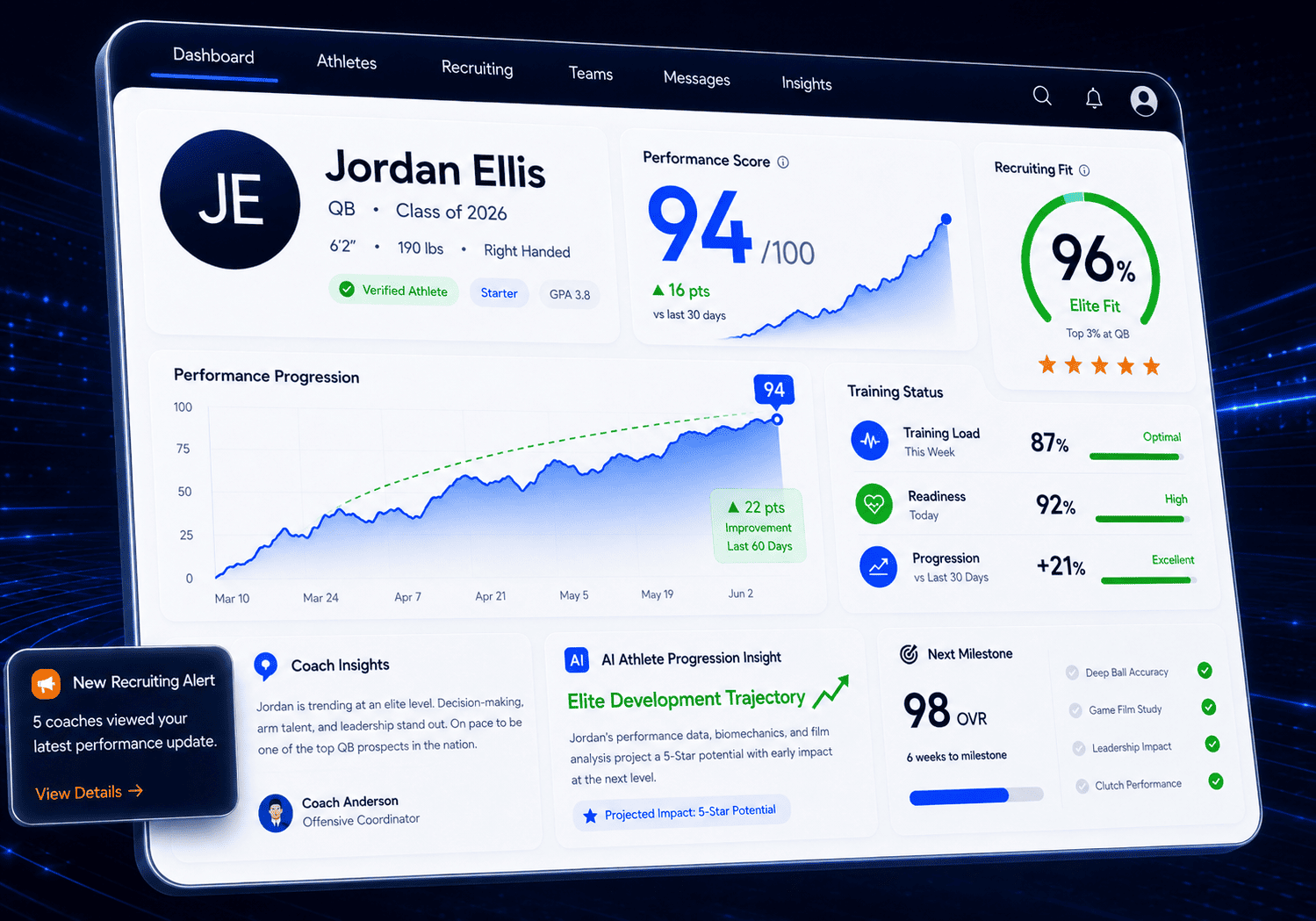
Production care systems fail if nobody watches them. We design observability and security as product features, not appendices. Metrics track task success, human override rate, retrieval hit rate, token cost, and queue lag. Alerts fire when override rates spike because that often signals content drift after a policy change. Dashboards stay readable for ops leads who are not engineers.
Security reviews for US healthcare clients demand concrete controls. Encryption, secrets management, least-privilege roles, and network segmentation are defaults. We map controls to HIPAA administrative and technical safeguards and to SOC 2 style access evidence when buyers require it. Identity federation plugs into existing SSO. Break-glass accounts are rare, logged, and time bound. Vendor subprocessors are listed upfront so procurement is not surprised mid-pilot.
Incident response has playbooks for model abuse, data mishandling, and upstream outages. On-call receives severity definitions tied to patient operations impact, not just HTTP codes. Postmortems generate backlog items with owners. For multi-site Virginia deployments we tag telemetry by facility so one clinic outage is not immersed in global averages. Retention policies purge raw prompts that contain sensitive free text after the agreed window.
Deployment prefers progressive delivery. Feature flags special-case new extractors on a small user cohort. Blue-green releases keep last-known-good ready. Infrastructure as code records every environment difference between a Chesterfield sandbox and production. Drift detection blocks unprotected manual clicks in cloud consoles. Cost anomaly alerts catch runaway batch jobs overnight before finance has a bad morning.
Post-launch operations include monthly evaluation refreshes and quarterly access reviews. Model and index versions roll only with dual approval when clinical content is involved. Drift monitors compare live distributions to baseline document types. When fax quality collapses after a scanner fleet change, alerts catch it before denial rates rise. This is how Healthcare AI remains maintainable rather than a science fair that slowly dies.