bg image
bg image

Serving Hampton Roads

Make AI pay off in Newport News in 2026

AI programs stall when the scope is unclear, the data is messy, and teams cannot agree on what "good" looks like. We help Newport News leaders pick the right first workflows, set measurable targets, and ship improvements that show up in cycle time and service levels. This is for shipbuilding, defense contracting, port and logistics, and healthcare teams that cannot afford rework or surprise compliance issues. Expect a plan that fits your staffing, your procurement constraints, and your real operating tempo. You get a delivery path with owners, timelines, and a clear definition of done. Get AI Consulting cost estimate in 24 hours.

Discuss Project

Overview

AI that survives real operations in Newport News

In Newport News, AI initiatives face a practical test. Shipbuilding schedules, port flows, and regulated healthcare work do not leave room for vague experiments. Most teams want the same outcome. Reduce manual work, cut decision latency, and keep quality predictable under real load. That is what our ai consulting services are built for in 2026. Trusted AI Consulting Partner for Newport News Businesses is not a slogan on this page. It is a delivery standard that starts with clear workflow selection and measurable acceptance criteria. We work with US-based clients, including companies operating in Virginia. Teams in Hampton, Norfolk, Virginia Beach, Chesapeake, and Williamsburg bring similar constraints. Legacy systems, siloed documents, and strict approvals slow down delivery. Our job is to turn that reality into a plan you can run. We focus on artificial intelligence consulting that connects strategy to implementation. In practice, that means mapping high value workflows, validating data readiness, and choosing an integration path that does not add technical debt. When clients need a fast starting point, we begin with AI consulting that defines scope, success measures, and a delivery backlog. When clients need production systems, we move into governance, integration, and operational support. This is also where we address cost controls, latency risks, and security boundaries. Our credibility comes from shipped systems, not slides. We built an Insurance Eligibility Verification AI Agent that automates insurance rules workflows and verification steps. We delivered an AI-driven CRM with automated customer feedback and insights that turns feedback into structured actions. We also built AI chat assistants for eCommerce support flows with product and FAQ retrieval. These projects inform how we design retrieval, workflow orchestration, and human review loops. For Newport News decision makers, the goal is simple. Make AI useful for real operators, not just analysts, and keep it safe to run. We bring 10+ AI consulting projects delivered in the US market experience to help teams start small without choosing a dead end. If you are in the Hampton Roads area and need an AI roadmap that can pass procurement and security review, this page is your starting point. You will see what we build, how we measure progress, and what you need to prepare before kickoff.

Talk to an Expert
Workflow-first selection

Workflow-first selection

Pick high-value operators’ workflows; define what AI decides vs recommends vs stays human-approved.

Roadmap with acceptance criteria

Roadmap with acceptance criteria

Owned backlog, one-page briefs, measurable tests; designed to pass procurement and real operations.

Governance & compliance

Governance & compliance

Data classes, retention, access controls, audit logging for prompts, sources, and decision-impacting outputs.

Integration & DevOps

Integration & DevOps

Safe write-back, release gates, rollback, evaluation checks, and cost monitoring for usage-based billing.

Strategy to production

A delivery plan that turns AI into owned workflows

AI work fails in Newport News when it stays abstract. Our first deliverable is a workflow-first AI backlog tied to owners and measurable outcomes. We define what the system will decide, what it will recommend, and what must stay human-approved. That boundary reduces risk for defense programs, healthcare operations, and government contractors. It also prevents spending on features that cannot pass review. We build an execution-ready AI roadmap, not a research report. The roadmap includes prioritized use cases, data sources, integration points, and acceptance tests. We map dependencies that matter locally, like how port and logistics teams handle handoffs across terminals and carriers. We also identify where latency matters, like call center or dispatch workflows. The same discipline applies to back office processes like eligibility checks or customer support routing. Our consulting work is grounded in delivered systems that required workflow discipline. In the Insurance Eligibility Verification AI Agent project, the problem was not model accuracy alone. The challenge was rules automation, verification steps, and a clear audit trail. In the AI-driven CRM with automated customer feedback and insights, the key was turning unstructured feedback into repeatable categories and actions. These examples drive our approach in Newport News. Start with the workflow, then choose the AI technique that fits it. Security and compliance are planned from day one because they shape architecture choices. For security/compliance, we define data classes, retention, access controls, and audit logging requirements before prototyping. That matters for HIPAA-adjacent healthcare work and for DoD-related programs that require strict controls. We also plan how prompts, outputs, and training artifacts are handled so they can be reviewed. This reduces the chance of late-stage rework during security assessment. For DevOps, we treat AI like any other production dependency. We set up environments, release gating, and rollback plans so updates do not break operations. We define evaluation checks that run before deployment, not after users complain. We also plan cost monitoring because usage-based AI billing can surprise teams with bursty demand. The outcome is a program you can run in quarters, not a prototype you outgrow in weeks.

plavno logo

Build your first
Smart AI project today!

Just tell the Plavno AI Agent about your project - it will ask questions, gather requirements, and propose a tailored solution

2-4w

Roadmap sign-off time

This measures time from kickoff to an approved AI delivery plan with owners and acceptance tests. The baseline is "planning never ends" because stakeholders cannot agree on scope. We drive to a signed roadmap in 2 to 4 weeks, measured by approval date and meeting artifacts. That speed matters in Newport News when procurement and delivery schedules are fixed.

1page

Business case clarity

This measures if each use case can be explained as a one-page brief with inputs, outputs, and success measures. The baseline is a slide deck that does not define decision rights or operator impact. We require a one-page brief per workflow before build starts, measured at backlog grooming. The timeframe is the discovery phase, so the build team starts with clear constraints.

RACI

Ownership coverage

This measures if every AI workflow has an accountable owner, not just an interested group. The baseline is shared responsibility that turns into slow approvals and stalled fixes. We define a RACI map and confirm it in stakeholder sessions, then attach it to the release plan. Measured at kickoff and rechecked at each release, it keeps Newport News teams moving during busy operating periods.

AI Consulting Solutions for Newport News Industries

Where AI pays off first across Hampton Roads

Newport News teams see faster results when AI targets a specific workflow with clear inputs, approvals, and audit needs. These examples reflect common Hampton Roads constraints like regulated data, legacy systems, and mixed shift operations.

Shipyard Search

Shipyard Search

Cited answers

Shipbuilding knowledge search with controlled answers

Engineering and production teams lose time searching procedures, specs, and change notes across disconnected repositories. We design a governed assistant that answers only from approved sources and cites where each answer came from. Example ROI: if 40 users save 15 minutes per day, that is 10 hours per day regained. At $85 per hour loaded cost, that is about $850 per day or about $17,000 per month over 20 workdays. Technically, this uses retrieval over your documents with permission checks and a review flow for high impact responses. We also include an audit trail so approvals survive program reviews.

Port Triage

Port Triage

Faster turns

Port and terminal exception triage for faster turns

Port logistics teams face exceptions that pile up. Missing documents, schedule changes, and handoff errors force manual triage and repeated calls. We build a triage workflow that classifies exceptions, drafts next steps, and routes them to the right party with context. Example ROI: if a dispatcher group reduces rework by 6 hours per week per dispatcher across 8 dispatchers, that is 48 hours weekly. At $70 per hour, that is about $3,360 per week. Technically, we connect event feeds and tickets, then use models to summarize context and propose actions with human approval.

Eligibility Checks

Eligibility Checks

Audit trail

Healthcare eligibility and prior checks with audit trails

Eligibility checks are repetitive, time sensitive, and easy to get wrong under pressure. We apply the patterns we used in the Insurance Eligibility Verification AI Agent project to reduce manual verification steps and enforce consistent rules. Example ROI: if a billing team processes 1,200 checks per month and saves 3 minutes each, that is 60 hours monthly. At $55 per hour, that is about $3,300 per month. Technically, we implement a workflow engine that executes verification steps, records evidence, and routes exceptions for review. Compliance requirements drive logging and access controls from the start.

Proposal Drafting

Proposal Drafting

Compliance

Government contractor proposal and compliance drafting

Proposal teams in Virginia lose time assembling past performance, requirements matrices, and compliance narratives. We build an internal drafting assistant that pulls from approved content and produces traceable drafts, not free-form text. Example ROI: if a team produces 6 proposals per quarter and saves 30 hours per proposal, that is 180 hours per quarter. At $95 per hour, that is about $17,100 per quarter. Technically, we index your content library, enforce permissions, and generate drafts with citations for each claim. A review workflow keeps final edits in human control.

Support Assist

Support Assist

Auto routing

Customer support automation for regional retail and services

Support teams in Hampton Roads spend time answering repeat questions and finding order or account context. We use the same retrieval-backed approach we delivered in the AI Chatbot Assistant for eCommerce case. Example ROI: if 2 agents avoid 20 tickets per day at 6 minutes each, that saves 240 minutes daily. That is 4 hours per day, or about $240 per day at $60 per hour. Technically, we connect product and FAQ sources, then route complex cases to humans with a full conversation summary. This reduces handle time without hiding edge cases.

Payments Risk

Payments Risk

Control gates

Finance workflow automation for payments and risk checks

Finance teams want fewer manual checks without breaking controls. We apply patterns from the AI-Powered Payment Agent for Fintech Platforms and the AI Credit Scoring Software work to automate decision support while keeping approval gates. Example ROI: if analysts save 12 hours per week on review preparation across 3 analysts, that is 36 hours weekly. At $90 per hour, that is about $3,240 per week. Technically, we automate data collection, compute decision features, and draft rationale text for review. An audit log records inputs, outputs, and approver actions for later review.

Integration and governance

Data, interfaces, and controls that keep AI usable

Most AI failures in Newport News are integration failures. A pilot works in a sandbox, then it hits ERP data, document permissions, or unreliable interfaces. We plan integrations early so the AI system can read the right records and write back decisions safely. That includes mapping data owners and interface constraints across business units. It also includes a plan for latency, since some workflows require answers during live operations. We design data flows based on what we have already built in production. MediaSphere required a multi-platform discovery and personalization layer that ties content signals together across systems. That kind of work shapes how we approach event streams, indexing, and feedback loops in enterprise environments. For voice and language systems, our AI Voice Assistant for Food Delivery and real-time dubbing and translation projects proved how quickly edge cases appear in production input. Those lessons matter when Newport News teams depend on shift handoffs, noisy notes, and mixed terminology. Data governance and AI risk controls are not paperwork. They are mechanisms that decide what the system can access, what it can infer, and what it must not store. We define data classes, retention rules, and access controls that match your contracts and policies. For security/compliance, we implement audit logs for prompt inputs, retrieved sources, and outputs that influence decisions. This makes reviews possible in regulated settings, including healthcare compliance needs and government contractor obligations. Integration is also where cost and reliability issues show up. Retrieval over large document sets can become expensive if indexing is unmanaged or if requests are not cached appropriately. We plan indexing scope, refresh cadence, and relevance checks so results stay usable without runaway costs. We also design fallbacks so the system degrades gracefully when an upstream system is slow. This reduces operational disruption during peak periods at terminals, clinics, or program offices. For DevOps, we treat the AI system like a living service. We define release gates, evaluation checks, and rollback plans so updates do not break mission workflows. We also set up observability to track usage, errors, and cost drivers per workflow. That is how teams keep control after go-live, not just during implementation. In Newport News, this is the difference between an AI tool that gets used and one that gets turned off.

Case Study

We help customers cut
down on development

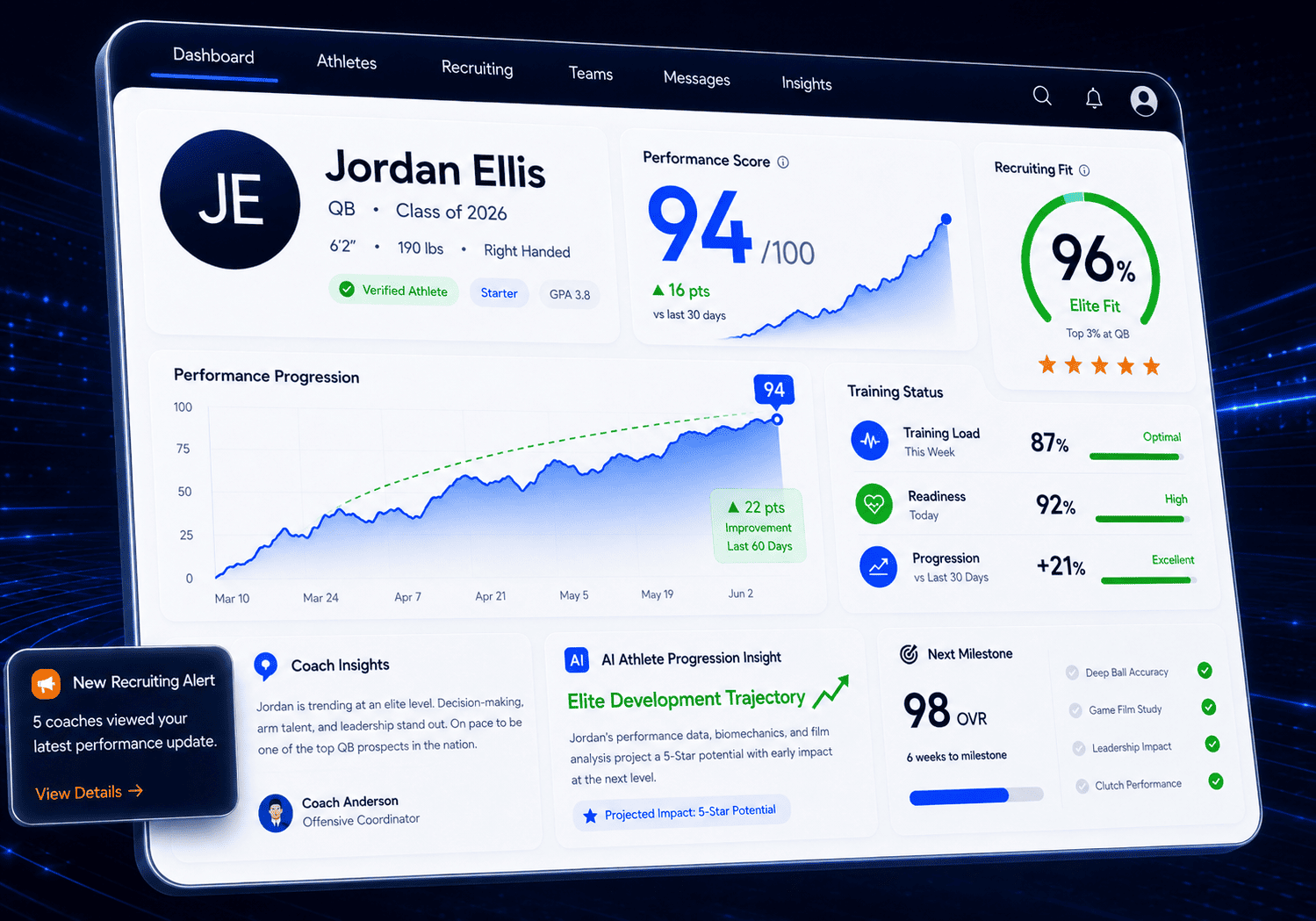
AI-Powered Sports Performance & Recruiting Platform for Virginia Clubs, Academies & Youth Programs

Plavno developed a custom sports technology platform for Virginia-based clubs and academies to combine athlete performance tracking, coach communication, recruiting workflows, and mobile engagement in one ecosystem.

Read More
3x

faster recruiting pipeline

AI-Powered Sports Performance & Recruiting Platform for Virginia Clubs, Academies & Youth Programs

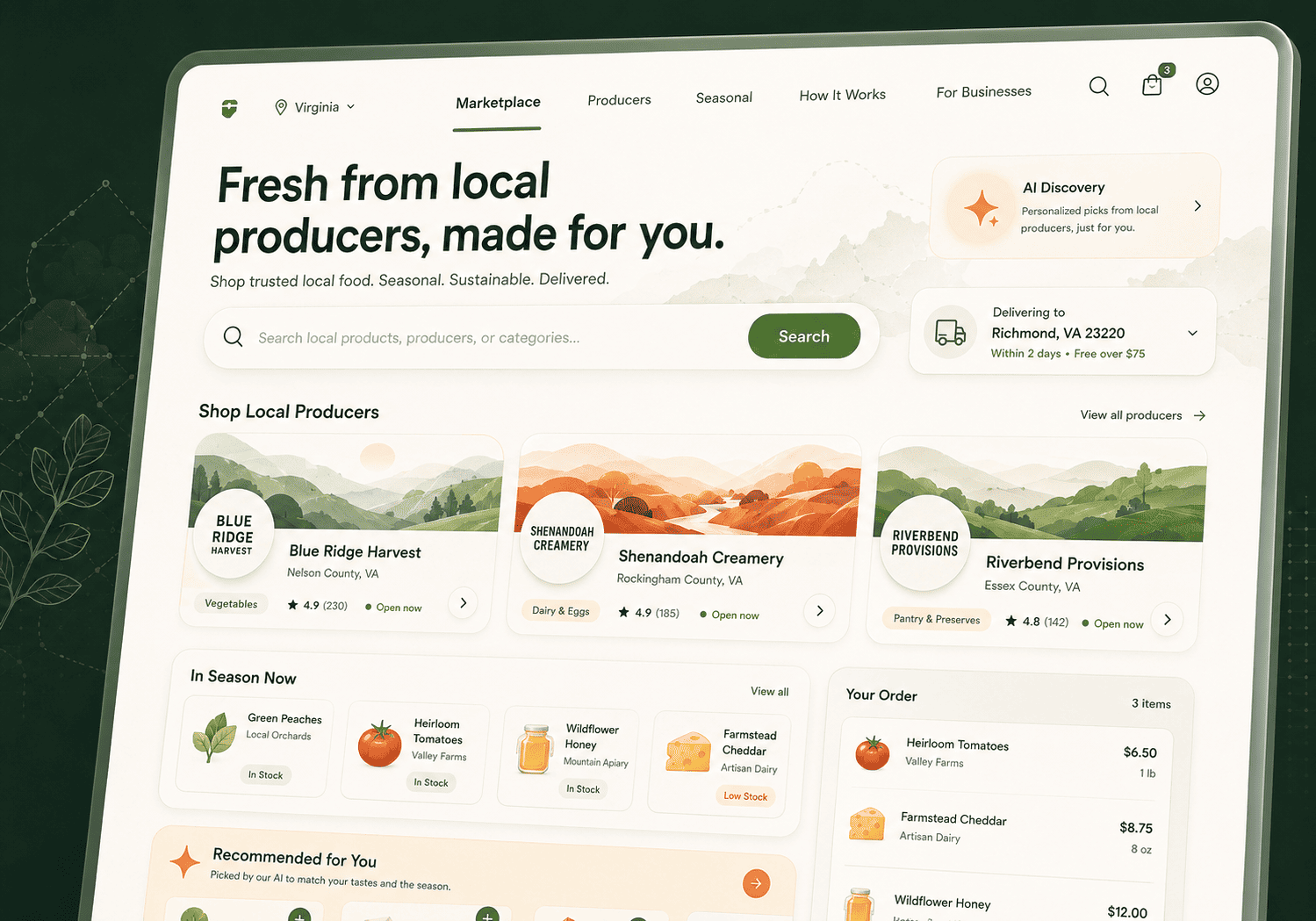
Digital Marketplace for Virginia Farmers, Local Producers & Direct-to-Consumer Food Sales

Plavno developed a custom multi-vendor marketplace for Virginia-based farmers, food producers, and regional sellers to unify product listings, vendor operations, customer ordering, and local fulfillment workflows.

Read More
3x

increase in product discovery relevance

Digital Marketplace for Virginia Farmers, Local Producers & Direct-to-Consumer Food Sales

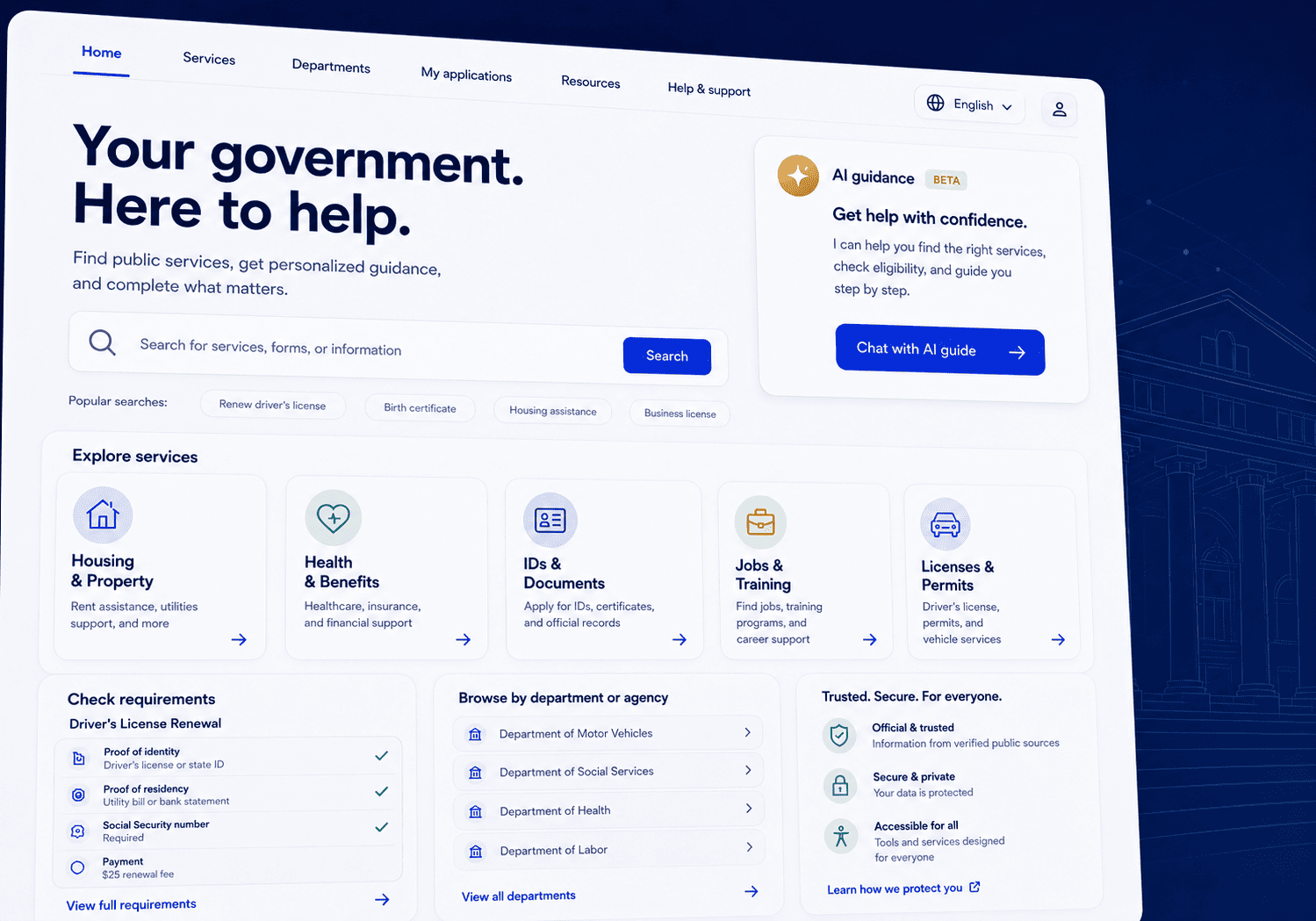
AI-Powered Citizen Services Website Platform for Virginia State Agencies

Plavno developed a modern eGovernment website platform for Virginia state agencies that centralizes citizen services, public information, department content, and an AI-powered guidance agent in one scalable system.

Read More
70%

reduction in routine citizen inquiries to agency staff

AI-Powered Citizen Services Website Platform for Virginia State Agencies
24h

Cost anomaly review window

This measures the time between detecting a spend spike and reviewing it with an owner. The baseline is discovering cost overruns at month end when it is too late to act. We set alerts and review paths so anomalies are assessed within 24 hours, measured in your monitoring logs. The timeframe starts at go-live and continues as usage grows across teams.

1wk

Evaluation cadence

This measures how often you run an agreed evaluation set against real examples from Newport News operations. The baseline is relying on anecdotal feedback and isolated complaints. We schedule a weekly evaluation run and track pass rates and top failures, measured by the evaluation report history. The timeframe is post-launch, so model and prompt changes do not drift quietly.

P1

Incident triage clarity

This measures whether AI issues can be classified and routed with clear severity and owners. The baseline is support tickets that bounce between IT, operations, and vendors. We define severity criteria and an on-call path so issues reach the right team fast, measured by ticket routing and resolution notes. The timeframe begins during rollout and is refined after the first production month.

Pre-kickoff readiness

What to prepare before AI consulting starts

  • Pick one workflow with a real owner — Start with a workflow that has a single accountable leader in Newport News. Choose something operators complain about weekly, not a "nice to have" report. Write down the input sources and the output that changes a decision. Confirm what must be human-approved and what can be auto-drafted. Define the cost of errors so the team understands risk. Bring that owner to kickoff so approvals do not stall.

  • Inventory your data and permissions — List the systems that hold the truth for the workflow. Include document stores, ticketing tools, ERP records, and spreadsheets used by shift leads. Note who can access each source today and what restrictions apply by contract or policy. Identify any data that cannot leave a boundary, including regulated health data. Capture refresh needs so the AI does not answer from stale content. This inventory drives retrieval design and interface work.

  • Define success measures and a test set — Agree on two or three measures that matter for operations, like handle time or exception backlog age. Collect 30 to 100 real examples that represent normal and edge cases. Make sure examples include failures, not just clean inputs. Decide what a correct answer looks like and who can approve it. Plan how you will score responses and how often you will re-run that scoring. This becomes your acceptance test for go-live.

  • Map integration points and write-back rules — Identify where the AI needs to read data and where it needs to write outcomes. Writing back is where risk appears, so define rules and approval gates. Decide if the AI can create a ticket, draft a message, update a status, or only recommend actions. Document API limits, batch windows, and any manual export steps in current operations. This map prevents surprises during build. It also clarifies what IT teams must support.

  • Agree on security boundaries and audit needs — Document what must be logged for review and what must not be stored. Identify required audit trails for regulated workflows and for government contractor oversight. Decide how you will handle prompts and outputs that include sensitive details. Align on who can see usage analytics and incident logs. Confirm incident response expectations and escalation paths. These decisions keep AI usable without creating compliance debt.

Vitaly Kovalev

Vitaly Kovalev

Sales Manager

Request a Newport News AI Readiness Audit

We will run a structured audit and provide an estimator for Newport News businesses that maps scope, data sources, and risk controls to budget and timeline.

Talk to Experts

Testimonials

We are trusted by our customers

“They really understand what we need. They’re very professional.”

The 3D configurator has received positive feedback from customers. Moreover, it has generated 30% more business and increased leads significantly, giving the client confidence for the future. Overall, Plavno has led the project seamlessly. Customers can expect a responsible, well-organized partner.

Sergio Artimenia

Commercial Director, RNDpoint

Sergio Artimenia

“We appreciated the impactful contributions of Plavno.”

Plavno's efforts in addressing challenges and implementing effective solutions have played a crucial role in the success of T-Rize. The outcomes achieved have exceeded expectations, revolutionizing the investment sector and ensuring universal access to financial opportunities

Thien Duy Tran

Product Manager, T-Rize Group

Thien Duy Tran

“We are very satisfied with their excellent work”

Through the partnership with Plavno, we built a system used by more than 40 million connected channels. Throughout the engagement, the team was communicative and quick in responding to our concerns. Overall, we were highly satisfied with the results of collaboration.

Michael Bychenok

CEO, MediaCube

Michael Bychenok

“They have a clear understanding of what the end user needs.”

Plavno's codes and designs are user-friendly, and they complete all deliverables within the deadline. They are easy to work with and easily adapt to existing workflows, and the client values their professionalism and expertise. Overall, the team has delivered everything that was promised.

Helen Lonskaya

Head of Growth, Codabrasoft LLC

Helen Lonskaya

“The app was delivered on time without any serious issues.”

The MVP app developed by Plavno is excellent and has all the functionality required. Plavno has delivered on time and ensured a successful execution via regular updates and fast problem-solving. The client is so satisfied with Plavno's work that they'll work with them on developing the full app.

Mitya Smusin

Founder, 24hour.dev

Mitya Smusin

Architecture & Engineering Overview

How we reduce risk while increasing delivery speed

Repeatable workflows with evidence

Repeatable workflows with evidence

ROI from removing repeat decisions (intake, triage, eligibility, drafting) and making exceptions cheaper to handle.

Grounded answers from approved sources

Grounded answers from approved sources

Source citations + controlled repositories reduce compliance exposure and “wrong policy version” failures.

Cost control by design

Cost control by design

Caching + narrowed retrieval scope; budget guardrails per workflow to prevent usage-based spend surprises.

Operator adoption & human review

Operator adoption & human review

UX shows evidence (not just answers) and routes high-impact exceptions to humans for predictable quality.

For Business: Technical ROI & Risk Mitigation

ROI comes from removing repeat decisions and making exceptions cheaper to handle. In Newport News, the best first wins are the workflows that burn time across multiple roles. Think intake, triage, eligibility checks, drafting, and follow-up. When these steps are inconsistent, errors spread and rework compounds. AI helps when it turns those steps into repeatable actions with evidence. That is why we start with a workflow map and ownership. Risk mitigation is not abstract either. If an assistant answers from the wrong version of a policy, the cost is not just wasted time. It can create compliance exposure or contract delivery issues. We reduce that risk by requiring source citations and by controlling which repositories can be referenced. The same approach supported our work on retrieval-backed support flows in the AI Chatbot Assistant for eCommerce case. It keeps answers grounded in what you approved. Cost control is part of ROI, not a separate concern. Usage-based AI spend rises when every question triggers large retrieval or repeated calls. We design caching and narrow retrieval scope so the system does not do expensive work for low value queries. We also set budget guardrails per workflow so you can see which teams drive cost. This matters for Hampton Roads organizations with strict cost allocation needs. A good ROI story also includes operator adoption. If the system adds steps or hides uncertainty, it will not be used on the floor. We plan user experiences that show evidence, not just answers, and we add exception paths that route to humans. That approach mirrors the workflow focus we used in the Insurance Eligibility Verification AI Agent. The result is an AI capability that supports operations without forcing a new operating model overnight.

Discovery sprint

Discovery sprint

Roadmap + data inventory + evaluation set as the objective gate for later changes.

Build trade-offs

Build trade-offs

Choose integration depth and write-back permissions; add approvals + audit trails when writing back.

Release management

Release management

Re-run evaluation each release; track failures, keep a rollback plan, and publish a user-facing change log.

Post-launch as a service

Post-launch as a service

Index refresh, permission updates, drift checks, and an operator feedback loop—without uncontrolled experimentation.

For CTOs: Architecture & Technical Lifecycle

The lifecycle that works in Newport News is governed iteration, not a single big launch. We begin with a discovery sprint that produces a roadmap, a data inventory, and an evaluation set. That evaluation set becomes the objective gate for changes later. You avoid the trap where the model "feels better" but fails on critical edge cases. Governance starts here because it determines who can approve releases. During build, the main decision points are integration depth and write-back permissions. Read-only systems ship faster and carry less risk, but they can leave value on the table. Write-back systems deliver bigger outcomes, but they require approval flows and audit trails. We make these trade-offs explicit and tie them to business risk. That helps CTOs align with security, compliance, and operations early. Release management for AI includes evaluation, not just unit tests. Each release should re-run the evaluation set and track changes in failure patterns. If outputs drive decisions, you need a rollback plan like any other service. We also plan a change log that explains what changed and why it matters to users. This reduces support burden across distributed teams in Hampton, Norfolk, and Newport News. Post-launch, we treat AI as a service with a backlog. New documents, new policies, and new data sources appear constantly. We plan indexing refresh, permission updates, and drift checks as recurring work. We also plan escalation paths so operators can flag failures with context. That feedback loop is how AI improves without turning into uncontrolled experimentation.

Input control & normalization

Input control & normalization

Normalize documents, capture metadata, define reliable fields; show uncertainty and route exceptions for noisy inputs.

Retrieval quality & permissions

Retrieval quality & permissions

Tune indexing scope + chunking for how teams use docs; enforce permission filtering to avoid boundary crossing.

Workflow orchestration & logs

Workflow orchestration & logs

Explicit steps (retrieve → transform → decision support → human review) with structured logs for auditability and debugging.

Guardrails, fallbacks & replay

Guardrails, fallbacks & replay

Degrade gracefully when sources fail; require extra confirmation for high risk; replay tools reproduce a bad answer with same inputs.

For Engineers: Implementation Details & Stack

Implementation success depends on controlling inputs, not chasing clever prompts. We start by cleaning up the shape of the input. That means normalizing documents, capturing metadata, and defining which fields are reliable. When inputs are noisy, the system must show uncertainty and route exceptions. Our translation and dubbing projects proved that real-world inputs include accents, timing gaps, and mixed languages. Those lessons transfer to enterprise text, which also has messy edge cases. Retrieval quality is the main engineering constraint for most assistant use cases. We tune indexing scope and chunking based on how documents are used in Newport News operations. We also enforce permission filtering so the system does not cross boundaries. The MediaSphere personalization project informs how we design ranking and feedback loops. It shows why click and correction signals matter for relevance over time. Workflow orchestration is where engineers protect the business. We build explicit steps for retrieval, transformation, decision support, and human review. Each step emits structured logs so failures can be diagnosed without guesswork. This mirrors how we implemented rules-driven verification flows in the Insurance Eligibility Verification AI Agent. It keeps the system auditable and debuggable. Edge cases are handled with guardrails and fallbacks. When a source system is unavailable, we return a degraded response and log the reason. When a request is high risk, we require additional confirmation or route to an expert queue. We also build replay tools so engineers can reproduce a bad answer using the same inputs. That shortens incident resolution and reduces blame-driven debugging.

Security controls & auditability

Security controls & auditability

Least-privilege access, controlled retention, sensitive prompt handling, and logs of sources + user actions.

Observability that leaders can use

Observability that leaders can use

Workflow-level request volume, latency buckets, error rates, adoption signals, and top failure categories from eval runs.

Cost telemetry & guardrails

Cost telemetry & guardrails

First-class cost signals; detect spikes early and keep control as the system rolls out across sites.

Incident response playbooks

Incident response playbooks

Severity levels, escalation, rollback, and reproducible artifacts (retrieved context + config) for fast isolation and review.

Infrastructure, Observability & Security

Security and operations are the difference between a pilot and a production capability. In Newport News, many teams must satisfy HIPAA-adjacent controls or government contractor requirements. We plan for least-privilege access, audit logging, and controlled data retention from the start. That includes logging of retrieved sources and user actions, not just model outputs. It also includes a clear policy for sensitive prompts and redaction. Observability starts with defining what to measure. We track request volume per workflow, latency buckets, error rates, and top failure categories from evaluation runs. We also track usage patterns that signal adoption, such as repeat use by the same roles. Cost telemetry is treated as a first-class signal because it can spike with new rollouts. These measures give leaders control as the system spreads across Hampton Roads sites. Incident response needs playbooks, not ad hoc chats. We define severity levels, escalation paths, and rollback procedures. We keep artifacts that let teams reproduce issues, including the exact retrieved context and configuration used. That reduces time to isolate failures when a model or index changes. It also supports post-incident reviews with actionable fixes. Security reviews are easier when documentation is built alongside the system. We provide data flow diagrams, access control mappings, and audit log descriptions that match the implemented reality. We also document how evaluation protects against regressions before release. For regulated teams, that evidence speeds approvals and reduces rework. The goal is a system that can pass review and keep running after the first quarter.

plavno logo

Build your first
Smart AI project today!

Just tell the Plavno AI Agent about your project - it will ask questions, gather requirements, and propose a tailored solution

FAQ

AI consulting in Newport News: practical answers

These are the questions we get from Hampton Roads leaders who need AI to work inside real constraints. Each answer focuses on scope, risk, and what it takes to run AI in production.

What drives the cost of AI consulting services in Newport News?

Cost in Newport News is driven by three things. First is integration depth, because connecting AI to ERP, ticketing, document systems, and identity takes real engineering time. Second is governance, because regulated workflows need logging, access controls, and review paths. Third is operational readiness, because teams often need data cleanup and an evaluation set before any build can be trusted. These drivers matter in shipbuilding, defense programs, and healthcare operations across Hampton Roads. Local market realities also affect cost. Many Virginia organizations have strict procurement steps and security review cycles. That adds coordination time that a small startup might not need. If your workflow touches government contract data or protected health information, security/compliance work becomes part of the baseline scope. The same is true if multiple sites in Newport News, Hampton, and Norfolk must share a single set of controls. We price by scope and risk, not by vague "AI features." A typical engagement breaks into discovery, build, and rollout phases with clear deliverables. Discovery costs less when you already have an owner, data inventory, and examples for evaluation. Build costs rise when the system must write back into systems of record, because that requires approvals and audit trails. We can give a range quickly when you share budget, timeline, current stack, and the dataset or document scope. To get a usable estimate, send four inputs. Describe one workflow, the systems involved, the number of users, and any compliance constraints. Include what success looks like, such as reduced handle time or fewer exceptions. Tell us if you need Microsoft Copilot-style experiences, custom workflows, or both. We will respond with a scoped estimate and the assumptions behind it.

How long does it take to build AI Consulting software deliverables and see results?

Timelines depend on how much is consulting-only versus build and deployment. In Newport News, a focused discovery can be completed in a few weeks when stakeholders are available and data access is approved. That phase produces a roadmap, evaluation set, and an implementation backlog you can execute. You can often see early value at this stage because teams stop debating scope and start working from a shared definition. The main risk is delay from access approvals and unclear ownership. An MVP that users can try usually takes longer because it needs integration and a usable workflow. If the assistant is read-only and answers from approved documents, it can ship faster. If it must write back to a ticketing system or update a workflow state, it takes longer. The reason is not model work alone. The reason is audit, permissions, and rollback design so the system does not disrupt operations. A full deployment is measured in release cycles, not one big event. You roll out one workflow, learn from real usage, then expand. That matches how teams in Hampton Roads operate across shifts and sites. It also reduces risk for defense and healthcare teams that must show control. We plan these releases around your change windows and training constraints. To reduce calendar time, we ask clients to commit to fast feedback. Provide an owner for the workflow, a security point of contact, and a small set of reviewers. Share real examples for testing, including edge cases and failures. Confirm your target timeline and any fixed dates tied to programs or audits. With those pieces, the schedule becomes a controlled plan instead of an open-ended experiment.

Do you work with startups in Virginia?

Yes. We work with startups in Virginia and with teams that support larger enterprises in the region. Many startups around Hampton Roads and the I-64 corridor build products that must integrate with enterprise buyers. That means they face security questionnaires, procurement rules, and uptime expectations earlier than startups in less regulated markets. We help them design AI features that can pass buyer review and still ship quickly. The goal is to help them win deals without building a fragile prototype. In Virginia, startup activity shows up in places like Richmond, Northern Virginia, and university-adjacent communities. In the Newport News area, founders also build around defense, logistics, and healthcare needs. Those verticals have strong demand but also strict data constraints. We guide startups to choose workflows that avoid sensitive data until they have the right controls. We also help them plan for multi-tenant permissions and auditability, which enterprise buyers expect. Startups often need help with evaluation, not just coding. A good demo is easy to build. A system that stays correct on real customer data is harder. We help teams build an evaluation set and define success measures early. This prevents burning months on features that do not convert into renewals. If you are a Virginia startup, the fastest path is a scoped engagement. Share your target buyer, your current stack, and your dataset or document scope. Tell us what you have already built and where it fails. We will propose a plan that gets you to a production-ready MVP without creating technical debt you cannot support.

Can AI consulting integrate with my existing system in Newport News?

Integration is usually the main engineering task, and we treat it as the core of AI implementation consulting. In Newport News, many teams run older systems alongside modern SaaS tools. That mix creates permission gaps, inconsistent identifiers, and batch windows that affect what AI can do. We start by mapping systems of record and identifying which APIs, exports, or database views are available. Then we decide what the AI system can read and what it is allowed to write back. API integration is the cleanest path when endpoints are stable and access is approved. If you have modern ticketing, CRM, or document systems, we can connect through APIs and enforce identity-based access rules. If a system is legacy, we may need scheduled exports or middleware. In those cases, we define refresh cadence and failure modes so users understand what is current. We also build retries and idempotency so updates do not duplicate actions. A key choice is whether the AI system should be read-only or transactional. Read-only assistants can deliver value through search, summarization, and drafting. Transactional systems can close the loop by creating tickets, updating statuses, or triggering workflows. Transactional value is higher, but it requires stronger audit logging and approval gates. We recommend starting read-only for high risk domains, then expanding as controls prove out. To scope integration accurately, we need a system list and an interface inventory. Share your stack, authentication method, and data residency constraints. Provide example records and the expected output for one workflow. Confirm any restrictions tied to government contracting or healthcare. With those inputs, we can propose an integration plan with clear responsibilities for your IT team and ours.

What industries in Newport News benefit most from artificial intelligence consulting?

The strongest fit in Newport News is industries where work is repeatable, regulated, and time-sensitive. Shipbuilding and defense-adjacent teams benefit when AI reduces time spent searching specifications, drafting documentation, and triaging exceptions. Port and logistics operations benefit when AI improves dispatch context, exception handling, and handoff communication. Healthcare and insurance-adjacent work benefits when AI reduces repetitive verification and documentation tasks while maintaining audit trails. These are common patterns across Hampton Roads. In shipbuilding and defense programs, the risk is wrong information used at the wrong time. That is why governed retrieval and citations matter. In logistics, the risk is delays caused by missing context and slow coordination. That is why routing and summarization workflows matter more than fancy generation. In healthcare, the risk is compliance and inconsistent handling. That is why workflow automation with logging and review gates is essential. Other local categories also see gains. Professional services and government contractors often need drafting and compliance support that is traceable. Regional retail and service providers benefit from support automation and knowledge search. Finance teams benefit from decision support and preparation workflows that reduce manual review time. The best candidates are workflows with stable inputs and clear definitions of success. We will help you pick the first workflow based on value and risk. Bring one painful process and the systems it touches. Share who owns it and what failures look like today. We will propose a use case that can ship without breaking controls. That is the fastest path to measurable results in Newport News.

Contact Us

This is what will happen, after you submit form

Need a custom consultation? Ask me!

Plavno has a team of experts ready to start your project. Ask us!

Vitaly Kovalev

Vitaly Kovalev

Sales Manager

Schedule a call

Get in touch

Fill in your details below or find us using these contacts. Let us know how we can help.

No more than 3 files may be attached up to 3MB each.
Formats: doc, docx, pdf, ppt, pptx, xls, xlsx, txt.
Send request