bg image
bg image

Serving Lynchburg & Virginia

Cut manual work costs for Lynchburg teams ready to ship AI in 2026

Operations leaders in Lynchburg still burn hours on intake, routing, and routine decisions. That drag hits payroll, delay, and customer trust every week. We build AI systems that take those steps off your staff without breaking the tools you already run. This work is for healthcare, logistics, education, legal, and hospitality groups that need clear ROI, not pilot theater. You keep control of data, budget, and timelines from day one. Get AI Development cost estimate in 24 hours. We map scope, stack fit, and first release gates before any build starts.

Discuss Project

Overview

Why Central Virginia operators fund AI now

Lynchburg companies face a labor squeeze that templates cannot fix. Hiring freezes hit intake desks, claims teams, and front desks first. Manual handoffs slow quote cycles, patient triage, and freight calls across Forest, Bedford, Madison Heights, and Amherst. An AI development partner that ships working systems beats another slide deck. Trusted AI Development Partner for Lynchburg Businesses means we start from your real workflows, not a vendor catalog.

We work with US-based clients, including companies operating in Virginia. Local leadership wants production agents that read documents, answer phones, price risks, and enforce rules with audit trails. That is the bar we meet. We have delivered 10+ AI development projects in the US market spanning voice agents, compliance checkers, pricing models, and internal portals. Each build ties model choice to measurable cycle-time or error cuts your finance team can track.

Regional industries already feel the gap. Hospitals and clinics near Liberty University need triage flows that reduce no-shows. Carriers and trade ops need customs checks that catch document faults before detention fees. Hotels want voice concierge coverage after hours without bloating headcount. Legal practices need deposition summarization that holds attestation standards. Manufacturing shops want quality signals that reach supervisors before scrap piles grow.

Our approach is straightforward. We inventory data sources, score readiness, and pick architectures that run under your latency and cost caps. Strong custom AI solutions pass security review, integrate with existing ERP or EHR systems, and leave monitoring in place on day one. You get durable code, not a black-box demo. Every release includes rollback paths and clear ownership for model drift after launch.

If you run operations across the Lynchburg metro, you already know which processes leak money. The next step is a scoped build that targets one bottleneck, proves savings, and expands only after metrics hold. That is how enterprise AI development services stay honest in 2026. Start with a constrained problem, ship value fast, then scale the same pattern out.

Talk to an Expert
Document agents

Document agents

Read intake packs, claims & trade docs with audit trails

Voice agents

Voice & phone agents

Answer freight, clinic & hotel lines without headcount bloat

Rule-gated models

Rule-gated models

Price risks & enforce policy gates CFOs can track

Owned production systems

Owned production systems

ERP/EHR hooks, monitoring & rollback from day one

Core build stack

Production AI systems Lynchburg teams can own

Lynchburg clients need agents and model services that survive real traffic, not lab notebooks. We design a layered stack: ingestion adapters, retrieval or feature stores, model runtimes, policy gates, and operator UIs. Each layer has an owner, an SLA, and a test suite. We ship containers behind your VPC so PII never leaves your control plane. That structure cut support noise for a family wellbeing platform where coaching rules had to stay explainable to parents and clinicians alike.

For voice and meeting workloads we pick speech pipelines that favor low latency over novelty. A video conferencing build used real-time translation and meeting transcription as first-class services, not bolted plugins. Audio is chunked, scored for quality, then routed through translation and diarization before transcript storage. Operators get confidence scores and human override when a channel drops. Security/compliance gates log every model call with redaction policies that match your retention rules.

Document and rules work follows a different path. A customs compliance checker combined document understanding with a deterministic rules engine so trade teams could see why a shipment flagged. Models propose; rules decide. That split keeps auditors calm and maxes reuse when commodity codes change. Pricing agents for real estate used similar patterns: market features feed a model, but final offer bands stay under configurable business constraints.

DevOps for these systems includes staged rollouts, shadow traffic, and cost budgets per endpoint. We badge model versions, pin dependencies, and wire alerts on token spend, failure rate, and latency percentiles. When legal deposition software needed transcription and summarization, we isolated GPU jobs from the case-management API so a heavy batch never starved the interactive UI. The same isolation pattern works for HR pre-screening voice flows and logistics phone agents.

You receive source you can hand to internal engineers, runbooks that name who acts on which alert, and evaluation sets drawn from your domain. We avoid lock-in to a single model vendor so you can switch when cost or quality shifts. Ground truth is always your production data. Architecture choices map to shipped systems: Payload CMS and Next.js for a role-based employee portal, voice AI with hospitality booking hooks, medical triage flows with decision support. That track record is the brief for every Lynchburg engagement.

plavno logo

Build your first
Smart AI project today!

Just tell the Plavno AI Agent about your project - it will ask questions, gather requirements, and propose a tailored solution

Selection criteria

What separates lasting AI builds in 2026

Generic agencies sell demos. We ship owned systems with eval harnesses, cost controls, and integration depth Central Virginia teams require.

Generic Agencies
Our Platform (Deep Engineering Expertise)
Model evals tied to business KPIs before launch
checkmark
Voice and telephony agents with failover paths
checkmark
Rules engines paired with model proposals
checkmark
Slide decks instead of production runbooks
checkmark
Budget and latency caps enforced in CI
checkmark
Single-vendor lock-in with no migration path
checkmark
Department-level access control in app layer
checkmark

AI Development Solutions for Lynchburg Industries

Where Central Virginia work actually starts

These use cases map to employers and operators across Lynchburg, Bedford, and the surrounding corridor. Each one mirrors systems we already shipped.

Healthcare Triage

Healthcare Triage

Clinic Intake

Healthcare triage for local clinics

Clinics near the university and regional hospitals drown in after-hours symptom calls. Missed acuity signals drive ER diversion and staff overtime. We build symptom checker agents that collect structured intake, apply triage rules, and escalate only when thresholds clear. Decision support stays auditable for clinical review. Teams reclaim nurse time while patients get faster guidance. ROI often shows as reduced abandoned calls within one quarter. The stack blends medical triage flows, symptom collection forms, and guarded model outputs so advice never skips policy checks.

Logistics Agents

Logistics Agents

Freight Desks

Logistics phone agents for freight desks

Lynchburg freight and distribution desks lose hours chasing status and appointment windows by phone. Hold times and misheard details create cargo delays and chargebacks. Our AI phone agents handle outbound and inbound logistics workflows with telephony integration and structured call outcomes. Dispatch sees clean tickets instead of voicemail piles. Error rates on appointment captures drop after scripted confirmation loops. Expect clearer board accuracy within weeks of go-live. Voice agents sit on your dialer or SIP trunk and write results into the TMS you already use.

Trade Compliance

Trade Compliance

Customs Checks

Trade compliance for import-export ops

Central Virginia shippers that clear goods still fail on inconsistent HS codes and missing certificates. One hold can erase a margin on a full load. We implement AI customs compliance checkers that read documents, apply a rules engine, and flag gaps before submission. Brokers get rationale text, not opaque scores. Detention fees fall when faults surface early. Finance sees fewer surprise storage bills. Document understanding plus deterministic rules keeps auditors aligned with your internal compliance book.

Voice Concierge

Voice Concierge

Hotel Desks

Hospitality voice concierge desks

Hotels and travel operators around the Blue Ridge corridor miss late booking and amenity requests when desks close. Guests bounce to OTAs and margins shrink. Voice AI concierge systems answer, book, and route service needs with hospitality integrations. Night coverage improves without full-time staffing. Upsell paths on packages become consistent scripts your brand owns. Operators track completed bookings and handoffs nightly. The pipeline couples speech recognition, booking workflows, and property-management hooks so the front desk wakes to a clear queue.

Legal deposition workflow software

Law firms serving Lynchburg and Roanoke still retype deposition audio and chase inconsistent notes. Billable time leaks into admin. Custom legal AI handles transcription, summarization, and workflow automation tied to case files. Attorneys get searchable transcripts and issue maps instead of raw dumps. Review cycles compress between hearings. Clients see faster motion packages with lower junior hours. AI transcription and structured summaries feed your matter system under access controls your ethics rules require.

HR Pre-screening

HR Pre-screening

Voice Interviews

HR pre-screening for regional employers

Manufacturers and service employers in Amherst and Forest struggle to pre-screen high applicant volumes for shift roles. Recruiters burn days on basic eligibility calls. AI voice assistants run structured interviews, capture answers, and score against role rubrics. Hiring managers receive shortlists with timestamps and flags. Time-to-first-interview falls without diluting quality gates. Candidate experience stays consistent after hours. Voice screening plus HR automation leaves an audit trail for fair-hiring reviews.

Case Study

We help customers cut
down on development

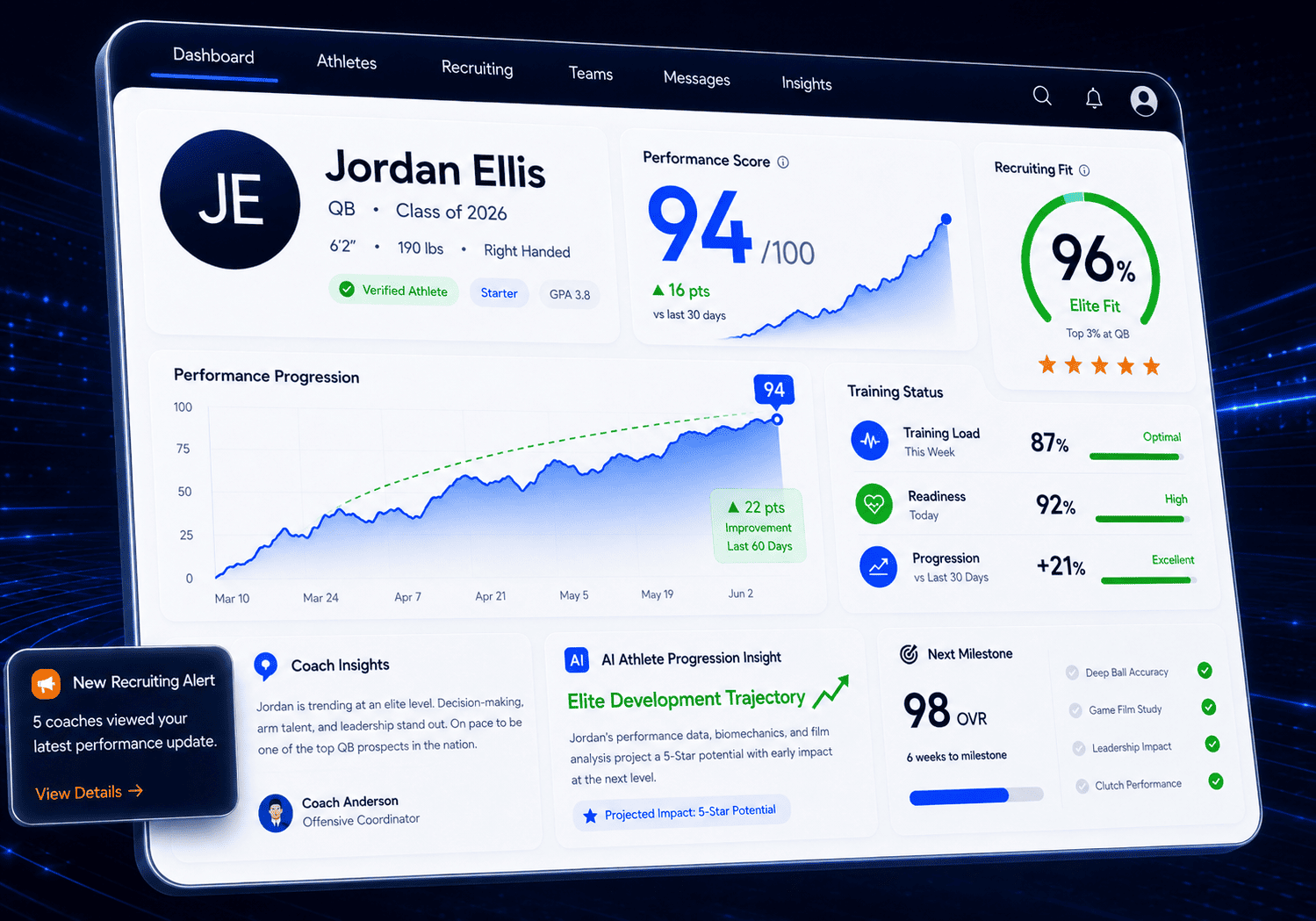
AI-Powered Sports Performance & Recruiting Platform for Virginia Clubs, Academies & Youth Programs

Plavno developed a custom sports technology platform for Virginia-based clubs and academies to combine athlete performance tracking, coach communication, recruiting workflows, and mobile engagement in one ecosystem.

Read More
3x

faster recruiting pipeline

AI-Powered Sports Performance & Recruiting Platform for Virginia Clubs, Academies & Youth Programs

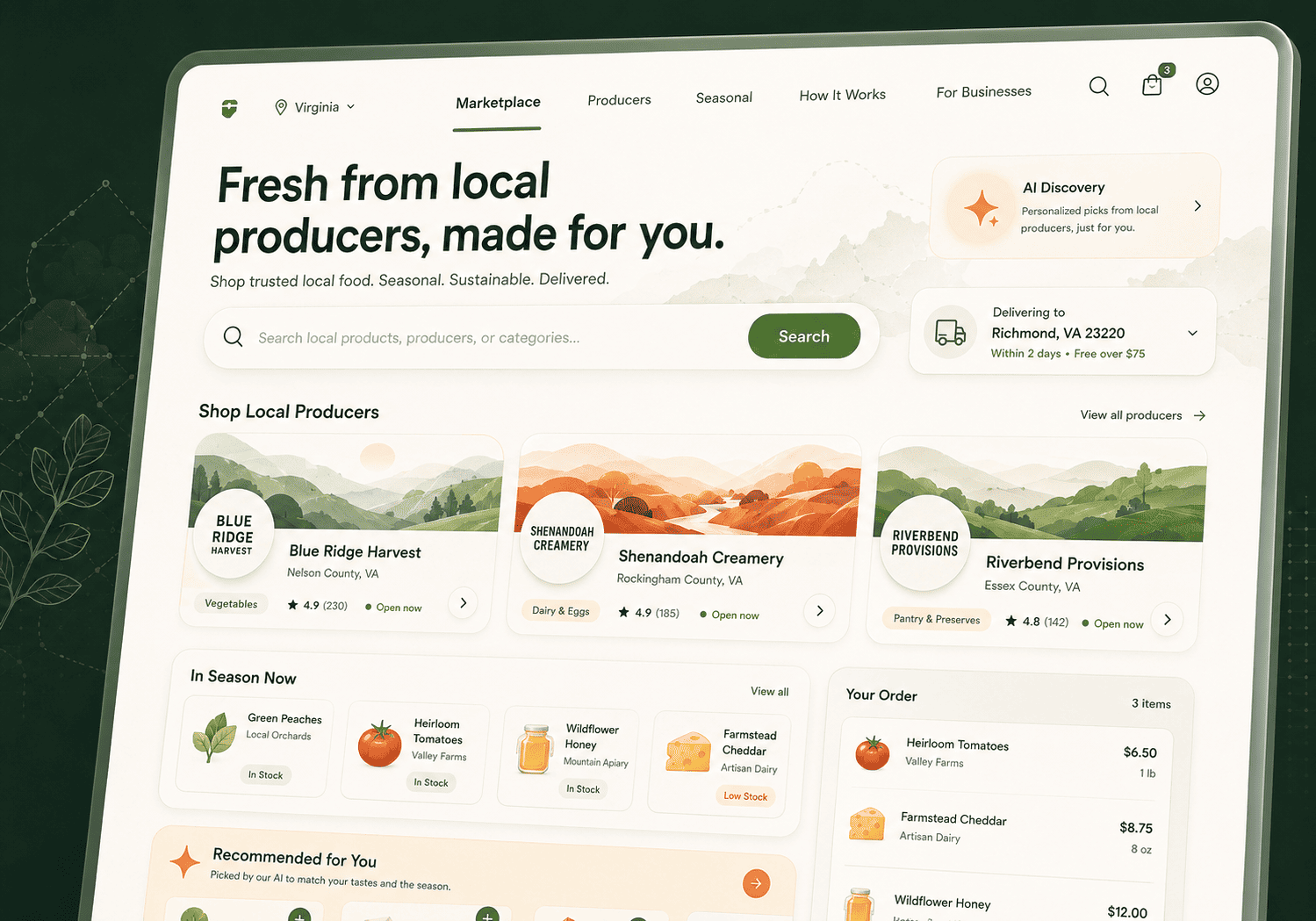
Digital Marketplace for Virginia Farmers, Local Producers & Direct-to-Consumer Food Sales

Plavno developed a custom multi-vendor marketplace for Virginia-based farmers, food producers, and regional sellers to unify product listings, vendor operations, customer ordering, and local fulfillment workflows.

Read More
3x

increase in product discovery relevance

Digital Marketplace for Virginia Farmers, Local Producers & Direct-to-Consumer Food Sales

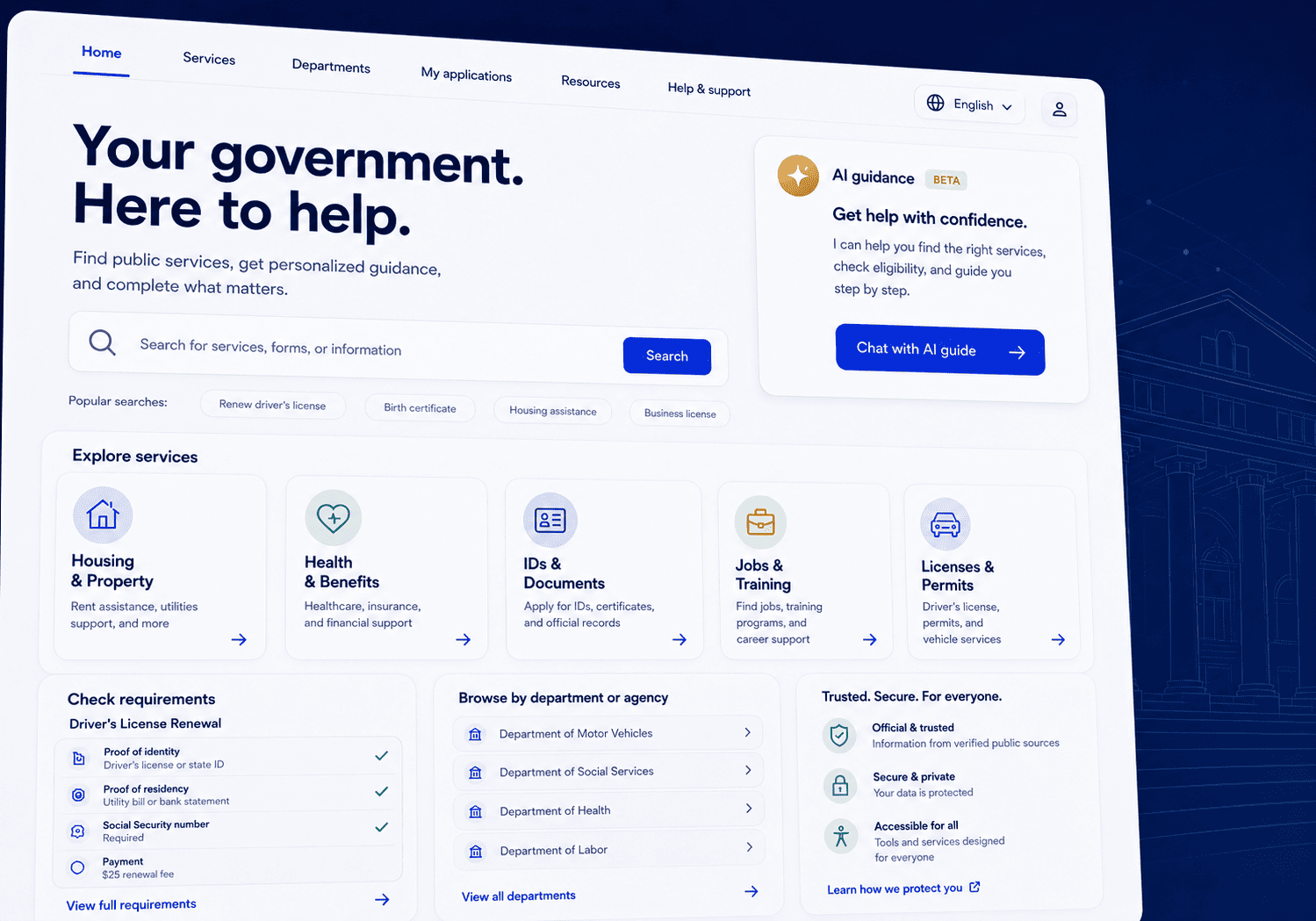
AI-Powered Citizen Services Website Platform for Virginia State Agencies

Plavno developed a modern eGovernment website platform for Virginia state agencies that centralizes citizen services, public information, department content, and an AI-powered guidance agent in one scalable system.

Read More
70%

reduction in routine citizen inquiries to agency staff

AI-Powered Citizen Services Website Platform for Virginia State Agencies

Delivery capabilities

What your Lynchburg team actually receives

Domain agents with business gates

Domain agents with business gates

Lynchburg operators do not need unbounded chatbots. They need agents that complete pricing, compliance, or booking steps under explicit limits. We encode policy as code so a model proposal can never skip an approval. Real-estate pricing and market agents used this pattern to keep offer bands inside leadership rules. Telephony agents for logistics write only clean fields to the board. You get fail-closed behavior when confidence drops. Outcome metrics sit next to every automation path from week one.

Voice pipelines for live ops

Voice pipelines for live ops

Phone and meeting channels still drive Central Virginia business. We build real-time voice translation, transcription, and outbound agents that tolerate noisy lines. Conferencing work proves live channels can stream accurate text while calls continue. Hotel concierge builds connect speech to booking systems with confirmation readbacks. Latency budgets stay visible so supervisors know when to escalate. You keep recordings policy under your retention rules. Codecs and barge-in settings get tuned on your sample calls, not glossy demos.

Document intelligence under rules

Document intelligence under rules

Trade, legal, and healthcare files fail when formats drift. Our document understanding layers extract fields then hand them to rules engines your compliance officers can edit. Customs checkers showed how proposals plus fixed checks beat pure generative output. Deposition and medical intake flows reuse the same separation. Staff trust system flags because they can open the rule that fired. Model upgrades never silently rewrite policy. Versioned rule packs deploy through the same CI path as application code.

Secure internal content platforms

Secure internal content platforms

Employee knowledge trapped in SharePoint stalls AI projects before models even train. We migrate portals to modern stacks with department-level access control so the right people see the right corpus. A Payload CMS and Next.js portal replaced brittle internal hubs with role-based permissions. Retrieval layers then read only authorized content. Security reviews pass faster when access maps are explicit. Editors keep simple CMS workflows while engineers control deploy paths. That foundation feeds assistants without leaking payroll data across teams.

Personalization with measurable habits

Personalization with measurable habits

Consumer and wellness products need coaching that adapts without becoming opaque. MindNest-style builds couple AI coaching and habit tracking to family workflows with clear feedback loops. Metrics track engagement, completion, and escalation rates. Product owners change prompts and content packs without redeploying the whole stack. Lynchburg health and education adjacent startups use the same pattern for adherence programs. You see which messages move outcomes, not vanity chat length. Experiments run behind feature flags with rollback at the campaign level.

Architecture & Engineering Overview

How 2026 Lynchburg AI programs stay fundable

Cycle-time levers

Cycle-time levers

Cut abandoned calls, junior hours & triage lag vs known line items

Fee & spend control

Fee & spend control

Detention fees down; token & compute capped weekly for finance

Small blast radius

Small blast radius

One workflow per release, shadow mode, one-click rollback

Closed-loop writes

Closed-loop writes

Clean TMS/EHR/PMS commits — no re-key theater, no lock-in

For Business: Technical ROI & Risk Mitigation

Boards fund AI when risk and return share one dashboard. Every technical choice we make maps to a cost, risk, or cycle-time lever your CFO already tracks. Voice agents cut abandoned call rates on logistics lines. Compliance checkers reduce detention fees before shipments leave the dock. Legal summarization lowers junior hours per deposition bundle. Those outcomes beat vague "efficiency" slides because they book against known line items.

Risk mitigation starts with small blast radius. We ship one workflow per release train so a bad model cannot freeze the whole company. Shadow mode runs next to human operators until precision and recall hold across a defined window. Rollback is a button, not a war room. Finance sees token and compute spend against a weekly cap so surprises stop at the budget owner.

Data quality is the silent killer. Incomplete HS codes, noisy call audio, and inconsistent CRM fields break agents in production. We inventory those gaps during discovery and price remediation as first-class work. Skipping that step is how pilot programs die after month two. Lynchburg leadership should demand the same honesty on messy source systems that they expect on plant uptime.

Integration debt also shows up as cash risk. If the agent cannot write cleanly into TMS, EHR, or PMS systems, staff re-key results and erase the savings. We scope API write paths and human validation steps early. That prevents fake automation theater where the bot chats while people still type the outcome. Your ROI model only counts fully closed loops.

Finally, vendor lock-in is a termination risk. Contracts get structured so model providers can swap without rewrites. Evaluation sets stay in your repo. When a cheaper or safer model appears, you change the adapter, not the business logic. That stance protected margin on multi-year builds where unit costs swung mid-contract.

1

Discovery & metrics freeze

Success & failure definitions locked with business owners; ADRs capture rules-vs-model choices

2

Data readiness & contracts

Versioned schemas for calls, docs & roles; ACLs inherited by retrieval indexes

3

Thin vertical slice

One path sized for latency vs accuracy — real-time concierge vs overnight batch

4

Controlled expansion

Dual-key release gates; canary ramps only after shadow scores clear the floor

5

Steady-state ops

Drift monitors, quarterly model reviews, shared domain ownership & degraded-mode runbooks

For CTOs: Architecture & Technical Lifecycle

Governance beats heroics. The lifecycle is discovery, data readiness, thin vertical slice, controlled expansion, and steady-state ops with quarterly model reviews. Kickoff freezes success metrics and failure definitions with business owners present. Architecture decision records capture why a rules engine sits beside a model or why a voice vendor won on latency rather than feature count.

Trade-offs arrive early. GPU cycle time versus accuracy shows up in medical triage flows where seconds matter. Batch transcription for depositions can wait overnight. Real-time hotel concierge cannot. We size runtimes per path instead of one Vociferous platform for every skill. That keeps CAPEX and cloud bills honest for Virginia budgets.

Data contracts come next. Schemas for call outcomes, document fields, and user roles are versioned. Department-level permissions from the employee portal work taught us to encode access at the API, not only the UI. Retrieval indexes inherit the same ACLs. CTOs leave reviews knowing which principal can see which corpus under load.

Release gates require dual keys. Product accepts UX and workflow fit. Engineering accepts latency, cost, and error budgets. Compliance accepts log completeness for regulated industries. No single vote ships. Canary percentages ramp only after shadow scores clear the floor. Post-mortems stay blameless and feed the next eval set.

Steady state is not freeze. Drift monitors watch input distributions and outcome rates. When logistics call scripts change seasonally, the agent package updates under the same promotion path. On-call runbooks name model degraded mode versus full outage. Ownership is shared by domain teams, not a permanent external crew.

UI & content layer

UI & content layer

Payload CMS + Next.js RBAC portals; editors move fast without deep server rights

Policy & state machines

Policy & state machines

Deterministic rules decide; models propose. Explicit flows when money or advice moves

Retrieval & model adapters

Retrieval & model adapters

Typed client interfaces, git-held eval harnesses, feature flags & cost tags per job

Speech & document ingress

Speech & document ingress

Telephony/VAD/ASR stacks + OCR→schema extract; fixtures for accents, hold music & overlap

For Engineers: Implementation Details & Stack

Implementation favors boring, inspectable pieces. We separate speech, document vision, retrieval, policy, and UI so each part scales and fails alone. Payload CMS with Next.js handled structured content and RBAC for internal hubs because editors needed speed without granting deep server rights. For AI paths, adapters wrap model providers behind typed client interfaces so tests can fake responses without hitting live endpoints.

Voice stacks join telephony, VAD, ASR, optional translation, and structured extractors. The AI video conferencing path taught us to buffer partial transcripts and reconcile speakers after silence windows. Phone agents for logistics write immutable call events with confidence flags so support can replay decisions. We prefer explicit state machines over free-form chains when money moves.

Document pipelines OCR first, normalize layouts, then extract with constrained schemas. Rules engines evaluate codes, thresholds, and required fields without asking the model for authority. Customs compliance work used that split so commodity rule edits did not require retraining. Legal summarization jobs queue offline with idempotent workers so retries never double-file outputs.

Training and prompting stay in git. Evaluation harnesses score gold sets drawn from client redacted samples. Thresholds gate merges. Feature flags keep dark launches safe. Cost tags ride every job so finance scripts can group spend by workflow. Engineers instrument p50 and p95 latency plus token waste ratios, not vanity accuracy alone.

Edge cases get fixture libraries. Hotel guest accents, freight hold music, and deposition overlapping speech all appear in tests. Medical symptom typing lags get debounce logic so partial strings never fire risky advice. Observability emits structured logs with trace IDs that span UI click to model reply. That is how night on-call stays sane.

Your cloud residency

Your cloud residency

Least-privilege deploys, encrypted stores, SOC2/HIPAA-ready request logs

Dual health monitors

Dual health monitors

App queues & errors plus model drift, override rates & spend anomalies

Written incident paths

Written incident paths

Severity tiers, human failover, post-incident notes that feed eval corpus

Multi-layer access & cost

Multi-layer access & cost

IdP + dept roles + dual-approval exports; budgets tag workflows, not idle GPUs

Infrastructure, Observability & Security

US clients expect residency and auditability by default. We deploy into your cloud accounts with least privilege, encrypted storage, and request logging that survives SOC2 and HIPAA-style reviews. Secrets live in managed vaults. Models that touch PHI or candidate data never train on live prompts without contractual clearance. Network paths stay private between workers and stores.

Monitoring covers application health and model health. We watch queue lag, worker restarts, API error rates, and spend anomalies. Separately we track response quality samples, manual override rates, and feature drift on key inputs. Hospitality booking bot spikes at check-in hours get capacity plans distinct from overnight legal batch jobs. Alerts page humans with runbook anchors, not empty charts.

Incident response is written before go-live. Severity tiers decide when to disable a model path and fall back to humans. Telephony agents can hand to a live queue when confidence crashes. Document checkers can mark batches hold for reviewer eyes. Post-incident notes feed the eval corpus so the same miss rarely atones for free black-eye time twice.

Access control is multi-layer. Identity providers gate staff. Application roles gate departments exactly as the SharePoint migration portal enforced. Data masks scrub logs. Export jobs require dual approval for regulated respondent sets. External vendors receive only synthetic or redacted pairs during development. Production keys rotate on schedule with discontinuity tests.

Cost control is infrastructure too. Budgets tag environments and workflows. Autoscaling policies favor queue depth thresholds over endless GPU idle. Spot capacity is allowed for offline jobs, never for guest-facing voice. Quarterly architecture reviews prune unused endpoints. That discipline keeps Lynchburg programs fundable past the first board cheer.

plavno logo

Build your first
Smart AI project today!

Just tell the Plavno AI Agent about your project - it will ask questions, gather requirements, and propose a tailored solution

Data paths & integrations

Connect AI to the systems Lynchburg already runs

Architecture only earns its keep when data flows cleanly. Most Central Virginia failures start at brittle connectors, not model quality. We treat integration as a first-class product: authenticated adapters, retry semantics, idempotent writes, and schema contracts that survive vendor upgrades. Your TMS, EHR, PMS, CRM, or case system remains the system of record. Agents annotate and propose. Humans or rules commit. That principle kept hotel booking inserts trustworthy when voice intents were only partially confident.

Discovery catalogs every field the workflow needs and every field you refuse to expose. Logistics phone agents may need appointment windows but not full credit card VANs. Medical triage may read symptom history without opening entire charts into a third-party log. Employee portals from SharePoint migrations already proved department-level permissions can sit at the API boundary. AI retrieval inherits those permissions byte for byte so a coach bot never vectors payroll into marketing search.

Latency budgets decide push versus pull. Real-time voice translation pipelines stream partial text with jitter buffers. Overnight deposition transcription can land files when courts sleep. Real-estate pricing agents pull market features on a cadence you set so quotes stay fresh without hammering provider APIs. We document those SLAs in common language finance and ops can rehearse during tabletop drills.

Change management stops silent breaks. Webhook signatures, versioned payloads, and shadow consumers catch partner schema shifts before frontline staff notice. Feature flags disable one vertical while others stay hot. Cost dashboards show which integration path burns tokens versus which only shuttles structured JSON. That transparency correctly prices future expansions for multi-site Virginia groups.

When sources are messy we fix them or isolate them. Incomplete customs paperwork gets a human correction loop that still writes structured outcomes. Noisy CRM notes feed ranking features only after normalization jobs scrub them. External data markets get quarantine jobs and license checks. The goal is simple: production AI that trusts its inputs and tells you when trust drops. That is the integration brief every Lynchburg build must pass.

Testimonials

We are trusted by our customers

“They really understand what we need. They’re very professional.”

The 3D configurator has received positive feedback from customers. Moreover, it has generated 30% more business and increased leads significantly, giving the client confidence for the future. Overall, Plavno has led the project seamlessly. Customers can expect a responsible, well-organized partner.

Sergio Artimenia

Commercial Director, RNDpoint

Sergio Artimenia

“We appreciated the impactful contributions of Plavno.”

Plavno's efforts in addressing challenges and implementing effective solutions have played a crucial role in the success of T-Rize. The outcomes achieved have exceeded expectations, revolutionizing the investment sector and ensuring universal access to financial opportunities

Thien Duy Tran

Product Manager, T-Rize Group

Thien Duy Tran

“We are very satisfied with their excellent work”

Through the partnership with Plavno, we built a system used by more than 40 million connected channels. Throughout the engagement, the team was communicative and quick in responding to our concerns. Overall, we were highly satisfied with the results of collaboration.

Michael Bychenok

CEO, MediaCube

Michael Bychenok

“They have a clear understanding of what the end user needs.”

Plavno's codes and designs are user-friendly, and they complete all deliverables within the deadline. They are easy to work with and easily adapt to existing workflows, and the client values their professionalism and expertise. Overall, the team has delivered everything that was promised.

Helen Lonskaya

Head of Growth, Codabrasoft LLC

Helen Lonskaya

“The app was delivered on time without any serious issues.”

The MVP app developed by Plavno is excellent and has all the functionality required. Plavno has delivered on time and ensured a successful execution via regular updates and fast problem-solving. The client is so satisfied with Plavno's work that they'll work with them on developing the full app.

Mitya Smusin

Founder, 24hour.dev

Mitya Smusin

Readiness gate

Confirm your Lynchburg AI brief before kickoff

  • Name the single workflow and owner — Pick one process with a dollar formula and a named business owner who can approve edge cases weekly. Ambiguous "general automation" briefs stall. Document the baseline volume, error rate, and handling time from the last full month. State the success threshold you will defend to finance. Map which systems the workflow reads and writes today. Confirm after-hours support expectations in writing before contracts lock.

  • Inventory data rights and sample sets — List sources, retention rules, and who can authorize de-identification. Supply redacted samples that mirror production noise, not polished spreadsheets. Note any HIPAA, employment, or trade secrecy constraints across Virginia sites. Flag vendor contracts that ban secondary model training. Prepare a short data dictionary with field definitions ops actually believe. Without that packet, evaluation harnesses stay fictional.

  • Define integration write paths — Decide where the agent may create records automatically and where humans must confirm. Capture API docs, sandbox credentials, and rate limits from current vendors. Identify offline windows for freight, clinic, or hotel systems. Agree on idempotency keys so retries never double-book rooms or loads. Document rollback for erroneous inserts. Integration scope drives calendar far more than model choice.

  • Set cost, latency, and risk ceilings — Publish monthly cloud and token caps with alert owners. Specify p95 latency that guest-facing voice or triage must never break. Name regulatory reviews required before public launch in your industry. Decide acceptable false-positive versus false-negative balances for compliance or medical flows. Require dual approval for any path that affects payments or medical advice. Those numbers become CI checks, not slide footnotes.

  • Plan post-launch ownership — Assign who watches dashboards, who retrains or re-prompts, and who can disable a path at 2 a.m. Schedule the first quarterly model review on the calendar before go-live. Budget human overflow capacity for peak seasons in logistics and hospitality. Agree how new features enter the backlog after the first release. Capture contact trees spanning IT, ops, and vendor support. Unowned production AI becomes shadow IT fast.

Vitaly Kovalev

Vitaly Kovalev

Sales Manager

Get your Lynchburg AI readiness score

Share budget, timeline, tech stack, and dataset scope. Receive a free AI readiness audit for Lynchburg businesses plus a scoped build estimate within one business day.

Talk to Experts

Practical answers

Lynchburg AI development questions for 2026

Straight replies on cost, timing, data, quality, security, and operations for Central Virginia teams evaluating custom AI builds.

What drives the cost of AI development for a Lynchburg company?

Cost follows scope clarity, data readiness, integration depth, and compliance load more than model brand names. A single voice agent for logistics intake costs far less than a multi-channel platform with translation, CRM writes, and audit dashboards. Labor for discovery and evaluation often rivals cloud spend in the first release. Virginia teams also fund security reviews when PHI, candidate data, or trade documents sit in scope.

Local market factors matter. Clinics and hotels near Lynchburg often need after-hours coverage that raises telephony and monitoring costs. Manufacturers with on-prem ERP may need VPN and custom adapters not present in pure SaaS stacks. If sample data is messy, cleansing hours land on the first invoice whether you expected them or not. Honest briefs list those items up front so finance can compare apples to apples.

We price phases. Discovery produces architecture, risk log, and estimate bands. A thin vertical slice proves value on one workflow with real metrics. Expansion funds only after thresholds clear. That structure stops black-box retainers from expanding forever. Token and GPU budgets appear as line items with ceilings you control.

Hidden costs appear when integration is under scoped. Re-keying actually erases savings if the agent cannot write to your TMS or PMS cleanly. Plan for dual run periods where staff and AI operate in parallel. Training materials and change management for Forest or Bedford sites belong in the spreadsheet. Ask every vendor how they measure total cost of ownership over twelve months, not just build month one.

Benchmark with your equipped questions before you compare quotes. Demand unit economics per successful transaction, not only engineer hours. Require visibility into model vendor switching fees. Decide what you will own versus what you rent. Cost discipline starts in the RFP language, not the final payables process.

How long does it take to build AI Development software?

Timelines bend with workflow complexity and data access speed. A focused MVP agent that covers one logistics call type or one document checklist often lands in eight to twelve weeks after discovery. Full multi-workflow platforms with voice, rules engines, role-based portals, and compliance packs stretch across multiple quarters. Calendar risk spikes when sandboxes lag or subject-matter experts cannot spare review time.

Discovery usually takes two to three weeks. We lock metrics, map systems, and score data readiness. Design and architecture produce decision records and interface contracts. Build starts on a vertical slice with instrumentation already wired. Shadow mode runs beside humans until quality bars hold. Only then do we raise write privileges or public phone numbers.

MVP versus full deployment is a governance choice. MVP proves one KPI on limited channels with hard rollback. Full deployment adds failover, multi-site config, intensive observability, and staff training. Legal deposition tools may ship transcription first and summarization next. Medical triage may start with intake collection before advice suggestions open.

Dependencies outside engineering often decide the real date. Telephony carriers, EHR API queues, and hotel PMS change windows can idle weeks. Internal security reviews in hospital or university settings add scheduled gates you cannot skip. Build contingency for those. We keep a critical path visible so Lynchburg stakeholders see which blockers are theirs versus oursختی.

After launch, calendar continues. Thirty and ninety day reviews retune prompts, rules, and thresholds. Seasonal freight or campus peaks need capacity checks. Treat operations as part of the timeline, not a blank after party. Teams who plan the first year, not only the first release, keep value compounding.

Do you work with startups in Virginia?

Yes. We work with US-based clients, including startups operating across Virginia from Lynchburg to the Richmond and Northern Virginia corridors. Early teams usually need sharp scope, reusable architecture, and unsentimental cost caps. We help founders pick one slope of value, often voice intake, document checking, or personalization loops, and ship measurable proof for the next raise or enterprise pilot.

Central Virginia startup energy links to Liberty University talent, advanced manufacturing spinouts, and health-adjacent products. Roanoke and Charlottesville ecosystems sit within reach for partnership and hiring. A family wellbeing platform build showed how AI coaching and habit tracking can ship with clear experiment flags, which suits seed and Series A discipline. Enterprise sales later becomes a packaging problem once the core loop works.

Startups differ from mid-market on cadence and ownership. Founders sometimes need us to occupy temporary CTO bandwidth while they recruit. We leave source, runbooks, and evaluation sets so a new hire can resume without archaeology. Contracts stay flexible on seat counts and cloud accounts you control. No hostage platforms.

We also pressure-test product risk early. If the promised data room is thin, we say so before burn accelerates. If the defensible edge is a rules set plus a model rather than the model alone, architecture reflects that. Investors notice when demos survive production noise. Our preference for rules engines beside generative components protects credibility during diligence.

If you are pre-product, bring a problem narrative, target buyer, and any proprietary data you might own/or access. If you are post-pilot with a paying customer,但主要 bring the integration map and support load. Either way we scope toward revenue or retention metrics, not decorative chat widgets. Virginia startups that treat AI as infrastructure tend to raise cleaner conversations later.

Can AI Development integrate with my existing system?

Yes, integration is the default path rather than a rewrite. Most Lynchburg clients keep ERP, EHR, TMS, CRM, PMS, or case systems as systems of record. We add adapters that authenticate, transform payloads, and write with idempotent keys. Agents propose structured actions. Your system commits. That pattern prevents fake automation where staff retype bot output into green screens.

API maturity varies. Modern REST or GraphQL layers move fast. Legacy SOAP, CSV drops, or desktop-only tools need bridging services and more human confirmation steps. SharePoint-to-modern portal work already required careful permission mapping so department content stayed correctly fenced. AI retrieval reuses those fences. We will not bypass an ACL for convenience.

Telephony and voice sit in their own integration class. SIP trunks, contact-center platforms, and recording policies dictate agent placement. Logistics phone agents and hotel voice concierges prove live paths can write booking or ticket outcomes without manual transcription. Meeting platforms that need real-time translation hang off media streams with buffer and failover design.

Data quality gates belong to integration work. Incomplete customs documents get routed to correction queues before compliance rules fire. Noisy HR candidate answers are stored with confidence marks so recruiters can spot gaps. Schema contracts and webhook verifications catch partner changes before production panics. Monitoring covers connector health as carefully as model health.

Security reviews take precedence. Least privilege service accounts, encrypted transit, and audit logs are non-negotiable. HIPAA-minded healthcare clients and legal firms get stricter retention and access patterns. We deploy into your cloud when policy demands. Bring sandbox credentials early. Integration success is mostly preparation, not late hero coding.

What industries in Lynchburg benefit most from AI Development?

Healthcare, logistics and trade, hospitality, legal services, higher education, and advanced manufacturing gain the fastest payback. Each already runs document-heavy or call-heavy workflows that AI can systematize without inventing a new business model. Local clinics and hospital partners need triage assistants that cut abandoned after-hours calls. Regional carriers and importers need compliance checkers that catch paperwork faults before detention fees land.

Hospitality along travel corridors benefits from voice concierge coverage when desks thin out overnight. Guests get booking and amenity handling; operators wake to structured tickets. Law practices handling depositions recover junior hours through transcription and summarization tied to matter files. University-adjacent employers and large service firms use voice pre-screening to move high-volume hiring without drowning recruiters.

Manufacturing shops gain when quality signals, maintenance notes, and shift handoffs become structured. Even when models stay simple, retrieval over cleaned internal portals beats tribal knowledge locked in SharePoint dumps. Employee portals with department-level access create the trustworthy corpus later assistants need. That foundation work is often the hidden first project.

Trade and logistics continue to climb because margins tolerate little manual thrash. AI phone agents that book appointments cleanly and customs checkers that apply editable rules return value you can put on a weekly scorecard. Real-estate adjacent businesses across Central Virginia use pricing agents to keep offers inside policy while market features update on a cadence finance accepts.

Not every industry needs generative flash. Many wins are routing, extraction, and guarded recommendations. We start where baseline metrics exist and systems can accept writes. If your industry sits outside this list but still bleeds time on repeatable judgment calls, the same method applies. Bring the workflow math. The sector label matters less than the measurable loop.

Contact Us

This is what will happen, after you submit form

Need a custom consultation? Ask me!

Plavno has a team of experts ready to start your project. Ask us!

Vitaly Kovalev

Vitaly Kovalev

Sales Manager

Schedule a call

Get in touch

Fill in your details below or find us using these contacts. Let us know how we can help.

No more than 3 files may be attached up to 3MB each.
Formats: doc, docx, pdf, ppt, pptx, xls, xlsx, txt.
Send request