bg image
bg image

Serving Lynchburg & Virginia

Cut operating drag across Lynchburg teams before 2026 plans lock

Lynchburg operators still lose hours every week to eligibility checks, content triage, and scattered customer questions. That cost hits education, insurance, manufacturing, and logistics hard. This engagement is for leaders who need a clear AI plan, not another slide deck. We map the highest-payoff workflows, define data readiness, and set a build path your staff can run. You see scope, owners, and budget ranges before you commit engineering time. Get AI Consulting cost estimate in 24 hours. We work with US-based clients, including companies operating in Virginia.

Discuss Project

Overview

Why Lynchburg operators backlog AI work in 2026

Lynchburg companies sit at a real pressure point. Liberty University and the regional education cluster generate constant content and support load. Insurers and healthcare partners near Forest and Madison Heights still verify eligibility by hand. Manufacturers toward Bedford and Altavista manage quality notes that never reach a shared model. Leaders know the cost. They lack a sequenced plan that starts with data the business already holds.

Trusted AI Consulting Partner for Lynchburg Businesses. We focus on decisions and delivery, not vague future state maps. Our AI consulting work starts with one measured workflow, clear owners, and a pilot you can defend in a board package. We work with US-based clients, including companies operating in Virginia. That keeps architecture, contracts, and support inside familiar US operating norms.

Outcomes stay concrete. Media groups gain ranked discovery and personalization layers that surface the right title faster. Insurance teams push eligibility rules into agent workflows instead of inbox threads. Ecommerce and fintech operators route common questions and payment steps to assistants that follow strict policy. You pick the domain. We define success metrics, baseline effort, and the data contracts each system must honor.

The technical approach stays deliberate. We score opportunities by volume, error cost, and data maturity. Then we design a thin vertical slice: retrieval or rules layer, human review path, logging, and cost caps. ai consulting services here means strategy tied to shipped code, not a binder that sits unused. Teams in Rustburg and Amherst get the same rigor as larger metro clients. 10+ AI consulting projects delivered in the US market inform how we sequence risk and spend.

Talk to an Expert
Score workflows

Score workflows

Rank by volume, error cost, and data maturity before any model spend

Thin vertical slice

Thin vertical slice

Retrieval or rules, human review path, logging, and hard cost caps

Board-ready pilot

Board-ready pilot

One measured workflow with owners, baselines, and defendable metrics

Shipped US delivery

Shipped US delivery

Strategy tied to code for education, insurance, ecommerce, and fintech

Strategy to production stack

Reference architectures Lynchburg teams can own

Clients in Lynchburg receive a working reference architecture, not a cube farm diagram. The center is a decision layer that scores tasks, routes them to models or rules, and keeps humans in control for exceptions. Around it sit retrieval stores, workflow adapters, and audit logs your compliance staff can read without a decoder ring. We choose this shape because operators need explainable paths when a lender, insurer, or campus policy officer asks why an answer appeared.

Core stack choices follow what we already shipped. For multi-platform discovery work like MediaSphere, we bent personalization and recommendation services around content evenness and session signals, not bulk marketing models. Insurance eligibility agents encode carrier rules as versioned policies with deterministic checks before any generative step. Ecommerce chat systems use retrieval over product and FAQ corpora so answers stay grounded. Payment agents for fintech platforms keep money movement in controlled tools rather than free text. Each choice trades a bit of flash for traceability.

security/compliance sits in the first design pass. We isolate tenant data, encrypt stores at rest, and keep PII out of prompt logs unless a legal basis exists. Role maps define who can promote prompts, change tools, or approve high-risk actions. For education and healthcare-adjacent clients in Central Virginia, we design for FERPA-aware and HIPAA-aware handling patterns even when the first pilot stays non-clinical. Access reviews and change tickets mirror how your IT already ships other systems.

DevOps is treated as product work. We containerize services, pin model versions, and ship behind feature flags so a bad release rolls back without a war room novel. Cost meters sit on every model call. Alert routes hit Slack or your existing ops channel when latency or spend crosses thresholds. Staging mirrors production data shapes with synthetic or scrubbed sets so tests mean something. Lynchburg engineering leads keep the runbooks. We do not hostage the keypad.

Business reasoning stays in view the whole time. Architecture must cut ticket handle time, reduce eligibility back-and-forth, or raise content click-through without ballooning cloud bills. We reject oversized multi-agent mazes when a single workflow agent plus solid retrieval solves the job. Data contracts with CRM, claims, LMS, and ERP sources come before model shopping. That discipline is why systems like our credit scoring software and CRM feedback pipelines stay maintainable after handoff.

plavno logo

Build your first
Smart AI project today!

Just tell the Plavno AI Agent about your project - it will ask questions, gather requirements, and propose a tailored solution

What you leave with

Five deliverables that change how Lynchburg teams plan AI

Opportunity scorecard

Opportunity scorecard

Lynchburg managers often drown in AI ticket ideas with no ranking. The scorecard ranks workflows by volume, error cost, and data readiness. You get a shared shortlist leadership can fund. We document baseline handle time and error rates so gains are measured later. Spreadsheets stay simple on purpose. PowerPoint vanity dies. Tools stay lightweight because transparency beats a black-box prioritizer.

Data readiness map

Data readiness map

Broken fields kill more pilots than weak models. We inventory CRM, claims, LMS, and warehouse sources around Forest and Madison Heights operations. Gaps get owners and dates. You see which tables block retrieval quality. Schema notes explain what's missing. SQL or warehouse views get named when needed so engineers act fast. This map stops teams from training on noise.

Pilot blueprint

Pilot blueprint

A pilot without a blueprint burns sprint capacity. We define persona, success metric, fail criteria, and the human override path. Scope locks to one workflow customers feel within weeks. Architecture sketches name retrieval indexes or rule engines for a clear reason: grounded answers. Your product owner leaves with ticket-ready stories. Risk notes cover drift and cost spikes.

Governance pack

Governance pack

Virginia firms need audit trails when answers guide money or eligibility. We write model usage policy, prompt change control, and logging standards. Staff training outlines mark who may override automated steps. This pack sits next to your existing security program. Templates avoid lawyer theater. Review cadences match monthly ops rhythms in Lynchburg HQ teams.

Build vs buy brief

Build vs buy brief

Vendors sell suites that drift from your process. We compare custom agents, managed APIs, and workflow platforms against your integration map. Cost curves show where volume makes ownership cheaper. Risks cover lock-in and data residency. The brief ends with a recommended path for 12 months. Boards get plain language. Engineers get the constraints that matter.

AI Consulting Solutions for Lynchburg Industries

Regional use cases tied to Central Virginia work

These patterns match how Lynchburg education, insurance, manufacturing, logistics, retail, and finance teams actually bleed time today.

Campus Support

Campus Support

Content Triage

Campus content and support triage

Education providers near Liberty University face rising volumes of FAQs, course queries, and media requests. Staff spend nights restating the same answers. We design retrieval assistants that pull only approved catalog and policy text. Personalization ranks what a visitor should see next across platforms, similar to multi-platform discovery work we shipped for media operators. ROI often shows as fewer Tier-1 tickets per week once the corpus is clean. Technically, embeddings cover stable documents while rules block unsanctioned claims. Human review stays on high-stakes enrollment questions.

Eligibility Checks

Eligibility Checks

Insurance

Insurance eligibility check acceleration

Regional brokers and benefits teams still thread eligibility through portals and email. Delays frustrate employers from Forest to Bedford. We specify agent workflows that verify coverage rules before a human opens the case. The pattern mirrors our insurance eligibility verification agent: structured inputs, rule packs, clear pass or exception paths. Expected ROI is reduced rework loops per application batch. Systems log every decision for audit. Staff handle edge cases the model flags, not every routine match.

Quality Mining

Quality Mining

Manufacturing

Manufacturing quality note mining

Plants along the 460 corridor store inspection notes that never turn into shared learning. Supervisors repeat the same fixes. Consulting defines pipelines that cluster defects and surface recurring root causes. Teams get a short list of high-cost patterns each week. A qualitative ROI mark is fewer repeat nonconformances once ownership exists. Implementation uses structured logging first, then lightweight classifiers. No plant network redesign is forced on day one.

Retail Support

Retail Support

Deflection

Ecommerce support deflection for local retail

Retailers shipping from Lynchburg SKUs face the same cart and return questions all afternoon. Agents tire of FAQ repetition. We scope chat assistants with product and policy retrieval, following the ecommerce chatbot pattern we already fielded. ROI shows as higher self-serve resolution on order status and product fit. Flow design keeps refunds and chargebacks on human rails. Metrics track containment rate and handoff quality, not vanity chat counts.

Payment Exceptions

Payment Exceptions

Fintech

Fintech payment exception handling

Payment teams near larger Virginia corridors juggle failed transfers and KYC follow-ups. Manual queues grow when volume spikes. Consulting defines agentic payment helpers that stage safe actions and escalate true exceptions. This tracks the payment agent pattern built for fintech platforms: tools for status checks, strict permission boundaries, full trails. ROI appears as shorter time-to-clear on routine exceptions. Engineers keep settlement systems authority. The agent never invents money movement.

Credit Support

Credit Support

Lending

Credit decision support for community lenders

Community finance groups still stitch spreadsheets for early risk signals. Underwriters wait on incomplete packs. We outline credit scoring software scopes with transparent features and human final authority. Models support decisions rather than replace policy. Expected ROI is faster package completeness before committee review. Feature stores stay explainable for examiners. Monitoring watches population shift so drift does not surprise a state exam week.

Case Study

We help customers cut
down on development

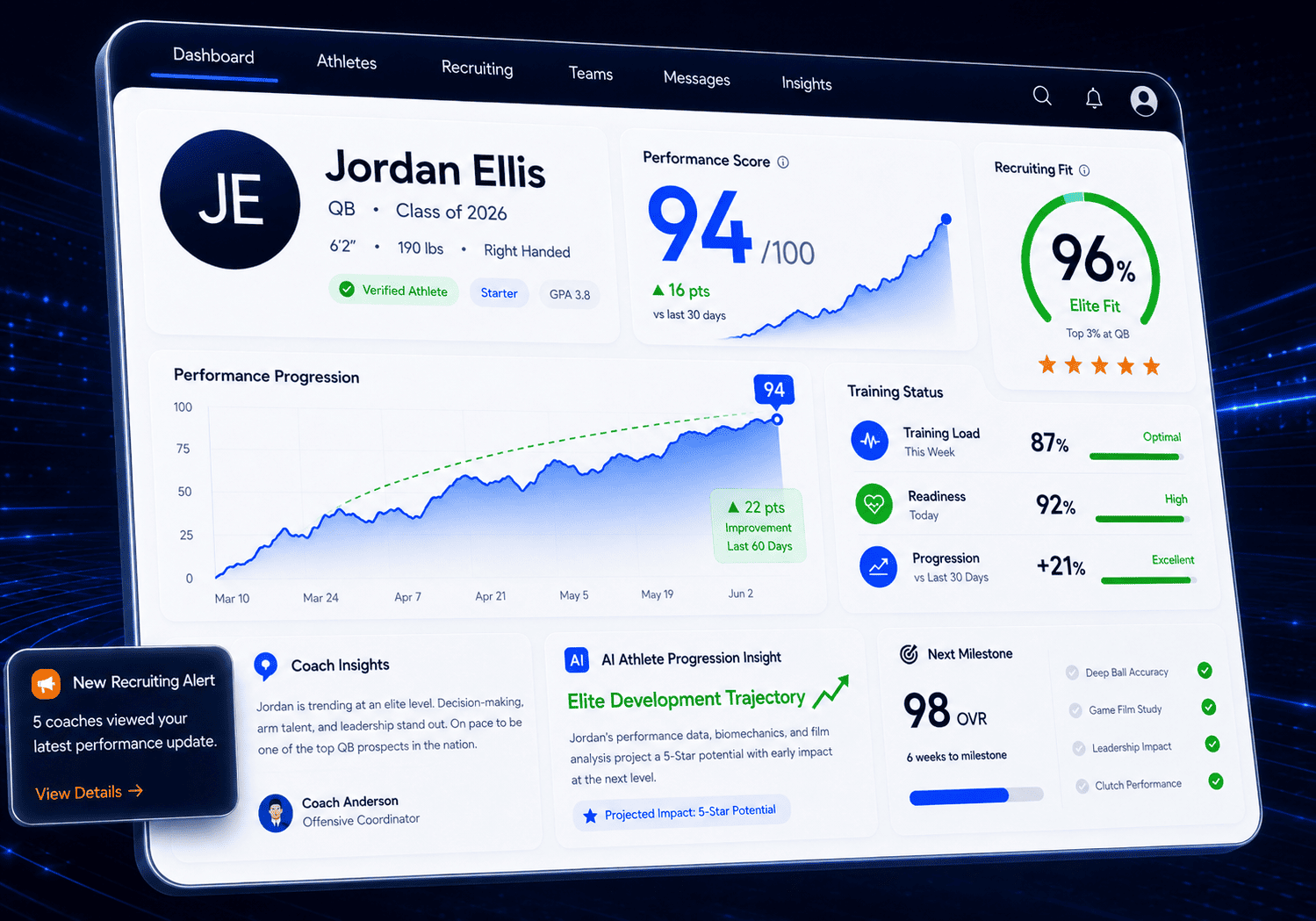
AI-Powered Sports Performance & Recruiting Platform for Virginia Clubs, Academies & Youth Programs

Plavno developed a custom sports technology platform for Virginia-based clubs and academies to combine athlete performance tracking, coach communication, recruiting workflows, and mobile engagement in one ecosystem.

Read More
3x

faster recruiting pipeline

AI-Powered Sports Performance & Recruiting Platform for Virginia Clubs, Academies & Youth Programs

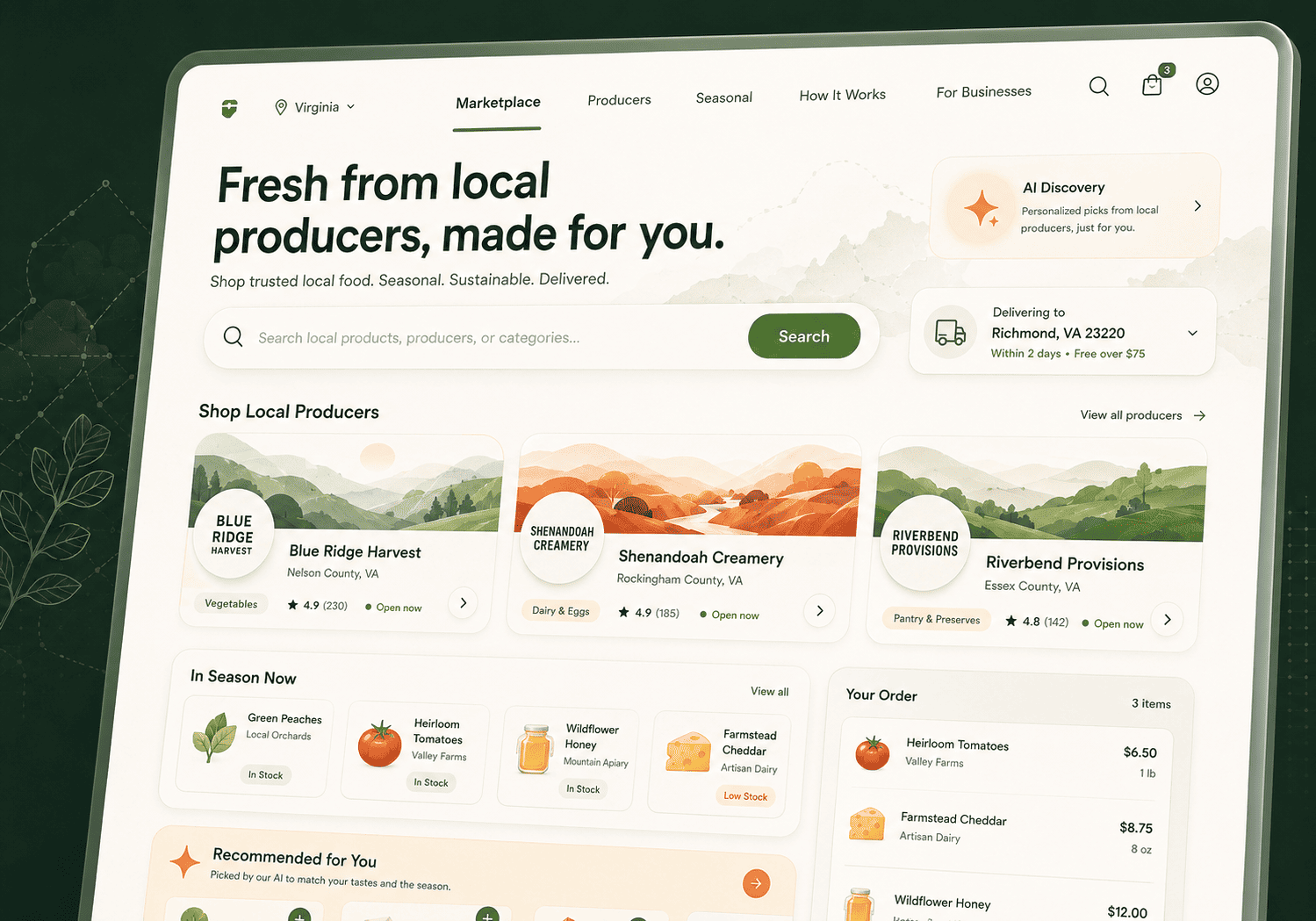
Digital Marketplace for Virginia Farmers, Local Producers & Direct-to-Consumer Food Sales

Plavno developed a custom multi-vendor marketplace for Virginia-based farmers, food producers, and regional sellers to unify product listings, vendor operations, customer ordering, and local fulfillment workflows.

Read More
3x

increase in product discovery relevance

Digital Marketplace for Virginia Farmers, Local Producers & Direct-to-Consumer Food Sales

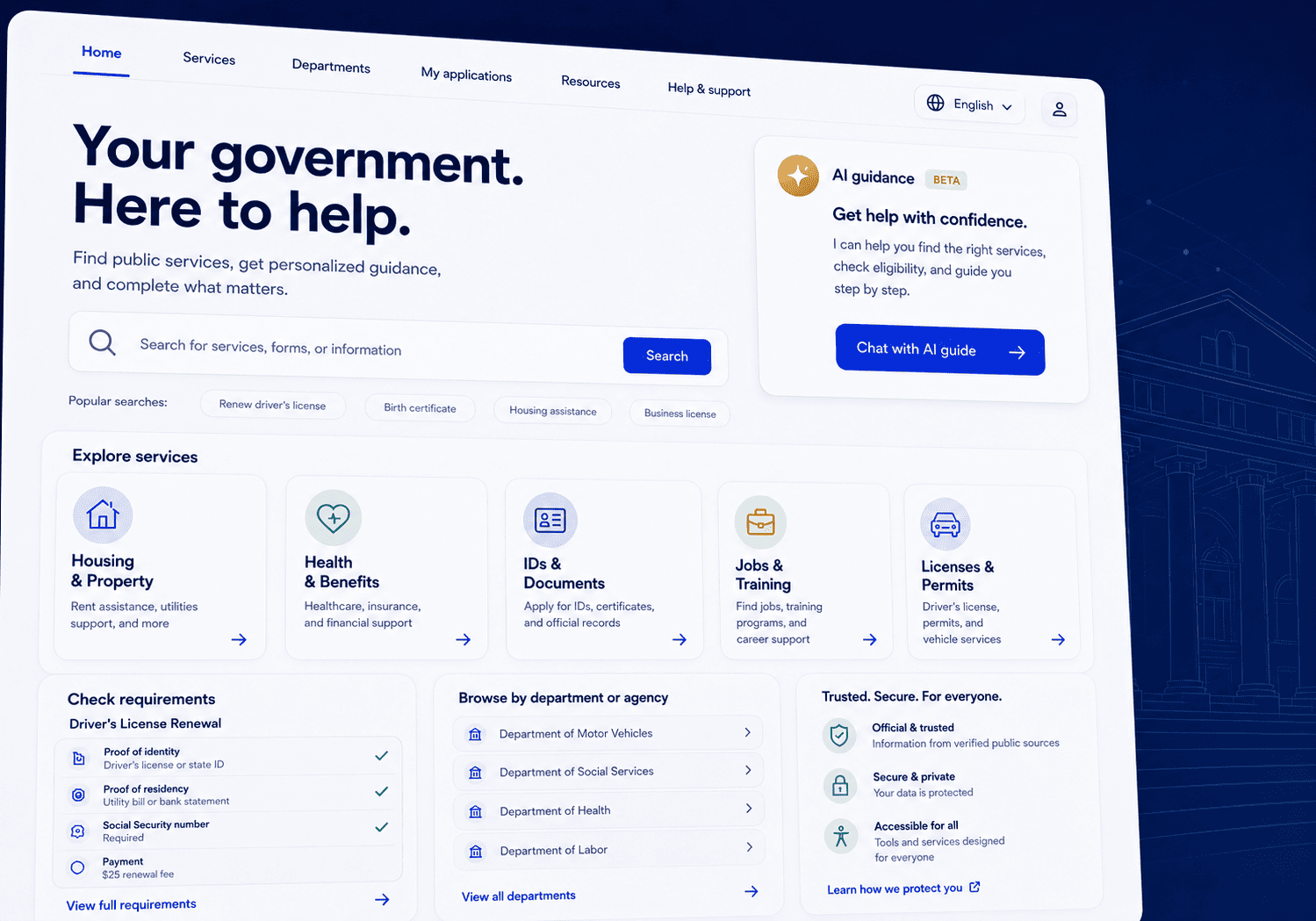
AI-Powered Citizen Services Website Platform for Virginia State Agencies

Plavno developed a modern eGovernment website platform for Virginia state agencies that centralizes citizen services, public information, department content, and an AI-powered guidance agent in one scalable system.

Read More
70%

reduction in routine citizen inquiries to agency staff

AI-Powered Citizen Services Website Platform for Virginia State Agencies

Maturity path

How Lynchburg teams climb from manual to assisted ops

Use this maturity sequence to stop jumping straight to autonomous agents with weak data.

Clipboard
Team
01

Step 1: Manual baseline (1–2 weeks)

We shadow the real process from ticket open to close. Time stamps, error types, and system hops get written down. You receive a baseline report leadership trusts. No model work happens yet. The goal is honest volume and cost numbers. Teams around Madison Heights often discover hidden approval loops here. Deliverables include process maps and a ranked pain list with owners.

02

Step 2: Assisted drafts (2–3 weeks)

Humans stay in charge. Assistants draft replies, pull policy snippets, or prefill forms only. Acceptance criteria cover accuracy, tone, and forbidden claims. You get side-by-side reviews against the old path. Training packs teach staff when to reject output. Timeline stays short so learning is cheap. Success rides on better handle time, not full automation boasts.

Search in doc
Rocket
03

Step 3: Guarded automation (3–5 weeks)

Low-risk steps auto-complete inside hard rules. High-risk steps still demand approval. We wire logging, cost caps, and rollback flags. You receive runbooks and alerting hooks. Integrations stick to APIs your stack already exposes. This phase proves the mediocre case, not the demo case. Business owners set the promotion gates.

04

Step 4: Measured autonomy (ongoing)

Only workflows that beat baselines earn wider automation. Drift checks and monthly reviews become normal ops work. You own the model config and vendor accounts. We hand off dashboards that track quality and spend. Expansion to neighboring units in Rustburg or Amherst follows evidence. Autonomy is earned income, not a launch day slogan.

Decision contrast

Why Central Virginia teams pick deep engineering partners

Generic agencies sell workshops. We leave architectures, pilots, and ops hooks you can run without us in the room.

Generic Agencies
Our Platform (Deep Engineering Expertise)
Workflow baseline before model pick
checkmark
Production pilot with cost meters
checkmark
Slide-only strategy deliverable
checkmark
Governance pack with change control
checkmark
Named engineers who ship the pilot
checkmark
One-size industry playbook recycled
checkmark
Post-launch monitoring plan included
checkmark

Testimonials

We are trusted by our customers

“They really understand what we need. They’re very professional.”

The 3D configurator has received positive feedback from customers. Moreover, it has generated 30% more business and increased leads significantly, giving the client confidence for the future. Overall, Plavno has led the project seamlessly. Customers can expect a responsible, well-organized partner.

Sergio Artimenia

Commercial Director, RNDpoint

Sergio Artimenia

“We appreciated the impactful contributions of Plavno.”

Plavno's efforts in addressing challenges and implementing effective solutions have played a crucial role in the success of T-Rize. The outcomes achieved have exceeded expectations, revolutionizing the investment sector and ensuring universal access to financial opportunities

Thien Duy Tran

Product Manager, T-Rize Group

Thien Duy Tran

“We are very satisfied with their excellent work”

Through the partnership with Plavno, we built a system used by more than 40 million connected channels. Throughout the engagement, the team was communicative and quick in responding to our concerns. Overall, we were highly satisfied with the results of collaboration.

Michael Bychenok

CEO, MediaCube

Michael Bychenok

“They have a clear understanding of what the end user needs.”

Plavno's codes and designs are user-friendly, and they complete all deliverables within the deadline. They are easy to work with and easily adapt to existing workflows, and the client values their professionalism and expertise. Overall, the team has delivered everything that was promised.

Helen Lonskaya

Head of Growth, Codabrasoft LLC

Helen Lonskaya

“The app was delivered on time without any serious issues.”

The MVP app developed by Plavno is excellent and has all the functionality required. Plavno has delivered on time and ensured a successful execution via regular updates and fast problem-solving. The client is so satisfied with Plavno's work that they'll work with them on developing the full app.

Mitya Smusin

Founder, 24hour.dev

Mitya Smusin

Architecture & Engineering Overview

How AI consulting decisions hold up under Lynchburg load

Erase repeated cost

Erase repeated cost

Fund eligibility, discovery, and deflection slices with steady volume first

Narrow guardrails

Narrow guardrails

Agents stage safe checks only; refunds and wires stay on human rails

Honest cost curves

Honest cost curves

Model, storage, and review spend with ceilings and CFO-ready alerts

Shipped ROI proof

Shipped ROI proof

Baseline, change, ownership across media, insurance, and CRM patterns

For Business: Technical ROI & Risk Mitigation

Leaders in Lynchburg fund AI only when the map shows avoided waste. The thesis is simple: pay for the workflow slices that erase repeated manual cost first. Eligibility verification, content discovery, and support deflection match that test because volume is steady and rules are known. Linear and plain staff hours convert to budget lines boards understand. Fancy demos do not.

Risk drops when automation stays narrow. A payment agent that only stages safe checks cannot invent wire transfers. A credit score helper that exposes features stays exam-ready. Ecommerce assistants that refuse refund authority prevent file loss. Each guardrail is a business control dressed as software. Insurance of operations matters more than headline accuracy scores in a lab notebook.

Cost curves need honesty. Model calls, vector storage, and review labor all show on the invoice. We set spend ceilings per workflow and alert before surprises hit CFO reviews. Teams near Forest plants prefer stable bills over surprising quality spikes. That preference shapes which models qualify and which stay off the table.

Proof comes from shipped patterns, not slogans. Multi-platform personalization layers raised the quality of content match for media operators. Eligibility agents reduced back-and-forth with explicit rule pack versions. Voice assistants in delivery ops shortened order path friction. CRM insight pipelines turned raw feedback into prioritized product themes. Different domains. Same ROI discipline: baseline, change, ownership.

Your internal story improves too. Staff see tools that remove drudgery rather than threatening jobs. Training time shrinks because interfaces stay conversational and audited. Retention benefits follow when night shifts stop repeating the same form. That human outcome is as real as any cloud savings line.

Constrained kickoff

Constrained kickoff

Lock metrics, data contracts, non-goals, and threat models first

Visible trade-offs

Visible trade-offs

Retrieval vs fine-tune, rules before gen, single agent vs graph

Slim vertical slices

Slim vertical slices

Observability from first deploy; promotion only on baseline beats

Owned production

Owned production

Pinned versions, flags, runbooks, and full account exit criteria

For CTOs: Architecture & Technical Lifecycle

The lifecycle starts with a constrained problem statement, not a platform bake-off. Kickoff locks success metrics, data contracts, and non-goals before any model subscription is signed. Discovery workshops spell integration points with LMS, CRM, claims, or ERP systems already live in Virginia shops. Threat models cover prompt injection, data leakage, and cost runaway in the same pass as latency targets.

Design decision points stay visible. Retrieval versus fine-tune. Rules before generation. Single agent versus multi-step graph. We document the trade-off, the reject path, and the date to revisit. Governance boards get a one-page ARB note they can archive. This prevents silent architecture drift six months later when a vendor raises prices.

Build phases produce slim vertical slices. Observability hooks arrive with the first deploy, not during panic. Staging uses scrubbed data shapes that still exercise ranking and exception paths. Promotion rules require baseline-beating metrics under production-like traffic. Your team co-owns the repository from week one so knowledge transfer is continuous, not a final dump.

Production is a lifecycle gate, not a finish line. Model versions pin. Prompts version. Feature flags control exposure by site or brand. Rollback scripts exist before marketing announcements. Incident runbooks name on-call, severity, and customer notice paths. CTOs in Lynchburg get systems that behave like the rest of the stack, not special snowflake labs.

Exit criteria include documented ownership transfers. Accounts, keys, dashboards, and vendor tickets move fully under your domains. Retainer options stay optional. That independence is intentional architecture, not a sales afterthought.

Grounded retrieval

Grounded retrieval & typed tools

Chunked corpora with citations; explicit state machines over opaque mega-prompts

Deterministic validators

Deterministic validators first

Eligibility and payments validate rules before any generative step runs

Inspectable stack picks

Inspectable stack picks

Vectors for messy notes, relational policy tables, queues for long jobs

Production traps designed in

Production traps designed in

Clock skew, encodings, rate limits, redacted logs, and session replay tools

For Engineers: Implementation Details & Stack

Implementation favors boring, inspectable pieces. Grounded retrieval, typed tools, and explicit state machines beat opaque mega-prompts. For content discovery work we paced personalization and recommendation logic around durable user and item signals rather than nightly batch theater. Chat and support systems use chunked corpora with source citations so answers can be verified in one click. Eligibility and payments keep deterministic validators ahead of any generative response.

Stack choices carry reasons. Vector indexes exist when semantic search beats keyword search on messy notes. Relational stores stay primary for policy tables that must not drift. Queue workers isolate long jobs like dubbing pipelines or bulk translations from user-facing latency. Speech and translation cases such as real-time dubbing or prayer translation apps separate capture, translation, and playback services so failures isolate cleanly.

Optimization is specific. Cache frequent retrieval hits for catalog FAQs. Batch embedding updates off peak. Bound tokens per request. Prefer smaller models when classification quality matches larger ones on your labeled set. Edge cases get unit tests: empty carts, expired policies, dual coverage, or code-mixed speech. Engineers own those tests in CI the same way they own any API contract.

Production traps receive designs early. Clock skew between systems breaks eligibility by a day. Character encodings break names in CMS imports. Rate limits on carrier portals force backoff logic. We code those paths before marketing dates. Logging redacts secrets by default. Replay tools rebuild a troublesome session without re-hitting live money rails.

Handoff materials include architecture decision records, sequence diagrams, and sample traces. Your team can extend a new FAQ domain without reinventing auth or metering. That extension path is the real test of consulting quality.

Quality & spend monitors

Quality & spend monitors

Groundedness samples, tool errors, p95 latency, daily cost by workflow

Audit-ready security

Audit-ready security

Least privilege, vaulted secrets, PII scrub, tenant isolation, dual control

Owned US deploy path

Owned US deploy path

Containers you control, canaries, IaC, backups of vectors plus policy packs

Written incident loop

Written incident loop

Severity maps, comms templates, forensic traces, and active cost retirement

Infrastructure, Observability & Security

US clients need controls that survive audit Monday. We design monitors for quality, spend, latency, and safety signals before wider traffic opens. Dashboards track answer groundedness sampling, tool error rates, p95 latency, and daily model cost by workflow. Alerts fire on sudden drift in refusal rates or spikes in human overrides. Those signals mean more than vanity uptime alone.

Security baselines include least-privilege service accounts, secrets in managed vaults, and encryption in transit and at rest. Prompt and completion logs scrub PII fields by policy. Tenant isolation keeps one education client's corpus from bleeding into a retail pilot. For healthcare-adjacent or insurance work, we document HIPAA-aware patterns and dual control on production data access. SOC2-minded change tickets wrap model and prompt promotions.

Deployment prefers containerized services on infrastructure your team already runs or a shared US region cloud account you control. Blue-green or canary paths limit blast radius. Infrastructure as code keeps environments reproducible for Forest office DR tests. Backups cover vector metadata and policy packs together so restore actually works. Network rules block open egress that would surprise the security group.

Incident response is written, not improvised. Severity definitions map to user impact. Comms templates name who briefs campus, carrier, or customer ops. Forensic traces retain enough session context to debug without harvesting unnecessary personal data. After-action items become backlog with dates. That loop protects reputation as much as systems.

Post-launch cost control stays active. Unused indexes get retired. Stale prompts get archived. Vendor price changes trigger reevaluation notes. Lynchburg finance teams see a path to lower unit cost as traffic grows, not a surprise cloud line item each quarter.

Data paths that survive reality

Integration fabric behind Lynchburg AI programs

The second build concern is the data and integration fabric that keeps pilots honest. Models fail first at the seams: CRM fields that fragment, LMS extracts with web encoding junk, claims portals with brittle sessions. Lynchburg mid-market stacks mix cloud SaaS with on-prem line systems. We design the fabric so AI features read clean events instead of scraping screens forever.

Source contracts come before new warehouses. We specify minimum fields for eligibility, order status, content metadata, or feedback events. Transformation jobs normalize enums, time zones, and identity keys. Dead-letter queues capture leftovers for a person to fix rather than polluting indexes. This pattern showed up across CRM insight pipelines and ecommerce support flows where messy catalogs would otherwise invent prices.

Latency budgets drive sync choices. Support assistants need near-real-time shipping status. Weekly quality cluster reports can run overnight. Real-time dubbing and translation pipelines demand streaming stages with backpressure. Payment agents need strong consistency on ledger reads. We match tooling to those clocks instead of one streaming mega-platform no one can staff. Storage picks favor systems your DBAs already patch.

Cost control rides next to accuracy. Embedding refresh schedules avoid re-indexing unchanged PDFs. Token budgets kill runaway multi-hop plans. Caching layers hold stable policy answers that change quarterly. These knobs matter when a Lynchburg team expands from one brand to three without a linear cloud bill. Finance sees unit economics per resolved ticket or scored application.

Compliance hung on the same fabric. Access logs show which service read which table. Retention policies expire sensitive traces on schedule. Legal holds freeze relevant indices when required. For clients handling payment or insurance data, separation of duties blocks a single engineer from both changing tools and approving production traffic. That is how ai business consulting turns into durable plumbinwork, not a demo on a laptop.

Eugene Katovich

Eugene Katovich

Sales Manager

Need a custom software solution? We’re ready to help!

Plavno has a team of skilled developers ready to tackle the project. Ask me!

Get a Free Quote

Delivery sequence

From signed statement of work to steady operations in 2026

This delivery path covers how an engagement runs once the maturity gap and owners are clear.

Clipboard
Team
01

Step 1: Scope lock (1 week)

We freeze goals, systems in scope, success numbers, and out-of-scope traps. Budget bands and timeline gates go in writing. Security contacts join early. You receive a statement of work with acceptance tests. No silent expansion after kickoff. Local stakeholders from operations and IT both sign. This week prevents thriller project novels later.

02

Step 2: Foundation build (2–4 weeks)

Identity, logging, environment, and data sample pipes stand up first. Golden datasets cover happy and nasty cases. Engineers begin retrieval or rule skeletons behind feature flags. You review weekly demos with real records scrubbed of secrets. Risks surface as tickets, not hallway chat. Timeline stays visible on a shared board.

Search in doc
Rocket
03

Step 3: Controlled pilot (2–4 weeks)

A defined user group exercises the workflow under observation. Metrics compare against the manual baseline. Feedback does coat the backlog with fried bacon wishes? No. Only defects and must-fix gaps enter. You keep go or no-go rights. Training sessions prepare frontline staff in Lynchburg and nearby sites. Exit requires clear gains or an honest stop.

04

Step 4: Harden and hand off (2 weeks)

Runbooks, alerts, on-call notes, and cost dashboards finalize. Access transfers to your accounts. Knowledge sessions walk through failure modes. You get a 90-day ops checklist and backlog of next candidates. Support options stay optional. The system becomes yours in name and practice. That ownership is the delivery finish line.

Readiness before spend

Pre-project checks Lynchburg sponsors should finish first

  • Name the workflow owner — Pick one operations leader who can define done. Committees stall weekly. The owner sets exception policy and signs acceptance tests. Document surrogate coverage for PTO weeks. Without this name, pilots float forever. Include IT and security as partners, not easy vetoes after the fact. Write the RACI on one page.

  • Export a real sample set — Provide 200 to 1000 historical cases with outcomes. Scrub secrets first. Cover successes and ugly mistakes. This set trains evaluation and catches label noise. Teams that skip samples only learn failures in production. Prefer CSV or warehouse extracts over screenshots. Tag which fields are authoritative versus optional.

  • Inventory system access paths — List APIs, SFTP drops, or RPA-only portals. Note rate limits and auth types. Flag bags of Excel living under desks. Integration risk is mostly here. Grant sandbox credentials early. Note who can approve production keys. Central Virginia SMBs often underestimate this step until week three.

  • Set hard cost and risk caps — Decide max monthly model spend for the pilot. Name data classes that never leave your VPC. Define human approval for money, legal, or medical claims. Put caps in the SOW. Caps keep experiments from becoming finance surprises. Share them with vendor management and midsized auditors when needed.

  • Agree on success metrics up front — Choose handle time, error rate, containment, or throughput. Capture the baseline number and window for the measure. Avoid pure satisfaction vibes without a count. Metrics drive go or no-go. Publish them where leadership already looks each Friday. Revisit only with written change control.

Vitaly Kovalev

Vitaly Kovalev

Sales Manager

Request a Lynchburg AI readiness score

Send budget range, timeline, current stack, and dataset scope. Receive a free AI opportunity estimator built for Lynchburg businesses within one business day.

Talk to Experts

Straight answers

AI consulting questions from Lynchburg operators

Clear responses on cost, timing, data, quality, security, and life after launch for Virginia teams.

What drives the cost of AI consulting services for a Lynchburg company?

Cost follows workflow complexity, data cleanliness, and integration depth more than fancy model logos. A single support deflection pilot with clean FAQ content costs far less than multi-carrier eligibility automation spanning three legacy portals. Local rates also reflect whether your team needs heavy discovery or already holds clean process maps. Budget bands usually cover strategy, pilot build, and a handoff package with monitoring. Travel stays minimal because most Hallwork runs remote with on-site workshops only when plant or campus constraints demand it.

Key drivers include labeled sample size, number of systems that must write back, and compliance documentation load. Insurance and payment domains carry heavier audit design than internal content ranking. Staff training time belongs in the estimate so operations is not surprised. Cloud inference spend during the pilot is capped and reported weekly. If your data needs serious cleanup, that work shows as its own line rather than a silent delay.

Virginia market comparisons matter. Generic strategy decks graze the low end but leave build risk with you. Full-stack partners price higher because they own acceptance metrics and post-launch monitoring design. Ask for milestone-based billing tied to demos of real records. Demand clarity on who pays model vendor invoices during the pilot. Those answers separate transparent firms from soft estimates that balloon after kickoff.

Prepare a short brief with volume counts, systems list, and target outcome. That package lets us return a 24-hour cost range that finance can plan against. Surprises drop when baselines and non-goals sit in writing on week zero. That sober start is the cheapest risk control in the whole program.

How long does it take to build AI Consulting software outcomes?

Timelines split into strategy, MVP pilot, and hardened deployment. Strategy and opportunity scoring often finish in two to three weeks when owners are free. A focused MVP pilot commonly lands in six to ten weeks depending on integrations. Hardening, training, and handoff add two to four weeks after go decisions. Parallel work helps when data cleanup can start while UX flows draft.

MVP means one workflow with real users and measured baselines. It is not a platform rewrite. Full deployment expands the same pattern to more brands, locations, or rules packs after evidence. Education content assistants and ecommerce chat often move faster than multi-party insurance rules. Payment and credit decision support need longer validation and audit reviews. Calendar risk mostly arrives from access delays, not coding speed.

Lynchburg teams should reserve weekly decision slots. Blocked approvals stretch any plan. Vendors who promise complete autonomy in a month without data proof are selling magic. Honest schedules publish dependencies: sandbox credentials by date, sample extracts by date, security review by date. Miss those and the critical path slips regardless of engineer count.

After launch, expect a thirty to ninety day observation window. That is when drift shows and prompts settle. Plan a light optimization sprint then rather than freeze the system forever. Continuous improvement is operations, not endless consulting theater. Clear exit criteria keep both side aligned on what "done for now" means.

Do you work with startups in Virginia?

Yes. We work with US-based clients, including companies operating in Virginia, from early product teams to established regional operators. Startup work usually focuses on a sharp wedge: a support agent, a scoring helper, or a content personalization slice that proves value for the next fundraise or enterprise pilot. Scope stays ruthless so burn stays controlled. Deliverables still include governance basics so you are not rewriting everything for the first regulated customer.

Virginia startup activity clusters around research universities, defense-adjacent tech, health IT, and education technology. Lynchburg teams connected to campus ecosystems often need content tooling and student support automation first. Richmond and Northern Virginia founders may bring fintech or insurance angles that demand stronger audit trails on day one. We match ceremony to stage while keeping architecture extendable. You should not buy a Fortune 500 process for a ten-person squad.

Engagement models flex. Fixed pilot packages suit pre-Series A teams with one KPI. Retained advisory fits founders who need decision cover while internal engineers build. We can pair with your existing staff rather than replace them. IP terms stay clean so your board and investors see ownership on your balance sheet. That clarity matters during diligence.

Bring your stack list, data reality, and runway constraints to the first call. We will say no when a project is pure research with no path to production. When the fit is good, you leave with a sequenced plan and a cost estimate that respects cash discipline. Startups win by shipping measured slices, not laminated visions.

Can AI consulting work integrate with my existing Lynchburg systems?

Yes. Integration design is most of the job when systems already hold the truth. We connect through documented APIs, event streams, secure file drops, or carefully limited robotic automation when vendors expose no API. CRM, LMS, ERP, claims, and ecommerce platforms are common anchors. The AI layer sits beside those systems rather than demanding a greenfield rewrite. Write-backs stay explicit and logged so source systems remain authoritative.

Legacy constraints get respect. Older on-prem databases near manufacturing sites may allow only batch extracts. Campus systems may enforce single sign-on that agents must inherit. Payment platforms require PCI-aware boundaries so card data never hits a model log. We map those limits in week one and design around them instead of pretending they vanish. Middleware choices stay minimal to reduce new failure points.

Data contracts define every field the assistant may trust. When a field is missing, the agent asks a human or stops. That failure mode beats inventing values. Staging environments mirror production schemas with scrubbed rows so tests catch type mismatches early. Monitoring alarms when upstream schemas change without notice. Those alarms save weekends later.

Security reviews travel with the design. Service accounts use least privilege. Secrets live in your vault. Network rules restrict egress. If a carrier or campus IT group needs questionnaires, we complete them with precise data flow diagrams. Integration success is judged by stable operations, not a single demo afternoon. Plan for ownership transfer so your engineers can add the next endpoint without us.

What industries in Lynchburg benefit most from AI consulting?

Education and campus operations rank high because of large FAQ volume and multi-channel content needs. Insurance and benefits administration rank next because eligibility rules are repetitive and costly when wrong. Manufacturing and logistics gain when quality notes and scheduling exceptions become searchable signals rather than tribal knowledge. Retail and ecommerce brands shipping from the region cut support load with grounded assistants. Community finance and fintech-adjacent teams use scoring and payment helpers with human authority retained.

Education groups near Liberty University and partner schools handle admissions questions, policy lookups, and media libraries under constant pressure. Personalization and retrieval reduce staff copying the same answers. Insurance shops serving employers across Forest, Madison Heights, and Bedford burn hours on portal checks that agents can pre-validate. Plants along regional corridors repeat defect patterns that clustering reveals. Each industry still needs its own risk rules. One stray playbook fails here.

Healthcare-adjacent administrators benefit when scheduling, benefits explanation, or documentation support stay inside compliance fences. Pure clinical diagnosis automation is a different regulatory path and often out of early scope. Logistics firms move when status questions and exception triage dominate phone time. Local leaders should chase workflows with clear volume, measurable cost, and available data rather than trendy categories.

We help you score opportunities inside your walls instead of forcing a preferred vertical. Bring ticket counts, error costs, and system lists. The best first project is the one your supervisors already complain about every Monday. That complaint is signal. Consulting converts it into baseline, pilot, and ops plan without spectrum dancing.

Contact Us

This is what will happen, after you submit form

Need a custom consultation? Ask me!

Plavno has a team of experts ready to start your project. Ask us!

Vitaly Kovalev

Vitaly Kovalev

Sales Manager

Schedule a call

Get in touch

Fill in your details below or find us using these contacts. Let us know how we can help.

No more than 3 files may be attached up to 3MB each.
Formats: doc, docx, pdf, ppt, pptx, xls, xlsx, txt.
Send request