bg image
bg image

Serving Herndon & Virginia

Herndon teams ship custom AI that cuts manual load in 2026

Federal contractors and growth companies in Herndon still burn weeks on reviews, intake, and reporting that software can own. Custom AI Development gives you private models and workflows that match how your teams already work. Leaders get clearer cycle times, fewer handoffs, and spend they can defend to finance. This is for operators who need production systems, not demos stranded in a slide deck. Get Custom AI Development cost estimate in 24 hours. Tell us budget, timeline, stack, and the dataset or process you want fixed first. We map a first release that proves value before you expand scope.

Discuss Project

Overview

Why Herndon operations stall without private AI

Herndon sits inside the Dulles Corridor where contractors, cybersecurity firms, and professional services shops face dense proposal, compliance, and support work. Staff still copy data between portals, regenerate the same briefs, and chase approvals across email. That friction slows delivery and inflates billable hours that never reach the client. Custom AI only helps when it sits on clean data, clear roles, and systems your people already trust.

We work with US-based clients, including companies operating in Virginia. Teams in Reston, Ashburn, Tysons, Chantilly, and McLean need tools that respect agency rules and vendor lock rules at the same time. Our approach starts with the real backlog, not a model catalog. Trusted Custom AI Development Partner for Herndon Businesses means we scope what will move cycle time this quarter and what waits until data quality is ready.

On the build side we treat models as product surfaces. Retrieval paths, prompt policies, evaluation sets, and human review gates ship with the first release. We favor architectures you can audit. When the work needs full-stack delivery behind the models, our custom software practice covers the APIs, portals, and role models those agents depend on.

Proof comes from shipped internal platforms, not pitch decks. One engagement migrated a SharePoint employee portal into a modern content hub with Payload CMS and Next.js, including department-level access control. That same discipline of permissions, content structure, and role boundaries is how we keep AI features from leaking data across business units. The outcome employers care about is fewer tickets to IT and faster answers for staff.

Expect plain metrics. Baseline time for a task, then measured time after the pilot, with owner and week recorded. We track model cost per job so finance sees the bill before it spikes. In the US market we have delivered 10+ AI and automation-backed platform projects for operators who needed control, not novelty.

Talk to an Expert
Clean data readiness

Clean data readiness

Schema, ownership, and quality gaps scored before any model work starts

Role-bound retrieval

Role-bound retrieval

Department walls and identity filters so answers never cross business units

Eval and human gates

Eval & human gates

Golden sets, prompt policies, and review queues ship with the first release

Cycle-time metrics

Cycle-time metrics

Baseline vs pilot time, cost per job, and named owners every week

Architecture first

Private model stacks Herndon firms can operate

Herndon buyers get a production system, not a notebook. We design a service layer that owns retrieval, tool calls, evaluation, and audit logs. Business users hit interfaces that feel like the rest of their stack. Engineers keep versioned prompts, feature flags, and rollback paths. The model is one component. The product is the workflow around it and the data contracts that feed it every day.

Core choices stay pragmatic. Python services handle inference orchestration because the ecosystem for evaluation and connectors is mature. TypeScript front ends and APIs keep internal UX consistent with consuming apps. Vector stores sit behind access filters tied to your identity provider so a user never retrieves content outside their role. We pick open connectors when you will run multi-cloud later. We pick managed services when your team wants less ops load in year one.

Security and compliance shape the diagram before feature lists. Secrets never live in prompts. PII routes through redaction or field-level controls before training or logging. For govcon and regulated buyers we document data residency, retention, and who can promote a model version. Role-based access follows the same department patterns we used when migrating an employee portal from SharePoint to Payload CMS with Next.js. Permissions are tested, not assumed.

DevOps is part of the delivery, not a later ticket. CI runs evaluation suites on every meaningful change to prompts or retrieval configs. Staging mirrors production identity rules so access bugs show up early. Observability covers latency, token spend, failure modes, and human override rates. On-call playbooks name who owns model drift versus who owns the app layer. Finance gets dashboards for cost per workflow so spend cannot hide inside a single cloud bill.

We ground guesses in what already shipped. The SharePoint-to-modern-hub project proved you can replace heavy portals with structured content, department permissions, and a stack internal teams will maintain. AI features plug into that pattern through the same content types, APIs, and access matrix. Clients leave with runbooks, not a black box. That is how Custom AI Development stays operable after the pilot week ends.

plavno logo

Build your first
Smart AI project today!

Just tell the Plavno AI Agent about your project - it will ask questions, gather requirements, and propose a tailored solution

What you receive

Five deliverables that change daily work in Herndon

Workflow copilots for high-volume desks

Workflow copilots for high-volume desks

Herndon support and operations desks still retype case notes and search three systems for one answer. A copilot cuts that loop by drafting from approved sources and routing exceptions to people. We implement retrieval with source citations so supervisors can audit outputs fast. Node and Python services keep connectors maintainable. Teams see fewer open tickets and cleaner handoffs between shifts without replacing their case tool on day one.

Document intelligence for proposals and reviews

Document intelligence for proposals and reviews

Proposal and contract review cycles drag when analysts re-read the same binders. Structured extraction flags clauses, risks, and missing sections against your checklist. We chose document parsers plus controlled LLMs so output schemas stay stable for downstream tools. Results land in the systems finance and BD already use. Cycle time drops because humans edit exceptions instead of starting from blank pages every chase.

Internal knowledge with department boundaries

Internal knowledge with department boundaries

Knowledge bases fail when everyone can see everything or when content rots. We build hubs that mirror org charts and keep embeddings inside those walls. Payload CMS with Next.js already proved department-level permissions for an employee portal migration off SharePoint. The same access model protects AI answers. Staff get faster answers. Security gets a trail of who queried what and under which policy.

Operational forecasting for staffing and load

Operational forecasting for staffing and load

Managers still plan headcount from static spreadsheets while queue shapes change weekly. Forecasting services pull ticket history, seasonality, and SLAs into short-horizon plans. We use time-series models with simple explainability so ops leads trust the number. Outputs appear in dashboards they already open Monday morning. Overtime and missed SLAs fall when hiring and overtime decisions match actual demand curves.

Evaluation harnesses before wide rollout

Evaluation harnesses before wide rollout

Rolling out without scores is how bad answers reach customers. We ship evaluation sets built from your real tickets and documents, plus regression gates in CI. Failures block promotion the same way a broken test would. Language choice matches your stack so engineers own the suite. Leaders only expand traffic after precision, cost, and override rates clear agreed thresholds for Herndon production use.

Delivery path

From backlog triage to production AI in Herndon 2026

A fixed sequence keeps scope honest and gives your sponsors a go or no-go at every gate.

Clipboard
Team
01

Step 1: Discovery and data readiness (1–2 weeks)

We map the target workflow, owners, systems of record, and failure modes that already hurt the Herndon team. Data samples, access paths, and quality gaps go on one board with owners. You receive a written readiness score and a risk list with mitigations. Legal and security constraints are written into the charter early. Success criteria and budget guards are agreed before any model work starts.

02

Step 2: Pilot architecture and golden set (2–3 weeks)

Engineers sketch the service boundaries, identity model, and retrieval plan with diagram sign-off. We build a golden evaluation set from real cases you label. Prompt and tool policies are versioned from day one. You see a thin vertical slice running against staging data only. Stakeholders score accuracy and tone against the agreed threshold before we spend on full UX polish.

Search in doc
Rocket
03

Step 3: Build integrations and human review (3–5 weeks)

Connectors, APIs, and UI hang off the approved slice. Human review queues capture low-confidence outputs so staff stay in control. Logging and cost meters turn on in staging. We load department permissions patterned on prior portal work with role-based access. Demo week uses your users, not ours, so training debt is visible early and write paths stay reversible.

04

Step 4: Controlled launch and handover (2–3 weeks)

Traffic opens by cohort with kill switches and on-call coverage named in writing. Runbooks, ownership charts, and cost dashboards transfer to your team. We measure baseline versus pilot metrics for two full business cycles before claiming wins. Residual work enters a backlog with estimates, not surprises. Expansion only starts after the ops owner signs the exit checklist.

Custom AI Development Solutions for Herndon Industries

Where Dulles Corridor operators apply custom AI first

Use cases track Northern Virginia reality: federal work, cyber delivery, professional services, and campus-scale employers near Reston and Ashburn.

Govcon Proposals

Govcon Proposals

Compliance

Govcon proposal and compliance assist

Capture and proposal shops near Herndon still lose nights to past-performance mining and RFP clause checks. Custom retrieval over your win library drafts outlines and flags gaps against solicitation language. Analysts keep final authority through review queues. Teams reclaim dozens of hours per bid cycle when the first draft arrives structured. Technically we isolate corpora by program clearance class and log every source used in an answer.

Cyber Tickets

Cyber Tickets

Summarization

Cybersecurity ticket summarization

SOC teams around the corridor face alert noise that buries context during shift changes. Summarization agents collapse raw tickets into timelines, assets touched, and open questions for the next analyst. Confidence scores force human takeover on novel patterns. Mean time to understand drops while training new hires becomes faster. We keep models offline from customer payload where policy demands and wire them only to the ticket fields allowed.

Services Knowledge

Services Knowledge

Reuse

Professional services knowledge reuse

Consultancies in Tysons and McLean recreate slide logic and templates across accounts. A private assistant surfaces approved methods, rate cards, and prior deliverable patterns under partner rules. Juniors move faster without inventing process. Realization improves when writeups reuse approved language. Stack-wise we pair a content hub with embeddings filtered by practice area and client confidentiality tags.

HR Portals

HR Portals

Guided Answers

Internal HR and facilities portals with guided answers

Campus employers still field the same policy questions about badges, benefits, and equipment. Guided search over structured policies reduces tickets without opening HRIS write access. Department cooldowns and roles mirror the Payload CMS and Next.js employee portal we shipped with department-level permissions after a SharePoint migration. Employees self-serve. HR keeps an audit trail of answers shown. The ROI shows up in fewer tier-one tickets per month and clearer policy version history.

Logistics Balancing

Logistics Balancing

Facilities

Logistics and facilities load balancing

Operators managing multi-site space along the Dulles Toll Road need better forecasts for occupancy and work orders. Models combine work order history with calendar signals to suggest crew plans. Dispatchers adjust exceptions rather than rebuild sheets daily. Overtime and idle time both shrink when plans match demand. We export plans to the CMMS APIs already in place so the AI never becomes a second system of record.

Invoice Routing

Invoice Routing

Finance Close

Finance close and invoice exception routing

Growth companies stretch controllers when invoice exceptions pile up near month end. Classification models group exceptions by root cause and draft vendor notes from policy. Controllers approve batches instead of each noise item. Close calendars compress without adding headcount. Implementation uses strict schemas and dual-control on any payment suggestion so automation never bypasses treasury rules.

Case Study

We help customers cut
down on development

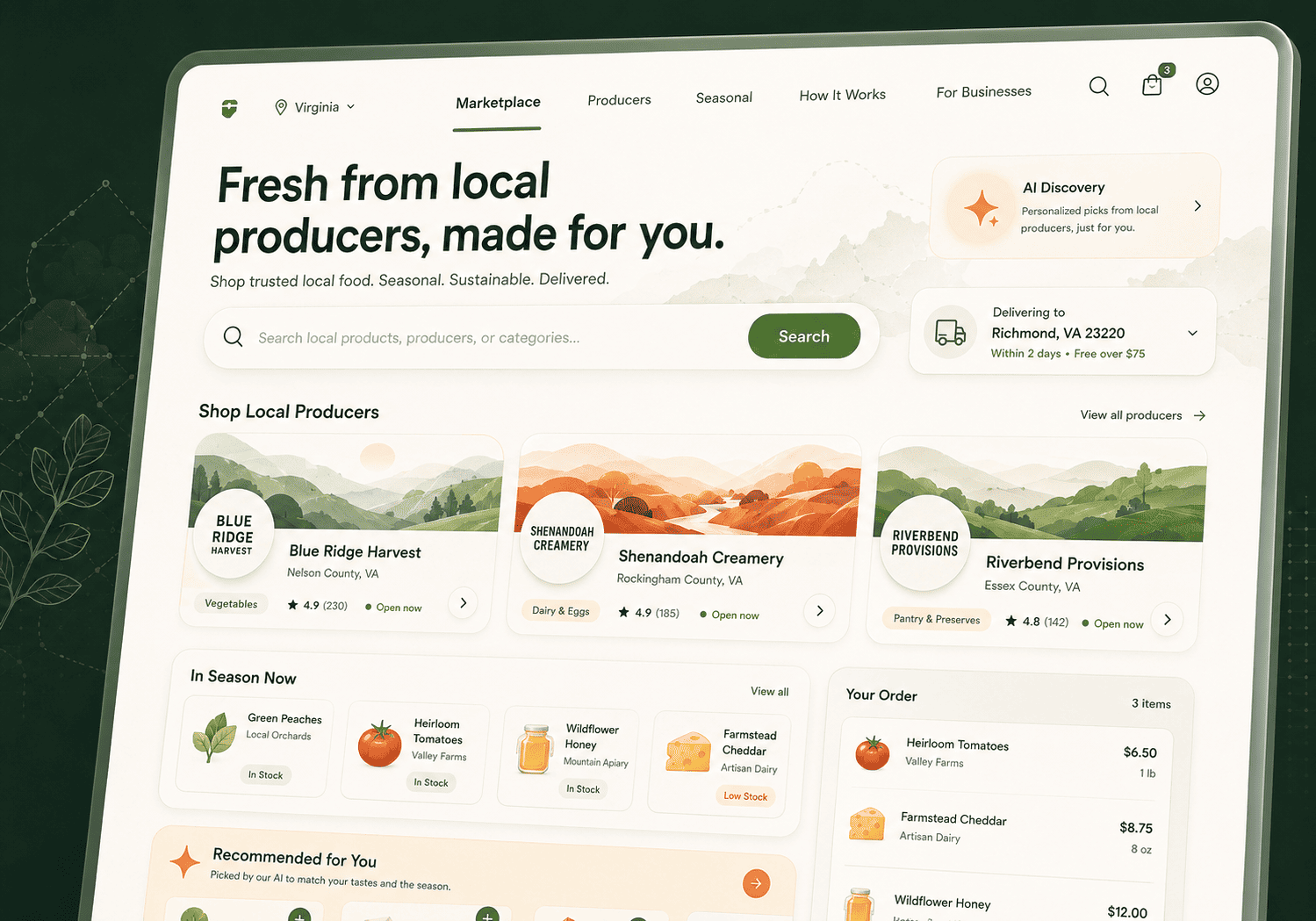
Digital Marketplace for Virginia Farmers, Local Producers & Direct-to-Consumer Food Sales

Plavno developed a custom multi-vendor marketplace for Virginia-based farmers, food producers, and regional sellers to unify product listings, vendor operations, customer ordering, and local fulfillment workflows.

Read More
3x

increase in product discovery relevance

Digital Marketplace for Virginia Farmers, Local Producers & Direct-to-Consumer Food Sales

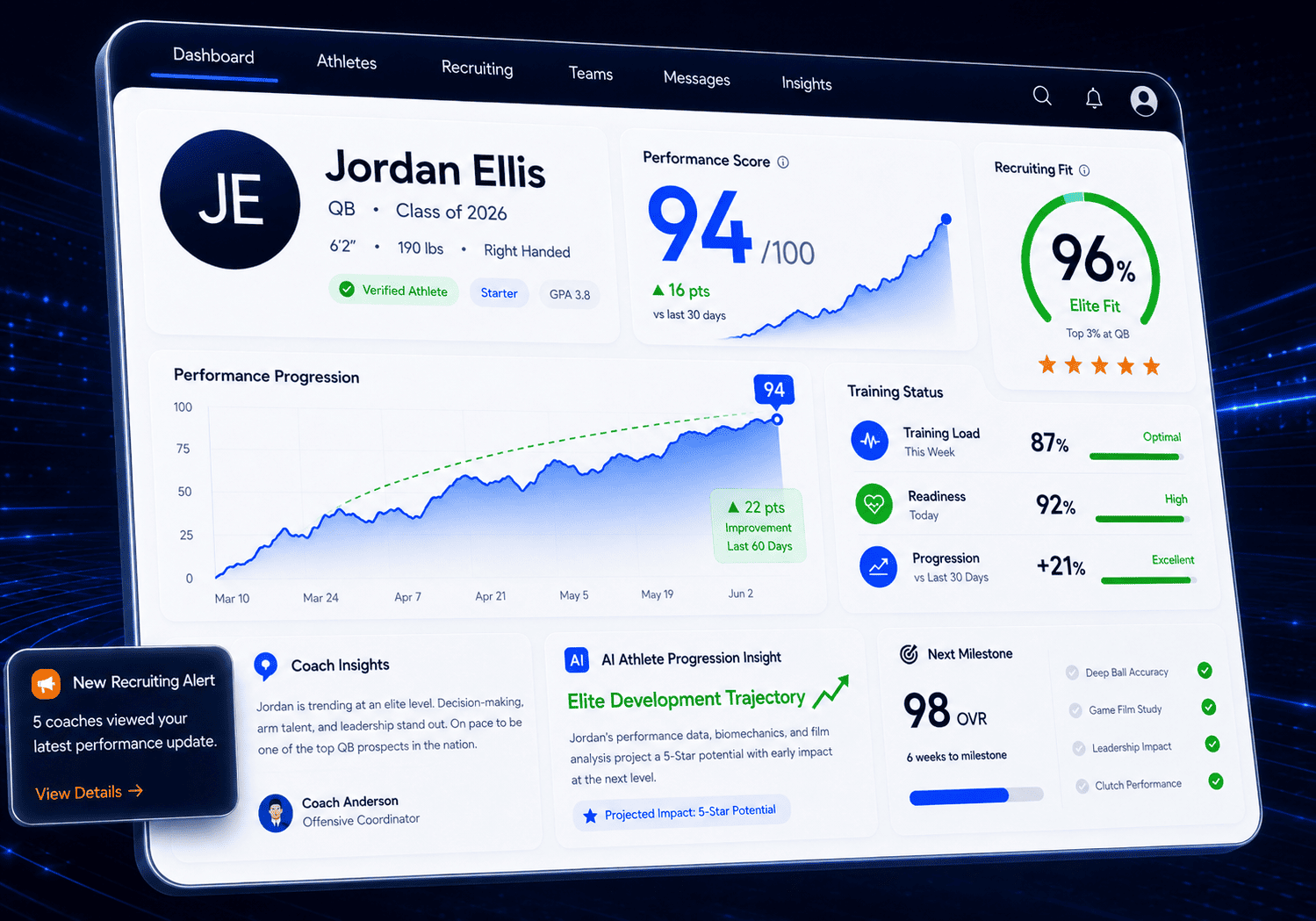
AI-Powered Sports Performance & Recruiting Platform for Virginia Clubs, Academies & Youth Programs

Plavno developed a custom sports technology platform for Virginia-based clubs and academies to combine athlete performance tracking, coach communication, recruiting workflows, and mobile engagement in one ecosystem.

Read More
3x

faster recruiting pipeline

AI-Powered Sports Performance & Recruiting Platform for Virginia Clubs, Academies & Youth Programs

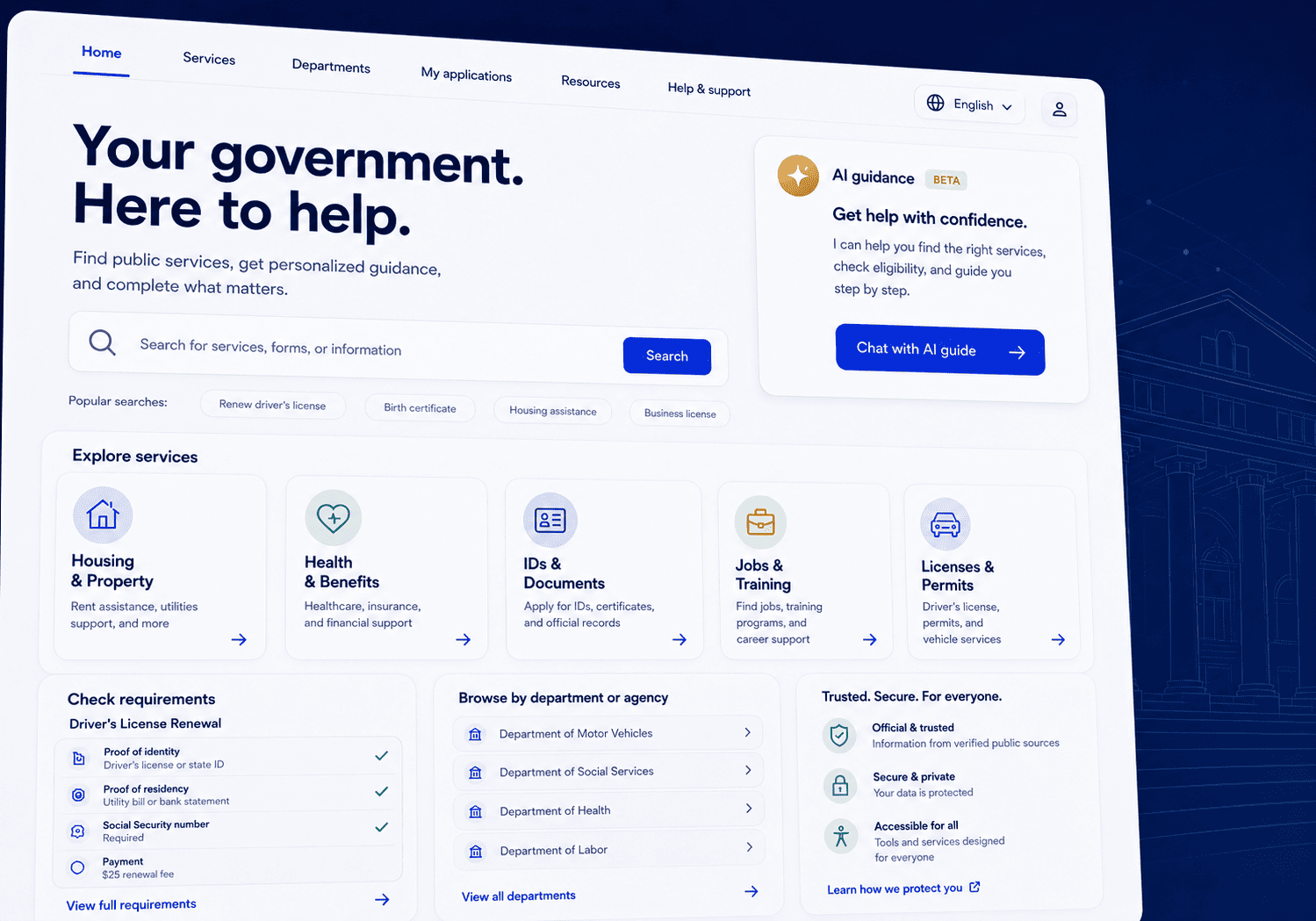
AI-Powered Citizen Services Website Platform for Virginia State Agencies

Plavno developed a modern eGovernment website platform for Virginia state agencies that centralizes citizen services, public information, department content, and an AI-powered guidance agent in one scalable system.

Read More
70%

reduction in routine citizen inquiries to agency staff

AI-Powered Citizen Services Website Platform for Virginia State Agencies

Data, risk, spend

How we keep AI data clean and costs honest

Architecture without data discipline fails in production. Herndon clients get ingestion pipelines that validate schema, ownership, and freshness before anything reaches a model. We reject silent nulls and undated dumps. Source systems remain systems of record. Derived stores can be rebuilt from logs so you are never trapped by a one-off export someone emailled months ago.

Integration complexity is treated as design work. Lots of Dulles Corridor stacks mix cloud SaaS, on-prem directories, and contractor-shared tools. We prefer event-friendly interfaces and idempotent writers. When only batch exists, we schedule with backoff and dead-letter queues you can see. Latency budgets are written per workflow so a slow legacy hop cannot quietly kill the user experience at 9 a.m.

Cost control is a first-class feature. Token meters, cache hit rates, and per-tenant budgets emit to the same ops board as app health. We default to smaller models for classification and only escalate hard cases. Prompt caching and retrieval filters cut waste before anyone optimizes hardware. Finance owners receive weekly spend digests with projected runaway alerts, not a surprise invoice after demo mania.

Technical debt stays visible. Version pins on models, libraries, and prompt packs sit in lockfiles. Deprecations get owners and dates. We avoid secret configuration living only in chat threads. Documentation is generated from the same repos engineers push. When a contractor rotates out, the next engineer can rebuild staging from the repo alone. That continuity matters in regions with high talent churn.

We reuse lessons from concrete platform work. Migrating an employee portal off SharePoint onto Payload CMS and Next.js forced clean content types and department permissions before any smart search could be safe. AI features inherit that structure. If content is a mess, we fix the mess first. That order protects you from answering the wrong policy with perfect grammar.

How we differ

Why Herndon buyers pick deep engineering over slideware

Generic agencies ship demos. We ship owned systems with evaluation gates, cost meters, and exit paths.

Generic Agencies
Our Platform (Deep Engineering Expertise)
Evaluation suite tied to your real cases
checkmark
Department-level access on retrieval
checkmark
Token and workflow cost dashboards
checkmark
Slide deck with stock model logos
checkmark
Human review queues in production path
checkmark
Runbooks and named on-call ownership
checkmark
One-off scripts only developer understands
checkmark

Maturity path

Raise AI maturity without betting the whole firm

Progress in stages so Herndon teams earn autonomy only after control and measurement hold.

Clipboard
Team
01

Stage A: Assisted work only (weeks 1–4)

Systems draft. Humans decide every write and every external send. Goals are accuracy baselines and training the golden set. Logging captures override reasons for later tuning. Leaders see time saved on drafts while risk stays bounded. No automated action leaves the sandbox without twin approval from ops and security owners in writing.

02

Stage B: Narrow auto-actions (weeks 5–10)

Low-risk actions such as tagging, routing, or internal notes run unattended under hard limits. External messages and money moves stay manual. Metrics compare error and rework rates against the assisted stage. Kill switches sit beside the primary monitor. Expansion criteria are numeric, not vibes, so arguments stay short in steering meetings.

Search in doc
Rocket
03

Stage C: Multi-team rollout (weeks 11–16)

Additional departments receive the pattern after their data qualifies. Shared platforms keep identity, audit, and cost controls centralized. Local configuration stays with each owning team so edges match their process. Training covers exceptions, not just happy paths. Program office tracks portfolio cost and success rates across Reston and Ashburn cohorts the same way.

04

Stage D: Continuous improvement loop (ongoing)

Drift checks, fresh evaluations, and cost reviews run on a calendar. Model upgrades need the same gates as the first launch. Backlog items come from override themes, not vendor blogs. Quarterly reviews retire features that do not pay. The system stays owned software you can explain to auditors instead of a fragile pile of experiments.

plavno logo

Build your first
Smart AI project today!

Just tell the Plavno AI Agent about your project - it will ask questions, gather requirements, and propose a tailored solution

Before you buy

Vendor checks every Herndon buyer should finish first

  • Name the workflow and owner — Pick one measurable desk process with a single accountable leader. Write the baseline time, volume, and failure modes from the last full month. Refuse vague “AI for productivity” scopes that hide who will use the tool daily. Confirm the systems of record and who can grant API access in week one. Without an owner, pilots stall after the first demo.

  • Prove data access before contracts — Ask for a sample export path, identity requirements, and retention rules in writing. Confirm whether content can leave your tenant and under which region. Test that department boundaries exist or plan content cleanup first. Review who will maintain embeddings when pages change. Bad access plans create schedule slips no smart model can fix later.

  • Demand evaluation evidence — Require a plan for golden sets built from your cases, plus scores that block promotion when quality slips. Ask how human overrides feed retraining or prompt fixes. Check that CI runs those checks automatically. If the vendor only shows chat screenshots, walk away. You need numbers that survive a finance review, not vibes.

  • Inspect cost controls and exit rights — Get per-workflow cost estimates, throttles, and who receives alerts. Confirm you own prompts, code, and evaluation data at termination. Ask how long a migration off their stack would take with your team alone. Price the run phase, not only build. Herndon leaders should never discover lock-in after go-live week.

  • Plan post-launch operations early — Name monitoring owners for drift, latency, and spend. Schedule the first three review ceremonies before kickoff. Define what “offline” means if an upstream model fails. Align support hours with your desk coverage across Eastern time. Operations design decides whether AI remains useful after the launch party ends.

Vitaly Kovalev

Vitaly Kovalev

Sales Manager

Get a Herndon AI readiness score this week

Share budget, timeline, stack, and dataset scope. Receive a free readiness audit and cost estimator built for Herndon and Dulles Corridor operators deciding their first production release.

Talk to Experts

Testimonials

We are trusted by our customers

“They really understand what we need. They’re very professional.”

The 3D configurator has received positive feedback from customers. Moreover, it has generated 30% more business and increased leads significantly, giving the client confidence for the future. Overall, Plavno has led the project seamlessly. Customers can expect a responsible, well-organized partner.

Sergio Artimenia

Commercial Director, RNDpoint

Sergio Artimenia

“We appreciated the impactful contributions of Plavno.”

Plavno's efforts in addressing challenges and implementing effective solutions have played a crucial role in the success of T-Rize. The outcomes achieved have exceeded expectations, revolutionizing the investment sector and ensuring universal access to financial opportunities

Thien Duy Tran

Product Manager, T-Rize Group

Thien Duy Tran

“We are very satisfied with their excellent work”

Through the partnership with Plavno, we built a system used by more than 40 million connected channels. Throughout the engagement, the team was communicative and quick in responding to our concerns. Overall, we were highly satisfied with the results of collaboration.

Michael Bychenok

CEO, MediaCube

Michael Bychenok

“They have a clear understanding of what the end user needs.”

Plavno's codes and designs are user-friendly, and they complete all deliverables within the deadline. They are easy to work with and easily adapt to existing workflows, and the client values their professionalism and expertise. Overall, the team has delivered everything that was promised.

Helen Lonskaya

Head of Growth, Codabrasoft LLC

Helen Lonskaya

“The app was delivered on time without any serious issues.”

The MVP app developed by Plavno is excellent and has all the functionality required. Plavno has delivered on time and ensured a successful execution via regular updates and fast problem-solving. The client is so satisfied with Plavno's work that they'll work with them on developing the full app.

Mitya Smusin

Founder, 24hour.dev

Mitya Smusin

Practical answers

Custom AI Development questions from Herndon teams

Straight answers on cost, timing, data, quality, security, and what happens after launch in Virginia.

What drives the cost of Custom AI Development for Herndon companies?

Cost follows scope of workflow, data readiness, integration depth, and how strict your compliance bar is. A focused pilot on one desk process with clean APIs stays smaller than a multi-system agent that must respect several clearance levels. Model spend is only one line. Engineering time for connectors, evaluation, and human review often dominates early phases for Northern Virginia buyers.

Local market rates also reflect the talent density along the Dulles Corridor and competition with federal integrators. Conference-room demos look cheap until you fund staging identities, logging, and on-call coverage. We price discovery as a bounded week so you see the shape of build and run before multi-month commitments. Fixed outcomes beat open hours when sponsors need predictability.

Expect three buckets: platform build, model operations, and change management. Build covers services, UIs, and access control. Operations covers monitoring, evaluation refreshes, and spend guards. Change management covers training and runbooks so staff actually use the tool. Skipping the third bucket is a common way Virginia projects “succeed” technically and still fail in adoption metrics at quarter end.

When we enlarge scope, we expand by proven metric, not slide ambition. If draft quality clears a bar and cost per job stays under a cap, you fund the next department. That sequence keeps total cost of ownership defensible to finance controllers who compare software against contractor hours already on your books.

How long does it take to build Custom AI Development software?

A credible MVP for one workflow commonly lands in eight to twelve weeks when data access is ready in week one. That range covers discovery, a golden evaluation set, a thin vertical slice, and a controlled pilot cohort. Full multi-team deployment stretches into a second quarter once integrations, training, and maturity gates complete. Shortcuts that skip evaluation usually rebound as rework after launch.

Timeline drivers include legacy APIs, identity complexity, and how scattered source documents are. Herndon govcon shops often need extra time for permission models and review queues that match contract requirements. Clean SaaS stacks move faster. Messy file shares slow everyone, including the smartest models on the market today. We show a critical path in the first week so surprises surface early.

MVP means limited users, limited actions, and hard metrics. Full deployment means automatic routes where risk is low, shared platforms across departments, and permanent ownership charts. Treating MVP as “almost production with no gates” is how dates slip. We keep stage exits numeric so stakeholders debate evidence, not optimism, when calendars compress under bid season pressure.

Parallel work helps without chaos. Content cleanup can run beside service scaffolding when owners are named. Security review should start before feature freeze, not after. Your availability for labeling and UAT remains the hidden dependency. When business SMEs block two hours a week, plans hold. When they vanish for proposals, the Gantt chart absorbs that reality honestly.

What data do you need before starting Custom AI work in Virginia?

We need representative samples of the inputs people handle today, paired with what a correct output looks like. For tickets that means historical cases with resolutions. For documents that means labeled sections or decisions. For knowledge answers that means the approved source pages and version dates. Volume can start modest if coverage of edge cases is honest. Twenty pristine examples beat two thousand noisy exports.

Access patterns matter as much as files. We document identity systems, department boundaries, and which fields are blocked from model logs. Virginia clients often mix contractor and employee identities that must not cross. If you cannot grant staging credentials promptly, the schedule should wait. Pretending access will “appear later” is how pilots stall after architecture decks get applause.

Quality checks catch missing owners, stale pages, and contradictory policies. We score readiness before promising model accuracy. Dirty data still allows progress if you fund cleanup. Waiting for perfection forever is the other failure mode. The middle path is deliberate: fix the paths that touch the pilot workflow, leave peripheral junk alone until expansion, and keep rebuild scripts so cleaned sets stay reproducible.

Startup and scale-up teams around Reston and the broader region often begin with CRM notes, product docs, and support macros. Mature contractors bring share drives and SharePoint libs with uneven structure. Either path works when ownership is clear. We also used structured content models after a SharePoint employee portal moved to Payload CMS and Next.js. That experience shapes how we ask you to organize sources before embeddings go live.

How do you measure quality and decide if the AI is good enough?

Quality is a set of metrics tied to your workflow, not a vibes score on a chat window. We define precision on key fields, citation correctness where sources matter, and human override rates. Latency and cost per successful job sit beside accuracy so “better” never means slower and more expensive. Thresholds are written before pilot traffic starts. Crossing them opens the next cohort. Missing them triggers fixes, not spin.

Golden sets come from your real work, reviewed by people who own the outcome. Synthetic fluff cannot stand alone for Herndon production use. Each significant prompt or retrieval change reruns the suite in CI. Broken scores block release the same way a failed unit test would. That discipline is how regressions stop sneaking into Friday afternoon hotfixes when desks are busiest.

We also watch lived operations. If agents draft well in lab but staff ignore them, the product failed. Adoption, time-to-complete, and rework after AI assistance enter the scoreboard. Interviews capture trust issues numbers miss. Combining both views stops vanity metrics from declaring victory while and queue times stay flat for customers and auditors alike.

Vendors who cannot show this loop are guessing. Ask for sample evaluation reports, kill criteria, and who owns weekly reviews. Our steering packs include trend lines, top failure themes, and proposed fixes with effort tags. Leaders then decide continue, pause, or redesign with eyes open. That is evaluation as governance, not theater.

How do you handle security, compliance, and access for Custom AI?

Security design starts with least privilege and clear data classes. Models only see fields needed for the job. Secrets stay in vaults, never in prompts. Logs redact sensitive values. Retrieval enforces the same department and role boundaries users already have in source systems. We proved that pattern on an employee portal rebuilt with Payload CMS, Next.js, and department-level permissions after leaving SharePoint. AI layers inherit those rules instead of inventing parallel ones.

Compliance depends on your contracts and industry. Govcon buyers may need residency, disciplined retention, and audit trails suitable for agency reviews. Healthcare-adjacent workflows pull in stricter handling. We map controls to your actual obligations rather than mailing a generic badge list. Evidence packs include architecture notes, access matrices, and change history for model versions that touched production data paths.

Threat thinking covers prompt injection, data exfiltration through tools, and supply chain risk on model providers. Tool allowlists and output filters reduce blast radius. Offline fallbacks keep critical desks moving if a vendor endpoint fails. Penetration tests and tabletop reviews land before broad rollout when risk warrants. The goal is boring predictability, not a flashy security story with weak follow-through.

Your team keeps keys to promotion. We do not force a third-party data sink you cannot leave. Exit clauses cover code, prompts, evaluation assets, and logs. That stance matters in Northern Virginia where contractor mixes and M&A activity can reshuffle vendors quickly. Durable systems outlast the first integration partner you hire.

Contact Us

This is what will happen, after you submit form

Need a custom consultation? Ask me!

Plavno has a team of experts ready to start your project. Ask us!

Vitaly Kovalev

Vitaly Kovalev

Sales Manager

Schedule a call

Get in touch

Fill in your details below or find us using these contacts. Let us know how we can help.

No more than 3 files may be attached up to 3MB each.
Formats: doc, docx, pdf, ppt, pptx, xls, xlsx, txt.
Send request