bg image
bg image

Serving Hampton & Virginia

Cut chart delay and staff overload for Hampton care teams in 2026

Hampton clinics and regional health networks still burn hours on charts, intake, and repeat patient questions. That cost hits payroll, wait times, and revenue capture every week. We build Healthcare AI that answers from your approved records and routes work to the right owner. It is for operators who need fewer handoffs without new headcount. Leaders in Newport News, Norfolk, and across Hampton Roads use it to free clinical time for care. Results show up in shorter cycles and clearer audit trails. Get Healthcare AI cost estimate in 24 hours.

Discuss Project

Overview

Why Hampton care networks buy AI now

Hampton sits inside a dense care corridor that includes Newport News, Norfolk, Portsmouth, and Virginia Beach. Health systems here compete for nurses, face strict payer rules, and still run many workflows on email and shared drives. Manual intake and chart prep stall throughput before a clinician even sees the patient. Leaders need tools that reduce waste without putting protected data at risk. That is the job of focused Healthcare AI services tied to real operations, not demo chatbots.

Trusted Healthcare AI Partner for Hampton Businesses. We work with US-based clients, including companies operating in Virginia. Our teams ship production agents that retrieve approved policy and chart context, then draft answers staff can verify. One enterprise build used an internal support agent for employee questions and knowledge lookup with retrieval-augmented answers and workflow automation. The same pattern maps cleanly to clinical operations desks and revenue cycle teams. You keep ownership of models, prompts, and data boundaries.

When care groups ask for speed, they often mean fewer status pings and clearer next actions. We start from the queue order and the systems already in place. Then we attach computer vision or document tools only where image or scan volume justifies the cost. Language models sit behind access controls and logging. Integration complexity gets named early so budgets stay honest.

Regional employers near Langley, the shipyards, and port logistics also drive employer-sponsored care traffic into Hampton facilities. Those patterns create surge loads on nurse lines and billing desks. Enterprise Healthcare AI helps by drafting first responses, routing exceptions, and summarizing long threads for supervisors. Staff still approve actions that touch money or clinical decisions. The outcome is fewer after-hours backlogs and better continuity across shifts.

We measure success with cycle time, handle time, and error rates against a baseline your team already tracks. Vague uptime claims without a measurement window do not help a CFO. Across more than 10 Healthcare AI projects delivered in the US market we keep the same bar: clear owners, staged rollouts, and exit criteria per release. Hampton Roads buyers get a plan they can defend in governance review.

Talk to an Expert
Production agents

Production agents

RAG over approved policy & chart context staff can verify

Protected data plane

Protected data plane

SSO groups, logging, and PHI boundaries under your tenant

Ops desk automation

Ops desk automation

Draft replies, route exceptions, summarize threads for shifts

Defensible metrics

Defensible metrics

Cycle time, handle time, and error rates vs. your baseline

Core stack choices

Agent architectures Hampton ops can run daily

Hampton buyers do not need another pilot that dies in staging. They need agents that sit inside existing identity systems and write only where policy allows. Our core pattern is an LLM agent layered with enterprise search across approved knowledge stores. Retrieval-augmented answers keep the model grounded in your content instead of open web guesses. Workflow automation then pushes the draft to the correct queue in ServiceNow, Epic modules, or custom ticketing. That design came from a live internal support agent built for employee questions and knowledge lookup, and it transfers to clinical operations with tighter roles.

We separate read paths from write paths on purpose. Read paths pull policies, macros, and de-identified patterns through a retrieval index with strict metadata filters. Write paths require human confirmation or role-based allowances before any record change. This cuts hallucinated actions that create audit risk. Message queues handle spikes so a Friday surge does not stall Monday backlog. The stack favors boring components you can staff, not fragile experiment tools.

Security/compliance work starts at data classification, not at the slide deck. PHI stays encrypted in transit and at rest with keys under your cloud tenant. Access tokens inherit SSO groups already used by your clinicians. Every generation stores prompt IDs, document versions, and reviewer identity for later investigation. We map controls to HIPAA administrative and technical safeguards with your compliance lead in the room. Nothing ships that cannot answer who saw what and when.

DevOps for these systems means controlled promotions, not weekend heroics. Infrastructure as code pins model endpoints, vector store versions, and feature flags per environment. Canary routes send a small share of traffic to a new prompt pack while metrics watch refusal rate and latency. Rollback is a flag flip, not a rebuild. Observability captures token cost per workflow so finance can see burn before invoices surprise them. Your team keeps runbooks written in plain language.

We avoid locking you to a single model vendor. Adapters let you swap providers when price or quality shifts. Evaluation harnesses score groundedness and completeness on a fixed gold set from your domain. That same harness powered rigorous scoring work in an AI grader project that used rubric-based evaluation and feedback generation. Healthcare content gets the same discipline with clinical SMEs defining the rubric. The result is software your architects can maintain after handoff.

plavno logo

Build your first
Smart AI project today!

Just tell the Plavno AI Agent about your project - it will ask questions, gather requirements, and propose a tailored solution

Delivery path

From discovery to live desks in Hampton 2026

A fixed sequence that protects scope, data access, and go-live quality for Virginia care operators.

Clipboard
Team
01

Step 1: Operations baseline (1–2 weeks)

We map the exact queues that burn time today. Interviews cover intake, nurse triage support, and revenue exceptions with real ticket samples. You receive a ranked backlog with cost per delay and data owners named. Security reviews define which systems may be read in phase one. The output is a written charter your steering group can approve. Timeline stays inside two weeks unless PHI access itself is delayed.

02

Step 2: Data contracts (2–3 weeks)

Engineers define schemas for documents, tickets, and identity claims the agent may use. We wire connectors behind least privilege and test rejection paths for bad payloads. Sample retrieval quality is scored before any user interface work starts. You get a data dictionary and retention rules aligned to policy. Gaps that block safe automation are logged with owners and dates. No model training claims without evidence this step is clean.

Search in doc
Rocket
03

Step 3: Agent MVP (3–5 weeks)

We ship a narrow agent that answers from approved sources and drafts next actions. Reviewer UI captures accept, edit, and reject reasons for later tuning. Evaluation sets cover the top intents found in baseline tickets. Latency budgets are set against peak desk hours in Hampton facilities. Stakeholders run scripted scenarios before wider exposure. The MVP goal is proven handle-time reduction on one workflow only.

04

Step 4: Controlled rollout (2–4 weeks)

Traffic expands by unit, shift, and role with kill switches ready. Training covers when to trust the draft and when to escalate. Monitoring watches cost, refusal rate, and open escalations per day. Change requests feed a weekly tuning cadence with your product owner. Success criteria from the charter decide go or no-go for scale. Documentation and support ownership transfer at freeze.

Healthcare AI Solutions for Hampton Industries

Use cases tied to Hampton Roads care load

Local employers, ports, and military families shape demand. These builds match how work actually moves.

Nursing Support

Nursing Support

Floor Desks

Hospitalist and floor nursing support desks

Floor teams lose time hunting policy fragments during handoffs and admissions. An internal agent retrieves unit protocols and prior notes summaries under role filters. Drafts surface only after retrieval scores pass a threshold. Supervisors report faster onboarding for float staff who do not know local norms. A typical target is a 20% cut in non-clinical lookup time against a four-week baseline. Tech path uses retrieval-augmented answers plus workflow automation into the nurse call queue.

Employer Clinics

Employer Clinics

Shipyard Care

Employer clinic networks near shipyards

Newport News Shipbuilding and nearby contractors drive occupational health volume that spikes after shift changes. Clinics need faster intake classification without losing audit detail. Our system reads structured intake forms and routes exceptions to case managers. Staff keep final say on work restrictions and return-to-duty notes. Programs often reclaim one full-time equivalent worth of status chasing within a quarter. Implementation pairs document parsing with human review gates and encrypted storage.

Behavioral Health

Behavioral Health

Military Intake

Military family behavioral health intake

Langley-adjacent practices see transient families who need rapid referral matching. Agents collect symptoms within approved scripts and propose slots based on acuity rules. No diagnosis language leaves the controlled template set. Care coordinators confirm before any appointment message sends. Groups track reduced abandoned intakes within the first ninety days of use. The build leans on conversation flows, eligibility checks, and CRM write-back with full logs.

Revenue Cycle

Revenue Cycle

Exception Handling

Revenue cycle exception handling

Denied claims and missing documents clog Hampton billing pods after seasonal volume. AI drafts appeal letters from payer rules stored in your corpus. Coders receive linked evidence snippets instead of blank pages. Finance leads measure clean-claim rate before and after automation. A common ROI bar is reclaiming days in A/R on a named denial family once quality passes audit. Approach combines retrieval, rubric checks, and queue automation.

Port Screening

Port Screening

Occupational Health

Port and logistics occupational screening

Port of Virginia traffic creates bursty screening demand across Hampton Roads clinics. Scheduling and result messaging still rely on phone trees in many sites. Agents answer prep instructions and push reminders from approved scripts. Abnormal flags still route to clinicians only. Operators look for fewer no-shows and shorter phone wait metrics within two cycles. Stack uses messaging APIs, audit trails, and rate limits to protect egress cost.

Clinical Training

Clinical Training

Assessment

Training assessment for clinical education groups

Ed teams inside health systems need consistent scoring on scenario write-ups. We reused patterns from an AI grader that delivered automated scoring, rubric-based evaluation, and feedback generation. Faculty still sample outputs each cohort. Students get richer comments faster while grades stay calibrated. Programs report hours returned to instruction rather than mark-up labor. Engineering center keeps rubrics versioned and measurable against human gold sets.

Capabilities

What Hampton buyers actually receive

Knowledge agents for staff

Knowledge agents for staff

Employees waste shifts rereading intranet PDFs that never match the floor reality. A support agent answers from approved sources and cites the document version used. That pattern matches our enterprise employee information retrieval agent with LLM search and retrieval-augmented answers. Hampton managers cut ping volume on shared inboxes and chat rooms. You still retain reject reasons for continuous repair. Identity binding keeps answers inside the right department wall.

Document intake that routes work

Document intake that routes work

Fax and portal uploads arrive messy and late across multi-site groups. Classifiers label packet type and push incomplete sets back with a checklist. Humans stay in the loop when confidence is low. The gain shows up as shorter time-to-first-touch on referrals. Tools favor transparent confidence scores over black-box magic. Cost stays visible because each package type has a measured failure rate.

Evaluation harnesses for quality

Evaluation harnesses for quality

Without fixed tests, AI quality slides after the glory demo. We install rubric-based evaluation similar to the AI grader work we shipped for education teams. Clinical SMEs own the pass line for safety language. Nightly runs catch prompt regressions before staff notice. Hampton leadership gets trend charts tied to workflows, not vanity accuracy. Failures open tickets with owners and due dates.

Workflow automation bridges

Workflow automation bridges

Answers alone do not move claims, beds, or appointments. Automation packages open the right ticket, attach context, and notify the owner. This uses the same workflow automation approach proven inside the internal knowledge assistant case. Guardrails block double writes when systems are slow. Metrics track completed closed-loop actions, not chatbot session counts. Your operations lead designs the end state with engineers present.

Cost and usage controls

Cost and usage controls

Token spend and third-party API fees can erase labor wins if ignored. We meter per workflow and per department with hard budgets. Alerts fire before month-end surprises hit finance. Caching repeated retrievals reduces spend on common policies. Hampton CFOs see unit economics tied to tickets avoided. Reports export into the tools finance already uses.

Case Study

We help customers cut
down on development

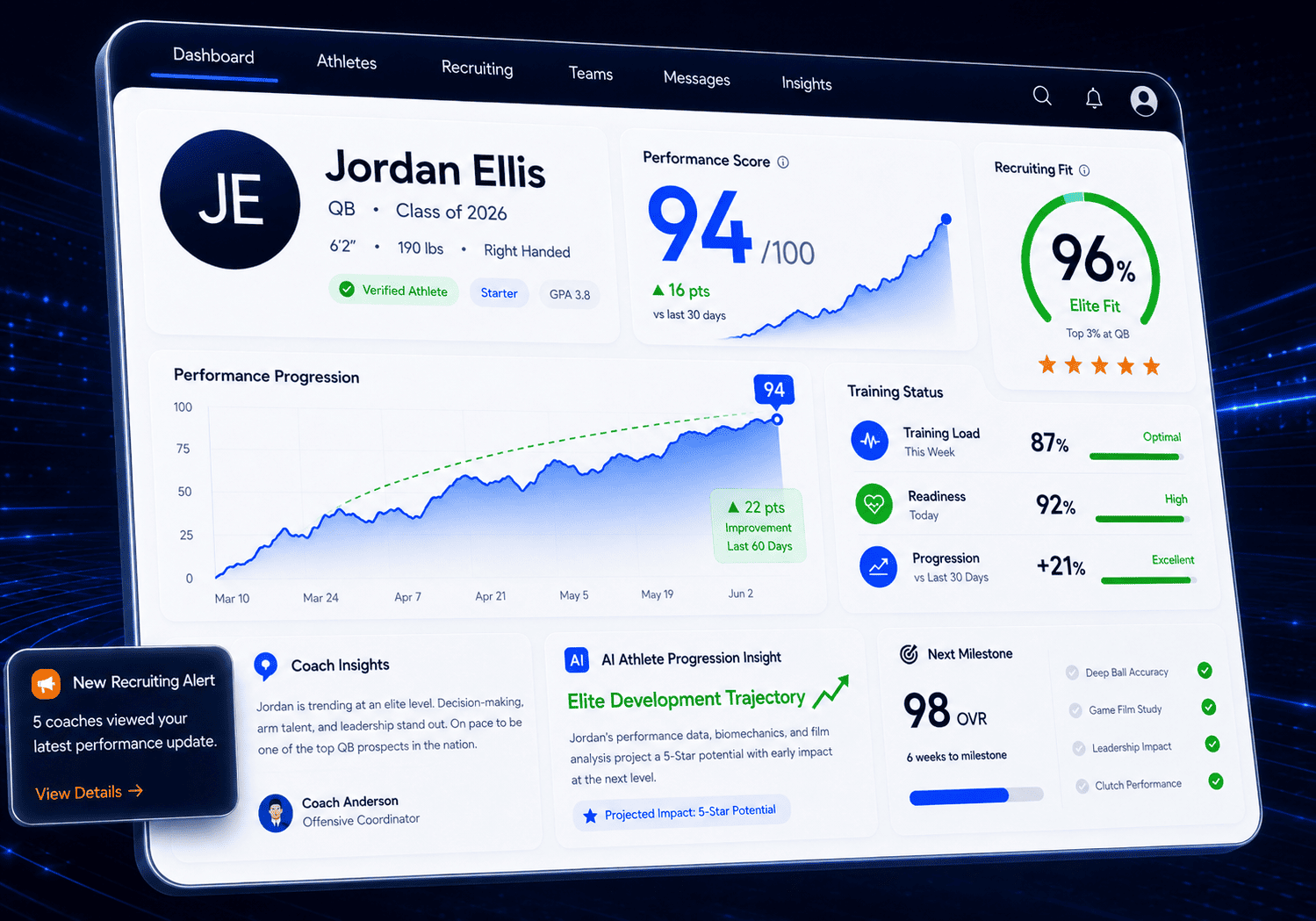
AI-Powered Sports Performance & Recruiting Platform for Virginia Clubs, Academies & Youth Programs

Plavno developed a custom sports technology platform for Virginia-based clubs and academies to combine athlete performance tracking, coach communication, recruiting workflows, and mobile engagement in one ecosystem.

Read More
3x

faster recruiting pipeline

AI-Powered Sports Performance & Recruiting Platform for Virginia Clubs, Academies & Youth Programs

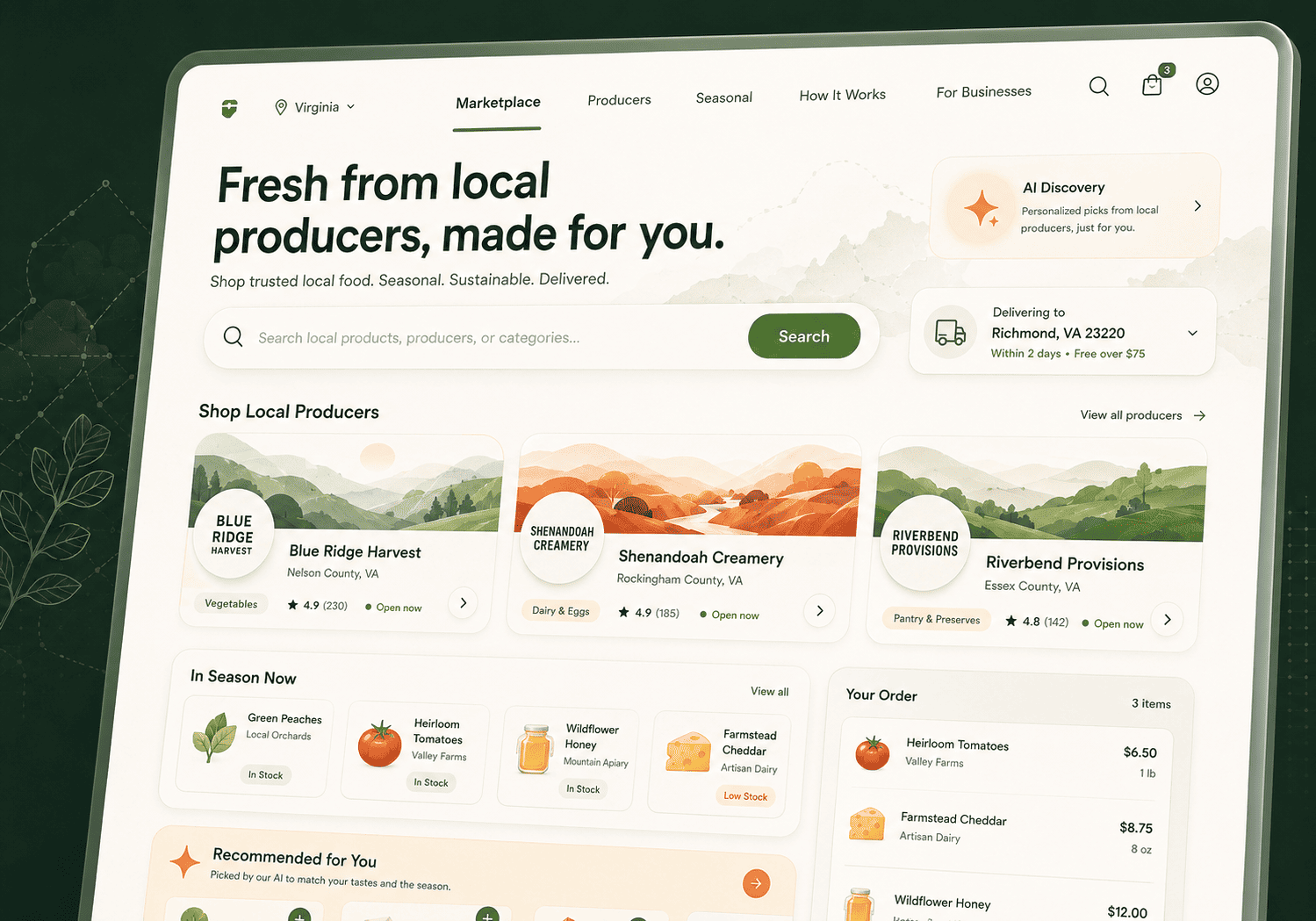
Digital Marketplace for Virginia Farmers, Local Producers & Direct-to-Consumer Food Sales

Plavno developed a custom multi-vendor marketplace for Virginia-based farmers, food producers, and regional sellers to unify product listings, vendor operations, customer ordering, and local fulfillment workflows.

Read More
3x

increase in product discovery relevance

Digital Marketplace for Virginia Farmers, Local Producers & Direct-to-Consumer Food Sales

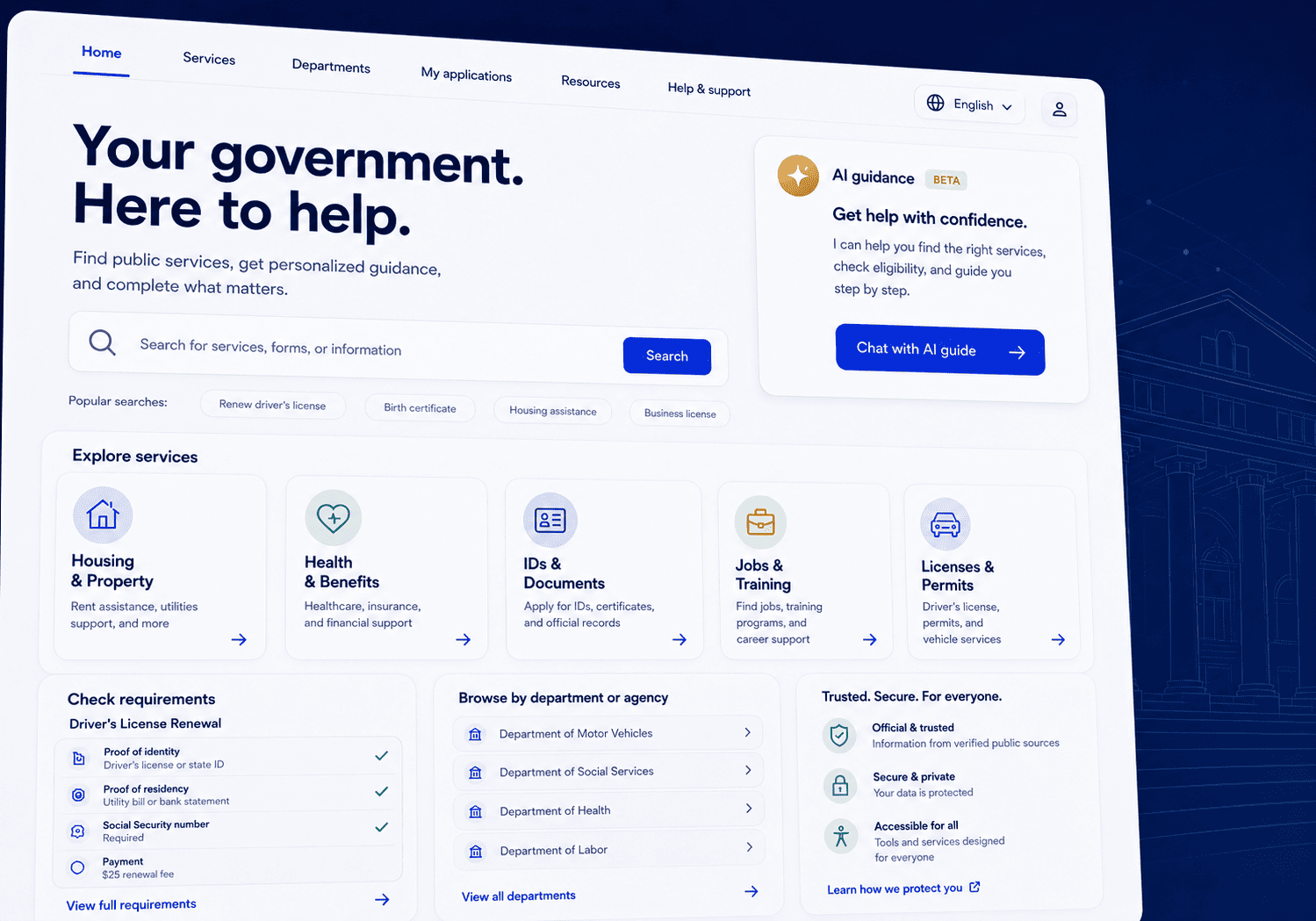
AI-Powered Citizen Services Website Platform for Virginia State Agencies

Plavno developed a modern eGovernment website platform for Virginia state agencies that centralizes citizen services, public information, department content, and an AI-powered guidance agent in one scalable system.

Read More
70%

reduction in routine citizen inquiries to agency staff

AI-Powered Citizen Services Website Platform for Virginia State Agencies

Data plane focus

Integration fabric that survives hospital IT review

Architecture talk fails when connectors are undefined. This build layer covers how Healthcare AI meets EHR modules, HRIS, identity providers, and content stores already living in Hampton systems. We favor event-friendly interfaces over brittle screen scrapes when the vendor allows it. Where only files exist, we use validated import paths with schema checks on every batch. Mapping tables sit in version control so the next engineer can see intent. Clients leave with diagrams their integration board can stamp.

Legacy platforms remain common across Virginia health networks. Nightly extracts may still feed analytics while real-time event streams cover only a slice of care. We design hybrid paths that do not promise latency the source cannot give. Caching layers store de-identified embeddings while identifiers stay in a separate vault. Retry policies respect vendor rate limits to avoid outage blame. Clear SLAs separate our agent latency from upstream downtime.

Subscription and marketplace patterns taught us to isolate billing and entitlement from core product logic. That discipline appears when a health network resells digital programs to affiliates. Entitlements decide which agents a partner site may call. Marketplace architecture and subscription billing logic stay outside the clinical path so payment bugs never block care workflows. Hampton groups exploring shared service models benefit from that split early.

Data quality risks get head-on treatment. Missing fields, conflicting patient IDs, and stale policies produce bad answers if unfiltered. We add validators that reject incomplete context before generation. Drift monitors watch retrieval hit rates as content ages. Owners receive tickets when a source falls below agreed freshness. This operational habit protects credibility more than any model upgrade.

Cost control sits beside integration, not after it. Each connector carries expected call volume and a ceiling. Feature flags pause expensive paths during supplier incidents. Archival rules keep only evidence required by policy so storage bills stay predictable. Weekly reviews with your platform team keep the fabric honest as volumes grow. The result is Healthcare AI that IT will actually operate.

35%

Lower first-response labor

Measures staff minutes to first useful draft on named request types. Baseline comes from two weeks of time stamps before launch. Retrieval agents and macros produce the drop while reviewers still approve. Finance converts minutes into loaded labor cost for the business case.

2.1d

Faster packet completion

Tracks median days from document arrival to complete referral packet. Automation flags missing pages and reopens tasks to senders. Measured on a pilot unit over one quarter against the prior quarter. Shorter cycles improve specialty slot use and patient start times.

12%

Fewer repeat tickets

Counts reopened internal support tickets for the same knowledge question. Grounded answers and citation links reduce duplicate asking across shifts. Compared four weeks pre and post agent for the employee knowledge use case pattern. Supervisors reclaim focus time for exceptions that matter.

Architecture & Engineering Overview

Decisions that protect care operations in 2026

Release-tied outcomes

Release-tied outcomes

Labor minutes, denials & wait proxies gated to each ship

Three risk controls

Three risk controls

Mandatory retrieval, spend ceilings, queue co-design

Two funding horizons

Two funding horizons

One high-volume win first; expand only after your bar

Board-ready audit trail

Board-ready audit trail

Prompts, source IDs & reviewer actions retained jointly

For Business: Technical ROI & Risk Mitigation

Leaders in Hampton care organizations buy outcomes, not notebooks full of model chatter. The winning case ties labor minutes, denial rates, and patient wait proxies to each release gate. We start with a baseline taken from your systems of record so scholars of the budget can audit it. Pilot scopes stay narrow enough to finish inside a fiscal quarter. That keeps political capital intact if early numbers miss.

Risk concentrates in three places: wrong answers, silent cost growth, and staff rejection. Wrong answers fall when retrieval is mandatory and citations stick to the draft UI. Cost growth falls when each workflow has a monthly ceiling with alerts. Staff rejection falls when we co-design with the people who live in the queue. None of these are abstract values. Each becomes a weekly metric you can see.

A real internal knowledge agent we shipped focused on employee questions and knowledge lookup. It used an LLM agent, enterprise search, and retrieval-augmented answers tied to workflow automation. That mix reduced repeat questions without letting the model invent policy. Healthcare desks use the same pattern with stricter role filters. Capital expense stays light because cloud metering replaces heavy on-prem clusters for most clients.

Opportunity cost matters as much as software cost. Every week spent on a vague AI lab is a week not spent on a measured queue win. Our proposals show two horizons. Horizon one clears a single high-volume pain. Horizon two expands only after metrics clear a threshold you set. That structure protects 2026 budgets from endless runs.

Board risk includes regulators and insurers asking how decisions were formed. Stored prompts, source IDs, and reviewer actions create the audit story they demand. You control retention windows jointly with compliance. When a dispute arrives, you produce the trail in hours, not weeks. That alone can justify the program for risk officers.

Governance gates

Governance gates

Identity, data contracts, evals & runbooks before traffic

Dev & stage proof

Dev & stage proof

Unit tests, offline evals, shadow traffic on real tickets

Canary production

Canary production

Feature flags, rollback owners, drift freeze triggers

Exit-ready fabric

Exit-ready fabric

Exportable prompts, IaC, isolated multi-tenant keys

For CTOs: Architecture & Technical Lifecycle

Lifecycle work begins before a single prompt is awarded production status. Governance gates force identity, data contracts, evaluation, and runbooks to exist prior to traffic. Kickoff defines environments, secret handling, and who can promote a change. Architecture decision records capture why a vendor model or open weights path won. Future hires will thank you for that clarity.

Trade-offs appear early between latency and groundedness. Heavier retrieval raises answer quality and can add hundreds of milliseconds. Care desks accept that delay when safety rises. Consumer chat patterns do not apply on clinical adjacent work. We document the choice with measured p95 latency under peak.

Promotion flow looks familiar to serious platform groups. Dev proves unit tests and offline evals. Stage runs shadow traffic against historical tickets. Production uses canaries and feature flags with rollback owners on call. Post-release reviews check cost and quality against the charter. Drift triggers a freeze until root cause lands.

Multi-tenant affiliate models need clean isolation of indexes and keys. Lessons from marketplace architecture and subscription billing inform how entitlements gate agent features. You avoid cross-tenant leakage while still sharing improved components. CTOs across Virginia multi-hospital groups care about that more than model fashion. We design for their audit committees from day one.

Exit strategies are part of the lifecycle, not a later negotiation. Exportable prompts, evaluation sets, and infrastructure as code leave with you. No hostage data lakes. That reduces lock-in risk if strategy shifts in a later budget year.

APIs & hybrid retrieval

APIs & hybrid retrieval

Scoped auth services; keyword + embedding search with selective rerank

Generation safety

Streamed generation + filters

Token stream to UI; policy lists block ungrounded care claims

CI evaluation gates

CI evaluation gates

Rubric gold sets fail the build when scores drop past deltas

Edge paths & traces

Edge paths & traces

Refuse empty retrievals; degrade to queues; redacted on-call hooks

For Engineers: Implementation Details & Stack

Engineers inherit systems that must stay boring under load. We choose components for operability and clear failure modes, then prove them on your data. Application services sit behind authenticated APIs with explicit scopes. Retrieval uses hybrid keyword and embedding search so rare policy codes still match. Rerankers run only when the first pass is weak to save cost.

Generation steps stream tokens to the UI for perceived speed while full answers wait on safety filters. Filters catch prohibited care instructions and ungrounded drug claims using policy lists you control. Structured outputs feed forms instead of free text whenever possible. That lowers parse errors downstream. Offline jobs refresh indexes when CMS or internal policy docs change.

Evaluation code is first-class. Rubric-based evaluation and feedback generation work from the AI grader program informs how we score free-text drafts. Gold sets freeze so regressions are obvious. Continuous integration fails the build when scores drop past agreed deltas. Engineers see but do not silently override those gates.

Edge cases dominate production pain. Empty retrievals must refuse rather than invent. Source conflicts must surface both versions. Timeouts must degrade to human queues with full context attached. We code these paths first, not as afterthoughts. Load tests include the ugly Monday morning spike patterns common to call centers.

Observability hooks emit traces with redacted payloads and raw metadata for debugging. Token counters with workflow tags land in the same metrics system used for APIs. On-call runbooks name the first five checks for quality incidents. Handoff includes a week of paired ops so your staff is not alone on night one.

First-class signals

First-class signals

Groundedness, override rate, cost/task, connector health

HIPAA-mapped controls

HIPAA-mapped controls

Encryption, BAAs, access cadence, continuous evidence

Your-cloud deploy

Your-cloud deploy

Private paths, break-glass audits, tested RTO/RPO

Incident & cadence

Incident & cadence

Privacy trees, tabletops, monthly cost & dual-approved upgrades

Infrastructure, Observability & Security

US healthcare deployments fail audits when monitoring is aesthetic only. We monitor answer groundedness, human override rate, cost per successful task, and upstream connector health as first-class signals. Dashboards separate clinical adjacent workflows from pure back-office ones. Alerts page people who can act. Vanity graphs never wake anyone at 2 a.m.

Compliance work covers HIPAA administrative, physical, and technical themes with your officers leading outcomes. Encryption, access review cadence, BAAs with subprocessors, and breach simulation steps make the binder real. SOC 2 controls map to the same change management process we already run. Evidence collection is continuous rather than annual panic. Local Virginia counsel can review wording before contracts close.

Deployment remains inside your cloud accounts when policy demands it. Network paths stay private where possible. Secrets never live in tickets or chat logs. Break-glass access writes immutable audit events. Disaster recovery tests restore indexes and configs on a named schedule with pass or fail records. RTO and RPO values are written numbers, not hope.

Incident response scripts define severity for privacy events versus mere performance events. Communication trees include privacy officers for suspected PHI exposure. Forensic retention keeps enough logs without endless storage growth. Tabletop exercises run before major go-lives. That discipline matters more than logo walls on vendor decks.

Post-launch operations include monthly cost reviews and quarterly access recertification. Model or prompt upgrades require evaluation proof and dual approval. Drift reports gather cases where humans rewrote drafts heavily. Those cases grow the gold set. Continuous care of the system is budgeted work, not free magic after the party.

Maturity model

How Hampton teams move from pilots to autonomy

A capability ladder that prevents over-automation before data and trust are ready.

Clipboard
Team
01

Step 1: Manual with assist (2–4 weeks)

Staff keep full ownership while the system drafts suggestions only. Reviewer actions become training signal and quality truth. No automatic writes leave the sandbox. Leadership sees real acceptance rates before investing further. Training focuses on citation checks and escalation rules. This stage builds trust without risking patient-facing mistakes.

02

Step 2: Assisted queues (3–6 weeks)

Approved intents auto-route with a prepared draft already attached. Humans still press send on anything involving care or money. Metrics track edit distance and time saved per ticket. Weak intents return to pure manual. Change control remains tight while volume expands across shifts. Hampton units often park here for months on purpose.

Search in doc
Rocket
03

Step 3: Conditional automation (4–8 weeks)

Low-risk tasks close without a person when checks pass hard rules. Examples include FAQs with perfect retrieval scores and complete packets. Everything else stays assisted. Kill switches and daily audits continue. Finance validates that error cost remains below labor savings. Only then does wider autonomy enter the plan.

04

Step 4: Managed autonomy (ongoing)

Multiple workflows run with explicit SLOs and on-call ownership. Quarterly reviews retire weak automations without drama. New intents enter at step one instead of skipping ahead. Cost, quality, and satisfaction stay on one scorecard. Continuous investment replaces one-off project thinking. That is the steady state for serious operators.

Testimonials

We are trusted by our customers

“They really understand what we need. They’re very professional.”

The 3D configurator has received positive feedback from customers. Moreover, it has generated 30% more business and increased leads significantly, giving the client confidence for the future. Overall, Plavno has led the project seamlessly. Customers can expect a responsible, well-organized partner.

Sergio Artimenia

Commercial Director, RNDpoint

Sergio Artimenia

“We appreciated the impactful contributions of Plavno.”

Plavno's efforts in addressing challenges and implementing effective solutions have played a crucial role in the success of T-Rize. The outcomes achieved have exceeded expectations, revolutionizing the investment sector and ensuring universal access to financial opportunities

Thien Duy Tran

Product Manager, T-Rize Group

Thien Duy Tran

“We are very satisfied with their excellent work”

Through the partnership with Plavno, we built a system used by more than 40 million connected channels. Throughout the engagement, the team was communicative and quick in responding to our concerns. Overall, we were highly satisfied with the results of collaboration.

Michael Bychenok

CEO, MediaCube

Michael Bychenok

“They have a clear understanding of what the end user needs.”

Plavno's codes and designs are user-friendly, and they complete all deliverables within the deadline. They are easy to work with and easily adapt to existing workflows, and the client values their professionalism and expertise. Overall, the team has delivered everything that was promised.

Helen Lonskaya

Head of Growth, Codabrasoft LLC

Helen Lonskaya

“The app was delivered on time without any serious issues.”

The MVP app developed by Plavno is excellent and has all the functionality required. Plavno has delivered on time and ensured a successful execution via regular updates and fast problem-solving. The client is so satisfied with Plavno's work that they'll work with them on developing the full app.

Mitya Smusin

Founder, 24hour.dev

Mitya Smusin

Readiness gate

Before you fund Healthcare AI in Hampton

  • Name the queue owner — Every funded workflow needs a human owner with authority to change process. Without that person, drafts die in committees. Pick one high-volume desk with measurable pain and available coaches. Document who approves content and who pays for tokens. Confirm they can give two hours a week through launch. Write the names into the charter before vendors start.

  • Inventory systems of record — List EHR modules, ticketing, identity, content libraries, and file shares that matter. Note API quality, rate limits, and who issues credentials. Mark which data is PHI versus operational only. Capture batch windows that constrain freshness. If nothing integrates, plan file-based pilots first. Share diagrams with security early to avoid surprise denials.

  • Freeze a gold set — Pull at least two hundred real tickets or documents with ideal answers. Mask identifiers before they leave your secure area. Have SMEs rate what good looks like in plain rubric language. Store versions so tests stay honest over time. Refuse to skip this even when pressure mounts. Quality claims without a gold set are theater.

  • Set budget and stop-loss — Decide monthly cloud and model ceilings per workflow before code lands. Include staff time for review, not just vendor fees. Define what metric must move to continue funding after ninety days. Assign finance a dashboard seat from week one. Prepare a humble kill criteria if reality misses plan. Transparency keeps trust with Virginia leadership teams.

  • Plan post-launch staffing — Automation still needs on-call, content editors, and evaluation owners. Name the people and the hours before go-live speeches. Schedule the first three tuning sprints on the calendar now. Decide how user feedback becomes tickets. Stay honest if you lack capacity. Delay is better than a silent collapse after month two.

Vitaly Kovalev

Vitaly Kovalev

Sales Manager

Request your Hampton Healthcare AI readiness audit

Share budget range, timeline, current stack, and dataset scope. Receive a scored readiness audit and cost estimator built for Hampton businesses within one business day.

Talk to Experts
plavno logo

Build your first
Smart AI project today!

Just tell the Plavno AI Agent about your project - it will ask questions, gather requirements, and propose a tailored solution

Common questions

Healthcare AI questions from Virginia buyers

Straight answers on cost, timing, data, quality, security, and life after launch for Hampton teams.

What drives the cost of Healthcare AI services for a Hampton health group?

Cost follows scope, data difficulty, and how many systems must connect on day one. A single internal knowledge workflow with clean documents costs far less than claims automation across multiple EHRs. Model usage, human review time, and secure hosting each add a visible line. Hampton labor rates and after-hours coverage for go-live also matter in the total.

We price discovery as a fixed effort so you are not guessing. Implementation is then broken by workflow with clear exits. If retrieval quality is weak, we budget content cleanup before fancy features. Token ceilings are set early so finance is not surprised mid-quarter. Integrations into legacy servers can dominate the schedule and therefore cash.

Local market factors include the need for BAAs, penetration tests, and more stakeholder reviews than a typical SaaS pilot. Those reviews add calendar time that shows up as professional services hours. Multi-site systems across Newport News and Norfolk sometimes need separate identity mappings. That is real cost, not padding.

You control cost by freezing intent lists, supplying gold sets fast, and naming decision makers who do not stall. We report weekly burn against the plan. If priorities shift, we re-scope rather than quietly overrun. Ask for the Healthcare AI cost estimate package when you are ready with budget range and dataset notes.

How long does it take to build Healthcare AI software?

A focused MVP for one assisted workflow often lands in eight to twelve weeks once data access is live. That window covers baseline measurement, contracts, agent build, and a controlled pilot desk. Broader programs that add automation gates, multiple facilities, and training tracks can run two to three quarters. Calendar time expands when credential provisioning is slow.

MVP means a reviewer always sits between the model and any high-impact action. Full deployment means specific intents may close under rules after quality evidence clears. Those are different finish lines and must not be sold as the same. We write both timings into the charter on day one.

Dependencies kill optimism. If content is scattered across unmanaged drives, plan extra weeks for cleanup. If the EHR team can only test at night, engineering throughput drops. Virginia multi-hospital approvals sometimes insert extra security gates. We surface those risks in the plan rather than burying them.

After first go-live, continuous improvement never truly ends. Expect sustained two-week tuning cycles early, then lighter monthly work. That operations work is part of total time ownership. Buyers who only fund build and ignore operations watch quality fade. We help you staff that reality before signatures.

What data do you need before Healthcare AI implementation starts?

We need representative tickets, documents, policies, and the identity groups that map to real roles. Ideal cohorts include at least several hundred samples per major intent after de-identification. Schema definitions for any system we will call are mandatory. Retention rules and PHI boundaries come from you, not from us inventing them.

If structured APIs exist, we request sandbox credentials with least privilege. If only files exist, we need a secure transfer path and a dictionary of fields. Historical outcomes help evaluation more than raw volume of noise. Bad data creates confident wrong drafts, so quality beats quantity.

Gold answers written or approved by SMEs turn evaluation into science. These sets are frozen and versioned. Without them every demo becomes opinion theater. We also ask for known failure examples such as conflicting policies. Those cases train refusal behavior.

During discovery we often find shadow spreadsheets that actually run the desk. Capture those early. Hampton programs that skip inventory lose months later. Your security team should watch the transfer methods from the start. That partnership keeps speed and safety aligned.

How do you evaluate and measure Healthcare AI quality?

Quality is a measured comparison against a gold set and against human edit rates in production. Offline, we score groundedness, completeness, and policy safety with rubric-based evaluation similar to our AI grader work. Online, we watch accept, edit, and reject decisions with reasons. Both views are required.

We refuse single vanity accuracy numbers without a defined set and timeframe. Metrics name the baseline, the change, the unit of work, and the window. For example, repeat ticket rate might drop across four weeks for a named knowledge category. Finance then maps that to labor hours.

Human review remains essential on clinical adjacent content. Sampling plans show what portion of drafts leaders will inspect per week. Thresholds trigger freezes when quality slips. Evaluation is continuous, not a one-time accept test. Engineers cannot promote prompts that fail the harness.

Clients receive readable quality packets, not only dashboards only data scientists enjoy. Executives see trend arrows tied to business KPIs. Engineers see failing cases with links to sources. That shared language keeps the program honest across Hampton leadership layers.

How do you handle HIPAA, security, and compliance for Healthcare AI?

Security design begins with data classification and minimum necessary access. PHI stays inside controlled environments with encryption in transit and at rest. Identity inherits your SSO groups so access ends when employment ends. Logging captures who retrieved what and which draft was approved. BAAs cover subprocessors before any data flows.

We align technical controls to HIPAA safeguard categories and support SOC 2 style change evidence when your program requires it. Pen tests and tabletop breach exercises are scheduled, not optional theater. Secrets management, private networking, and break-glass auditing are standard in the runbook. Nothing relies on a single engineer memory.

Model providers are vetted for contractual data use terms. Where policy demands, inference stays in your tenant with no vendor training on your content. Redaction pipelines strip identifiers when a lower-risk path is enough. Refuse to send what you do not need.

Compliance is shared work. Your officers set residual risk acceptance. We supply diagrams, control narratives, and evidence packs. Together we keep board and regulator questions answerable in plain English. That is how Virginia health operators stay safe while still shipping software.

Contact Us

This is what will happen, after you submit form

Need a custom consultation? Ask me!

Plavno has a team of experts ready to start your project. Ask us!

Vitaly Kovalev

Vitaly Kovalev

Sales Manager

Schedule a call

Get in touch

Fill in your details below or find us using these contacts. Let us know how we can help.

No more than 3 files may be attached up to 3MB each.
Formats: doc, docx, pdf, ppt, pptx, xls, xlsx, txt.
Send request