bg image
bg image

Serving Alexandria & Virginia

Cut manual backlog costs for Alexandria teams before 2026 budgets freeze

Alexandria operators lose weeks each quarter to hand-built reports, ticket triage, and scattered internal tools. Custom AI Development turns those repeat queues into controlled systems your staff actually runs. This page is for Northern Virginia companies that need measurable output, not lab demos. Government contractors, professional services firms, and mid-market operators get clear scope, fixed milestones, and ownership of the models. We map your workflows, pick the right data surface, and ship that does not stall after pilot. Get Custom AI Development cost estimate in 24 hours. Bring budget range, timeline, stack, and dataset scope so proposals stay honest.

Discuss Project

Overview

Why Alexandria operations stall without owned AI systems

Alexandria sits at the center of Northern Virginia federal work, contractor pressure, and dense professional services corridors. Teams in Crystal City, Arlington, and Old Town still move case files, HR content, and compliance packets by hand. That creates lag on contracts and weak audit trails. Custom AI solutions exist to remove that lag with owned code and owned data, not rented chat windows. Leaders who need durable output come to us for systems that survive real production load.

We work with US-based clients, including companies operating in Virginia. Trusted Custom AI Development Partner for Alexandria Businesses means plain statements of scope, risk, and cost before a line of model code ships. A typical first engagement lists the workflows that burn staff time, ranks them by dollar impact, and picks one path with a clean success metric. You keep the models, prompts, and pipelines. No lock-in narratives. We already delivered 10+ Custom AI Development projects in the US market with the same ownership rules.

Nearby operators in Fairfax, Tysons, Reston, and Pentagon City face the same pattern. SharePoint libraries grow stale. Department access rules break. Employees cannot find policy, onboarding, or contract artifacts fast enough. One recent path moved an employee portal off SharePoint into a modern internal content hub with department-level permissions. That pattern translates directly into how we stage AI software development services for content ranking, retrieval, and access-aware assistants.

Technical approach stays practical. We combine retrieval layers, structured content services, and supervised workflows so predictions never bypass human approval on regulated work. When the job needs full product ownership, our custom software practice supplies the application shell, auth, and deployment path around the models. Alexandria buyers get one delivery team for data contracts, interfaces, and model ops instead of three vendors fighting over stickers.

Outcomes stay financial. Fewer hours on triage. Faster answers for field staff. Cleaner handoffs to compliance. If your 2026 plan still funds another year of manual queues, this page shows how Northern Virginia teams replace grounded work with owned automation that finance can measure.

Talk to an Expert
Owned AI systems

Owned AI systems

Custom models, prompts, and pipelines you keep—no rented chat lock-in

Retrieval layers

Retrieval & content spine

Structured content services plus access-aware ranking for policy and contracts

Supervised workflows

Supervised workflows

Human approval gates on regulated queues with durable audit trails

Measurable outcomes

Finance-grade outcomes

Fewer triage hours, faster field answers, cleaner compliance handoffs

Core stack choices

Owned model pipelines Alexandria teams can operate daily

Alexandria clients receive a working product surface first, then the model graph behind it. We refuse slides that hide empty integrations. The default path starts with a structured content and API layer so documents, tickets, and user roles already exist as clean objects before any model call runs. For internal portals that pattern meant Payload CMS for editorial structure and Next.js for the employee-facing shell. Role-based access control and department-level permissions stayed inside the app, not bolted on later. That same spine accepts retrieval services and agent steps without rewriting access rules.

Core architecture is split into four planes. The application plane holds identity, routing, and UI. The data plane holds document stores, vectors when needed, and event logs. The model plane holds prompt templates, evaluation harnesses, and versioned endpoints. The control plane holds queues, retries, and human approval gates. Each plane has clear owners. Business users never touch model weights. Engineers never rewrite policy text through ad-hoc scripts. Security/compliance sits in the control and data planes so contractor work near Pentagon City and Mark Center keeps audit trails without slowing daily use.

DevOps is not an afterthought. We ship containerized services, staged environments, and migration scripts that match how federal-adjacent teams already deploy. Feature flags cut risk when a retrieval change might alter staff answers. Observability links latency, cost per call, and reject rates to the same dashboards finance already trusts. If cost peaks on a noisy source, we throttle that source before it burns the monthly budget.

Technology choices follow the job. Next.js carries authenticated employee experiences because it renders fast and keeps secrets server-side. Payload CMS stores structured internal content with editorial workflows staff already understand. Python services wrap model calls when evaluation loops matter more than glossy front ends. We pick managed vector services only when volume justifies them; small corpora often run on disciplined relational search first. Every extra dependency must cut delivery time or risk. Otherwise it stays out.

What was actually built teaches the rules we still use. Moving an employee portal from SharePoint forced department permissions, stable APIs, and searchable content before any AI layer could help. That fixed order protects Alexandria buyers from models that answer from chaos. Your first release gets the same discipline: clean data contracts, owned prompts, measured evals, and a UI your staff opens daily without training theater.

plavno logo

Build your first
Smart AI project today!

Just tell the Plavno AI Agent about your project - it will ask questions, gather requirements, and propose a tailored solution

Delivery capabilities

Five outcomes Alexandria buyers fund in 2026

Workflow triage assistants

Workflow triage assistants

Alexandria service desks drown in tickets that follow the same paths every week. Staff burn hours reclassifying noise before specialists act. We build assistants that draft routing, summary, and next-step text inside the tools teams already open. Python services score intent while the application enforces who can accept or override. Human approval stays mandatory on regulated queues. Result is shorter queues and cleaner handoffs across Northern Virginia contractors.

Access-aware knowledge hubs

Access-aware knowledge hubs

Internal search fails when policy lives in five SharePoint trees. Employees waste mornings hunting versions. We structure content first, then add retrieval that respects department roles. Payload CMS holds the editorial model. Next.js serves the authenticated hub. Answers never cross clearance boundaries your security team defined. Arlington and Crystal City firms gain one place where policy, SOPs, and project packets stay current.

Contract intelligence layers

Contract intelligence layers

Government contractors near Alexandria track clauses, certifications, and submission windows under tight deadlines. Missed dates cost bids. We extract structured fields from proposal packs and surface risk flags early. Document pipelines feed a review UI with evidence links for humans. Models never file alone. Legal and capture teams keep final say while machine checks reduce late surprises before blue-team reviews.

Ops cost monitors for model spend

Ops cost monitors for model spend

Unwatched inference bills rise faster than headcount in mid-market shops. Finance loses trust when usage lacks labels. We instrument per-workflow cost, latency, and reject rates from day one. Alerts fire when a path drifts above budget ceilings you set. Teams in Fairfax and Reston keep AI spend visible beside other cloud lines. Cut waste without freezing useful automation mid-sprint.

Integration-ready AI services

Integration-ready AI services

New tools fail when they sit outside email, ERP, or case systems. Staff ignore another login. We expose durable APIs and event hooks so predictions land where work already happens. Legacy connectors handle older government systems that still matter. Next.js shells and secure callbacks keep credentials out of browsers. Alexandria operators get AI inside the process, not beside it as a demo island.

Custom AI Development Solutions for Alexandria Industries

Regional work that pays for itself within one budget cycle

Northern Virginia demand clusters around federal work, professional services, healthcare admin, and logistics tied to the capital corridor. Each path below maps a local pain to a owned delivery pattern.

Proposal Rooms

Proposal Rooms

Clause Extract

Federal contractor proposal rooms

Capture teams in Alexandria and Crystal City juggle past performance, certifications, and q-and-a under brutal clocks. Manual scans miss clause conflicts until late red lines. We build structured extractors that tag sections, ownership, and due dates into a shared review board. Reviewers still decide; the system reduces first-pass miss rate on known checklist items. ROI often shows as fewer abandoned packages and tighter senior review hours. Technically the flow pairs document parsers with role-gated review queues and audit logs for every model suggestion.

Knowledge Desks

Knowledge Desks

Role Retrieval

Professional services knowledge desks

Consulting firms across Arlington lose billable time hunting outdated binders. Junior staff recreate answers seniors already wrote. Access-aware retrieval surfaces prior work with department filters still enforced. Payload-style content models keep ownership clear while search ranks by recency and role. Firms reclaim discovery hours each week without opening unrestricted chat on client files. Soft ROI lands as faster ramp for new hires and fewer duplicate research tickets across offices.

Claims Support

Claims Support

Admin Drafts

Healthcare admin and claims support

Regional health admins near Alexandria still key status updates between portals that never talk. Errors grow as staff volume spikes. Draft-assist tools prepare status notes and missing-field prompts for human send only. PHI stays behind scoped APIs with encryption and access logs. Groups cut rework loops when drafts arrive patient or with clear gaps. Stack uses secure APIs, strict redaction steps, and evaluation sets built from de-identified samples your compliance lead clears first.

Municipal Queues

Municipal Queues

Guided Replies

Municipal and county services queues

Local government offices serving Alexandria residents flood inboxes with repeat requests. Agents spend mornings restating the same policy passages. Guided response systems offer draft language tied to published SOP text, not free invention. Overrides stay logged. Managers see which topics keep rising so policy pages get real fixes. Citizens feel faster replies while staff keep full control. Implementation links source content libraries to retrieval services and an agent workspace inside existing case tools.

Training Libraries

Training Libraries

Gated Access

Defense-adjacent training libraries

Training groups supporting Pentagon-area programs wrestle with outdated PDFs and mixed classification rules. Search that ignores labels is unsafe. We structure courses, mark sensitivity, and gate retrieval to cleared roles only. Instructors update once; learners see the current packet automatically. Program offices reduce re-publish churn and wrong-version risk. Technical path uses structured CMS metadata, hardened auth, and offline-ready packages for restricted rooms when cloud calls are blocked.

Facility Ops

Facility Ops

Ticket Routing

Logistics and facility operations

Facility operators along the Beltway track vendor tickets, access lists, and maintenance images in separate inboxes. Patterns hide until something fails. Classification and summarization services group events, surface repeat failures, and draft work orders for supervisors. Crews spend less time rewriting the same note. Downtime reports improve because events finally share a schema. Pipelines combine sensors or form intake with model-assisted labels and a Next.js board supervisors open on phones.

Engagement sequence

How Alexandria projects move from brief to production gate

A fixed six-phase path keeps scope honest and protects budgets when data quality surprises appear mid-build.

Clipboard
Team
01

Step 1: Discovery workshops (1–2 weeks)

We map the money-losing workflows with your operators, not only sponsors. Sessions capture sample tickets, access rules, and failed past pilots. You receive a ranked backlog with risk notes and a single recommended first slice. Datasets get a quality score so model dreams stay attached to reality. Contract language and security constraints land here before estimates harden. Timeline stays one to two weeks so momentum does not die in analysis.

02

Step 2: Data contracts & sandbox (2 weeks)

Engineers freeze schemas for documents, users, and events. We stand a sandbox with sample volumes that mirror Alexandria production quirks. Redaction rules and role maps become code, not slides. Clients review sample payloads and reject junk sources early. Evaluation sets begin with human-labeled gold rows. Two weeks is typical when sources already exist and lag when they do not.

Search in doc
Rocket
03

Step 3: Thin vertical slice (2–3 weeks)

One end-to-end path ships with UI, auth, model call, and audit log. No multi-team fantasy. Stakeholder demos use live roles from your SSO. Metrics capture latency, cost per run, and human override rate. We discard fancy features that never touch the profit path. This slice becomes the living contract for the rest of the build.

04

Step 4: Hardening & evals (2–4 weeks)

We expand test cases, adversarial prompts, and fail-closed behavior. Secure headers, secret rotation, and department permissions get load tests. Finance sees projected monthly inference cost under expected traffic. Your team walks incident playbooks before go-live. Gaps found here cost less than production firefights next quarter.

Case Study

We help customers cut
down on development

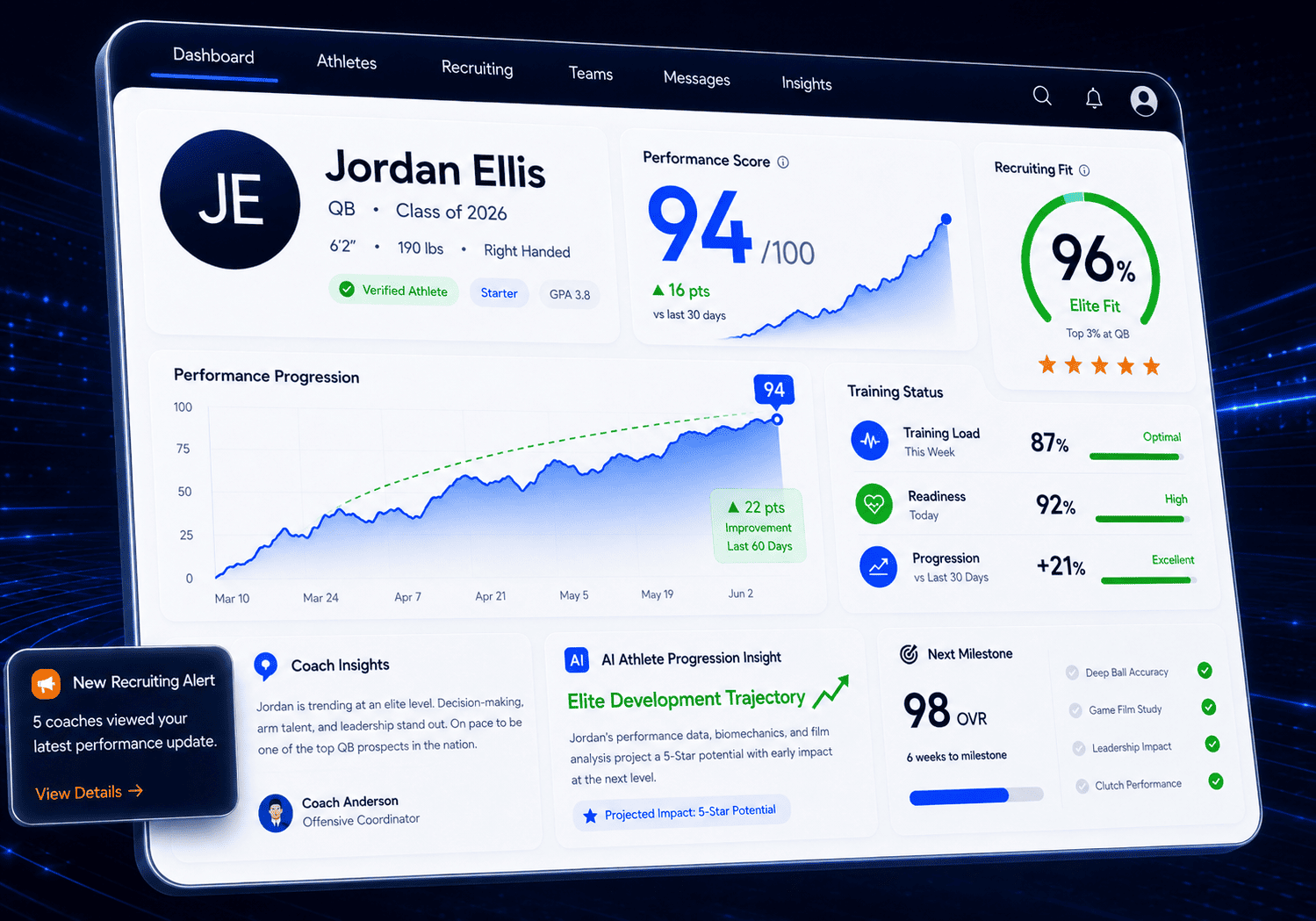
AI-Powered Sports Performance & Recruiting Platform for Virginia Clubs, Academies & Youth Programs

Plavno developed a custom sports technology platform for Virginia-based clubs and academies to combine athlete performance tracking, coach communication, recruiting workflows, and mobile engagement in one ecosystem.

Read More
3x

faster recruiting pipeline

AI-Powered Sports Performance & Recruiting Platform for Virginia Clubs, Academies & Youth Programs

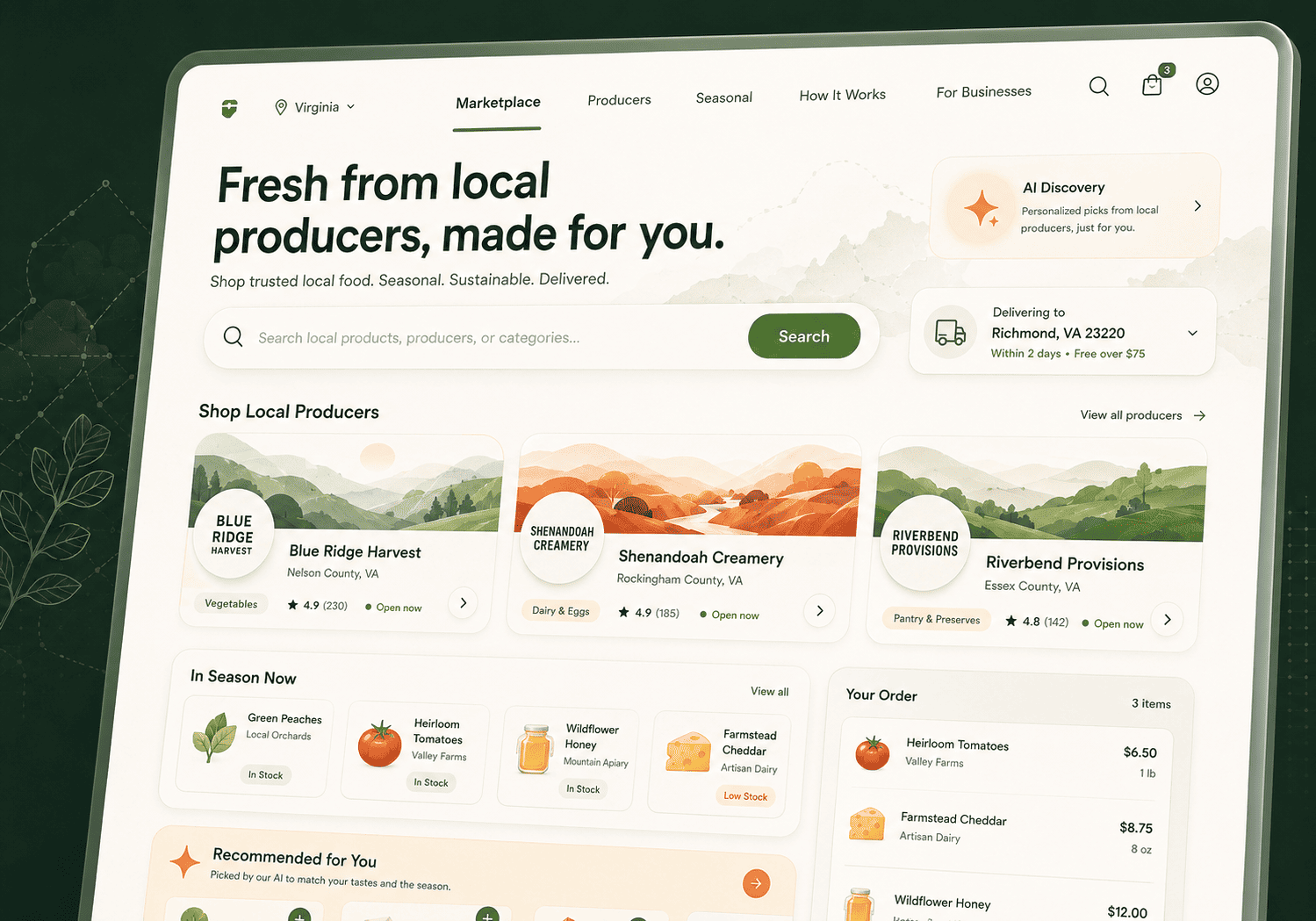
Digital Marketplace for Virginia Farmers, Local Producers & Direct-to-Consumer Food Sales

Plavno developed a custom multi-vendor marketplace for Virginia-based farmers, food producers, and regional sellers to unify product listings, vendor operations, customer ordering, and local fulfillment workflows.

Read More
3x

increase in product discovery relevance

Digital Marketplace for Virginia Farmers, Local Producers & Direct-to-Consumer Food Sales

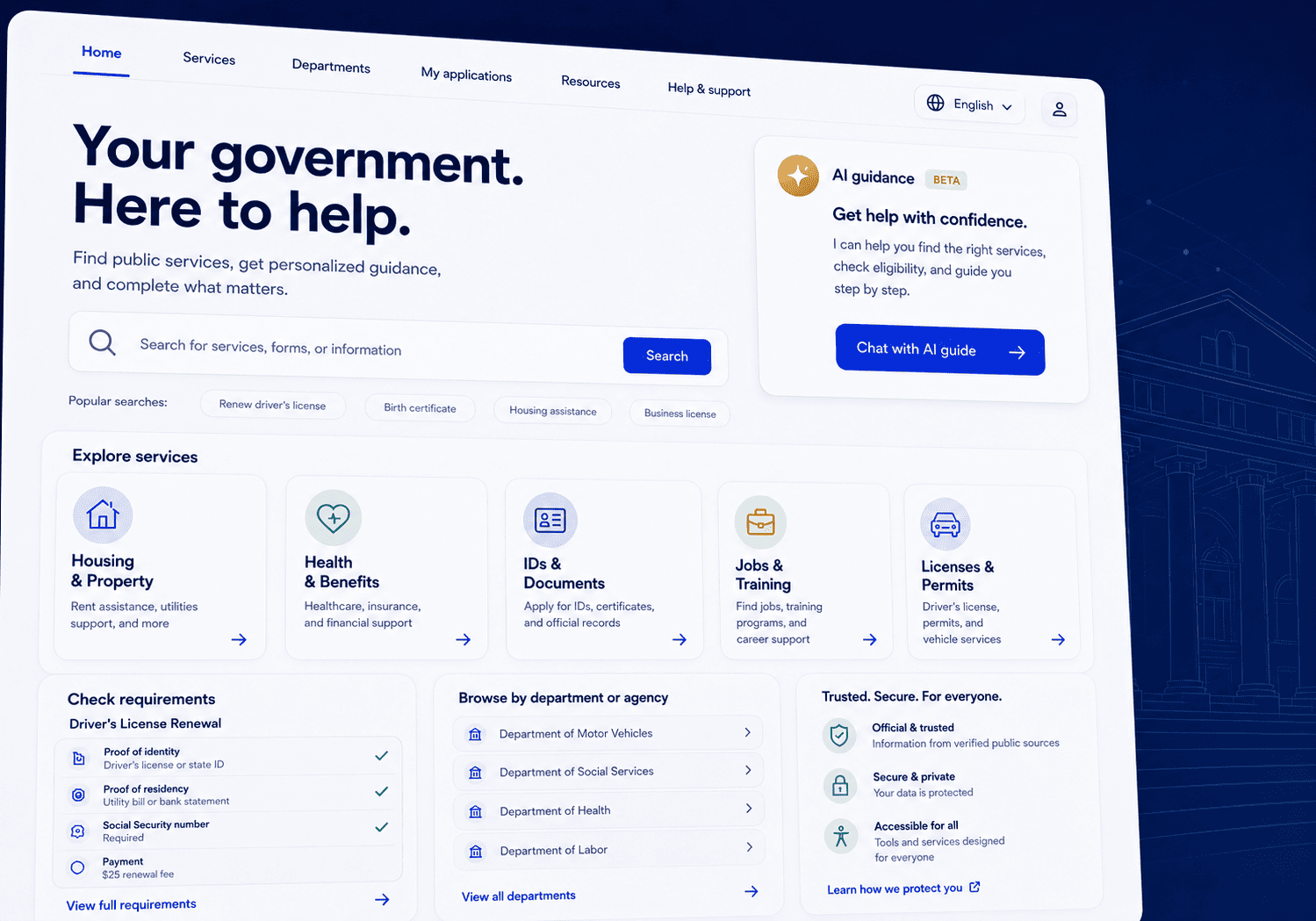
AI-Powered Citizen Services Website Platform for Virginia State Agencies

Plavno developed a modern eGovernment website platform for Virginia state agencies that centralizes citizen services, public information, department content, and an AI-powered guidance agent in one scalable system.

Read More
70%

reduction in routine citizen inquiries to agency staff

AI-Powered Citizen Services Website Platform for Virginia State Agencies

Testimonials

We are trusted by our customers

“They really understand what we need. They’re very professional.”

The 3D configurator has received positive feedback from customers. Moreover, it has generated 30% more business and increased leads significantly, giving the client confidence for the future. Overall, Plavno has led the project seamlessly. Customers can expect a responsible, well-organized partner.

Sergio Artimenia

Commercial Director, RNDpoint

Sergio Artimenia

“We appreciated the impactful contributions of Plavno.”

Plavno's efforts in addressing challenges and implementing effective solutions have played a crucial role in the success of T-Rize. The outcomes achieved have exceeded expectations, revolutionizing the investment sector and ensuring universal access to financial opportunities

Thien Duy Tran

Product Manager, T-Rize Group

Thien Duy Tran

“We are very satisfied with their excellent work”

Through the partnership with Plavno, we built a system used by more than 40 million connected channels. Throughout the engagement, the team was communicative and quick in responding to our concerns. Overall, we were highly satisfied with the results of collaboration.

Michael Bychenok

CEO, MediaCube

Michael Bychenok

“They have a clear understanding of what the end user needs.”

Plavno's codes and designs are user-friendly, and they complete all deliverables within the deadline. They are easy to work with and easily adapt to existing workflows, and the client values their professionalism and expertise. Overall, the team has delivered everything that was promised.

Helen Lonskaya

Head of Growth, Codabrasoft LLC

Helen Lonskaya

“The app was delivered on time without any serious issues.”

The MVP app developed by Plavno is excellent and has all the functionality required. Plavno has delivered on time and ensured a successful execution via regular updates and fast problem-solving. The client is so satisfied with Plavno's work that they'll work with them on developing the full app.

Mitya Smusin

Founder, 24hour.dev

Mitya Smusin

Architecture & Engineering Overview

What Alexandria sponsors, CTOs, and builders need before greenlight

Dollar-metered paths

Dollar meter + override

Every model path bound to spend tags and a supervisor-owned stop switch

Access in product spine

Access in the spine

Department permissions live in the app before any model decides what to show

Workflow cost freeze

Workflow cost freezes

Inference tagged per path so finance can kill noise without killing the platform

Full ownership exit

Owned exit path

Source, prompts, evals, and infra recipes stay yours—no black-box agents

For Business: Technical ROI & Risk Mitigation

Sponsors fund Custom AI Development to cut line items they already feel. Manual triage, late document finds, and repeated status calls top the Alexandria list. Technical decisions only matter when they move those costs without adding a second risk ledger of breaches or runaway bills. We therefore bind every model path to a dollar meter and an override path a supervisor owns. Pilots without both are paused.

Risk falls when access rules stay inside the product spine. The SharePoint-to-modern portal work proved department-level permissions belong in the application, not after a model decides what to show. That order stops accidental data exposure before marketing wants a flashy demo. Your legal team reviews the audit table format early so sign-off is ready when production traffic starts.

Cost control is designed, not hoped. Inference spend is tagged by workflow so finance can freeze a noisy path without killing the whole platform. Human time recovered is measured against baseline sample weeks, not vendor slideware. When a process only saves minutes on edge cases, we kill it. That discipline protects Northern Virginia budgets pressured by contract renewals and rate challenges.

Risk mitigation also covers vendor concentration. You hold source, prompts, evaluation sets, and infrastructure recipes. If strategy shifts, migration is painful but possible. We refuse black-box agents that hide logs. Transparency is how you defend the spend to boards and contracting officers who still distrust AI claims in 2026.

ROI conversations stay concrete. Fewer staff hours on status assembly. Faster time to first answer for field roles. Cleaner evidence packs during audits. The numbers come from your baseline, not invented percentages. If discovery cannot prove a path, we say so and stop before invoice three.

1

Decision gate first

Retrieval, classification, generation, or orchestration—written into an ADR with data readiness scores

2

Identity & shell freeze

Next.js shells and Payload-style CMS cores with versioned model APIs before feature branches thrive

3

Staged promotion gates

Sandbox → staging → production only after gold-set thresholds; schema/auth changes stay manual

4

Debt + exit criteria

Prompt drift and connector rot on the same backlog; named code owners and transferable runbooks

For CTOs: Architecture & Technical Lifecycle

Lifecycle starts with a decision gate: is the problem retrieval, classification, generation, or orchestration. Most Alexandria failures happen when teams skip that gate and jump to a single general model. We write the choice into an architecture decision record and attach data readiness scores. Only then do interfaces get designed.

Kickoff freezes identity, tenancy, and secret handling before any feature branch thrives. Next.js application shells and Payload-style CMS cores arrive when content and roles are the product. Separate model services attach through versioned APIs so you can replace a provider without rewriting staff UI. Trade-offs appear in writing. Latency budgets, cost ceilings, and data residency rules beat buzzwords.

Governance continues through staged environments. Sandbox receives synthetic or carefully redacted sets. Staging mirrors production identities with reduced data. Production unlocks only after evaluation thresholds Improve measured error rates on gold sets. Promotion is automatic for green builds and manual for schema changes that touch auth or permissions.

Technical debt gets scheduled like features. Prompt drift, embedding refresh, and connector rot sit on the same backlog as new screens. CTOs see burn charts for both. This prevents the post-launch silence where a pilot quietly dies while attention moves to the next RFP.

Exit criteria are written at start. Code owners named. Runbooks merged. On-call rotations costed. When we leave, your engineers can reproduce deploys without our laptops. That is the only lifecycle Alexandria federal-adjacent buyers accept under scrutiny.

Next.js surfaces
App plane

Next.js authenticated surfaces

Server components keep secrets off-client; predictable routing under load with audited server actions

Payload CMS
Content plane

Payload CMS collections

Drafts, roles, and hooks emit clean events—no brittle scrape jobs between services

Isolated model services
Model plane

Isolated model services

HTTP contracts carry tenant, request ID, and policy context; CI eval harnesses with frozen fixtures

Proportional search
Data plane

Proportional search first

Relational filters + BM25 before vectors; versioned embeddings and partial rebuild scripts

For Engineers: Implementation Details & Stack

Implementation favors boring pieces that survive staffing changes. Next.js holds authenticated surfaces because server components keep secrets off the client and routing stays predictable under load. Payload CMS models internal content with collections that already understand drafts, roles, and hooks. Those hooks emit clean events other services consume without brittle scrape jobs.

Model services live in isolated processes. HTTP contracts carry request IDs, tenant IDs, and policy context on every call. We prefer explicit tool definitions over unrestricted agent loops when regulated data is in play. Evaluation harnesses run on CI with frozen fixtures so a prompt tweak cannot slip untested into production. Latency budgets live as tests, not wish lists.

Search choices stay proportional. Small policy corpora often need strong relational filters plus BM25 before any vector index burns cash. When volume and synonym variety demand vectors, embeddings version along with the documents that produced them. Rebuild scripts are first-class citizens. Partial rebuilds after a single department update keep costs sane.

Production edge cases dominate design reviews. Partial SSO failures. Missing department tags on legacy media. Rate limits from upstream government systems. Each has a fail-closed path. Users see clear errors instead of confident nonsense. Feature flags isolate risky retrieval changes to pilot groups in Reston or Fairfax before full Alexandria rollout.

Local development mirrors production identity quirks with stub IdPs. Seed scripts rebuild the portal and sample content in minutes. Engineers ship weaker when setup takes a day. We refuse that drag. The stack exists to shorten the loop from bug report to verified fix.

Correlated traces

Correlated four-signal traces

Identity, data access, model I/O, and spend in one story—logs never hold secrets

Compliance patterns

NOVA compliance patterns

SOC 2 evidence flows, HIPAA-minded paths, and fed-adjacent logging without false cert claims

Four observability questions

Up · Slow · Costly · Wrong

Dashboards split app errors from model rejects; alerts on false-accept drift and latency breaches

Reproducible deploys

Reproducible US deploys

Containers, IaC, canary/blue-green, continuous scans, and PII quarantine queues post-launch

Infrastructure, Observability & Security

US clients near federal work demand measurable controls, not posters. We instrument identity, data access, model I/O, and spend in one correlated trace so incidents leave a story, not a mystery. Logs never hold secrets. Tokens rotate. Encryption covers data at rest and in transit with keys your cloud account owns when policy requires it.

Compliance support covers common Northern Virginia needs. SOC 2 aligned processes for evidence collection. HIPAA-minded patterns when health admin data appears. Fed-adjacent logging practices that make auditor questions answerable. We do not sell certifications we do not hold; we design systems that make your own audits less painful. Mapping controls to production configs starts in discovery.

Observability tracks four questions. Is the service up. Is it slow. Is it expensive. Is it wrong. Dashboards separate application errors from model rejects. Alerts page humans when false-accept rates climb or latency breaches budgets for ten minutes. Incident response playbooks name owners, freeze steps, and communication paths before any outage visits Friday night.

Deployment prefers reproducible artifacts. Containers, migration scripts, and infrastructure as code land in the same PR discipline as features. Rollbacks stay tested. Blue-green or canary patterns protect staff portals that cannot accept flash downtime during quarterly closes. Region choices stay inside US boundaries your security team specifies.

Post-launch security is continuous. Dependency scans, secret detection, and permission reviews run on schedule. Model outputs that include unexpected PII patterns trigger quarantine queues. That is how Alexandria operators stay ahead of silent drift instead of learning about it during a client-facing incident review.

Buyer criteria

Why Choose Us when agencies sell slides only

Engineering ownership, measurable cost controls, and access-aware delivery separate durable platforms from pilots that fade after the demo.

Generic Agencies
Our Platform (Deep Engineering Expertise)
Owned source, prompts, and eval sets
checkmark
Department-level access in the product spine
checkmark
Per-workflow inference cost dashboards
checkmark
SharePoint-to-modern portal delivery track record
checkmark
Slide decks with stock success stories
checkmark
Fail-closed behavior on auth or data errors
checkmark
US-based delivery with Virginia operating clients
checkmark
checkmark

Data, risk, spend

Where Alexandria AI work fails without disciplined integration

Second build concern is not model glamor. It is the fragile path between legacy systems, messy folders, and any prediction you dare show staff. Alexandria organizations often run a mix of SharePoint estates, older case tools, and SaaS HR stacks that never shared a schema. Custom AI that ignores that mess invents answers. We start with integration contracts that name every field, owner, and refresh cadence before prompts get clever.

Data quality gates sit in front of every model. Missing department tags block publish. Duplicate protocol files get merged with human confirmation. Latency budgets cover slow agency APIs so the UI never gaps blank while a connector hangs. Cost risk is treated as a product feature. Each connector and each model route carries a soft ceiling and a hard stop. When a noisy knowledge source burns tokens, it throttles automatically and opens a ticket instead of hiding the bill until month end.

Security around integration mirrors production threats federal contractors already list. Secrets stay in managed vaults. Service accounts hold least privilege. Cross-department leakage tests run before go-live with adversarial queries. The employee portal migration taught the same lesson in plain form. Role-based access control and department-level permissions belong in the content layer so later AI retrieval inherits hard limits. Skipping that order creates expensive rework and delayed ATO-style reviews.

Technical debt control is explicit. Connectors version. Payload-like content models refuse shadow fields that only one developer understands. Next.js app routes keep server actions audited. We retire experimental model paths that never beat the baseline classifier. Maintenance hours are budgeted monthly so post-launch does not mean silent rot. Alexandria buyers who plan 2026 growth need that boring discipline more than another pilot badge.

What clients receive is a living integration map, runbooks for source outages, and a cost panel finance understands. Models become replaceable components, not sacred cores. That posture keeps your options open when providers change pricing overnight and when audit demands suddenly expand.

Capability maturity

Raise Alexandria AI maturity without gambling production

Four maturity gates move teams from manual work to supervised automation while proving each stage with live metrics.

Clipboard
Team
01

Step 1: Manual baseline capture (2 weeks)

Operators log real task times, error types, and handoff pain for the chosen workflow. We attach sample artifacts and note tool friction inside existing systems. Leaders see unromantic truth before dreams arrive. Baseline numbers lock so later claims stay honest. Security reviews list must-keep controls from day one. Two weeks keeps the exercise crisp and funded.

02

Step 2: Assisted drafts only (3–4 weeks)

Models propose text or labels while humans accept or reject every output. Interfaces show evidence links and confidence without hiding uncertainty. Override reasons feed the next training or prompt cycle. Cost and latency dashboards go live early. No automated side effects touch external systems. Staff trust builds because control never leaves their desk.

Search in doc
Rocket
03

Step 3: Supervised partial automation (3–5 weeks)

Low-risk actions execute after twin human approvals or clear rule matches. Higher-risk actions stay assisted. Alerting catches drift from baseline reject rates. Playbooks define freeze conditions within minutes of anomaly. Department permissions continue to gate what data the automation may read. Expansion only follows green metric weeks.

04

Step 4: Bounded autonomy with continuous eval (ongoing)

Narrow tasks run unattended inside hard policy fences and spend caps. Weekly evaluation sets catch silent quality loss. Humans retain hotkeys to seize any path instantly. Quarterly architecture reviews question whether the model still beats a simpler rules upgrade. Autonomy ends the moment it cannot prove value against the original baseline.

Eugene Katovich

Eugene Katovich

Sales Manager

Need a custom software solution? We’re ready to help!

Plavno has a team of skilled developers ready to tackle the project. Ask me!

Get a Free Quote

Readiness gates

Confirm these before funding an Alexandria AI build

  • Named workflow owner — Assign one business owner who can reject scope and freeamma staff for workshops. Without that name, discovery stalls behind calendar politics. The owner confirms dollar impact of the target process with sample weeks of effort data. They also open doors to IT security early. Write the name into the statement of work. Projects without owners become orphan demos that never reach production queues in Northern Virginia firms.

  • Accessible source systems — List every system the model will touch with API docs or export paths. Include SharePoint sites, ticket tools, and identity providers. Flag which sources block automated extract today. Provide sample payloads under NDA so schemas freeze fast. Missing sources mean your timeline grows before design even starts. Budget connector work as first-class, not optional polish after a pretty UI ships.

  • Role and department map — Document who may see which data classes at department level. AI quality collapses when permissions live only in oral tradition. The modern employee portal pattern required explicit department-level permissions and role-based access control inside the app. Bring org charts and exception cases. Incomplete maps force fail-closed designs that frustrate users later. Complete maps keep auditors calm.

  • Baseline metrics packet — Capture current handle time, error rate, backlog age, and monthly tool spend for the target path. Without baselines, ROI stories cannot survive finance review. Use two to four weeks of measured samples when possible. Attach qualitative pain notes from frontline staff. These numbers become acceptance thresholds for go-live. Alexandria sponsors who skip this step argue over feelings instead of outcomes.

  • Budget, timeline, stack, dataset brief — Send range-bound budget, desired launch window, current stack notes, and dataset size or quality comments. That package lets us return a cost estimate in 24 hours without padded unknowns later. Clarify compliance constraints up front for contractor environments. Note if on-prem pieces remain mandatory. Incomplete briefs create thrash that burns calendar weeks you cannot spare before 2026 planning locks.

Vitaly Kovalev

Vitaly Kovalev

Sales Manager

Request your Alexandria AI readiness audit

Share budget, timeline, tech stack, and dataset scope to receive a written readiness audit and build estimator for Alexandria businesses within one business day. The audit flags data gaps, permission risks, and a staged delivery plan you can take to leadership.

Talk to Experts

Practical answers

Questions Alexandria teams ask before signing

Straight answers on cost, timing, data, quality, security, and operations for Custom AI Development in Northern Virginia.

What drives Custom AI Development cost for Alexandria companies in 2026?

Cost follows data readiness, integration count, and compliance depth more than model brand names. Alexandria and wider Northern Virginia work often touches identity systems, SharePoint-like libraries, and role maps that must stay intact. Cleaning those sources can land as large as the model work itself. When department-level permissions and audit logs are mandatory, application engineering expands. Thin pilots with crisp data stay leaner. Broad platforms with many connectors and evaluation gates rise in price for sound reasons.

Local market factors matter. Federal contractor environments may need stricter logging, US data residency, and longer review cycles with security teams. Those cycles add calendar time that shows up as delivery cost even when engineering burn stays steady. Professional services firms sometimes pay less on infrastructure but more on content structuring when knowledge bases are messy. Healthcare-adjacent admins add redaction and access reviews. We price those realities openly instead of burying them in change orders later.

You influence the total. Bring clear baselines, a named owner, and exportable samples. Limit the first release to one workflow with measurable dollars attached. Defer exotic agent autonomy until assisted drafts prove value. Those choices cut waste. We also keep inference spend visible per workflow so monthly cloud cost never surprises finance after launch. Ask for the readiness audit if your internal inventory is incomplete. It is cheaper than unfocused build weeks.

How long does it take to build Custom AI Development software?

Minimal valuable slices often land in eight to twelve weeks when sources are reachable and scope stays single-workflow. That window covers discovery, contracts, a thin vertical path, and controlled pilot rollout. Full multi-department platforms take longer because permissions, connectors, and evaluation sets multiply. Expect three to six months for broader production coverage with hardening and transfer. Alexandria teams with long security review queues should add buffer for gate meetings outside pure engineering days.

MVP definition decides reality. An MVP should prove a business metric with real users and real auth. It is not a slide script and not an unauthenticated chat box. We push hard for department filters, audit trails, and cost meters inside that MVP so leaders trust expansion. When a sponsor demands five workflows at once, timelines stretch and quality drops. Sequencing from the maturity model, assisted then supervised then bounded autonomy, keeps dates honest.

Dependencies hurt schedules more than code sometimes. Missing API credentials, unlabelled data, or absent role maps stall progress regardless of team size. Share early. The SharePoint portal migration pattern taught that content modeling and permissions come before flashy features. Apply the same order to AI work. If your internal IT needs thirty days for production DNS or SSO, plan that block openly so the team does not sit idle mid-sprint.

What data do you need before starting Custom AI work?

Start with samples of the documents, tickets, or records the system must handle. Include happy paths and ugly edge cases. Pair them with the role map that decides who may read or edit each class. Without both, models either refuse to answer or speak into forbidden space. Identity details matter next. Tell us which SSO or directory runs and which groups map to departments. Alexandria shops near federal work often forget contractor vs employee distinctions that break naive designs.

Volume and velocity numbers help size infrastructure. Are you dealing with dozens of queries a day or thousands. Do sources refresh hourly or monthly. Backlog age gives clue how severe queue pain is. Also share past attempts. Prompts, scripts, or failed pilot notes save weeks of rediscovery. Export formats beat screenshots. Screenshots force manual recreation that burns budget without improving models.

Quality assessments go both ways. We score completeness, duplication, and label noise, then report what can ship now versus what needs cleanup sprints. Sensitive content gets a redaction plan before it leaves your boundary. If data cannot leave premises, we design for on-prem or private cloud deployment paths up front. Waiting until after architecture locks to mention residency rules is how programs lose a quarter. Ready data is not perfect data. It is data with known owners, access rules, and a restoration plan when a source is dirty.

How do you evaluate quality of custom AI solutions for business use?

Quality starts with a gold evaluation set labeled by your experts, not by vendors. Each workflow gets clear pass and fail definitions tied to business impact. We track precision-style measures where wrong accepts hurt, and recall-style measures where missed items hurt. Latency and cost per successful task join the board so elegance never hides waste. Human override rate is a first-class metric. High overrides mean the tool is training theater, not deliverable work.

Alexandria production use needs more than offline scores. We watch live reject trends, topic drift, and spikes after content changes. Dashboards correlate application errors with model failures so root cause is not guesswork. Canary groups receive changes first. If false accepts rise, flags reverse the change before broad release. This is how we keep Northern Virginia operators safe when content libraries change weekly under new contract guidance.

Evaluation never ends at launch. Quarterly refresh of gold sets catches silent decay when policies or product SKUs shift. Adversarial cases attempt prompt injection, cross-department leaks, and empty-source hallucinations. Failures create tickets with owners. Sponsorship reports show which metrics moved and which stalled. If a path underperforms alternatives, we recommend shutting it rather than protecting sunk cost. Judgment over vanity scores is the rule.

How do you handle compliance and security for AI projects in Virginia?

Security design begins with data classification and least privilege. Every model call carries tenant and role context so answers respect department boundaries. Encryption covers transit and rest under keys your cloud tenancy can own when policy requires. Secrets live in managed vaults with rotation. Audit logs capture who asked what and which source grounded the answer. Fail-closed defaults beat optimistic best-effort when identity checks break.

Virginia organizations working near federal programs often need patterns aligned to SOC 2 evidence, HIPAA-minded handling for health admin artifacts, or contractor logging expectations. We implement the technical controls that make those frameworks easier for your team to attest. We do not pretend private certifications replace your official audits. Early workshops pull security architects into schema and retrieval design so late findings do not unwind months of work. Access TOD, pen-test scheduling, and documenting control maps are part of the plan, not surprise add-on services after go-live worry hits.

Operational security continues after launch. Dependency scanning, prompt and tool allowlists, and anomaly alerts on unusual export volumes stay active. Incident playbooks name roles, freeze steps, and communication rules. Data retention policies decide how long inference logs live. Staff training covers safe override practices so humans do not paste sensitive text into off-platform tools. That combination keeps regulators and clients calmer than marketing claims ever will.

Contact Us

This is what will happen, after you submit form

Need a custom consultation? Ask me!

Plavno has a team of experts ready to start your project. Ask us!

Vitaly Kovalev

Vitaly Kovalev

Sales Manager

Schedule a call

Get in touch

Fill in your details below or find us using these contacts. Let us know how we can help.

No more than 3 files may be attached up to 3MB each.
Formats: doc, docx, pdf, ppt, pptx, xls, xlsx, txt.
Send request