bg image
bg image

Serving Shenandoah Valley

Stop missing calls in Harrisonburg in 2026 with an AI Voice Assistant that books and routes

If your phones spike during lunch, after hours, or game weekends, customers hear a busy tone or a long hold. Our AI Voice Assistant answers every call, captures intent, and books the next step so your team stays focused. It is built for Harrisonburg clinics, dental offices, restaurants, property managers, and home service companies that run lean. You get fewer missed opportunities, fewer interruptions, and consistent customer handling across every location. The assistant can take messages, qualify leads, and route urgent issues to the right person. Get AI Voice Assistant cost estimate in 24 hours.

Discuss Project

Overview

Phones are still the bottleneck in Harrisonburg

In Harrisonburg, the phone is still where revenue is won or lost in 2026. Clinics near Sentara RMH, restaurants around downtown, and service businesses near the JMU area all see peaks that humans cannot cover. A single missed call can mean a lost appointment, a lost table, or a stalled service ticket. AI phone answering closes that gap by responding on the first ring, even when the team is busy. It also makes the customer experience consistent across staff shifts and seasons.

Trusted AI Voice Assistant Partner for Harrisonburg Businesses. We build voice AI solutions that sound natural, follow your policies, and hand off cleanly when a person is needed. We work with US-based clients, including companies operating in Virginia. Teams across Rockingham County use this approach to keep phones covered during after-hours, weekends, and snow days. We often support companies that also serve Bridgewater, Dayton, Staunton, Waynesboro, and Elkton.

The goal is not to replace your staff. The goal is to reduce the call load that blocks higher-value work, and to prevent calls from going unanswered. A virtual receptionist AI can confirm hours, answer common questions, route callers, and capture lead details. For appointment-driven teams, it can propose times, confirm patient or client details, and put bookings into the same calendar your staff uses. For high-volume operations, it can triage and escalate based on urgency and policy.

Under the hood, the service comes down to a few hard engineering constraints. Latency has to stay low so callers do not talk over the system. Integrations must be reliable because a half-completed booking causes more work than it saves. Data quality matters because the assistant should repeat names, locations, and times correctly. Our assistant development work focuses on call flow design, safe automation boundaries, and production-grade logging.

Proof matters more than promises, so we ground this work in delivered systems. We built a Voice Assistant for Healthcare Scheduling that automated scheduling steps and integrated into clinic workflows. We also delivered an AI Product Recommendation Agent for E-Commerce & Retail, which required strict evaluation of answers and behavior under real traffic. Those projects shape how we approach AI call handling in Harrisonburg. The result is a practical system that can be owned, measured, and improved over time.

Talk to an Expert
Always-answered calls

Always-answered calls

Respond on the first ring during peaks, after-hours, weekends, and snow days.

Policy-based call flows

Policy-based call flows

Intent mapping, safe boundaries, state tracking, and clean exits when confidence drops.

Reliable integrations

Reliable integrations

API-first calendar/CRM/help desk connections with fallbacks for legacy systems.

Logging, security, and ops

Logging, security, and ops

Production-grade reporting, low-latency monitoring, access control, and safe deployments.

Core build

A voice agent built for real call traffic in 2026

Harrisonburg teams ask for one thing first. Stop missed calls and stop repeating the same answers all day. We build an AI voice assistant that takes inbound calls, identifies intent, and completes the highest-value tasks without guessing. When confidence drops or policy requires it, the assistant transfers the call with full context. That keeps customer experience predictable while still cutting interruptions for your staff.

We start with call flow as a product, not a script. We map intents like scheduling, hours, pricing ranges, directions, cancellations, and escalation. We define what the assistant can do, what it must not do, and what needs a human. This approach comes from our Voice Assistant for Healthcare Scheduling work, where booking steps must match clinic policies. It also reduces rework because the flow is testable before we connect systems.

The runtime uses telephony connectivity, speech recognition, and a dialog layer that tracks state across turns. Speech-to-text is chosen for accuracy under noise, because downtown restaurants and busy front desks are not quiet. A language model is used for natural phrasing and intent parsing, but it is constrained by rules and tools. Tool calls are used for actions like reading availability or creating a ticket. This structure keeps outcomes predictable and supports audit trails.

Integration design is where most voice projects succeed or fail. We connect to your calendar, scheduling system, CRM, or help desk through APIs when available. If you have older systems, we plan for file exports, database reads, or a thin middleware service to reduce brittle direct connections. We used similar integration thinking on the Social Media Marketing Automation System, where workflow steps had to run reliably across campaigns. In Harrisonburg, that translates to fewer dropped bookings and fewer manual fixes.

We treat security/compliance as a first-class requirement, not an add-on. For healthcare workflows, we design access controls, minimize stored sensitive data, and log actions for review. We also plan DevOps from day one so deployments are controlled and rollbacks are safe. That includes environment separation, configuration management, and alerting for call failures. You end up with an assistant that can run daily without becoming a hidden operational risk.

plavno logo

Build your first
Smart AI project today!

Just tell the Plavno AI Agent about your project - it will ask questions, gather requirements, and propose a tailored solution

AI Voice Assistant Solutions for Harrisonburg Industries

Local workflows we automate without breaking trust

Harrisonburg has appointment-heavy healthcare, high-turn hospitality, student-driven service businesses, and growing real estate activity across Rockingham County. Each use case needs different guardrails, integrations, and escalation rules to keep customers confident and staff in control.

Clinic Scheduling

Clinic Scheduling

Intake

Clinics and outpatient scheduling near Sentara RMH

Clinic phones in Harrisonburg often peak at the same time as check-in and rooming. An AI receptionist for clinics can answer, collect reason-for-visit, and offer available slots, then hand off complex calls to staff. Example ROI: if the assistant saves 8 staff hours per week at $22 per hour, that is about $9,152 per year. The technical core is intent routing, availability lookup, and booking confirmation with error handling. We base this on our Voice Assistant for Healthcare Scheduling project, where scheduling automation had to follow clinic workflow rules. The result is fewer missed calls and fewer half-booked appointments.

Dental Triage

Dental Triage

Booking

AI voice agent for dental offices in Harrisonburg VA

Dental offices see a steady stream of calls for cleanings, emergencies, insurance questions, and rescheduling. A voice agent can triage emergencies to a live transfer and book routine visits into the same schedule your front desk uses. Example ROI: preventing 3 lost new-patient calls per month at $250 gross margin each equals $9,000 per year. The solution uses structured intake questions, policy-based escalation, and verified scheduling actions. Call notes are written into your CRM so staff does not retype details. That keeps the assistant useful without making clinical promises.

Restaurant Calls

Restaurant Calls

Orders

Restaurant phone AI assistant for downtown orders and waits

Restaurants in Harrisonburg lose orders when staff cannot answer during rush. A restaurant phone AI assistant can quote hours, take reservation requests, and capture takeout intent, then route to the right station. Example ROI: saving 6 calls per day that would have been missed at $18 average order value equals about $39,420 per year. The technical summary is fast intent detection, short prompts, and clean fallbacks when speech is noisy. Escalation rules handle special cases like large parties or allergy notes. That reduces hold time without blocking kitchen flow.

Salon Booking

Salon Booking

Waitlist

AI appointment scheduling for salons and personal services

Salons and studios in the JMU area often handle calls while hands are busy. An AI appointment scheduling flow can collect service type, preferred staff, and timing, then book or waitlist. Example ROI: if it prevents 2 missed bookings per week at $60 each, that is about $6,240 per year. Technically, we implement slot-finding, cancellation flows, and SMS confirmation to reduce no-shows. The assistant follows your service rules so it does not book incompatible services. Staff keeps control, but phone chaos drops.

Real Estate Routing

Real Estate Routing

Leads

Real estate office AI call routing across Rockingham County

Real estate offices get inbound calls for listings, showings, rental maintenance, and agent availability. A voice assistant can ask the first three questions, then route to the correct team and attach a structured note. Example ROI: if an agent saves 30 minutes per day of interruption time at $60 per hour, that is about $7,800 per year. The technical summary is intent classification, rules-based routing, and CRM write-back. Transfers include context so callers do not repeat themselves. This helps teams cover both Harrisonburg and nearby areas like Bridgewater and Dayton.

Spanish Voice Agent

Spanish Voice Agent

Routing

Bilingual Spanish AI phone agent for service businesses

Many Shenandoah Valley service businesses serve Spanish-speaking callers, but bilingual coverage is not always on shift. A bilingual Spanish AI phone agent can greet, capture details, and route to a bilingual staff member when available. Example ROI: retaining 1 additional job per month at $300 profit equals $3,600 per year. The technical summary is language detection, bilingual prompts, and consistent entity capture for names and addresses. The assistant stores the same structured fields regardless of language. That keeps dispatch and follow-up fast for Harrisonburg crews.

Deliverables

What you receive after the first release

Call flows that match your policies

Call flows that match your policies

Harrisonburg teams often start with a messy phone tree and inconsistent staff answers. We turn that into a set of testable flows that cover the top intents and define clear boundaries. The outcome is fewer escalations and fewer callers stuck in loops. We use dialog state tracking so the assistant can resume the right step after interruptions. We also add transfer rules so urgent calls reach a person fast. This is built to support AI call handling without creating new support tickets.

Appointment capture with confirmations

Appointment capture with confirmations

Manual scheduling breaks down when your front desk is also checking people in. We build AI appointment scheduling that proposes times, confirms details, and follows your cancellation policy. The outcome is more completed bookings and fewer incomplete messages. Calendar integration is done through APIs where possible, because direct writes reduce errors. We add SMS or email confirmations when your process needs it, because it reduces back-and-forth. This pattern is informed by our clinic scheduling voice assistant work.

Warm transfers with context

Warm transfers with context

A transfer without context wastes time and frustrates callers. We capture reason for calling, key details, and preferred contact, then pass it to staff during the transfer. The outcome is shorter calls and less repetition for customers in Harrisonburg. Telephony routing is implemented through a call control layer so rules are consistent. We choose this approach because it supports after-hours escalation and on-call rotations. It also creates a trace of what the assistant did before a human joined. That improves training and accountability.

Structured notes into your systems

Structured notes into your systems

If a voice assistant ends with a voicemail-like blob, your team will not use it. We write structured notes into your CRM, help desk, or inbox with clear fields like intent, urgency, and next step. The outcome is faster follow-up and fewer dropped leads across Rockingham County. API-based write-back is preferred because it reduces copy-paste work and errors. When APIs are not available, we design a safe export or middleware step. We used similar workflow discipline in our marketing automation system. It keeps automation dependable.

Reporting your manager can act on

Reporting your manager can act on

Owners in Harrisonburg need to see which calls are being handled and where the assistant fails. We deliver reporting that shows intent volume, transfer reasons, and drop-off points. The outcome is a clear backlog of improvements tied to revenue and staffing. We use event logging because it supports trend analysis without storing full audio everywhere. We choose this because it lowers data retention risk and cost. Reporting also helps you decide when to add staff versus improve automation. It turns phone traffic into measurable operations.

Case Study

We help customers cut
down on development

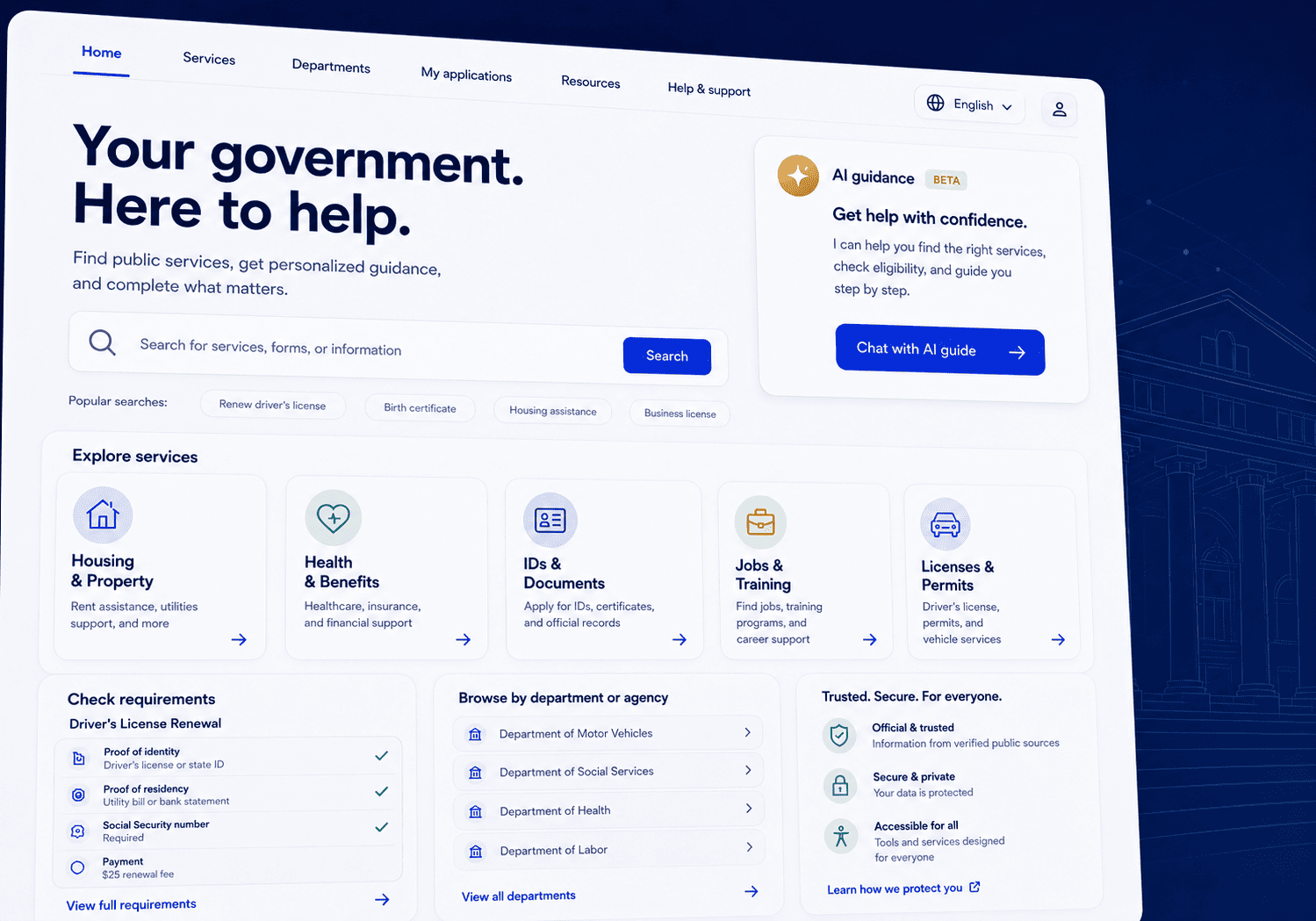
AI-Powered Citizen Services Website Platform for Virginia State Agencies

Plavno developed a modern eGovernment website platform for Virginia state agencies that centralizes citizen services, public information, department content, and an AI-powered guidance agent in one scalable system.

Read More
70%

reduction in routine citizen inquiries to agency staff

AI-Powered Citizen Services Website Platform for Virginia State Agencies

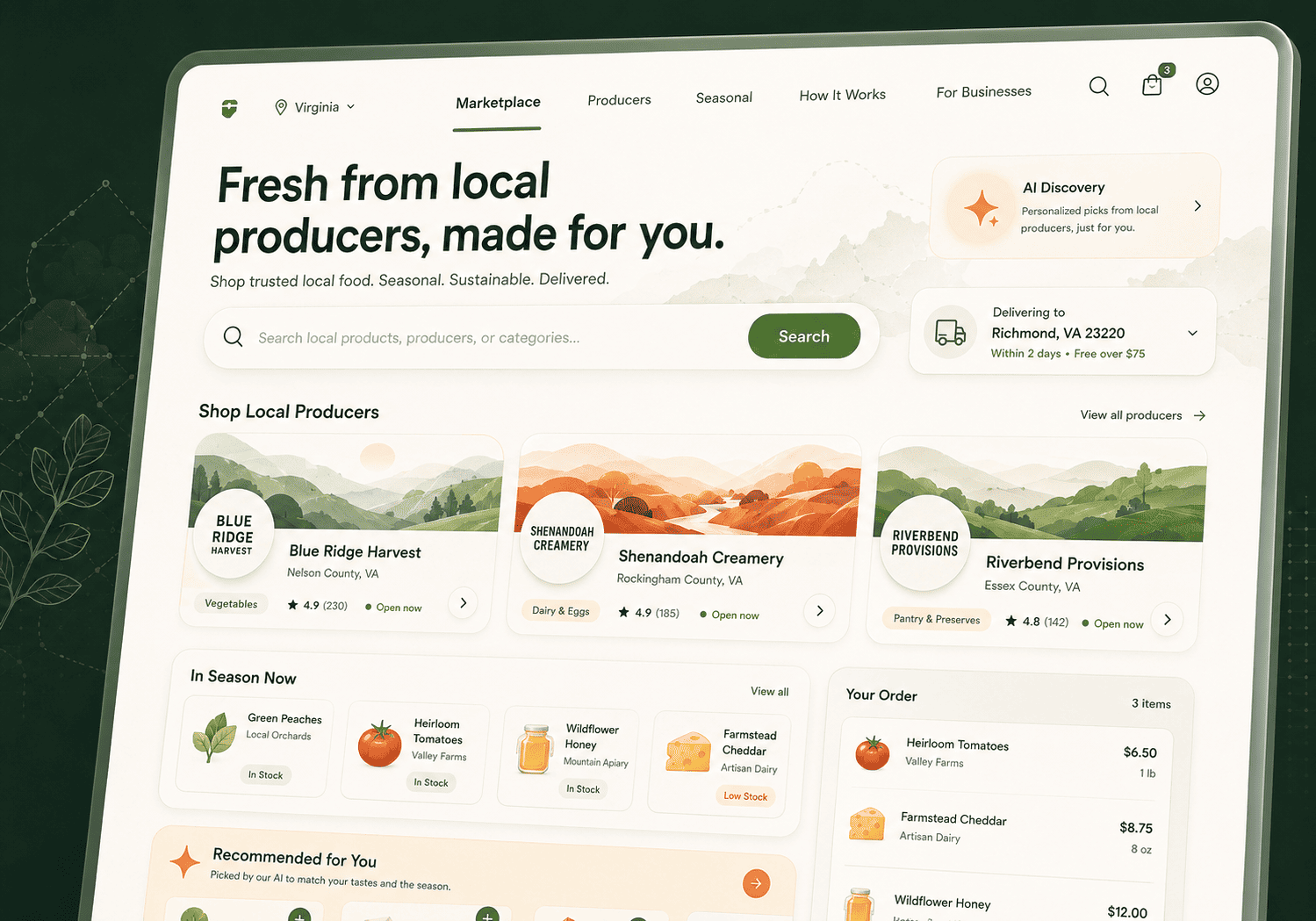
Digital Marketplace for Virginia Farmers, Local Producers & Direct-to-Consumer Food Sales

Plavno developed a custom multi-vendor marketplace for Virginia-based farmers, food producers, and regional sellers to unify product listings, vendor operations, customer ordering, and local fulfillment workflows.

Read More
3x

increase in product discovery relevance

Digital Marketplace for Virginia Farmers, Local Producers & Direct-to-Consumer Food Sales

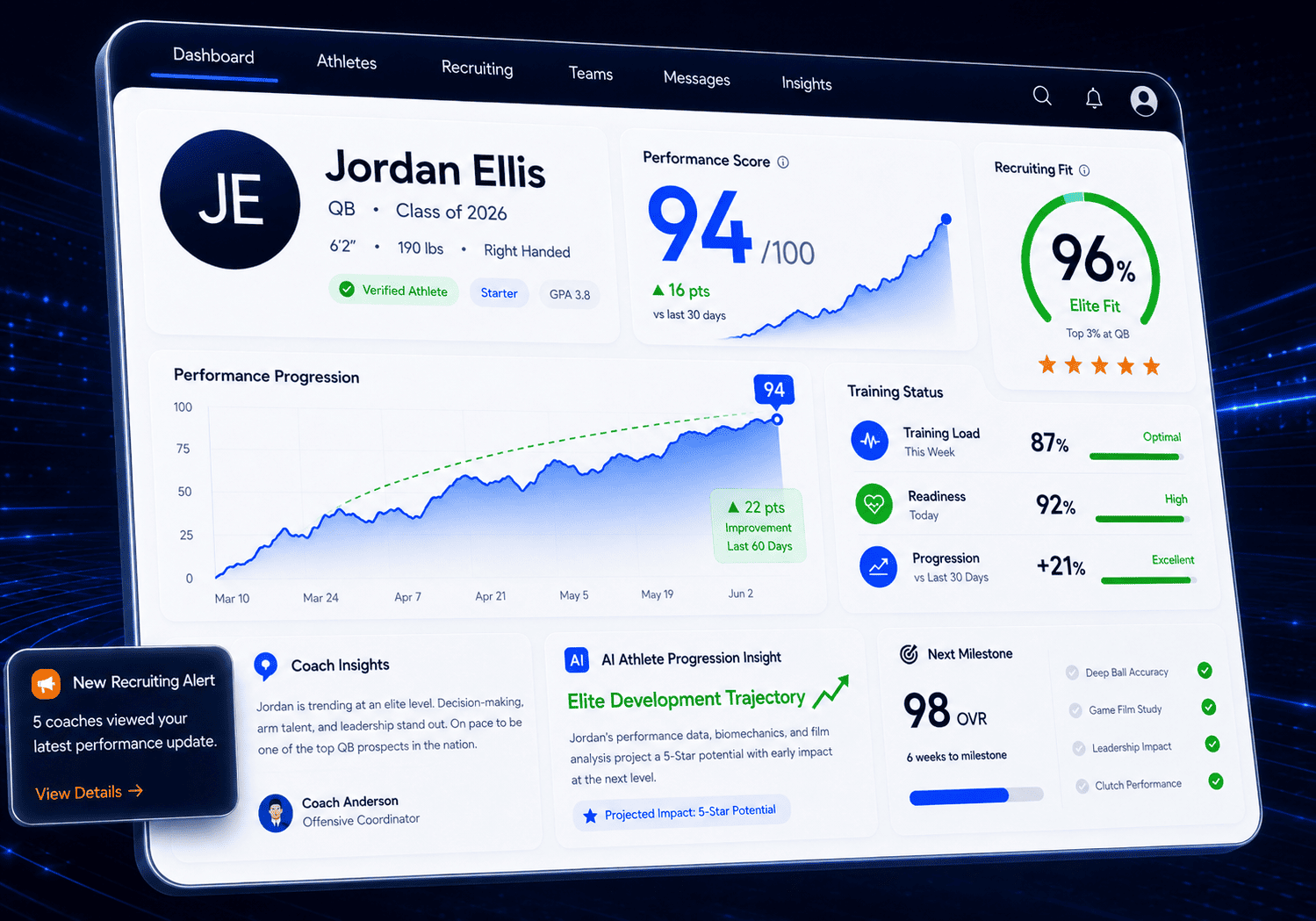
AI-Powered Sports Performance & Recruiting Platform for Virginia Clubs, Academies & Youth Programs

Plavno developed a custom sports technology platform for Virginia-based clubs and academies to combine athlete performance tracking, coach communication, recruiting workflows, and mobile engagement in one ecosystem.

Read More
3x

faster recruiting pipeline

AI-Powered Sports Performance & Recruiting Platform for Virginia Clubs, Academies & Youth Programs

Why choose us

Engineering depth over script-only voice bots

You are buying production behavior, not a demo. Our approach is designed for integration reliability, clear ownership, and measurable outcomes in Harrisonburg operations.

Generic Agencies
Our Platform (Deep Engineering Expertise)
Defines automation boundaries and transfer rules
checkmark
Builds API-first integrations with fallbacks for legacy
checkmark
Supports bilingual call handling and consistent data capture
checkmark
checkmark
Delivers evaluation plan with failure categories
checkmark
Plans post-launch monitoring and incident response
checkmark
Hands over documentation your team can maintain
checkmark
checkmark

Testimonials

We are trusted by our customers

“They really understand what we need. They’re very professional.”

The 3D configurator has received positive feedback from customers. Moreover, it has generated 30% more business and increased leads significantly, giving the client confidence for the future. Overall, Plavno has led the project seamlessly. Customers can expect a responsible, well-organized partner.

Sergio Artimenia

Commercial Director, RNDpoint

Sergio Artimenia

“We appreciated the impactful contributions of Plavno.”

Plavno's efforts in addressing challenges and implementing effective solutions have played a crucial role in the success of T-Rize. The outcomes achieved have exceeded expectations, revolutionizing the investment sector and ensuring universal access to financial opportunities

Thien Duy Tran

Product Manager, T-Rize Group

Thien Duy Tran

“We are very satisfied with their excellent work”

Through the partnership with Plavno, we built a system used by more than 40 million connected channels. Throughout the engagement, the team was communicative and quick in responding to our concerns. Overall, we were highly satisfied with the results of collaboration.

Michael Bychenok

CEO, MediaCube

Michael Bychenok

“They have a clear understanding of what the end user needs.”

Plavno's codes and designs are user-friendly, and they complete all deliverables within the deadline. They are easy to work with and easily adapt to existing workflows, and the client values their professionalism and expertise. Overall, the team has delivered everything that was promised.

Helen Lonskaya

Head of Growth, Codabrasoft LLC

Helen Lonskaya

“The app was delivered on time without any serious issues.”

The MVP app developed by Plavno is excellent and has all the functionality required. Plavno has delivered on time and ensured a successful execution via regular updates and fast problem-solving. The client is so satisfied with Plavno's work that they'll work with them on developing the full app.

Mitya Smusin

Founder, 24hour.dev

Mitya Smusin

Integrations & operations

Integration-first delivery that survives day two

Most failures in voice assistant for business projects come after launch, not before it. Harrisonburg teams quickly find edge cases like double bookings, wrong routing, or confusing confirmations. We build the integration layer to be explicit about source of truth, retries, and conflict handling. That means the assistant asks fewer ambiguous questions and makes fewer irreversible writes. It also keeps staff confidence high, which is the real adoption gate.

We treat your systems as constraints, not obstacles. If your scheduling tool is the source of truth, the assistant reads and writes there, then mirrors to CRM if needed. If your CRM is the source of truth, we store intent and lead fields there first, then follow up with booking actions. This approach is informed by our AI Product Recommendation Agent work, where retrieval and action steps had to be separated to control failure modes. The same pattern applies to phone flows where a wrong action is costly.

Data handling is planned for what you actually have in Harrisonburg, not what a vendor brochure claims. We document allowed entities like staff names, service types, locations, and operating hours. We define validation rules, such as rejecting a time outside business hours or a service that needs longer duration. We also set retention rules for audio and transcripts based on risk and cost. This avoids collecting sensitive data you do not need, which reduces exposure.

Operational ownership is part of the build. We define who updates business hours, who changes scripts when pricing changes, and who reviews escalation cases. We ship runbooks so on-call staff can diagnose issues like a failed integration call or a misrouted intent. We also define a safe rollback path if a new flow causes confusion. That keeps the assistant useful during seasonal peaks, including move-in weeks around JMU.

Cost control is treated as a design constraint, not a surprise invoice. We set budgets for transcription, model calls, and logging, then instrument usage so you can enforce limits. We also design prompts and flows to reduce unnecessary turns, which lowers per-call cost. This matters for 24/7 coverage where long calls can add up. The result is an assistant that can run all year without hidden technical debt.

Eugene Katovich

Eugene Katovich

Sales Manager

Need a custom software solution? We’re ready to help!

Plavno has a team of skilled developers ready to tackle the project. Ask me!

Get a Free Quote

Architecture & Engineering Overview

How we reduce risk while increasing call coverage

ROI levers

ROI levers

Fewer missed calls, fewer interruptions, fewer manual follow-ups—measured via call containment and captured bookings.

Predictable outcomes

Predictable outcomes

Complete the task or exit cleanly; avoid half-automation that creates more cleanup work.

Risk controls

Risk controls

Explicit escalation for emergencies/billing/compliance + validation so the assistant cannot confirm unbooked appointments.

Adoption & reporting

Adoption & reporting

Warm transfers with context + manager reporting to spot repeated confusion and prioritize evidence-based automation.

For Business: Technical ROI & Risk Mitigation

ROI comes from fewer missed calls, fewer interruptions, and fewer manual follow-ups, but only when the system is designed for predictable outcomes. In Harrisonburg, most teams already pay for the problem in overtime, dropped leads, and inconsistent customer handling. The assistant has to complete tasks or exit cleanly, because half-automation creates more work. We focus on call containment for common intents and fast transfers for sensitive or high-value calls. That keeps revenue impact tied to measurable behaviors.

Example math makes the decision concrete without guessing your books. If your front desk handles 40 calls per day and 20% are simple repeats, that is 8 calls you can deflect. If each call averages 2.5 minutes, that is about 20 minutes per day back to staff. At $22 per hour fully loaded, that is roughly $1,907 per year in time alone. The larger gain often comes from captured appointments that would have been missed.

Risk reduction is the other half of the business case. We design explicit escalation for emergencies, billing disputes, and compliance-sensitive topics. We also add validation so the assistant cannot confirm an appointment it did not actually book. This avoids customer trust damage, which is expensive in small markets like the Shenandoah Valley. The design goal is to prevent the assistant from sounding confident when it is uncertain.

We also plan for adoption inside the business. Staff need to see that transfers include context and that updates to hours or services can be made safely. We provide reporting so managers can spot patterns like repeated confusion or high transfer volume for one intent. That turns the assistant into a process improvement tool, not just a phone answerer. Over time, you can decide where to add automation based on evidence.

1

Discovery & intent design

Define intents, escalation rules, and sources of truth (what reads/writes where).

Intents
Escalation
Source of truth
2

Thin release (route first)

Ship a usable assistant that answers and routes correctly before deeper automation to reduce blast radius.

Early value
Lower risk
3

Governance & change control

Environments, release approvals, rollbacks, and ownership for prompts/flows/credentials.

Staging
Approvals
Rollback
4

Staged rollout & iteration

Start with subset of call types/hours, keep human override, expand as metrics stabilize; iterate on failure categories.

Subset rollout
Override path
Metrics-driven

For CTOs: Architecture & Technical Lifecycle

The lifecycle matters because voice systems fail at the boundaries: identity, integrations, and change control. We start with a short discovery where we define intents, escalation rules, and sources of truth. Then we ship a thin release that answers and routes correctly before we automate deeper tasks. This reduces the blast radius while the system learns your real call patterns. It also gives the business something usable early.

Governance is built into the delivery. We define environments, release approvals, and rollback steps so updates do not break the phones at 8 a.m. Monday. We also define ownership for prompts, call flows, and integration credentials. That prevents a single developer from becoming the only person who can fix production. For Harrisonburg teams with small IT staff, that is a practical requirement.

Trade-offs are made explicitly. More automation increases value, but it also increases integration complexity and failure modes. We choose containment targets that match your systems, like read-only availability before write actions. We also choose how much context to store, balancing audit needs against retention risk. These are reviewed with stakeholders, not decided in a vacuum.

Production rollout is staged. We start with a subset of call types or a subset of hours, then expand as metrics stabilize. We keep a human override path so staff can take control during spikes or incidents. That helps operations teams trust the change. Once stable, we schedule iterative improvements based on the highest-impact failure categories.

Low-latency dialog

Low-latency dialog

Short prompts, minimal backtracking, and state tracking to handle interruptions and talk-over cleanly.

Transactional tool calls

Transactional tool calls

Timeouts, retries, and explicit failure behavior so downstream slowness never looks like “success.”

Speech + language components

Speech + language components

Noise/accent-aware transcription, constrained language model behavior, early language detection for bilingual calls.

Edge cases + regression testing

Edge cases + regression testing

Scripted call simulations, transcript review with failure taxonomy, and targeted improvements over time.

For Engineers: Implementation Details & Stack

Implementation success depends on controlling latency, controlling tool calls, and making failures visible. Callers will interrupt, talk over prompts, and use slang or partial information. We design prompts to be short and we minimize backtracking across turns. We also treat each tool call as a transaction with timeouts and retries. That prevents the assistant from hanging while a downstream system is slow.

We select speech and language components based on two pressures in Harrisonburg calls. Noise and accents require strong transcription performance. Cost and throughput require efficient prompts and limited turns. The dialog layer tracks state so we can confirm only the fields that matter. For bilingual support, language detection happens early so the experience does not flip mid-call. Entity extraction is normalized so the same record format is created in both languages.

Edge cases are where the system earns trust. We handle ambiguous dates, time zones for out-of-area callers, and callers who change their mind mid-flow. We also handle empty availability and offer alternative actions like waitlists or callbacks. When an integration fails, we do not fake success. We log the failure, apologize, and route to a human with the captured context.

Testing goes beyond unit tests. We run scripted call simulations for top intents and regression suites for known failures. We also review real transcripts with a failure taxonomy so improvements are targeted. This mirrors how we evaluated behavior in our AI agent work for ecommerce. The goal is repeatable quality, not anecdotal demos.

Observability that catches silent failures

Observability that catches silent failures

Instrument call events, tool calls, outcomes, and latency; alert on spikes in failures and integration errors.

Security & access control

Security & access control

Minimize sensitive data, restrict transcript access, role-based permissions, and audit logs for actions.

Deployment & credential management

Deployment & credential management

Dev/staging/prod separation, managed secrets vault, rotation, and incident response (disable flows without downtime).

Post-launch stability & cost control

Post-launch stability & cost control

Review drift, new failure modes, and cost drivers (long calls, repeated clarifications) to keep operations predictable.

Infrastructure, Observability & Security

Voice systems need observability because the worst failures are silent: missed transfers, broken integrations, and slow responses. We instrument call events, tool calls, and outcomes like booked, transferred, or abandoned. We alert on spikes in failures and on latency increases that callers feel as awkward pauses. We also monitor integration error rates because those often precede customer complaints. This is essential for 24/7 coverage when no one is watching live.

Security practices are chosen based on the data you handle. For healthcare-related use, we minimize sensitive data collection and restrict access to transcripts. We design role-based access so only authorized staff can review calls. We keep audit logs of actions like bookings and transfers. This supports compliance expectations and internal accountability.

Deployment for US clients includes controlled environments and credential management. We separate development, staging, and production so experiments do not impact Harrisonburg callers. Secrets are stored in a managed vault and rotated on a schedule. We define incident response steps, including disabling specific flows without taking the entire phone line down. That reduces downtime and protects customer trust.

Post-launch, we plan for model and prompt drift. Changes in your services, staffing, and seasonal call topics can shift behavior. We schedule periodic reviews of transcripts and metrics to catch new failure modes. We also review cost drivers like long calls and repeated clarifications. The result is stable operations, predictable spend, and a clear path for improvements.

Readiness checklist

What to prepare before we connect your phones

  • Inventory your top 20 call reasons — Start with what Harrisonburg callers ask for most often, not what you wish they asked for. Pull a week of receptionist notes or call tags and group them by intent. Mark which intents must transfer to a person, like emergencies or payment disputes. Note the exact fields needed to complete each intent, like service type and preferred time. This becomes the acceptance criteria for the first release. It also prevents scope creep that delays launch.

  • Define sources of truth for scheduling and customer records — Decide which system owns availability, bookings, and customer profiles. Write down what the assistant is allowed to read and what it is allowed to write. If you have multiple calendars, document which one wins when there is conflict. Capture the minimum set of fields needed to create a record cleanly. This reduces duplicate entries and staff cleanup work. It also makes rollbacks safe when you change tools later.

  • List your escalation rules and on-call contacts — Document when to transfer immediately and when to offer a callback. Include hours, holidays, and snow-day behavior, because Harrisonburg operations change with weather and events. Provide role-based contacts, not personal numbers, so staffing changes do not break routing. Define what context must be passed during a transfer. Also decide what happens if no one answers the transfer. These rules keep the assistant from trapping callers.

  • Set data retention and review policies — Decide how long to store audio, transcripts, and call summaries. For clinics and dental offices, specify what sensitive data must not be stored unless required. Define who can access logs and who reviews failures weekly. Set a process for removing data when requested. This protects customer privacy and reduces storage cost. It also supports compliance expectations when your business grows.

  • Agree on success metrics for the first 30 days — Pick a small set of measurable outcomes, like call answer rate, transfer rate for key intents, and booking completion count. Define what an acceptable failure looks like and how it is handled. Schedule a weekly review with the owner and one operator, because operations feedback drives improvements. Track cost drivers such as long calls and repeated confirmations. This keeps the project accountable to business outcomes. It also makes expansion decisions easier.

Vitaly Kovalev

Vitaly Kovalev

Sales Manager

Request a Harrisonburg voice workflow audit

Ask for our call-flow and integration audit plus a cost estimator for Harrisonburg businesses. Share budget, timeline, current phone setup, and the systems you need to connect.

Talk to Experts

FAQ

Questions Harrisonburg teams ask before buying

These answers focus on delivery reality: cost drivers, timelines, data, and how you will run the system after launch.

What does an AI Voice Assistant cost in Harrisonburg, VA, and what drives the price?

Cost is driven by three buckets: build effort, integration effort, and ongoing usage. Build effort covers call flows, prompts, transfer rules, and the testing needed to make outcomes predictable for Harrisonburg callers. Integration effort depends on what you connect, like scheduling, CRM, or ticketing systems, and whether they have stable APIs. Ongoing usage depends on call volume, call length, transcription, and model calls per minute of conversation.

Local operations affect cost more than people expect. If your business has multiple locations across Rockingham County, routing rules and business hours add complexity. If you need bilingual support, you also add language detection, bilingual prompts, and validation across two sets of phrasing. If your staff wants the assistant to complete actions like bookings, the integration must handle conflicts and retries. If you only need answering and routing, the build can be smaller.

We estimate cost by asking for call volume ranges, top intents, and the systems you need to connect. We also look at risk constraints, like healthcare privacy requirements or payment-related topics. Then we propose a staged release plan so you pay for value early, not for every edge case up front. That approach is usually the best fit for Harrisonburg teams that want 24/7 coverage without taking on operational debt.

How long does it take to build AI Voice Assistant software?

Timeline depends on what the first release must do and how many integrations are in scope. An MVP can focus on answering, intent capture, and clean transfers with structured notes. That is often the fastest way to reduce missed calls for Harrisonburg operations while you validate call flows. A full deployment adds actions like booking, rescheduling, bilingual support, and deeper reporting. Those features require more testing because they touch customer records and calendars.

The critical path is usually integration readiness, not the voice layer itself. If your calendar or CRM has an API and you can provide test credentials quickly, implementation moves faster. If your system is older or customized, we may need middleware or a staged export, which adds time. Review cycles also matter, because business owners need to approve wording, escalation rules, and boundary conditions. Waiting on those decisions can stretch a schedule.

We plan delivery in stages so you see progress each week. First comes intent mapping and success criteria, then a working call flow in a staging phone number, then production rollout with monitoring. After launch, we iterate based on transcript reviews and failure categories. That keeps the timeline tied to outcomes, not a long one-shot build.

Do you work with startups in Virginia?

Yes. We work with early-stage teams in Virginia that need to ship quickly without accumulating avoidable technical debt. Many founders are connected to ecosystems in Northern Virginia, Richmond, and the I-81 corridor, including areas near Roanoke and Blacksburg. Harrisonburg also benefits from the JMU talent pipeline and the region's service-business density. Startups often need a voice assistant to prove demand, reduce support load, or qualify leads without hiring a full call center.

For startups, we focus on evaluation and quality measurement from day one. We define a small set of call intents and set success metrics like correct routing rate and booking completion rate. We also define failure categories, such as transcription errors, ambiguous requests, and integration timeouts. Then we review a sample of transcripts weekly to see what is actually happening. This keeps improvements grounded in evidence instead of opinions.

We also help startups control scope and spend. The first release usually avoids risky actions until the system proves it can capture intent reliably. When the system is ready, we add tool calls for actions like scheduling or CRM updates. This staged approach lets a Virginia startup validate fast while still building a production path. It is a practical way to earn trust with users in smaller markets like Harrisonburg.

Can an AI Voice Assistant integrate with my existing system?

Integration is usually the deciding factor, and we plan it explicitly. If your Harrisonburg business uses a modern scheduling or CRM platform, we prefer API-based connections because they are traceable and testable. We define each read and write operation as a tool with validation rules and clear error handling. If the system is older, we can still integrate through exports, database reads, or a middleware service that wraps legacy logic. The goal is to avoid brittle screen scraping that breaks on UI changes.

Data needed for integration is also straightforward but often incomplete. We ask for a list of entities the assistant must recognize, like staff names, service types, locations, and operating hours. We also need the rules that govern each action, like appointment duration and cancellation windows. For routing, we need phone numbers or extensions by role, and the schedule for who is on call. For CRM write-back, we need field mappings and an example record.

We test integrations in a staging environment with a test phone number before production rollout. We run scripted calls that cover the top intents and a set of failure cases. We also verify that a failed integration never results in a fake confirmation. When systems change, we can update tool definitions and mappings without rewriting the whole assistant. That keeps integration ownership clear for your team.

What industries in Harrisonburg benefit most from an AI Voice Assistant?

Industries that live on appointments and fast response see the strongest benefits in Harrisonburg. Healthcare clinics and dental offices gain from consistent intake, after-hours coverage, and reduced front-desk interruptions. Restaurants gain from answering during rush periods and capturing reservation or takeout intent. Home services and property management gain from triage, callback scheduling, and routing based on urgency. Real estate teams gain from lead qualification and structured notes into CRM.

Compliance and security needs vary by industry, and that changes how we build. Healthcare workflows require careful handling of sensitive information and strict access controls for transcripts and logs. Financial or payment-adjacent calls require clear boundaries, because the assistant should not collect data it does not need. Service businesses often care most about accurate address capture and fast dispatch routing. In each case, the design goal is predictable behavior that callers can trust.

Local factors also matter. JMU-driven seasonality changes call patterns for rentals, restaurants, and student services. Snow and weather events can shift phone load toward cancellations and rescheduling. Rockingham County coverage adds routing needs across multiple nearby areas. A good AI voice assistant absorbs those shifts without forcing staff to rewrite scripts weekly. That is why we build with measurable intents, clear policies, and a controlled release process.

Contact Us

This is what will happen, after you submit form

Need a custom consultation? Ask me!

Plavno has a team of experts ready to start your project. Ask us!

Vitaly Kovalev

Vitaly Kovalev

Sales Manager

Schedule a call

Get in touch

Fill in your details below or find us using these contacts. Let us know how we can help.

No more than 3 files may be attached up to 3MB each.
Formats: doc, docx, pdf, ppt, pptx, xls, xlsx, txt.
Send request