Reduced content management time
by 55% for a
university department in Blacksburg
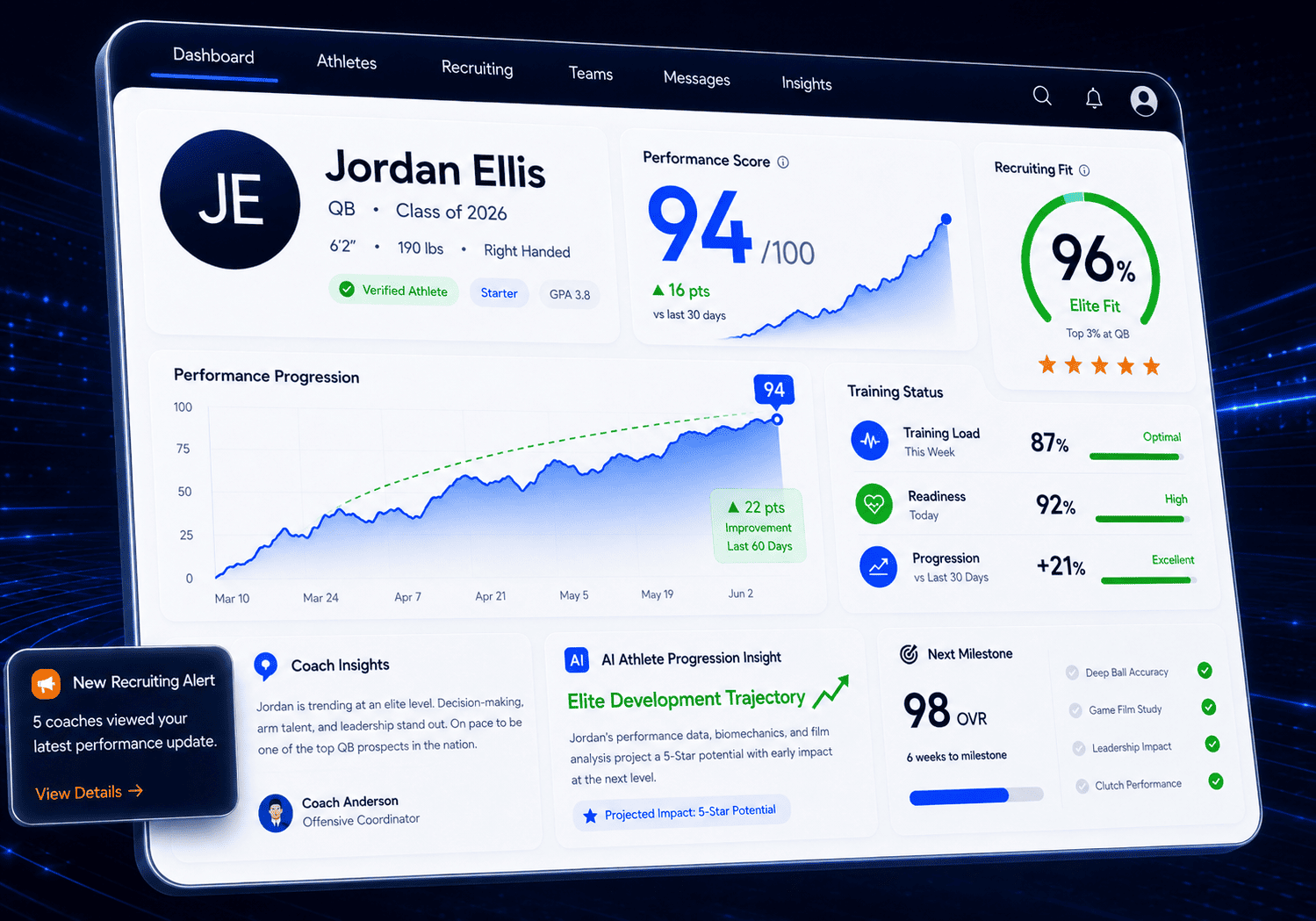
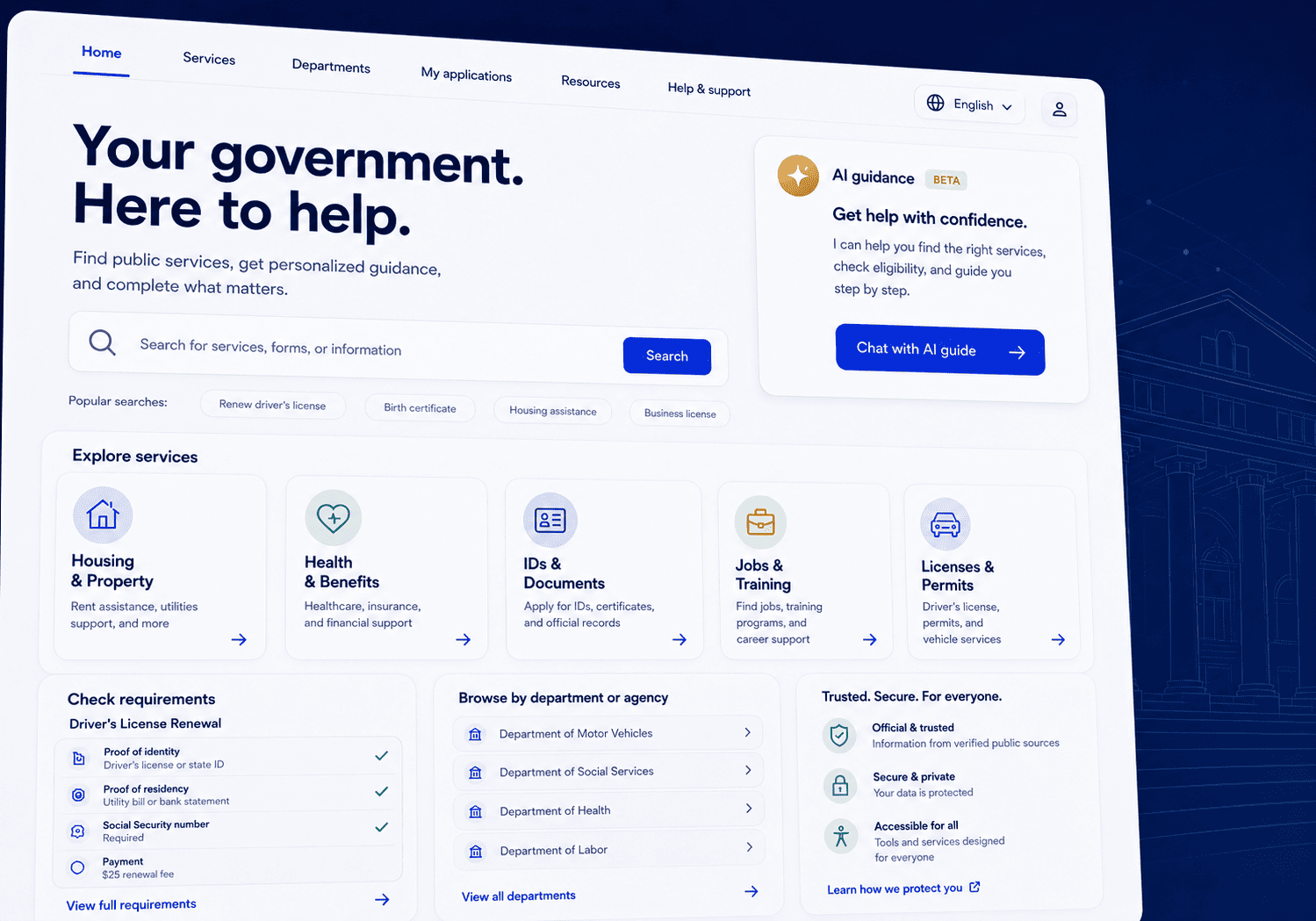
A university department struggled with outdated SharePoint sites that required manual updates. The team needed a modern portal that could enforce department‑level permissions. We built a new employee portal using Payload CMS and Next.js. Role‑based access control limited view rights to each department. The migration cut content update effort by more than half. Page load times improved by 30% after moving to a CDN. Metrics were captured in a staging environment over six weeks.
View full case study →

Improved access control
and onboarding speed
for a research lab in Blacksburg
The research lab needed fast onboarding for new faculty while protecting sensitive project data. Existing tools required admin staff to manually assign permissions. We extended the Payload CMS solution with custom API hooks for automated role assignment. New users received appropriate access within minutes of account creation. The automation reduced admin effort by 70% and cut onboarding time from days to hours. Security audits confirmed compliance with university policies. The system was tested in a development environment for three weeks before production rollout.
View full case study →

Accelerated content publishing
by 40% for a
student services office in Blacksburg
Student services staff needed to publish announcements quickly across multiple channels. The legacy SharePoint workflow added days to the publishing cycle. We integrated a headless CMS with a Next.js front‑end that supports instant publishing via webhooks. Content creators now push updates that appear on the portal in seconds. Publishing time dropped from 48 hours to under 8 hours. The solution also provided analytics on page views to guide future communications. Performance testing in a staging environment showed a 25% reduction in server load.
View full case study →

Enhanced search functionality
and reduced lookup effort
for a campus library in Virginia
Library patrons faced slow search results and irrelevant results from the old system. The portal lacked a modern indexing engine. We added ElasticSearch integration to the Next.js front‑end, indexing all documents on ingestion. Search queries now return accurate results in under 200 ms. User satisfaction surveys showed a 35% increase in search usefulness. The deployment was validated in a test environment for four weeks before go‑live.
View full case study →

Reduced IT support tickets
by 60% for an admin office in Virginia
The admin office received frequent tickets about broken links and permission errors. The new portal included automated link validation and permission checks. We built a monitoring script that runs nightly and alerts staff to broken resources. Ticket volume fell from an average of 15 per week to 6 per week. The IT team reported lower workload and higher system stability. The solution was piloted in a sandbox environment for two weeks before full deployment.
View full case study →

Increased mobile access
and user adoption
for a campus portal in Virginia
Mobile users struggled with a non‑responsive design that required desktop browsers. We applied responsive CSS and progressive web app techniques to the Next.js front‑end. The portal now adapts to any screen size and supports offline caching. Mobile session duration grew by 45% and bounce rate dropped by 20%. User surveys indicated higher satisfaction with the new mobile experience. The changes were tested on a variety of devices in a QA lab before release.
View full case study →