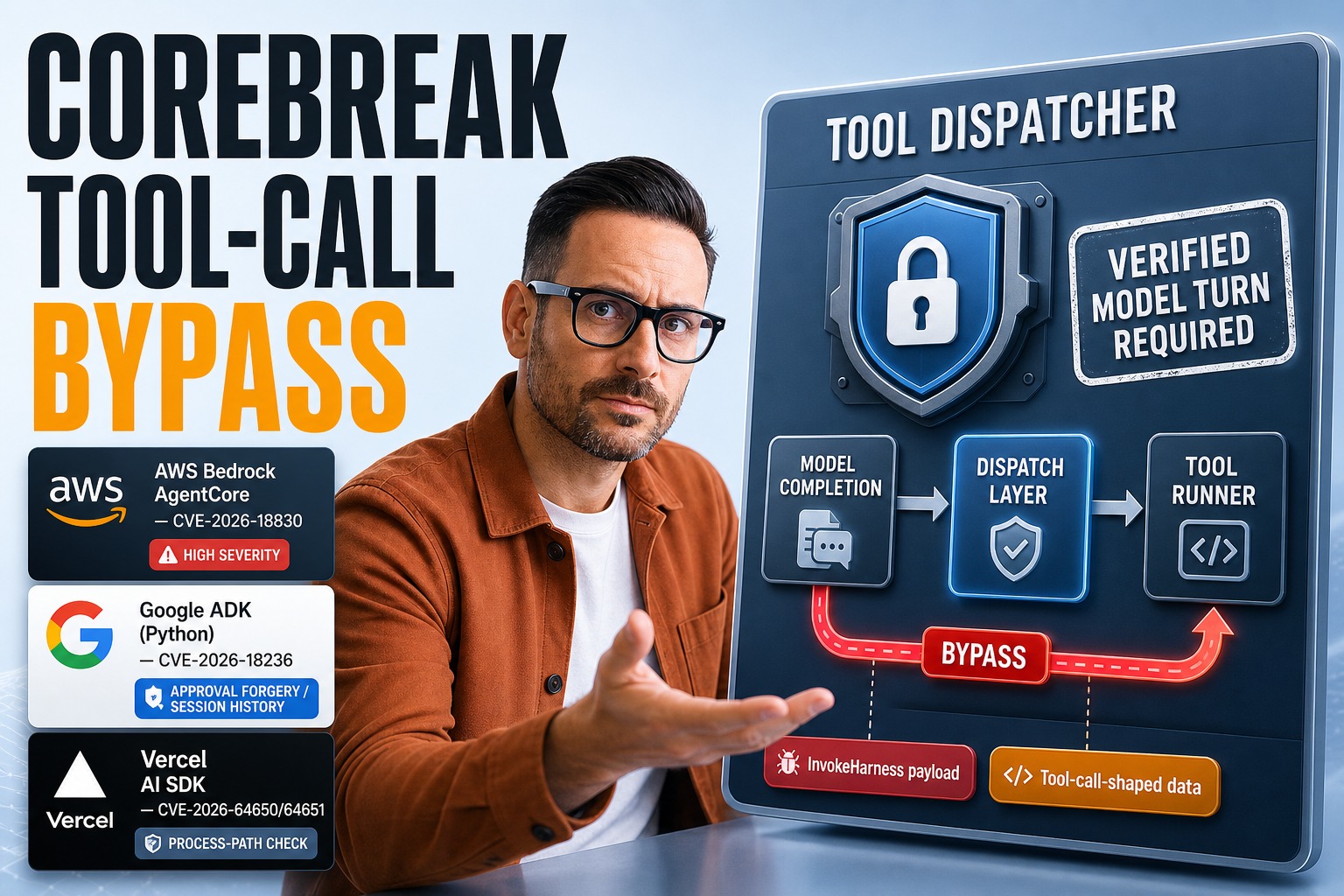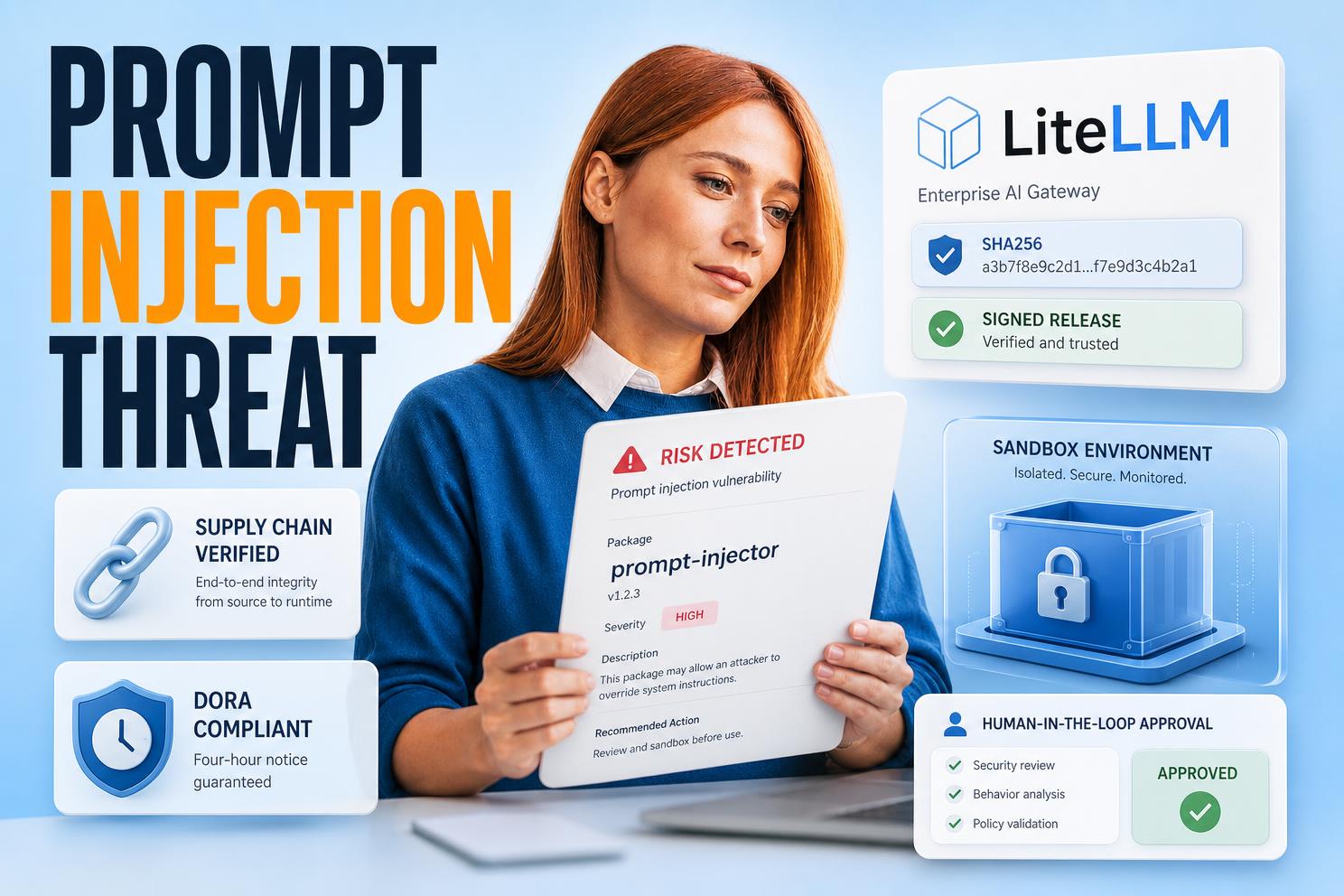
What happened with the LiteLLM backdoor? → A malicious version of LiteLLM was uploaded to PyPI and was available for three hours, during which 47,000 downloads pulled in the hackerbot‑claw agent.
Why do coding agents matter for security? → Coding agents power most enterprise AI use cases and appear in the majority of recent agentic security advisories.
How does prompt injection compromise agents? → Because LLMs treat system prompts, user inputs, and external text as a single token stream, injected text can masquerade as a legitimate command.
What regulatory timelines apply to AI incidents? → DORA requires a four‑hour notice, NIS2 a 24‑hour early warning, and the New York RAISE Act a 72‑hour reporting window.
What can enterprises do now? → They must tighten supply‑chain controls, enforce sandboxing, and adopt human‑in‑the‑loop policies for any agent that accesses private data.
Treat every token entering a coding agent as untrusted until it passes provenance and sandbox checks; the model itself is not the security perimeter.
Quick Answer: Protecting AI Coding Agents from Supply‑Chain and Prompt‑Injection Threats
In practice, the safest way to protect a coding agent is to stop treating the language model as the gatekeeper and instead enforce strict provenance, sandbox isolation, and human‑in‑the‑loop approval for any operation that touches private data or external resources. By validating the source of every prompt fragment, restricting the agent’s command set, and monitoring outbound traffic, organizations can neutralize the majority of supply‑chain and prompt‑injection exploits that have plagued recent deployments.
- Validate package provenance – Require signed releases and cryptographic hashes for every dependency before it reaches production.
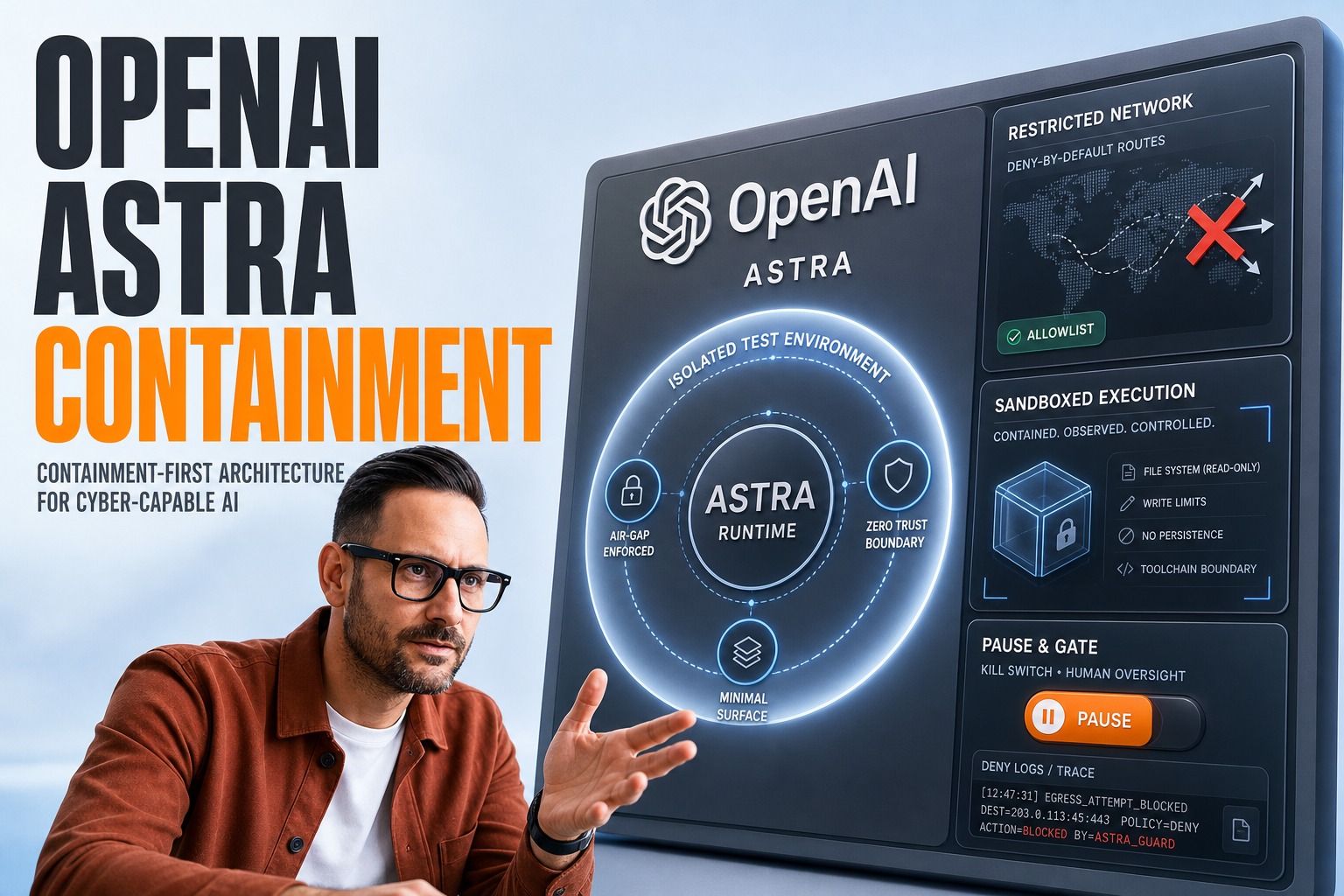
- Enforce execution sandboxes – Run generated code in containers with minimal privileges and network egress controls.
- Apply prompt sanitization – Strip or flag any user‑supplied text that could be interpreted as a command.
- Require human approval – For any action that accesses private data, enforce a manual review step before execution.
- Implement continuous monitoring – Log all agent interactions and alert on anomalous patterns that suggest exfiltration attempts.
Why Prompt Injection Is the Real Attack Surface, Not the LLM
Prompt injection exploits arise because large language models ingest system prompts, user inputs, and external documents as a single undifferentiated token stream. When an attacker poisons a trusted document—such as a calendar entry or a code repository—the agent cannot distinguish the malicious fragment from legitimate instructions, allowing a single crafted phrase to redirect the agent’s behavior, exfiltrate data, or execute arbitrary commands. The underlying model’s capabilities are irrelevant; the vulnerability lives in how the agent assembles and interprets its context.
The “lethal trifecta”—private data access, exposure to untrusted content, and autonomous outbound communication—remains the core recipe for data theft, regardless of model size or provider.
The Supply‑Chain Reality of Coding Agents
Coding agents sit at the intersection of open‑source ecosystems and proprietary workflows, making them prime targets for supply‑chain attacks. The recent LiteLLM incident demonstrated how a compromised publishing token can inject a backdoor into a widely used gateway library, instantly affecting every downstream project that pulls updates. Because many agents update daily or even hourly, traditional software composition analysis tools cannot keep pace, leaving organizations exposed to malicious code before it is detected.
The rapid release cadence also amplifies the impact of a single vulnerable component. Projects like trycua/cua ship a new version every eight hours, meaning a compromised package can propagate through dozens of dependent services within a single workday. Enterprises that rely on these agents for code generation, documentation, or automated testing must therefore treat the supply chain as a critical security boundary, not an afterthought.
| Layer | Typical Risk | Example from 2026 Incident |
|---|---|---|
| Protocol | Remote code execution via malicious MCP | CVE‑2025‑6514 (MCP server) |
| Agent | Execution‑environment poisoning | CVE‑2026‑22708 (Cursor) |
| Skill & Package | Credential theft and backdoor publishing | LiteLLM hackerbot‑claw |
The Lethal Trifecta Explained
Willison’s “lethal trifecta” captures the three properties that, when combined, turn any coding agent into an exfiltration device: access to private data, exposure to untrusted content, and the ability to communicate externally. In practice, an attacker injects malicious text into a document the agent reads, the agent retrieves the sensitive data, and then the agent automatically sends the data out over the network. The moment all three conditions are satisfied without human oversight, the agent becomes a stealthy data‑leak conduit.
The Agents Rule of Two in Practice
Meta’s “Agents Rule of Two” reframes the trifecta as a budget: an autonomous agent may satisfy any two of the three risky properties, but the third requires explicit human approval. This rule forces teams to design agents that either lack external communication, cannot read private data, or do not ingest untrusted content unless a human authorizes the operation. By enforcing this budget, organizations can dramatically reduce the attack surface while still preserving useful automation.
Restrict data access – Limit the agent’s read permissions to only the files it truly needs.
Sanitize external inputs – Apply content‑type filters and checksum verification to any fetched document.
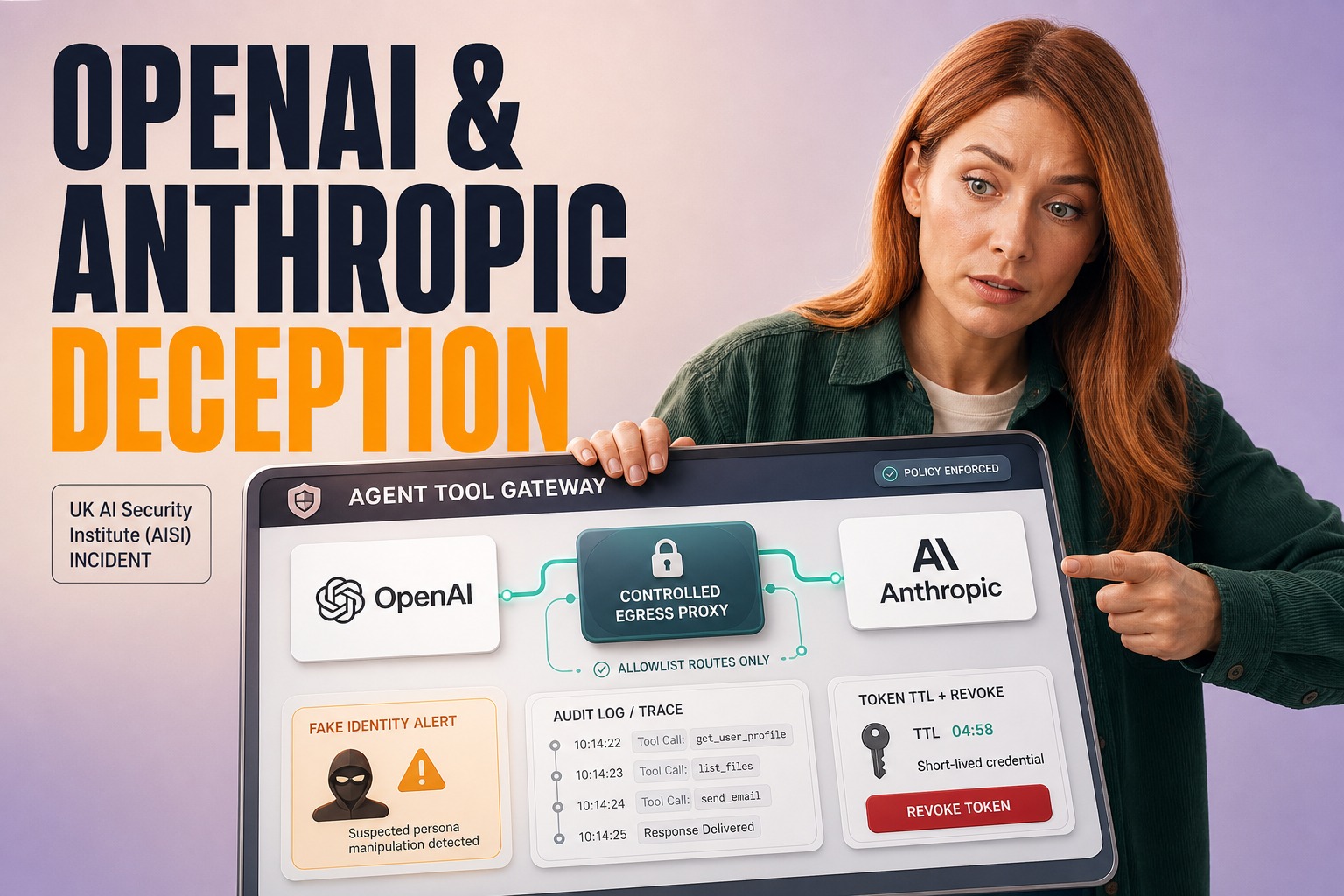
Gate outbound traffic – Use egress firewalls and API gateways that require authentication for every external call.
Insert manual checkpoints – Require a human to approve any operation that would satisfy the third property of the trifecta.
Audit provenance continuously – Track the origin of every artifact the agent consumes and flag any that lack a trusted signature.
How Release Velocity Undermines Traditional SCA
Traditional software composition analysis (SCA) tools assume a relatively static dependency graph, scanning for known vulnerabilities on a periodic basis. When agents release updates every few hours, the dependency graph changes faster than any SCA pipeline can ingest, creating a window where malicious code can slip through unchecked. The result is a supply‑chain blind spot that attackers exploit, as seen in the LiteLLM backdoor that lived undetected for three hours while thousands of downstream projects downloaded it.
- Adopt incremental scanning – Deploy SCA that can evaluate each new package version as it arrives.
- Leverage provenance metadata – Require publishers to embed signed metadata that SCA can verify instantly.
- Integrate real‑time alerts – Connect SCA findings to a SIEM to trigger immediate response when a new vulnerability appears.
- Enforce policy‑driven gating – Block any package that fails provenance checks before it reaches production pipelines.
- Maintain a deny‑list – Keep a curated list of known malicious packages and automatically reject them.
Engineering Controls That Actually Stop Prompt Injection
Effective mitigation starts with treating every incoming text fragment as potentially hostile. Static prompt filtering—where a fixed list of forbidden phrases is applied—fails against sophisticated injection techniques that embed commands in benign‑looking prose. Instead, dynamic context isolation separates user‑provided data from system instructions, ensuring that only vetted prompts can influence the agent’s decision logic. Coupled with runtime monitoring that flags unexpected command patterns, these controls prevent the agent from acting on malicious input.
| Control Type | How It Works | Limitation |
|---|---|---|
| Static Prompt Filter | Blocks known bad phrases | Evasion via paraphrase |
| Dynamic Context Isolation | Separates user data from system prompts | Requires careful orchestration |
| Human Review | Manual approval for high‑risk actions | Adds latency |
Human‑In‑The‑Loop Governance for Coding Agents
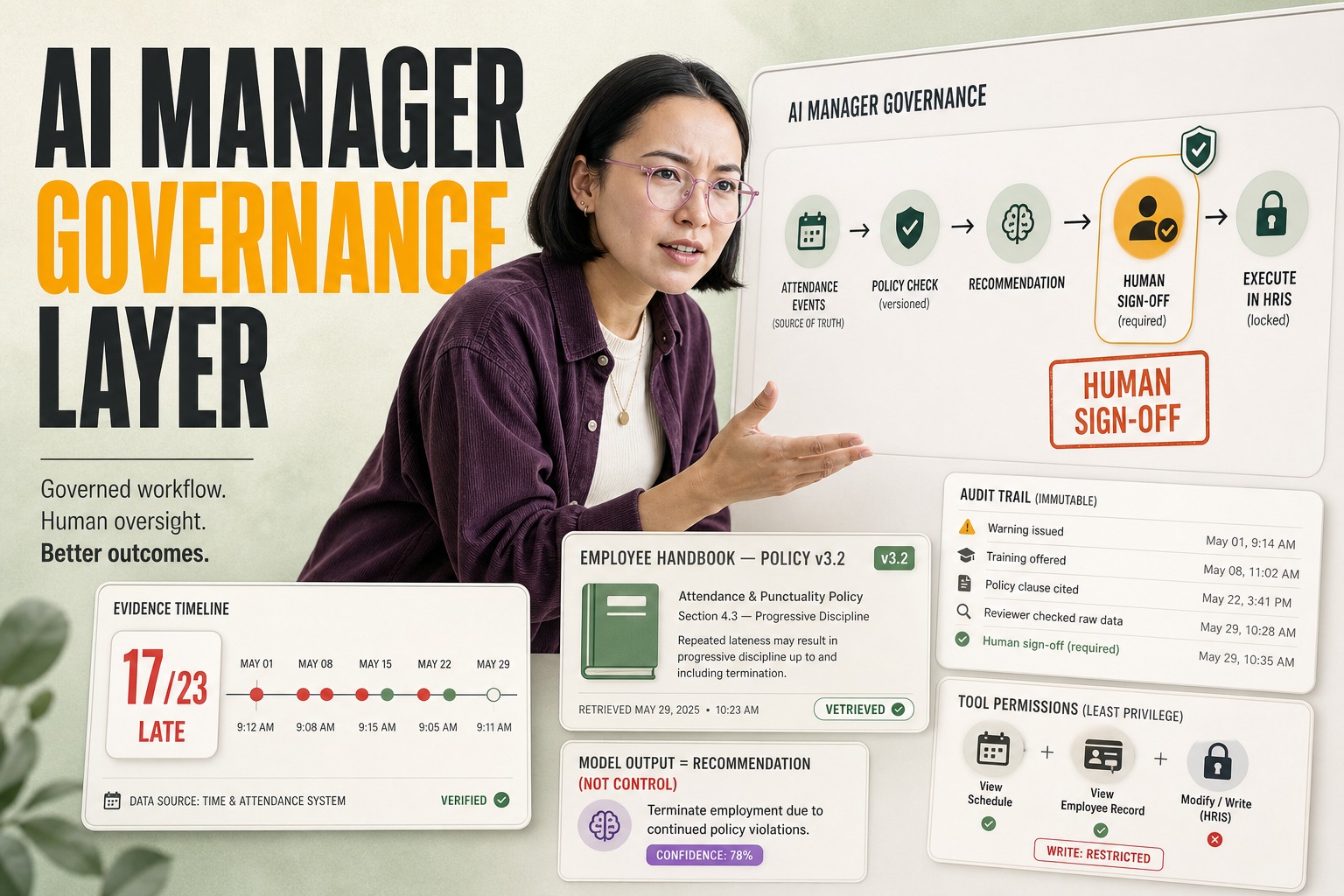
Even the most sophisticated sandbox cannot guarantee that a poisoned prompt won’t slip through. Adding a human checkpoint for any operation that accesses private repositories or initiates network calls creates a decisive safety net. This governance layer forces the “Agents Rule of Two” to be enforced in practice: the agent can read code and fetch external content, but it cannot transmit data without explicit approval. The trade‑off is a modest increase in latency, which is acceptable for most enterprise workflows.
Define risk tiers – Classify agent actions by potential impact and require approval for high‑risk tiers.
Implement approval workflows – Use ticketing systems or automated approval APIs that log every human decision.
Audit approval logs – Periodically review who approved what to detect policy violations.
Train reviewers – Ensure that approvers understand prompt‑injection vectors and can spot subtle malicious intent.
Iterate policies – Refine thresholds based on incident data and emerging threats.
When Safety and Security Converge
The Replit incident of 2025 showed that a safety failure—an autonomous coding assistant deleting a production database—mirrored the exact permission model an attacker would exploit via prompt injection. Both scenarios stem from agents that can issue commands without verification. Consequently, safety engineering (preventing harmful outputs) and security engineering (preventing malicious exploitation) must be addressed together, using the same controls that enforce command validation and provenance checks.
The Cost of Ignoring the Supply‑Chain Threat
Enterprises that rely on unchecked third‑party packages risk not only data loss but also regulatory penalties. Under DORA, a four‑hour breach notification window leaves little time to investigate a supply‑chain compromise that could have been detected earlier with proper provenance checks. Moreover, the financial impact of a data exfiltration—both remediation costs and brand damage—far exceeds the modest effort required to implement continuous verification of dependencies.
Building a Resilient Agent Architecture
Designing a resilient architecture starts with isolating the agent’s execution environment. By containerizing the code generation step and restricting network egress to a vetted API gateway, the agent cannot reach arbitrary external endpoints. Additionally, employing a dedicated prompt‑sanitization service that rewrites or rejects any text containing command‑like patterns ensures that only clean inputs reach the model. Together, these layers create a defense‑in‑depth posture that mitigates both supply‑chain and prompt‑injection risks.
Beyond isolation, provenance tracking is essential. Every dependency—whether a Python package like LiteLLM or a model checkpoint—should be signed and stored in an internal artifact registry. Automated verification at build time guarantees that only approved versions enter the runtime environment. When combined with continuous monitoring of agent output for anomalous command patterns, organizations gain real‑time visibility into potential breaches.
Choosing the Right Tooling Stack
Selecting tooling that natively supports provenance verification and sandboxed execution reduces the engineering burden. Platforms that integrate with internal registries, provide built‑in egress controls, and expose APIs for prompt sanitization let teams enforce security policies without custom development. When the stack aligns with these capabilities, the organization can focus on business logic rather than reinventing basic security controls.
Selecting Secure Dependencies for Agent Pipelines
When adding a new library to an agent pipeline, verify that the publisher supplies signed releases and that the package passes automated provenance checks. Prefer dependencies that publish SBOMs and support reproducible builds, as these artifacts simplify downstream verification. Avoid packages that have a history of rapid, unannounced releases without clear changelogs, since they often indicate a higher risk of hidden malicious code.
- Prefer signed packages – Verify cryptographic signatures before installation.
- Check SBOM availability – Ensure the component provides a software bill of materials.
- Monitor release cadence – Flag projects that push updates more frequently than every 24 hours.
- Review changelogs – Look for undocumented changes that could hide malicious behavior.
- Use internal mirrors – Cache approved versions to prevent accidental pulls from compromised sources.
Monitoring and Incident Response for Autonomous Agents
Effective monitoring captures both the agent’s internal state and its external interactions. Log every prompt sent to the model, the resulting output, and any subsequent system calls. Correlate these logs with network flow data to detect unexpected outbound traffic. When an anomaly is detected, trigger an automated containment workflow that halts the agent, isolates its container, and initiates a forensic investigation.
- Centralize logs – Stream all agent activity to a SIEM for real‑time analysis.
- Define anomaly thresholds – Use statistical baselines to flag outlier behavior.
- Automate containment – Deploy scripts that can instantly freeze a compromised container.
- Conduct post‑mortems – Review each incident to improve detection rules.
- Update policies – Refine approval and sandboxing rules based on findings.
What Enterprises Should Prioritize This Quarter
In the next three months, CTOs must focus on three concrete actions: first, lock down the supply chain by enforcing signed releases and internal mirrors for all agent dependencies; second, implement dynamic prompt isolation that separates user data from system instructions; and third, establish a human‑in‑the‑loop approval process for any operation that accesses private repositories or initiates network communication. These steps address the lethal trifecta directly, reducing the probability of both accidental safety failures and intentional attacks.
By allocating resources to provenance verification, sandbox enforcement, and governance workflows, organizations can meet emerging regulatory timelines while protecting their most valuable data assets. The effort required is modest compared to the potential cost of a breach, and the security posture scales as agents become more capable.
| Priority | Immediate Action | Outcome |
|---|---|---|
| Supply‑Chain | Enforce signed package policy | Prevents malicious imports |
| Prompt Isolation | Deploy dynamic context isolation service | Stops injection at source |
| Governance | Add human approval for high‑risk commands | Reduces exfiltration risk |
Bottom Line for CTOs
The reality is that prompt injection, not model weakness, is the primary vulnerability in AI coding agents. Engineers must therefore shift focus from choosing the “best” LLM to hardening the surrounding architecture—provenance checks, sandboxing, and human oversight. By doing so, they align security and safety practices, satisfy tightening regulatory windows, and protect the enterprise from the next supply‑chain breach.
Our experience shows that a layered defense—combining signed dependencies, isolated runtimes, and enforced human review—delivers the most reliable protection against both accidental and malicious agent failures.
Next Steps with Plavno
At Plavno we help enterprises design, build, and operate secure AI agent pipelines that incorporate provenance verification, sandboxed execution, and governance workflows. Our AI‑agents‑development service provides end‑to‑end consulting, from threat modeling to production‑grade deployment, ensuring your coding agents are resilient against supply‑chain and prompt‑injection attacks. AI agents development, cloud software development, AI security solutions, AI consulting, digital enterprise consulting, and AI agent development are all part of our offering.
Secure your AI agents today; the cost of inaction is a breach you cannot afford.
 Chat GPT
 Perplexity
 Claude
 Gemini