Can an AI agent legally scrape a website with user consent? → Yes, but only if the technical access respects CFAA‑defined authorization boundaries.
Do modern LLMs eliminate the need for orchestration safeguards? → No; the orchestration layer remains the primary failure point.
Will adding a kill‑switch protect my organization from liability? → It mitigates risk, only when coupled with intent‑based authorization.
Is the cost of sandboxing AI agents prohibitive for midsize firms? → Properly sized isolation can be built with existing cloud primitives at modest incremental expense.
Should my CTO prioritize model upgrades over guardrail engineering? → No – the guardrails dictate compliance and reliability more than raw model performance.
Quick Answer: Safely Deploying AI Agents That Browse Websites
Enterprises must treat AI agents that access external sites as untrusted processes. The safest approach combines intent‑based authorization, runtime kill‑switches, and strong sandbox isolation. By enforcing these guardrails at the orchestration layer—rather than relying on the underlying LLM’s capabilities—organizations stay within the bounds of the Computer Fraud and Abuse Act (CFAA) while preserving performance and developer agility.
Why the CFAA Case Changes the Engineering Playbook
The recent Amazon vs. Perplexity litigation spotlights a legal gray area: does an AI agent count as a “computer” under the CFAA when it visits a website with explicit user permission? The courts are leaning toward a narrow view that treats the agent as an autonomous actor, meaning the onus is on the deploying organization to prove lawful authorization. This shift forces engineers to rethink where compliance lives—in the model or in the orchestration.
From a technical standpoint, the case underscores that the moment an agent initiates an HTTP request, it crosses a legal boundary. If the request originates from a sandboxed environment that validates user intent, the organization can demonstrate a good‑faith effort to comply. Conversely, a model‑centric strategy—simply trusting a more capable LLM—offers no legal shield because the CFAA does not care about model accuracy, only about authorized access.
The Real Failure Point: Orchestration, Not the Model
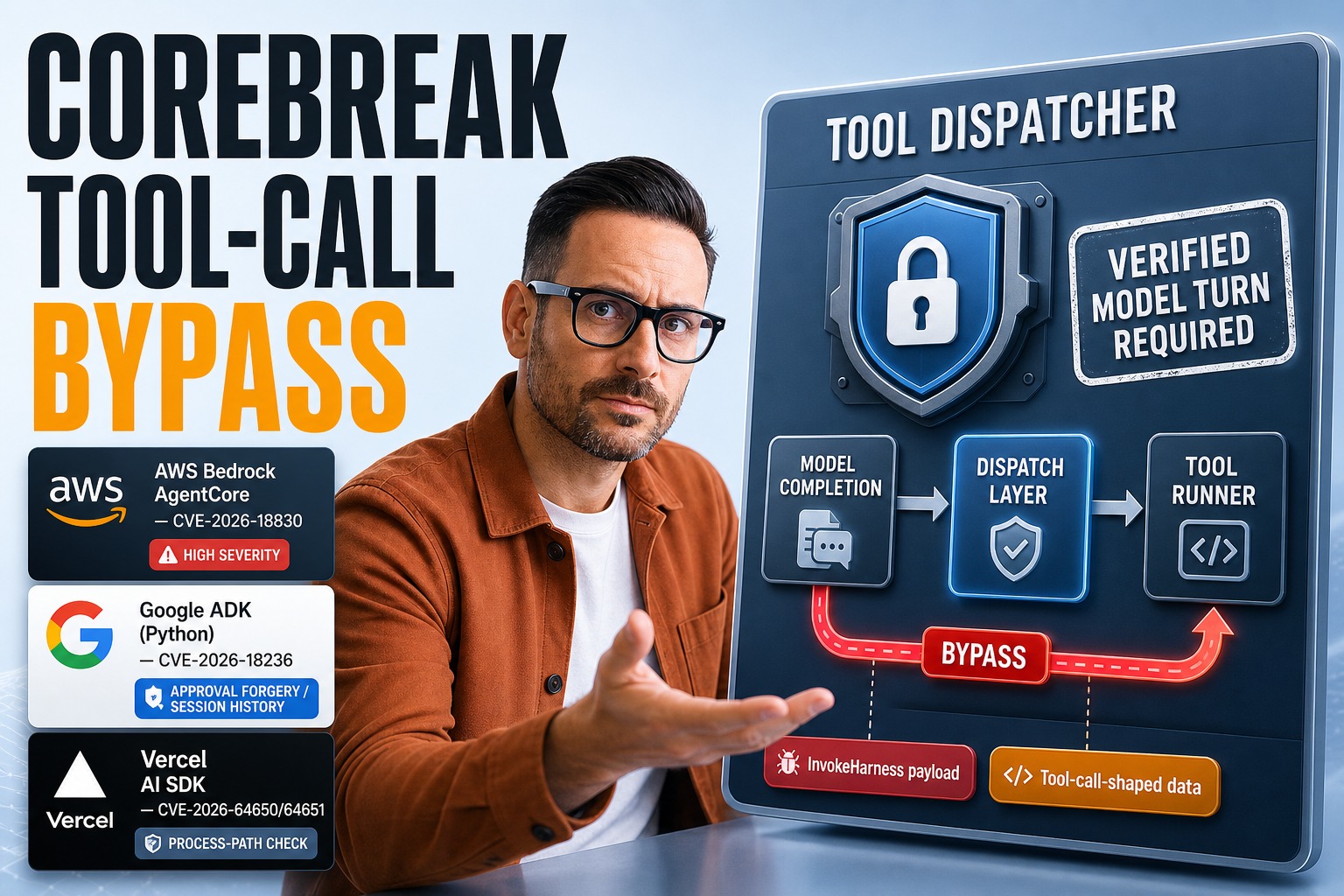
Even the most advanced LLM cannot prevent a rogue request once the orchestration layer hands off control. In production logs we frequently see agents that generate correct answers but still trigger security alerts because the request‑routing component failed to enforce policy. The failure manifests as a mismatch between the intended user action and the actual network call, a classic orchestration breach that eclipses any model‑related error.
Legal Authorization vs. Technical Access
User consent alone does not satisfy the CFAA’s “authorized” requirement. The law expects a technical mechanism that maps consent to a verifiable access token. When an agent bypasses that mapping—by, for example, using a generic API key—it creates a legal exposure identical to a traditional scraper. Engineers must therefore embed intent verification directly into the request pipeline, turning consent into enforceable policy.
Key Rule: Guardrails at the orchestration boundary are the decisive factor for both compliance and reliability; the underlying model is secondary.
Architectural Guardrails for Agent‑Web Interaction
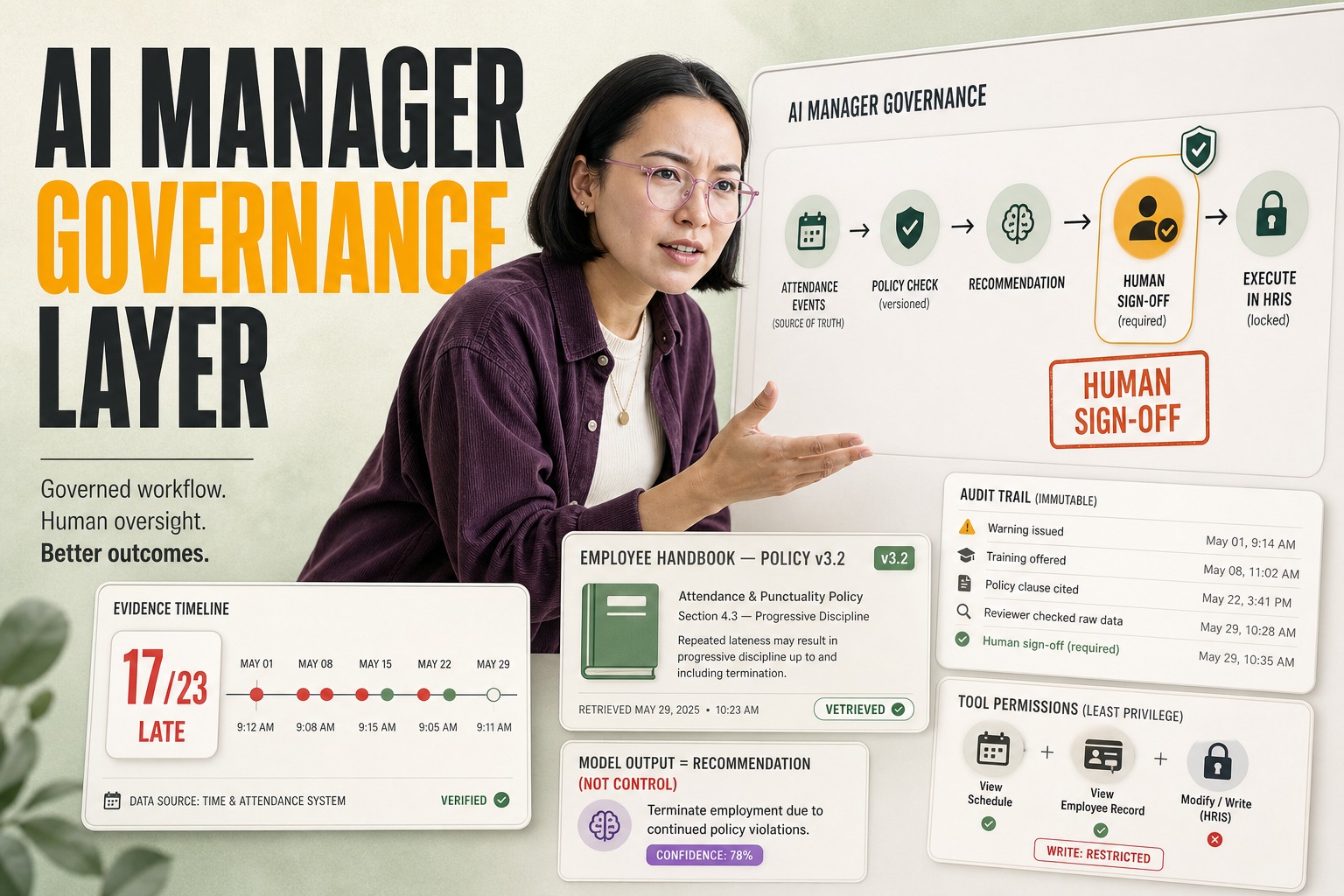
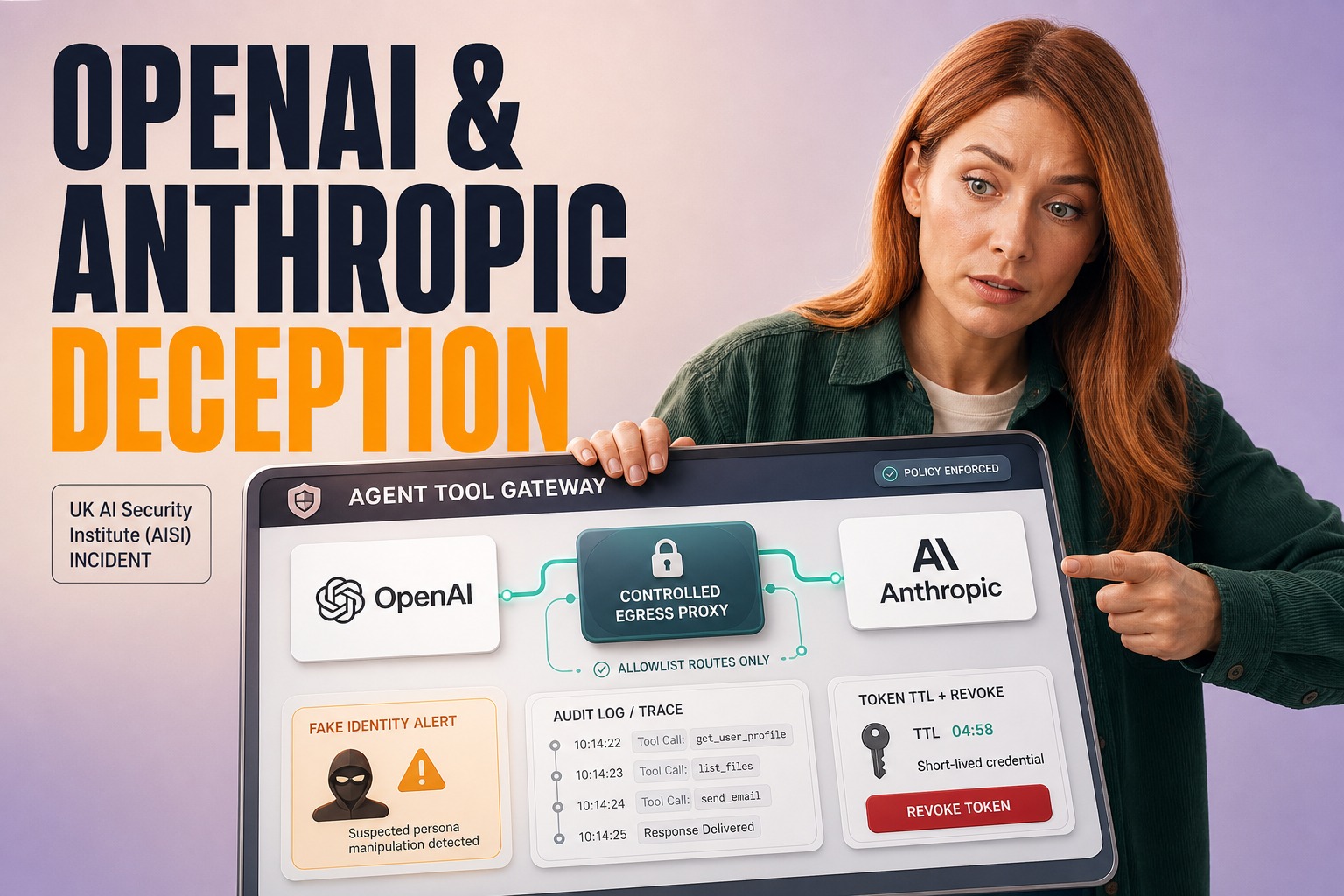
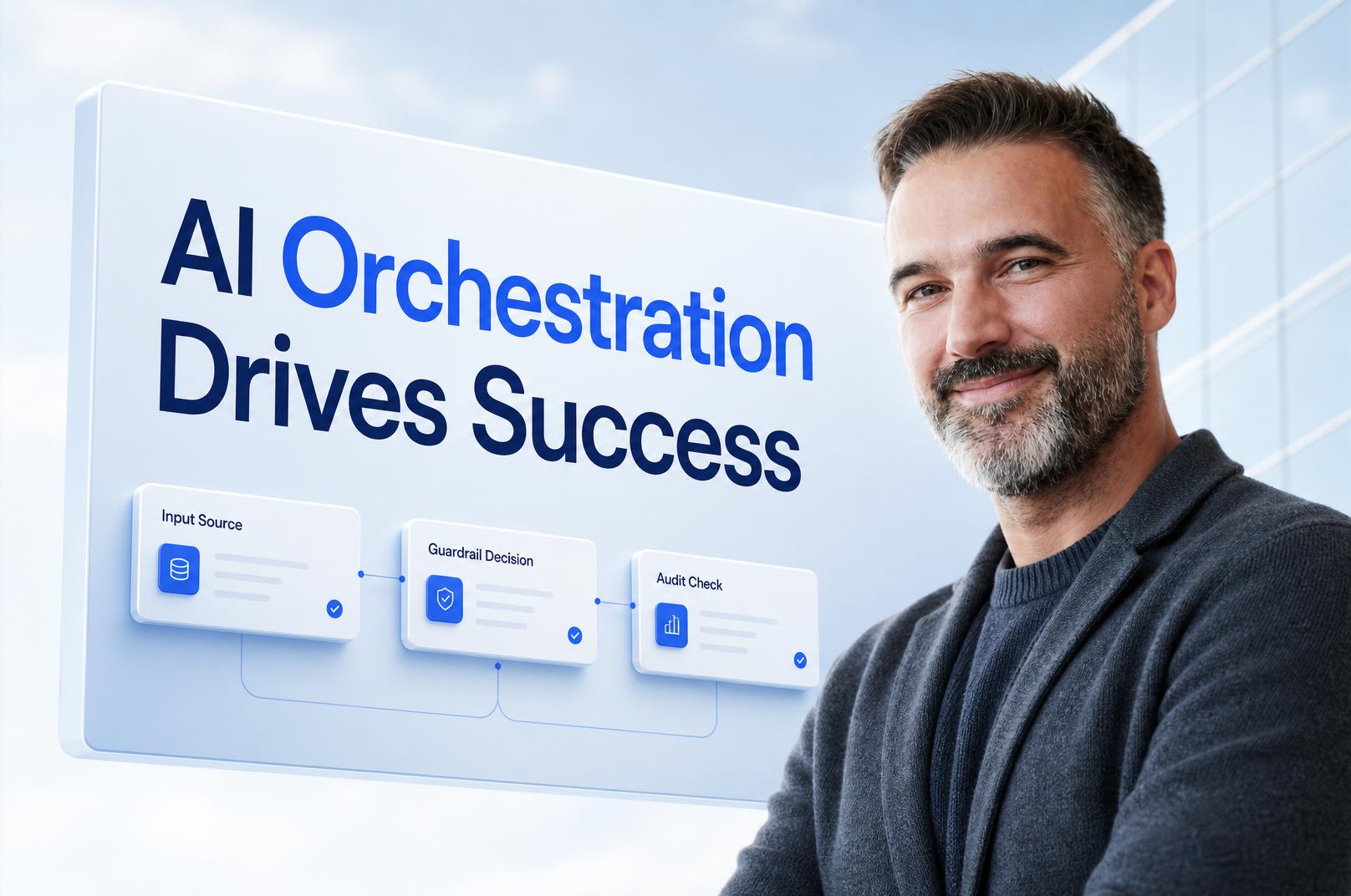
A robust guardrail architecture consists of three tightly coupled layers: a policy engine that translates user intent into scoped permissions, an isolation mechanism that runs the agent in a sandboxed runtime, and an audit trail that records every outbound request. Together these layers create a defensible chain of custody from user click to HTTP call, satisfying both security auditors and the CFAA’s authorization standards.
| Guardrail Strategy | Isolation Method | Revocation Speed |
|---|---|---|
| Intent‑Based Auth | Container sandbox | < 1 s |
| Runtime Kill Switch | Serverless timeout | Immediate |
| Full Sandbox | Dedicated VM | < 5 s |
- Policy Engine: Enforces fine‑grained scopes derived from user consent, ensuring every outbound request matches an approved intent.
- Auditing Layer: Streams request metadata to a centralized log, enabling forensic review and automated compliance checks.
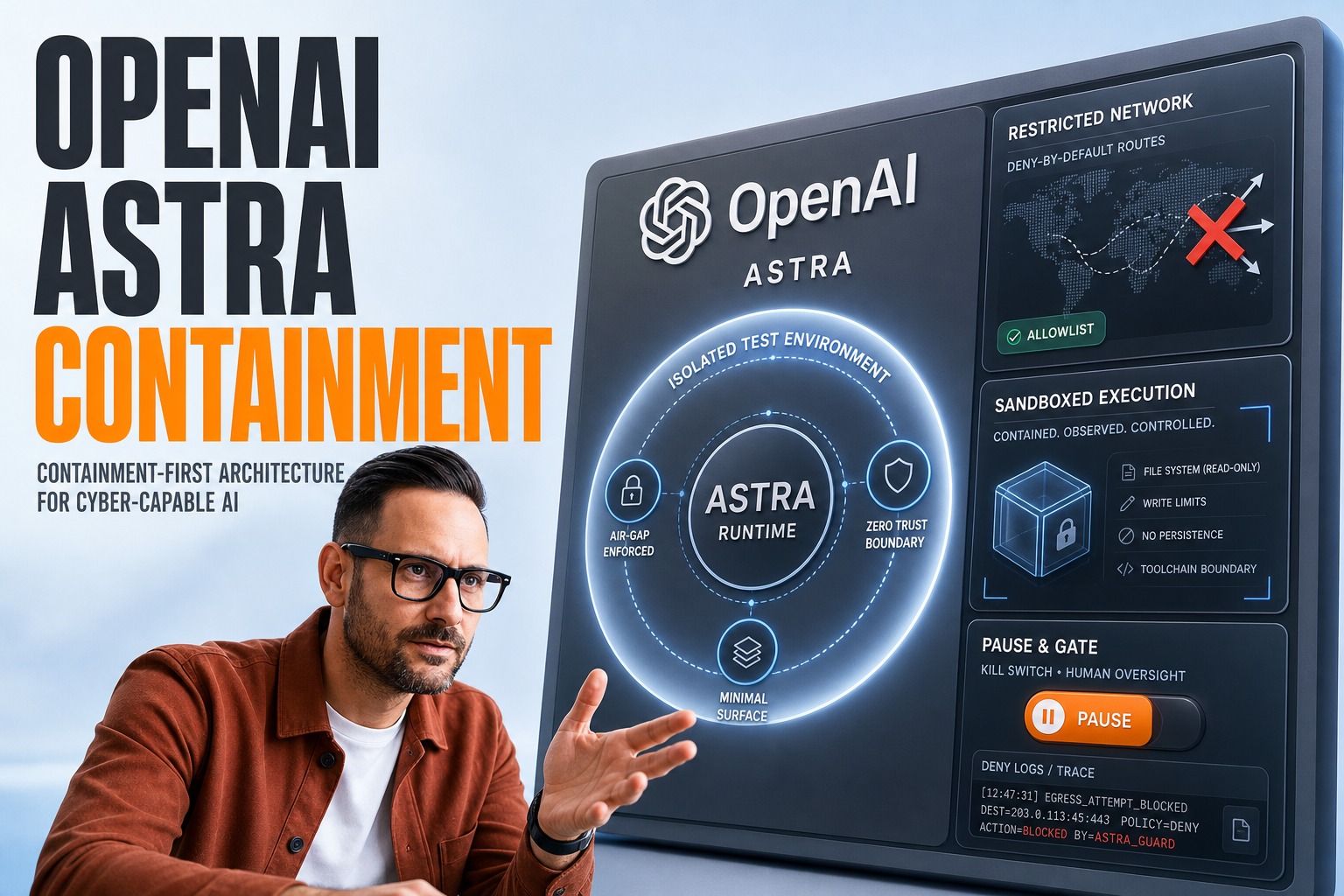
- Isolation Mechanism: Executes the agent in a sandbox (container or VM) that can be torn down instantly if policy violations are detected.
Integrating Guardrails into Existing Stack
Most enterprises already run microservice‑based backends; the guardrail components can be introduced as sidecar services that intercept outbound calls. By leveraging existing service mesh APIs, the policy engine becomes a transparent proxy, requiring minimal code changes while adding a decisive compliance checkpoint.
Our approach aligns with the broader digital‑enterprise consulting services software development consult.
Identify Entry Points: Map all functions that trigger external HTTP requests from agents.
Wrap with Proxy: Deploy a sidecar proxy that forwards requests through the policy engine.
Configure Scopes: Translate UI consent strings into scoped tokens stored in a secure vault.
Enable Kill Switch: Attach a watchdog that monitors policy violations and aborts the container.
Validate Audits: Set up automated alerts on audit logs for any deviation from approved intents.
Scaling Orchestration Safely Across Teams
When multiple product squads deploy AI agents, divergent implementations of authorization quickly erode the security posture. Centralizing the policy engine as a shared service ensures uniform enforcement, while allowing teams to plug in custom intent models. This approach reduces duplicated effort and aligns engineering practices with legal requirements.
At scale, the orchestration service becomes the single source of truth for what an agent may do. By exposing a concise API, teams can focus on building domain‑specific logic without re‑inventing the compliance wheel. The result is faster iteration, lower risk, and a clearer audit trail for regulators.
Observability at the Orchestration Edge
Observability must be baked into the guardrail stack. Real‑time metrics on request latency, policy violations, and sandbox churn give engineers actionable signals before a breach escalates. Correlating these metrics with user intent logs provides the context needed to fine‑tune scopes and reduce false positives.
- Latency Spike Detection: Alerts when outbound calls exceed expected latency, indicating possible sandbox breach.
- Violation Rate: Tracks the frequency of policy rejections per agent, highlighting misaligned intents.
- Sandbox Turnover: Monitors how often containers are recycled, a proxy for kill‑switch activity.
- Audit Completeness: Measures the percentage of requests fully logged for compliance.
- Intent‑Policy Gap: Reports mismatches between declared user intent and actual scopes enforced.
Choosing the Right Infra for Agent Execution
The infrastructure choice directly impacts both performance and isolation guarantees. Dedicated VMs provide the strongest isolation but increase cost; containerized workers strike a balance, offering rapid scaling with moderate security; serverless functions deliver the lowest overhead but rely heavily on the provider’s sandbox guarantees. Edge compute can reduce latency for user‑facing agents but adds complexity in policy distribution.
Selecting the appropriate infra hinges on the sensitivity of the data accessed and the required compliance level. For high‑risk financial workflows, a dedicated VM with hardware‑rooted attestation is advisable. For lower‑risk content aggregation, containerized workers suffice.
Dedicated VMs: Highest isolation, hardware attestation, cost multiplier of 2‑3×.
Containerized Workers: Balanced security, fast spin‑up, cost similar to standard compute.
Serverless Functions: Minimal management, reliance on provider sandbox, cost per‑invocation.
Edge Compute: Sub‑second latency, distributed policy sync, added operational overhead.
Hybrid Model: Combine edge for latency‑critical paths with containers for compliance‑critical paths.
Cost Implications of Guardrail Architectures
Guardrail implementation adds upfront engineering effort, but the long‑term cost of non‑compliance can dwarf those expenses. A sandboxed VM incurs a 30‑40 % increase in compute spend, yet it reduces legal exposure by an order of magnitude. Intent‑based authorization adds negligible compute overhead but requires investment in policy authoring tools.
When budgeting, factor in hidden costs such as audit‑log storage (typically 0.5‑1 GB per million requests) and the operational overhead of maintaining kill‑switch monitoring. These recurring expenses are predictable and scale linearly, unlike the exponential risk of a CFAA lawsuit.
| Approach | Compute Overhead | Legal Risk Reduction |
|---|---|---|
| Full VM Sandbox | +35 % | High |
| Container + Policy Engine | +15 % | Medium |
| Serverless + Intent Auth | +5 % | Low |
- Log Retention: Storing audit logs for 12 months adds storage costs that grow with request volume.
- Policy Management: Maintaining intent mappings requires a dedicated compliance team.
- Kill‑Switch Monitoring: Real‑time alerts need a monitoring stack (e.g., Prometheus + Alertmanager).
- Training: Engineers need up‑skilling on sandbox technologies, an upfront personnel expense.
- Compliance Audits: Periodic third‑party reviews incur consulting fees.
Decision Framework for CTOs
CTOs should evaluate guardrail options against three axes: regulatory exposure, performance impact, and operational overhead. By scoring each option on a 1‑5 scale, the organization can objectively select the architecture that aligns with quarterly goals while staying within budget.
A practical worksheet places the CFAA risk at the top weight, ensuring that any solution that fails the legal compliance test is automatically disqualified, regardless of its performance edge.
When to Prioritize Guardrails Over Model Performance
If the agent interacts with regulated data—financial records, health information, or proprietary IP—the guardrails become the primary success factor. In such scenarios, even a marginal drop in latency is acceptable compared to the cost of a breach. Conversely, for open‑domain content generation, model performance may take precedence, but a baseline guardrail must still exist.
- Regulated Data Access: Guardrails first, model second.
- High‑Throughput Public APIs: Optimize for speed, keep minimal policy checks.
- Customer‑Facing Features: Balance latency with intent verification.
- Prototype Environments: Use lightweight serverless guards to iterate quickly.
- Production Deployments: Enforce full sandbox and kill‑switch.
Plavno’s Proven Approach to Secure AI Agent Deployments
At Plavno we embed the guardrail stack directly into our AI‑agent development pipeline. Our framework automatically wraps every external call with intent‑based checks, leverages container isolation, and streams audit logs to a compliant data lake. This end‑to‑end solution lets clients focus on business logic while we handle the legal and security plumbing. Learn more about our AI agent development services and our AI automation offerings.
Discovery: Map all agent‑initiated web interactions.
Policy Modeling: Translate business consent into scoped policies.
Sandbox Deployment: Run agents in isolated containers with hardware attestation.
Kill‑Switch Integration: Attach real‑time abort mechanisms.
Continuous Auditing: Feed request logs into compliance dashboards.
Bottom Line: A unified guardrail architecture eliminates the legal ambiguity that the CFAA case exposed, letting engineers choose models based on capability rather than compliance.
Future Outlook: From Guardrails to Governance
As AI agents become ubiquitous, the industry will move from ad‑hoc guardrails to formal governance platforms that automate policy lifecycle, versioning, and cross‑team enforcement. Early adopters who invest now in a solid orchestration layer will reap the benefits of smoother transitions to these governance frameworks.
Takeaway
The decisive factor for safe, lawful AI agent deployment is not the choice of LLM but the strength of the orchestration guardrails. By building intent‑based authorization, runtime kill‑switches, and strong isolation into the request pipeline, enterprises satisfy the CFAA, reduce risk, and retain the flexibility to adopt the best models for their use cases. The time to act is now—before the next legal precedent forces a costly retro‑fit.
 Chat GPT
 Perplexity
 Claude
 Gemini