What is Salesforce’s new agentic marketing platform? → A suite built on its CDP and Agentforce that offers collaborative AI agents to create campaigns, qualify leads, and optimize experiences.
Why does this matter now? → Enterprises are demanding hard, outcome‑based AI ROI, and Salesforce is betting on cross‑functional agents to replace fragmented point solutions.
What core question does this article answer? → How should CTOs evaluate unified, goal‑oriented AI agents versus siloed martech tools when choosing a platform this quarter?
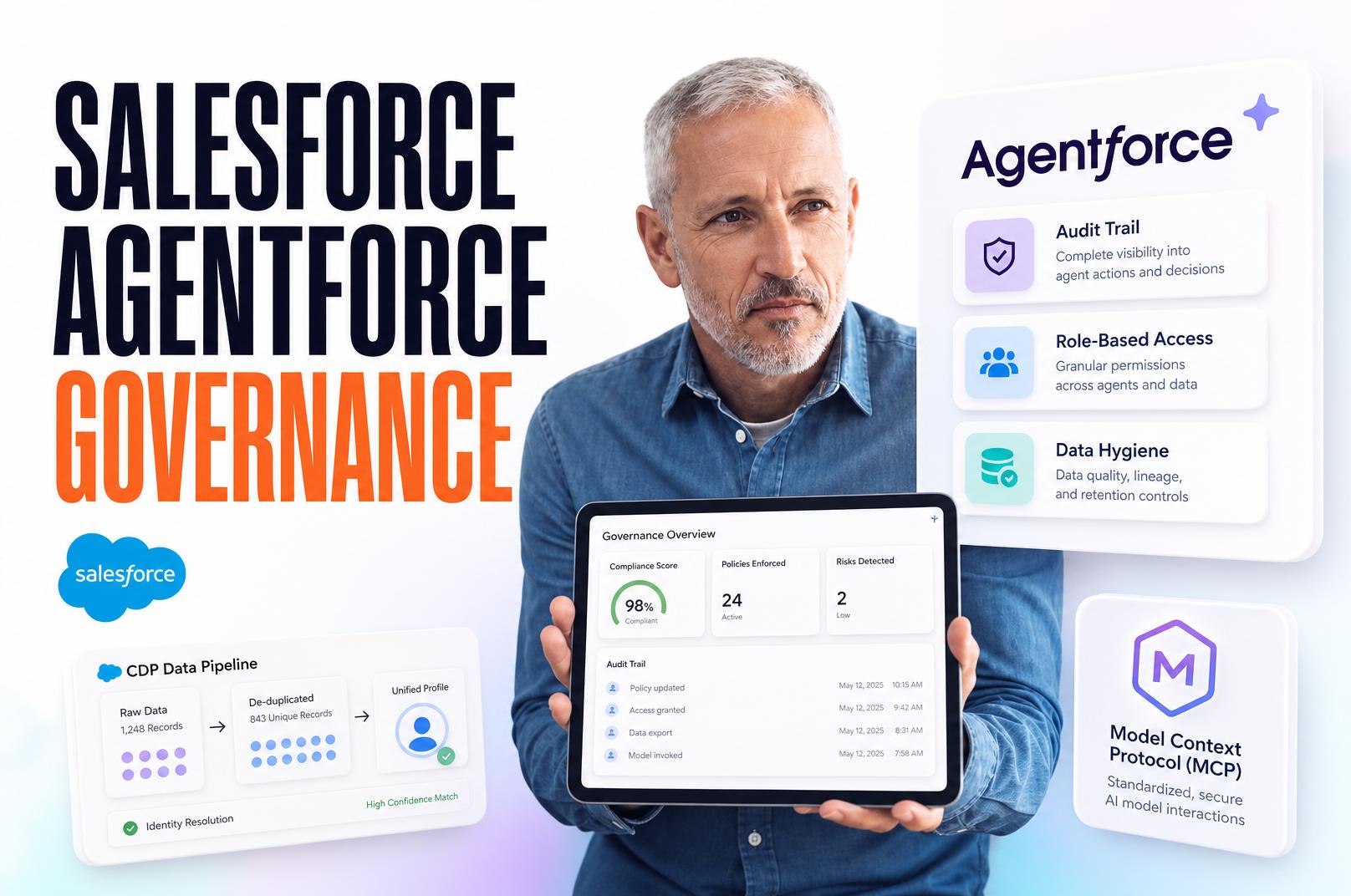
What is the unique angle? → We argue that governance and data hygiene, not raw model capability, are the decisive factors for ROI.
Quick Answer
Unified, goal‑oriented AI agents can deliver measurable marketing ROI only when they operate on a clean, governed data foundation; therefore, CTOs should prioritize platform governance, data hygiene, and cross‑functional orchestration over the sheer number of agent features.
- Governance First – Establish audit trails, role‑based controls, and compliance checks before scaling agents.
- Data Hygiene – Ensure CDP records are de‑duplicated, normalized, and real‑time.
- Cross‑Functional Context – Agents must share the same customer view across marketing, sales, and service.
- Outcome Metrics – Define concrete KPIs (pipeline velocity, conversion lift) rather than vague efficiency claims.
- Vendor Lock‑In – Assess how the platform’s APIs (e.g., MCP) lock you into proprietary orchestration.
Why Fragmented Martech Stacks Fail to Deliver ROI
Most enterprises still stitch together point‑solution AI copilots, leading to duplicated effort, data silos, and inconsistent user experiences. When each tool accesses a different slice of the customer record, agents cannot reason holistically, causing missed upsell opportunities and duplicated qualification work. The result is a modest productivity bump that rarely translates into hard revenue impact. Salesforce’s platform attempts to eradicate these gaps by exposing a unified CDP and Agentforce, promising that a single team of agents can act on the full customer lifecycle.
- Siloed Signals – Separate tools generate conflicting intent scores, confusing downstream automation.
- Manual Hand‑offs – Teams still need to export data between apps, re‑entering leads.
- Inconsistent Governance – Each vendor imposes its own compliance model, increasing audit complexity.
- Higher Total Cost – Licensing multiple point solutions inflates OPEX without proportional gains.
- Limited Scale – Orchestration overhead grows exponentially as more agents are added.
How Goal‑Oriented AI Agents Change the Equation
Instead of issuing step‑by‑step commands, marketers define high‑level goals, budgets, and guardrails. The Marketing Goals Agent then autonomously selects audiences, crafts messaging, chooses channels, and iterates based on live performance signals. Early adopters report a 75 % acceleration in campaign creation, and the ability to recover declining conversion rates by dynamically re‑targeting. This shift moves the platform from a workflow‑execution tool to an outcome‑execution engine, where success is measured by revenue‑linked KPIs rather than internal efficiency.
The Architecture Behind Unified Agentic Intelligence
Salesforce’s Agentforce sits atop the CDP, ingesting both first‑party behavioral events and third‑party intent feeds. The platform exposes a Model Context Protocol (MCP) that lets any interface—Slack, custom dashboards, or partner apps—invoke agents with the same contextual payload. This headless 360 architecture decouples AI logic from the UI, ensuring that agents can be called from wherever users work, while preserving a single source of truth for customer data.
| Feature | Point‑Solution Copilot | Salesforce Unified Agentic Platform |
|---|---|---|
| Data Scope | Limited to app‑specific records | Full CDP view with real‑time signals |
| Orchestration | Manual hand‑offs between tools | Automated goal‑driven workflow |
| Governance | Vendor‑specific controls | Centralized audit, role‑based policies |
| ROI Measurement | Soft productivity metrics | Hard pipeline and conversion KPIs |
| Integration | Siloed APIs | Unified Model Context Protocol (MCP) |
Why Governance Beats Model Size for Enterprise ROI
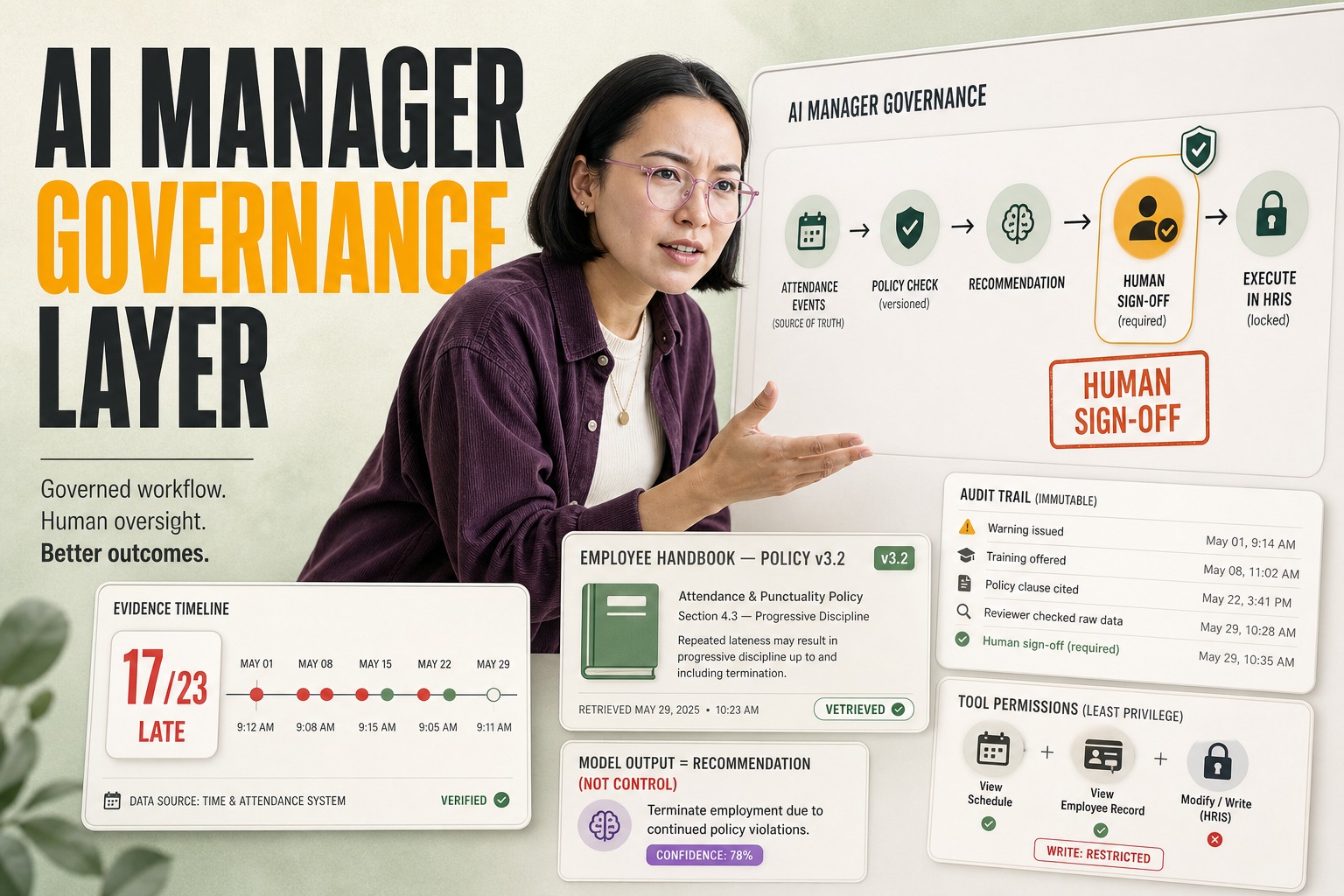
Even the most sophisticated LLM cannot compensate for sloppy data or unchecked actions. Enterprises with strict compliance regimes need granular control over what an agent can do, when it can act, and how its decisions are logged. Salesforce’s Agentforce provides deterministic guardrails—budget caps, brand‑safe content filters, and approval workflows—that keep autonomous agents aligned with corporate policy. Without such safeguards, a mis‑fired campaign can erode brand trust faster than any productivity gain.
Plavno’s Perspective on Building Governed Agentic Solutions
At Plavno we see governance as the first layer of any successful AI‑agent deployment. Our experience delivering AI‑assistant development and AI‑automation projects shows that clients who invest early in data hygiene, role‑based access, and audit logging achieve ROI 2‑3× faster than those who focus solely on model performance. By integrating our AI‑assistant development services with a robust CDP strategy, we help enterprises unlock the full potential of unified agents while keeping risk under control.
- Data Normalization – Consolidate customer attributes into a canonical schema before agents act.
- Policy Engine – Deploy rule‑based checks that enforce budget limits and brand guidelines.
- Audit Trails – Log every agent decision with timestamps and provenance for compliance.
- Feedback Loops – Capture human overrides to continuously improve agent behavior.
- Scalable Infrastructure – Use cloud‑software‑development pipelines that can spin up agents on demand.
Business Impact of Unified Agentic Marketing
When a single AI team can qualify leads, generate content, and launch campaigns, organizations see measurable lifts in pipeline velocity and conversion rates. Early reports from Rawlings indicate a 75 % reduction in time‑to‑launch, while Emplifi’s CMO notes a 22 % increase in opportunity creation after reducing manual SDR headcount. However, these gains materialize only when the underlying data is trustworthy and governance is enforced, otherwise the platform can mis‑route prospects or violate compliance, negating revenue benefits.
The decisive factor for ROI is not how many agents you deploy, but how well you govern their actions and the quality of the shared data they consume.
How to Evaluate This Platform in Practice
When assessing Salesforce’s agentic marketing suite, start by mapping the existing data flow: identify gaps in CDP completeness, duplicate records, and latency in signal ingestion. Next, audit the platform’s governance features—does it support role‑based approvals, budget caps, and audit logs? Finally, define concrete outcome metrics such as pipeline‑generated revenue per dollar spent on AI, and run a controlled pilot that isolates the agentic layer from legacy tools. This disciplined approach lets you compare hard ROI against the cost of integration.
Real‑World Applications Across Industries
Healthcare providers leverage AI‑voice assistants to triage patient inquiries, routing only qualified cases to clinicians, thereby reducing call center load. Financial services firms can use the Marketing Goals Agent to comply with strict KYC rules while dynamically adjusting offers based on transaction signals. Retail brands employ AI SDR agents like Piper to engage website visitors in real time, converting intent into qualified leads without manual forms.
- FinTech – Goal‑driven campaigns that respect AML controls while boosting loan conversions.
- Healthcare – Voice AI assistants that enforce HIPAA‑compliant data handling.
- Retail – Real‑time prospecting agents that capture intent without friction.
- B2B SaaS – Automated SDR agents that qualify leads and schedule demos.
- Public Sector – Policy‑aware agents that deliver citizen services within regulatory frameworks.
Risks and Limitations to Watch
Even with robust governance, unified agents can introduce new failure modes. Real‑time signal latency can cause agents to act on stale data, leading to mis‑targeted offers. Over‑reliance on a single platform raises vendor lock‑in risk, especially if MCP standards evolve. Finally, autonomous agents may generate content that skirts brand tone if guardrails are mis‑configured, requiring continuous human oversight.
The Path Forward for CTOs
The strategic choice this quarter is clear: prioritize platforms that embed governance, data hygiene, and cross‑functional context at the core of their agentic architecture. Evaluate vendors on their ability to expose unified APIs, enforce deterministic guardrails, and deliver measurable pipeline impact. By doing so, you turn AI from a speculative expense into a predictable revenue driver.
Audit Data Foundations – Verify that the CDP provides a single, de‑duplicated customer view.
Validate Governance Controls – Ensure role‑based approvals, budget caps, and audit logs are native.
Define Outcome KPIs – Align AI agents with revenue‑linked metrics rather than internal efficiency.
Pilot with Guardrails – Run a limited‑scope experiment that enforces strict policy checks.
Scale with Confidence – Expand agent deployment only after the pilot demonstrates hard ROI.
Closing Insight
Unified, goal‑oriented AI agents are reshaping martech, but the real competitive advantage lies in how rigorously enterprises govern those agents and maintain pristine data. CTOs who invest in platform governance this quarter will capture the promised ROI while avoiding the hidden costs of ungoverned automation.
Call to Action
If your organization is ready to assess data hygiene, governance, and outcome‑based ROI for AI‑driven marketing, let’s discuss how Plavno’s AI‑agents‑development and digital‑transformation services can accelerate your journey. Our experts can design a governed agentic framework that aligns with your revenue goals and compliance requirements.
Ready to turn autonomous AI into measurable revenue? Connect with Plavno to build a governed, outcome‑focused agentic platform today.
 Chat GPT
 Perplexity
 Claude
 Gemini