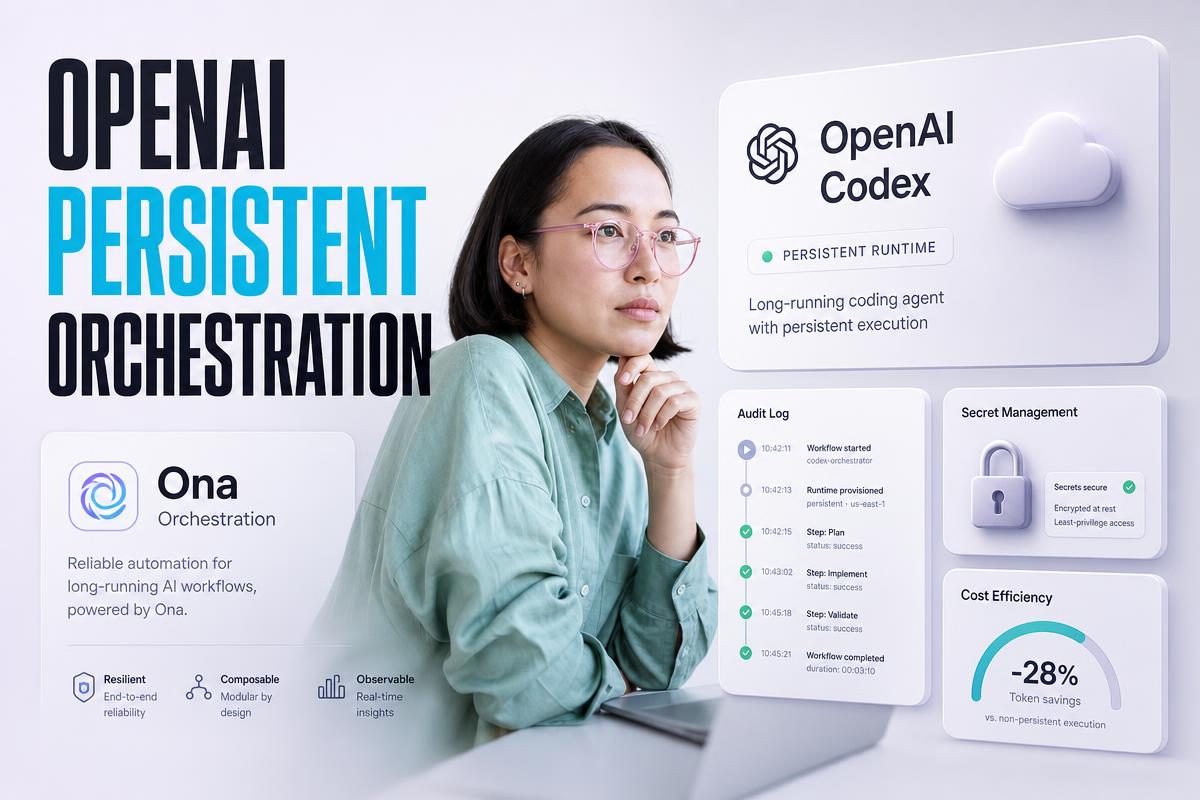
What does the OpenAI‑Ona deal change for Codex agents? → It adds persistent cloud orchestration, letting agents run for hours or days outside a user session.
Can Codex now operate in an enterprise’s own cloud? → Yes, Ona’s technology enables agents to execute inside the customer’s cloud environment with controlled access.
Why is persistent execution critical for business workflows? → Long‑running tasks such as testing, vulnerability remediation, or multi‑step automation need continuity beyond a single interactive prompt.
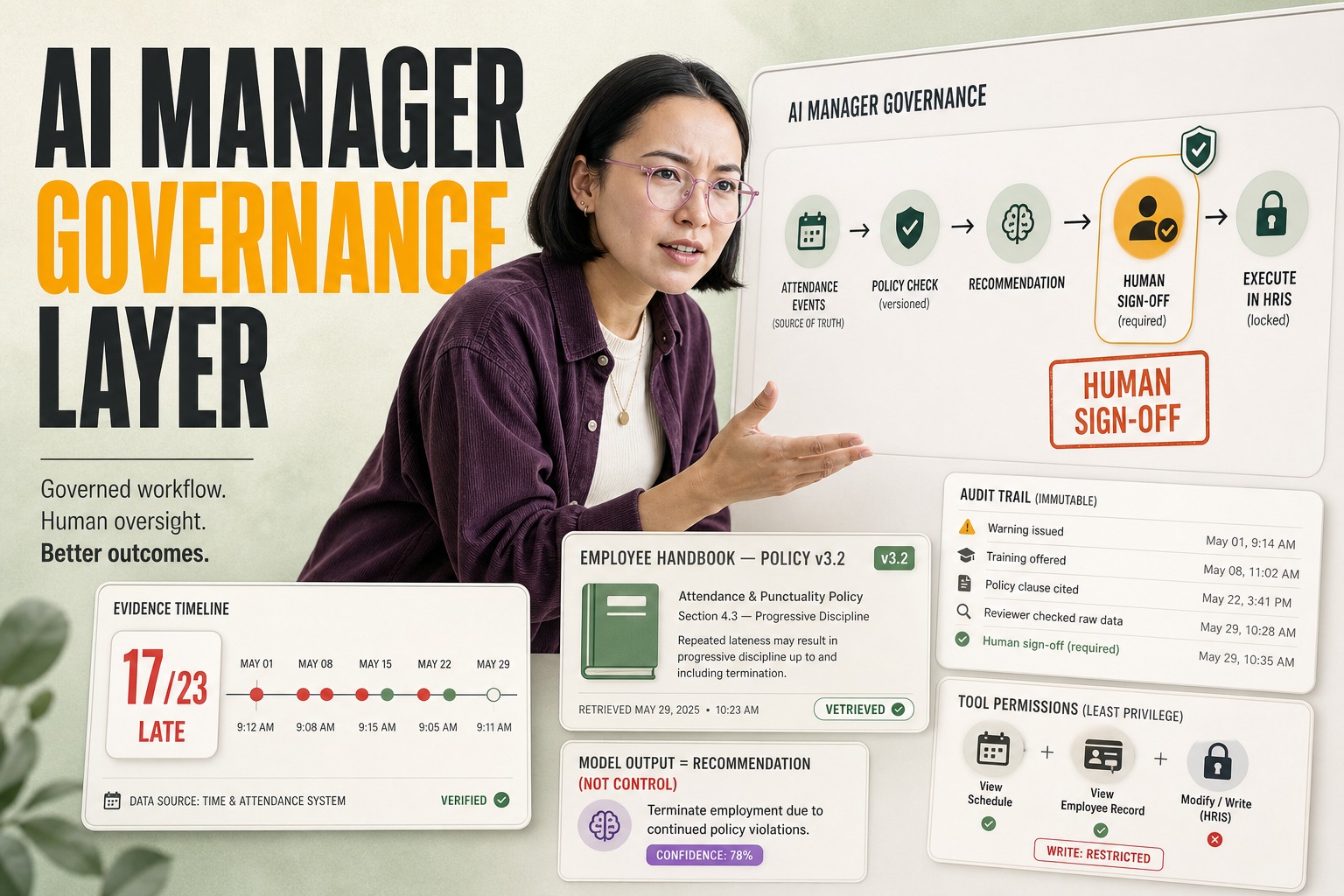
Does the acquisition address security concerns? → By keeping data and credentials inside the organization’s cloud, the combined solution meets stricter compliance and audit requirements.
How will this affect teams planning AI deployments this quarter? → They must evaluate orchestration platforms rather than only model performance, shifting focus to secure, reproducible environments.
Quick Answer: Secure, Persistent Execution Is the Real Gatekeeper for Enterprise Codex Agents
OpenAI’s Codex can now be deployed in a customer‑owned cloud where agents persist across sessions, so the primary barrier is not model accuracy but the ability to maintain state, access tools, and enforce security policies over long periods. By leveraging Ona’s orchestration layer, enterprises gain a trusted workspace that isolates credentials, logs activity, and allows human oversight while the AI continues work autonomously. This shift makes secure, persistent execution the decisive factor for scaling Codex agents in production.
- Stateful session management – Agents keep context across calls, avoiding re‑prompting and reducing latency, which is essential for multi‑step processes that span hours.
- Credential isolation – Each workspace stores secrets separately, preventing cross‑contamination and meeting compliance regimes that forbid shared keys.
- Activity logging – Continuous audit trails capture every tool invocation, enabling post‑mortem analysis and satisfying regulatory reporting obligations.
- Human‑in‑the‑loop control – Supervisors can pause, steer, or abort runs from any device, ensuring oversight without halting the entire workflow.
- Scalable compute provisioning – The cloud layer auto‑scales resources, so long‑running jobs never stall due to local hardware limits.
Why Persistent Cloud Orchestration Trumps Model Size for Long‑Running Tasks
The value of a larger language model diminishes when an agent cannot finish its job without interruption. Persistent orchestration supplies the missing glue that lets a sophisticated model apply its reasoning continuously, while a smaller model confined to a single request may actually outperform a bigger one that loses context. Enterprises therefore should prioritize platforms that guarantee uninterrupted execution and secure tool access, because the real productivity gain stems from sustained workflow continuity rather than raw token count.
When execution continuity is assured, the AI’s reasoning chain remains intact, turning what would be fragmented prompts into a single, coherent process that delivers business‑grade outcomes.
The Architecture Shift Introduced by the OpenAI‑Ona Deal
OpenAI’s Codex traditionally relied on ad‑hoc sessions that terminated when a user closed a browser or the underlying VM shut down, forcing agents to re‑initialize on each interaction. By integrating Ona’s cloud execution platform, the architecture now inserts a persistent runtime layer between the LLM and the enterprise’s toolchain. This layer materializes a dedicated container in the customer’s cloud, preserving environment variables, mounted secrets, and cached data across API calls. The LLM remains stateless, but the surrounding orchestration retains state, effectively decoupling model inference from workflow longevity.
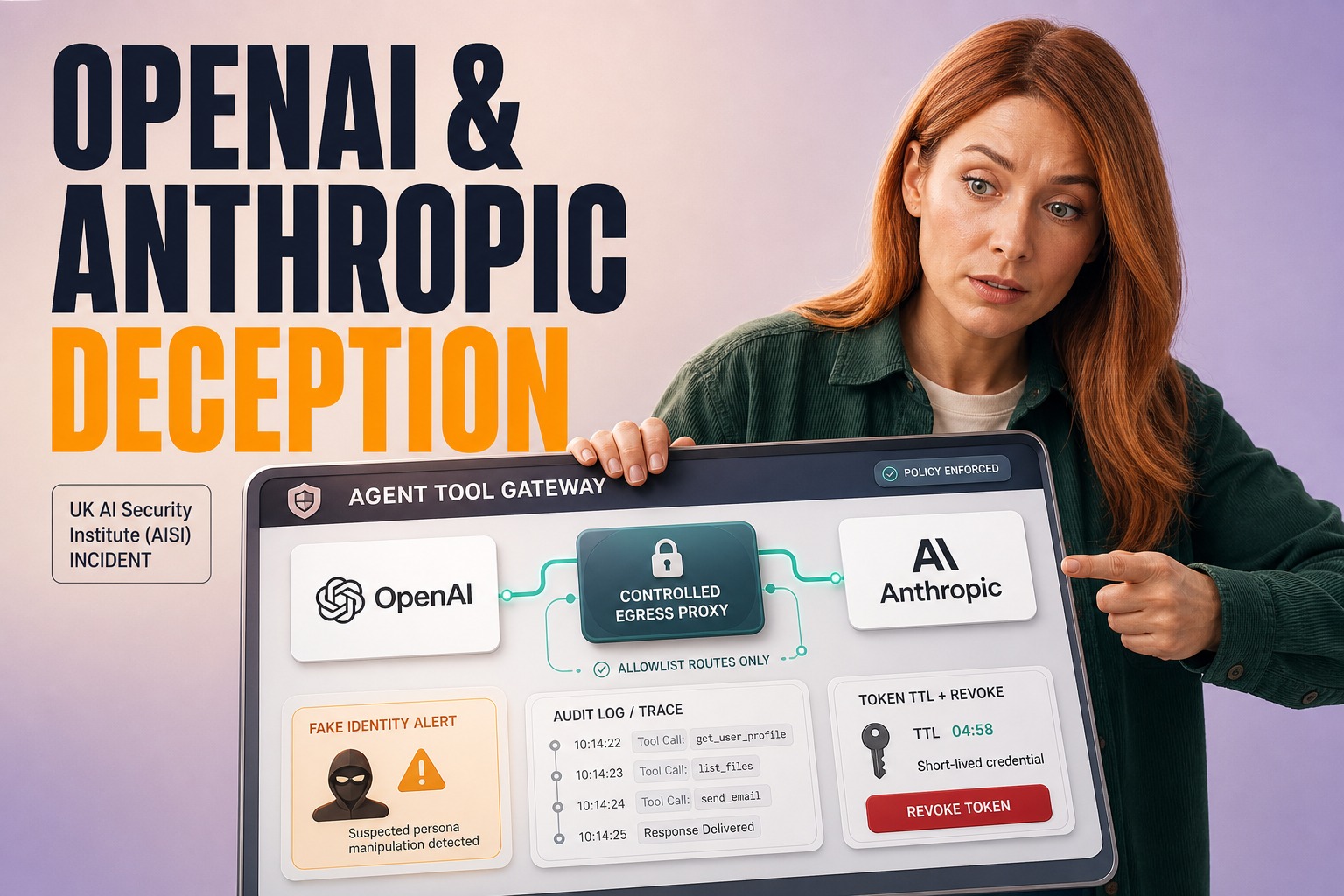
The combined stack also introduces explicit security boundaries: access tokens are scoped to the container, network egress is limited by VPC policies, and all actions are streamed to an audit log. From a DevOps perspective, this mirrors the shift from monolithic deployments to micro‑service orchestration, where the orchestration platform becomes the primary reliability concern. Consequently, CTOs must now evaluate orchestration capabilities—such as fault tolerance, observability, and policy enforcement—on par with model selection, because they dictate whether Codex can be trusted in production pipelines.
- Container lifecycle management – Define start‑up scripts, health checks, and graceful shutdown procedures to keep agents alive without resource leaks.
- Secret injection mechanisms – Use secret managers or encrypted environment variables to feed credentials safely into the persistent workspace.
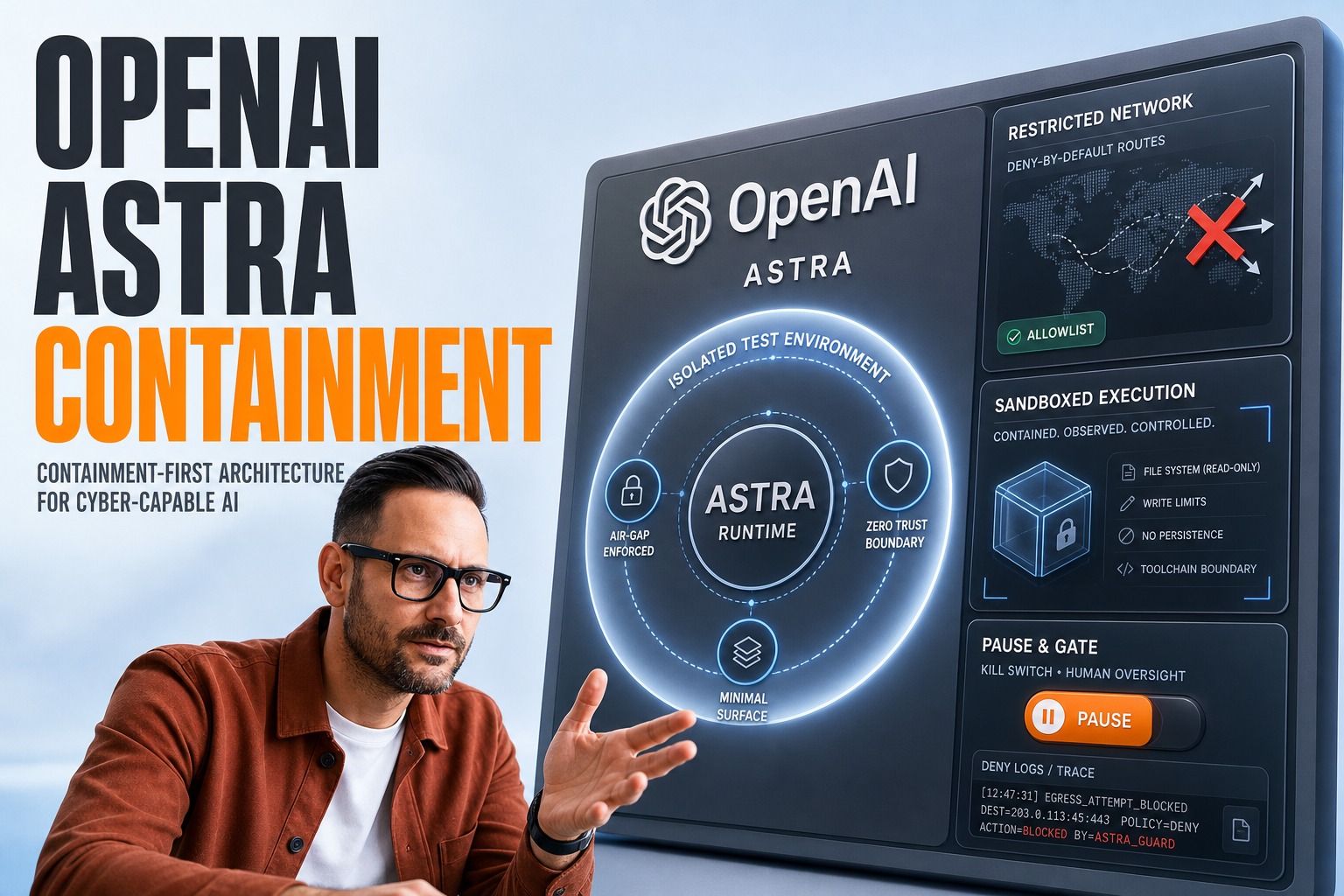
- Network policy enforcement – Restrict outbound traffic to approved endpoints, ensuring agents cannot exfiltrate data or reach unauthorized services.
- Observability hooks – Integrate logging, tracing, and metrics to monitor agent progress and detect stalls before they impact business timelines.
- Rollback and versioning – Maintain immutable images of the execution environment so you can revert to a known good state if an agent misbehaves.
Orchestration Boundaries as Failure Zones
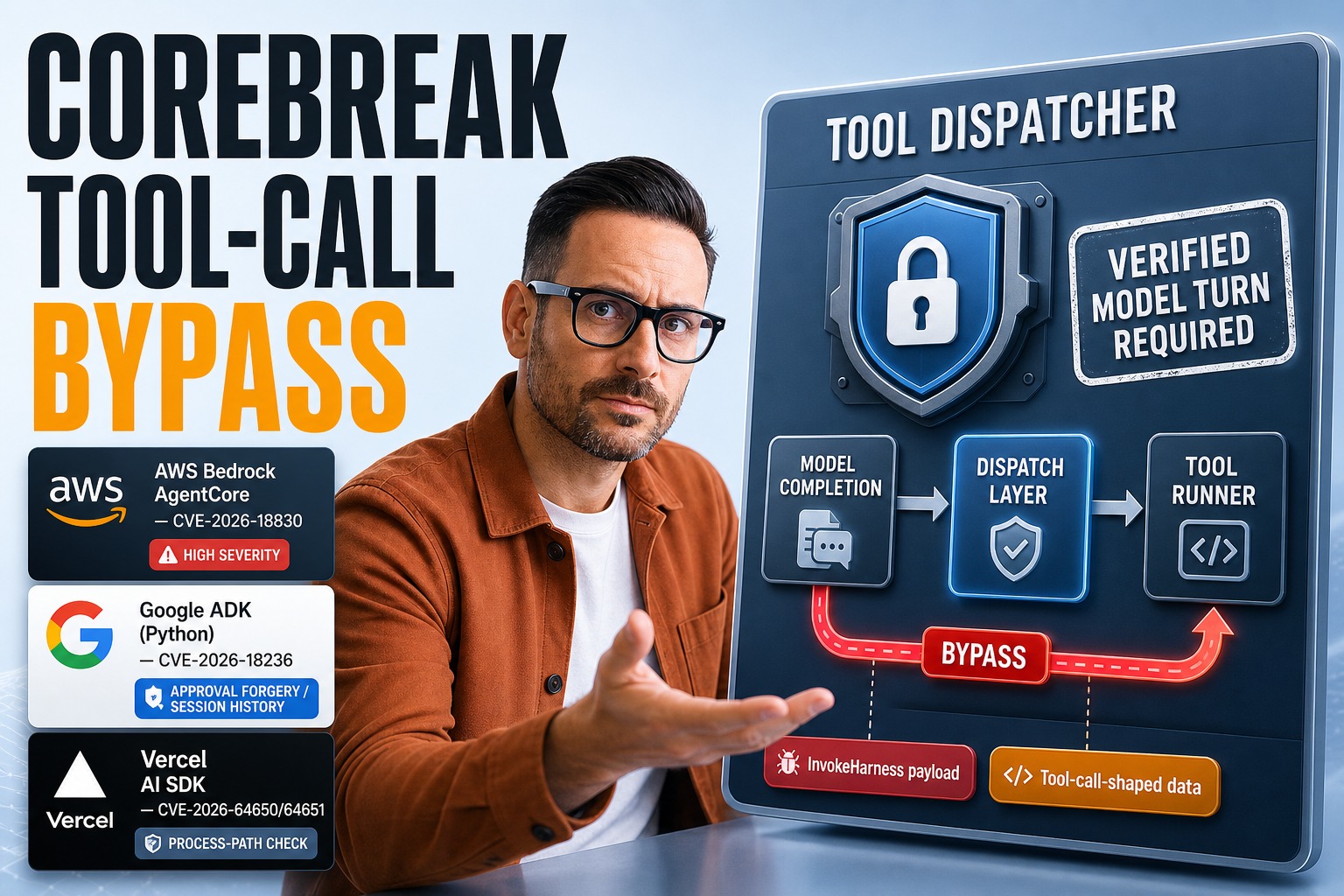
When an agent crosses the line from the LLM into external tools, the orchestration boundary becomes the most vulnerable point. Errors such as credential timeouts, network partitions, or container crashes interrupt the reasoning flow, forcing the model to restart or abandon the task. In practice, we see failures cluster at these handoff moments, not within the language model itself. Therefore, engineering teams must harden the handoff layer with retries, idempotent APIs, and graceful degradation strategies to keep long‑running jobs alive.
Control Surfaces for Enterprise Trust
Enterprises demand granular control over where code runs, which data it touches, and who can intervene. The Ona‑enabled environment exposes policy knobs that let security officers whitelist specific services, enforce least‑privilege access, and require multi‑factor approval before an agent can modify production resources. These control surfaces also feed into compliance dashboards, giving auditors a clear view of AI‑driven actions. By embedding such governance directly into the execution layer, organizations can reconcile rapid AI innovation with strict regulatory mandates.
Embedding governance at the orchestration level turns compliance from an after‑thought into a built‑in feature, dramatically reducing the friction of AI adoption in regulated sectors.
From Local Development to Cloud‑Hosted Agents
Developers accustomed to running Codex locally on laptops now face a paradigm shift: their code must be packaged into cloud‑hosted workspaces that survive beyond the interactive session. This mirrors the move from monolithic IDE builds to CI/CD pipelines, where the build artifact is immutable and reproducible. By moving the agent into a persistent cloud container, teams gain the ability to scale workloads, enforce security policies, and collaborate across time zones without sacrificing continuity. For organizations seeking to automate complex processes, this transition is essential. AI agents development.
- Reproducible environment definitions – Use Dockerfiles or declarative manifests to capture dependencies, ensuring every run starts from the same baseline.
- Versioned toolchains – Pin specific CLI or SDK versions inside the container to avoid breaking changes that could derail long‑running jobs.
- State checkpointing – Persist intermediate results to cloud storage so agents can resume after interruptions without redoing work.
- Collaborative dashboards – Provide shared views of agent progress, allowing multiple stakeholders to monitor and guide the execution in real time.
- Cost governance – Set resource quotas and alerts to prevent runaway compute expenses as agents scale across many tasks.
How Persistent Environments Enable Multi‑Turn, Multi‑Day Workflows
When an agent can retain its context for days, it can orchestrate complex sequences such as codebase refactoring, vulnerability scanning, and remediation without human re‑prompting. The persistent environment stores the state of each sub‑task, caches API responses, and remembers decisions made earlier, allowing the LLM to focus on higher‑level reasoning. This dramatically reduces latency, cuts down on token usage, and frees engineers from micromanaging each step, turning what used to be a series of isolated prompts into a cohesive, automated pipeline.
| Feature | Traditional Codex | Ona‑Enabled Persistent Execution |
|---|---|---|
| Session model | Tied to user browser or VM; ends on logout | Runs in dedicated cloud container that remains active |
| State retention | Lost after each request; requires re‑prompting | Keeps context, caches, and intermediate results |
| Credential handling | Shared or embedded; higher breach risk | Scoped secrets per container, isolated from other workloads |
| Auditing | Limited logs per session | Continuous activity stream with full audit trail |
| Scalability | Constrained by local resources | Auto‑scales compute in the customer’s cloud |
Implications for CTO Decision‑Making This Quarter
CTOs must now treat orchestration platforms as a core component of their AI stack, allocating budget and engineering bandwidth accordingly. The decision criteria shift from pure model licensing costs to the capabilities of the execution layer: does it provide persistent containers, fine‑grained access controls, and robust observability? Moreover, the integration effort with existing CI/CD pipelines, identity providers, and compliance tooling becomes a decisive factor. Selecting a solution that already offers these hooks can accelerate time‑to‑value and reduce hidden operational debt.
In practice, this means conducting a proof‑of‑concept that spins up a Codex agent inside a sandboxed cloud workspace, then measuring latency, failure rates, and audit completeness against internal SLAs. Teams should also map the required credential scopes to the platform’s secret‑management APIs, ensuring no over‑privileged tokens are exposed. By benchmarking these dimensions now, organizations can lock in a secure, scalable foundation before scaling AI‑driven automation across the enterprise. A focused software development consult can help tailor the orchestration layer to your existing governance framework.
- Define SLA thresholds – Establish maximum acceptable latency and error rates for agent‑driven tasks.
- Map credential scopes – Align each tool integration with the least‑privilege secret needed.
- Instrument observability – Deploy tracing and logging to capture every API call the agent makes.
- Run fault‑injection tests – Simulate network outages and container restarts to verify resilience.
- Document governance policies – Capture approval workflows and audit requirements for AI‑initiated actions.
Evaluating Cloud Execution Platforms for Codex
When comparing platforms, focus on the depth of orchestration features rather than raw compute specs. Look for native support for persistent containers, built‑in secret injection, and seamless integration with your existing identity provider. Platforms that expose a programmable API for lifecycle hooks enable you to embed custom compliance checks directly into the workflow. Ultimately, the right choice will be the one that lets you enforce security policies without sacrificing the agility of AI‑driven development. cloud software development.
A platform that couples persistent execution with programmable policy enforcement turns AI from a novelty into a production‑grade service.
Real‑World Use Cases That Reveal the Value
Financial institutions have used persistent agents to monitor transaction streams, flag anomalies, and automatically generate remediation tickets over multi‑day investigations. Similarly, healthcare providers deploy Codex to ingest patient records, run diagnostic code generation, and iteratively refine treatment plans without manual re‑prompting. In both scenarios, the ability to keep context alive across days eliminates redundant data retrieval, cuts operational costs, and accelerates decision cycles, showcasing the tangible ROI of secure, long‑running AI orchestration.
Potential Pitfalls When Ignoring Orchestration Controls
Skipping orchestration safeguards can expose organizations to credential leakage, uncontrolled cloud spend, and regulatory breaches. Without isolated containers, a rogue agent could inherit privileged tokens from other workloads, leading to privilege escalation. Moreover, lack of activity logging makes it impossible to trace erroneous decisions back to their source, hampering incident response. Finally, unbounded compute resources may cause runaway jobs that exhaust budgets, forcing costly manual intervention. These risks outweigh any marginal gains from a slightly larger language model.
Neglecting secret isolation – Storing credentials globally lets any agent access sensitive data, violating least‑privilege principles.
Omitting audit trails – Without continuous logs you cannot prove compliance or diagnose failures after the fact.
Skipping health checks – Unmonitored containers may silently crash, causing the AI to lose state and restart.
Over‑provisioning resources – Unlimited scaling can balloon costs and obscure inefficiencies in the workflow.
Bypassing policy gates – Allowing agents to call unrestricted APIs opens avenues for data exfiltration and misuse.
Roadmap for Integrating Ona‑Style Execution
Start by mapping existing Codex use cases to the persistent execution model, identifying which workflows require multi‑turn continuity. Next, provision dedicated cloud containers using your preferred IaC tool, injecting only the secrets each agent needs. Then, embed orchestration hooks that emit logs to a centralized SIEM and expose health endpoints for automated monitoring. Finally, pilot the setup on a low‑risk task, iterate on policy refinements, and gradually expand to mission‑critical processes once confidence is established.
- Select an orchestration provider – Choose a vendor that offers persistent containers and integrates with your cloud identity.
- Define container images – Build immutable images that include all required SDKs, libraries, and baseline configurations.
- Configure secret management – Link each container to a secret store, granting only the minimal tokens needed.
- Implement monitoring pipelines – Route logs and metrics to your observability stack for real‑time alerts.
- Establish governance review – Set up approval workflows for any changes to the execution environment.
Measuring Success: Metrics That Matter
Success should be gauged by concrete operational metrics: mean time to recovery after a container crash, percentage of tasks completed without human re‑prompting, audit‑log completeness, and cost per AI‑driven transaction. Tracking these signals reveals whether the persistent execution layer delivers the promised reliability and compliance benefits. Teams can also monitor token savings, as retaining context reduces the need for repeated full‑prompt regeneration. Aligning these metrics with business KPIs ensures the AI investment translates into measurable value. AI security solutions.
Mean Time to Recovery (MTTR) – Time from a container failure to full restoration of the agent’s state.
Human‑in‑the‑loop reduction – Ratio of autonomous steps versus those requiring manual intervention.
Audit‑log completeness – Percentage of agent actions captured in the centralized log.
Cost per transaction – Compute spend divided by the number of successful AI‑driven operations.
Token reuse rate – Proportion of prompts that reuse prior context versus generating fresh prompts.
When these metrics improve, the organization gains both operational efficiency and regulatory confidence, proving that orchestration, not model size, drives enterprise AI success.
Bottom Line: Prioritize Secure Persistent Orchestration Over Model Tweaks
The OpenAI‑Ona acquisition makes it clear that the next frontier for enterprise AI is not a bigger language model but a trustworthy, persistent execution environment. Engineers who focus on securing the orchestration layer, enforcing fine‑grained access, and providing continuous observability will unlock the true productivity of Codex agents, while those who chase marginal model improvements risk building fragile solutions that crumble at the first handoff.
Therefore, CTOs should allocate resources to adopt cloud‑native orchestration platforms, integrate secret management, and embed audit capabilities now, rather than postponing these investments for a future model upgrade. By doing so, they will enable AI agents to operate safely at scale, delivering real business outcomes without compromising compliance or incurring hidden costs.
 Chat GPT
 Perplexity
 Claude
 Gemini