Last week, the industry took a significant step toward solving the "connector fatigue" problem with the formalization of the Model Context Protocol (MCP). While the buzz usually centers on model capabilities, the real bottleneck in enterprise AI isn't the intelligence of the model—it's the plumbing required to get data into and out of it. MCP, an open standard championed by Anthropic and rapidly gaining support, aims to decouple LLM applications from the specific data sources they query. This isn't just a new library; it's a potential shift in how we architect the AI integration layer, moving away from bespoke, brittle API wrappers toward a standardized, universal context protocol. If you are building AI agents that touch more than one database, this changes your deployment roadmap.
Plavno's Take: What Most Teams Miss
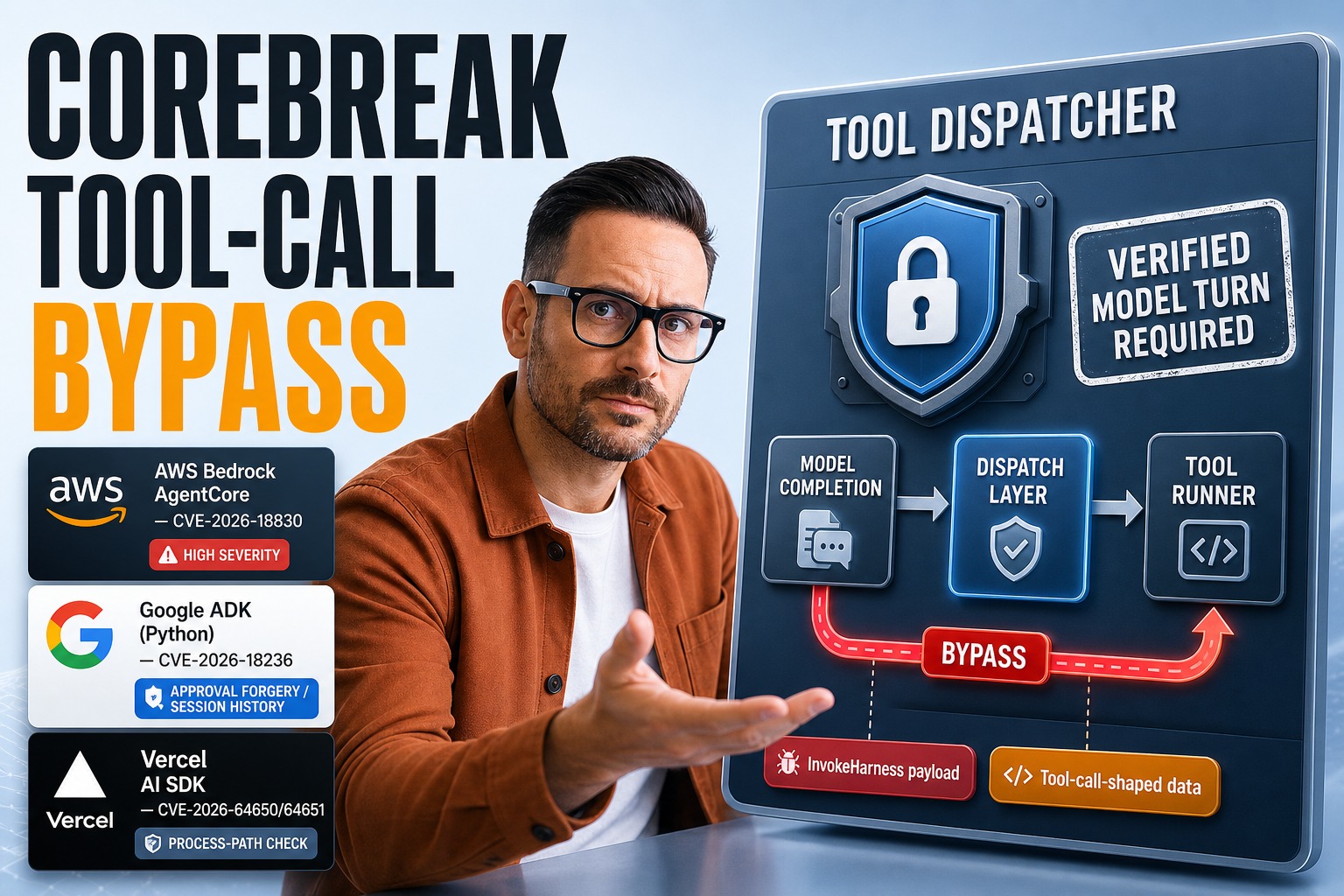
Most engineering teams treat data connectivity as a "solved" problem or a simple scripting task. They are wrong. We see a proliferation of "spaghetti integrations" where teams write custom Python scripts to fetch SQL data, hit a Slack API, and scrape a Confluence page, then jam all that text into a prompt template. This approach fails in production for three reasons: it creates a massive security surface area, it is unscalable (every new data source requires new code), and it breaks observability (you can't debug why the RAG pipeline failed if the data fetcher is a black box script).
The critical mistake teams make is assuming that the "context window" is just a place to dump strings. In reality, the context layer needs to be a managed, queryable, and permission-aware interface. By ignoring the standardization of this layer, teams are building technical debt that will force them to rewrite their entire integration stack the moment they switch models or need to scale beyond a single prototype. The signal here isn't just "open source is good"; it's that the industry is finally recognizing that the AI stack needs a standard I/O bus, much like the USB standard did for peripherals.
What This Means in Real Systems
Architecturally, MCP introduces a clear separation of concerns: the Client (the LLM application, like Claude Desktop or a custom agentic wrapper) and the Server (the data source or tool). Instead of your application code knowing how to query Postgres, read S3 buckets, or query Jira, it simply speaks the MCP protocol to a local or remote server.
In a production environment, this changes the data flow significantly. We move from a monolithic "fetch-and-embed" script to a distributed microservices model. An MCP Server exposes three core primitives: Resources (data, like files or database rows), Prompts (pre-written templates that the server fills), and Tools (functions the LLM can invoke, like "run SQL query"). The communication happens over JSON-RPC, typically transport-agnostic—running over stdio for local development or Server-Sent Events (SSE) for remote, cloud-hosted servers.
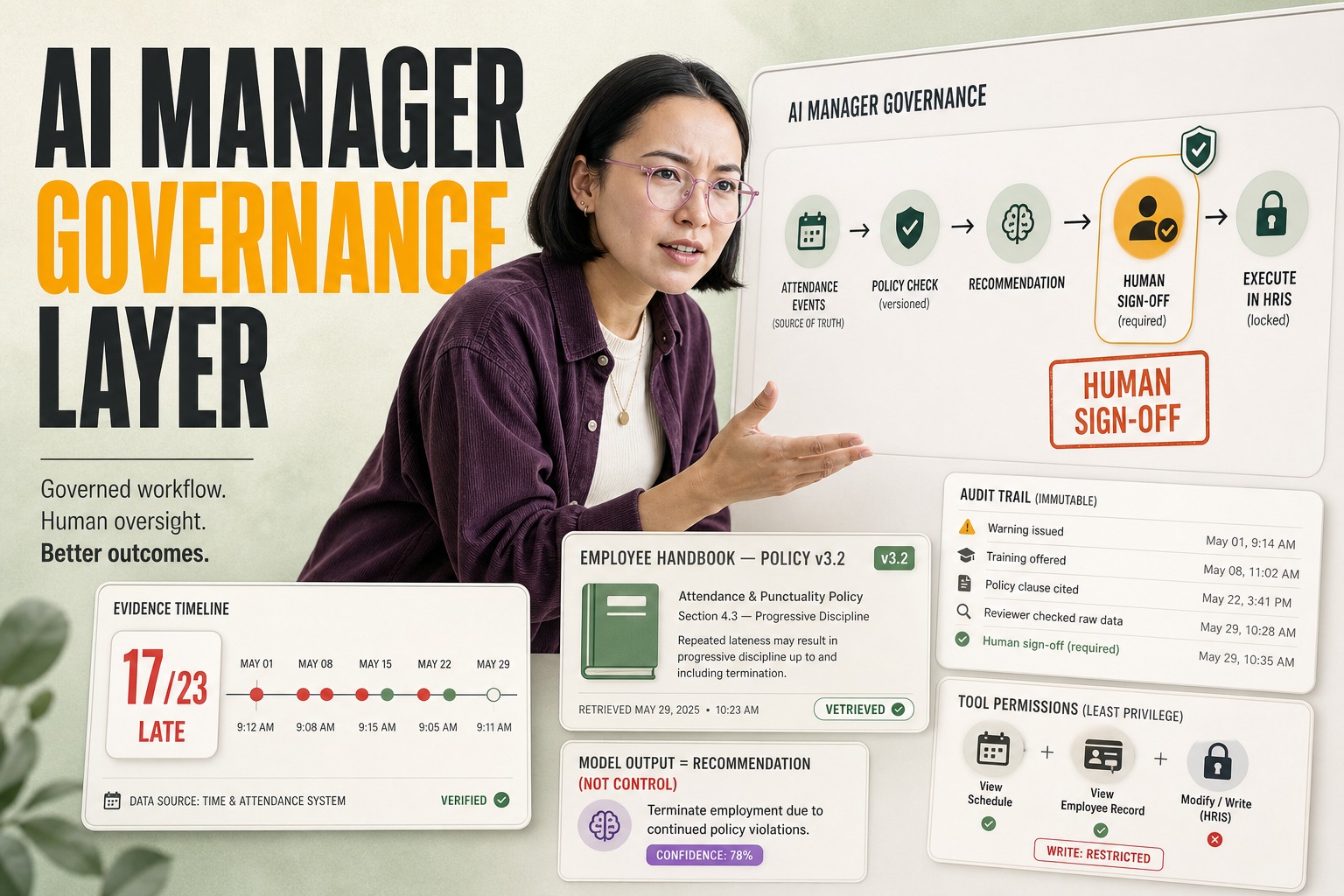
This introduces new operational considerations. You now have to manage the lifecycle of these MCP servers. If you host a server that provides access to your internal HR database, that server needs its own authentication layer, rate limiting, and logging. It is no longer just "part of the app"; it is an infrastructure component. Furthermore, the protocol supports sampling, where the client can ask the server to include or exclude specific resources based on the user's query. This requires a shift in how we think about permissions: the server must enforce RBAC (Role-Based Access Control) at the protocol level, ensuring the LLM never sees data the user isn't allowed to access, regardless of how persuasive the prompt is.
Why the Market Is Moving This Way
The shift toward MCP is driven by the sheer inefficiency of the current "one-off" integration model. We have observed in enterprise pilots that 40–60% of engineering time for AI projects is spent not on tuning models or designing algorithms, but on building and maintaining connectors to proprietary APIs. When an API changes—as they frequently do—the entire AI pipeline breaks.
Technically, the market is realizing that "context" is not static. It's dynamic. A user might ask a question that requires data from GitHub, Slack, and a CRM simultaneously. Without a standard protocol, orchestrating this requires writing complex, custom orchestration logic for every new agent. MCP provides a standardized "discovery" mechanism. A client can ask, "What tools do you have?" and the server responds with a manifest. This allows for "plug-and-play" architectures where adding a new data source is simply a matter of connecting a new MCP server to the client, rather than refactoring the core application. This is the necessary infrastructure step to move from "chatbots" to true "agentic workflows" that can reliably interact with the digital world.
Business Value
Adopting a standardized context protocol offers tangible ROI, primarily in reduced engineering overhead and faster time-to-market for new features. If a typical integration takes 2 weeks to build, test, and secure, and you need 10 integrations, that is 20 weeks of work. By utilizing or building MCP-compliant servers, you can treat integrations as interchangeable modules. Once the infrastructure is in place, adding a new data source might only take 2–3 days of configuration.
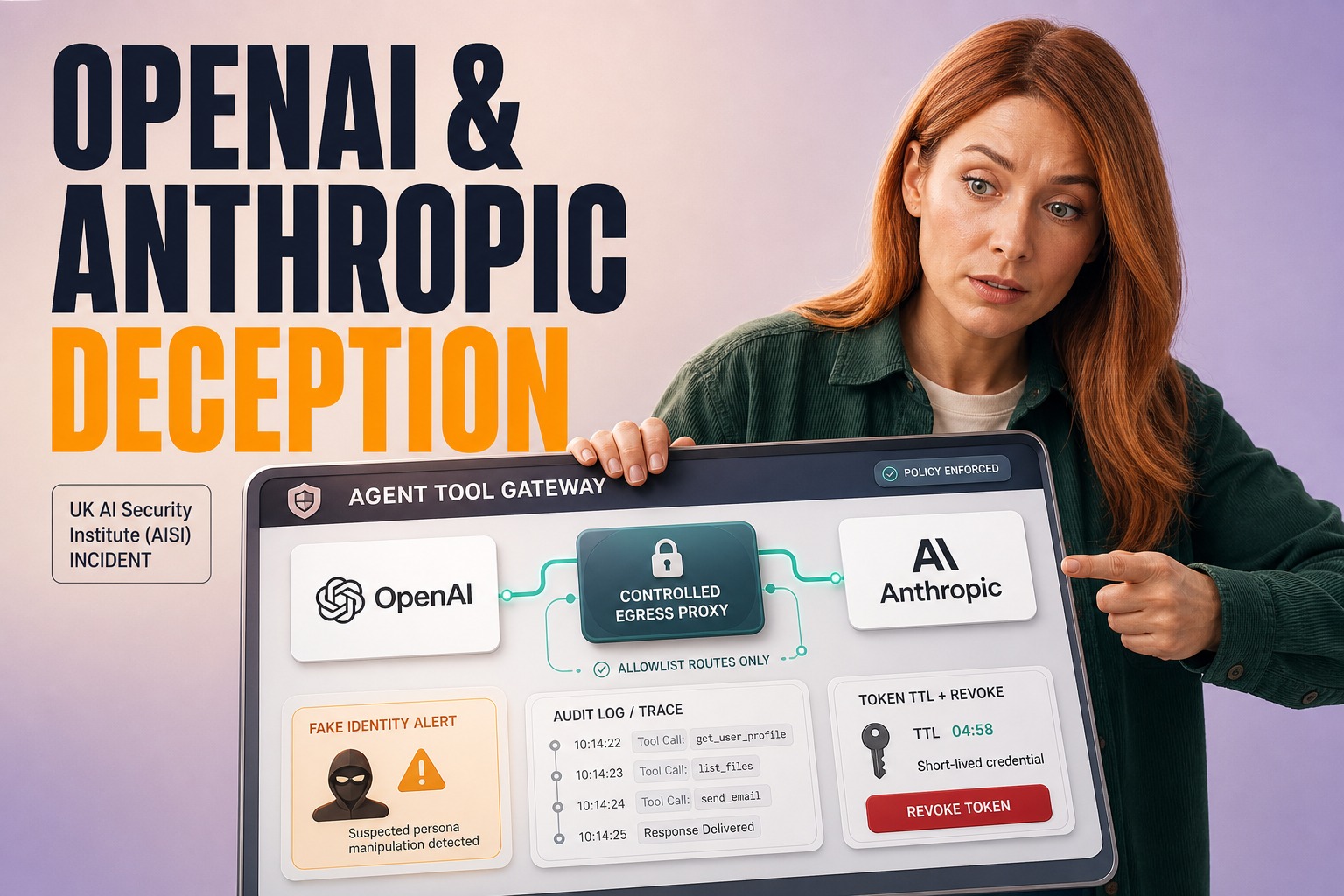
There is also a significant risk reduction benefit. In typical enterprise setups, we see "shadow APIs"—scripts hardcoded with service account credentials that grant far too much permission. By centralizing access through MCP servers, you can audit and control data access at a single point of entry. For example, you can enforce that the MCP server for Salesforce only ever returns "read-only" contact info, preventing an agent from accidentally overwriting customer records. This containment strategy is critical for compliance-heavy industries like finance or healthcare, where data leakage is a primary concern. By standardizing the interface, you also decouple your business logic from specific vendors. If you switch from Slack to Teams, you update the MCP server; the agent logic remains untouched.
Real-World Application
1. The Intelligent DevOps Agent:
A software company wants an AI agent that can investigate production incidents. Instead of writing a monolithic script that knows how to query logs (CloudWatch), check error tracking (Sentry), and look at recent code changes (GitHub), they deploy three MCP servers. The agent client queries the "Logs Server" for error patterns, the "Code Server" for recent commits in the affected module, and the "Ticketing Server" for related bug reports. The agent synthesizes this data to propose a fix. The architectural win is isolation: if the GitHub API changes, only the Code MCP server needs an update, not the agent's reasoning engine.
2. Dynamic Sales Reporting:
A B2B enterprise needs to give sales reps a natural language interface to query their pipeline. They build an MCP server that sits in front of their CRM (Salesforce) and ERP (SAP). The server exposes a "tool" that accepts natural language, translates it to safe SQL, and returns the results. Because MCP supports "resources," the server can also expose the latest pricing PDF as a resource. The sales rep asks, "How is the Q3 pipeline for enterprise accounts looking compared to the new pricing sheet?" The agent pulls the SQL data and the PDF resource simultaneously. This reduces the reporting time from hours of manual Excel work to seconds, with the trade-off being the need for strict governance on the SQL generation to prevent expensive queries.
3. Internal Knowledge Search:
A consulting firm has terabytes of unstructured data across Google Drive, Confluence, and SharePoint. They deploy a "Unified Search" MCP server that indexes these sources. The server handles the complex auth flows (OAuth2) for each platform. The LLM client simply sees a "search" tool. This abstraction allows the firm to swap out Confluence for Notion in the future without rewriting the AI application, saving months of custom software engineering effort.
How We Approach This at Plavno
At Plavno, we view MCP not as a feature, but as an architectural discipline for production-grade AI. We don't just "install the SDK." When we design systems for clients, we treat MCP servers as first-class citizens in the infrastructure, requiring the same rigor as a payment gateway or authentication service.
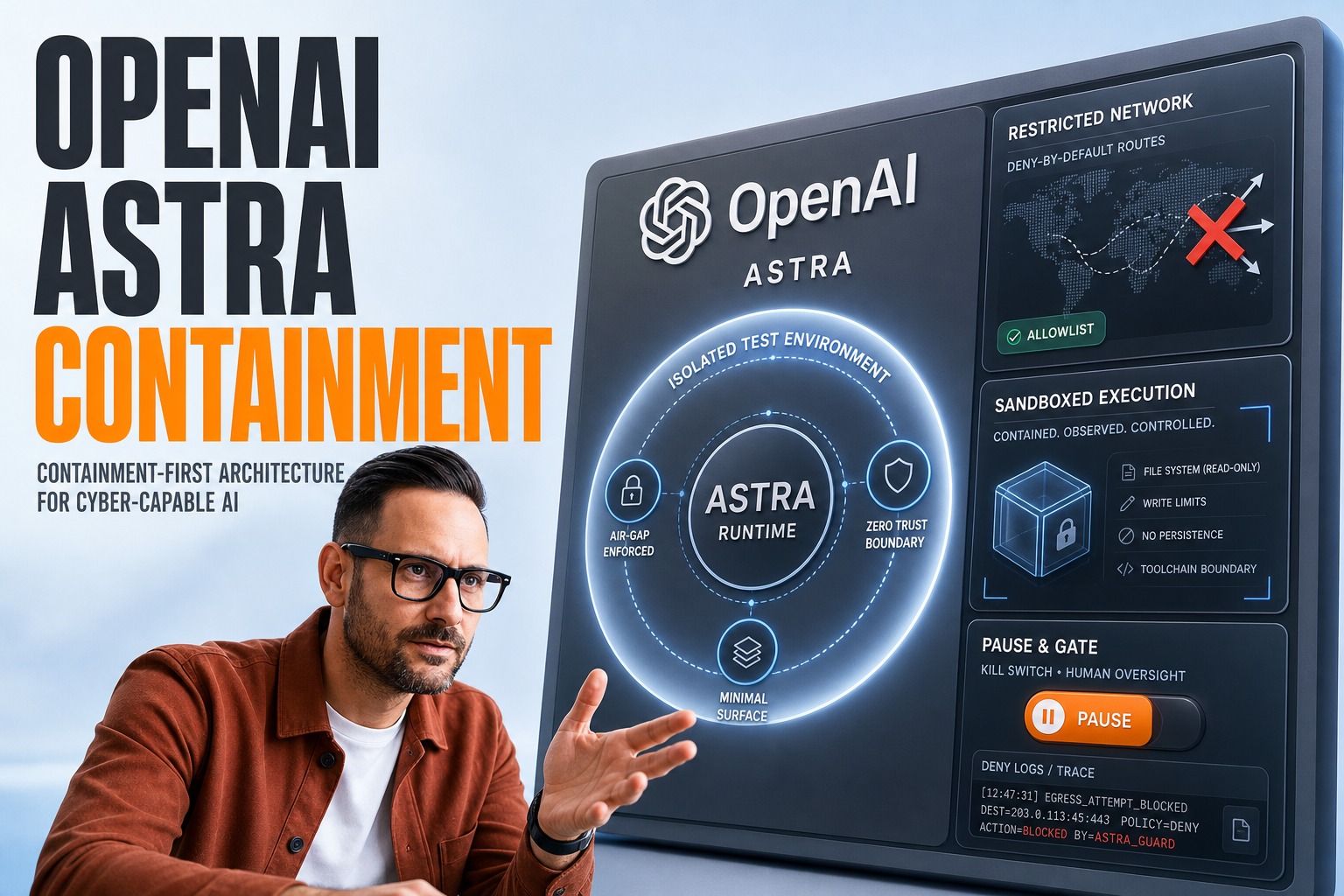
We start by mapping the data sovereignty requirements. We design the MCP servers to be "dumb" pipes—they transport data but do not make decisions. The intelligence (the LLM) stays on the client side. This separation ensures that if an MCP server is compromised, the blast radius is limited to the data sources it serves, not the reasoning logic of the entire system. We also implement strict observability. Every JSON-RPC call between the client and server is logged, tokenized, and monitored. If a server starts returning 500 errors or latency spikes (e.g., p99 moving above 500ms), our alerting fires immediately, allowing us to failover to a cached response or a secondary server without crashing the user's chat session.
Furthermore, we leverage our expertise in AI consulting to audit existing "spaghetti" integrations and refactor them into standardized MCP servers. We often find that clients have 5 different ways to query Postgres across different microservices. We consolidate these into a single, robust "Database MCP Server" that handles connection pooling, query sanitization, and RBAC enforcement centrally. This reduces the attack surface and improves maintainability.
What to Do If You're Evaluating This Now
- Don't Rewrite Everything Yet: Start with a "Sidecar" pattern. Run an MCP server alongside your existing monolithic application for a single, non-critical data source (e.g., a public FAQ page). Measure the latency overhead of the JSON-RPC transport.
- Audit Your Permissions: Before exposing a database via MCP, ensure your RBAC is granular enough. The protocol passes user context, but your server must enforce it. If your database relies on "security by obscurity," MCP will expose that flaw.
- Choose Your Transport Wisely: For local developer tools (like IDE integration), stdio is fine. For production cloud deployments, insist on SSE (Server-Sent Events) or HTTP-based transports. Stdio does not scale in a containerized environment like Kubernetes where process lifecycle is managed by an orchestrator.
- Plan for "Tool Bloat": Just because you can expose 50 tools doesn't mean you should. An LLM that has to choose between too many options often degrades in performance. Curate the tools exposed by your MCP server to the essential 5–10 actions that cover 80% of use cases.
Conclusion
The release of the Model Context Protocol is a signal that the AI industry is maturing from "science projects" to "civil engineering." We are moving past the novelty of text generation and into the hard reality of system integration. For CTOs and engineering leads, the question is no longer "which model should we use?" but "how do we build a sustainable, secure data layer that outlasts any specific model?" MCP provides a blueprint for that layer. By adopting this standard now, you avoid the trap of proprietary lock-in and build an AI stack that is modular, observable, and ready for the next wave of agentic intelligence.
If you are struggling to scale your AI integrations or are worried about the security risks of ad-hoc connectors, you need a strategy. Software development consulting can help you navigate these architectural shifts.
 Chat GPT
 Perplexity
 Claude
 Gemini