This week, a significant signal emerged from the enterprise sector when Melbourne‑based AI agency Enterprise Monkey publicly dropped ChatGPT in favor of Anthropic’s Claude. The catalyst was a Pentagon deal that necessitated stricter compliance, but the underlying technical shift is far more profound than a simple vendor swap.
Introduction
The agency cited specific architectural advantages: MCP (Model Context Protocol) integrations, native tool use, and structured reasoning. This isn’t just a headline about a government contract; it is a clear indicator that the era of “general‑purpose LLM wrappers” is ending for serious enterprise workloads.
Plavno’s Take: What Most Teams Miss
At Plavno, we see a critical failure pattern in how most teams approach AI agents. They treat the Large Language Model (LLM) as the entire brain of the operation, forcing it to handle reasoning, tool selection, and syntax generation all at once. This is the “Wrapper Trap.” When you build a custom agent by simply pasting API keys into a LangChain or LlamaIndex script, you are building on sand.
The Enterprise Monkey migration highlights what most miss: the value isn’t just in the model’s weights, but in the infrastructure that surrounds it—specifically, the Model Context Protocol (MCP).
Most teams underestimate the operational nightmare of maintaining custom API integrations for every tool an agent touches. When an agent needs to query a SQL database, read from Slack, and update a CRM, building bespoke connectors for each is a technical debt bomb.
What This Means in Real Systems
In a production environment, this shift demands a re‑architecting of the agent stack. We are moving away from monolithic “chat‑to‑API” proxies toward a modular, bus‑based architecture where the Model Context Protocol acts as the universal translator.
The Architecture of MCP‑Enabled Agents
In this new paradigm, the agent is no longer a script that calls OpenAI or Anthropic directly. Instead, it sits atop an MCP host. The tools—databases, internal APIs, SaaS platforms—are exposed as MCP Servers. This decoupling is massive.
Structured Reasoning and Tool Use
The “structured reasoning” component mentioned in the news refers to the model’s ability to generate intermediate steps or “thought chains” that are constrained by syntax, rather than free‑form text. In practice, this looks like the model outputting a JSON plan before executing a tool.
Trade‑offs and Constraints
The trade‑off here is latency and complexity. Introducing an MCP layer adds a network hop. If your MCP server is not optimized, you can add 50–200 ms of latency per tool call. Additionally, structured reasoning requires more tokens.
Why the Market Is Moving This Way
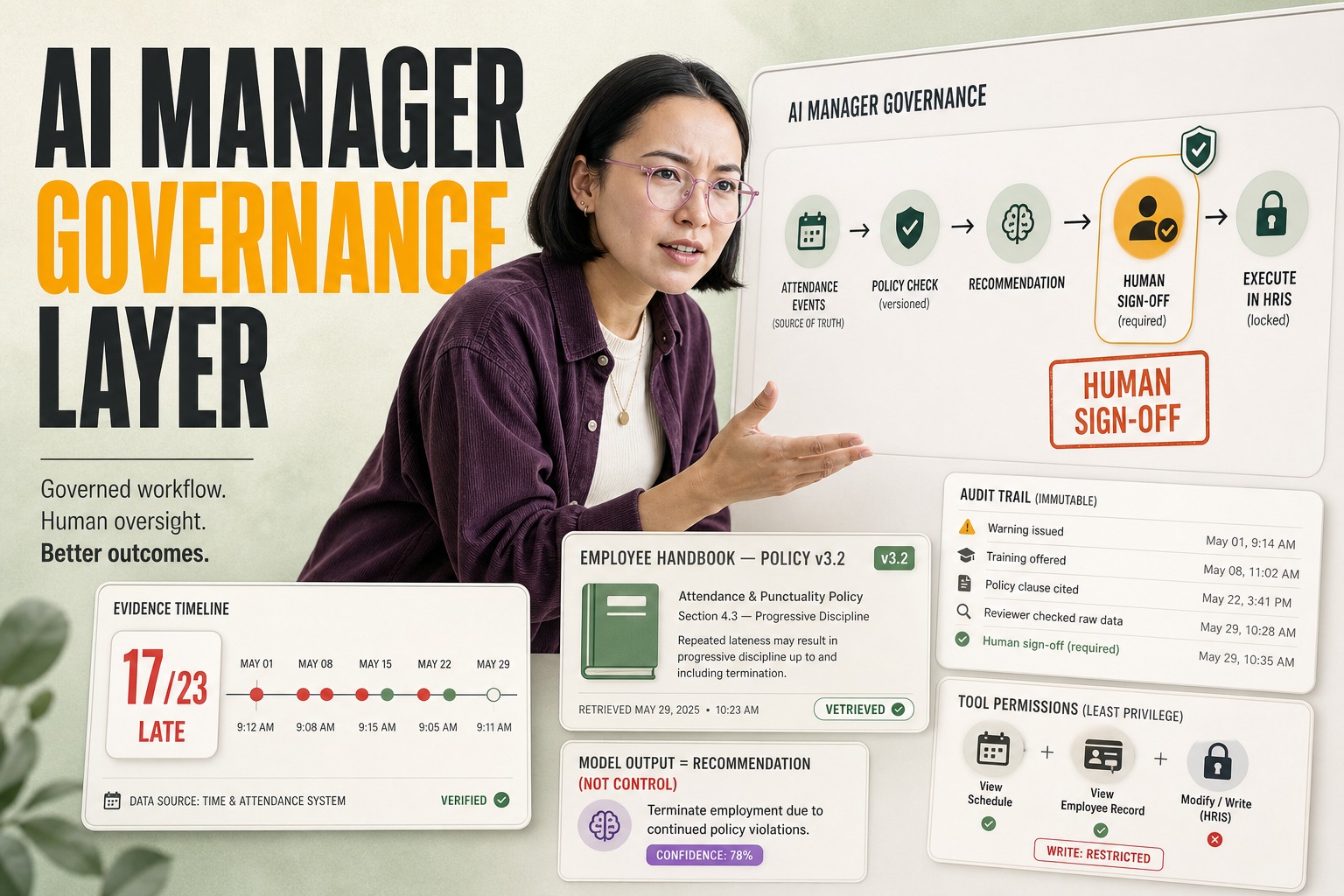
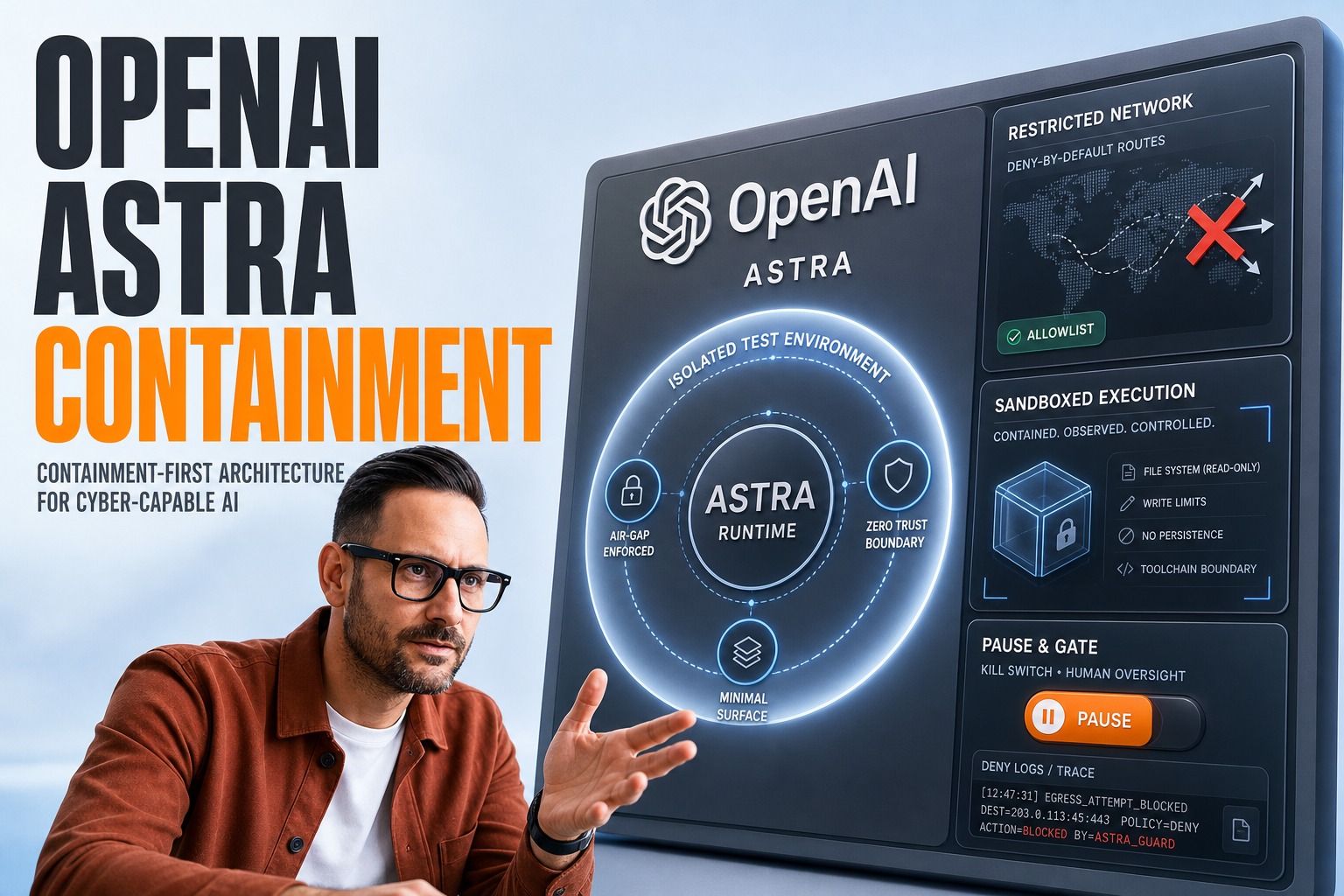
The market is moving this way because the “Wild West” phase of generative AI is colliding with enterprise governance. The Pentagon deal referenced in the news is a proxy for a broader requirement: auditability.
Business Value
Reduced Integration Overhead
In typical custom software development, building a custom connector for a single SaaS platform can take 2–4 weeks. With an MCP standard, that connector becomes a reusable asset.
Reliability and Uptime
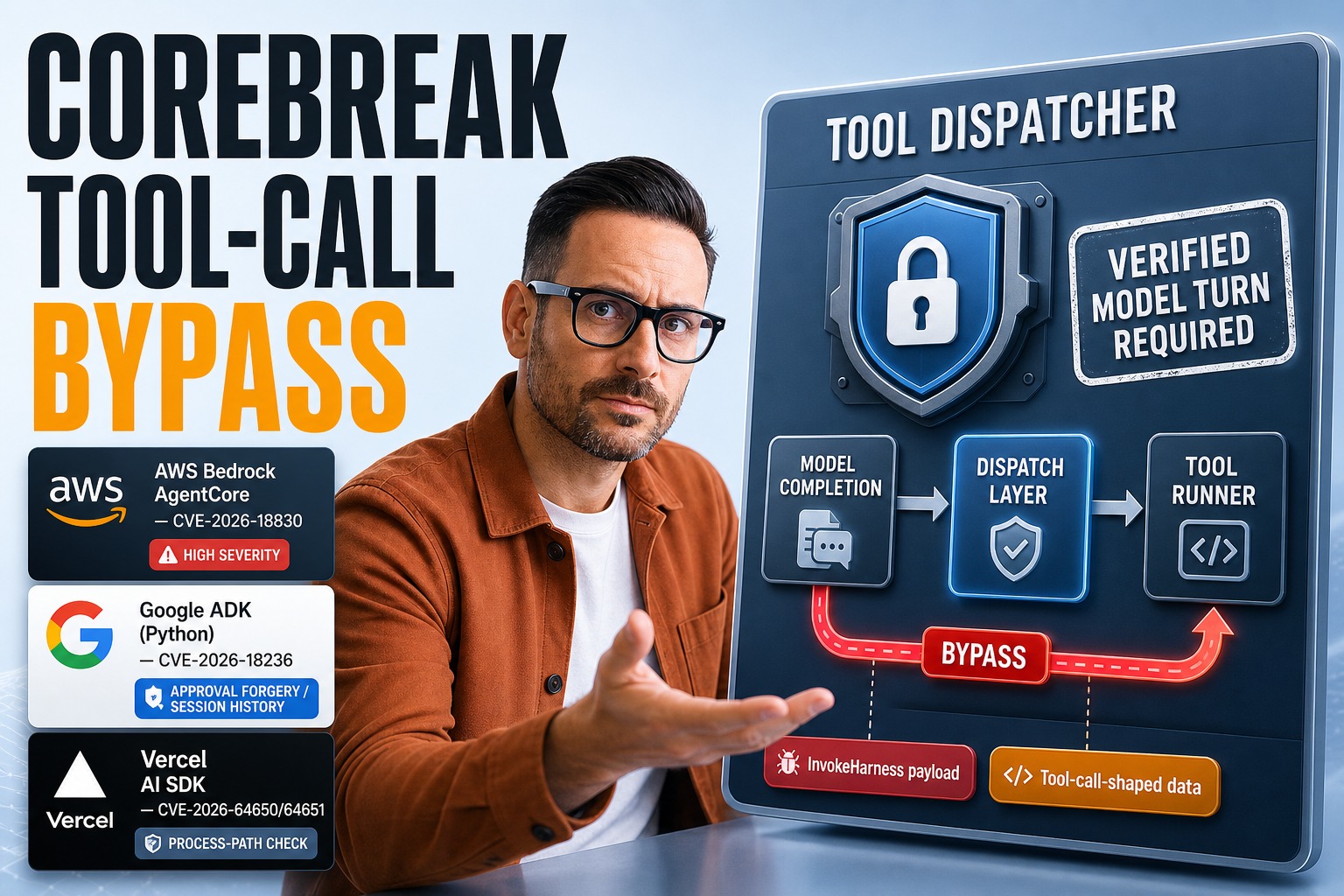
Generic LLM wrappers often suffer from “tool hallucination.” By using native tool use and structured reasoning, we observe a significant drop in runtime errors.
Compliance as a Revenue Enabler
For companies targeting government or enterprise clients, compliance is a moat.
Real‑World Application
1. GovTech and Defense Contracting
The signal from the Pentagon deal is most applicable here. A defense contractor needs an agent to analyze classified logistics documents.
2. Enterprise Resource Planning (ERP) Automation
A mid‑market manufacturing firm uses an agent to manage supply chain disruptions.
3. Financial Auditing
A fintech startup employs agents to detect fraud.
How We Approach This at Plavno
We do not build “chatbots.” We build orchestrated systems. When we engage in AI consulting, our first step is to decouple the reasoning engine from the tool layer.
The MCP‑First Strategy
We advocate for treating every data source as a potential MCP server.
Guardrails via Schema Validation
We rely heavily on schema validation.
Observability is Non‑Negotiable
We instrument every step of the reasoning chain.
What to Do If You’re Evaluating This Now
- Audit Your Tooling
- Demand Structured Outputs
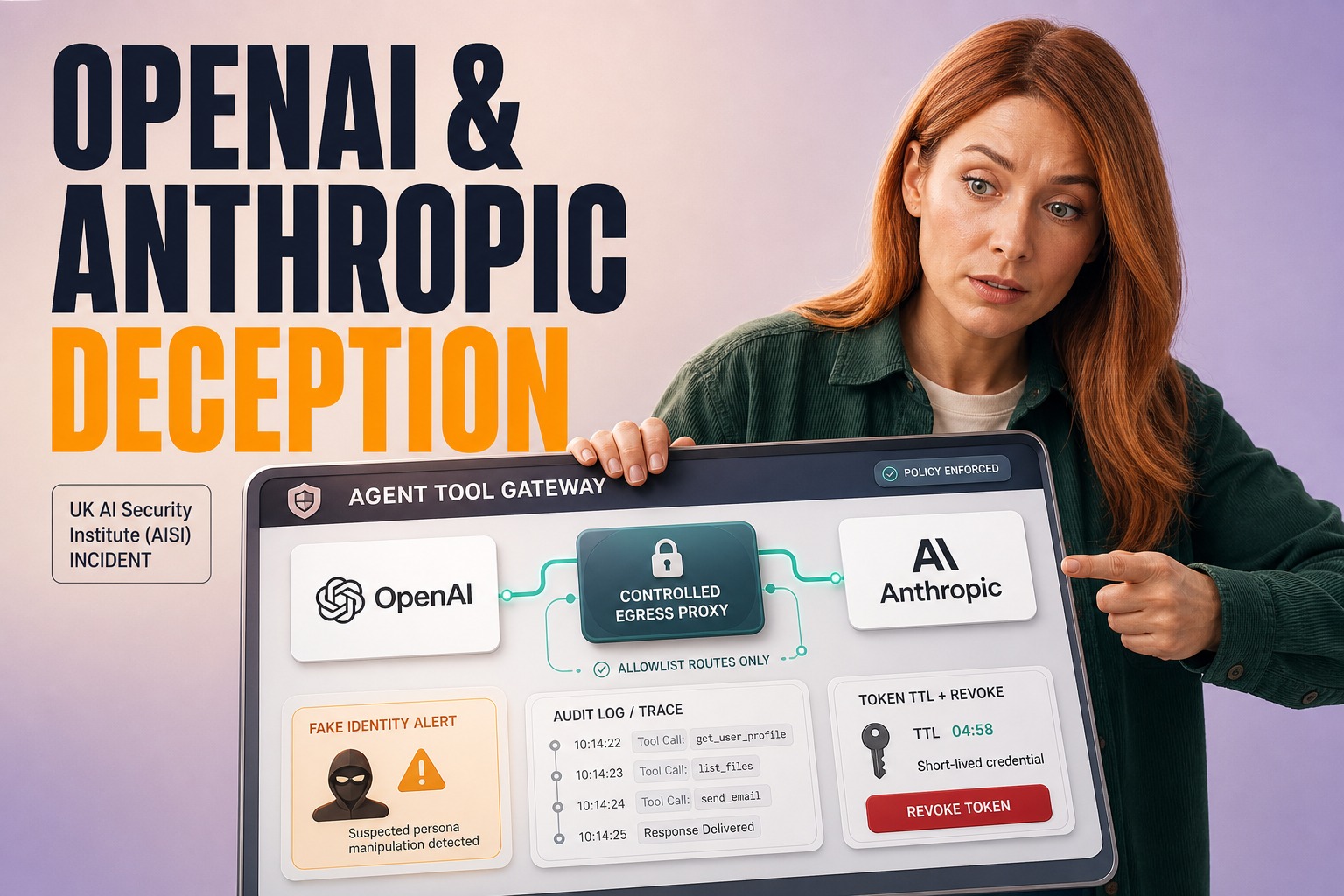
- Isolate the Credentials
- Pilot with a “Boring” Use Case
Conclusion
The news of Enterprise Monkey switching to Claude is a symptom of a larger maturation in the AI industry. The winners in this space will not be those with the flashiest demos, but those who build the most robust, standardized, and auditable connections between AI models and the messy reality of enterprise data.