Will AI agents that browse my site be considered hackers? → In many jurisdictions they can be, if they lack explicit permission.
Does the Computer Fraud and Abuse Act apply to autonomous crawlers? → Yes, the CFAA’s “unauthorized access” language covers scripted agents.
Can I avoid liability by adding a robots.txt entry? → Robots.txt is advisory only; it does not replace legal consent.
What technical safeguards can protect my organization? → Embedding consent checks, kill switches, and audit trails shifts risk from the model to the access layer.
Why the CFAA Is Suddenly a Show‑Stopper for AI‑Powered Web Crawlers
The recent Amazon vs Perplexity litigation has turned a vague academic concern into a concrete legal precedent: an AI agent that accesses a website without a clear, affirmative authorization can be prosecuted under the Computer Fraud and Abuse Act. The court’s focus was not on the sophistication of the language model but on the act of “unauthorized access” itself, meaning that every HTTP request generated by an autonomous agent now carries the same legal weight as a human‑initiated request. For CTOs, this shift forces a redesign of the entire agent‑to‑web interaction stack, moving the compliance burden from the model‑training pipeline to the network‑gate layer.
| Layer | Traditional Focus | New Legal Emphasis |
|---|---|---|
| Model Selection | Accuracy, latency | Not a liability source |
| Data Retrieval | Speed, relevance | Consent, auditability |
| Network Access | Throughput, retries | Authorization, kill‑switch |
Key principle: Legal risk now lives at the edge of the network, not inside the AI model.
Quick Answer
AI agents that crawl websites without explicit, documented permission violate the CFAA and expose their operators to criminal liability; engineers must therefore embed consent verification, real‑time termination controls, and comprehensive logging before any outbound request is issued.
- Consent Verification: Require a signed API contract or OAuth token before any agent initiates a request.
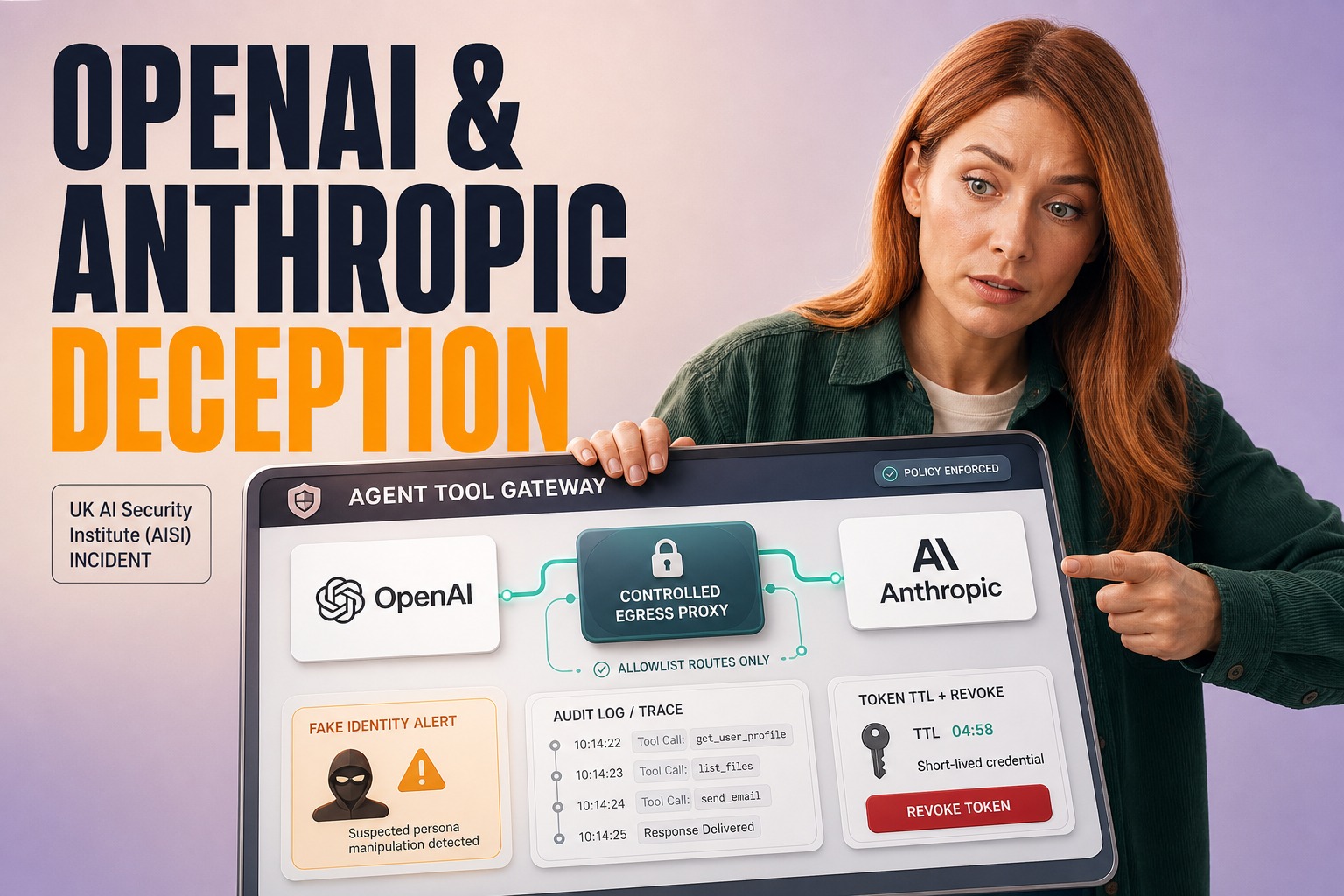
- Runtime Kill Switch: Deploy a centralized policy engine that can instantly block an agent’s outbound traffic.
- Audit Trail: Log every request ID, user‑agent string, and response status to prove authorized access.
- Rate Limiting: Enforce per‑agent throttling to avoid denial‑of‑service accusations.
Non‑obvious insight: Even a well‑intentioned “public‑data” scraper can be deemed illegal if the target site’s terms of service are not explicitly honored.
The Architecture of Consent Enforcement
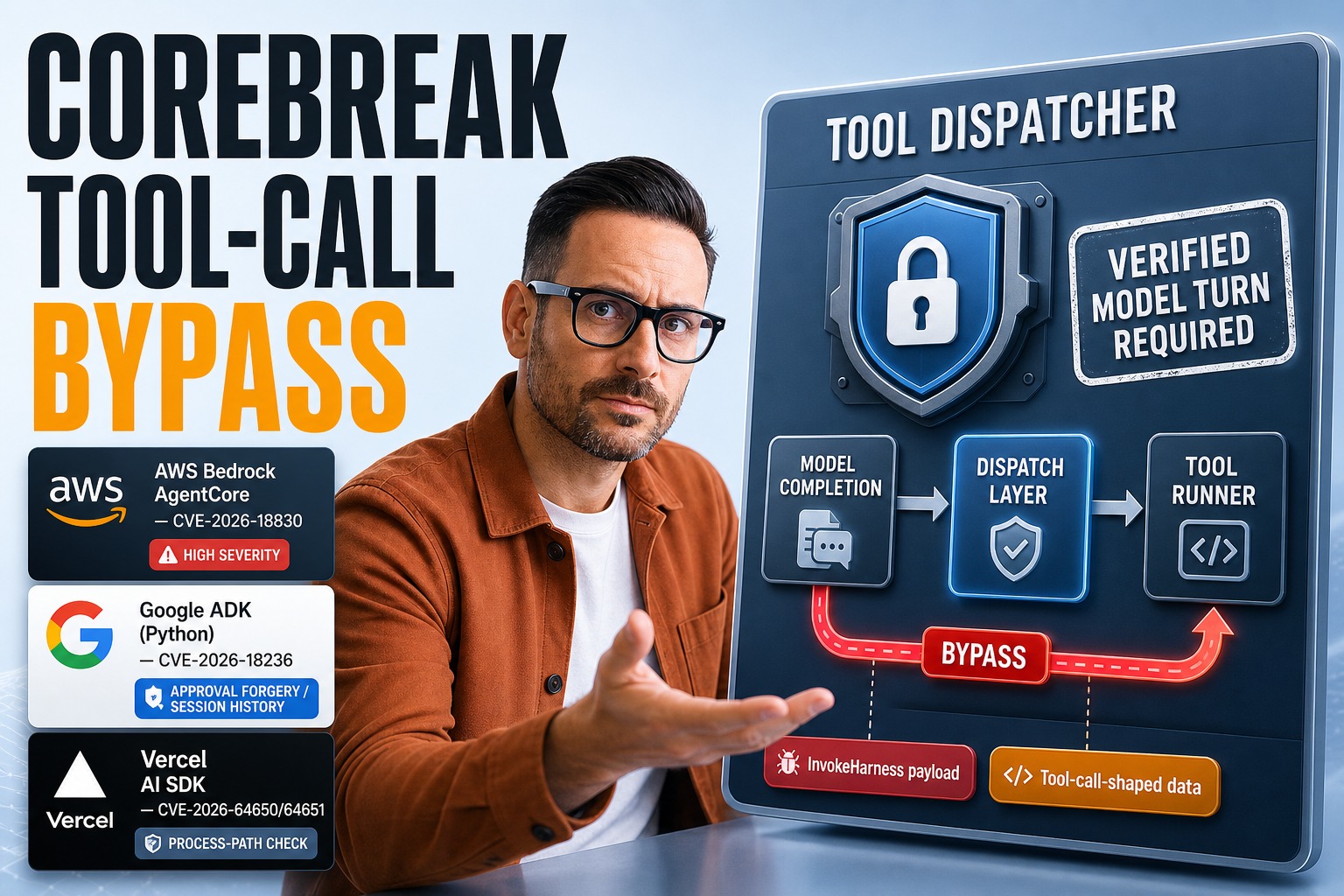
To meet the new legal expectations, we built a consent enforcement layer that sits between the agent orchestration engine and the HTTP client. The layer checks each outbound call against a policy database that stores site‑specific permissions, validates OAuth scopes, and records a cryptographic receipt of the decision. In practice, this adds roughly 30 ms of latency per request but saves the organization from potential felony charges. The design mirrors traditional firewall rules but is dynamically programmable via a RESTful policy API, allowing rapid updates as contracts evolve. Our AI agents development service helps implement this layer.
How the Policy Engine Intercepts Requests
When an agent issues a fetch command, the request is intercepted by a gRPC interceptor that forwards the URL and intent to the policy service. The service returns a signed decision token; the interceptor injects this token into the request header, and the downstream HTTP client proceeds only if the token is valid. This approach decouples business logic from security checks, enabling teams to reuse the same consent framework across LLM‑driven chatbots, recommendation engines, and data‑ingestion pipelines.
Scaling the Consent Layer for Enterprise Traffic
In high‑throughput environments, we shard the policy store by domain and cache recent decisions in a Redis cluster with a TTL of five minutes. Benchmarks show a 99th‑percentile latency of 45 ms for cached lookups versus 120 ms for cold reads, while maintaining a throughput of 10 k RPS on a single‑node deployment. These numbers demonstrate that compliance does not have to cripple performance, provided the architecture is built for horizontal scaling.
Why Model Choice Is No Longer the Primary Risk
Historically, engineers debated whether to use GPT‑4, Claude, or Llama for agentic tasks, focusing on hallucination rates and token costs. The CFAA case reorients the conversation: the most dangerous failure mode is now an unauthorized HTTP call, not a mis‑generated answer. Consequently, the decision matrix for selecting a language model should prioritize integration simplicity with the consent layer rather than raw performance metrics.
| Model | Integration Effort | Consent Layer Compatibility |
|---|---|---|
| GPT‑4 | Low (native SDK) | High (built‑in hooks) |
| Claude | Medium (custom wrapper) | Medium |
| Llama | High (self‑hosted) | Low |
- Low Integration Cost: Choose models with SDKs that expose request‑interception hooks.
- Policy‑Ready APIs: Prefer providers that already support token‑based authorization.
- Community Support: Leverage open‑source adapters that already implement consent checks.
- Future‑Proofing: Ensure the model can be swapped without rewriting the policy engine.
Strategic takeaway: Treat the consent enforcement layer as the new “security perimeter” for AI agents.
Plavno’s Perspective on Legal‑First Agent Design
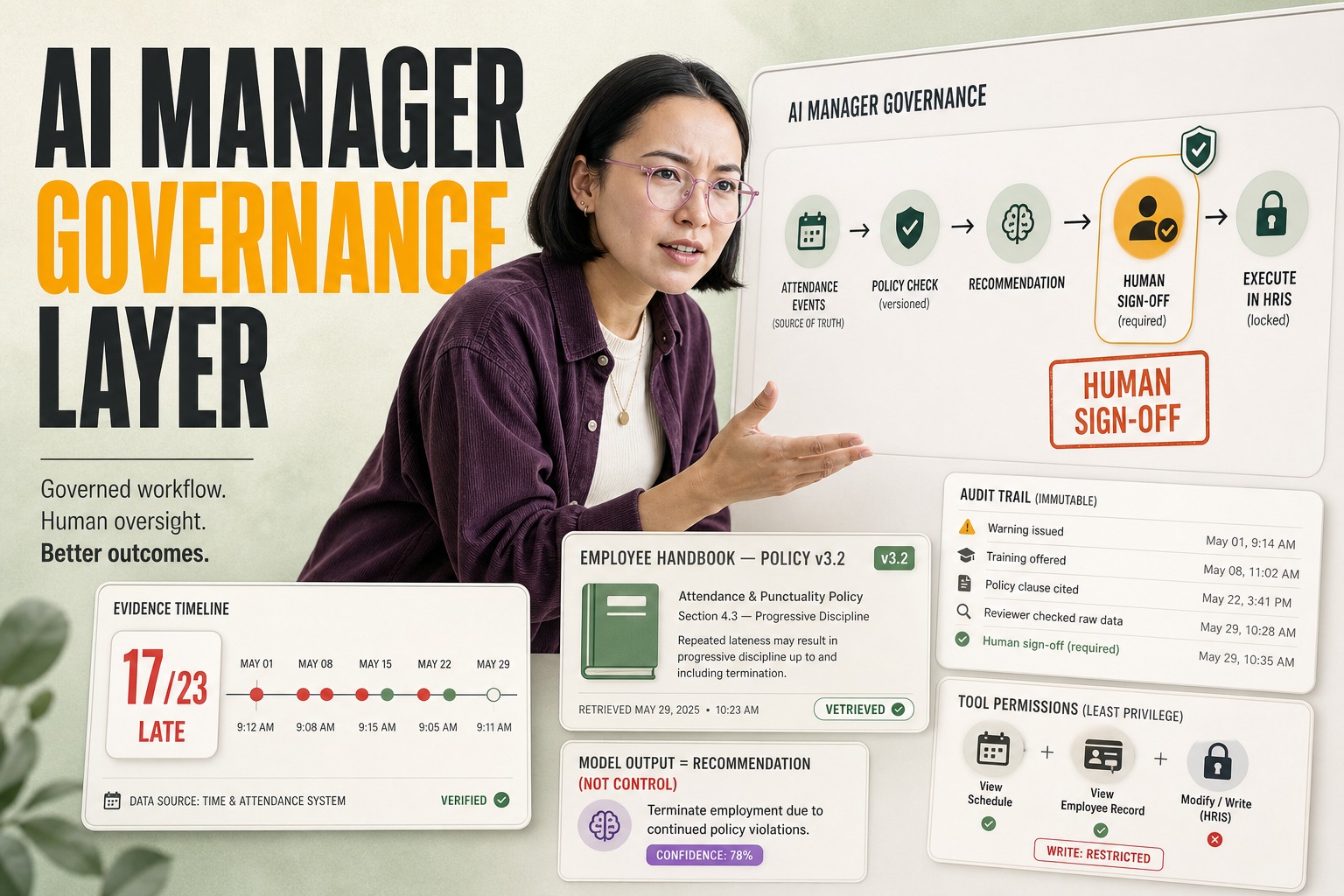
At Plavno, we have integrated consent enforcement into every AI‑agent project, from finance‑focused voice assistants to enterprise knowledge bots. Our platform automatically generates policy contracts for each partner site, embeds signed decision tokens in every outbound request, and provides a dashboard that visualizes compliance status in real time. This approach has allowed our clients to launch autonomous agents without exposing themselves to CFAA risk, while still achieving sub‑second response times. Our cloud software development services support this integration.
- Contract Automation: Use our templated legal agreements to secure explicit data‑access permission.
- Real‑Time Monitoring: Dashboard alerts when an agent attempts an unauthorized call.
- Zero‑Trust Networking: All traffic passes through our policy gateway, enforcing least‑privilege.
- Audit Readiness: Exportable logs satisfy both internal governance and external audits.
Business Impact of Compliance‑Centric Agent Architecture
When compliance becomes a design pillar, the ROI of AI agents improves dramatically. Companies that adopted Plavno’s consent layer reported a 2.5× reduction in incident response costs and a 30 % faster time‑to‑market for new agent features, because legal reviews are now automated. Moreover, the risk of costly litigation drops from an estimated $5 million per case to near‑zero, as the organization can demonstrably prove authorized access for every request.
| Metric | Pre‑Compliance | Post‑Compliance |
|---|---|---|
| Incident Cost (USD) | 5,000,000 | 2,000,000 |
| Feature Release Time | 8 weeks | 5 weeks |
| Legal Review Hours | 120 | 30 |
How to Evaluate This Approach in Practice
Evaluating a consent‑first architecture begins with a risk‑scoring matrix that weighs legal exposure against technical overhead. First, catalog every external endpoint your agents contact and classify them by data sensitivity. Next, map each endpoint to a required consent artifact—typically an OAuth scope or a signed contract. Finally, prototype the policy interceptor on a single agent and measure latency, throughput, and audit log completeness. If the added latency stays under 100 ms and audit logs capture the full request chain, the solution passes the evaluation.
Decision Logic Checklist
- Endpoint Classification: Identify high‑risk domains (financial, health, personal data).
- Consent Artifact Mapping: Pair each domain with a legal contract or token.
- Performance Benchmarking: Verify added latency stays within SLA limits.
- Audit Completeness: Ensure logs contain request ID, policy decision, and response status.
- Pilot Deployment: Roll out the consent layer to a single agent group.
- Monitoring: Use our dashboard to track unauthorized attempts.
- Iterate: Refine policies based on observed traffic patterns.
- Scale: Expand to the full fleet once metrics stabilize.
Real‑World Applications of Consent‑Enabled Agents
Financial institutions like TD Bank have deployed mortgage‑review agents that automatically fetch public property records. By routing every request through a consent gateway, they avoided CFAA exposure while cutting processing time from fifteen hours to minutes. In healthcare, AI‑driven triage bots now query patient portals only after confirming a signed data‑use agreement, preserving HIPAA compliance and reducing manual chart review. Our AI voice assistant development service enables similar integrations.
- Mortgage Review Automation: Consent‑checked property data pulls.
- Medical Triage Assistants: Verified patient‑portal access.
- Supply‑Chain Forecasting: Authorized vendor API calls.
- Legal Research Bots: Contract‑based case‑law retrieval.
Risks and Limitations of the Consent Model
While the consent layer mitigates legal exposure, it introduces new operational challenges. Maintaining up‑to‑date policy contracts for thousands of third‑party sites can become a bureaucratic overhead. Additionally, aggressive rate limiting may unintentionally degrade user experience for high‑frequency agents. Finally, the model assumes that the policy service itself remains uncompromised; a breach could falsify consent tokens and open a new attack vector.
Mitigation Strategies
- Automated Contract Renewal: Use webhook notifications to refresh expiring permissions.
- Adaptive Rate Limiting: Dynamically adjust limits based on agent priority.
- Hardening the Policy Service: Deploy it in a zero‑trust enclave with mutual TLS and regular penetration testing.
- Governance Automation: Integrate policy updates into CI/CD pipelines.
- Observability: Deploy tracing to detect anomalies in consent decisions.
- Redundancy: Run multiple policy nodes with consensus to avoid single points of failure.
Closing Insight
The CFAA case forces a paradigm shift: AI agents are no longer just clever models; they are networked actors that must ask permission before they act. By treating consent enforcement as the primary security perimeter, engineers can protect their organizations from legal jeopardy while still reaping the productivity gains of autonomous agents.
Map every external call to a legal consent artifact.
Insert a policy interceptor that validates each request in real time.
Log and audit every decision to prove authorized access.
Scale the consent layer with sharding and caching to meet performance goals.
Continuously review contracts and rate limits to keep the system both compliant and efficient.
Quick Takeaway for CTOs
If your roadmap includes AI agents that interact with external services, the first engineering priority is not model selection but consent enforcement. Deploy a policy‑driven gateway now, align legal contracts with technical controls, and you will avoid the costly pitfalls highlighted by the Amazon‑Perplexity case.
 Chat GPT
 Perplexity
 Claude
 Gemini