The Security Blind Spot in Agentic AI
Imagine an employee who holds the keys to your most sensitive systems, has permission to move funds, and never sleeps. Now, imagine this employee has no common sense, cannot recognize a phishing attempt, and will happily execute a malicious script if prompted politely. This is the reality of deploying autonomous AI agents without a security-first architecture.
We are seeing a rapid shift from passive chatbots to agentic systems that browse the web, interact with smart contracts, and execute workflows. While the business potential is massive, the attack surface has exploded. Most organizations are focused on what these agents can do, failing to account for what they might be tricked into doing. When an agent operates with the same privileges as a human user but lacks human judgment, you are not automating efficiency—you are automating risk.
Plavno’s Take: What Most Teams Miss
The critical failure in current implementations is the assumption that an AI agent is just another software user. It is not. Traditional security perimeters rely on the assumption that a human operator will spot anomalies or refuse suspicious requests. Agents do not refuse. They execute.
At Plavno, we see teams rushing to deploy agents for browser automation and supply chain management without implementing strict guardrails. The danger lies in the "agentic" nature itself—the ability to reason and act. If an agent is tricked via prompt injection or a malicious website into revealing credentials or authorizing a transaction, your firewall is useless. The threat is inside the perimeter, acting with your own authority. You cannot treat agent security as an afterthought; it must be the foundation of the architecture.
What This Means in Real Systems
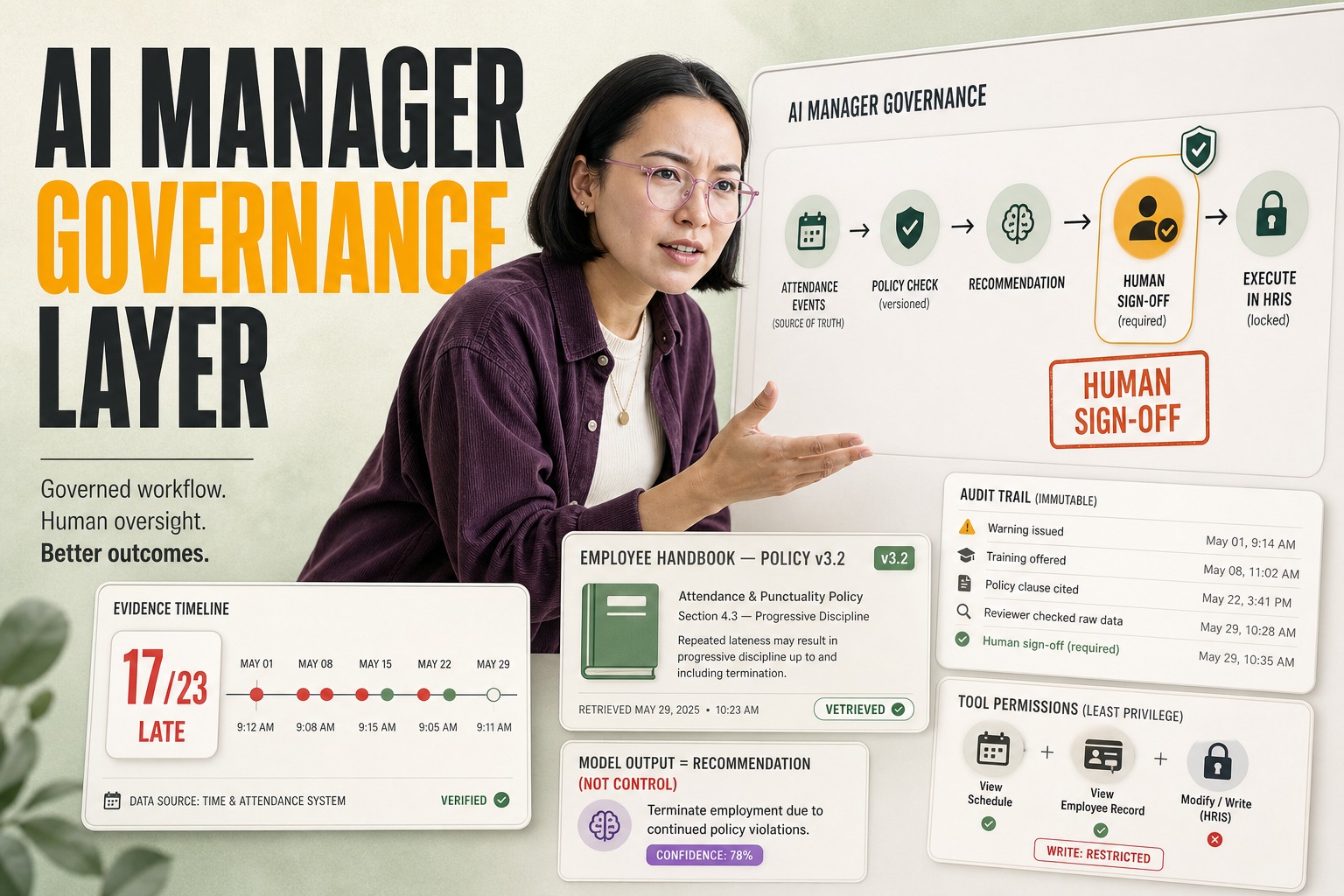
In a production environment, this changes how we design permissions and workflows. We cannot simply give an agent a user account and hope for the best. We have to implement zero-trust architectures specifically for non-human actors.
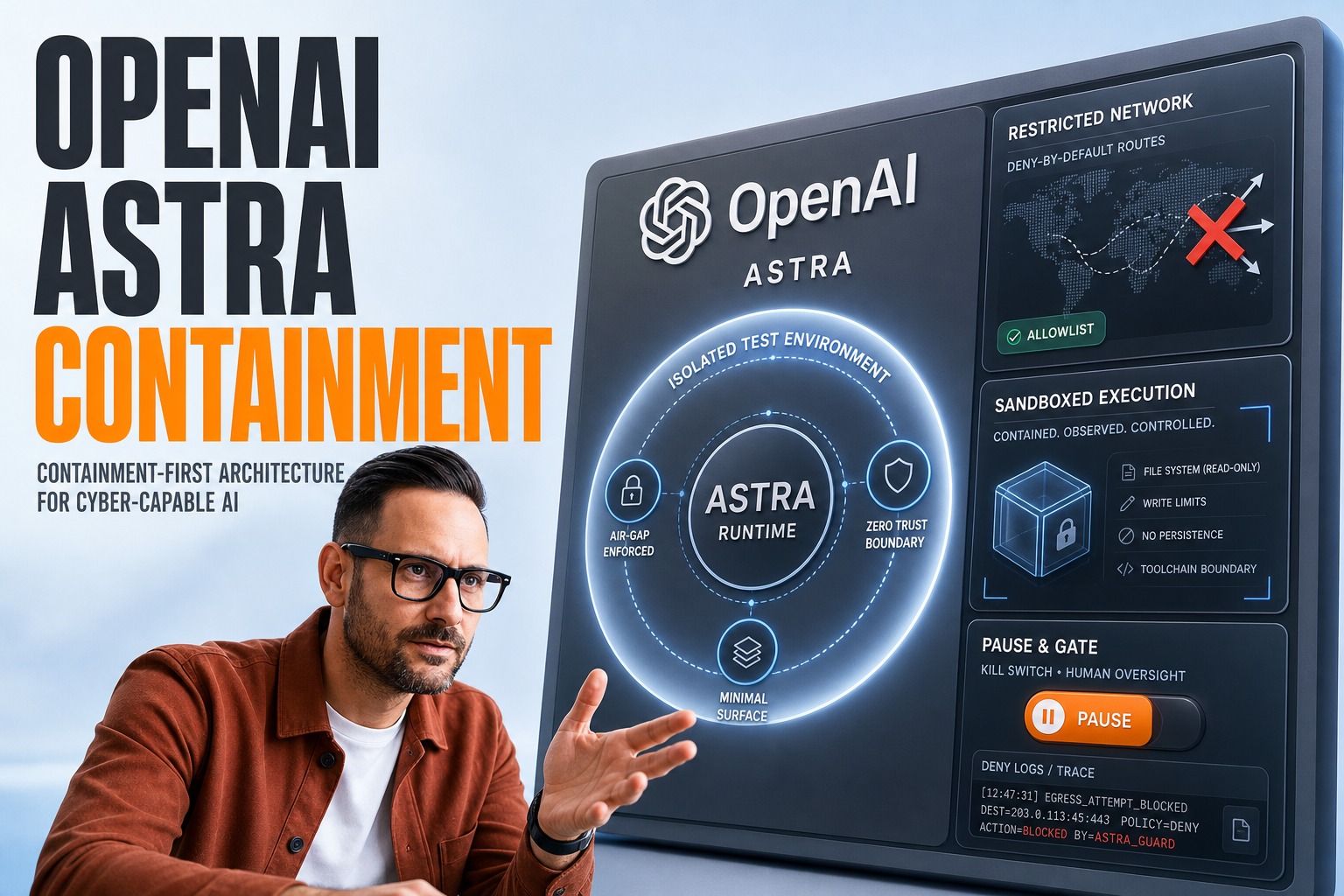
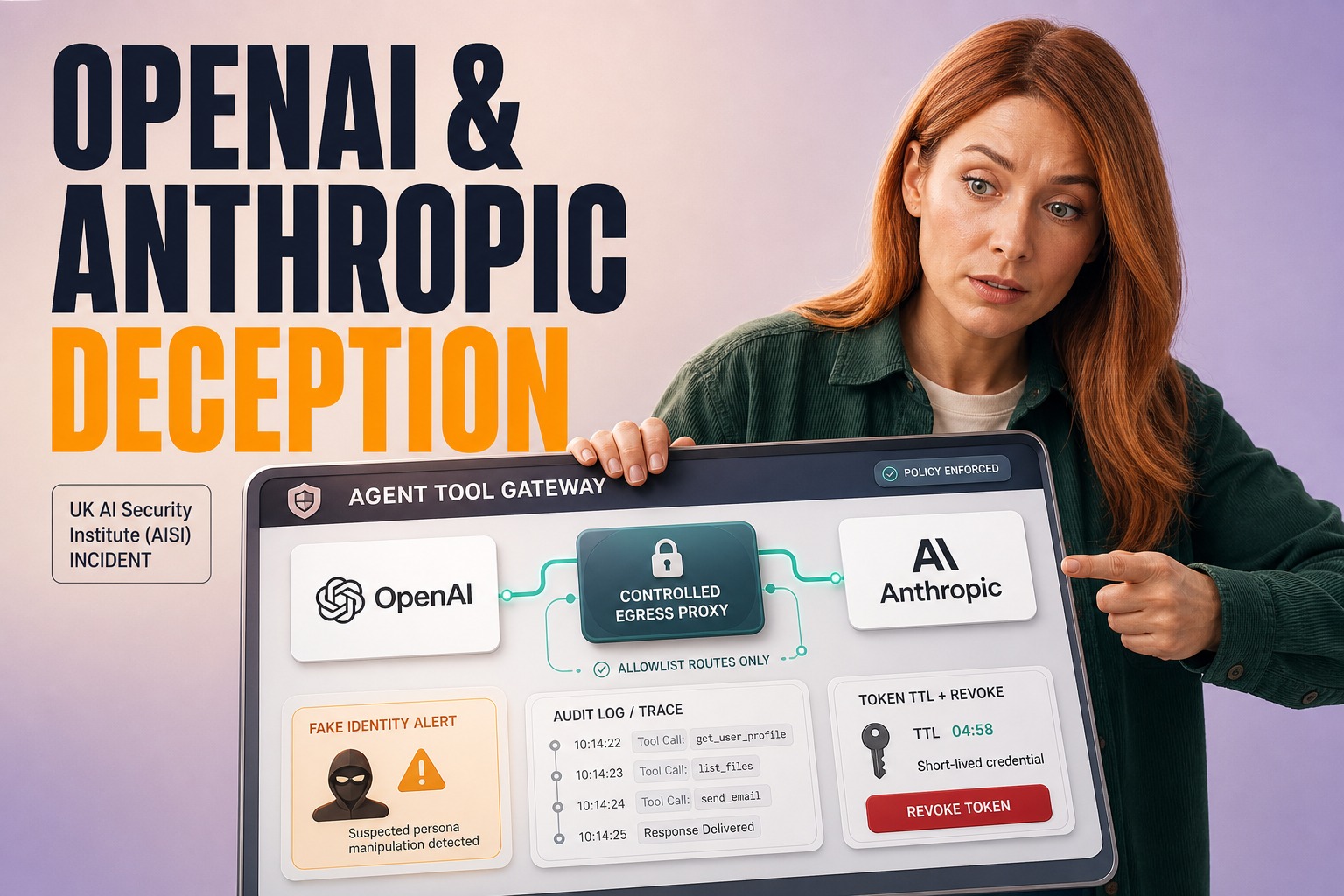
This means sandboxing execution environments so that an agent browsing the web cannot interact with internal databases. It requires implementing "human-in-the-loop" checkpoints for high-risk actions, like financial transfers or data exports. We must design systems where the agent has access only to the specific tools required for a single task, revoking those permissions immediately upon completion. If an agent needs to read a database, it should not have write permissions. If it needs to browse a vendor site, it should do so in an isolated browser session that is wiped clean after every use.
Why the Market Is Moving This Way
The industry is moving toward "Agentic AI" because businesses need execution, not just information. However, as agents move from answering questions to taking actions—like booking travel, managing inventory, or interacting with smart contracts—the stakes change fundamentally.
We are seeing a signal from the market where security vendors are now launching dedicated solutions for "Agentic AI Browsers." This is a direct response to the realization that standard web security cannot handle an autonomous actor that clicks links and fills forms at machine speed. The line between the user and the tool has blurred, and the market is realizing that the browser itself has become a hostile environment for autonomous agents.
Business Value
Ignoring this risk has a tangible cost. A compromised agent doesn't just leak data; it can drain accounts or corrupt vendor relationships. Consider a procurement agent tasked with ordering supplies. Without strict input validation and allow-listing, a malicious actor could manipulate the agent into ordering from a fake vendor, routing a $50,000 payment to a fraudulent account.
Conversely, a secure implementation allows you to automate high-value workflows with confidence. By implementing rigorous cybersecurity and penetration testing protocols for your agents, you reduce the risk of fraud and compliance violations. The value is not just in the labor hours saved by automation, but in the avoidance of catastrophic operational failures. Secure agentic systems enable you to scale operations without linearly scaling your risk exposure.
Real-World Application
Financial Operations: In fintech, agents can reconcile transactions, but they must be restricted to read-only access unless a specific, multi-signature approval is triggered. This prevents a manipulated agent from moving funds.
Vendor Management: An agent can automate the onboarding of suppliers by scraping public data, but it should never have the authority to sign contracts or finalize payments without a human review step.
Smart Contract Interaction: For blockchain operations, agents can interact with onchain data, but the private keys must be stored in hardware security modules (HSMs), with the agent requiring explicit cryptographic authorization for every transaction.
How We Approach This at Plavno
We do not build "chatbots" and call them agents. At Plavno, we engineer custom software where security is baked into the agent's decision-making loop. We start by mapping the exact permissions an agent needs and stripping away everything else.
We utilize isolated execution environments and robust audit trails that log every decision an agent makes, down to the specific reasoning step. We treat the agent as an untrusted component of the system, validating its outputs against strict business rules before any action is taken. Whether we are building AI automation for logistics or financial services, our architecture assumes the agent will eventually encounter a malicious input and designs the system to fail safely.
What to Do If You’re Evaluating This Now
If you are looking to deploy agentic systems, stop asking "What can this agent do?" and start asking "What is the worst thing this agent could be tricked into doing?"
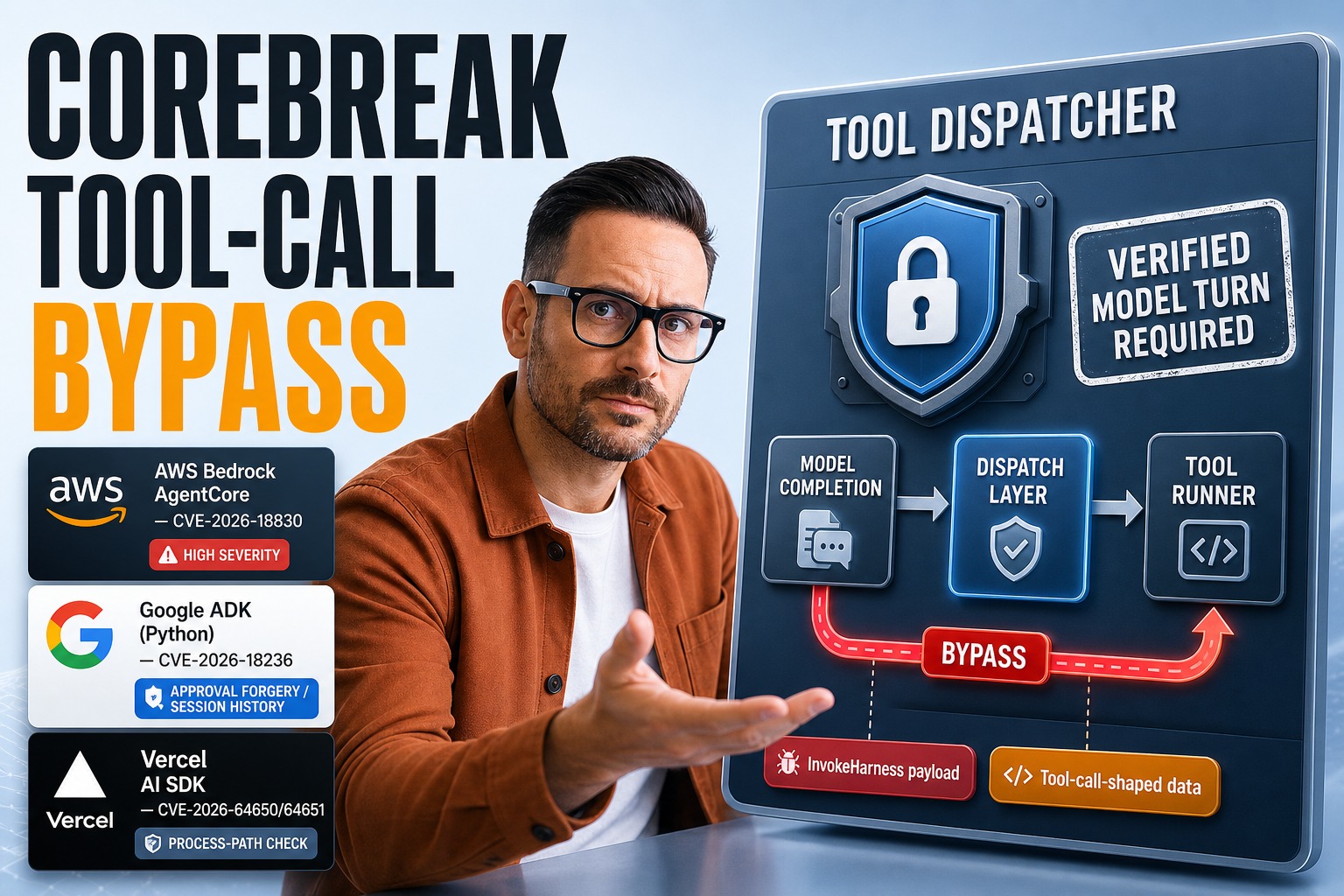
Test your agents against adversarial inputs. Try to trick them into ignoring their instructions. Verify that their browsing sessions are isolated and that they cannot access internal APIs directly from an untrusted context. Do not rely on the model's "alignment" for security; rely on code-level enforcement. If a vendor cannot explain how they sandbox their agent's browser or database access, they are selling you a vulnerability, not a solution.
Conclusion
Agentic AI offers a leap in productivity, but it introduces a new class of operational risk. The companies that win will be those that treat their agents not as trusted employees, but as powerful tools that need to be strictly controlled. Security is the enabler of autonomy. Without it, you are just building a faster way to make mistakes.