A clinician uses a voice‑driven dictation tool to update a patient’s medication list. The AI mis‑hears “increase metoprolol to 50 mg” as “increase metoprolol to 5 mg”. The error propagates to the EHR, the pharmacy dispenses the wrong dose, and the patient suffers a serious adverse event. In a regulated environment like US healthcare, such a failure triggers HIPAA investigations, potential fines, and irreversible damage to trust.
Plavno’s Take: What Most Teams Miss
Most teams treat voice AI as a plug‑and‑play front‑end and forget that every transcription becomes clinical data. They skip audit trails, ignore role‑based access, and assume the model will self‑correct. The result is a brittle system where a single misrecognition can break compliance, expose PHI, and halt care delivery. Naïve implementations treat the AI as a feature, not as a regulated component of the care pathway.
What This Means in Real Systems
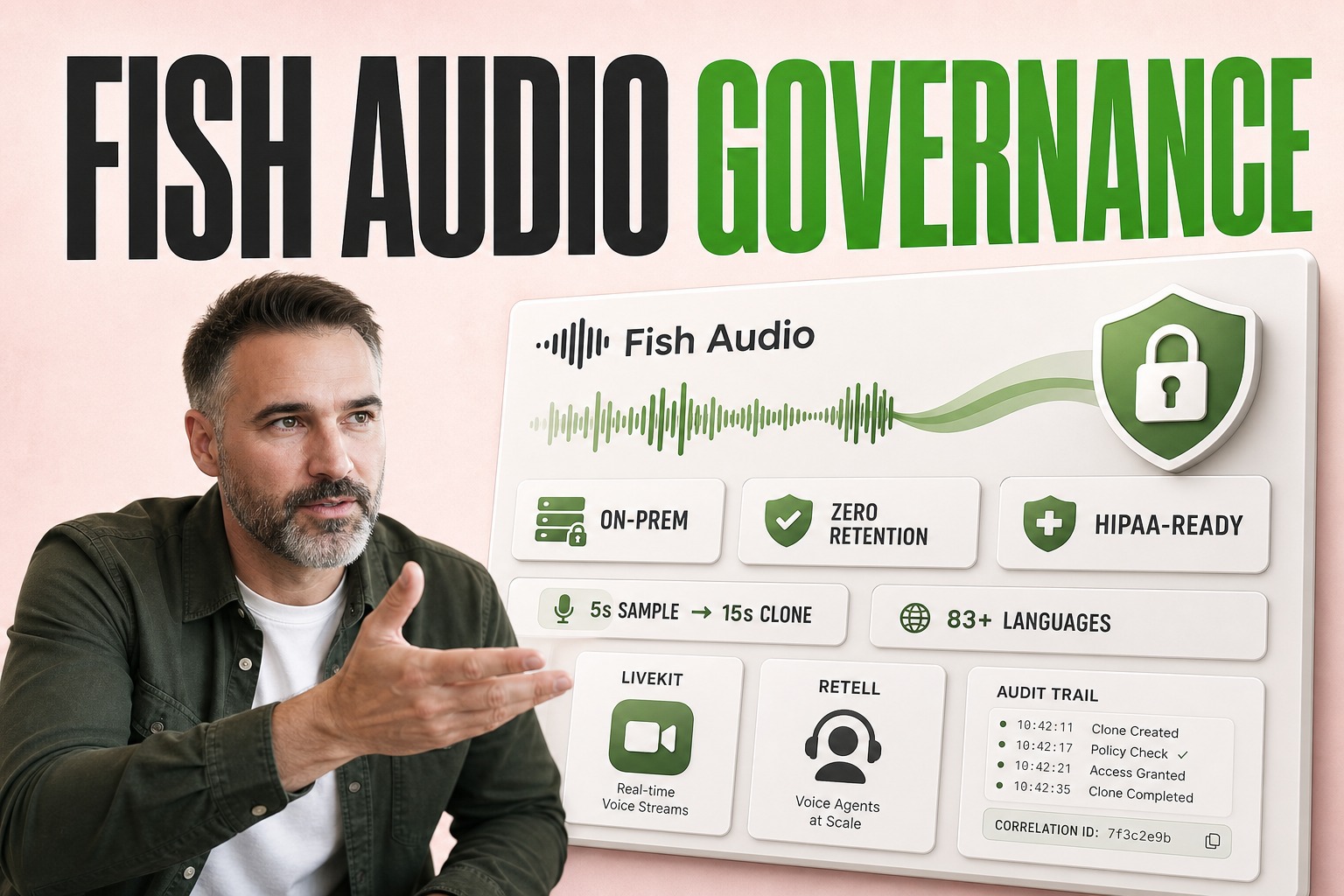
- Secure transcription pipeline – audio is encrypted at rest and in transit, processed in a HIPAA‑compliant enclave, and never stored in plain text.
- Fine‑grained permissions – only authorized clinicians can trigger voice commands; every request is logged with user ID, timestamp, and patient ID.
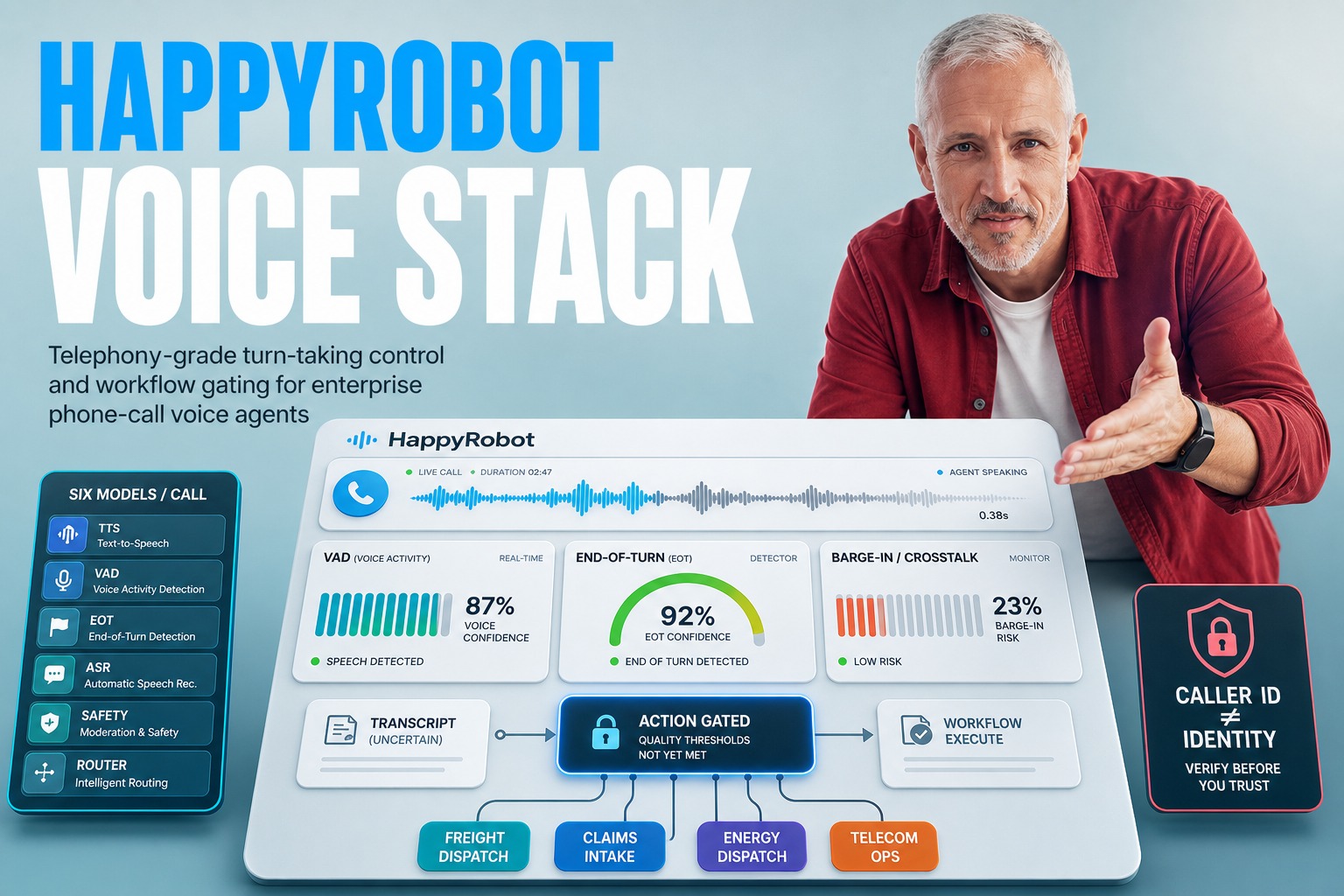
- Fail‑safe workflows – the AI returns a confidence score; low‑confidence results trigger a manual review UI before committing to the EHR.
- Auditable audit logs – immutable logs feed into compliance dashboards and can be exported for regulator review.
Why the Market Is Moving This Way
Remote care, tele‑triage, and clinician burnout have accelerated demand for hands‑free documentation. At the same time, the Office for Civil Rights has tightened enforcement of HIPAA violations tied to AI‑generated PHI. The convergence of operational pressure and regulatory scrutiny makes compliant voice AI a non‑negotiable requirement.
Business Value
A midsize hospital that adopted a compliant voice AI stack reduced charting time by 30 %, translating to $200 k annual labor savings. More importantly, the built‑in audit layer prevented a potential $150 k HIPAA fine that would have arisen from an undocumented transcription error. The net ROI materialized within six months.
Real‑World Application
- Patient intake – voice‑enabled kiosks capture chief complaints, automatically populating intake forms while preserving consent records.
- Order entry dictation – clinicians dictate medication orders; the system validates dosage ranges against formulary rules before writing to the EHR.
- Discharge summary generation – AI drafts summaries from bedside notes, flagging any missing required fields for clinician approval.
How We Approach This at Plavno
We design end‑to‑end AI agents that embed voice AI within a hardened AI automation framework. Our engineers build custom software that integrates directly with leading EHRs, enforces role‑based access, and runs continuous compliance testing. Security is validated through our cybersecurity audits, ensuring PHI never leaves the protected environment.
What to Do If You’re Evaluating This Now
- Test transcription accuracy across accents and noisy environments; set a minimum confidence threshold (e.g., 92 %).
- Validate audit logs for completeness and immutability before go‑live.
- Encrypt every data hop and verify HIPAA‑ready certifications of any third‑party transcription service.
- Pilot with a manual fallback – ensure clinicians can override AI decisions without friction.
- Avoid shortcuts like storing raw audio on unsecured servers; this is where many teams underestimate complexity.
Conclusion
If voice AI is to become a reliable partner in clinical automation, it must be engineered with compliance and fail‑safe design from day one. Skipping that step costs lives, money, and reputation – and that is a risk no US healthcare organization can afford.