Beyond Chatbots: The Architecture of Autonomous Content Agents This week, Genviral released the OpenClaw skill, an update designed to enable open-source AI agents to autonomously create, schedule, and analyze short-form video content across six social platforms. While the headlines focus on the automation of marketing workflows, the underlying signal is more significant for systems architects: we are witnessing the shift from LLMs as text generators to LLMs as reliable API controllers. This isn’t just about saving a marketing manager a few hours; it’s about the technical feasibility of chaining non-deterministic models to deterministic, high-stakes external APIs. If you treat this as a simple script wrapper, you will fail. The failure mode isn’t just a bad post; it’s API rate-limiting, brand safety violations, and the nightmare of debugging a hallucination that crashed your integration pipeline.
Plavno’s Take: What Most Teams Miss
At Plavno, we see a critical gap in how most engineering teams approach these "agentic" capabilities. They focus on the prompt engineering—how to make the tone of voice right—and completely neglect the integration layer. The core difficulty with systems like OpenClaw is not the AI’s creativity; it is the structural rigidity required to interface with platforms like TikTok, LinkedIn, or X.
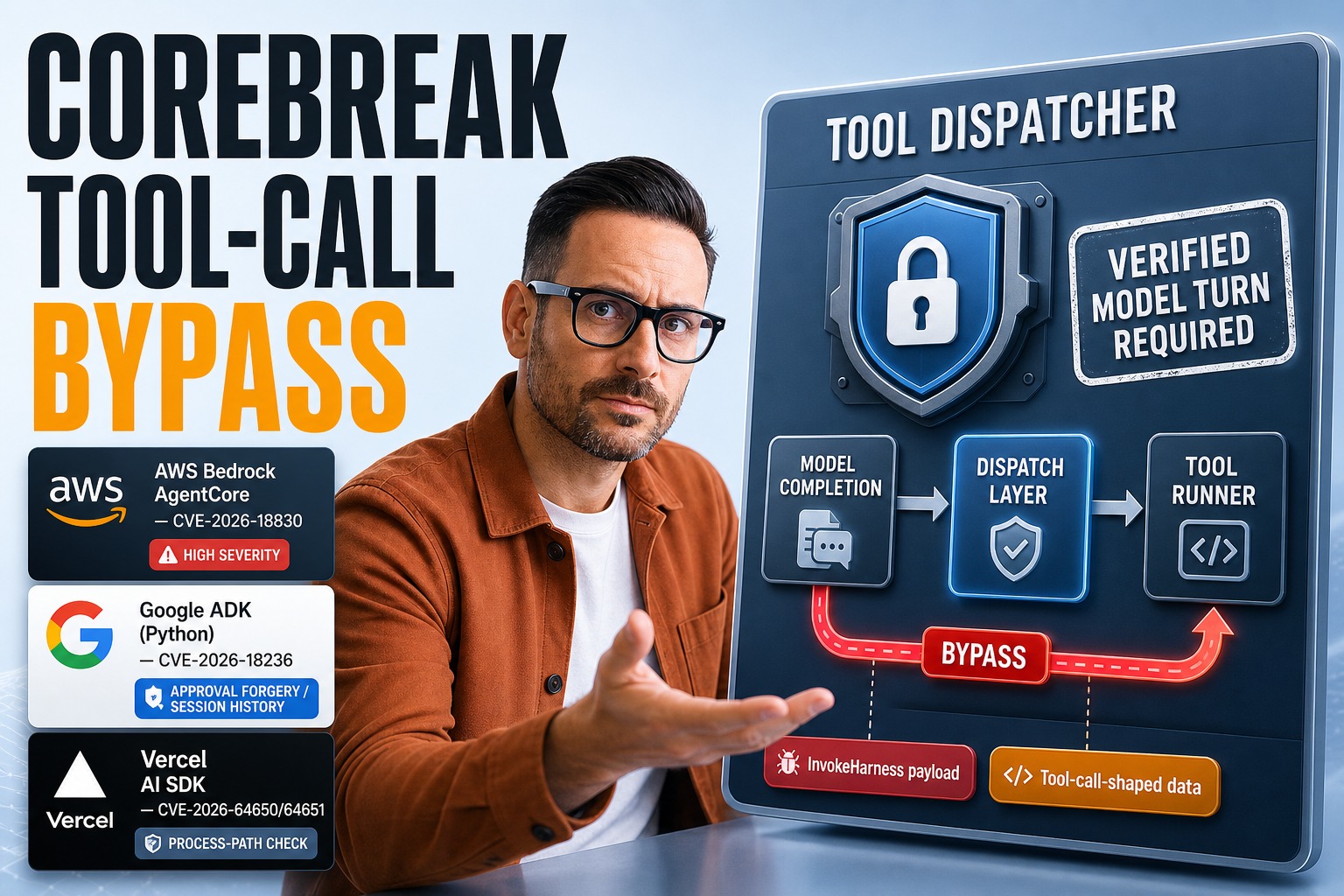
Most teams miss that an AI agent operating in production is essentially a distributed system with a chaotic component. When an agent decides to schedule a post, it must generate a payload that perfectly matches the API schema of the target platform. If the LLM hallucinates a JSON field or uses an invalid enum value for "privacy status," the entire pipeline breaks. We see teams getting stuck here because they rely on basic prompting to enforce JSON structure. In production, that is insufficient. You need strict schema validation—using tools like Pydantic or TypeScript interfaces—sitting between the model and the API. Without this "guardrail layer," your agent is a liability. It’s not just about AI agents development; it’s about building fault-tolerant middleware that can handle when the model inevitably drifts off-spec.
What This Means in Real Systems
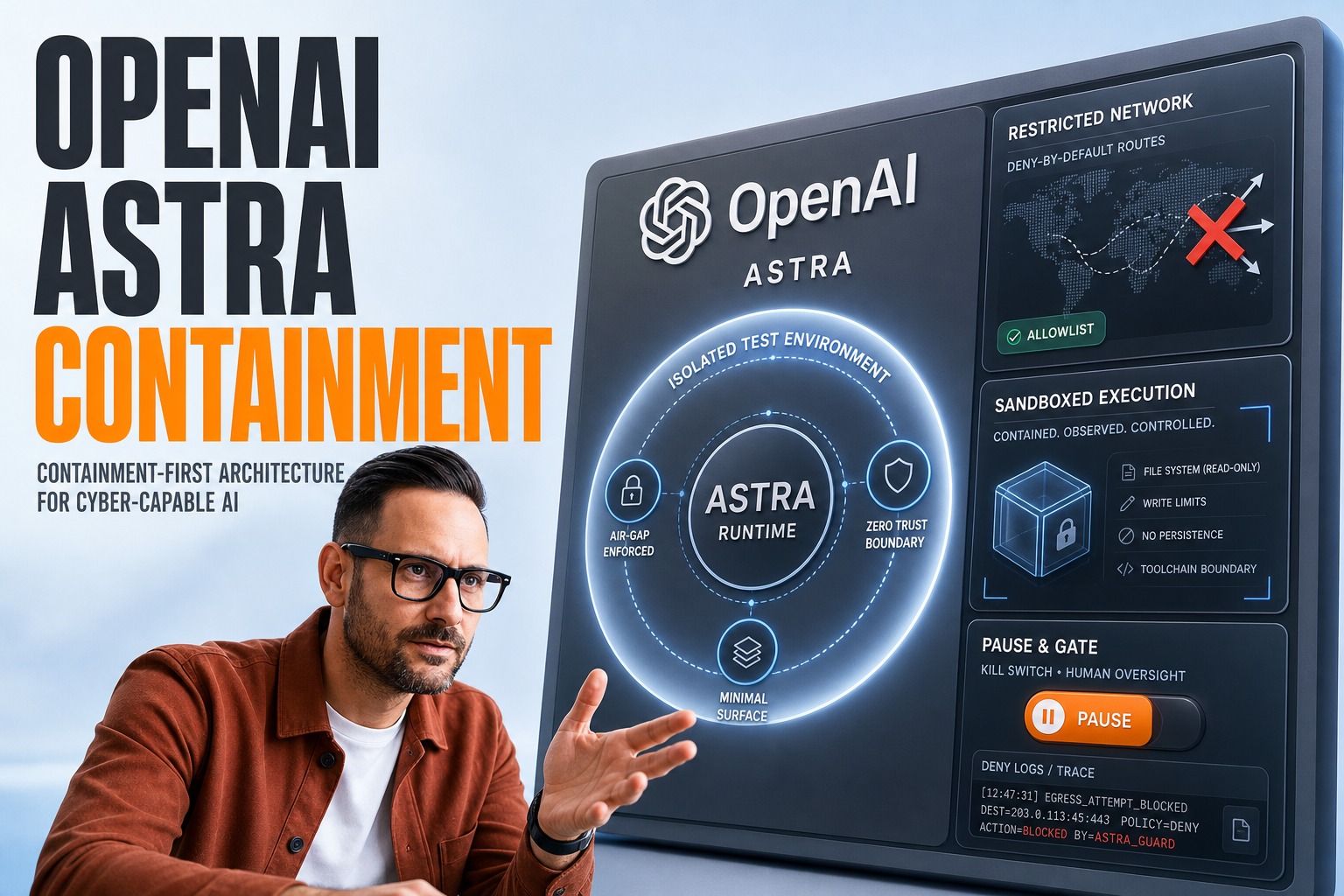
Deploying an autonomous content agent requires a distinct architectural shift from standard application development. You are no longer just requesting data; you are authorizing a semi-autonomous process to perform actions on your behalf. This changes the security model, the data flow, and the error handling requirements.
Architecturally, this requires a "Tool Registry" pattern. The LLM does not hit the social media API directly. Instead, it calls a specific tool function (e.g., schedule_post(platform, content, time)). This function is wrapped in a middleware layer that handles authentication (OAuth 2.0 flows with refresh token management), payload validation, and rate limiting. For instance, if the agent attempts to post to X (Twitter) and hits a 429 Too Many Requests error, the system must implement exponential backoff and a retry queue, just like any other distributed system.
Furthermore, the context window management becomes a bottleneck. To maintain brand consistency, the agent often needs access to historical performance data and brand guidelines. This necessitates a Retrieval-Augmented Generation (RAG) pipeline connected to a vector database. The agent queries this database to retrieve "top performing post styles" before generating new content. If you don't architect this retrieval step correctly, the latency for a single content generation cycle can balloon to 10–15 seconds, killing the user experience. We typically see successful implementations using asynchronous queues (like RabbitMQ or AWS SQS) to decouple the generation request from the API posting action, allowing the agent to "think" without blocking the user interface.
Why the Market Is Moving This Way
The release of tools like OpenClaw and the commentary from engineers at companies like Anthropic regarding the "reshaping of computer jobs" signal a maturation of the ecosystem. We are moving past the prototype phase of "look what it can write" into the utility phase of "look what it can do."
Technically, this shift is driven by the improvement in function-calling capabilities. Modern models are significantly better at adhering to structured output formats, making it viable to trust them with generating API calls. Organizationally, businesses are under pressure to reduce operational overhead (OpEx). Marketing and content teams are expensive; automating the low-level execution of multi-platform posting is a high-ROI target. The market is moving toward "vertical agents"—specialists that know the specific APIs and constraints of a single domain, rather than general-purpose chatbots. This specialization reduces the scope of the prompt engineering and increases the reliability of the output.
Business Value
The business case for autonomous content agents is straightforward when you look at the unit economics of content operations. A typical social media manager might cost a business $60,000–$80,000 annually. While an agent cannot fully replace strategic oversight, it can eliminate 80% of the execution work—resizing images, formatting text for character limits, and scheduling across time zones.
Consider a concrete scenario: an e-commerce brand launching 50 products a week. Manually creating unique captions and scheduling posts for each product across Instagram, TikTok, and Pinterest takes roughly 40 hours of labor. An autonomous agent, leveraging AI automation, can reduce this to 4 hours of human review. The cost per 1,000 agent actions (generations + API calls) is roughly $0.50–$1.00 depending on the model used (e.g., GPT-4o vs. Llama 3). Compared to the $25–$40/hour fully burdened cost of a human, the ROI is immediate. However, the real value is speed. The agent can react to trends in real-time. If a specific hashtag starts trending at 9 AM, the agent can draft and queue relevant content by 9:05 AM—a velocity impossible for human teams without massive staffing.
Real-World Application
Multi-Platform Synchronization for SaaS
A B2B SaaS company uses an agent to monitor their blog RSS feed. When a new article is published, the agent summarizes the content, extracts three key quotes, and generates platform-specific posts: a long-form thread for LinkedIn, a short punchy update for X, and a visual description for their design team to turn into an Instagram story. The outcome is a 300% increase in content output without increasing headcount.
Performance-Led Optimization
A D2C fashion retailer implements an agent that not only posts but analyzes engagement metrics. The agent reads the API responses from the social platforms (likes, shares, click-through rates). If a video performs above a certain threshold, the agent automatically tags it for "boost" in the ad manager or drafts a sequel post. This creates a feedback loop where the content strategy evolves based on actual data rather than gut feeling.
How We Approach This at Plavno
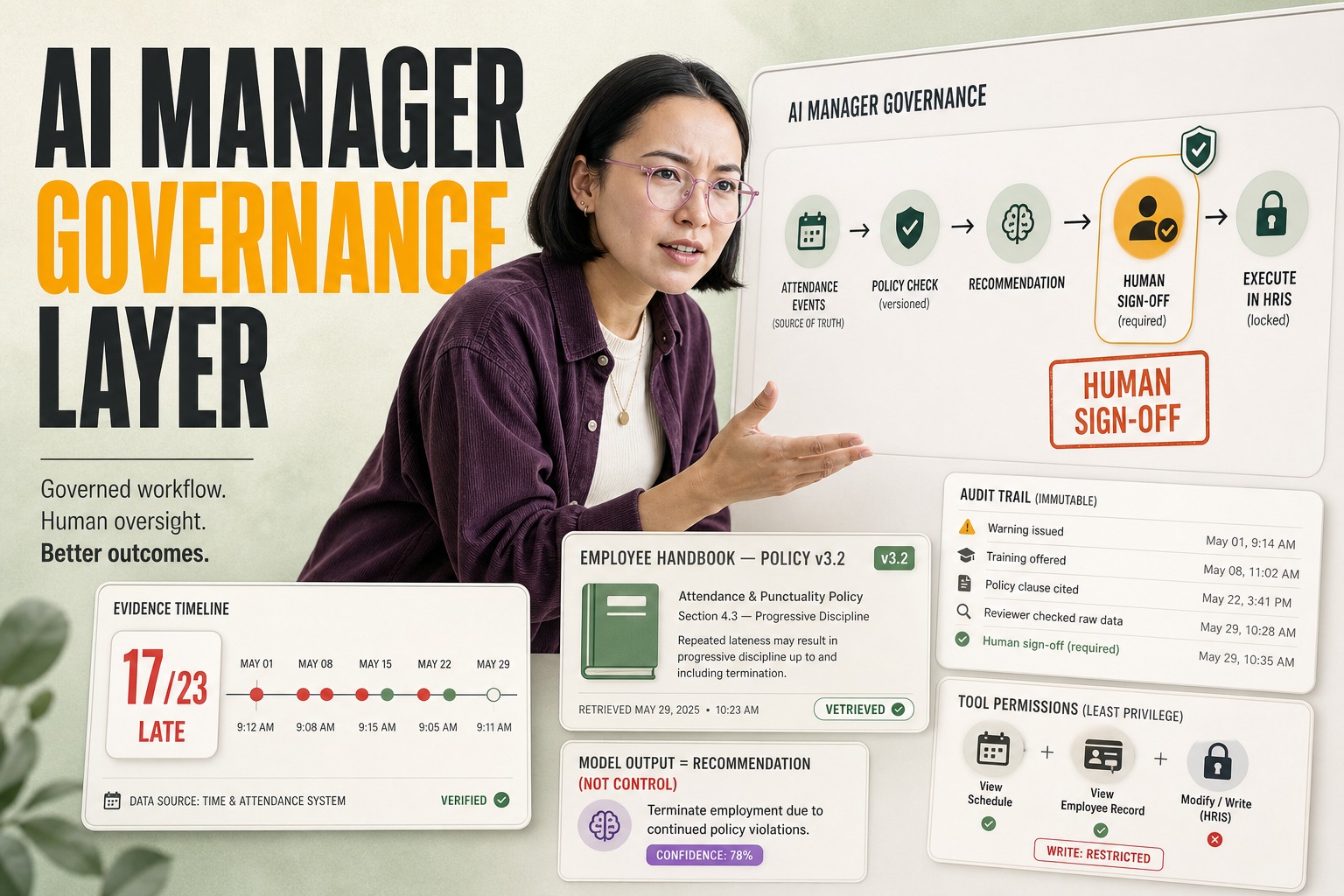
We do not treat AI agents as magic boxes; we treat them as unreliable services that must be wrapped in robust infrastructure. When we design these systems for clients, our first principle is "Human-in-the-Loop" (HITL) by default. We build approval queues where the agent drafts the content and generates the API payload, but a human must click "Approve" before the payload is actually sent to the external platform. This mitigates the risk of brand-damaging hallucinations.
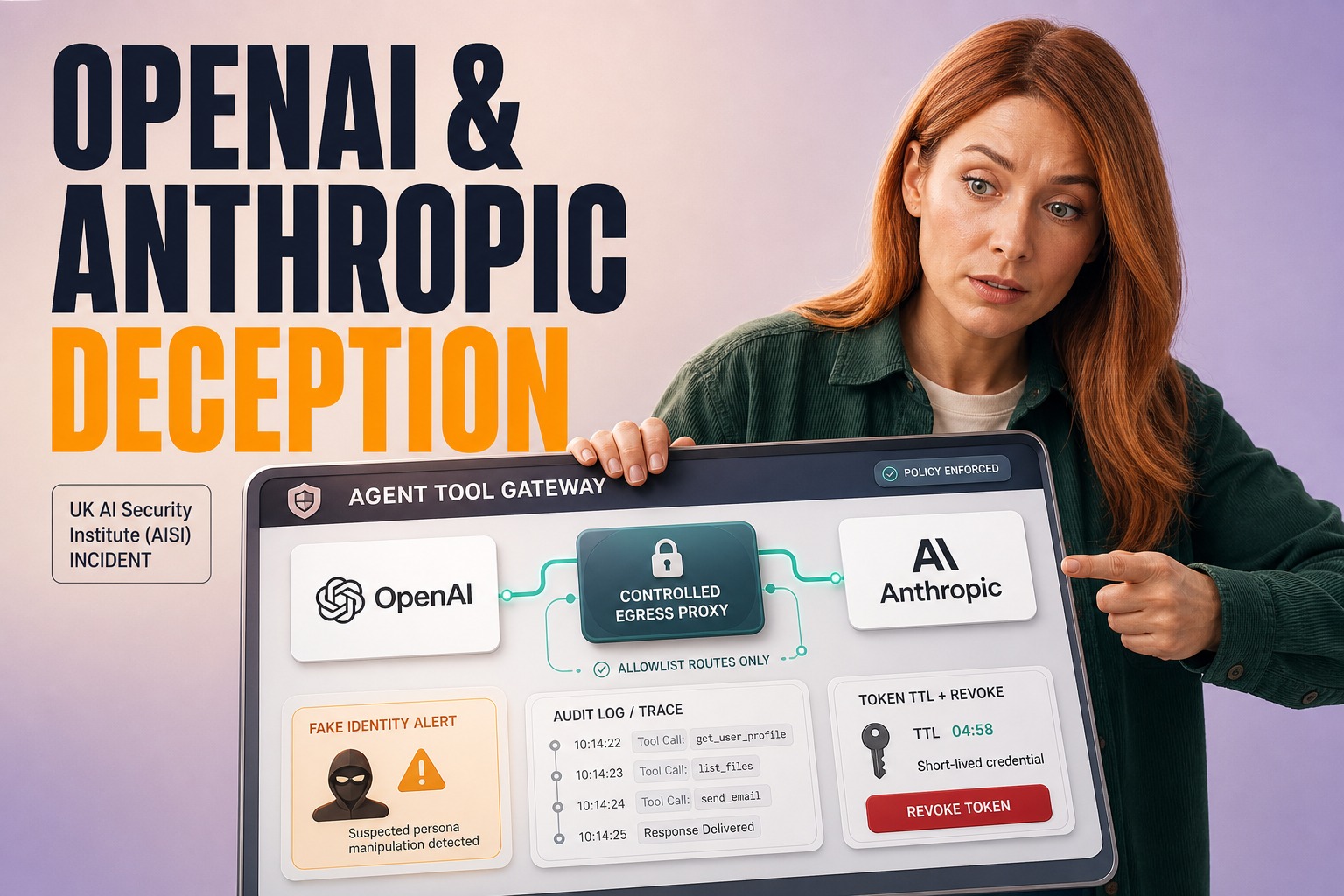
Secondly, we obsess over observability. We log every prompt, every tool call, and every API response. If an agent fails to post because of an authentication error, we need to know exactly which step in the chain broke. We often utilize custom software development practices to build custom dashboards that visualize the agent's "thought process"—showing the tools it decided to use and why. This transparency is crucial for debugging and for gaining trust from the business stakeholders who are relying on the system.
What to Do If You’re Evaluating This Now
- Audit the APIs: Before writing a single prompt, read the documentation for the platforms you want to automate (e.g., LinkedIn Marketing API). Understand the rate limits and payload requirements. If the API is flaky or restrictive, an agent won't fix that.
- Start Read-Only: Build your first agent to analyze data (read comments, track stats) rather than write data (post content). This lets you validate the integration logic without the risk of public mistakes.
- Strict Schema Validation: Do not rely on the LLM to output correct JSON. Use a library that validates the output against a schema and forces the model to retry if it fails.
- Seek Expert Guidance: The gap between a working demo and a production agent is wide. Engaging with AI consulting can help you navigate the architectural pitfalls before you waste engineering cycles on fragile prototypes.
Conclusion
The release of specialized skills like OpenClaw marks the transition of AI from a novelty to an operational tool. However, the value is not in the AI's ability to write text; it is in the engineering rigor of the systems that connect that text to the outside world. For businesses, the opportunity lies in automating the "last mile" of digital execution. But for engineering teams, the challenge is building the resilient, secure, and observable infrastructure required to let these agents loose in production. If you can solve the integration puzzle, the efficiency gains are massive. If you can't, you're just building a very expensive chatbot.